
|
Getting your Trinity Audio player ready...
|

Introduction by Dr. Oz
Over my years as a physician, I’ve spoken with countless parents who were desperate for answers about autism. Some had stories of sudden regression after an illness or a shot, others described subtle challenges that grew over time. What united them all was the same plea: please listen to us.
Today, we are not here to present easy answers. We are here to open a dialogue that has too often been closed. Autism touches every community, every family, and every level of society. It demands urgency, compassion, and above all, honesty.
This summit is historic because it brings together leaders, scientists, and parents on the same stage. We may not all agree, but we all share the same goal: healthier children, stronger families, and a future shaped by truth. That’s why this conversation matters.
(Note: This is an imaginary conversation, a creative exploration of an idea, and not a real speech or event)

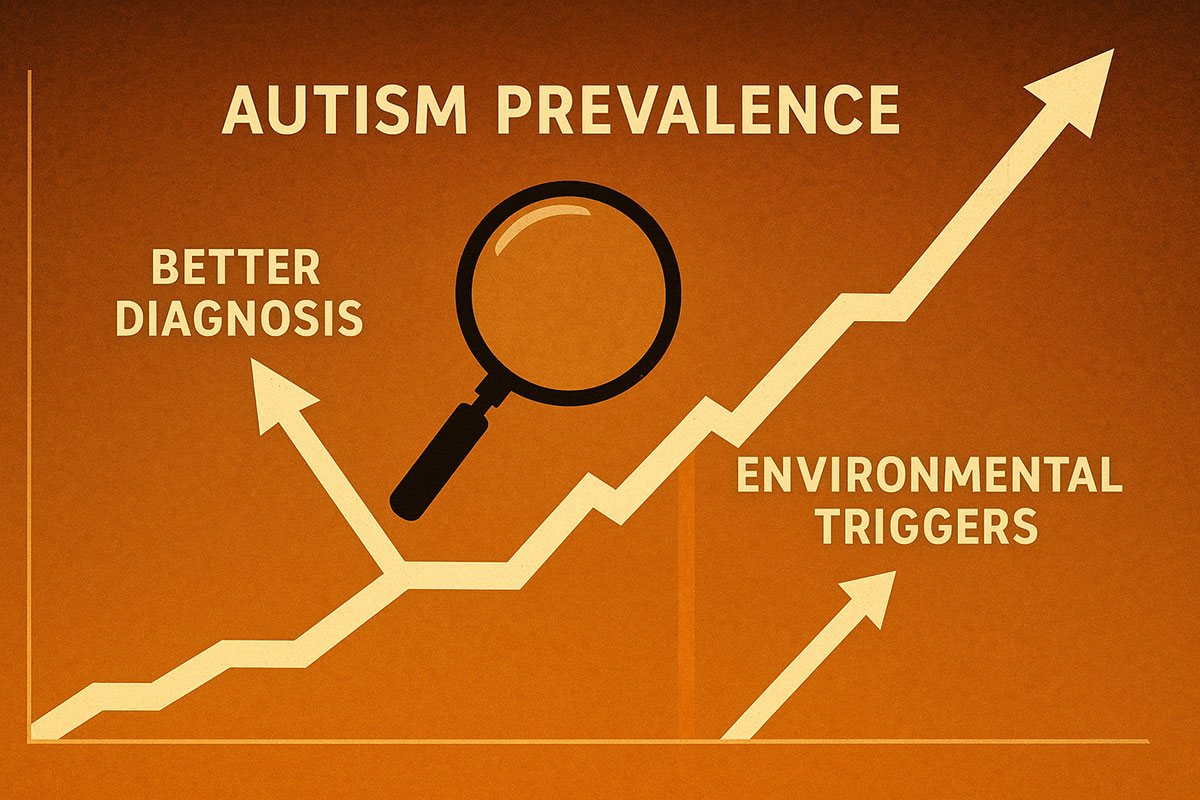
Topic 1: The Rising Prevalence of Autism — Better Diagnosis or Environmental Triggers?
Dr. Oz (moderator):
We’re here today to talk about one of the most urgent questions families and policymakers are asking: Why have autism rates risen so dramatically in recent decades? Some argue it’s better recognition, while others believe environmental triggers are driving the increase. Let’s start by unpacking this from your different perspectives.
First Question: What do you believe is the primary driver behind the sharp rise in autism diagnoses — better detection, or something deeper?
Donald Trump:
When I look at the numbers — one in 20,000 years ago, now one in 31, even one in 12 for boys in places like California — I don’t buy that it’s just better diagnosis. That’s a convenient excuse. Something is happening, something artificial. I’ve seen too many parents tell me their child changed overnight after medical interventions. To me, that says the rise is driven by external factors — and if we don’t admit that, we’ll never solve the crisis.
Dr. Catherine Lord:
It’s true that diagnostic expansion and awareness explain some of the increase, but not all. Over the last 30 years, we’ve broadened the criteria of what autism looks like, capturing milder forms and recognizing children earlier. That said, the acceleration is too steep to be explained by recognition alone. My research suggests there’s likely a mix — changing definitions, more awareness, and yes, real changes in prevalence. That’s why research into environmental exposures is essential.
Amanda (Parent Advocate):
As a mom, I don’t care if people say it’s “better recognition.” What I know is that my child struggles every single day, and so do thousands of families. When my son was diagnosed, the doctors couldn’t explain why. That uncertainty is crushing. I believe something more is happening, something in our environment or medical practices, because I see how quickly kids go from thriving to struggling. Families want honesty, not excuses.
Robert F. Kennedy Jr.:
Historically, NIH has put nearly all its resources into genetics, avoiding uncomfortable questions about pharmaceuticals, toxins, or environmental triggers. That’s like studying lung cancer without looking at cigarettes. Families know this. Yes, awareness has improved diagnosis, but you don’t get a 400% increase in two decades from that alone. Our new multi-agency initiative is designed to finally look under every stone, because science must be transparent — not politically safe.
Dr. Jay Bhattacharya:
The epidemiology is clear: diagnostic substitution explains only a fraction of the rise. Longitudinal cohort studies show incidence increases that cannot be fully accounted for by changes in definitions or awareness. As a scientist, I have to remain cautious, but I agree with Catherine and Bobby — the data point to both diagnostic expansion and genuine increases. That’s why we need unbiased studies of environmental exposures, medications, and other possible drivers.
Second Question: If environmental factors are contributing, what areas should we investigate first?
Robert F. Kennedy Jr.:
We’re starting with pharmaceuticals, because pregnant women are often told to take medications without long-term safety data on neurodevelopmental outcomes. Acetaminophen is one such drug under scrutiny. We’re also investigating heavy metals, pesticides, and other environmental toxins. Nothing will be off-limits. For too long, research has been politicized. Parents deserve answers, not suppression.
Amanda:
From my perspective, we should be asking what changed in children’s environments over the last 30 years. More medications in pregnancy, more vaccines clustered together, more chemicals in food and water. I’m not a scientist, but I can tell you, mothers notice patterns. We’re not crazy. We’re desperate for someone to actually listen instead of dismissing us.
Donald Trump:
Look, common sense tells you — when you pump kids full of 70 or 80 shots at once, or when you hand out Tylenol like candy, something’s going to happen. The Amish don’t do it, and they don’t have autism. You don’t need a fancy study to see that. We need to stop pretending we don’t know, and start acting on what’s obvious.
Dr. Catherine Lord:
I’d caution against jumping to conclusions. Correlation does not equal causation. For example, Amish communities also differ in genetics, lifestyle, and healthcare access, which complicates comparisons. But that doesn’t mean we shouldn’t look. We need rigorous, controlled studies on prenatal exposures, pollutants, nutrition, and healthcare practices. It’s the only way to separate myths from real risk factors.
Dr. Jay Bhattacharya:
Agreed. The most promising path is exposomics — examining the sum of exposures during pregnancy and early childhood, from pharmaceuticals to pollutants, alongside genetics. By combining large datasets with machine learning, we can identify patterns that aren’t visible in isolated studies. This approach respects both parental observations and scientific rigor.
Third Question: With families desperate for clarity, how do we balance urgency with scientific caution?
Amanda:
We don’t have the luxury of waiting decades for answers. My son is 5. By the time studies are done, he’ll be grown. Families need guidance now. Even if the science isn’t 100% complete, give us transparency and precautionary advice. Don’t just say, “Don’t worry, it’s safe.” That’s insulting. We deserve informed choice.
Dr. Catherine Lord:
I understand that urgency, but rushing can also lead to false conclusions that harm families further. What we need is radical transparency — telling parents exactly what we know, what we don’t, and how strong the evidence is. Science can be cautious without being secretive. That builds trust.
Donald Trump:
We don’t need to wait. If something has no downside, like spacing vaccines out or avoiding unnecessary drugs, then why not do it? What’s the harm? Bureaucrats like to stall, but I want results now. Parents are suffering. Children are suffering. Common sense first, then science can catch up.
Robert F. Kennedy Jr.:
This is why we’ve broken down silos across NIH, FDA, CDC, and CMS. For the first time, we’re fast-tracking autism research with a commitment to publish results in real time. No more burying inconvenient findings. Parents will be partners in the process, not sidelined. Transparency and speed must go hand-in-hand.
Dr. Jay Bhattacharya:
As a scientist, I believe we can move quickly without compromising rigor. Pre-registering studies, sharing raw data, and publishing incremental results will allow parents and clinicians to act on emerging evidence, while science continues to refine. We owe families both honesty and urgency.
Closing Reflection
Dr. Oz (moderator):
We’ve heard urgency from President Trump, a call for transparency from Secretary Kennedy, scientific caution from Dr. Lord and Dr. Bhattacharya, and the raw reality from Amanda. The consensus seems to be: the rise in autism cannot be explained by better diagnosis alone. Families need faster answers, clearer guidance, and above all, honesty. Our task is to marry science with compassion, speed with accuracy — because behind every statistic is a child, and a family searching for hope.
Topic 2: Acetaminophen and Autism — What Does the Science Really Say?
Dr. Oz (moderator):
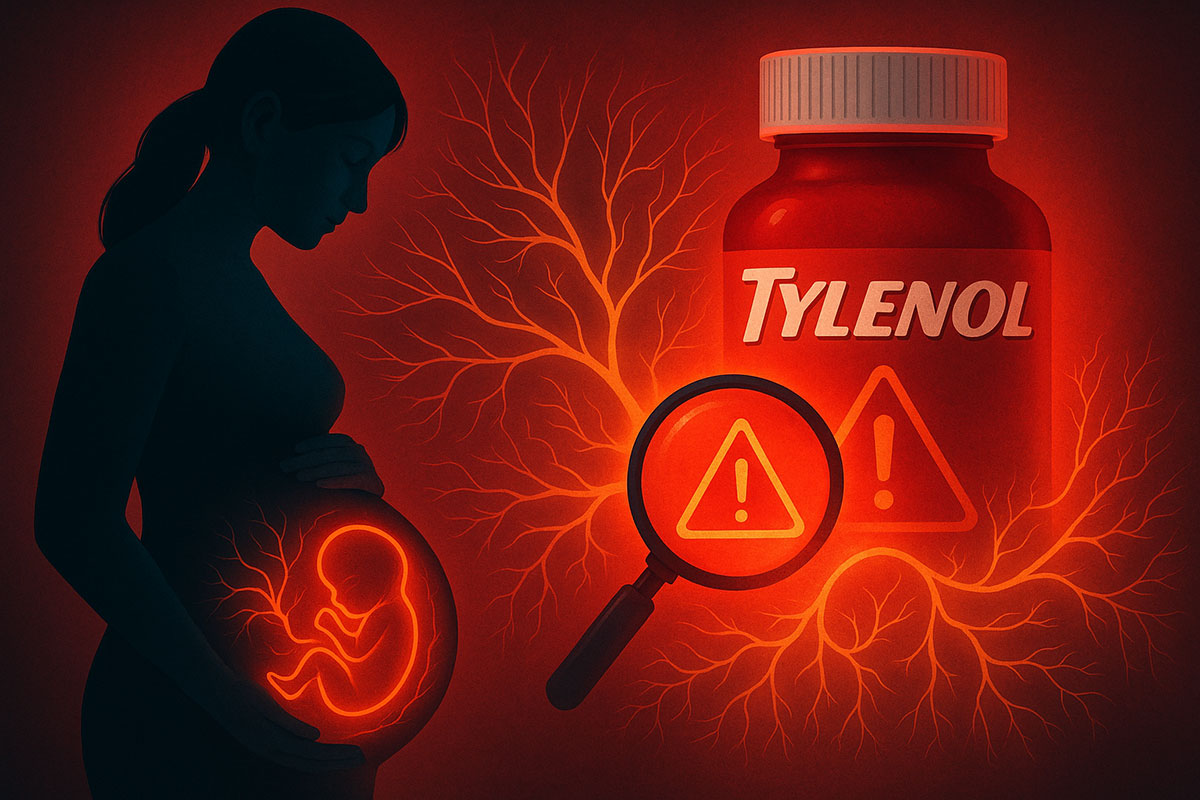
One of the most striking parts of the announcement was the FDA’s warning that acetaminophen, widely known as Tylenol, may be linked to autism when used in pregnancy. For decades, it’s been considered safe. Parents are now left asking: What’s the truth? Let’s explore this from your different vantage points.
First Question: How strong is the evidence that acetaminophen use in pregnancy could contribute to autism?
Robert F. Kennedy Jr.:
We have a growing body of research — the Boston Birth Cohort, the Nurses’ Health Study, and reviews from Harvard and Yale — all pointing to consistent associations between prenatal acetaminophen and neurodevelopmental issues. While critics will always say “correlation isn’t causation,” the biological mechanisms proposed make sense. The placenta isn’t a perfect barrier; exposure affects brain development. For too long, warnings were suppressed. Now we owe families transparency.
Donald Trump:
I’ve been saying this for years: don’t take it. You hear the studies, you see the numbers, and you look at common sense. If some countries or groups don’t use Tylenol and have virtually no autism, that tells you something. I don’t care if the establishment attacks me for saying it straight. The evidence is strong enough to act now. Why wait? There’s no downside to caution.
Amanda (Parent Advocate):
When I was pregnant, Tylenol was given to me like candy. No warnings, no questions. If I’d known even maybe it could harm my child, I would have toughed it out. That’s why this conversation matters. Parents don’t want perfect proof — we want honesty and choice. Just tell us the risks. Don’t sugarcoat it.
Dr. Catherine Lord:
The evidence is concerning but not definitive. Many studies show associations, but confounders remain — fever itself, underlying illnesses, genetics. Science takes time to untangle these variables. Still, given the widespread use of acetaminophen, even a modest risk is significant. What we need now is cautious guidance: lowest dose, shortest duration, only when absolutely necessary.
Dr. Jay Bhattacharya:
From an epidemiological perspective, the signal is consistent across multiple studies, which makes it compelling. But causation hasn’t been fully established. That’s why the FDA’s approach is measured: not banning, but warning and encouraging restraint. Transparency with uncertainty is the right path — parents deserve to know the evidence without panic or suppression.
Second Question: If acetaminophen is risky, what should pregnant women do when they face fever or pain?
Donald Trump:
My advice is tough it out unless it’s absolutely impossible. Of course, if the fever is dangerously high, you need medical help. But don’t just pop Tylenol for every ache. Too many doctors hand it out without thinking. That’s got to change.
Amanda:
That’s the hardest part. Moms want to do the right thing but feel pressured by doctors. I think the answer is honesty: tell us Tylenol should be the last resort, not the first. And if there are alternatives, we should know them.
Dr. Catherine Lord:
The tricky reality is that high fevers themselves can be dangerous to a developing baby, so ignoring them isn’t an option. That’s why clear, evidence-based guidance is critical: when the benefits of reducing fever outweigh the risks of the drug. Doctors need to make individualized recommendations, not blanket ones.
Robert F. Kennedy Jr.:
This is why we need radical transparency. Parents can’t weigh risks and benefits if they’re kept in the dark. Acetaminophen may be the “least bad” option in rare cases, but it should never be prescribed casually. We’ll be launching a national campaign to educate mothers on exactly this point.
Dr. Jay Bhattacharya:
I agree — the focus should be on prudent medicine: lowest dose, shortest time, only if clinically necessary. At the same time, public health agencies must accelerate research into safer alternatives for pregnant women. It’s unacceptable that after decades of widespread use, we still don’t have clear answers.
Third Question: How do we rebuild public trust after decades of being told acetaminophen was completely safe?
Amanda:
Trust comes from honesty. Stop telling us everything is fine when it isn’t. Admit uncertainty, share the studies, let us decide with our doctors. Parents will forgive mistakes. What we can’t forgive is being lied to.
Robert F. Kennedy Jr.:
Exactly. For too long, agencies avoided controversy by focusing only on genetics. That wasn’t science — it was politics. We are now breaking that culture of suppression. Trust will return when parents see real transparency, even if the answers are uncomfortable.
Donald Trump:
I think people trust someone who tells it straight. I say, don’t take Tylenol if you’re pregnant. Don’t give it to babies after shots. That’s clear, that’s honest, and that’s common sense. The more direct we are, the faster parents will start believing again.
Dr. Catherine Lord:
We also need to avoid swinging into fear without evidence. Public trust grows when information is communicated responsibly — not sensationally, not dismissively. That balance is delicate, but essential.
Dr. Jay Bhattacharya:
Transparency, speed, and humility are the keys. Families should see the data as it emerges, not years later. Scientists must admit what we don’t know. That humility — combined with clear action when evidence is strong enough — is what will ultimately rebuild trust.
Closing Reflection
Dr. Oz (moderator):
What we’ve heard is both sobering and hopeful. The science on acetaminophen and autism is not settled, but the signal is too strong to ignore. Parents want transparency, scientists urge caution, leaders call for action — and together, they point toward a new culture of honesty in medicine. This conversation is about more than Tylenol. It’s about whether families can finally trust that what they’re told is truly in their best interest.
Topic 3: Vaccines and Autism — Separating Fact, Fear, and Suppressed Research

Dr. Oz (moderator):
Few issues are more polarizing than vaccines and autism. For decades, the medical community has insisted there is no link, while many parents say their children regressed immediately after vaccination. Today, we’ll address this with honesty: How do we separate fact from fear, and why has this conversation been so suppressed?
First Question: Why do you think vaccines and autism became so controversial, and what’s the truth as you see it?
Donald Trump:
I’ve met countless parents who told me the same story: their child was perfectly healthy, then they got a big shot, spiked a massive fever, and everything changed. You don’t need to be a scientist to see a pattern. The controversy exists because the establishment refuses to even talk about it. I support vaccines — I made Operation Warp Speed happen — but we must acknowledge problems when they exist.
Dr. Jay Bhattacharya:
Scientifically, the strongest large-scale studies haven’t found a causal link between vaccines and autism. However, the controversy persists because of mistrust. When parents feel dismissed or silenced, their stories gain more power. The truth may be that vaccines are overwhelmingly safe but not risk-free. What’s needed is open, rigorous study, not censorship.
Robert F. Kennedy Jr.:
This issue became controversial because research was actively suppressed. Mothers were gaslit. Scientists who raised questions lost funding or reputations. No one is saying all vaccines cause autism. But clustering 70+ shots in the first years of life without studying long-term effects? That’s reckless. We must restore scientific integrity and investigate every possible link.
Dr. Catherine Lord:
The scientific consensus is clear: vaccines save lives, and no consistent evidence shows they cause autism. But we can’t ignore parents’ fears. The real truth is more nuanced: the rise in autism isn’t explained by vaccines alone, but the perception gap has grown because science communicated poorly and often defensively. That’s where the mistrust comes from.
Amanda (Parent Advocate):
When my child regressed right after shots, nobody listened. Doctors told me it was coincidence, or that I was imagining it. That hurts. Whether vaccines caused it or not, the way parents were dismissed created anger and mistrust. For us, this isn’t about politics. It’s about our kids, and we want respect for our experiences.
Second Question: Should vaccine schedules be changed — spacing them out, separating doses, or delaying certain shots?
Donald Trump:
Absolutely. You don’t give a tiny baby a vat of vaccines all at once. It’s like dumping a bucket on a fragile flower. Break it up — three, four, five visits instead of one. Spread it out. What’s the harm? Zero downside.
Dr. Catherine Lord:
Spacing schedules hasn’t been shown to reduce autism risk in controlled studies, but it could reduce parent anxiety. If done safely, without leaving children unprotected during outbreaks, it may be a reasonable compromise. The challenge is balancing individual fears with public health.
Robert F. Kennedy Jr.:
The current schedule was built for convenience and industry, not children’s health. There’s no downside to separating MMR into three shots, delaying Hepatitis B until adolescence, or spreading out doses. Parents deserve informed choice, not a one-size-fits-all mandate.
Dr. Jay Bhattacharya:
We should investigate schedule modifications rigorously. However, delaying vaccines carries risks — outbreaks of measles, whooping cough, or polio are serious. The scientific community must test whether spacing is truly safer, and if so, update guidelines accordingly. Until then, parents should be given transparent information to decide with their doctors.
Amanda:
If doctors had simply said, “We don’t know for sure, but here are your options,” it would have changed everything. Parents want flexibility. We’re not anti-vaccine; we’re pro-safety, pro-choice, and pro-transparency.
Third Question: How do we restore trust between families, scientists, and government around vaccines and autism?
Robert F. Kennedy Jr.:
End the censorship. Let scientists study everything, even controversial questions. Publish all findings, good or bad. Trust returns when parents see transparency, not suppression.
Donald Trump:
I agree. Stop hiding. Be honest. If something is wrong, fix it. Families don’t want excuses. They want straight talk. If a vaccine schedule needs changing, do it. If something is unsafe, admit it. That’s how you rebuild trust.
Amanda:
For me, it’s simple: listen to parents. Don’t roll your eyes, don’t dismiss us, don’t call us crazy. Partner with us. Treat our experiences as data. That respect means more than you realize.
Dr. Catherine Lord:
We also need responsible communication. Scientists shouldn’t overpromise certainty when uncertainty exists. Equally, leaders shouldn’t exaggerate risks. Trust grows when families are given balanced, respectful, and evidence-based guidance.
Dr. Jay Bhattacharya:
Transparency, humility, and participation are key. Families should be part of research design, not just subjects. Public trust isn’t restored with slogans — it’s earned through openness and honesty.
Closing Reflection
Dr. Oz (moderator):
This conversation revealed the core tension: vaccines save lives, yet many families feel unheard and even betrayed. The science leans heavily toward safety, but trust has been fractured by years of dismissal and suppression. Perhaps the real answer isn’t simply “vaccines do” or “don’t” cause autism — but whether we can build a culture where families, scientists, and leaders seek the truth together, with transparency and compassion.
Topic 4: Novel Therapeutic Pathways — Can Folate Supplementation and Leucovorin Treatment Make a Difference?
Dr. Oz (moderator):
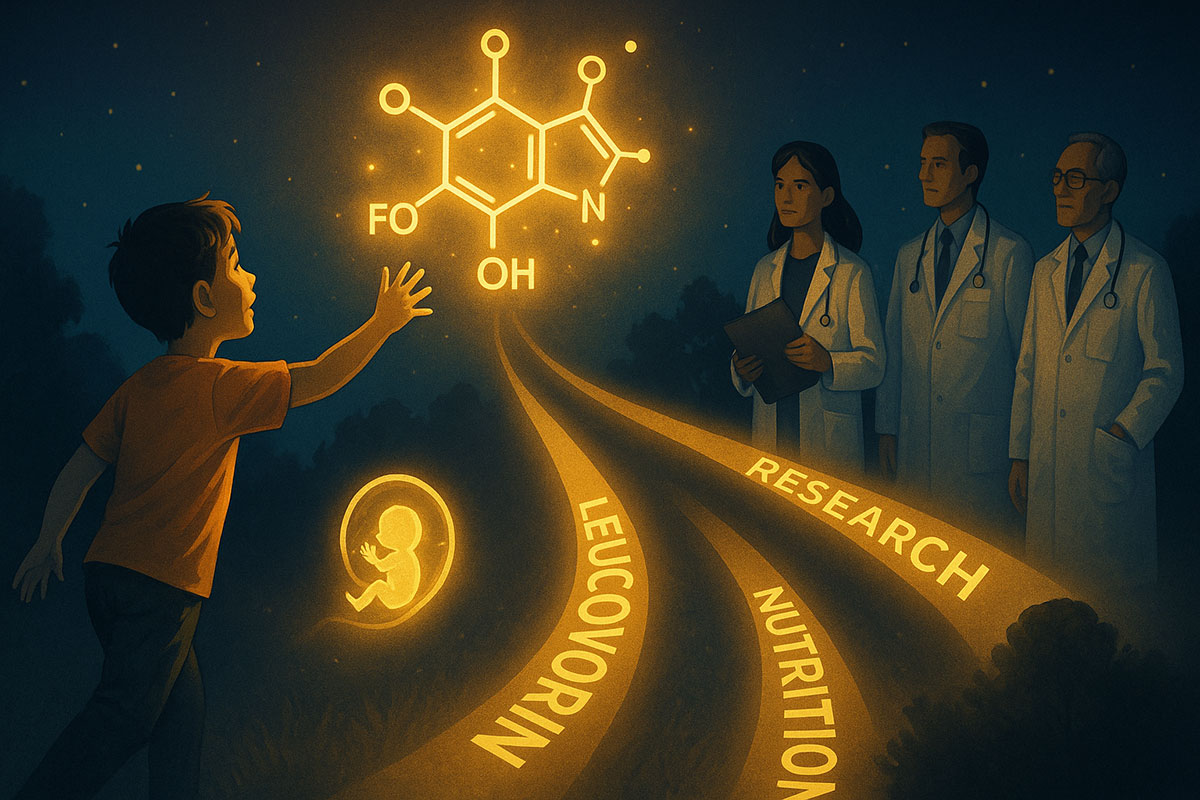
We’ve discussed causes and controversies, but families also want hope for therapies. Recent studies suggest that folate metabolism plays a role in some autism cases, and a drug called leucovorin — already used in other contexts — may help improve communication for certain children. Let’s ask: Could this be a breakthrough, and what are its limits?
First Question: How promising is leucovorin, or other folate-based therapies, for children with autism?
Robert F. Kennedy Jr.:
The literature shows up to 60% of children with folate receptor deficiency and autism symptoms see improvements with leucovorin. That’s extraordinary. For families who’ve been told “nothing can be done,” this could be life-changing. We need to move fast: make it widely available, ensure insurance coverage, and continue studying to refine who benefits most.
Donald Trump:
I’ve heard from parents who’ve tried it — the improvements are real. Kids start talking, start connecting. It’s a miracle for some. Government must cut red tape and make it accessible to everyone who needs it. If there’s no downside, why wait?
Amanda (Parent Advocate):
Hope is everything. When you have a nonverbal child, even small improvements — a word, a gesture — are huge. Families like mine want access, not endless waiting for “more research.” If leucovorin helps some kids, then give us the chance to try it.
Dr. Jay Bhattacharya:
The data are compelling, but we must be careful. Not every child with autism will respond, and placebo effects are strong. That said, rigorous randomized trials already show benefits in specific subgroups. This is not snake oil — it’s a legitimate therapy with a clear biological mechanism. We just need to target it wisely.
Dr. Catherine Lord:
I’m cautiously optimistic. Autism is heterogeneous; no single therapy will help everyone. But if leucovorin improves verbal communication in a defined subset, that’s a meaningful step forward. We should pursue it while also managing expectations — it’s not a universal cure.
Second Question: What should the process look like to make leucovorin accessible while ensuring it’s used responsibly?
Donald Trump:
Fast-track it. Medicaid, insurance, everyone should cover it immediately. Parents don’t have years to wait. Doctors can monitor dosage and safety, but the main thing is: don’t block it with bureaucracy.
Dr. Jay Bhattacharya:
We need parallel tracks: immediate clinical access for children who fit the biological profile, and ongoing data collection to monitor outcomes. This way, we balance compassion with scientific rigor.
Amanda:
That’s exactly what parents want — access and information. Let us try it, but also track our children’s progress so we can help other families. Make us partners in the process, not obstacles.
Robert F. Kennedy Jr.:
This is where breaking silos matters. FDA changes the label, CMS ensures coverage, NIH funds further studies — all at once, not in separate lanes. Historically, each agency moved slowly in isolation. We’re finally coordinating, and that’s what parents have demanded for decades.
Dr. Catherine Lord:
I’d emphasize medical guidance. Not every pediatrician understands folate metabolism or autism subtypes. We need clear guidelines for clinicians: which children qualify, what doses work, how to monitor side effects. Access without education could lead to misuse or disappointment.
Third Question: Beyond leucovorin, what other therapeutic pathways should we explore to improve life for autistic children?
Amanda:
Parents are hungry for therapies that improve communication and reduce frustration. Whether it’s diet, supplements, behavioral therapies, or new drugs, we just want more tools. Don’t limit the search.
Dr. Catherine Lord:
We should focus on personalized medicine — tailoring interventions to each child’s biology. Some respond to folate pathways, others may need immune modulation or sensory integration therapies. Autism is not one condition; it’s many. Research must reflect that diversity.
Donald Trump:
I say open the floodgates. Don’t suppress promising ideas because they don’t fit the establishment. If a treatment has no downside, let families try it. Worst case, it doesn’t work. Best case, it changes lives.
Robert F. Kennedy Jr.:
Agreed — no more taboo areas. We’re looking at microbiome research, detoxification pathways, and nutritional interventions. Families want honesty: if something shows promise, tell them, even if it’s preliminary. The era of hiding uncomfortable science is over.
Dr. Jay Bhattacharya:
The future is in systems biology. Autism arises from interactions between genes, environment, metabolism, and immunity. By studying these networks, we can identify subgroups and targeted interventions. Leucovorin is the first step — not the last.
Closing Reflection
Dr. Oz (moderator):
This conversation highlights a shift: from debating causes to exploring solutions. Leucovorin isn’t a universal cure, but for many children it could unlock communication and connection. The challenge is speed — getting therapies to families quickly, while preserving scientific rigor. What’s clear is that families no longer accept “nothing can be done.” The future of autism care lies in targeted, transparent, and hopeful approaches.
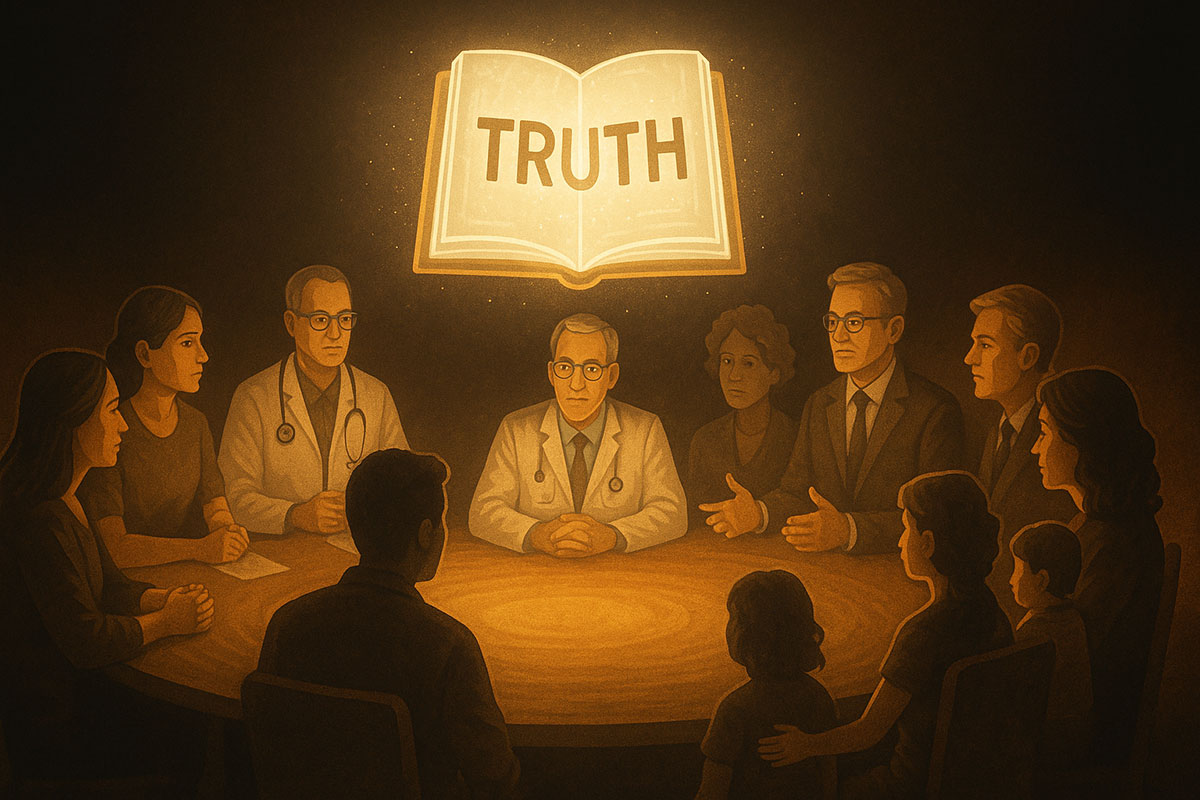
Topic 5: Transparency, Trust, and Public Health Policy — Who Gets to Decide What Parents Know?
Dr. Oz (moderator):
If there’s one theme that’s come up in every topic, it’s trust. Parents feel they’ve been dismissed, scientists feel constrained, and government agencies have been accused of hiding inconvenient truths. So let’s ask directly: Who gets to decide what parents know, and how do we rebuild trust in autism research and policy?
First Question: Why do you think trust broke down so badly between families and the medical establishment?
Donald Trump:
Because people weren’t told the truth. Parents saw their kids change after shots or after medications, and the experts told them, “That didn’t happen.” That’s insulting. If government had just been honest from the start, even admitting uncertainty, we wouldn’t be here. Trust broke down because of arrogance and cover-ups.
Amanda (Parent Advocate):
He’s right. The worst part wasn’t the autism diagnosis — it was being dismissed. I was told I was imagining things, that I was a “difficult mom.” When you treat parents that way, you lose us forever. Trust broke down the moment we realized our voices didn’t matter.
Robert F. Kennedy Jr.:
For decades, NIH only funded “safe” research — genetics, brain scans — and avoided environmental factors, pharmaceuticals, and vaccines. That wasn’t science; that was politics. Parents knew it. When science is politicized, trust dies.
Dr. Jay Bhattacharya:
Trust broke down because science wasn’t transparent. Negative results, conflicting data, controversial findings — many were buried. Families sensed it. Science must be humble and open. When you pretend to have all the answers, but reality tells families otherwise, trust erodes.
Dr. Catherine Lord:
I’ll add another layer: communication. Scientists often used technical, cautious language, while parents were desperate for plain answers. That gap fueled misunderstanding. It wasn’t always malicious — but the effect was the same. Parents felt excluded.
Second Question: What should transparency look like in practice?
Robert F. Kennedy Jr.:
Every dataset, every study — made public. Families should see the raw numbers, not just polished press releases. Agencies should publish results in real time, even if they’re messy. That’s what transparency looks like.
Amanda:
And don’t just publish studies — explain them in words parents understand. We don’t need every p-value, but we need honesty. If something might be risky, say so. Don’t hide behind jargon.
Donald Trump:
Exactly. Stop waiting five years for the “perfect” paper. If you know Tylenol might be risky, say it now. If you think vaccines should be spaced out, say it now. No downside to honesty, only upside.
Dr. Catherine Lord:
Transparency also means acknowledging uncertainty. Families deserve to hear: “We don’t know yet, but here’s what we’re studying.” That builds credibility. Pretending to be 100% certain when you’re not is what destroys trust.
Dr. Jay Bhattacharya:
I’d add one more piece: participation. Families should be part of research design, advisory boards, and oversight. Transparency isn’t one-way — it’s a partnership.
Third Question: Who should have the final say on what parents know — government agencies, scientists, or parents themselves?
Donald Trump:
Parents. Always parents. Government works for them, not the other way around. Scientists can guide, agencies can advise, but parents have the right to all information. No censorship. No gatekeeping.
Amanda:
I agree. Give us everything and let us decide with our doctors. We’re the ones raising these kids. We live with the consequences every day. Don’t decide for us what we “can handle.”
Robert F. Kennedy Jr.:
Exactly. For too long, government agencies acted like parents were children — incapable of understanding complex issues. That’s wrong. Parents are capable of weighing risks if given full information. The role of government is to provide data, not dictate choices.
Dr. Catherine Lord:
I’d say it’s shared responsibility. Scientists and agencies must provide accurate, balanced information, but ultimately parents must make informed decisions. The “final say” isn’t about control — it’s about partnership.
Dr. Jay Bhattacharya:
Yes, partnership is key. Science should inform, government should facilitate, parents should decide. Each plays a role, but the family’s voice is central.
Closing Reflection
Dr. Oz (moderator):
What’s striking here is that despite differences, everyone agrees parents must no longer be kept in the dark. Trust will only be rebuilt when science becomes transparent, government becomes humble, and families are treated as partners, not problems. Autism has fractured too many lives — and only radical honesty can begin to heal that fracture.
Final Thoughts by Dr. Oz
When I step back as both a doctor and a father, I see autism not only as a medical challenge, but as a moral one. How we respond says everything about our society — whether we choose to ignore uncomfortable questions or confront them head-on.
We have talked today about causes, therapies, policies, and most importantly, lived experiences. And if there is one lesson, it is this: parents deserve full transparency. They deserve to know what science knows, and what it doesn’t. They deserve respect, not dismissal.
The future of autism research will not be built in laboratories alone. It will be built in partnership — between doctors, leaders, and the families who live this reality every day. That’s how we restore trust. That’s how we move forward.
My hope is that today marks not the end of a debate, but the beginning of a shared journey — one where every child is given the best chance to thrive.
Short Bios:
Donald J. Trump
47th President of the United States (2025), Trump has long voiced concerns about rising autism rates and their potential causes. He emphasizes common-sense action, parental choice, and urgency in addressing public health crises.
Robert F. Kennedy Jr.
Attorney, author, and current Secretary of Health and Human Services, Kennedy has spent decades advocating for medical transparency and environmental health. He pushes for depoliticized science and accountability in autism research.
Dr. Mehmet Oz
Cardiothoracic surgeon, television host, and former U.S. Senate candidate, Dr. Oz is known for translating complex medical issues into public discussions. As moderator, he bridges the gap between science, politics, and families.
Dr. Jay Bhattacharya
Professor of Medicine at Stanford University and epidemiologist, Dr. Bhattacharya specializes in public health policy and the effects of medical interventions. He advocates for transparency and rigorous, unbiased autism research.
Dr. Catherine Lord
Clinical psychologist and leading autism researcher, Dr. Lord co-developed gold-standard diagnostic tools for autism. She brings a scientific yet empathetic voice, stressing the need for both rigor and compassion in autism studies.
Amanda (Parent Advocate)
Mother of a child with profound autism, Amanda represents the lived experiences of families navigating daily challenges. Her voice underscores the urgency, isolation, and hope that define the parent perspective.
Leave a Reply