

|
Getting your Trinity Audio player ready...
|
Mark Twain:
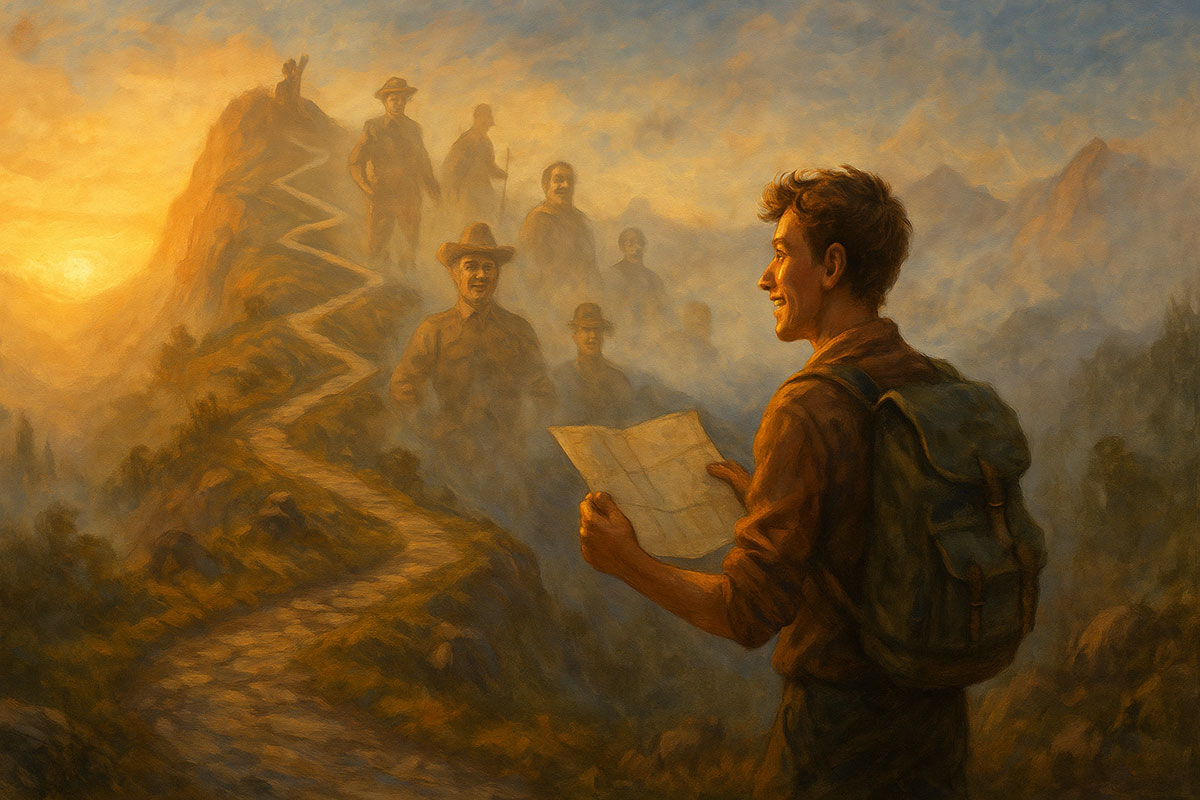
I’ve said before — and I’ll stand by it until I’m proven wrong — that to succeed in life you need two things: ignorance and confidence. Now, ignorance is a word that gets a bad rap, as if it means you’ve been sitting in the corner with your ears plugged. But the kind I’m talking about is different. It’s the blessed freedom of not knowing all the reasons something can’t be done. It’s the gift of walking toward a door without stopping to ask how many others have tried the handle and failed. And confidence — well, that’s the engine that’ll take you through the door once you decide to open it.
Over the course of these conversations, you’ll hear from men and women who took that peculiar combination and put it to work. They started airlines without ever flying a plane, crossed oceans without knowing the weather, built fortunes without formal training, and stood up to empires without knowing they were supposed to stay seated. Some stumbled, some soared, and some learned their lessons the hard way — but all of them proved that sometimes the surest way forward is to step into the unknown with your chin up and your boots on. Now, let’s begin.
(Note: This is an imaginary conversation, a creative exploration of an idea, and not a real speech or event.)

Topic 1: The Courage of Not Knowing Too Much

Moderator:
Mark Twain
Guests: Richard Branson, Iyanla Vanzant, Amelia Earhart, Steve Jobs, Theodore Roosevelt
Mark Twain:
"Folks, I’ve long maintained that to succeed in life you need two things: ignorance and confidence. Now, most people hear that and think I’m trying to be funny — and I am — but I’m also dead serious. So let’s begin. When you first leapt into something big without knowing all the details, what did ignorance give you that knowledge might have taken away?"
Iyanla Vanzant:
"Ignorance gave me innocence. See, when you don’t know the odds are stacked against you, you walk in like you belong. I didn’t know television production from a turnip patch, but I knew my voice mattered. And without the 'how hard it will be' in my head, I was free to bring my whole self without fear."
Theodore Roosevelt:
"In my case, charging up San Juan Hill wasn’t the act of a man who’d weighed all the statistics. If I’d known exactly what we were facing, I might’ve hesitated. Sometimes not knowing the full peril lets you act with the vigor that history rewards."
Steve Jobs:
"I think ignorance removes the clutter of 'how it’s supposed to be done.' When Woz and I started Apple, we didn’t have MBAs or tech industry manuals. If we’d followed existing wisdom, we’d have built another dull computer. Instead, we built something for the rest of us."
Amelia Earhart:
"I never believed ignorance meant recklessness. It meant possibility. The skies were barely charted for women when I started flying. If I’d waited until every route was mapped and every risk was calculated, I’d still be on the ground, watching someone else do it."
Richard Branson:
"I knew nothing about airlines when I started Virgin Atlantic. But I knew how to create an experience. If I’d hired only people who knew the business inside out, they’d have told me all the reasons it couldn’t be done — and we’d never have taken off."
Mark Twain:
"So it seems ignorance isn’t stupidity — it’s freedom from being scared by the facts. But that brings me to the next thing. Confidence. What’s the difference between true confidence that carries you through and foolish arrogance that lands you in the ditch?"
Richard Branson:
"Confidence is about believing you can figure it out as you go. Arrogance is believing you don’t need to learn anything along the way. I’ve always relied on experts after I jump in, but the leap comes first."
Amelia Earhart:
"Confidence comes with preparation, even if you’re ignorant of the full scope. I didn’t take to the air without training. The arrogance would have been skipping that step and assuming the wind would just carry me where I wanted."
Iyanla Vanzant:
"Confidence is rooted in truth — arrogance is rooted in fear. People puff themselves up when they’re afraid of being seen as small. True confidence is quiet, steady, and doesn’t need to prove itself in every breath."
Theodore Roosevelt:
"Confidence means daring greatly while respecting the challenge. Arrogance is when you march in thinking you’ll win because you’re you, without paying the price in sweat."
Steve Jobs:
"I’ve been called arrogant plenty of times, and maybe I deserved it. But the difference is whether the belief produces something useful to others. If it’s only about you, it’s arrogance. If it changes the world, it’s confidence with a purpose."
Mark Twain:
"Well now, here’s my final curiosity. If you could teach one young person today how to use ignorance and confidence together, without falling into the traps we’ve just discussed, what would you tell them?"
Theodore Roosevelt:
"I’d tell them to get in the arena. Don’t wait until you’re sure. Start. The dust and sweat will teach you faster than any book."
Iyanla Vanzant:
"I’d tell them: keep your heart open and your mind teachable. That way your ignorance is a doorway to wisdom, not a wall against it."
Steve Jobs:
"I’d say: stay foolish, but not lazy. Question everything, but act on the answers you believe in — even if others think you’re nuts."
Amelia Earhart:
"Choose the adventure over the certainty. Ignorance will fade with experience, but the courage you build in those first leaps will last forever."
Richard Branson:
"Say yes before you’re ready. Then find people who know what you don’t, and let them help you win."
Mark Twain (closing):
"Well, it appears we’ve come to an agreement of sorts. Ignorance is a gift if it keeps you from being scared stiff by the truth, and confidence is the engine that gets you moving. The trick is not to run the engine without a map — or at least a good mechanic. Thank you, friends. You’ve made my little joke look mighty wise today."
Topic 2: Confidence as a Force Multiplier
Moderator:
Theodore Roosevelt
Guests: Elon Musk, Serena Williams, Barbara Corcoran, Dwayne “The Rock” Johnson, Amelia Earhart
Theodore Roosevelt:
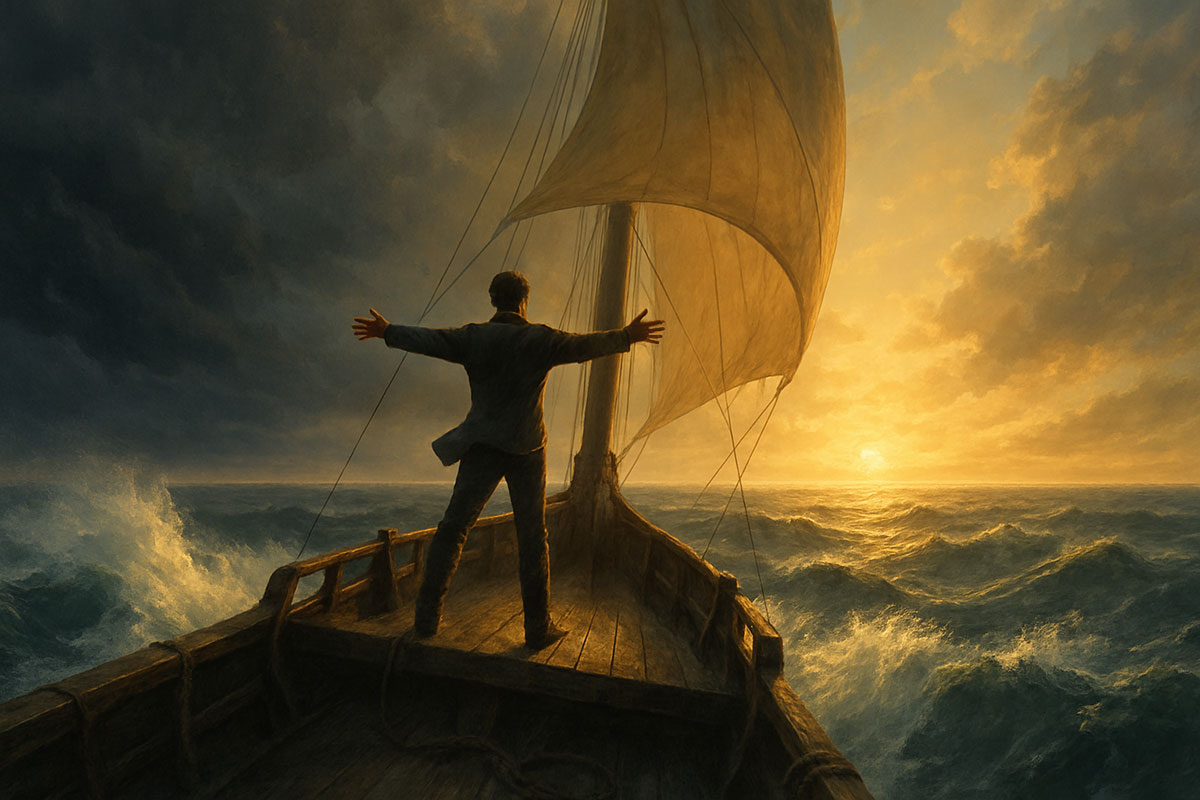
"I’ve been in battles, both political and literal, and I’ve seen one quality turn the tide more than any other — confidence. Now, my friends, tell me this: what has confidence given you that raw skill or preparation alone never could?"
Barbara Corcoran:
"Confidence gave me a way to sell a vision before it existed. I wasn’t the best real estate agent starting out — not by a long shot — but I could make people believe in me, and in return they believed in the properties I sold."
Elon Musk:
"For me, confidence is the difference between saying, ‘That’s too crazy to try,’ and saying, ‘Let’s build a rocket to Mars.’ I didn’t have the aerospace credentials, but I had belief in my ability to learn faster than the competition."
Amelia Earhart:
"Confidence gave me the ability to take off into the unknown. Even with my flying skills, I needed the mental steel to face an ocean with nothing but the horizon in sight."
Dwayne Johnson:
"In wrestling, acting, or business, confidence lets you walk into a room and set the tone before you’ve even said a word. Skills matter, but if you don’t own yourself, nobody buys in."
Serena Williams:
"Confidence lets you turn a match around when the score says you’re losing. Technique doesn’t keep you in it — belief does. And belief makes technique work under pressure."
Theodore Roosevelt:
"Good. But confidence can go rotten if it turns into vanity. So tell me — how do you keep your confidence grounded, so it’s not just swagger without substance?"
Serena Williams:
"I anchor it in the work. I don’t let myself think I deserve to win just because I’ve won before. Every match is earned fresh."
Barbara Corcoran:
"I keep people around me who tell me the truth, even when it stings. If everyone’s nodding, your confidence is in danger of drifting into arrogance."
Elon Musk:
"You let reality hit you. Rockets explode. Cars miss production deadlines. The pain keeps your confidence sharp — you can’t hide from results."
Amelia Earhart:
"I balance confidence with preparation. Every flight I made involved weeks of study. My confidence wasn’t blind — it was built on readiness to adapt when things went wrong."
Dwayne Johnson:
"I never forget where I came from. I was broke at one point, seven bucks in my pocket. Remembering that keeps you humble, even when the cameras are flashing."
Theodore Roosevelt:
"Final question. If you had to pass on one habit or practice that strengthens confidence over a lifetime, what would it be?"
Elon Musk:
"Deliberately take on things you might fail at. Confidence grows when you survive failure and keep going."
Dwayne Johnson:
"Start every day with something that makes you feel strong — mentally or physically. It trains your brain to see yourself as capable."
Barbara Corcoran:
"Speak up even when you’re unsure. Every time you survive that discomfort, your confidence bank fills up."
Serena Williams:
"Track your wins — big and small. You’ll need them as reminders when doubt tries to take over."
Amelia Earhart:
"Say yes to opportunities faster than your fear can talk you out of them. Confidence grows in the gap between hesitation and action."
Theodore Roosevelt (closing):
"Confidence, it seems, is no idle boast — it’s a discipline. Treat it like a muscle, and it will carry you where skill alone cannot. Treat it like a crown, and it will topple from your head. Thank you, friends, for proving that the bold, when tempered, are the ones who shape the world."
Topic 3: When Ignorance Beats Expertise
Moderator:
Richard Branson
Guests: Wright Brothers, Malala Yousafzai, Colonel Sanders, Sara Blakely, Larry Page
Richard Branson:
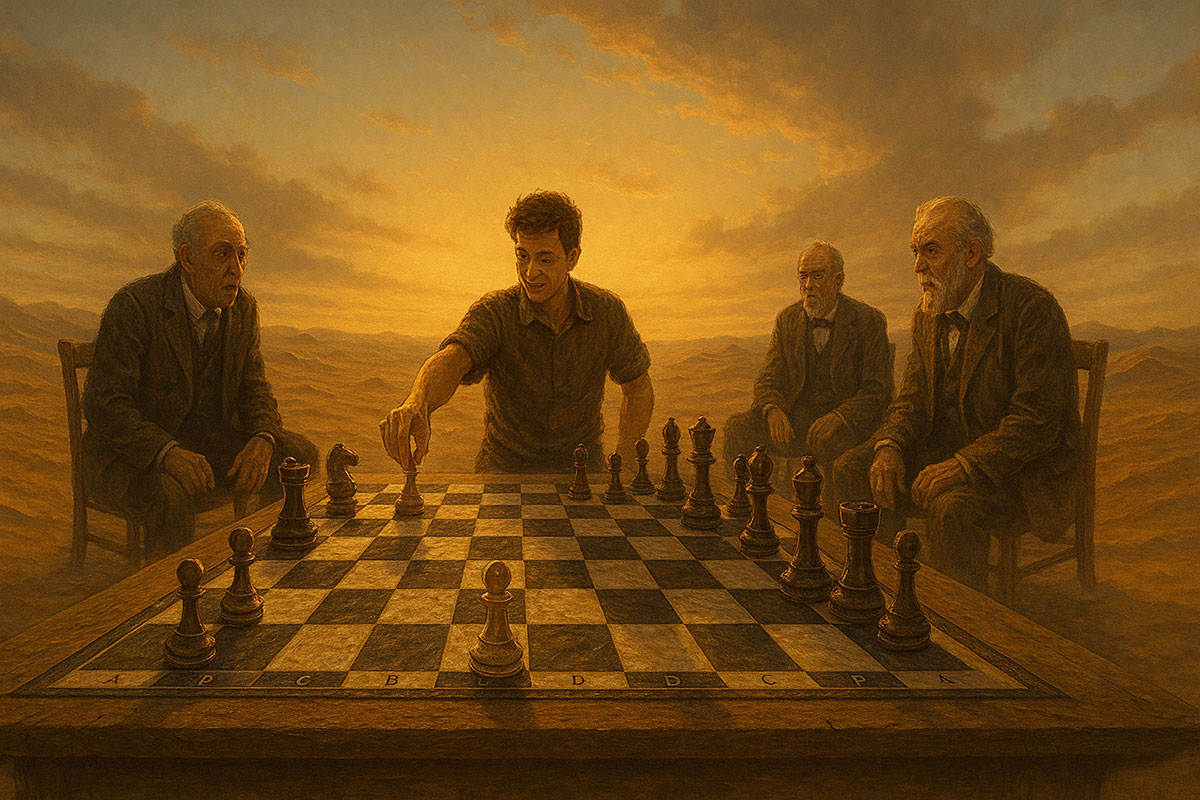
"Friends, we’re here to talk about one of my favorite subjects — winning precisely because you didn’t know all the so-called rules. Let’s start with this: What’s one time your ignorance gave you a clear advantage over the experts?"
Sara Blakely:
"When I started Spanx, I didn’t know how hosiery was 'supposed' to be made. If I’d known the industry standard, I might’ve thought my idea was impossible. Instead, I just found a factory and said, ‘Here’s what I want. Can you make it?’"
Larry Page:
"Google came out of ignorance in a sense. We didn’t know search engines were considered a solved problem. Because of that, we built something far better than what was out there."
Wright Brothers:
"We weren’t aeronautical engineers; we were bicycle mechanics. That ignorance let us approach flight as a problem of balance and control, not brute force like the established aviation attempts of the day."
Malala Yousafzai:
"My ignorance was of limits. I didn’t know that speaking out for girls’ education was considered impossible in my region. By the time I understood the risks, my voice was already reaching the world."
Colonel Sanders:
"I didn’t know the restaurant business was so cutthroat when I started. If I had, I might’ve stuck to pumping gas. That ignorance let me try without fear of losing what I didn’t yet have."
Richard Branson:
"Interesting. But ignorance doesn’t always win — it can lead to spectacular mistakes. How do you turn ignorance into a strength without it becoming reckless overconfidence?"
Larry Page:
"Stay in learning mode. The moment you hit something you don’t understand, don’t bluff — dig until you do."
Sara Blakely:
"Ask a lot of ‘dumb’ questions. Experts hate them, but those questions often reveal the hidden assumptions everyone else ignores."
Colonel Sanders:
"Get advice from people who’ve done it before — but don’t let their fears become yours."
Wright Brothers:
"Test constantly. We built small-scale gliders first. Ignorance isn’t dangerous if you let trial and error teach you fast."
Malala Yousafzai:
"Pair courage with allies. I didn’t know all the political dangers, but I sought people who did and who could guide me through them."
Richard Branson:
"Final thought. If you could tell a young person today how to use their lack of expertise to their advantage, what would you say?"
Sara Blakely:
"Use it to see possibilities others dismiss. Your fresh eyes are your superpower."
Wright Brothers:
"Don’t start by imitating experts — start by solving the problem in your own way."
Malala Yousafzai:
"Let your inexperience keep you fearless. Once you learn the dangers, your courage will already be in motion."
Colonel Sanders:
"Don’t wait to be ready — you’ll never be ready. Start cooking, start building, start selling."
Larry Page:
"Ignore the ceiling other people see. Their limits aren’t yours until you accept them."
Richard Branson (closing):
"It seems the key is not to worship the experts, but to respect their knowledge while keeping your own curiosity alive. Sometimes knowing too much keeps you grounded — and we’re meant to fly, after all."
Topic 4: The Perils of Ignorance Without Enough Confidence
Moderator:
Amelia Earhart
Guests: Elizabeth Holmes, General George Custer, Billy McFarland, Icarus (mythical), Napoleon Bonaparte
Amelia Earhart:
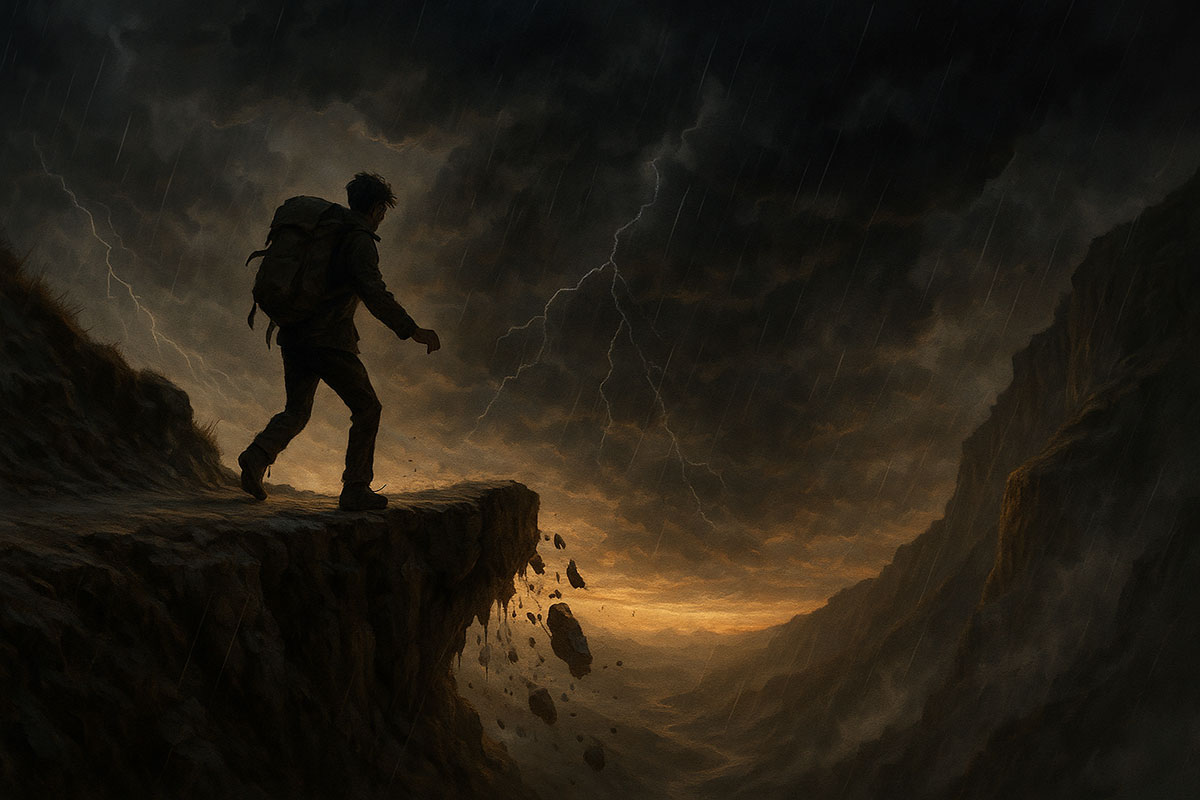
"We’ve spoken about the courage of not knowing too much, but today I want to ask about the opposite — when ignorance and misplaced confidence lead to disaster. Let’s begin with this: what’s one time you underestimated the challenge, and what did it cost you?"
Napoleon Bonaparte:
"Invading Russia. I thought the same strategies that conquered Europe would work in the Russian winter. I did not account for the cold, the terrain, and the stubbornness of my enemy. It cost me my army."
Elizabeth Holmes:
"I believed in the vision but didn’t understand the science deeply enough. I underestimated how hard medical technology is to perfect — and the cost was not just my company, but trust."
Billy McFarland:
"Fyre Festival. I sold an experience I hadn’t built yet. I underestimated logistics, regulations, and the power of social media backlash. The cost was my freedom for a time."
Icarus:
"My wax wings could not withstand the sun. I underestimated both its heat and my own limitations. The cost was my life."
General George Custer:
"I underestimated the strength and coordination of the Lakota and Cheyenne. I assumed a quick victory and ignored intelligence reports. The cost was the lives of my men and myself."
Amelia Earhart:
"It seems we all share a moment where our confidence wasn’t matched with the right kind of knowledge. How do you think someone can prevent that fatal imbalance?"
Icarus:
"Know your materials before you fly. Dreams are fine, but physics wins every time."
Napoleon Bonaparte:
"Learn the ground you’re fighting on. Overconfidence blinds you to the reality under your feet."
Elizabeth Holmes:
"Bring in people who challenge you. I surrounded myself with believers instead of truth-tellers."
General George Custer:
"Listen to scouts and advisers. Arrogance deafens a man faster than age ever will."
Billy McFarland:
"Don’t sell the dream until you can deliver the basics. Hype is lighter fluid — it can warm you or burn you."
Amelia Earhart:
"Last question. If you could send one warning to a young person who’s full of big ideas but light on knowledge, what would you say?"
Napoleon Bonaparte:
"Do not mistake ambition for invincibility. The world has a way of humbling emperors."
Elizabeth Holmes:
"Your integrity is worth more than your vision. Lose that, and nothing you build will stand."
Billy McFarland:
"A promise is a debt. Don’t make one you can’t pay."
Icarus:
"Measure the heat before you rise toward it. The sun doesn’t care about your dreams."
General George Custer:
"Pick your battles with care. Some victories are won by avoiding the fight altogether."
Amelia Earhart (closing):
"Ignorance can free us, and confidence can lift us — but untempered, they can also lead us into storms we cannot survive. If courage is our compass, let wisdom be our map."
Topic 5: Balancing Boldness with Wisdom
Moderator:
Maya Angelou
Guests: Warren Buffett, Nelson Mandela, Brené Brown, Yvon Chouinard, Steve Jobs
Maya Angelou:
"We have seen how ignorance can free us and confidence can lift us, but also how the two can lead to ruin if untended. Let me begin here: How have you learned to keep boldness alive while tempering it with wisdom?"
Warren Buffett:
"I stay within my circle of competence. Boldness doesn’t mean betting on things I don’t understand — it means betting big when I do."
Steve Jobs:
"For me, it’s about keeping the rebel spirit, but not letting it blind me to reality. You can push boundaries and still listen to the market and the team."
Nelson Mandela:
"I learned that boldness without wisdom becomes destruction. In prison, I discovered patience — not to diminish my resolve, but to time my moves so they would have lasting effect."
Brené Brown:
"I balance boldness with vulnerability. Speaking truth to power is bold, but doing it with compassion is wise."
Yvon Chouinard:
"I make sure my boldness serves a purpose bigger than myself. If the outcome only benefits me, it’s probably not wise boldness."
Maya Angelou:
"That’s well said. But tell me this — what have you had to unlearn in order to find that balance?"
Nelson Mandela:
"I had to unlearn the belief that winning quickly is the only victory worth having."
Brené Brown:
"I had to unlearn the myth that courage means never being afraid. True courage accepts fear but moves anyway."
Steve Jobs:
"I had to unlearn thinking I was always right. Even visionaries get it wrong — often."
Yvon Chouinard:
"I had to unlearn growth for growth’s sake. Scaling up without wisdom can kill the very thing you love."
Warren Buffett:
"I had to unlearn chasing every opportunity. The best deals are often the ones you don’t make."
Maya Angelou:
"Finally, if you could leave one guiding principle for someone who wants to live boldly but wisely, what would it be?"
Brené Brown:
"Lead with empathy — it will keep your boldness human."
Warren Buffett:
"Be fearful when others are greedy, and greedy when others are fearful — but always understand why."
Steve Jobs:
"Stay hungry, stay foolish — but feed your hunger with truth."
Nelson Mandela:
"Let your boldness serve justice, and your wisdom serve peace."
Yvon Chouinard:
"Make your bold moves reversible whenever you can. Wisdom is leaving yourself a way back."
Maya Angelou (closing):
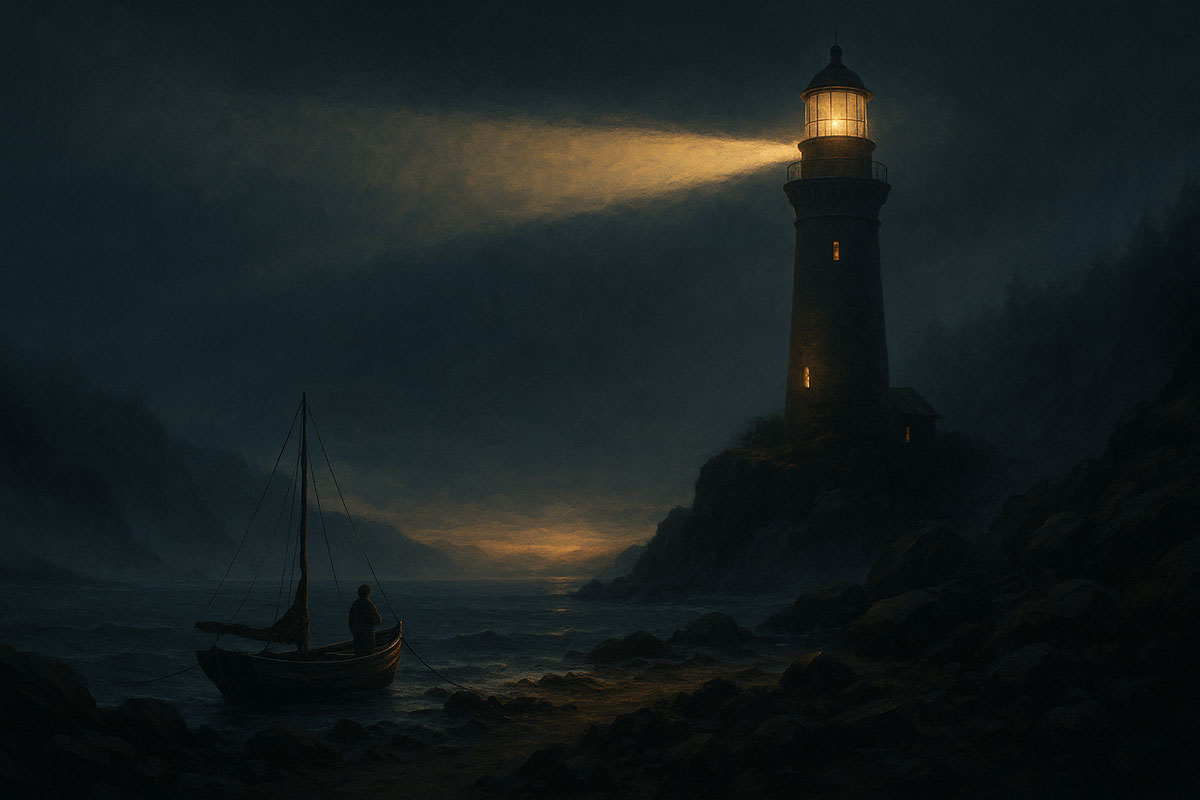
"Boldness without wisdom is a storm without a course; wisdom without boldness is a ship without wind. May you have both — and may you sail far, with eyes open and heart unafraid."
Final Thoughts By Mark Twain
Well, we’ve roamed the map, from the bright hills of beginner’s luck to the swampy lowlands of overconfidence, and back to the steady ground where boldness shakes hands with wisdom. Here’s what I take from it: ignorance is a fine companion when it keeps you from being scared stiff by the truth, and confidence is the fire in your belly that gets you moving. But left unchecked, either one will run you off a cliff faster than you can say ‘watch your step.’
The people you’ve heard from in these talks didn’t wait for perfect knowledge — if they had, they’d still be standing at the starting line, polishing their shoes. They moved, they tried, they learned, and in the process, they found out that the world belongs to those who dare to act before they’ve talked themselves out of it. My advice? Know enough to steer clear of the biggest rocks, but not so much that you never leave the harbor. The sea favors the sailor who trusts both the wind and his own hand on the wheel.
Short Bios:
Mark Twain – American author and humorist whose wit and sharp observations on human nature made him one of the most beloved and quoted figures in literature.
Richard Branson – British entrepreneur and founder of the Virgin Group, known for building businesses in industries he had no prior experience in, from airlines to space travel.
Iyanla Vanzant – Inspirational speaker, author, and life coach who rose from poverty to become a leading voice in personal transformation and emotional healing.
Amelia Earhart – Aviation pioneer and the first woman to fly solo across the Atlantic Ocean, symbolizing courage and breaking barriers for women in flight.
Steve Jobs – Co-founder of Apple, visionary innovator in personal technology, and master of combining design, functionality, and user experience.
Theodore Roosevelt – 26th President of the United States, soldier, explorer, and reformer known for his vigorous approach to life and leadership.
Elon Musk – Entrepreneur and CEO of companies including SpaceX and Tesla, known for pursuing ambitious, high-risk ventures in technology and space exploration.
Serena Williams – Legendary tennis champion recognized for her dominance on the court and her resilience under pressure.
Barbara Corcoran – Real estate mogul and investor on Shark Tank, who turned a $1,000 loan into a multimillion-dollar business.
Dwayne “The Rock” Johnson – Actor, producer, and former professional wrestler celebrated for his charisma, discipline, and reinvention across careers.
Wright Brothers – Orville and Wilbur Wright, American inventors and aviation pioneers credited with building and flying the first successful powered airplane.
Malala Yousafzai – Pakistani education activist and Nobel Peace Prize laureate who championed girls’ right to education despite life-threatening opposition.
Colonel Sanders – Founder of Kentucky Fried Chicken, who built a global brand starting at age 65 with a secret chicken recipe.
Sara Blakely – Founder of Spanx, who revolutionized women’s shapewear without prior experience in fashion manufacturing.
Larry Page – Co-founder of Google, who transformed how the world accesses and organizes information.
Elizabeth Holmes – Former CEO of Theranos, whose overconfidence without adequate scientific grounding led to a high-profile downfall.
General George Custer – U.S. Army officer whose overreach at the Battle of the Little Bighorn led to one of history’s most famous military defeats.
Billy McFarland – Organizer of the failed Fyre Festival, known for overpromising and underdelivering on a luxury music event.
Icarus – Mythological figure who flew too close to the sun with wax wings, symbolizing the dangers of overambition.
Napoleon Bonaparte – French military leader whose bold strategies changed Europe, but whose overconfidence led to disastrous defeats.
Warren Buffett – American investor and CEO of Berkshire Hathaway, renowned for his disciplined, value-based approach to business.
Nelson Mandela – Anti-apartheid revolutionary and former President of South Africa, celebrated for his leadership, patience, and moral courage.
Brené Brown – Research professor and bestselling author known for her work on vulnerability, courage, and leadership.
Yvon Chouinard – Founder of Patagonia, blending entrepreneurial boldness with environmental stewardship.
Maya Angelou – Acclaimed poet, author, and civil rights activist whose wisdom and lyrical voice inspired millions worldwide.
Leave a Reply