
|
Getting your Trinity Audio player ready...
|
Prologue — The Hour Before Memory
Time does not begin in clocks,
nor in the pages of history.
It begins in the trembling of the heart,
in the faint fragrance of a forgotten room,
in the sudden warmth of a summer long vanished.
We are not born once,
but many times —
each memory a rebirth,
each sensation a threshold
to another self within us.
These poems are fragments of that search,
echoes caught in light and shadow.
They are not the whole of life,
but the shimmer of its essence —
a vision glimpsed through the veil of time.
(Note: This is an imaginary conversation, a creative exploration of an idea, and not a real speech or event)
Poem 1: The Madeleine (Swann’s Way)
Introduction:
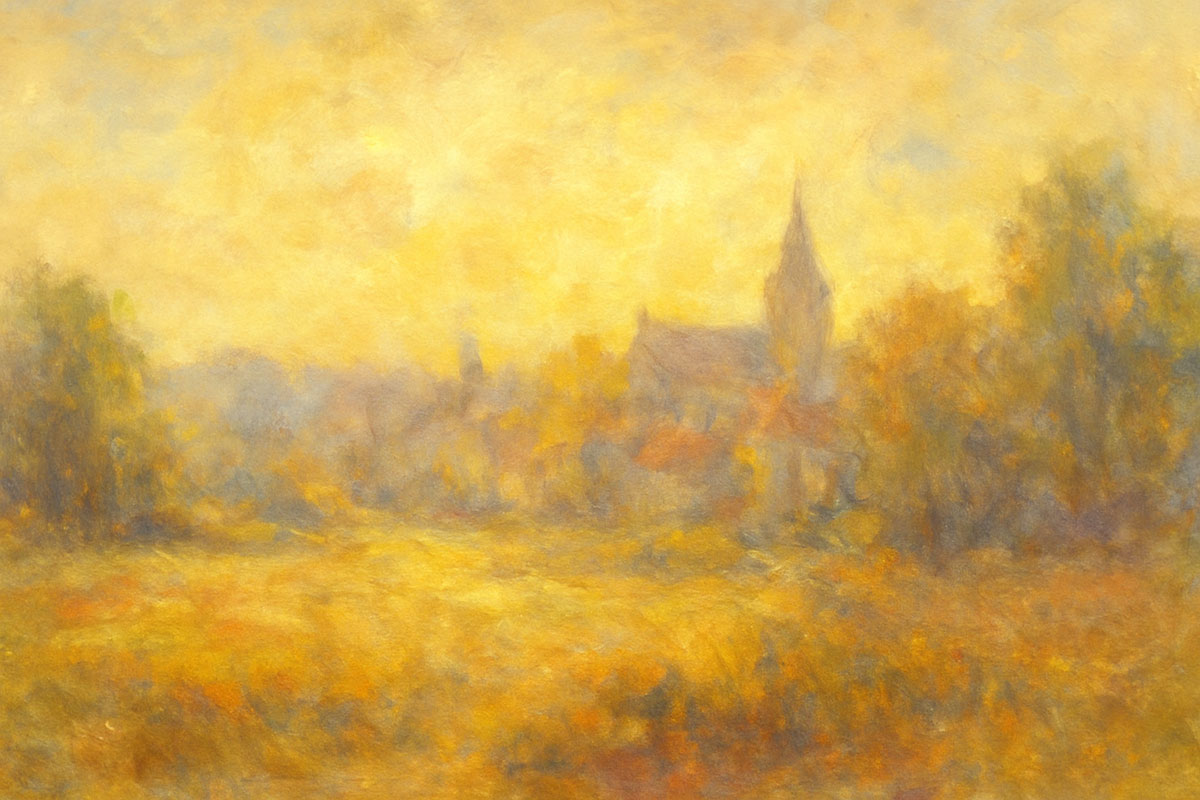
The most famous passage in all of Proust begins not with memory itself, but with the taste of a madeleine dipped in tea. This is where he discovers the idea of involuntary memory — that sensation, not will, revives the past.
Poem:
A sip of tea,
a crumb of cake,
and Combray unfolds —
the church steeple,
the garden,
the longed-for kiss goodnight.
The past was never gone,
only folded within me,
waiting for the spark of taste
to awaken eternity.
Poem 2: First Loves (Within a Budding Grove)
Introduction:
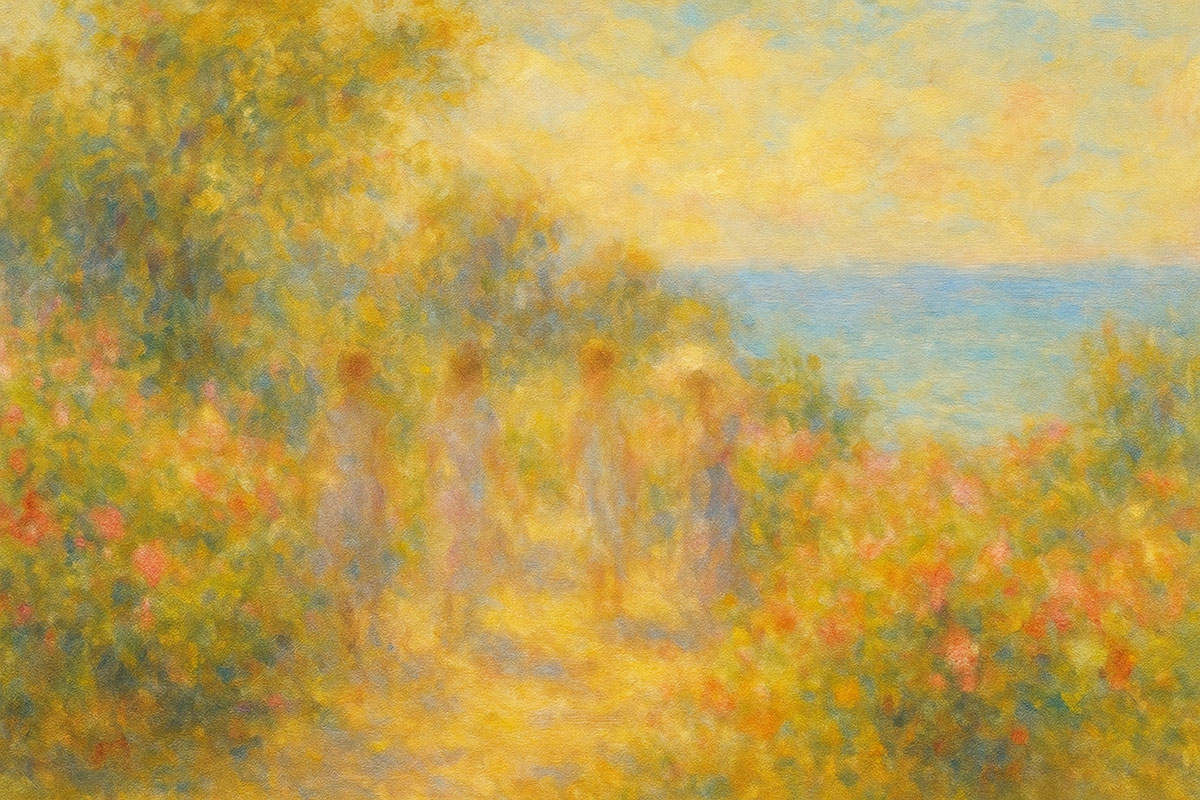
Adolescence brings the thrill of first desire. The narrator experiences infatuation with Gilberte, then Albertine. Love awakens joy, but also jealousy and the realization that beauty cannot last.
Poem:
A girl’s laughter
spills like sunlight,
a fleeting promise.
Love is born in a glance,
but jealousy arrives with it,
a shadow twin.
Petals fall,
summer wanes,
and youth learns
that nothing blooms forever.
Poem 3: The Masks of Society (The Guermantes Way)
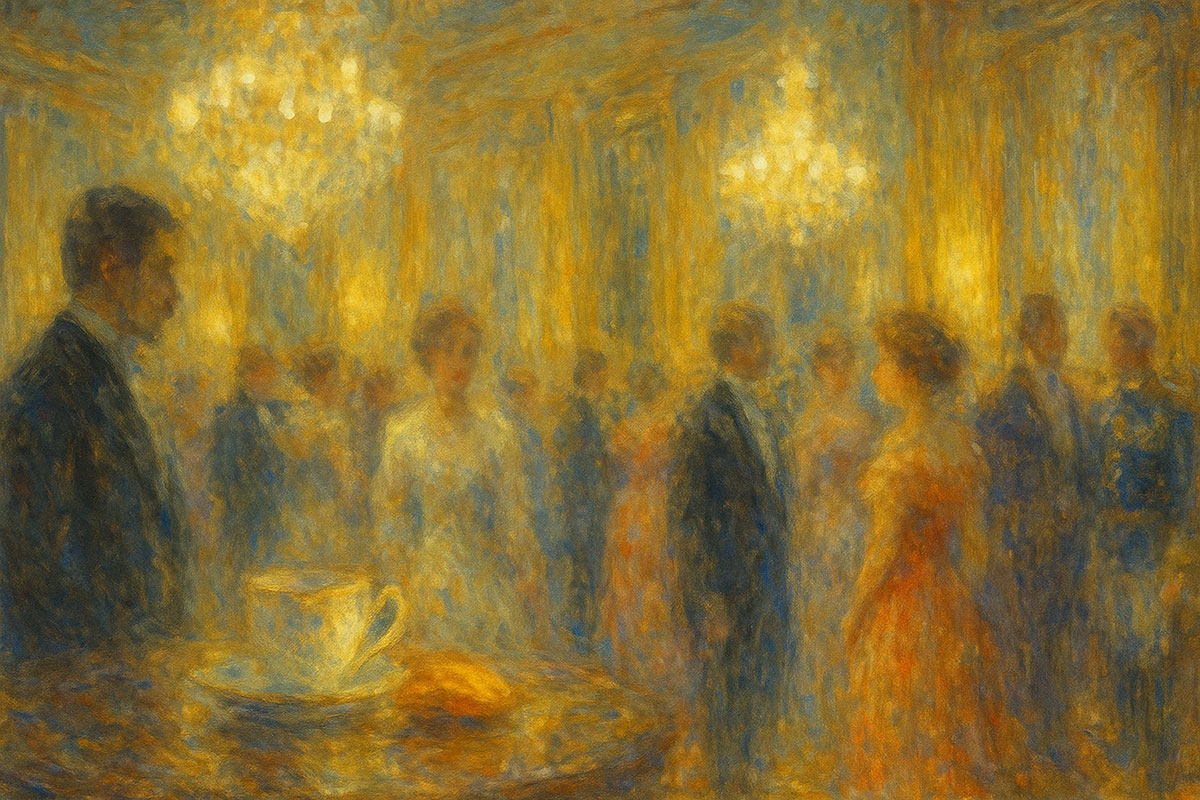
Introduction:
The narrator enters aristocratic salons, dazzled by names and appearances. But he discovers that society is vanity, its glamour built on masks and illusions.
Poem:
Crystal chandeliers burn,
faces glow beneath them,
but eyes are veiled.
A name, once whispered,
seems immortal —
until spoken,
and it dissolves into banality.
Society dazzles,
but behind its mirrors
lies only the hunger
to be seen.
Poem 4: The Empty Chair (Sodom and Gomorrah)
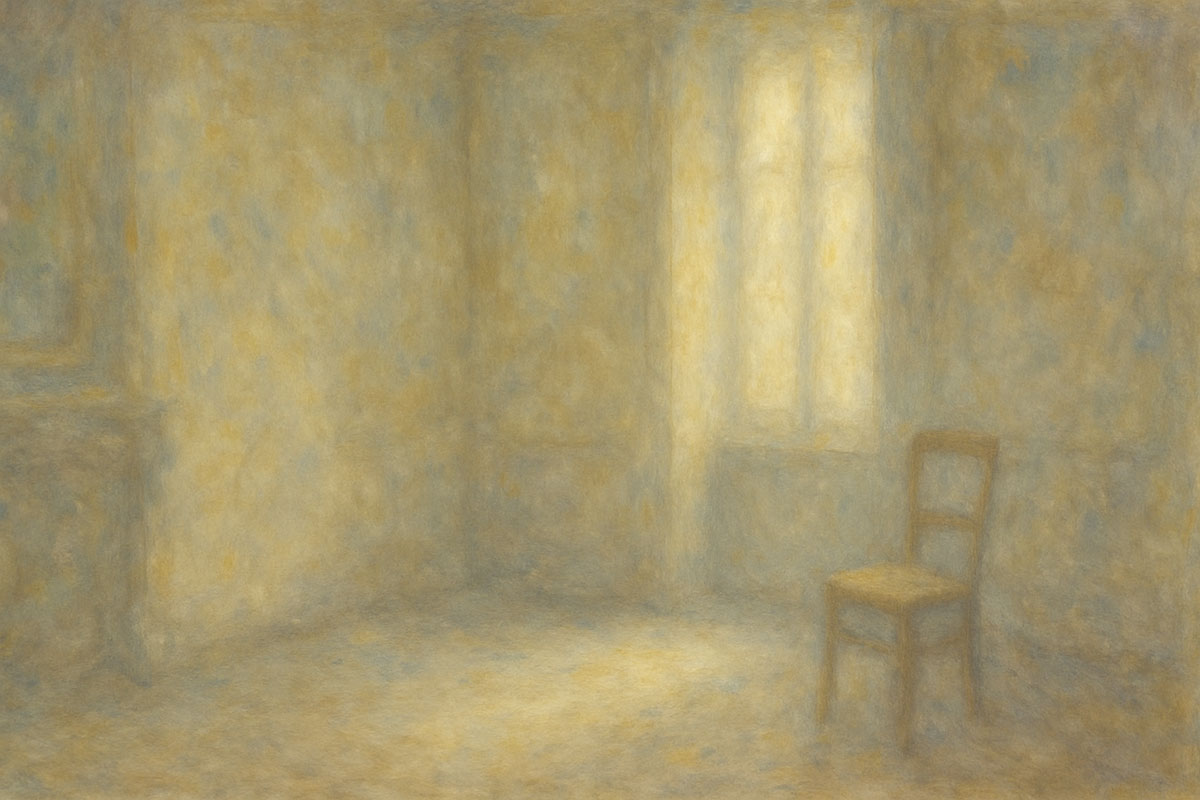
Introduction:
The death of the narrator’s grandmother reveals time’s cruelty. What remains is absence — and yet memory preserves her tenderness beyond death.
Poem:
A cough fades,
a breath is stilled.
The chair remains,
silent by the window.
Time takes without mercy,
but memory holds
the gesture, the voice,
the light of her eyes.
What is gone in flesh
lives on in remembrance.
Poem 5: The Prisoner of Love (The Prisoner)
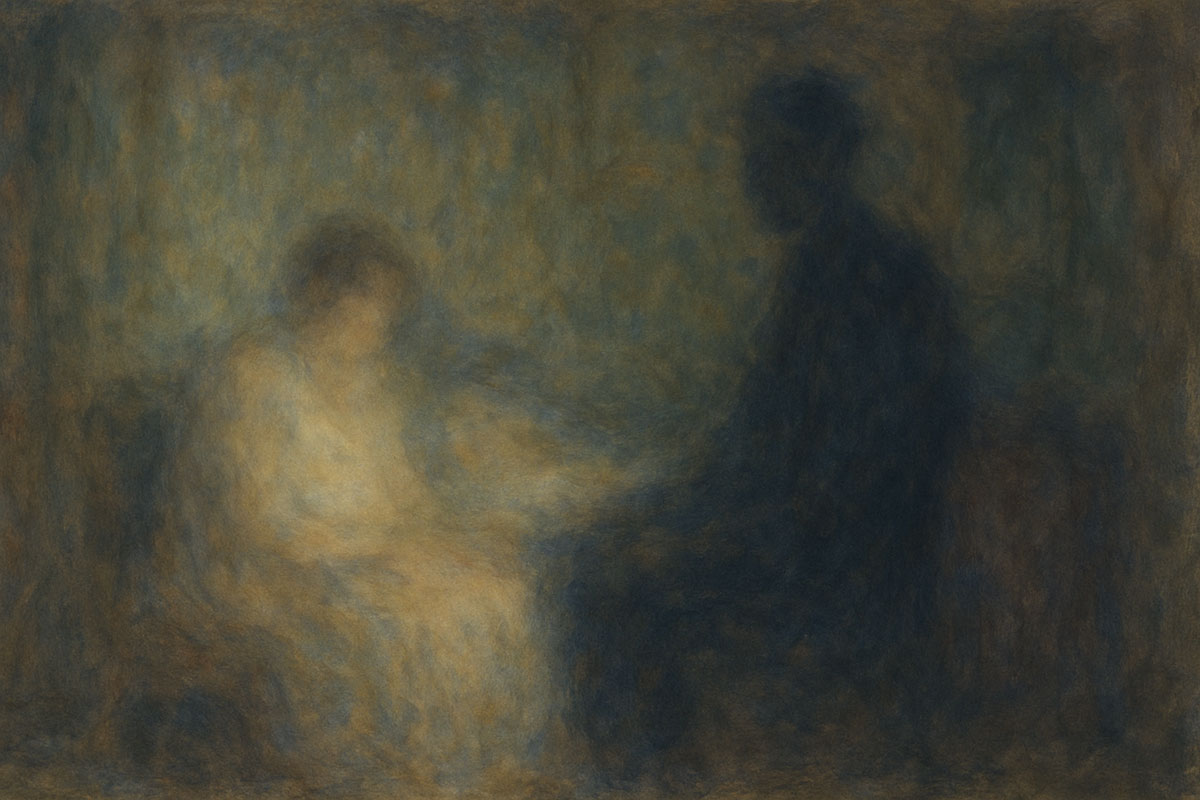
Introduction:
The narrator keeps Albertine close, but love becomes suffocating. Possession promises security but only creates a prison for both lover and beloved.
Poem:
Stay close,
I whisper —
but love cannot breathe in chains.
Her silence
becomes my torment.
Her laughter,
a threat.
To hold too tightly
is to lose forever.
Poem 6: The Fugitive (Albertine disparue)
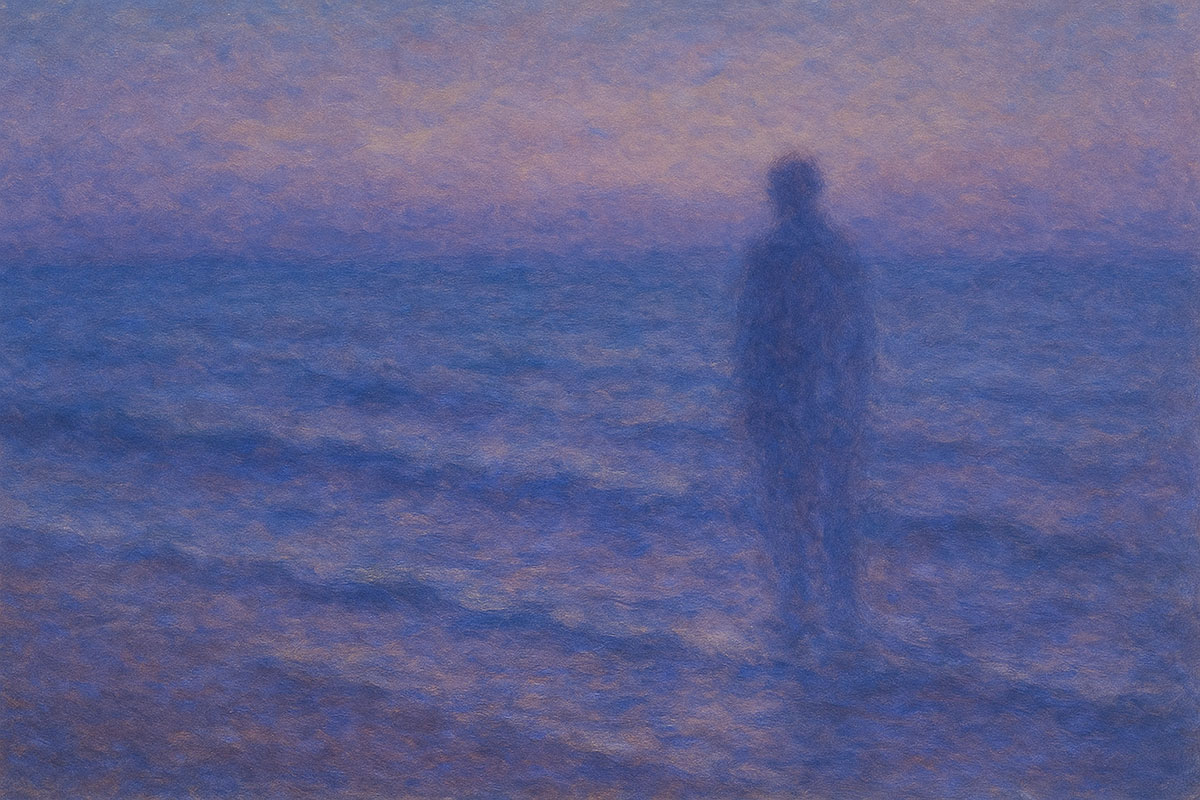
Introduction:
Albertine’s flight, and her sudden death, leave the narrator haunted. Absence becomes more powerful than her presence ever was.
Poem:
She is gone.
A rumor,
a letter,
a silence that swallows all sound.
In absence,
she multiplies —
every street corner,
every dream.
To lose her in life
was to keep her forever in memory.
Poem 7: Time Regained (Le Temps retrouvé)
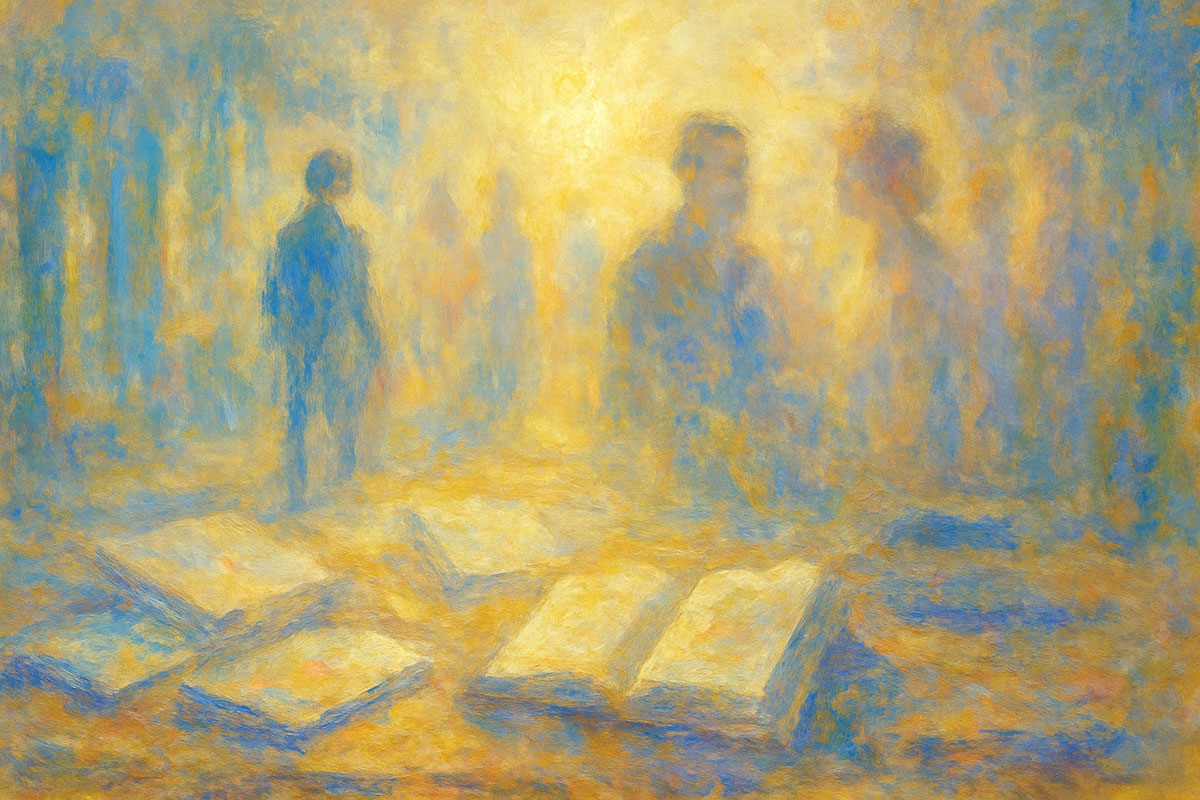
Introduction:
In the final volume, the narrator realizes his task: to turn memory into art. Through literature, what is fleeting is preserved.
Poem:
Stones underfoot,
the stumble of time —
and suddenly,
the past returns entire.
War passes,
faces vanish,
salons crumble.
But in art,
the fragments shine,
woven into eternity.
I write —
not to escape time,
but to preserve it.
Epilogue — The Hour Beyond Time
All that was lived dissolves.
Faces fade, voices scatter,
even desire falls silent.
Yet nothing is truly lost.
In memory, in art,
what is fragile becomes eternal.
What is painful becomes luminous.
The past returns,
not as it was,
but as it is felt —
more vivid than truth,
more enduring than flesh.
We do not conquer time;
we transform it.
And in that transformation,
we discover eternity
within a fleeting hour.
Short Bios:
Leave a Reply