• Skip to main content
  • Skip to primary sidebar
  • Skip to footer
ImaginaryTalks.com
  • Spirituality and Esoterica
    • Afterlife Reflections
    • Ancient Civilizations
    • Angels
    • Astrology
    • Bible
    • Buddhism
    • Christianity
    • DP
    • Esoteric
    • Extraterrestrial
    • Fairies
    • God
    • Karma
    • Meditation
    • Metaphysics
    • Past Life Regression
    • Spirituality
    • The Law of Attraction
  • Personal Growth
    • Best Friend
    • Empathy
    • Forgiveness
    • Gratitude
    • Happiness
    • Healing
    • Health
    • Joy
    • Kindness
    • Love
    • Manifestation
    • Mindfulness
    • Self-Help
    • Sleep
  • Business and Global Issues
    • Business
    • Crypto
    • Digital Marketing
    • Economics
    • Financial
    • Investment
    • Wealth
    • Copywriting
    • Climate Change
    • Security
    • Technology
    • War
    • World Peace
  • Culture, Science, and A.I.
    • A.I.
    • Anime
    • Art
    • History & Philosophy
    • Humor
    • Imagination
    • Innovation
    • Literature
    • Lifestyle and Culture
    • Music
    • Science
    • Sports
    • Travel
Home » In Search of Lost Time: A Poetic Study Cycle

In Search of Lost Time: A Poetic Study Cycle

October 12, 2025 by Nick Sasaki Leave a Comment

Getting your Trinity Audio player ready...

Prologue — The Hour Before Memory

Time does not begin in clocks,
nor in the pages of history.
It begins in the trembling of the heart,
in the faint fragrance of a forgotten room,
in the sudden warmth of a summer long vanished.

We are not born once,
but many times —
each memory a rebirth,
each sensation a threshold
to another self within us.

These poems are fragments of that search,
echoes caught in light and shadow.
They are not the whole of life,
but the shimmer of its essence —
a vision glimpsed through the veil of time.

(Note: This is an imaginary conversation, a creative exploration of an idea, and not a real speech or event)


Table of Contents
Prologue — The Hour Before Memory
Poem 1: The Madeleine (Swann’s Way)
Poem 2: First Loves (Within a Budding Grove)
Poem 3: The Masks of Society (The Guermantes Way)
Poem 4: The Empty Chair (Sodom and Gomorrah)
Poem 5: The Prisoner of Love (The Prisoner)
Poem 6: The Fugitive (Albertine disparue)
Poem 7: Time Regained (Le Temps retrouvé)
Epilogue — The Hour Beyond Time

Poem 1: The Madeleine (Swann’s Way)

Introduction:
The most famous passage in all of Proust begins not with memory itself, but with the taste of a madeleine dipped in tea. This is where he discovers the idea of involuntary memory — that sensation, not will, revives the past.

Poem:
A sip of tea,
a crumb of cake,
and Combray unfolds —
the church steeple,
the garden,
the longed-for kiss goodnight.

The past was never gone,
only folded within me,
waiting for the spark of taste
to awaken eternity.

Poem 2: First Loves (Within a Budding Grove)
Introduction:
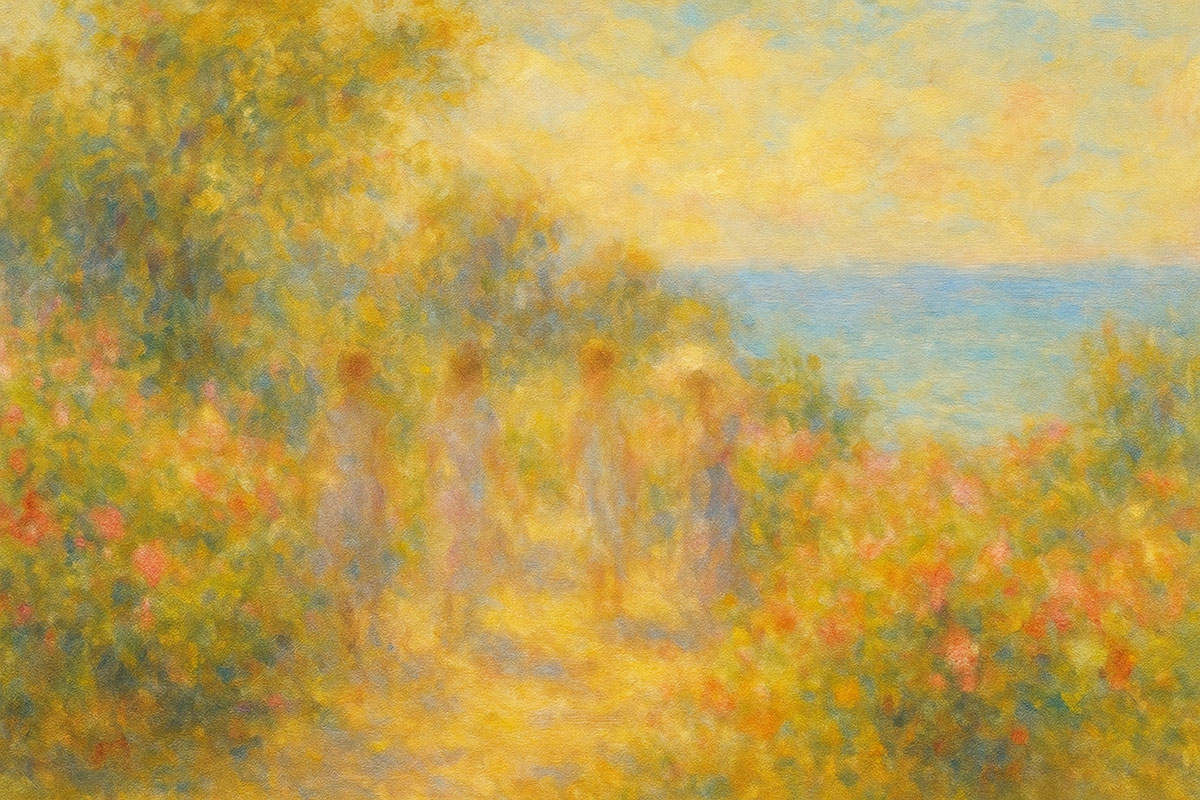
Adolescence brings the thrill of first desire. The narrator experiences infatuation with Gilberte, then Albertine. Love awakens joy, but also jealousy and the realization that beauty cannot last.

Poem:
A girl’s laughter
spills like sunlight,
a fleeting promise.

Love is born in a glance,
but jealousy arrives with it,
a shadow twin.

Petals fall,
summer wanes,
and youth learns
that nothing blooms forever.

Poem 3: The Masks of Society (The Guermantes Way)
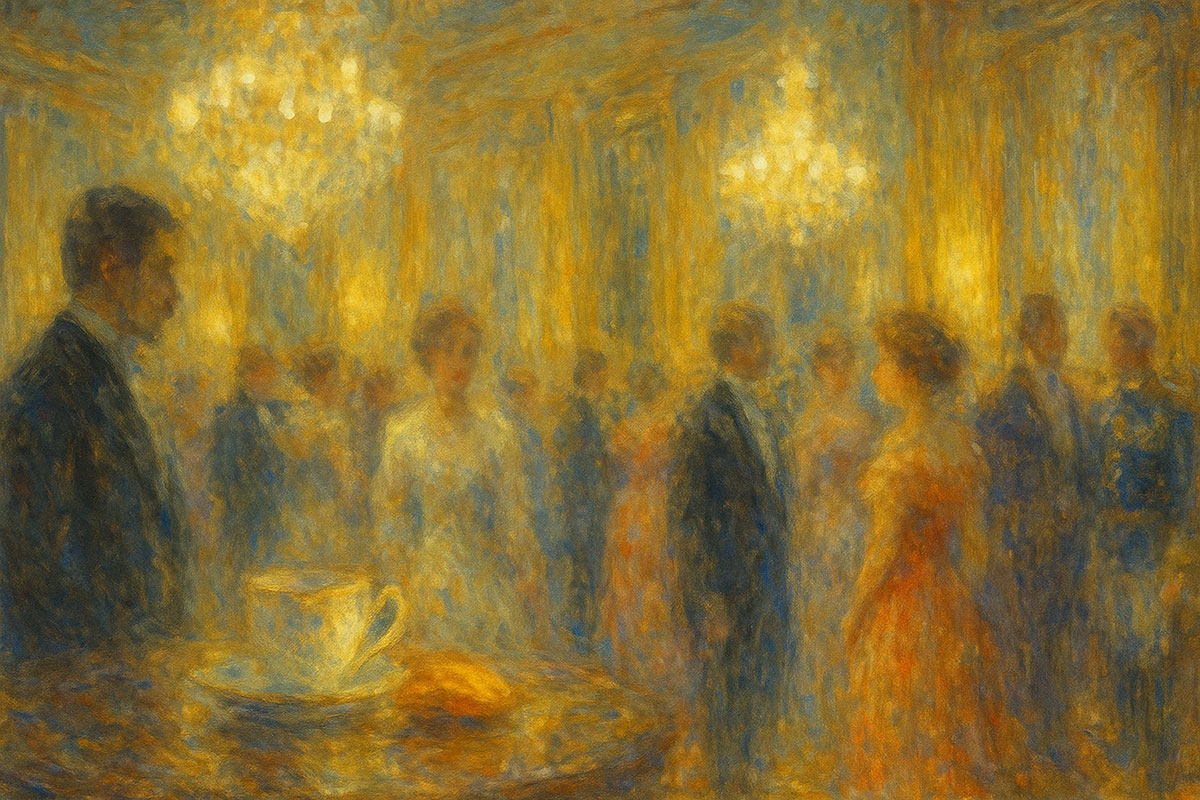
Introduction:
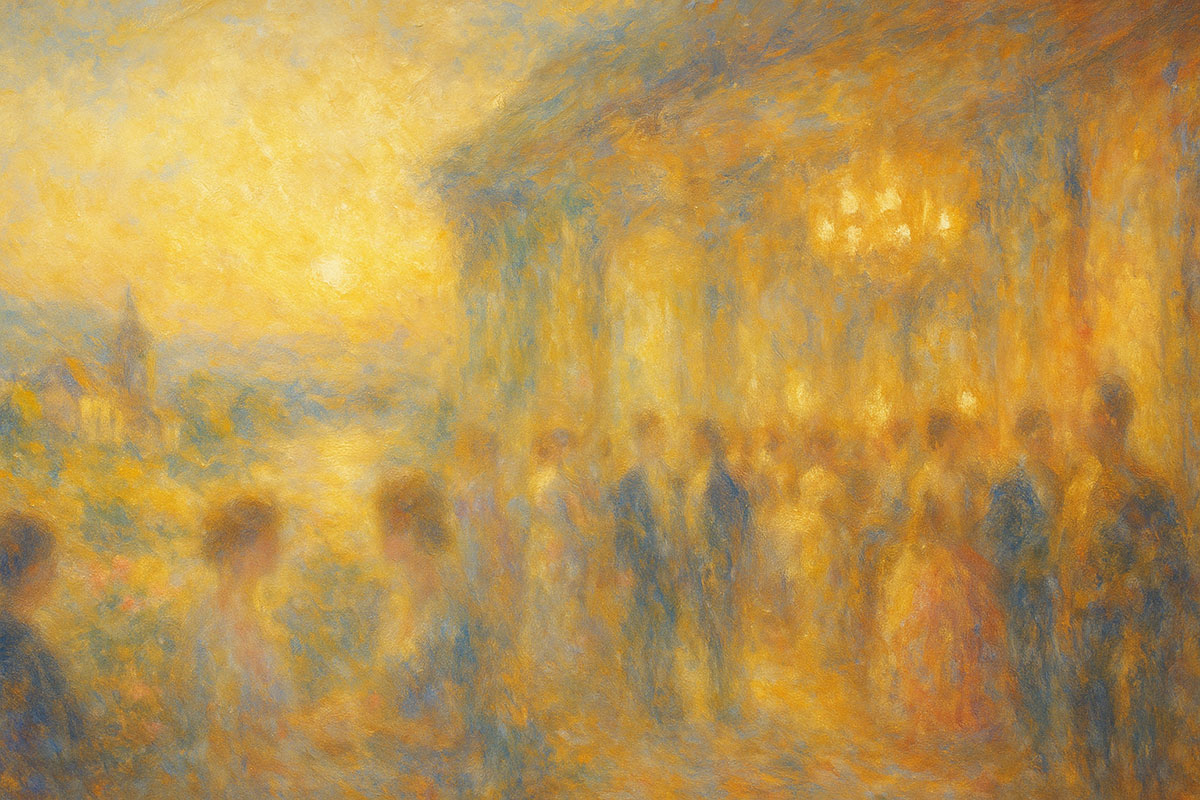
The narrator enters aristocratic salons, dazzled by names and appearances. But he discovers that society is vanity, its glamour built on masks and illusions.

Poem:
Crystal chandeliers burn,
faces glow beneath them,
but eyes are veiled.

A name, once whispered,
seems immortal —
until spoken,
and it dissolves into banality.

Society dazzles,
but behind its mirrors
lies only the hunger
to be seen.

Poem 4: The Empty Chair (Sodom and Gomorrah)
Introduction:
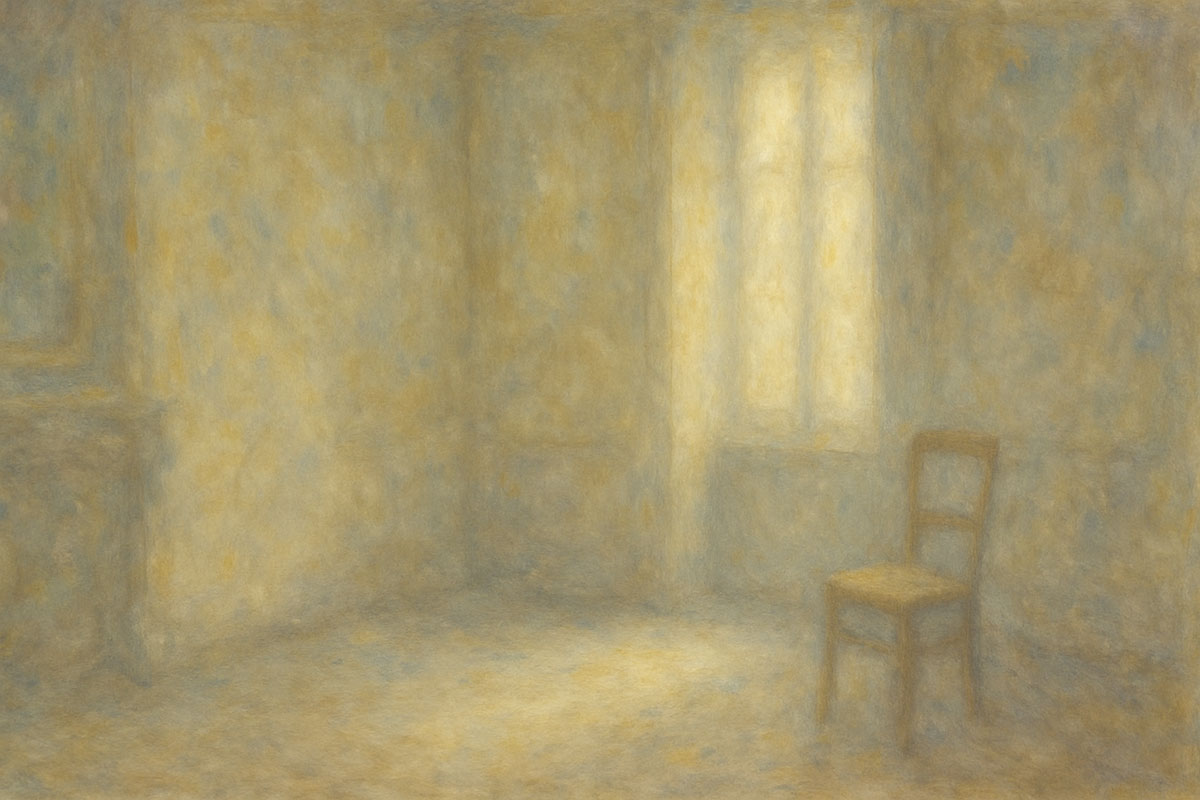
The death of the narrator’s grandmother reveals time’s cruelty. What remains is absence — and yet memory preserves her tenderness beyond death.

Poem:
A cough fades,
a breath is stilled.
The chair remains,
silent by the window.

Time takes without mercy,
but memory holds
the gesture, the voice,
the light of her eyes.

What is gone in flesh
lives on in remembrance.

Poem 5: The Prisoner of Love (The Prisoner)
Introduction:
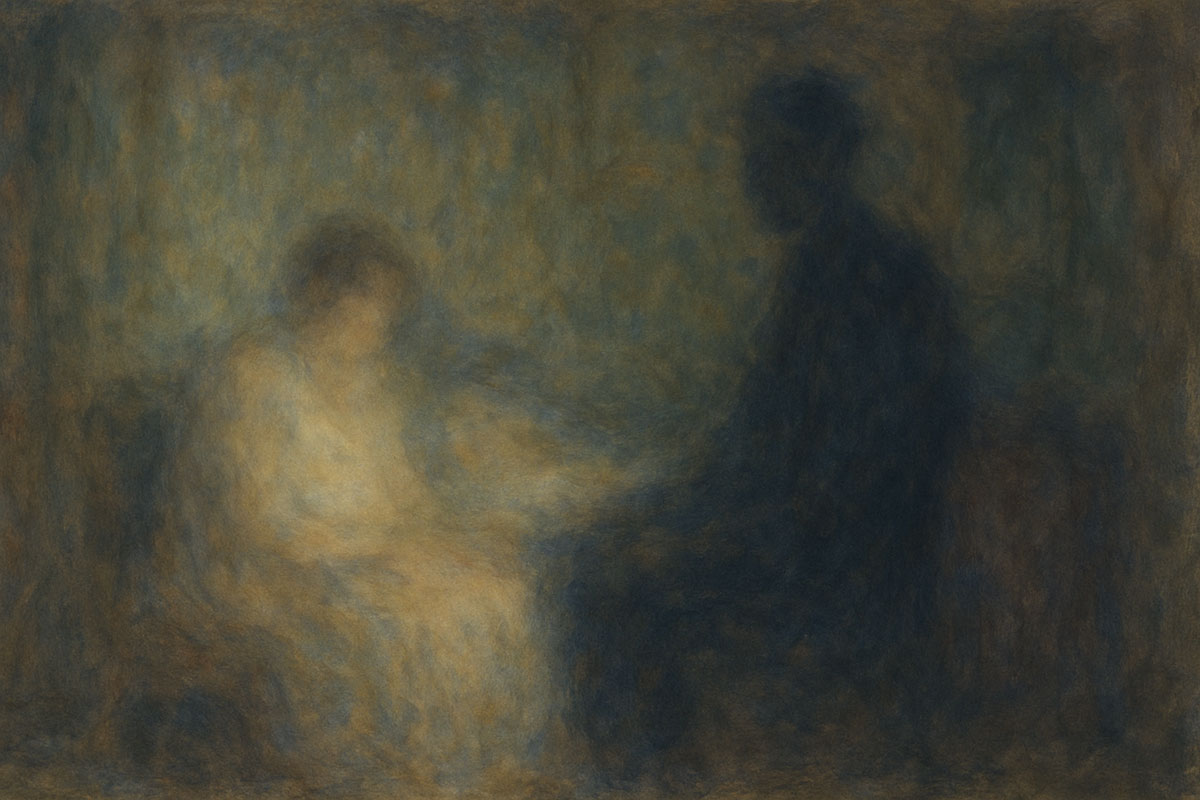
The narrator keeps Albertine close, but love becomes suffocating. Possession promises security but only creates a prison for both lover and beloved.

Poem:
Stay close,
I whisper —
but love cannot breathe in chains.

Her silence
becomes my torment.
Her laughter,
a threat.

To hold too tightly
is to lose forever.

Poem 6: The Fugitive (Albertine disparue)
Introduction:
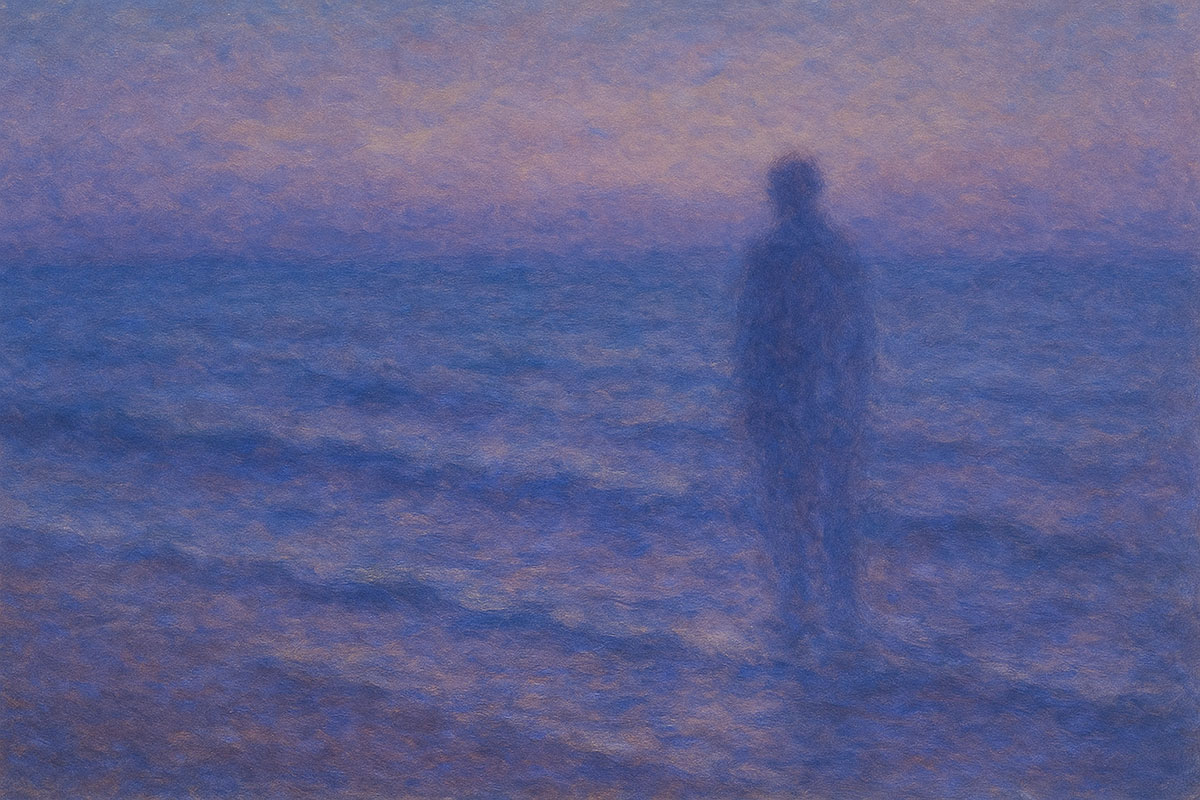
Albertine’s flight, and her sudden death, leave the narrator haunted. Absence becomes more powerful than her presence ever was.

Poem:
She is gone.
A rumor,
a letter,
a silence that swallows all sound.

In absence,
she multiplies —
every street corner,
every dream.

To lose her in life
was to keep her forever in memory.

Poem 7: Time Regained (Le Temps retrouvé)
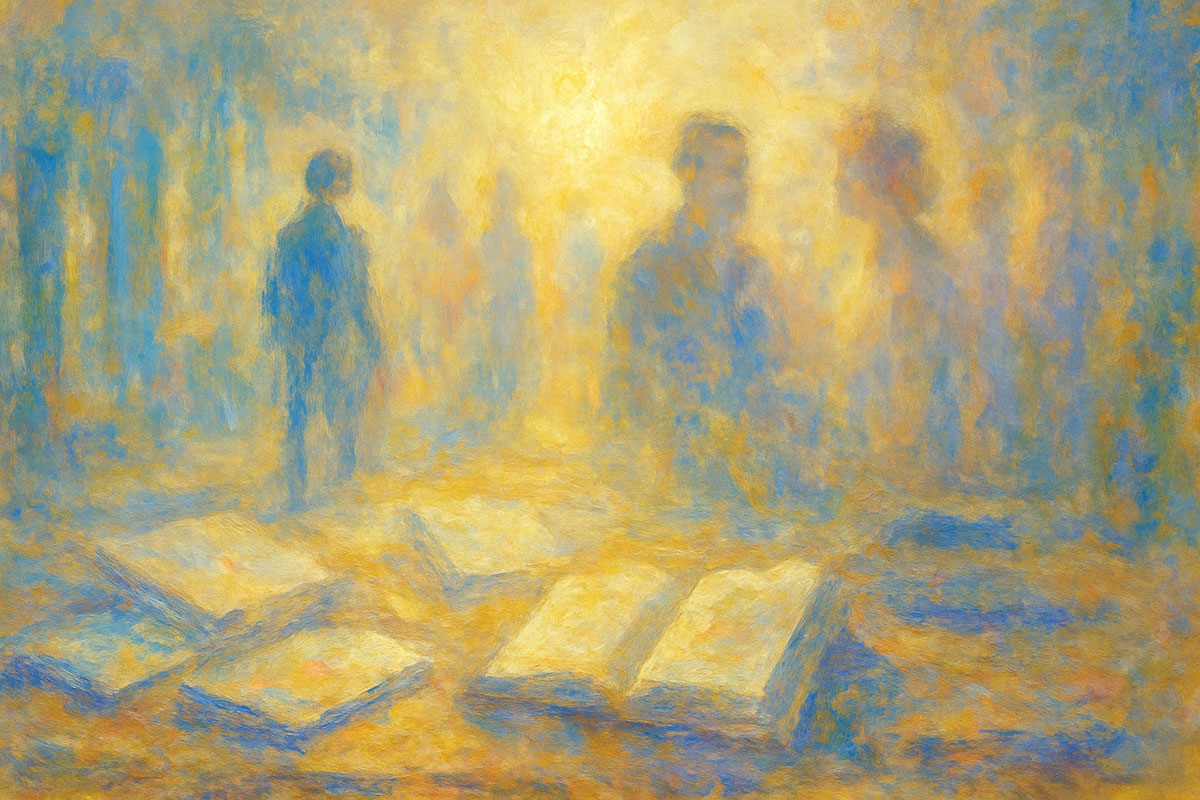
Introduction:
In the final volume, the narrator realizes his task: to turn memory into art. Through literature, what is fleeting is preserved.

Poem:
Stones underfoot,
the stumble of time —
and suddenly,
the past returns entire.

War passes,
faces vanish,
salons crumble.

But in art,
the fragments shine,
woven into eternity.

I write —
not to escape time,
but to preserve it.

Epilogue — The Hour Beyond Time

All that was lived dissolves.
Faces fade, voices scatter,
even desire falls silent.

Yet nothing is truly lost.
In memory, in art,
what is fragile becomes eternal.
What is painful becomes luminous.

The past returns,
not as it was,
but as it is felt —
more vivid than truth,
more enduring than flesh.

We do not conquer time;
we transform it.
And in that transformation,
we discover eternity
within a fleeting hour.

Short Bios:


Related Posts:

  • Grimm Fairy Tale Universe: The Complete Grimmverse Book One
  • The Kamogawa Food Detectives Movie: Flavors of Memory
  • Top 10 Must-See Artworks at The State Hermitage Museum
  • Ulysses on Stage: A Modern Drama Adaptation
  • Kakigori Summer: A Family Drama of Silence and Healing
  • Inside Norwegian Wood: Murakami Meets the Literary Giants

Filed Under: Art, Imagination, Literature, Spirituality Tagged With: Albertine Proust love, Guermantes society poem, In Search of Lost Time explained in poetry, In Search of Lost Time poems, Marcel Proust poetry, Proust art meaning, Proust art salvation poem, Proust explained in poems, Proust involuntary memory poem, Proust jealousy poem, Proust literature guide, Proust memory madeleine poem, Proust mortality poetry, Proust poetic adaptation, Proust poetic cycle, Proust poetic study, Proust short study guide, Proust study guide, Proust themes explained, Swann’s Way poetry

Reader Interactions

Leave a Reply Cancel reply

Your email address will not be published. Required fields are marked *

Primary Sidebar

RECENT POSTS

  • maupassant the necklace explainedThe Necklace by Maupassant Explained: Illusion Becomes Debt
  • Russia Will Nuke Germany & the UKRussia Will Nuke Germany and the UK? Bluff, Doctrine, or Plan?
  • Shakespeare Othello ExplainedShakespeare Othello Explained: How Iago Turns Love Into “Justice”
  • Coppélia Playscript: Love, Control, and the Doll
  • Daniel Gilbert’s Stumbling on Happiness Explained
  • Hamlet explainedHamlet Explained for Modern Readers: Truth That Destroys
  • Chagall Spiritual Paintings: 10 Works That Open Heaven
  • Romeo and Juliet Explained Who’s to Blame and Why It Matters
  • Camela Hurley 2026 Predictions: Five Signals of a Turbulent Year
  • Influence Explained: Robert Cialdini’s Persuasion Playbook
  • Post Japan Depression: Why You Miss Japan So Much
  • ryunosuke akutagawa in a groveIn a Grove Explained — Akutagawa and the Collapse of Truth
  • king lear madnessKing Lear Explained: Power, Madness, and Moral Collapse
  • The Tempest explainedThe Tempest Explained: Power, Forgiveness, and Control
  • W. H. Auden reading listW. H. Auden Reading List: Fate & the Individual Roundtable
  • Ken Honda 2026: Doraemon & Bashar on Riding the Fire Horse
  • Think-Again-ExplainedAdam Grant Think Again Explained: The Skill of Updating Fast
  • do-elections-still-decide-powerDo Elections Still Decide Who Holds Power in America?
  • the cask of amontillado explainedEdgar Allan Poe’s The Cask of Amontillado Explained
  • The Taming of the Shrew Explained for Modern Readers
  • robert greene the art of seductionThe Art of Seduction Explained: Power, Persona, Ethics
  • the mountain is you lessonsThe Mountain Is You Summary: Self-Sabotage to Self-Trust
  • Today’s Philosophers Confront Power, Identity, and Modern Life
  • Macbeth summaryMacbeth analysis of ambition that turns into terror
  • love toni morrison summaryLove Toni Morrison Summary: The Women in Cosey’s Wake
  • Jonathan Haidt The Righteous Mind: Why Good People Are Divided
  • Charlie Munger Mental Models: Poor Charlie’s Almanack
  • The Tempest analysis in the Afterlife Tribunal
  • Jensen Huang Startup Advice: How to Build a Company
  • thinking-fast-and-slow-summaryThinking Fast and Slow Summary: Daniel Kahneman System 1 & 2
  • A-Midsummer-Night’s-Dream-forest-meaningThe Psychology Behind A Midsummer Night’s Dream
  • A Midsummer Night’s Dream explainedA Midsummer Night’s Dream Explained
  • the-lady-with-the-dog-themesThe Lady with the Dog Explained: Love That Arrives Too Late
  • kafka-a-hunger-artist-explainedA Hunger Artist Explained: When Devotion Loses Its Witness
  • philosophical-imaginary-conversationTop 20th Century Philosophers Confront Today’s Crises
  • japanese-public-behaviorJapanese Etiquette: The Quiet Rules That Hold Society Together
  • Bartleby the Scrivener Explained: Why Refusal Still Haunts Us
  • The Gift of the Magi Explained — When Love Is Enough
  • Kim-Young-Hoon-God-is-JesusKim Young Hoon, IQ, and Why Intelligence Isn’t Authority on God
  • Fire Horse 2026: A Psychic & Astrology Conversation on Collapse

Footer

Recent Posts

  • The Necklace by Maupassant Explained: Illusion Becomes Debt January 16, 2026
  • Russia Will Nuke Germany and the UK? Bluff, Doctrine, or Plan? January 15, 2026
  • Shakespeare Othello Explained: How Iago Turns Love Into “Justice” January 15, 2026
  • Coppélia Playscript: Love, Control, and the Doll January 14, 2026
  • Daniel Gilbert’s Stumbling on Happiness Explained January 14, 2026
  • Hamlet Explained for Modern Readers: Truth That Destroys January 13, 2026

Pages

  • About Us
  • Contact Us
  • Disclaimer
  • Earnings Disclaimer
  • Privacy Policy
  • Terms and Conditions

Categories

Copyright © 2026 Imaginarytalks.com