
|
Getting your Trinity Audio player ready...
|
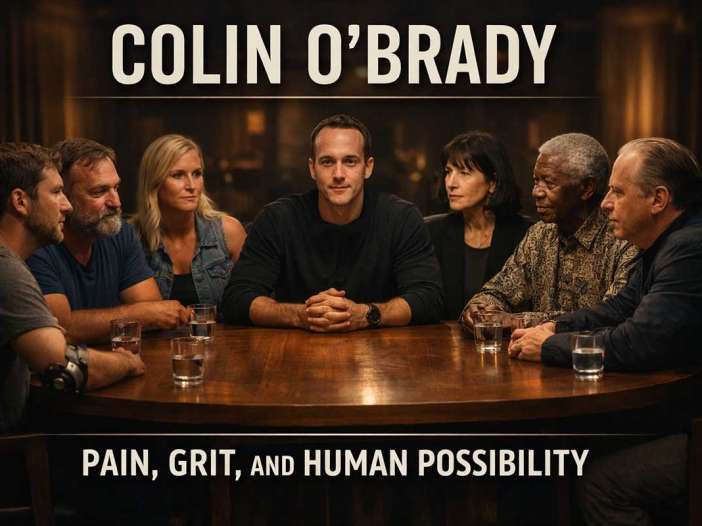
What if Colin O’Brady and top resilience thinkers discussed what suffering can awaken in the human spirit?
Introduction by Nick Sasaki
What happens when a human life is shattered in a single moment, yet refuses to end there?
This imagined conversation begins with Colin O’Brady, whose life changed after severe burns in Thailand nearly took away the future he thought he would live. From that point, the discussion opens into a much larger human question: what allows some people to rise from devastation, set a new goal, keep moving through impossible odds, build greatness through discipline, and still protect the inner belief that more is possible?
Across these five topics, Colin is joined by people who faced loss, danger, limitation, pressure, imprisonment, fear, and profound personal trials. Together, they explore the hidden stages of transformation. First comes rupture, when pain destroys the old life. Then comes the first bold goal, the first next step, the long discipline of daily effort, and finally the deeper question beneath it all: what kind of mind can keep hope alive when the body, the world, and the past all seem to say no?
At its heart, this is not a conversation about fame, athletic achievement, or heroic image alone. It is about the human spirit under extreme conditions. It is about what survives after identity collapses, what kind of goal can gather a broken life back into motion, and why greatness is often built in silence long before anyone sees the result.
More than anything, this conversation asks whether suffering must have the last word. Colin O’Brady and these remarkable voices suggest that pain can wound the body, shake the mind, and break the old story, yet still fail to erase the deeper self. And that may be where all true transformation begins.
(Note: This is an imaginary conversation, a creative exploration of an idea, and not a real speech or event.)
Topic 1 — When Pain Destroys the Old Life
Nick Sasaki:
Welcome, everyone. This first part begins at the hardest place: the moment life breaks. Not the comeback. Not the lesson. The moment when the old life is suddenly gone and a person has to face a future they never wanted. Colin O’Brady, Bethany Hamilton, Aron Ralston, Viktor Frankl, and Malala Yousafzai are here to explore what happens inside a human being when suffering is no longer distant, but personal, physical, and irreversible.
1) When catastrophe destroys the life you expected, what is the first inner battle a person must face?
Colin O’Brady:
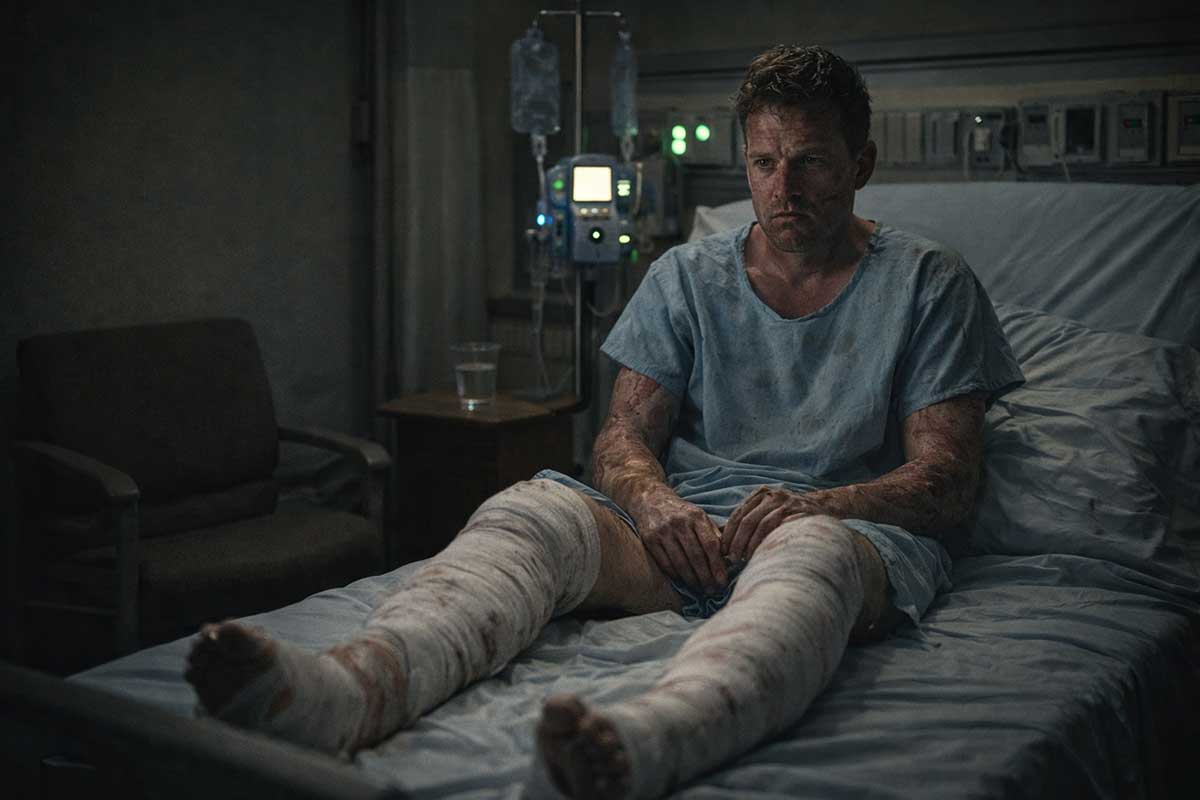
For me, the first battle was not physical pain, though there was plenty of that. It was the collapse of certainty. One day I was a young athlete with a future that felt open and exciting. Then, after the burns, I was lying in a hospital bed hearing words that sounded like a sentence over the rest of my life. The first battle was with despair. It was the voice that said, “This is who you are now. Smaller. Broken. Finished.” Before I could walk toward any recovery, I had to face that voice.
Bethany Hamilton:
I relate to that. After the shark attack, the first battle was not only fear. It was the question, “Can I still be myself now?” Surfing was such a big part of how I lived, how I felt joy, how I knew who I was. When that happened, there was this moment where the world I loved felt dangerous, and my own body felt unfamiliar. The first inner battle was deciding whether loss would become my new identity or just part of my story.
Aron Ralston:
Mine started with raw survival, but it became psychological very fast. When you are trapped alone, stripped of rescue fantasies, your mind does strange things. It bargains, denies, panics, freezes. The first battle was against helplessness. Helplessness is deadly. It tells you that since you cannot change everything, you should do nothing. I had to fight the temptation to mentally shut down.
Malala Yousafzai:
When violence touches your life, the first battle is often with fear, but it is also with silence. Violence wants to do more than wound the body. It wants to reshape the future. It wants to tell you, “Do not speak. Do not become. Do not continue.” I think the first battle is whether you allow terror to rewrite your sense of self. Am I still a girl with a voice? Am I still allowed to hope? Those questions become very real.
Viktor Frankl:
The first inner battle is with meaninglessness. Suffering becomes unbearable when it appears empty. A human being can endure much, but when pain arrives with no shape, no purpose, no horizon, the soul begins to sink. The first question becomes: “Is my life still asking something of me?” If the answer is yes, then suffering, though terrible, does not have the final word.
Nick Sasaki:
Colin, when you heard the doctors speak about what your future might look like, was it grief first or anger first?
Colin O’Brady:
Grief. Then anger. Then humiliation. People talk about injury like it is one emotion, but it isn’t. It is a storm. You grieve the body you had. You get angry that your life got hijacked. You feel humiliated by dependence. Then fear walks in and asks, “What if this is permanent?” That was the hardest part early on. Pain tells you about the present. Fear tells you a story about forever.
Bethany Hamilton:
That is so true. Fear is sneaky. It does not only tell you what happened. It tells you what will keep happening. That was a huge thing for me. It was not just, “I lost my arm.” It was, “Will I ever trust life again? Will I ever trust the ocean again? Will I ever trust myself again?”
Aron Ralston:
And fear hates specifics. It grows in vagueness. The more undefined the future is, the more power fear gets. Survival starts when you stop talking in gigantic, hopeless terms and start dealing with what is real right now.
Viktor Frankl:
Yes. The soul must be brought back from the abstract abyss into the concrete duty of the hour.
2) What decides whether suffering makes a person bitter, broken, brave, or transformed?
Malala Yousafzai:
I think part of it is whether love is still present. A person alone in pain is in a very dangerous place. When someone reminds you that you are still seen, still needed, still precious, it changes what suffering can become. I do not mean pain disappears. I mean it loses the right to define everything.
Aron Ralston:
Choice matters too. Not the choice to suffer, of course. No one sane chooses that. But once you are inside it, tiny choices begin to matter. Do I stay mentally awake or check out? Do I tell myself the truth or hide in fantasy? Do I act? Do I wait? Transformation is rarely one big heroic decision. It is a chain of harsh little decisions.
Bethany Hamilton:
Faith mattered for me. Not a polished, easy faith, but the kind that says, “God is still here, and my life still has value, and I do not need a perfect body to live fully.” I think what shapes a person is the meaning they attach to what happened. If your suffering becomes proof that life has betrayed you, bitterness grows fast. If it becomes a place where love and courage can still exist, a new life can start.
Colin O’Brady:
I’d add goals. After my accident, one clear goal changed everything. It gave my pain direction. Without direction, pain spreads everywhere. With direction, pain becomes part of a path. That does not make it easy. It just stops it from being random. I think a lot of people stay stuck because they do not know where to place their suffering. A goal gives it somewhere to go.
Viktor Frankl:
There is a deep truth in all of this. Suffering alone does not ennoble anyone. It can degrade, harden, and destroy. What matters is the human response. A person is not measured by whether they suffered, but by what they became in relation to suffering. There is a difference between pain that crushes the soul and pain that is met with inner freedom. That freedom may be small, but it is decisive.
Nick Sasaki:
So pain itself is not noble. The response can be.
Viktor Frankl:
Exactly. We should never worship suffering. We should honor the human capacity to answer it.
Bethany Hamilton:
I’m glad you said that. People can talk about hardship in a way that sounds too clean. It is not clean. It hurts. It confuses. It leaves scars. But in the middle of it, something real can still grow.
Colin O’Brady:
Yes. I never want to romanticize the hospital bed. I never want to romanticize the fire. There was nothing beautiful about that moment. The beauty, if there was any, came later in what I chose to build from the ashes of it.
Aron Ralston:
And sometimes transformation is ugly before it is admirable. It can look like panic, rage, terrible choices, or survival instincts that don’t feel noble at all. Yet afterward, the person may still emerge with more truth than they had before.
Malala Yousafzai:
I think another part is whether the suffering closes your heart or opens it. Some pain says, “No one understands me, so I owe no one anything.” Another kind of pain says, “Now I know what fear is, and I must use my life for people who still live inside it.” That difference changes history.
Nick Sasaki:
Colin, did you ever feel bitterness tempting you?
Colin O’Brady:
Absolutely. I think anyone who says no is either very unusual or not being honest. I had moments of self-pity. Moments of “Why me?” Moments of resentment watching other people move freely. The shift came when I saw that bitterness felt justified but useless. It gave me a reason to stop, but no way forward.
Viktor Frankl:
Bitterness often disguises itself as moral truth. It says, “Since what happened was unfair, I am permitted to remain imprisoned by it.” But the prison remains a prison.
3) Can suffering give a person something that comfort never could, or is that too dangerous a thing to say?
Viktor Frankl:
It is a dangerous thing to say, yet sometimes a true one. It becomes dangerous when we speak carelessly, as though pain were desirable. Pain is not desirable. Yet suffering can strip away illusion. It can reveal what is essential. It can show a person the difference between what is pleasant and what is meaningful. Comfort often conceals that difference.
Bethany Hamilton:
I agree, but gently. I would never tell someone in the middle of tragedy, “This is good for you.” That would be cruel. But after walking through deep loss, I can say there are things I know now that I could not have known in the same way before. Gratitude changed. Joy changed. My sense of what really matters changed. I do think suffering can deepen a person.
Aron Ralston:
It can reveal the core fast. In normal life, you can drift for years. Comfort lets you postpone hard truths. Crisis doesn’t care. It asks, “Who are you now? What matters now? What are you willing to do now?” That kind of forced honesty is rare outside extreme moments.
Malala Yousafzai:
There is a kind of clarity that comes after violence. You see with painful sharpness what fear is trying to take from the world. You see the value of voice, dignity, education, freedom, human worth. Before, these may be ideas. After, they become sacred responsibilities. But still, we must be careful. Many people are crushed by suffering. We should never speak as though pain automatically creates wisdom.
Colin O’Brady:
That’s where I land too. I would never go back and choose what happened to me. But after it happened, I found parts of myself I had never met before. Discipline at a new level. Gratitude at a new level. Purpose at a new level. I thought I knew who I was before the accident. In truth, I knew the comfortable version. Suffering introduced me to the deeper one.
Nick Sasaki:
So maybe suffering is not a gift, but it can uncover gifts?
Colin O’Brady:
Yes, that feels right.
Viktor Frankl:
A profound distinction.
Bethany Hamilton:
And perhaps the deepest thing it can uncover is love. Love from family. Love from God. Love for life itself. Sometimes you do not fully know the value of a thing until you nearly lose your place inside it.
Aron Ralston:
I’d put freedom in that category too. Strange as it sounds, surviving an impossible situation can make you less enslaved to trivial fears afterward. When you have seen the edge, many smaller anxieties lose authority.
Malala Yousafzai:
And responsibility. Once you survive something that could have ended your voice, you begin to feel that your life must now stand for more than comfort. Survival creates a debt of witness.
Viktor Frankl:
Yes. The survivor becomes, in some sense, accountable to meaning.
Nick Sasaki:
Before we close this first part, I want to ask each of you for one sentence. When pain destroys the old life, what must a person protect first?
Bethany Hamilton:
Protect the belief that your life is still worth loving.
Aron Ralston:
Protect your willingness to act before hopelessness hardens.
Malala Yousafzai:
Protect your voice, inwardly first, outwardly next.
Viktor Frankl:
Protect the conviction that meaning still awaits you.
Colin O’Brady:
Protect the part of you that still believes a new future can be built.
Nick Sasaki:
What a place to begin. Not with victory, but with the first fragile refusal to disappear. In each of your lives, suffering did not politely knock. It tore through the door. Yet somewhere in that wreckage, each of you guarded one small flame: meaning, faith, action, voice, possibility. That may be the first miracle. Not that pain failed to wound you, but that it failed to erase you.
Topic 2 — The Power of One Impossible Goal
Nick Sasaki:
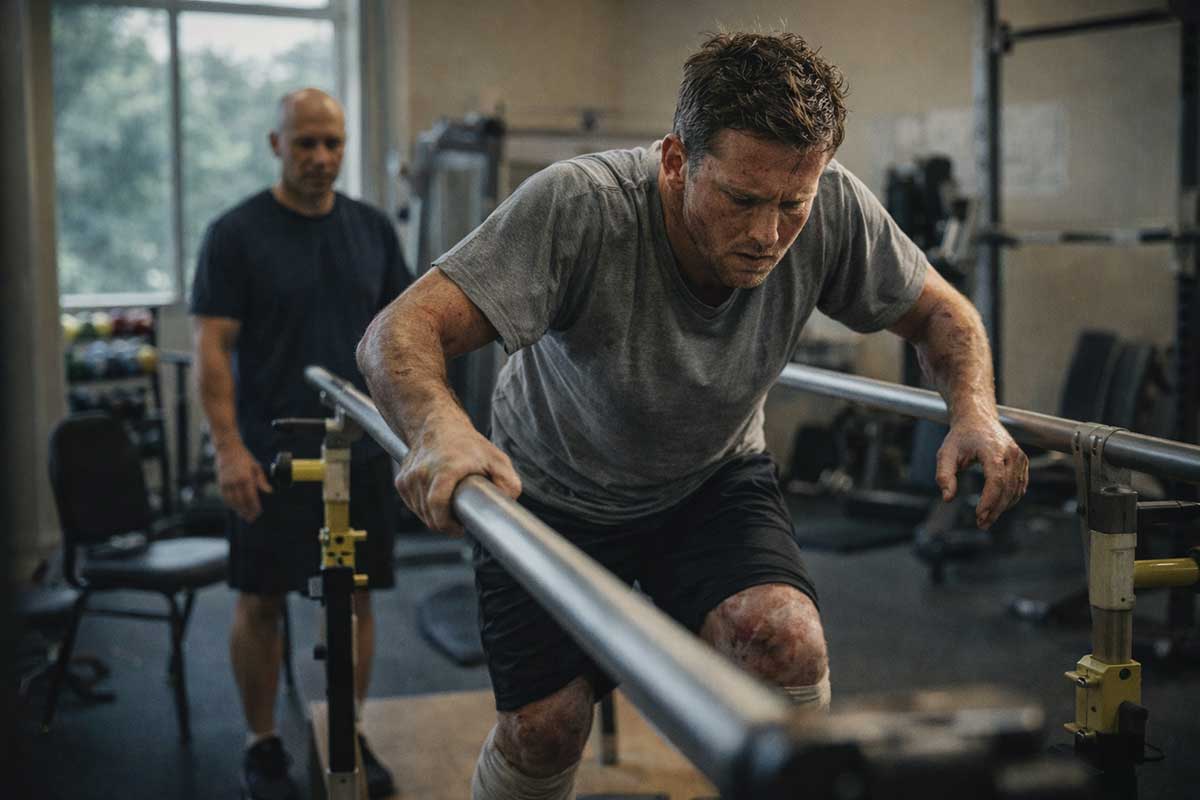
After life breaks, the next question is not always, “How do I heal?” Sometimes the deeper question is, “What can pull me forward strongly enough to make healing matter?” In Colin O’Brady’s story, one impossible goal became that force. He chose a triathlon when simply walking again was uncertain. That choice did more than give him a target. It gave him a future. So this part asks what one bold goal can do for a person who feels broken, lost, or small. Joining Colin are David Goggins, Jessica Cox, Nick Vujicic, and Wilma Rudolph.
1) Why does one clear goal sometimes heal a person more than comfort, advice, or sympathy?
Colin O’Brady:
A clear goal gives suffering direction. Before I had one, pain was just pain. It filled the room. It filled my mind. People could encourage me, and that helped for a moment, but encouragement alone didn’t organize my life. The goal did. Once I chose the triathlon, every therapy session, every painful step, every frustrating day had somewhere to go. The goal made my pain part of a path instead of a dead end.
David Goggins:
Comfort doesn’t demand anything from you. That’s the problem. When you’re destroyed, comfort can become a soft prison. People feel sorry for you, you feel sorry for yourself, and your whole identity starts feeding off the wound. A hard goal cuts through that. It says, “Get up. Become someone else.” It gives your mind a mission bigger than your excuses.
Jessica Cox:
I see that, though for me the deepest part is not hardness alone. A clear goal can return dignity. People may sympathize with you, but sympathy can quietly keep you in the role of the person who needs help. A meaningful goal lets you meet yourself as a creator again, not just a receiver of care. That shift is powerful. It says, “I still have agency. I still have a life to shape.”
Nick Vujicic:
Yes, and I think a goal also interrupts emotional fog. When people suffer, their mind often moves in circles. “Why me? What now? What if nothing changes?” A goal gives the heart a straight line to walk on. It may be a short line at first, but it is still a line. Hope grows better when it has structure.
Wilma Rudolph:
When I was young, people had reasons to think in terms of limitation. But a goal invites a person to see life from the other end. Not just from the injury, the weakness, or the diagnosis, but from the place you want to reach. That changes posture. It changes effort. It changes the meaning of struggle. You are no longer only enduring. You are moving.
Nick Sasaki:
David, you sound skeptical of sympathy.
David Goggins:
I’m skeptical of sympathy when it becomes identity food. Support matters. Love matters. But pity can be poison. If people clap for you just for surviving, sometimes you stop there. A goal doesn’t clap. It calls you out.
Nick Vujicic:
That’s true, though people do need love too. A person crushed by pain often needs tenderness before they can carry a hard challenge.
David Goggins:
Fair. But tenderness should prepare them to stand, not train them to stay down.
Jessica Cox:
That balance matters. Some people need a push. Some need permission to believe a goal is allowed. Either way, the goal becomes a mirror. It shows them a self that pain had hidden.
Colin O’Brady:
Exactly. I didn’t need everyone to tell me I was amazing. I needed a reason to suffer well.
2) How do you choose a goal that is big enough to wake you up but not so huge that it crushes you?
Wilma Rudolph:
A goal should stretch identity, but still allow entry. It must feel larger than your current condition, yet real enough that you can imagine taking the first step. If it is too small, it does not call your deeper self forward. If it is too large in a vague way, it becomes fantasy. The right goal creates tension and traction at the same time.
Jessica Cox:
I love that. Tension and traction. For me, a good goal usually contains both challenge and meaning. It is not only impressive. It is personal. It says something about who you want to become. That matters, since you are not just choosing a finish line. You are choosing what kind of relationship you want with your own life.
Colin O’Brady:
When I picked the triathlon, it sounded impossible enough to wake me up. That mattered. I needed something that broke the logic of my current state. Yet it was concrete. There were steps. Training. Recovery. Milestones. I wasn’t choosing “be amazing someday.” I was choosing something specific that demanded action.
Nick Vujicic:
A person should ask, “Does this goal create life in me?” Not comfort. Life. There are goals that impress other people but leave the soul empty. Then there are goals that carry a kind of sacred energy. You feel them in your spirit. They scare you, but they also call you. I would trust that.
David Goggins:
Pick something that exposes your weakness honestly. That’s a good start. Don’t pick a goal that flatters the version of you that already exists. Pick one that attacks your laziness, your fear, your victim story, your soft spots. That’s where growth is. The goal should make you uncomfortable enough that excuses lose oxygen.
Nick Sasaki:
But couldn’t that become too harsh? Some people are fragile in the early stage.
David Goggins:
Life is harsh. The fragility is real, but if you build the whole process around protecting fragility, you stay fragile.
Jessica Cox:
Yet courage is not always loud. Sometimes a huge goal for one person may look ordinary from outside. The real measure is not spectacle. The real measure is honest stretch.
Wilma Rudolph:
Yes. One person’s marathon is another person’s first unsupported step. The soul knows when it is being called into true effort.
Colin O’Brady:
That’s important. The goal should feel impossible to you, not to the audience.
Nick Vujicic:
And it should be rooted in hope, not revenge. Some goals are born from “I’ll prove them wrong.” That can get you moving, but it may not sustain you. A better goal says, “I want to live fully.”
David Goggins:
I’ll take “prove them wrong” if it gets you off the floor. But yes, at some point it has to become deeper than that.
3) When a person feels broken, should the first goal be physical, emotional, spiritual, or practical?
Nick Vujicic:
I don’t think there is one answer for everyone, but I would say the first goal should be the one that restores movement. For some people that is spiritual. For others, physical. For others, very practical. The key question is: what kind of goal breaks the paralysis?
Colin O’Brady:
Mine was physical, but it carried emotional meaning too. Training for the triathlon was not only about the body. It was about reclaiming possibility. Sometimes the body is where you can feel progress most clearly, and that clarity can start healing other parts of the self.
Jessica Cox:
For me, goals that build capability can reshape emotion without directly chasing emotion. People often wait to feel ready. A practical or physical goal can help create readiness. Confidence often follows action more than the other way around.
Wilma Rudolph:
Yes. There is something powerful about visible progress. The body teaches hope through repetition. One more step. One more motion. One more sign that change is still possible. That can steady the heart.
David Goggins:
I lean physical first for many people, since the body doesn’t negotiate like the mind does. You set a target, train, suffer, repeat. It cuts through drama. But I’ll say this: the real target is never just physical. The body is often the battlefield where the mind gets rebuilt.
Nick Vujicic:
And for some, the first goal must be spiritual or emotional. Some people are alive outwardly but dead inwardly. They need a reason to believe their life matters before any outer challenge can take root. A first goal can be as simple and profound as, “I will stop speaking to myself like I am a mistake.”
Jessica Cox:
That’s beautifully said. A practical goal like learning a skill can do that too. It says, “I can participate. I can adapt. I can create.” Practical goals are underrated. They rebuild trust between the person and reality.
Colin O’Brady:
I agree. The category matters less than the function. The first goal should restore direction, dignity, and motion.
Wilma Rudolph:
And it should invite patience. A first goal is not the whole destiny. It is the first doorway.
David Goggins:
That’s right. Too many people worship the first goal or get crushed by it. It’s just the start. Its job is to wake you up.
Nick Sasaki:
So the goal is not the final answer. It is the first proof that the future is still reachable.
Colin O’Brady:
Yes. It gives you evidence against hopelessness.
Nick Vujicic:
And evidence matters. A broken person often doesn’t need grand theory first. They need one lived sign that change is real.
Nick Sasaki:
Before we close, I want one sentence from each of you. What does one impossible goal give a broken person?
Jessica Cox:
It gives them agency where helplessness used to live.
Wilma Rudolph:
It gives the future a shape the heart can move toward.
David Goggins:
It gives pain a job and excuses an enemy.
Nick Vujicic:
It gives hope a direction instead of a wish.
Colin O’Brady:
It gives a shattered life one strong thread to start rebuilding from.
Nick Sasaki:
That may be one of the great hidden truths of recovery: a bold goal does not remove suffering, but it can reorganize it. It can gather scattered pain, fear, and effort into one line of motion. In that sense, the goal is more than ambition. It is a lifeline. For Colin and for so many others, the impossible goal was not madness. It was the first form hope took when words were no longer enough.
Topic 3 — One Step at a Time When the Mountain Feels Impossible
Nick Sasaki:
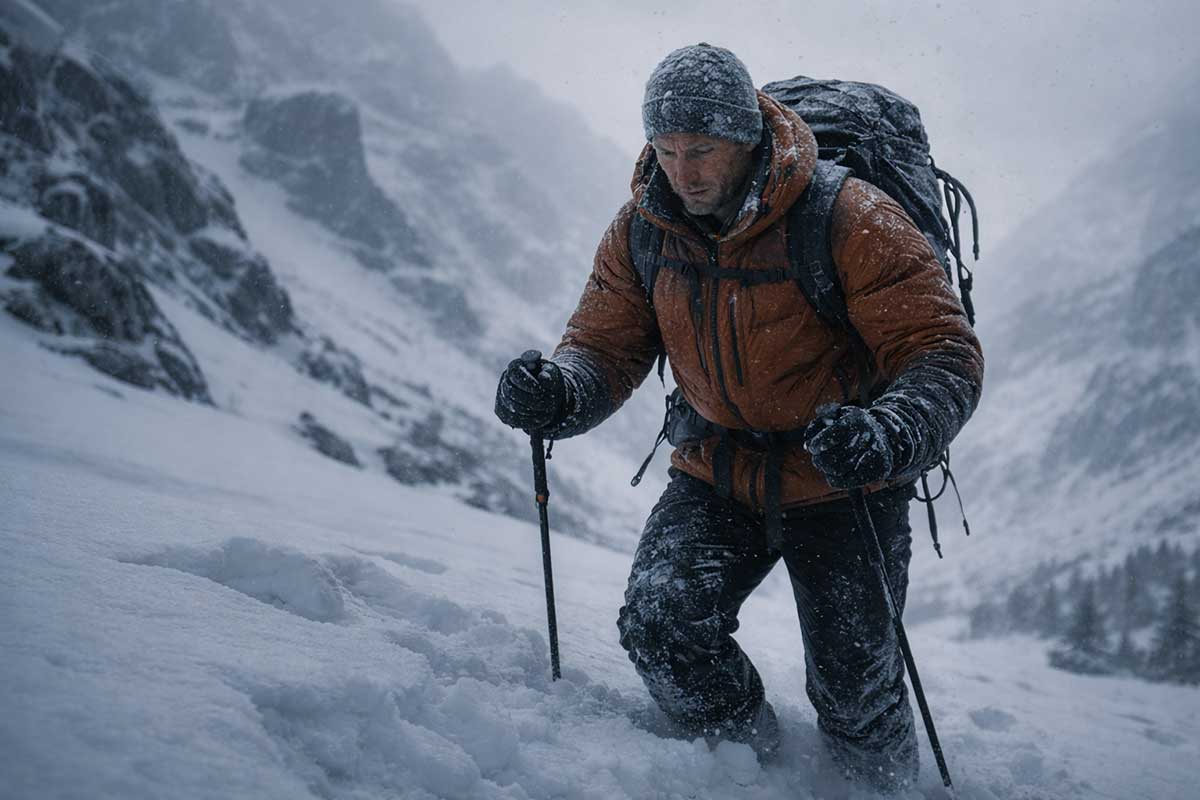
A bold goal can wake a person up. But after that comes a quieter test. You still have to live through the long middle. The part where the mountain is still there, the summit is far away, and progress can feel painfully small. This part is about that hidden discipline: how people keep moving when the full journey feels too big to carry in their minds. Joining Colin O’Brady are Erik Weihenmayer, Edmund Hillary, Tenzing Norgay, and Cheryl Strayed.
1) Why does focusing on the next step work better than obsessing over the whole mountain?
Colin O’Brady:
The whole mountain can crush you mentally. It is too large, too abstract, too far away. The next step is different. The next step is concrete. It asks something from you now. When I’ve faced extreme challenges, I’ve learned that the mind often gets overwhelmed by total distance, total pain, total uncertainty. But it can handle one action. Then another. Then another. Focusing on the next step keeps the mind from drowning in scale.
Erik Weihenmayer:
I relate to that deeply. When people hear “Everest,” they hear one giant mythical thing. But no one climbs a myth. You climb snow under your boots, breath by breath, movement by movement. The next step is honest. It returns you to contact with reality. The whole mountain lives in imagination. The next step lives in relationship. That difference matters.
Edmund Hillary:
The great danger of staring at the entire mountain is that you begin negotiating with fear before the day’s work has even begun. Mountains have a way of magnifying uncertainty. If you let your mind roam too far upward, your energy leaks away. The next step narrows the field. It returns your attention to the only place effort can actually occur.
Tenzing Norgay:
Yes. The mountain is never climbed in one heroic emotion. It is climbed in many small obediences. The next step has humility in it. It accepts that you do not conquer the mountain by force of imagination. You meet it in pieces. This makes a person steadier.
Cheryl Strayed:
I’d say the next step also protects a person from despair. When your life is a mess, or you’re carrying grief, regret, or loneliness, the whole path can feel like proof that you’re lost. The next step changes the emotional contract. It says, “You do not need to solve your whole life today. You only need to remain in motion.” That can save someone.
Nick Sasaki:
So the next step is not small in meaning. It is small in size, but huge in function.
Cheryl Strayed:
Exactly. Small enough to take. Big enough to keep you from giving up.
Colin O’Brady:
And it keeps you honest. A lot of people dream in giant language. The next step exposes whether you are really willing to do what the dream costs.
Erik Weihenmayer:
It also invites trust. One step taken well teaches the body and mind that another step may still be possible.
2) What kind of discipline helps a person continue when progress feels invisible?
Edmund Hillary:
The discipline of accepting monotony. People admire the dramatic moment, but much of achievement is repetition without applause. Progress is often hidden inside routine. A climber must learn to respect days that do not feel glorious. These days are often the real builders of success.
Tenzing Norgay:
I would add patience. In the mountains, haste can become arrogance. Progress is not always visible because conditions are not always favorable. A wise person learns that endurance is not frantic. It is faithful. To continue without visible reward, one must learn reverence for process.
Colin O’Brady:
For me, discipline in invisible seasons comes from commitment to identity. If I only act when I feel inspired, I am in trouble. But if I decide, “This is who I am now. I’m a person who keeps going,” then action becomes less dependent on mood. Invisible progress still counts. Training still counts. Recovery still counts. The unseen work is often the real work.
Erik Weihenmayer:
I love that. Invisible progress demands trust in signals other than immediate results. Sometimes the body is adapting. Sometimes the mind is stabilizing. Sometimes courage is increasing quietly. People get discouraged because they think only visible motion matters. But internal preparation is also progress.
Cheryl Strayed:
There’s a kind of loneliness in invisible progress too. No one claps for your private discipline. No one usually sees the day you chose not to quit, or the day you kept walking though you felt foolish, grief-struck, or exhausted. So part of the discipline is learning not to need constant witness. You become your own companion. You become the one who says, “This matters, though no one sees it.”
Nick Sasaki:
That feels true far beyond climbing.
Cheryl Strayed:
It is. Healing is often like that. Writing is like that. Change is like that. From the outside it looks like nothing is happening. Inside, a whole life may be rearranging itself.
Edmund Hillary:
Quite right. The unseen is often mistaken for the insignificant.
Tenzing Norgay:
And silence is not the same as absence. The mountain may seem to give nothing. Yet it is shaping you.
Colin O’Brady:
That’s why daily practice matters so much. A person needs rituals stronger than discouragement.
Erik Weihenmayer:
Yes. Systems carry us where emotion alone cannot.
3) How do people stay faithful to the path when fear, loneliness, and exhaustion distort their thinking?
Erik Weihenmayer:
You learn to question the stories fear tells when you are depleted. Fear often speaks in total sentences: “You can’t do this. This will never end. You are not enough.” But exhaustion is a bad philosopher. It makes every hardship sound final. Staying faithful means not treating every frightened thought as truth.
Colin O’Brady:
That’s huge. In hard moments, your mind can become a liar. Not always maliciously, but convincingly. It tells you to zoom out at the worst possible time. It tells you the summit is too far, the pain is too much, the sacrifice isn’t worth it. I’ve had to learn how to answer that voice with structure: breathe, refocus, shorten the horizon, keep moving.
Cheryl Strayed:
Loneliness distorts too. When you’re alone on a hard road, suffering becomes strangely theatrical in your mind. It can feel like your pain is the whole world. One way to stay faithful is to remember that many people before you have walked through fear and uncertainty and did not disappear. Their existence can steady you. You begin to feel part of a larger human line of endurance.
Edmund Hillary:
Companionship matters, certainly, but so does self-command. A climber must learn to separate sensation from decision. You may feel fear, weakness, or dread. Yet you need not surrender authority to them. Fatigue must be acknowledged without being obeyed too quickly. The discipline lies in measured judgment.
Tenzing Norgay:
And reverence helps. If the path is only about personal triumph, then suffering easily becomes an insult to the ego. But if the path is something you serve with humility, then hardship becomes part of the relationship. Loneliness, fear, and exhaustion are no longer signs that you should betray the path. They are part of what the path asks you to carry.
Nick Sasaki:
That is beautiful. Hardship as part of the relationship.
Tenzing Norgay:
Yes. Many turn back emotionally before they turn back physically. They believe discomfort means they have lost the way. Often it means only that the way is real.
Colin O’Brady:
That hits hard. I’ve felt that. The moment when difficulty feels like a verdict. But difficulty is not a verdict. It is information. Sometimes it says rest. Sometimes it says adapt. Sometimes it simply says continue.
Erik Weihenmayer:
Exactly. We need better interpretation. The challenge is not only the pain. It is what we make the pain mean.
Cheryl Strayed:
And sometimes staying faithful means forgiving yourself for being a mess on the path. People think endurance looks noble all the time. Often it looks confused, tearful, slow, awkward. But you’re still on the path. That counts.
Edmund Hillary:
Quite so. Determination is often less dramatic than the audience imagines.
Nick Sasaki:
Before we close, one sentence from each of you. When the mountain feels impossible, what keeps a person moving?
Edmund Hillary:
Respect for the day’s task rather than obsession with the distant summit.
Tenzing Norgay:
Humility enough to take one faithful step at a time.
Cheryl Strayed:
The decision to stay in motion before your feelings make a prison around you.
Erik Weihenmayer:
Trust that the next step is real, though the whole path is still hidden.
Colin O’Brady:
The refusal to let the size of the mountain decide the size of your courage.
Nick Sasaki:
This part may be one of the most human of all. Big goals may inspire us, but small steps are what carry us. In the unseen middle, where progress hides and fear grows loud, the next step becomes more than a movement. It becomes an act of sanity, trust, and quiet defiance. No one climbs a whole mountain at once. No one heals a whole life at once. The path becomes possible only when the soul learns to live inside the next faithful step.
Topic 4 — From Daily Discipline to Extraordinary Achievement
Nick Sasaki:
By this point, we’ve moved from catastrophe to direction, and from direction to persistence. Now we reach a harder question: how does repeated daily effort turn an ordinary human being into someone others call extraordinary? From the outside, greatness often looks dramatic. From the inside, it is usually repetition, sacrifice, boredom, restraint, and a thousand quiet choices nobody sees. Colin O’Brady is joined here by Nims Purja, Alex Honnold, Michael Phelps, and Serena Williams.
1) What do people misunderstand most about extraordinary achievement from the outside?
Colin O’Brady:
People often see the summit and miss the structure underneath it. They see the headline moment, the photo, the record, the finish line. They do not see the years of training, the lonely discipline, the setbacks, the recalibration, the mornings when you felt flat and still showed up. Extraordinary achievement can look explosive from far away, but from close up, it is usually built through repetition.
Nims Purja:
Yes. People think extreme achievement is madness or superhuman talent. Sometimes they use those words so they do not have to examine the discipline behind it. They say, “He is different,” and that lets them keep their distance. But the truth is often less mystical. High performance is built in decisions, preparation, pain tolerance, focus, and a refusal to waste energy on excuses.
Alex Honnold:
I think people misunderstand the emotional tone of it too. They imagine it feels epic all the time. Usually it doesn’t. A lot of elite performance is very technical, very controlled, very unromantic. It’s about reducing error, building familiarity, repeating skills until they become reliable under pressure. From outside it looks fearless. From inside it often feels methodical.
Michael Phelps:
That’s right. People love the gold medal. They don’t love the years of staring at a black line at the bottom of a pool. They don’t see the sameness of training, the missed holidays, the mental discipline needed to keep standards high when nobody is watching. Achievement gets glamorized at the end, but it gets built in very plain places.
Serena Williams:
And people misunderstand the cost. They want greatness to look clean and empowering all the time. It isn’t. It asks things from you. It asks for focus when you’d rather drift. It asks for sacrifice when other people are relaxing. It asks you to carry pressure, expectation, criticism, and still protect your edge. People admire the confidence, but they rarely see the constant work required to keep earning it.
Nick Sasaki:
So greatness is often misread as glamour when it is closer to endurance and structure.
Serena Williams:
Yes, and stamina of spirit too. You have to keep your center when the world keeps reacting to your highs and lows.
Colin O’Brady:
That’s big. The outside world often meets you at the visible moment. You have to live with yourself in all the invisible ones.
2) At what point does greatness stop being talent and start becoming identity, routine, and sacrifice?
Michael Phelps:
I think it shifts the moment excellence becomes your normal, not your special occasion. Talent may open a door, but routine decides how long you stay in the room. Once your habits become aligned with a high standard, you stop depending on mood so much. You’re no longer visiting greatness. You’re building a life around it.
Alex Honnold:
I agree. Talent helps early, but eventually the question becomes whether your systems can support the level you say you want. In climbing, confidence isn’t something you manufacture on the spot. It comes from thousands of choices that built competence. Identity matters because it stabilizes behavior. If you see yourself as someone who trains carefully, thinks clearly, and respects the process, you act from that more consistently.
Serena Williams:
There’s also a point where sacrifice becomes non-negotiable. A lot of people want the image of greatness, but not the repeated surrender it requires. They want the win without the training, the respect without the lonely hours, the breakthrough without the boredom. Greatness becomes real when your daily life starts matching your stated ambition.
Nims Purja:
Yes. Talk is cheap at altitude. The mountain doesn’t care about your self-image. It only responds to what you have prepared for. Identity in the deepest sense is not what you call yourself. It is what you have trained yourself to do under strain. Sacrifice is the proof. It shows how much of your life you are truly willing to align with the goal.
Colin O’Brady:
For me, identity became central when I stopped treating effort as temporary. Early on, people often say, “I’m pushing hard right now.” But elite progress usually comes when you stop seeing discipline as a short phase and start seeing it as part of who you are. Then training isn’t punishment. It’s expression. Sacrifice isn’t random. It belongs to something.
Nick Sasaki:
That sounds almost spiritual.
Colin O’Brady:
In a way, yes. When your routines line up with your values, discipline starts feeling cleaner. Still hard, but cleaner.
Michael Phelps:
And it protects you when motivation dips. Routine carries you through the parts where emotion can’t.
Serena Williams:
Identity helps there too. On tough days, you may not feel powerful. But you can still remember, “This is how I live. This is what I do.”
Alex Honnold:
That’s important. Identity reduces decision fatigue. You’re not renegotiating your standards every morning.
Nims Purja:
Exactly. The strongest people I know don’t waste much energy debating commitment after they’ve made it.
3) How do you chase extreme performance without losing your humanity, relationships, or soul?
Serena Williams:
That’s one of the hardest questions, since performance can become consuming. You need ambition, yes, but you also need a center deeper than results. If your whole worth rises and falls with winning, success will distort you and failure will break you. You need love, perspective, and some part of yourself that doesn’t get handed over to applause.
Colin O’Brady:
I think purpose matters here. Performance for its own sake can become hollow. The question is what the pursuit is doing to your character, your gratitude, your way of loving people. I’ve had to ask whether achievement is making me more alive and generous, or more narrow and obsessed. The discipline that builds greatness can also shrink a person if they never step back and examine it.
Michael Phelps:
I’d add mental health. High performance culture can reward hiding weakness until it becomes dangerous. That’s a serious trap. A person can be winning publicly and unraveling privately. So I think protecting your humanity means being honest about what’s happening inside you, not just what’s happening on the scoreboard.
Alex Honnold:
For me, one part is staying grounded in reality. Public narratives can get weird. People project fearlessness, genius, invincibility. If you start believing your own mythology, that’s a problem. You need actual relationships, honest feedback, and habits that keep you accurate about who you are and what you’re doing.
Nims Purja:
Yes. Ego can become deadly, literally. In extreme environments, if you chase image more than truth, you make bad decisions. Humanity is protected by humility. You must respect limits, conditions, teammates, timing. Soul is lost when ambition stops listening.
Nick Sasaki:
So one danger is that excellence can tempt a person into worshiping excellence itself.
Michael Phelps:
Yes, and then everything else gets reduced to fuel for performance.
Serena Williams:
That’s when relationships start suffering. People around you can feel like accessories to your mission instead of people you’re called to love well.
Colin O’Brady:
And you can fool yourself by saying it’s temporary. But if you keep postponing humanity until after the next milestone, you may wake up and find the habit has shaped you.
Alex Honnold:
That’s why honest self-audit matters. Ask what the pursuit is costing and whether the cost still fits your values.
Nims Purja:
And ask whether you are still serving the goal or whether the goal has started ruling you.
Serena Williams:
I think the healthiest form of greatness is fierce but not empty. Driven, but not detached from love. Focused, but still human.
Nick Sasaki:
Before we close, one sentence from each of you. What is the hidden foundation of extraordinary achievement?
Alex Honnold:
Clear thinking repeated long enough to become reliable under pressure.
Michael Phelps:
Standards lived daily, long before anyone rewards them.
Nims Purja:
Commitment that stays sharp when pain, weather, and doubt arrive.
Serena Williams:
A disciplined life that protects both excellence and the person living it.
Colin O’Brady:
The quiet decision to keep honoring the process after the excitement is gone.
Nick Sasaki:
This part pulls greatness back down to earth, which may be where its real beauty lives. Extraordinary achievement is not built from one blazing moment of inspiration. It grows from routine, sacrifice, repeated standards, and the willingness to keep showing up when the work feels plain. Yet this part has held up a warning too: greatness can strengthen a life, but it can also consume one. The deepest form of excellence may be the kind that builds a champion without emptying the human being inside.
Topic 5 — The Mind That Decides What Is Still Possible
Nick Sasaki:
We began with pain. Then came the goal, the next step, and the long discipline that turns effort into achievement. Now we arrive at the deepest layer beneath all of it: the mind. What is it, exactly, that lets a human being look at devastation, limitation, fear, or impossibility and still say, “There is more in me than this”? Colin O’Brady is joined here by Wim Hof, Carol Dweck, Nelson Mandela, and Joe Dispenza to explore what mindset really is, how it changes, and whether it can truly create a different future.
1) What is mindset really: belief, mental training, interpretation, or spiritual choice?
Colin O’Brady:
To me, mindset is not one thing. It’s a way of relating to reality. It includes belief, but belief alone can become empty if it isn’t trained. It includes discipline, but discipline alone can become mechanical if it isn’t connected to meaning. In the hardest moments of my life, mindset has meant choosing the interpretation that keeps me in motion. Not fantasy. Not denial. But a way of seeing difficulty that still leaves room for action.
Wim Hof:
Yes, the mind is not just thoughts floating in the air. It becomes breath, body, chemistry, response. People often speak about mindset like it is a slogan. But mindset is something you can practice. You can train how you meet stress. You can train how you meet discomfort. You can train how you meet fear. The body listens to the mind, and the mind can learn to stop panicking at every challenge.
Carol Dweck:
I would frame mindset as the meaning system through which a person interprets ability, struggle, and change. Two people can face the same obstacle and give it completely different meanings. One person thinks, “This difficulty proves I’m limited.” Another thinks, “This difficulty is part of growth.” That difference changes persistence, learning, and resilience. So yes, mindset involves belief, but it is belief embedded in interpretation.
Nelson Mandela:
I would add moral choice. There are moments when a person must decide not only what they believe about success, but who they will be under pressure. Mindset is not merely technique. It is also inward leadership. It is the refusal to let suffering, hatred, or imprisonment dictate the final shape of the soul. In that sense, mindset can be deeply ethical.
Joe Dispenza:
And it is creative. The mind is not simply reacting to the past. It can begin rehearsing a different future. Many people live emotionally tied to what has already happened to them. Their body becomes conditioned by old fear, old pain, old identity. A changed mindset begins when a person stops rehearsing the past and starts practicing a new inner state before outer evidence fully arrives.
Nick Sasaki:
So mindset is not a motivational phrase. It is a lived structure.
Carol Dweck:
Exactly. And it becomes visible in what a person does with challenge.
Colin O’Brady:
That’s why I think the word can sometimes get overused. People say “mindset” as though it means positive thinking. For me, mindset has often looked like staying accurate enough to suffer without surrendering.
Nelson Mandela:
That is well said. True inner strength does not require illusion.
Wim Hof:
Yes. You do not need fantasy. You need presence strong enough to stay with what is hard without collapsing.
2) How does a person change the story in their head when the body, the world, and the past all say “no”?
Joe Dispenza:
First, the person must become aware that the story is a story. Many people think their inner narrative is reality itself. It is not. It is a pattern. It is memory, interpretation, emotion, conditioning. Once a person sees that, they can begin interrupting it. They can ask, “What future am I emotionally rehearsing every day? What identity am I reinforcing?” Change begins with conscious interruption.
Carol Dweck:
I agree. The fixed story often sounds absolute: “I can’t.” “I’m this kind of person.” “This is as far as I go.” A person can learn to add movement to the sentence. “I can’t yet.” “I’m still learning.” “This is difficult, but difficulty is part of growth.” That sounds simple, but it changes the emotional meaning of effort. The story becomes developmental rather than final.
Wim Hof:
And the body must be included. If the body is flooded with fear, the mind will often obey that fear and call it truth. So you train the system. Breathe. Stay. Expand your capacity. Meet discomfort without running. Once the body learns it can survive intensity, the mind stops shouting “no” so loudly.
Colin O’Brady:
For me, changing the story has meant shrinking the horizon when needed. The body says no. The mind says no. The memory says no. Fine. Then I ask a smaller question. Can I take one more step? Can I endure ten more seconds? Can I do today’s work? Sometimes you don’t overthrow a negative story all at once. You weaken it through repeated evidence.
Nelson Mandela:
Yes. Dignity grows through practiced refusal. A person does not always conquer despair in one grand moment. Often the soul is defended through small acts of inward self-government. “I will not let hatred own me.” “I will not let humiliation define me.” “I will not grant permanent authority to this present condition.” These decisions, repeated, form a new inner nation.
Nick Sasaki:
That phrase is extraordinary: a new inner nation.
Nelson Mandela:
A person under pressure must become the guardian of their own interior freedom.
Joe Dispenza:
And once that interior freedom begins, the future can change. The body stops being only the servant of past experience.
Carol Dweck:
Still, we should note that changing the story doesn’t mean pretending everything is easy. It means changing the meaning of effort, challenge, and failure.
Colin O’Brady:
Yes. I never needed to tell myself the mountain wasn’t hard. I needed to stop telling myself the hardness meant stop.
Wim Hof:
Exactly. Hard is not the enemy. Panic is the enemy. Helplessness is the enemy. Untrained reaction is the enemy.
3) Can a new mindset truly create a new future, or does it simply help us endure what cannot be changed?
Carol Dweck:
It can absolutely create a different future, though not in a magical sense. Mindset changes behavior, effort, learning, persistence, and recovery from setbacks. Those change outcomes. A growth-oriented person tries more, learns more, adapts more, and often achieves more. So yes, mindset helps us endure, but it also expands what becomes possible.
Colin O’Brady:
I’ve lived that. If I had accepted the first story handed to me after my injury, my future would have narrowed dramatically. A changed mindset didn’t heal me by itself, but it changed what I did, how I trained, how I interpreted pain, and how long I kept going. That absolutely shaped my future.
Joe Dispenza:
And there are futures people never enter because they keep emotionally rehearsing the old self. The mind and body become loyal to the known past. A new mindset opens access to new choices, new behaviors, new relationships, new risks, new courage. In that sense, it is not only endurance. It is creation.
Nelson Mandela:
Still, there are things mindset cannot erase. It cannot cancel history. It cannot reverse every loss. It cannot guarantee justice. Yet it can decide what kind of person will meet these realities. And that is no small thing. To endure nobly is itself a form of creation. It creates character, witness, and influence.
Wim Hof:
Yes. Sometimes you change the world outside. Sometimes you change the way your whole system meets the world. Both matter. If you cannot control the storm, you can still change the strength and clarity with which you stand inside it.
Nick Sasaki:
So perhaps the answer is both. Mindset helps endure what cannot be changed, and from that stronger place, it can help create what can be changed.
Carol Dweck:
I think that is right.
Colin O’Brady:
Yes. The future is not infinitely open, but it is usually more open than fear says.
Joe Dispenza:
And much more open than old identity says.
Nelson Mandela:
A free future is often born first in an inward act of refusal.
Wim Hof:
And then trained into the body through action.
Nick Sasaki:
Before we close, one sentence from each of you. What does the right mindset give a human being?
Joe Dispenza:
Permission to stop living as a repetition of the past.
Carol Dweck:
A way to treat challenge as a path of development rather than a verdict.
Wim Hof:
The ability to meet stress without surrendering your inner command.
Nelson Mandela:
The strength to protect freedom within before freedom appears without.
Colin O’Brady:
The power to keep possibility alive long enough for action to prove it real.
Nick Sasaki:
This final part may be the deepest key to the whole journey. Pain can shatter a life. A goal can gather it. Small steps can carry it. Discipline can refine it. But mindset decides whether the human spirit keeps room open for a future larger than the wound. Not fantasy. Not denial. Something harder and more beautiful: the inward decision that reality is severe, yet possibility is still alive. That decision, held long enough, may be where transformation truly begins.
Final Thoughts by Nick Sasaki
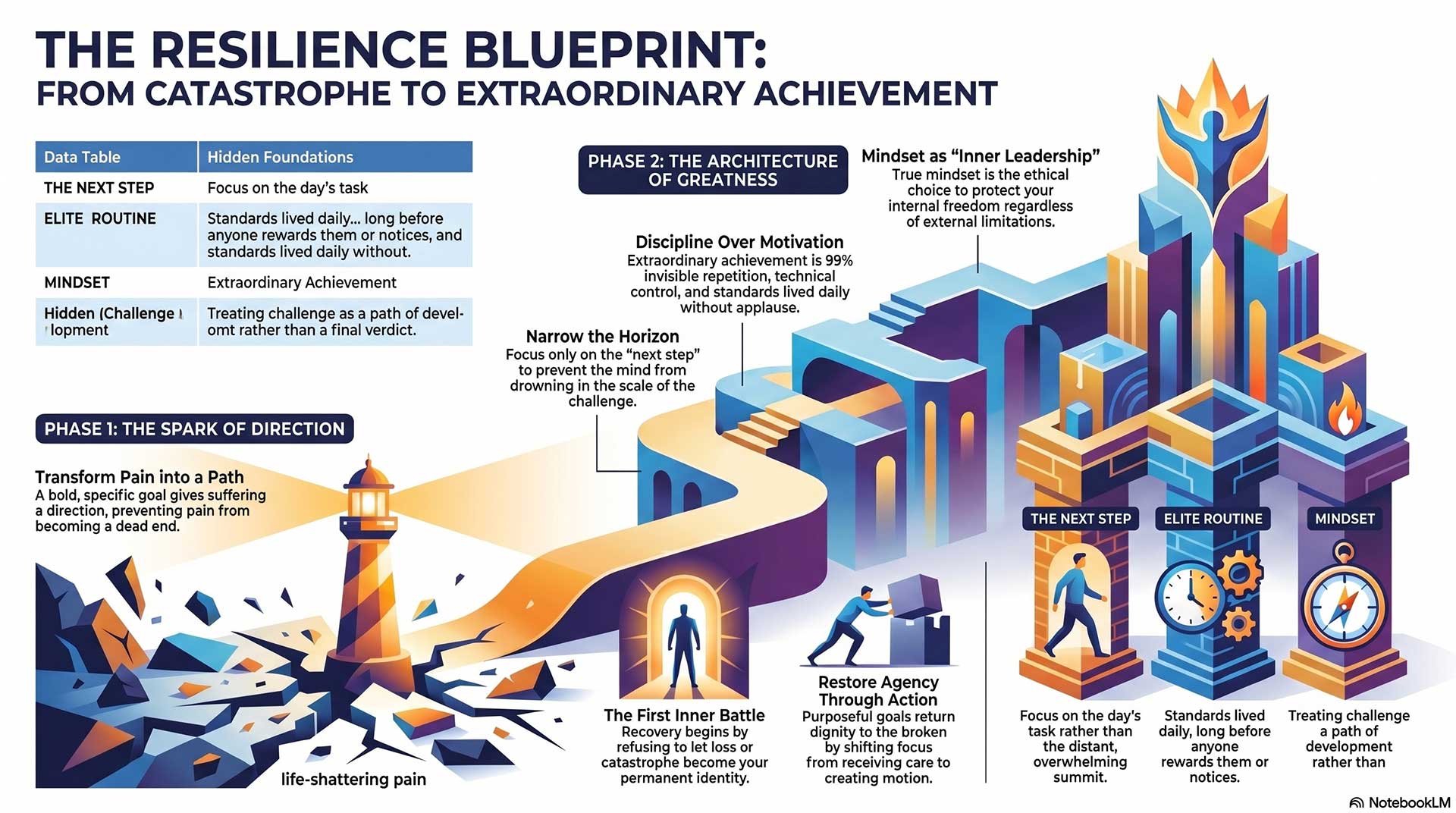
What stayed with me most in this conversation is that transformation did not begin with triumph. It began with refusal. Refusal to disappear. Refusal to let pain become identity. Refusal to let fear speak the final sentence.
Colin O’Brady’s story gave this whole discussion its spine. His life reminds us that the first miracle after devastation is often very small from the outside. It is the return of possibility. A person is hurt, frightened, humiliated, exhausted, uncertain, and yet somewhere inside, a quiet voice says: maybe this is not the end. From there, one goal can become a lifeline. One step can become a form of courage. One day of discipline can become the foundation of a new self.
Each participant revealed a different side of that truth. Some showed that suffering can strip away illusion. Some showed that a meaningful goal can restore dignity. Some showed that invisible effort matters more than dramatic moments. Some showed that greatness is built through repeated standards, not public applause. And some showed that mindset is not empty optimism, but the inner structure that keeps action alive when doubt feels stronger than hope.
This discussion also carried an honest warning. Pain is not automatically noble. Hardship does not always make people wiser. Greatness can sharpen a life, but it can also consume one. Mindset is powerful, but it is not magic. That honesty made the whole conversation feel more human. None of these voices treated suffering lightly. None pretended that courage erases grief. None confused inspiration with simplicity.
And yet, after all five topics, one truth became clear: the human being is often greater than the wound. Not untouched by it. Not free from scars. But greater than it. A burned body, a lost limb, a prison cell, a violent attack, a mountain, a diagnosis, a crushing setback, a season of despair — these things can change a life forever. But they do not always get to define its final meaning.
That may be the deepest lesson from Colin O’Brady and everyone gathered here. The old life may be gone. The easy path may be gone. The illusion of control may be gone. But as long as meaning, courage, discipline, and possibility remain, the story is still alive.
Short Bios:
Nick Sasaki
Nick Sasaki is the moderator of this imagined conversation, guiding deep discussions on resilience, meaning, transformation, and the hidden forces that shape human life.
Colin O’Brady
Colin O’Brady is an endurance athlete, climber, and speaker whose life changed after severe burns in Thailand. His recovery journey and later extreme achievements made him a symbol of resilience and possibility.
Bethany Hamilton
Bethany Hamilton is a surfer and author who returned to the ocean after losing her arm in a shark attack. Her story has inspired millions through its mixture of courage, faith, and grace.
Aron Ralston
Aron Ralston is an outdoorsman and speaker known for surviving a canyon accident that trapped him alone for days. His story became a powerful example of survival, will, and human endurance.
Viktor Frankl
Viktor Frankl was a psychiatrist, Holocaust survivor, and author of Man’s Search for Meaning. His work explored suffering, freedom, responsibility, and the human search for meaning under extreme conditions.
Malala Yousafzai
Malala Yousafzai is an education activist and Nobel Peace Prize laureate who became a global symbol of courage after surviving an assassination attempt by the Taliban.
David Goggins
David Goggins is a former Navy SEAL, endurance athlete, and author known for his fierce message on mental toughness, self-mastery, and radical personal discipline.
Jessica Cox
Jessica Cox is a speaker and pilot born without arms who became known around the world for turning limitation into strength and possibility.
Nick Vujicic
Nick Vujicic is a motivational speaker and author born without limbs. His life and message focus on hope, faith, dignity, and purpose.
Wilma Rudolph
Wilma Rudolph was an Olympic sprinter who overcame childhood illness and physical challenges before becoming one of the greatest track athletes of her era.
Erik Weihenmayer
Erik Weihenmayer is an adventurer and climber who became the first blind person to summit Mount Everest, inspiring many through his example of courage and adaptability.
Edmund Hillary
Sir Edmund Hillary was a mountaineer and explorer from New Zealand, widely known as one of the first two climbers to reach the summit of Mount Everest.
Tenzing Norgay
Tenzing Norgay was a legendary Sherpa mountaineer who, with Edmund Hillary, first reached the summit of Mount Everest, becoming a symbol of endurance and mountain wisdom.
Cheryl Strayed
Cheryl Strayed is a writer best known for Wild, her memoir of grief, healing, and solitary walking through pain and self-reconstruction.
Nims Purja
Nims Purja is a climber and former special forces soldier known for extraordinary high-altitude achievements and relentless commitment under extreme conditions.
Alex Honnold
Alex Honnold is a rock climber famous for elite free solo ascents that demanded unusual calm, precision, and focus under pressure.
Michael Phelps
Michael Phelps is a swimmer and Olympic champion whose career came to represent discipline, elite routine, and sustained excellence at the highest level.
Serena Williams
Serena Williams is one of the greatest tennis players in history, admired for her power, consistency, competitive spirit, and long-term excellence.
Wim Hof
Wim Hof is a Dutch athlete and teacher known for work involving breath, cold exposure, and training the body and mind to meet stress with greater control.
Carol Dweck
Carol Dweck is a psychologist known for her work on mindset, especially the distinction between fixed and growth-oriented ways of thinking about ability and change.
Nelson Mandela
Nelson Mandela was a South African anti-apartheid leader and president whose life came to represent moral courage, inner freedom, forgiveness, and endurance under long imprisonment.
Joe Dispenza
Joe Dispenza is an author and speaker whose work focuses on thought patterns, identity, and the role of the mind in shaping human change.
Leave a Reply