
|
Getting your Trinity Audio player ready...
|

Introduction by Alejandro Monteverde
When I set out to make Sound of Freedom, I knew it would not be an easy story to tell. We were stepping into the darkest corners of humanity, exposing crimes that most would rather turn away from. But I also knew that film has the power to shine light where shadows thrive. This project was never about entertainment—it was about giving voice to the voiceless, dignity to those who were dehumanized, and hope to those who had been forgotten.
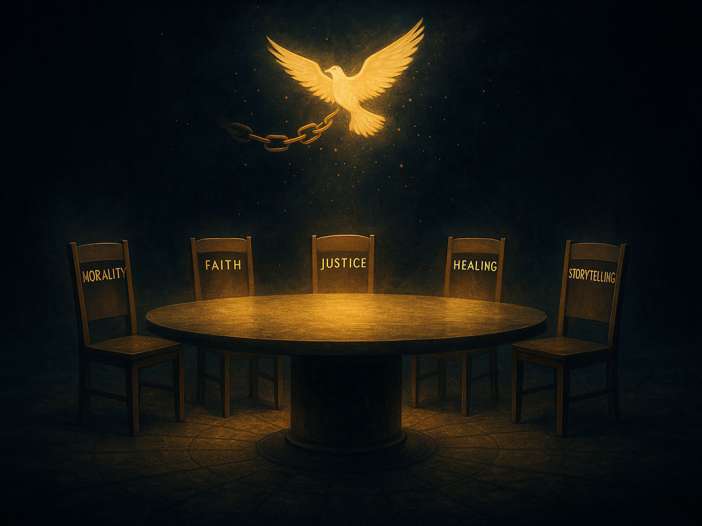
What you are about to encounter in these conversations is more than a discussion of trafficking—it is a dialogue about morality, faith, courage, healing, and the responsibility of storytellers. These are the very pillars that guided me as I made the film. My hope is that, through dialogue, we not only confront the horror of exploitation but also discover the extraordinary strength of the human spirit to resist and to rise.
(Note: This is an imaginary conversation, a creative exploration of an idea, and not a real speech or event)
Topic 1: The Moral Responsibility of Ordinary People in Combating Trafficking
Moderator: Nick Sasaki
Speakers: Malala Yousafzai, Gary Haugen, Nick Vujicic, Angelina Jolie, Jordan Peterson
Nick Sasaki
We’ve all seen how Sound of Freedom shines a light on the dark realities of trafficking. But beyond governments and organizations, how much moral responsibility lies with ordinary people? Should everyday citizens feel accountable, or is this too overwhelming for them to take on?
Malala Yousafzai
Ordinary people are never powerless. I grew up in a place where girls were denied education, and it was often the quiet bravery of parents, teachers, or community members that made all the difference. Combating trafficking begins with recognizing it’s not someone else’s problem. Every parent, teacher, or neighbor has the ability to notice warning signs, to speak out, to protect. The burden feels heavy, but silence allows evil to grow.
Jordan Peterson
The question of responsibility is layered. Most people underestimate their influence. Responsibility begins locally: protect your own children, strengthen your family, and create moral clarity in your home. Evil thrives in the cracks of negligence. You don’t have to fight cartels in Colombia, but you must build moral fortresses around your own life and community. Responsibility always begins with the individual—otherwise it dissolves into abstraction.
Angelina Jolie
I’ve seen in refugee camps how communities band together to protect children. What ordinary people underestimate is their collective power. Alone, you may feel helpless. Together, you can hold institutions accountable, demand changes in law, support organizations fighting trafficking, and use your voice in public discourse. The traffickers rely on apathy, on the illusion that the problem is far away. But every purchase, every vote, every silence has weight.
Nick Vujicic
As someone born without arms and legs, people told me all my life what I couldn’t do. But we forget that even the smallest act of kindness, awareness, or giving can ripple into something extraordinary. Ordinary people might say, “I’m not strong enough to fight such darkness.” But I’d say: light doesn’t have to be big to drive out the dark. Your donation, your mentorship, your advocacy—God multiplies it.
Gary Haugen
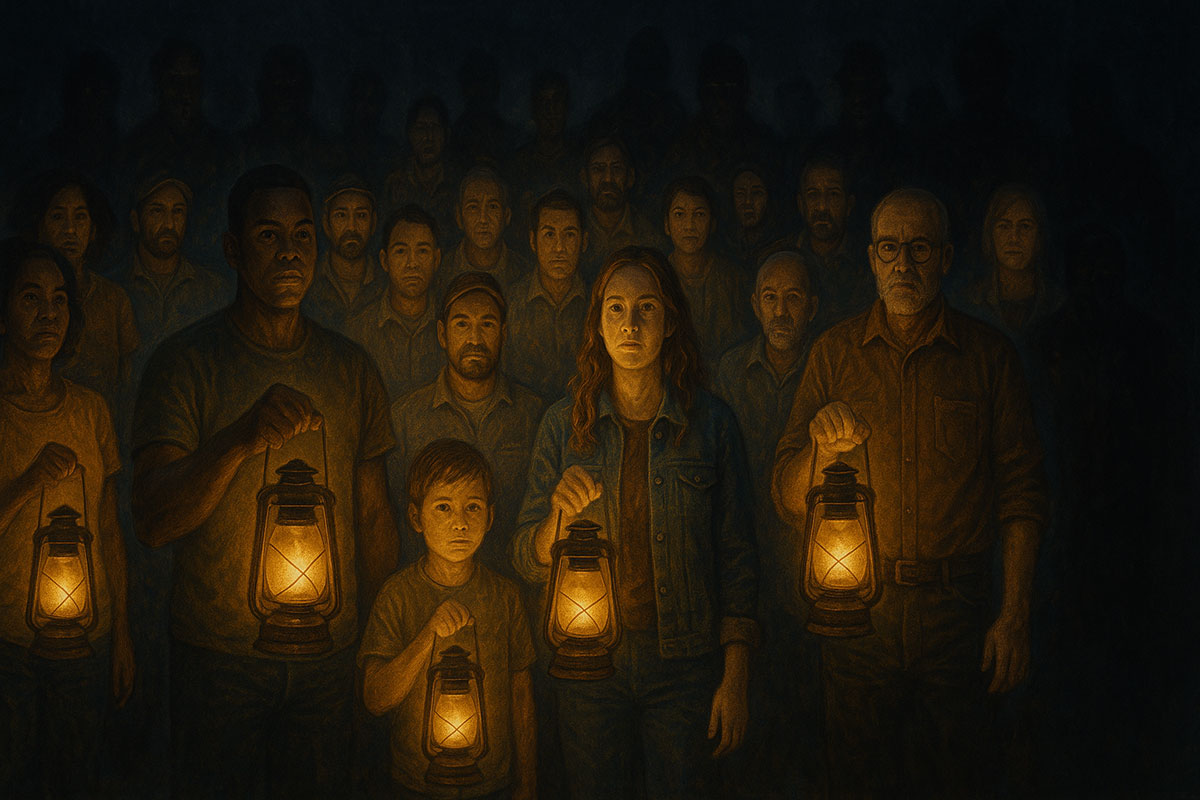
For decades at International Justice Mission, I’ve seen how ordinary people fuel the fight against slavery. It’s not governments that sustain our work—it’s the millions of ordinary citizens who give, volunteer, advocate, and stand. Trafficking thrives because it hides in the shadows, but ordinary people are like lamps. When enough lamps switch on, the darkness has nowhere left to hide.
Nick Sasaki
So let’s go deeper. Awareness is one thing, but what should action look like for the average person? What tangible steps can people take without burning out or feeling helpless?
Jordan Peterson
The first step is to fortify your own moral foundation. Don’t underestimate this. Raise children who are resilient, courageous, and not easily deceived. Model honesty and integrity in your family and workplace. From there, you can extend outward—support trustworthy organizations, advocate for change. But you cannot help the world if your own life is disordered.
Nick Vujicic
I agree, but I’ll add: don’t let the fear of “not doing enough” stop you from doing something. Maybe you can’t save 100 children, but you can mentor one child in your community. You can volunteer, you can give $10 a month. It’s about faithfulness, not perfection. Small steps, multiplied, change the world.
Malala Yousafzai
Education is a powerful tool. Support schools, especially in vulnerable areas. Encourage girls to stay in school, because traffickers prey on those without opportunity. Share information with others. Teach your children that exploitation is real, and that protecting dignity matters. Education plants seeds that traffickers cannot uproot.
Gary Haugen
Yes, and citizens can also push for justice reforms. In many countries, traffickers operate with impunity because local police are underfunded or corrupt. Ordinary people can advocate for funding, transparency, and accountability in justice systems. Justice isn’t an abstract concept—it’s practical infrastructure that can be strengthened with civic pressure.
Angelina Jolie
I’d emphasize the power of storytelling. Ordinary people can share survivor stories, support films, books, and art that expose this evil. When culture begins to shift, laws follow. Action isn’t just money or volunteering; it’s shaping the narrative so trafficking is seen as unacceptable everywhere.
Nick Sasaki
One last question before we close: how do ordinary people sustain hope in such a dark fight? How do they avoid despair when the problem seems endless?
Nick Vujicic
Hope is not a feeling—it’s a choice. I wake up every day choosing joy despite my limitations. In the fight against trafficking, choose to see the child who was rescued, the life that was healed. Focus on the victories, however small, because they prove the darkness is not invincible.
Angelina Jolie
For me, it’s looking into the eyes of survivors. When you see resilience in a child who has endured the worst and still smiles, you understand that despair is a luxury we cannot afford. Their courage demands our persistence.
Gary Haugen
Sustaining hope requires community. None of us can fight this alone. When ordinary people link arms with others—churches, schools, NGOs—they find strength. Evil isolates, but justice thrives in fellowship.
Malala Yousafzai
I think of young girls who said to me, “I want to be a teacher, I want to be a doctor,” even when the Taliban banned them from school. That hope was contagious. When you see the next generation still dreaming, you know you must keep fighting.
Jordan Peterson
Despair is seductive because it excuses inaction. But meaning is the antidote. When you take responsibility, even for one small corner of the world, your life gains meaning. And meaning is stronger than despair.
Closing Reflection — Nick Sasaki
This conversation shows that ordinary people are not powerless. Whether through family, education, advocacy, storytelling, or small acts of courage, each person can strike a blow against trafficking. Evil feeds on indifference, but responsibility turns despair into meaning. Ordinary people, united, can be extraordinary.
Topic 2: Faith, Courage, and the Willingness to Sacrifice

Moderator: Nick Sasaki
Speakers: Pope Francis, Tim Ballard, Iyanla Vanzant, Rick Warren, Desmond Tutu (in memoriam)
Nick Sasaki
In Sound of Freedom, we see Tim Ballard sacrifice career stability, safety, and even time with his own family to rescue children from trafficking. It raises a timeless question: where does faith enter the picture when facing overwhelming evil? Does faith make courage possible—or does courage demand something more than faith?
Tim Ballard
For me, faith was not an accessory—it was the lifeline. Without it, I could not have walked into jungles, stared into the eyes of traffickers, and still believed the mission was possible. My courage came from believing these children are God’s children, and that He would provide the strength and protection needed. Faith made sacrifice not just bearable, but necessary.
Iyanla Vanzant
I see faith as the bridge between fear and courage. Without faith, fear paralyzes. With faith, fear transforms into action. But courage doesn’t mean you don’t tremble—it means you move even while trembling. True sacrifice often asks us to surrender control, trusting in a power greater than ourselves.
Pope Francis
Faith is inseparable from love. To believe is to love, and love always calls us to courage. Christ Himself showed us: sacrifice rooted in love redeems. When we encounter such darkness, we must ask, “Who is my neighbor?” If my neighbor is the vulnerable child, then faith compels me not to remain silent. Courage is love in motion.
Desmond Tutu
Faith, in my experience, is the fire that sustains courage when the world grows cold. In South Africa, we faced a system that seemed immovable. We had to believe that God’s justice would prevail, even when it appeared naïve. Courage was simply acting as though justice were inevitable. Sacrifice followed naturally because we knew evil would not have the last word.
Rick Warren
I often say: you don’t determine a person’s greatness by their talent or wealth, but by what it takes to discourage them. Faith makes you resilient. Courage isn’t just fighting—it’s staying faithful to your calling even when it hurts. Sacrifice flows from understanding that your life is not about you—it’s about serving God and others.
Nick Sasaki
So if faith fuels courage and sacrifice, how do we know when sacrifice is righteous and when it becomes reckless? At what point does following a cause put too much at risk?
Iyanla Vanzant
This is where discernment matters. Sacrifice without wisdom can become self-destruction. Courage isn’t about proving how strong you are; it’s about aligning with your true calling. When sacrifice is born from ego or desperation, it drains. When it’s born from spirit, it sustains.
Tim Ballard
I wrestled with this question often. I was torn between protecting my family and rescuing other families’ children. It wasn’t about recklessness—it was about priorities. In the end, I trusted that God would care for my family while I cared for His children. Sacrifice will always feel costly, but you know it’s righteous when it restores life, not destroys it.
Rick Warren
Recklessness is sacrifice without purpose. Righteous sacrifice is always tied to love. If I endanger myself for a thrill, that’s recklessness. But if I pour myself out for the sake of saving another, that’s righteous. The difference lies in who benefits—me or others.
Pope Francis
Sacrifice becomes righteous when it upholds human dignity. To risk one’s life to defend life is noble. To risk life for pride or vengeance is folly. We must listen deeply to conscience and prayer to know the difference.
Desmond Tutu
Let me add: true sacrifice enlarges hope. If the outcome only breeds despair, it is not of God. Sacrifice should plant seeds of freedom, even if we do not live to see them bloom.
Nick Sasaki
Final thought for this topic: how can ordinary people cultivate faith and courage in daily life so that, when sacrifice is required, they’re ready?
Rick Warren
Start small. Courage is like a muscle—you strengthen it through daily acts of faith. Stand up for honesty at work, care for someone in need, speak the truth kindly when it’s hard. These small sacrifices prepare you for larger ones.
Iyanla Vanzant
Yes—practice surrender in everyday life. Learn to release the need to control outcomes. When you trust life in the little things, you build the courage to trust when the stakes are higher.
Pope Francis
Stay rooted in prayer, community, and service. Faith grows not in isolation, but in love shared. When you walk with others in faith, courage is never yours alone—it becomes collective.
Desmond Tutu
Joy is also essential. Evil tries to steal joy so we become weary. Laugh, sing, dance—even amidst struggle. Joy sustains courage and keeps sacrifice from becoming bitterness.
Tim Ballard
I’ll close by saying: be willing to see the faces of the vulnerable. When you truly see them, your heart won’t let you turn away. That vision will give you courage you didn’t know you had.
Closing Reflection — Nick Sasaki
Faith gives courage its fuel, and courage transforms sacrifice into love in action. This discussion shows that courage is not recklessness but discernment; sacrifice is not despair but restoration. When rooted in faith and love, even ordinary lives can confront extraordinary evils.
Topic 3: Global Systems that Enable Trafficking
Moderator: Nick Sasaki
Speakers: Antonio Guterres, Nadia Murad, Elon Musk, Benjamin Skinner, Maria Elena Noel
Nick Sasaki
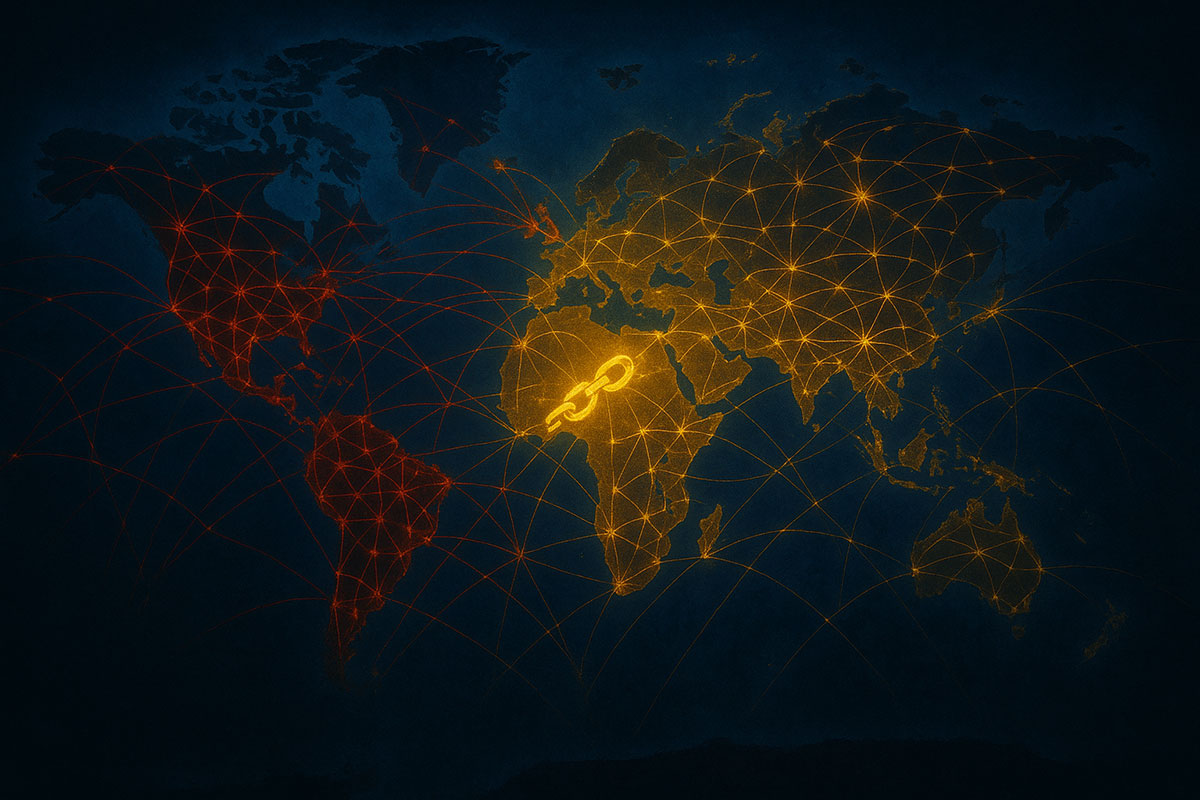
In Sound of Freedom, we see individuals confronting trafficking directly, but in reality, these crimes thrive because of larger systems—political, economic, and technological. Why do global systems allow trafficking networks to flourish, and where do you see the biggest cracks?
Antonio Guterres
As UN Secretary-General, I’ve seen how trafficking is tied to systemic failures: poverty, armed conflict, weak justice systems, and corruption. These create the perfect soil for exploitation. The truth is, traffickers exploit vulnerabilities faster than governments address them. Global systems have not prioritized prevention as much as they prioritize profit or politics.
Nadia Murad
I experienced this firsthand when ISIS enslaved me and thousands of Yazidi women. The international community was slow to act. Trafficking thrives because the victims are voiceless and the perpetrators powerful. When governments protect their interests above human dignity, exploitation becomes invisible. Systems break down when survivors are treated as statistics, not human beings.
Elon Musk
Technology cuts both ways. The same internet that connects families also connects predators. Cryptocurrencies, anonymous marketplaces, encrypted messaging—these make trafficking easier to hide. But technology can also be the solution: AI can track patterns, satellites can monitor routes, blockchain can trace illicit payments. The problem is not the lack of tools—it’s the lack of will to deploy them at scale.
Benjamin Skinner
I spent years documenting slavery around the world. The system persists because it is immensely profitable—estimated at $150 billion annually. Governments often look away when powerful business interests benefit from cheap labor or weak enforcement. Trafficking thrives in the shadows of globalization, where supply chains are opaque and accountability is thin.
Maria Elena Noel
From my time as UN Special Rapporteur, I saw how traffickers exploit migration crises. Refugees and migrants, desperate for safety, fall into the hands of smugglers who turn into traffickers. Weak asylum systems and xenophobic policies only worsen their vulnerability. Trafficking is not only about crime—it is about failed systems of protection.
Nick Sasaki
So if trafficking thrives on systemic cracks, what kind of reforms or actions are needed at the global level to close those cracks? What can governments, corporations, and international bodies realistically do?
Elon Musk
First, transparency. Every major corporation should be required to map its supply chains. If blockchain can trace a Bitcoin, it can trace where cobalt or cotton comes from. Consumers should know if their products involve forced labor. Without radical transparency, we are complicit.
Antonio Guterres
We also need stronger international cooperation. Trafficking networks don’t respect borders, but too often, governments do. Information-sharing, joint task forces, and synchronized laws are essential. Traffickers exploit gaps between jurisdictions. Closing those gaps requires humility—nations must see this as a shared battle, not a competition.
Nadia Murad
And governments must listen to survivors. Too often, laws are written without consulting those who lived through it. Survivors understand the patterns of exploitation, the tricks traffickers use, the failures of shelters and courts. Without survivor leadership, reforms remain cosmetic.
Benjamin Skinner
We also need to follow the money. Traffickers aren’t in this for ideology—they’re in it for profit. If we treat trafficking as a financial crime, aggressively seizing assets and disrupting money flows, we’ll make it riskier. Right now, it’s low-risk, high-reward. That balance must be reversed.
Maria Elena Noel
Yes, and at the same time, prevention must be prioritized. Strengthen social safety nets, create safe migration pathways, ensure children can access education. Trafficking does not begin with abduction—it begins with vulnerability. If systems protect the vulnerable, traffickers lose their prey.
Nick Sasaki
That brings me to a final concern: trafficking often feels like an endless problem. How can global systems not only respond but actually reduce the demand and change the culture that fuels trafficking?
Benjamin Skinner
Demand reduction is crucial. As long as there is a market for exploitation—whether sexual or labor-based—trafficking will persist. Governments must treat demand seriously, criminalizing buyers as strongly as sellers. Culture must shift so exploitation is shameful, not tolerated.
Nadia Murad
Education is key. Boys must be taught from an early age that women and children are not commodities. Communities must confront harmful traditions and ideologies. Demand reduction begins in the home, the classroom, and the village.
Elon Musk
Culture also changes through platforms. Social media companies, entertainment industries, even advertising—all of these can either normalize exploitation or challenge it. With the reach of modern technology, campaigns against trafficking can become global and viral. We underestimate how quickly narratives can shift.
Maria Elena Noel
Yes—and we must stop blaming victims. When society shames the exploited rather than the exploiters, demand grows unchecked. Laws must protect survivors from stigma, giving them space to rebuild their lives. When survivors thrive, they become living arguments against exploitation.
Antonio Guterres
Finally, we must link this to broader human rights. Trafficking is not an isolated evil—it intersects with war, poverty, migration, and inequality. If we fight trafficking in isolation, we will fail. If we weave it into the larger struggle for justice, we have hope.
Closing Reflection — Nick Sasaki
This discussion reminds us that trafficking is not only a crime of individuals, but a crime of systems. Poverty, corruption, profit, and apathy form the soil where it grows. But systems can be rebuilt—through transparency, survivor leadership, financial disruption, and cultural change. Ending trafficking is not only about rescue operations; it is about redesigning the very structures that allow exploitation to thrive.
Topic 4: The Psychological Scars of Trafficking on Children and Families

Moderator: Nick Sasaki
Speakers: Bessel van der Kolk, Rachel Denhollander, Somaly Mam, Dr. Gabor Maté, Esther Perel
Nick Sasaki
In Sound of Freedom, the children are rescued, but the film hints at something deeper—that the real battle begins after the rescue. What kinds of psychological scars does trafficking leave behind, and how do they affect survivors long after the chains are broken?
Bessel van der Kolk
Trauma doesn’t end with physical liberation. The body remembers every violation. Survivors often experience dissociation, nightmares, hypervigilance, and physical symptoms like chronic pain. Their nervous systems are rewired by terror. Healing requires more than freedom; it requires creating environments where safety can be relearned, where the body is allowed to feel trust again.
Somaly Mam
As a survivor, I know those scars never fully fade. For years, I felt worthless, as though I was only an object. Even after escape, shame and fear followed me. Survivors must learn they are not the crime committed against them. The scars are deep, but so is resilience. With love, with care, survivors can rebuild their sense of humanity.
Rachel Denhollander
Yes, and we must remember that trauma affects not just the individual, but the family and community. Parents carry guilt, siblings feel loss, communities feel betrayal. Healing must be holistic. It requires justice, too. Survivors cannot heal if their abusers remain unpunished—justice validates their pain.
Esther Perel
I’d add that trauma alters how survivors relate to others. Intimacy, trust, and love are reshaped by betrayal. Survivors may withdraw or reenact cycles of abuse. Healing is not just about the past, but about learning new ways of relating. Families need guidance, because they may not know how to hold the survivor’s pain without being overwhelmed.
Dr. Gabor Maté
At the root, trauma is not what happens to you, but what happens inside you. Trafficking destroys a child’s developing self, leaving them feeling unworthy and disconnected. That disconnection often leads to addiction, self-harm, or cycles of vulnerability. Healing is about restoring connection—to self, to others, and to meaning.
Nick Sasaki
That’s powerful. But given how deep these wounds are, what are the most effective ways we can help survivors truly heal, not just survive?
Somaly Mam
Love and patience are essential. Survivors cannot be rushed. In Cambodia, I’ve seen young girls blossom again when they are surrounded by caregivers who treat them as daughters, not as victims. They need consistent safety, not pity. Healing begins when survivors feel they are valued and believed.
Bessel van der Kolk
Therapeutically, the most effective treatments are those that reconnect mind and body—yoga, EMDR, neurofeedback, and expressive therapies. Traditional talk therapy often falls short, because trauma is stored in the body, not just the mind. Survivors need to move, breathe, create, and inhabit safe relationships that rewire their nervous systems.
Rachel Denhollander
Legal advocacy is also a form of healing. Survivors who see their voices matter in court often reclaim their dignity. Healing is not just personal—it is societal. When communities stand with survivors, saying, “We believe you, we will fight for you,” that affirmation is part of their restoration.
Esther Perel
I think survivors also need help reclaiming joy. Trauma steals play, spontaneity, and trust. Healing means rediscovering pleasure that is safe, intimacy that is mutual, and relationships that are not transactional. Without that, life becomes survival without flourishing.
Dr. Gabor Maté
And we must address root causes. Many survivors come from poverty, neglect, or broken systems. If those vulnerabilities remain, survivors risk retrafficking. Healing is incomplete without systemic change—housing, education, community, and stability are as therapeutic as any counseling.
Nick Sasaki
One final question: For those of us who are not survivors but want to help, how can we support survivors without unintentionally causing more harm?
Rachel Denhollander
First, believe them. Too many survivors face doubt or minimization, which retraumatizes. Second, listen more than you speak. Survivors are experts in their own stories. Empower them, don’t direct them.
Somaly Mam
Yes. Never treat survivors as broken or helpless. See their strength. They’ve endured horrors and are still here—that is power. Respect them as equals.
Bessel van der Kolk
Be mindful of triggers. Don’t demand details of their trauma, don’t sensationalize their pain. Instead, create safe spaces—whether in homes, schools, or communities—where survivors can slowly reclaim trust.
Esther Perel
Offer consistency. Survivors have often been betrayed by those they depended on. Show up, stay present, be reliable. That steady presence is itself a form of healing.
Dr. Gabor Maté
Finally, advocate for systemic care. Don’t just comfort one survivor—ask why systems failed them, and push for change. The greatest support we can give is to create a world where such trauma is less likely to occur again.
Closing Reflection — Nick Sasaki
This conversation reveals that liberation from trafficking is only the first step. Trauma leaves deep scars—in body, mind, and relationships—that require patience, community, justice, and systemic change. Healing is not about fixing brokenness but restoring dignity, joy, and connection. Survivors carry immense strength; our role is not to define them by their wounds, but to walk alongside them as they rediscover their wholeness.
Topic 5: Media, Art, and the Ethics of Storytelling on Exploitation

Moderator: Nick Sasaki
Speakers: Alejandro Monteverde, Jim Caviezel, Mira Sorvino, Ken Burns, Brené Brown
Nick Sasaki
Sound of Freedom itself raises a complex question: how do we tell stories about exploitation without sensationalizing or exploiting survivors all over again? What is the ethical responsibility of filmmakers, actors, and artists when dealing with such painful realities?
Alejandro Monteverde
As the director, I carried this weight heavily. I wanted to shine a light without re-traumatizing survivors or turning pain into spectacle. Our team consulted with survivors, advocates, and psychologists to ensure we honored their dignity. But it’s always a balance: you want the audience to feel the horror, yet not reduce the children to only their suffering. Ethical storytelling is about truth with reverence.
Mira Sorvino
I’ve seen the line crossed in films before. Exploitation of trauma for shock value can be harmful. As actors and storytellers, we must prioritize the dignity of survivors, portraying them as full human beings with resilience and dreams—not just as victims. The camera has power: it can objectify, or it can humanize. We must choose humanization every time.
Jim Caviezel
Playing Tim Ballard, I felt a responsibility not to glorify myself as a hero, but to honor the children whose lives were at stake. My role was not about me; it was about shining light on them. As artists, we’re stewards of the truth. If you’re not willing to bleed a little for that truth, you have no business telling the story.
Ken Burns
From decades of making documentaries, I’ve learned that history and trauma must be told with restraint and empathy. You don’t manipulate emotions; you reveal truth and trust the audience to feel. The ethics lie in what you choose to include and what you leave out. Sometimes omission is the most respectful choice. Silence can speak more powerfully than spectacle.
Brené Brown
Yes, and we must talk about vulnerability. Storytelling that respects vulnerability doesn’t exploit it. The ethical storyteller asks: “Whose story is this to tell?” Survivors must have agency in how their stories are shared. Exploitation happens when stories are taken, not given. The difference is respect and consent.
Nick Sasaki
So, then, how do media and art actually help society process uncomfortable truths like trafficking, rather than just shocking audiences?
Mira Sorvino
Art moves people emotionally in ways data never can. Statistics fade; stories stick. By humanizing survivors, films can galvanize people to act, donate, or advocate. But the story must end with hope, not despair. Otherwise, audiences feel paralyzed instead of empowered.
Ken Burns
Art helps us confront what we’d rather ignore. It creates a communal space where we feel the weight of injustice together. But the goal is not to overwhelm—it’s to engage. If art becomes trauma porn, it shuts people down. If it becomes a window to empathy, it opens hearts.
Alejandro Monteverde
Exactly. That’s why I structured Sound of Freedom as a hero’s journey—not to diminish the horror, but to give people a path forward. Darkness is part of the story, but so is light. People need to believe change is possible. Without hope, awareness becomes despair.
Brené Brown
Hope is essential, and it comes from authenticity. When art reflects truth—not exaggeration or denial—people can bear it. Authentic storytelling helps us metabolize pain, not avoid it. It says, “This is real, and we are strong enough to face it together.”
Jim Caviezel
And faith plays a role, too. Stories without hope feel hollow. When you tell the story of suffering but forget the story of redemption, you’ve told only half the truth. People need to see that courage and goodness exist alongside evil. That’s what inspires action.
Nick Sasaki
Final question: given how powerful media is, what concrete guidelines should creators follow when telling stories about exploitation?
Brené Brown
First: never tell a story without permission. Survivors must be part of the process, not just the subject. Second: prioritize dignity over drama. If a detail serves shock but not healing, leave it out.
Mira Sorvino
Third: balance vulnerability with agency. Show survivors not only in their suffering but in their strength. This reframes them as people, not as objects of pity.
Ken Burns
Fourth: contextualize the problem. Don’t make it seem like evil is isolated to one villain or one place. Trafficking is systemic. Ethical storytelling connects the dots without simplifying the complexity.
Alejandro Monteverde
Fifth: focus on truth, not agenda. It’s tempting to sensationalize or politicize, but truth transcends politics. Stories must honor reality above ideology.
Jim Caviezel
And finally, storytellers must be willing to sacrifice for the message. If you’re not willing to face criticism, rejection, or discomfort, you cannot handle a story this heavy. Storytelling about exploitation demands integrity above all.
Closing Reflection — Nick Sasaki
This discussion highlights that art is not neutral—it shapes how we see victims, villains, and ourselves. Ethical storytelling means honoring survivors, prioritizing dignity, and weaving hope into truth. Done rightly, media can awaken empathy and action; done wrongly, it risks exploitation all over again. The challenge is immense, but so is the responsibility—and the potential for transformation.
Final Thoughts by Alejandro Monteverde
After the cameras stopped rolling and the lights on set dimmed, I realized the story had only just begun. Sound of Freedom is not simply a movie—it is a call to conscience. The conversations you’ve read here reflect that truth: the fight against trafficking is not the work of one hero, but of humanity itself.
We live in a world where systems fail, where trauma runs deep, and where silence often protects the oppressor. Yet, we also live in a world where ordinary people can choose to act, where faith transforms fear, where healing breaks cycles of pain, and where art can inspire change.
If there is one message I hope endures, it is this: freedom is not just a word—it is a responsibility. And when we stand together, shining light into the darkest corners, freedom is not only possible—it is inevitable.
Short Bios:
Alejandro Monteverde — Mexican filmmaker and director of Sound of Freedom. Known for blending powerful storytelling with themes of faith, justice, and human dignity, his work seeks to shed light on hidden injustices while inspiring hope.
Jim Caviezel — American actor best known for portraying Jesus in The Passion of the Christ. In Sound of Freedom, he plays Tim Ballard, bringing intensity and faith-driven conviction to the role.
Mira Sorvino — Academy Award–winning actress and humanitarian. She has served as a UN Goodwill Ambassador against human trafficking and advocates globally for survivor rights.
Ken Burns — Renowned American documentary filmmaker whose works, including The Civil War and Vietnam, emphasize ethical storytelling and deep historical empathy.
Brené Brown — Research professor and bestselling author, widely known for her work on vulnerability, empathy, and courage, inspiring millions through her books and TED Talks.
Tim Ballard — Former U.S. Homeland Security agent who founded Operation Underground Railroad (O.U.R.), an organization dedicated to rescuing children from trafficking. His life inspired Sound of Freedom.
Pope Francis — Head of the Catholic Church and Bishop of Rome. He is a global advocate for compassion, human dignity, and the defense of the most vulnerable.
Iyanla Vanzant — Inspirational speaker and spiritual teacher, known for her focus on healing, courage, and inner transformation through truth and faith.
Rick Warren — Pastor and author of The Purpose Driven Life, one of the best-selling books of all time. His work emphasizes living with purpose and serving others.
Desmond Tutu (in memoriam) — South African Anglican bishop, Nobel Peace Prize laureate, and anti-apartheid activist, remembered for his joyful faith and courageous pursuit of justice.
Antonio Guterres — Secretary-General of the United Nations, with a strong focus on human rights, global cooperation, and protection of refugees and vulnerable populations.
Nadia Murad — Nobel Peace Prize laureate and survivor of ISIS captivity. She advocates internationally for trafficking survivors and displaced communities.
Elon Musk — Entrepreneur, CEO of SpaceX and Tesla. Known for pushing technological innovation, he often speaks about the role of technology in both advancing and solving global challenges.
Benjamin Skinner — Author of A Crime So Monstrous, a groundbreaking exposé on modern slavery, and longtime researcher on global trafficking networks.
Maria Elena Noel — Former UN Special Rapporteur on trafficking in persons, with decades of work in human rights and international policy.
Bessel van der Kolk — Psychiatrist and author of The Body Keeps the Score, recognized worldwide for his pioneering work on trauma and recovery.
Rachel Denhollander — Attorney, advocate, and former gymnast who became the first woman to publicly accuse Larry Nassar of abuse, leading to a landmark case for survivors.
Somaly Mam — Cambodian trafficking survivor and activist who founded the Somaly Mam Foundation to rescue and support exploited women and children.
Dr. Gabor Maté — Physician and author, specializing in trauma, addiction, and mind-body healing, with a compassionate focus on the roots of suffering.
Esther Perel — Belgian psychotherapist and bestselling author, internationally recognized for her insights on intimacy, relationships, and the long-term effects of trauma.
Malala Yousafzai — Nobel Peace Prize laureate who survived an assassination attempt by the Taliban. She advocates for girls’ education and children’s rights worldwide.
Gary Haugen — Founder and CEO of International Justice Mission (IJM), the world’s largest anti-slavery organization, focusing on protecting the poor from violence.
Nick Vujicic — Inspirational speaker and evangelist born without arms and legs. Through his story, he shares messages of hope, faith, and resilience.
Angelina Jolie — Acclaimed actress and UNHCR Special Envoy. She is a prominent humanitarian and advocate for refugees and vulnerable populations, including children at risk.
Jordan Peterson — Canadian psychologist and author of 12 Rules for Life, known for exploring questions of meaning, responsibility, and moral action in the modern world.
Leave a Reply