

|
Getting your Trinity Audio player ready...
|
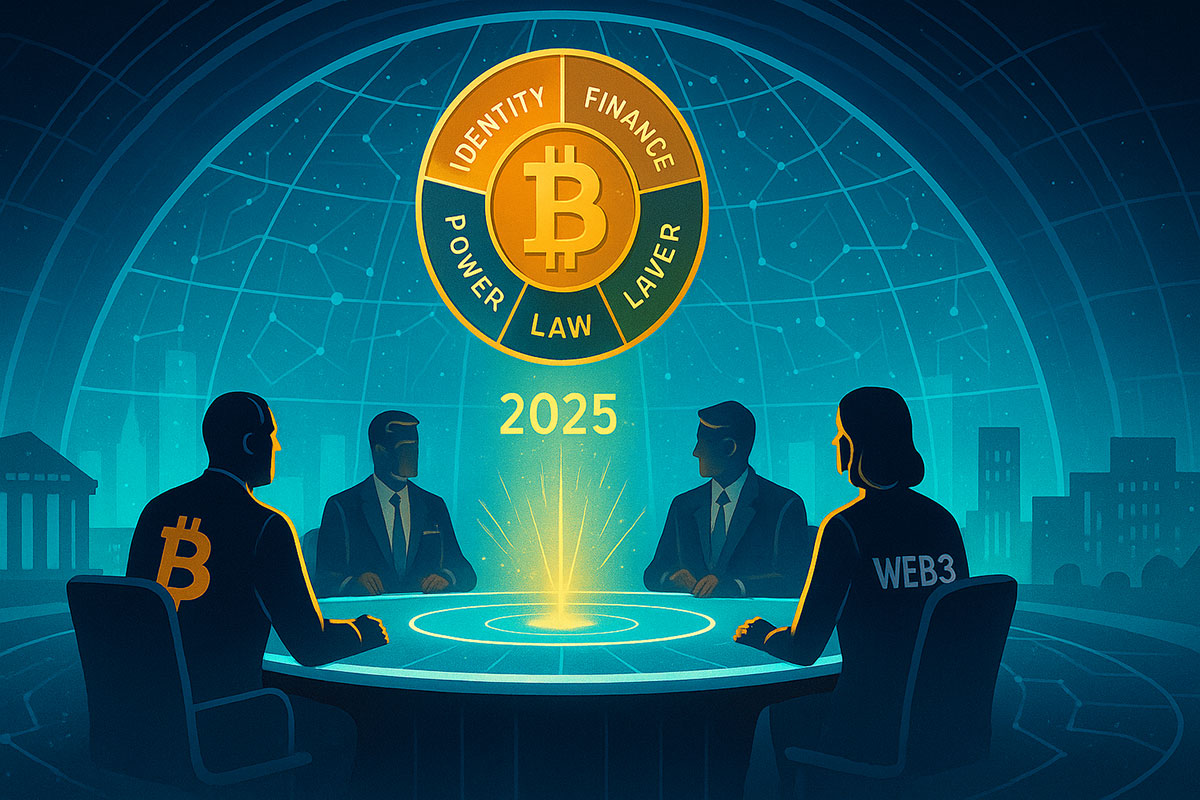
Balaji Srinivasan:
Crypto is no longer just code. It’s currency. It’s infrastructure. It’s ideology. And in 2025, it’s rapidly becoming the invisible foundation of economic power, political sovereignty, and individual freedom.
What began as a cypherpunk experiment has evolved into a full-blown battleground between centralized institutions and decentralized protocols. Governments that once laughed at Bitcoin are now rushing to regulate it. Wall Street, which once mocked it, now builds ETFs around it. And citizens—especially the younger generation—are opting out of the traditional system entirely.
But here’s the part no one is talking about: There isn’t much Bitcoin left. More than 19.5 million of the 21 million total coins have already been mined. A significant portion is held by early adopters, long-term HODLers, and corporate treasuries. The rest? It's illiquid, buried in cold storage, or lost forever. That means governments aren’t just trying to regulate it—they’re preparing to compete for it. Some may try to accumulate it quietly. Others may use diplomatic pressure. A few, perhaps, will reach for more aggressive levers.
Because Bitcoin is not just digital gold—it’s incorruptible collateral. In a world of unsustainable debt and currency devaluation, owning even 1% of the global Bitcoin supply could tilt power, reset trade relationships, or rewrite reserve systems. That’s the level we’re now playing at.
So the questions we explore in these five conversations go far beyond price charts and altcoin cycles. We’re asking: Who controls the future of money? What happens when identity becomes programmable? Can Wall Street truly coexist with Web3? And most urgently—will crypto preserve our freedom, or become the rails for a shinier kind of digital control?
This isn’t just a new asset class. It’s a new order. Welcome to the edge of financial transformation.
(Note: This is an imaginary conversation, a creative exploration of an idea, and not a real speech or event.)

Crypto vs the Dollar: Is America Risking Its Financial Sovereignty?

Moderator: Lyn Alden
(Macroeconomist and investment strategist known for her balanced, non-partisan views on Bitcoin, monetary policy, and global finance)
Lyn Alden:
We’re watching a historic shift. With the GENIUS Act gaining traction and crypto now qualifying for mortgages, the dollar’s supremacy is facing unprecedented tests. Let’s begin with this:
If stablecoins and Bitcoin become mainstream mediums of exchange, does the U.S. dollar lose influence—or evolve?
Caitlin Long:
The dollar isn’t going anywhere soon—but it’s being challenged in form, not function. Stablecoins like USDC are still dollar-denominated. What’s happening is a migration of trust: people want the digital form of money to be programmable, portable, and permissionless. That’s an upgrade, not a threat—if the U.S. embraces it.
Donald Trump:
What I always say is: we want America to lead, not lag. If people want Bitcoin, if people want stable digital dollars, let’s give it to them—but under our rules. We’re still in charge. If we don’t lead, China will. The dollar can stay king, but it needs a digital army.
Ray Dalio:
Empires rise and fall with their reserve currencies. The dollar’s dominance was based on productivity, trust, and military power. Crypto challenges the trust element. If too many alternatives emerge, capital will diversify—and that weakens control. It’s not collapse yet, but it’s a warning bell. The dollar must reinvent itself with humility.
Elizabeth Warren:
Let’s not romanticize this. Crypto doesn’t protect American sovereignty—it undermines it. You’ve got stablecoins issued by private companies, offshore exchanges, and whales who can manipulate markets. That’s not monetary evolution—it’s financial chaos. The dollar represents rule of law. Crypto represents loopholes and power for the few.
Jerome Powell:
Digital innovation is healthy—but monetary sovereignty is sacred. The dollar isn’t just a currency, it’s an institution. Stablecoins, if regulated properly, can extend the dollar’s reach. But without guardrails, they become parallel systems that compete with—not complement—monetary policy. We need clarity, not chaos.
Lyn Alden:
Thank you. Now let's go deeper:
Is the recent integration of crypto assets into the mortgage system (via FHFA guidance) a smart adaptation—or a systemic risk waiting to unfold?
Elizabeth Warren:
It’s reckless. The mortgage system is the backbone of middle-class wealth. Crypto is volatile, unregulated, and speculative. We’re opening the door for people to borrow against assets that can drop 40% in a week. That’s 2008 déjà vu—only this time, it’s NFTs and Dogecoin.
Donald Trump:
We want people to have options. If someone made good bets in crypto, let them use it. It’s their money. The system shouldn’t punish innovation. As long as it’s real value, and it’s verified, why not let people get a mortgage with it? We trust the American dream.
Jerome Powell:
Housing finance is already fragile. Introducing assets like crypto—unless extremely well-collateralized and regulated—adds unpredictability. Crypto should not be treated like cash in underwriting. We need prudence, not premature optimism.
Caitlin Long:
We’re not saying someone can use PepeCoin to buy a home. The policy allows qualified, liquid, and traceable assets held on U.S. regulated exchanges to be considered, not blindly accepted. That’s a modern system acknowledging modern wealth.
Ray Dalio:
In a perfect system, asset diversity in underwriting is rational. But systems are rarely perfect. If crypto becomes deeply embedded in mortgages, and we see a price collapse, it could trigger contagion. We’ve seen this movie before. Innovation must be accompanied by intelligent risk buffers.
Lyn Alden:
Very insightful. Let’s finish with the heart of it:
Is crypto strengthening America’s global position by making our financial system more flexible—or is it weakening our grip on global economic leadership?
Caitlin Long:
Crypto makes America more powerful—if we lead with it. Open protocols favor countries that innovate fast and enforce fair laws. If we export financial infrastructure the way we exported the internet, we secure another century of leadership. If we ban it or slow-walk it, we hand that opportunity to others.
Ray Dalio:
It’s both. Crypto gives us tools to innovate, but also exposes cracks in the old system. Our dominance has been built on central control. Crypto decentralizes that. The outcome depends on how we adapt. America must shift from control to orchestration. That’s the 21st-century strategy.
Donald Trump:
We’re doing both—strong dollar, strong crypto. That’s what makes America great. We’re not replacing the dollar—we’re adding new tools to keep America ahead. And frankly, if we don’t allow innovation here, it’ll go to China, Russia, whoever. I say: better here than there.
Elizabeth Warren:
Crypto isn’t a national asset. It’s a borderless experiment with no loyalty. If we embrace it without strong protections, we give up our ability to enforce taxes, fight crime, and manage crises. That’s not leadership. That’s surrender.
Jerome Powell:
Leadership isn’t just innovation—it’s responsibility. Crypto offers speed and flexibility, yes. But without systemic integrity, you risk instability. A strong system doesn’t mean rejecting new tech—it means absorbing it on our terms, with full accountability.
Closing words from Moderator – Lyn Alden:
What we’re seeing isn’t just a tech revolution—it’s a philosophical one. Do we value central authority or self-custody? Regulation or permissionlessness? Inclusion or protection? The path forward is not either/or. It’s both. But threading that needle will define whether America leads or lags in the financial world of tomorrow.
Crypto as National Policy: Is the U.S. Creating a Digital Financial Empire?
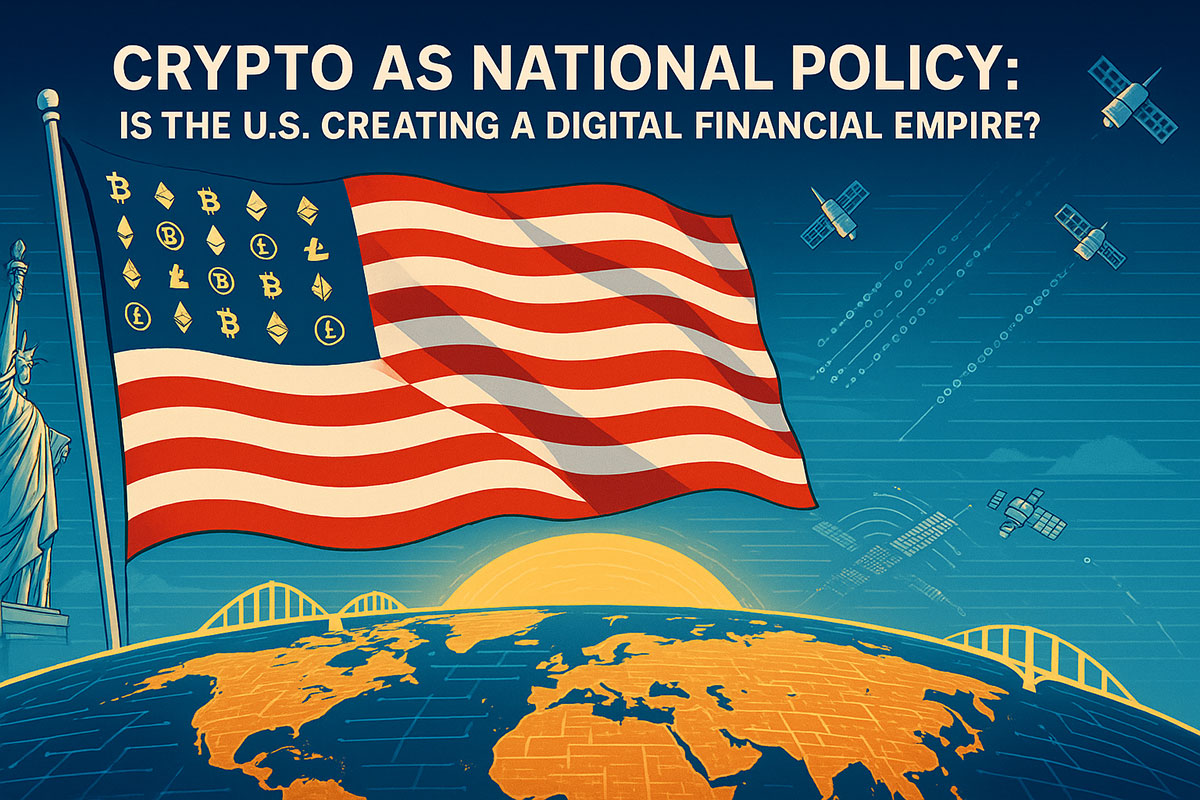
Moderator: Neha Narula
(Director of MIT’s Digital Currency Initiative — deeply informed, technically grounded, and globally respected for nonpartisan crypto policy insight)
Neha Narula:
The U.S. is not just allowing crypto—it’s beginning to weaponize it geopolitically: from federal stablecoin policy to discussions of a Bitcoin reserve. So let’s begin with this:
Is America intentionally using crypto to extend its financial dominance, or are we simply responding to the inevitable?
Brian Armstrong:
We’re definitely moving with intent now. The GENIUS Act, Bitcoin reserve talk—it’s not accidental. Crypto can serve U.S. interests globally if we lead the infrastructure layer. Just like TCP/IP and email weren’t "owned," but America led their architecture. Crypto’s the same. It’s programmable power.
J.D. Vance:
We’re doing what any nation with foresight would do. If crypto’s the new gold, we should hold it. If it’s the new financial rails, we should build them. America can’t afford to "wait and see" anymore. This is about who writes the rules for the next century’s economy.
Christine Lagarde:
It’s a bit more complicated. The U.S. is accelerating, yes—but not without contradiction. You’re pushing crypto while undermining multilateral structures. If you want to lead with digital finance, you must show the world you won’t weaponize it as you did with SWIFT. Otherwise, nations will hedge.
Balaji Srinivasan:
Crypto’s not about national power—it’s post-national. But if the U.S. must play nation-state games, better to be the first to decentralize strategically. Exporting crypto rails is like exporting roads to the internet. If America doesn't open the roads, someone else builds the tollbooths.
Hester Peirce:
We’ve gone from ignoring crypto to trying to use it—and that pivot has been fast. But if we’re serious about "crypto as national policy," we can’t keep using 1930s laws to govern 2025 technology. Our power won’t come from domination, but from designing fair, open systems others want to join.
Neha Narula:
Let’s now zoom in:
If the U.S. formalizes a national Bitcoin reserve or integrates stablecoins into the Treasury toolkit, does that stabilize or destabilize global markets?
Christine Lagarde:
It destabilizes. If the U.S. holds Bitcoin officially, it sends a confusing message: that your own currency might not be enough. And for emerging markets, it complicates dollar access. Stability means predictability. Crypto isn’t there yet, especially when states endorse it unevenly.
Balaji Srinivasan:
Actually, it stabilizes the new system. We’re in a transitional moment. Bitcoin is the base layer of a new trust architecture. A Bitcoin reserve wouldn’t mean giving up the dollar—it would mean hedging systemic fragility. It's the ultimate geopolitical put option.
Hester Peirce:
I’d be cautious. A national reserve sounds sexy, but it’s symbolic unless paired with sound policy. What matters more is how the U.S. interacts with crypto markets: clarity, openness, and legal predictability. That’s what stabilizes—not just hoarding digital gold.
Brian Armstrong:
It signals seriousness. Right now, governments hold gold because it’s apolitical. Bitcoin offers a new kind of neutrality—one you can verify, not just trust. If the U.S. holds it, other countries will follow. That could reduce reliance on unpredictable monetary policies.
J.D. Vance:
It’s strategic. The dollar still wins—but Bitcoin adds depth. Imagine it as a dual-layer system: hard reserve and fiat flexibility. We want to send a message to the world: innovation doesn’t weaken our system. It makes it antifragile.
Neha Narula:
Here’s the final question—and maybe the most important one:
If crypto becomes a pillar of U.S. foreign policy, how do we avoid turning the open internet of money into a closed empire of control?
Balaji Srinivasan:
You don’t avoid it—you decentralize it. America’s strength was always in open systems: open software, open capital, open internet. If the U.S. tries to "own" crypto rails, it will lose. But if it launches and lets go—supports the infrastructure, then steps back—it earns global trust.
J.D. Vance:
We want to win, yes—but not by closing doors. It’s about exporting values, not just products. Freedom, transparency, self-custody—that’s the American crypto model. If we stay true to that, others will come. If we try to dominate, they’ll build their own rails.
Christine Lagarde:
That’s wishful thinking. Once crypto becomes embedded in U.S. national interest, the temptation to control will be too great. Whether it’s sanctions, surveillance, or trade enforcement, the system bends toward power. Avoiding control requires international frameworks—not American branding.
Brian Armstrong:
We’re at a crossroads. Do we repeat the surveillance model of Web2—or build a better internet with Web3 values? It’s not just about foreign policy—it’s about human rights. Crypto can free people, but only if we design it with exit ramps and global access.
Hester Peirce:
Let’s be honest: the risk of overreach is real. But it’s not inevitable. It depends on who writes the code—and who writes the law. We need institutions that protect openness, not exploit it. If crypto becomes a tool of American freedom, not just American dominance, then we’ve done it right.
Closing words from Moderator – Neha Narula:
Crypto has outgrown the garage—and now nations are peeking under the hood. Whether it becomes a tool of empowerment or entrenchment depends on what we build and how we govern. The question isn’t just, “Can America lead?” It’s, “Can America lead without locking the door behind itself?”
Wall Street 2.0 or a New Game Entirely? How Crypto Is Redefining Power
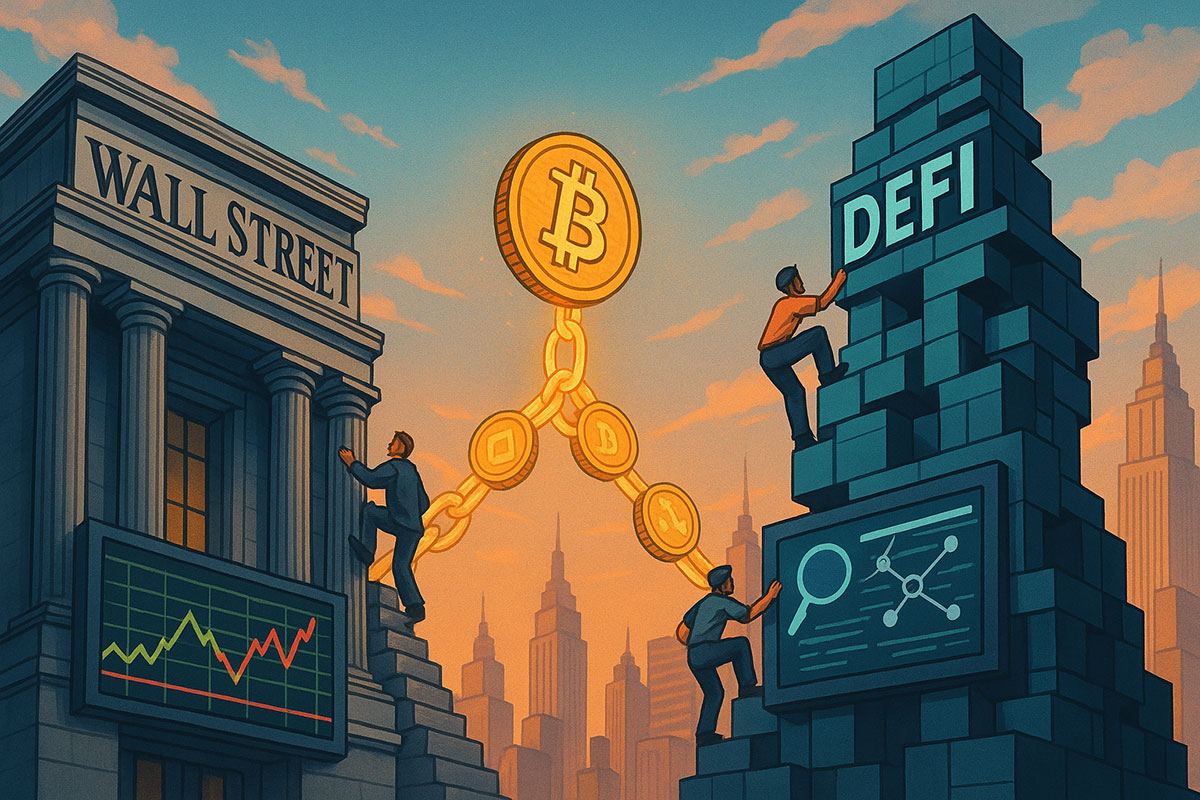
Moderator: Chris Brummer
(Law professor and global fintech advisor, known for moderating high-level crypto policy discussions across both public and private sectors)
Chris Brummer:
Crypto has gone mainstream. BlackRock’s in. Fidelity’s in. Big money is reshaping this ecosystem. So let’s begin here:
Has crypto already been absorbed by traditional finance—or is it still a revolutionary force?
Vitalik Buterin:
It depends on where you’re standing. The infrastructure is still revolutionary—self-custody, DAOs, open-source smart contracts. But yes, Wall Street has moved in. That’s not necessarily defeat. It’s a test. Can decentralization survive the gravity of capital?
Larry Fink:
It’s not about absorption—it’s about evolution. Institutions add stability. We’re here because the infrastructure matured. Our ETFs are helping millions access Bitcoin safely. Crypto is no longer fringe. That’s a good thing. And it doesn’t mean the revolution’s over—it means it’s begun.
Chris Dixon:
Crypto was always about shifting power—code instead of banks, protocols instead of platforms. But now it’s dual: the builders build, and the financiers capitalize. If we don’t protect the former, the latter will take over. That’s the line we’re walking.
Lael Brainard:
The answer lies in governance. Crypto that operates in a regulatory vacuum risks being captured by whoever has the most capital. That’s not innovation—that’s shadow banking. If we want real transformation, we must build systems where power is accountable, not just programmable.
Michael Saylor:
Bitcoin is power. We’ve institutionalized it for a reason. Crypto is no longer about college kids and code. It’s a new monetary base. If you think that’s not revolutionary, you’re missing the point. This is the asset of the 21st century. The street just finally noticed.
Chris Brummer:
Let’s dig deeper into that shift of power.
With BlackRock and other giants entering crypto, is this democratization—or just another form of elite capture?
Chris Dixon:
Both forces are at play. ETFs make access easy, but they centralize custody. True crypto ownership means controlling your keys—not just buying a ticker. So if the public only sees crypto through ETFs, they’re still locked out of real participation. That’s not empowerment—it’s abstraction.
Lael Brainard:
Financial inclusion is not just about access—it’s about resilience. Centralized offerings may widen participation, but they also introduce concentration risk. If too few institutions hold most of the crypto, systemic fragility worsens. We need frameworks that ensure diversity in control.
Michael Saylor:
Elite capture? Bitcoin is the most democratic asset ever created. Anyone can buy it, hold it, and secure it. Yes, institutions buy a lot—but they’re just catching up to what early adopters already understood. Power in crypto comes from belief, not balance sheets.
Larry Fink:
We’re offering regulated exposure. That’s not capture—it’s trust. Millions of people want exposure without dealing with cold wallets and seed phrases. If we don’t offer that path, they’ll be left out. Democratization requires institutions as bridges.
Vitalik Buterin:
Bridges are fine—until they become gates. If institutions become the default access point, people won’t learn the deeper benefits of crypto. That’s why we need to keep building public infrastructure: Layer 2s, open wallets, identity solutions. If we don’t, crypto becomes Wall Street with prettier fonts.
Chris Brummer:
Final round. Let’s step back.
What does “winning” look like for crypto now? Is it integration with the current system—or total reinvention?
Michael Saylor:
Winning means Bitcoin becomes the world’s base asset. Period. That’s not integration—it’s dominance. We’re replacing old money with incorruptible money. Everything else—DeFi, NFTs—is noise. Bitcoin is the signal.
Chris Dixon:
Winning is a parallel economy where creators, users, and builders don’t need permission. It’s not about destroying the old—it’s about offering a better alternative. People will opt in if we give them real ownership and transparent rules.
Vitalik Buterin:
Reinvention takes time—and cooperation. It’s not either/or. Crypto shouldn’t destroy—it should upgrade. We need to build bridges that let people cross at their pace. Ethereum’s goal is not to overthrow finance, but to decentralize trust across all layers of human interaction.
Lael Brainard:
Winning means harmony, not chaos. If crypto integrates responsibly—preserving its values while protecting consumers—we all benefit. But if it remains adversarial, we risk repeating the mistakes of every financial revolution: bubbles, collapses, exclusion.
Larry Fink:
Integration is the win. People want access, stability, and scale. Crypto doesn’t have to overthrow Wall Street to change the world. It just has to work better. If we do this right, we’ll look back and realize crypto wasn’t a rebellion. It was a reboot.
Closing words from Moderator – Chris Brummer:
Power never disappears—it just moves. Crypto began as a protest, but now it sits at the same tables it once criticized. Whether it transforms those tables—or is quietly reshaped by them—depends on what we protect, what we build, and what we choose to let go of.
From Wallet to Mortgage: Should Crypto Decide Who Gets a Home?

Moderator: Sheila Bair
(Former Chair of the FDIC, respected advocate for financial responsibility and consumer protection, often brings thoughtful skepticism to emerging tech in finance)
Sheila Bair:
The FHFA’s decision to let crypto holdings count in mortgage underwriting marks a dramatic shift. So let’s start with the big one:
Does including crypto in mortgage decisions open doors for financial inclusion—or invite the next housing crisis?
Cathie Wood:
It opens doors. The economy is changing. Many young people’s wealth is digital—crypto, NFTs, tokens. Ignoring those assets in mortgage decisions is outdated. Of course, we need risk modeling. But inclusion starts with recognizing where people’s assets live now.
Robert Kiyosaki:
Crypto is the new cash flow. If someone built wealth by understanding Bitcoin or Ethereum, they’re financially literate. The old system said, “Where’s your W‑2?” This new system says, “What did you build?” It’s not a crisis—it’s evolution.
Bill Pulte:
The rule is not “crypto = mortgage.” It’s about transparency and risk assessment. If someone holds crypto on a regulated U.S. exchange with provable value, why shouldn’t that be weighed—just like a stock or bond portfolio? It's not a free pass, but a fairer metric.
Sheila Bair:
But crypto isn't like stocks—it can drop 50% in a week. How do you protect homeowners—and the system—from sudden devaluation?
Pieter Levels:
You design buffers. Use trailing averages. Require stablecoins or blue-chip assets. People like me live abroad, earn in crypto, and still pay rent on time. Financial systems must adapt to how the world actually works now—not how it worked in 1985.
Sheila Bair:
Let’s go deeper now:
Should crypto assets—volatile, unregulated, often speculative—be treated like other financial assets in housing finance? Why or why not?
Cathie Wood:
Volatility is misunderstood. Yes, Bitcoin fluctuates. But so does Tesla stock. What matters is transparency and liquidity. If you understand the asset class and apply smart LTV ratios, crypto can be as reliable as traditional investments—especially with stablecoins in the mix.
Bill Pulte:
The FHFA didn’t open the floodgates. They allowed for discretion. If crypto is onshore, traceable, and liquid, it can be part of a robust financial profile. But it’s not equal yet. It’s a case-by-case basis—just like other non-traditional income.
Robert Kiyosaki:
You can't punish new wealth just because it’s unfamiliar. The real estate system is biased toward old-school income streams. Crypto investors are often debt-free, cash-rich, and risk-aware. That’s a better borrower than someone with 9 credit cards and a high DTI.
Pieter Levels:
Exactly. I earn from ten Web3 platforms. I can show 12 months of receipts, taxes paid, and crypto yield. But a traditional bank says I’m “invisible.” This policy starts to see people like me. It’s not about speculation—it’s about recognition.
Sheila Bair:
Recognition is one thing. Risk management is another. When crypto drops 30% during underwriting—or just before closing—what happens then?
Robert Kiyosaki:
Same thing that happens when stocks drop: reassess or ask for more collateral. This is why we need dynamic systems, not rigid ones. Markets change. Good lenders adapt.
Sheila Bair:
Final question:
If crypto becomes embedded in mortgage systems, how do we ensure we’re not building a house of cards on digital sand?
Cathie Wood:
By building real rails beneath it. Use regulated stablecoins. Require multi-year holding periods for certain asset types. Incorporate blockchain-based income verification tools. We have the technology. What we need now is vision—and courage.
Pieter Levels:
Agreed. Add smart contracts that auto-adjust terms based on market conditions. Use collateral locks for volatile assets. This isn’t 2008—it’s programmable finance. If we screw it up, it’s not because of crypto. It’s because we didn’t think creatively.
Bill Pulte:
We start small, test, and adjust. The U.S. housing system is resilient when properly governed. We don’t need to fear crypto—we need to understand it. This move was a signal to start evolving, not a license to go wild.
Robert Kiyosaki:
We’ve built houses on worse: subprime debt, ninja loans, zero-down ARMs. At least crypto’s transparent. You can track it 24/7. If anything, it’s less like sand—and more like lightning. Fast, powerful, and here to stay.
Sheila Bair:
Transparency is not immunity. But we’re in a brave new world. Let’s not forget that mortgages are not just financial tools—they’re dreams, they’re risks, they’re responsibility. We must honor all three.
Closing words from Moderator – Sheila Bair:
Crypto in mortgages is a symbol of the times: new money meets old systems. Inclusion must never come at the expense of prudence. But fear must never block progress. If we blend wisdom with innovation—carefully—we might just build a system that sees the entire modern borrower.
Crypto Identity and the Future of Freedom: Surveillance or Sovereignty?
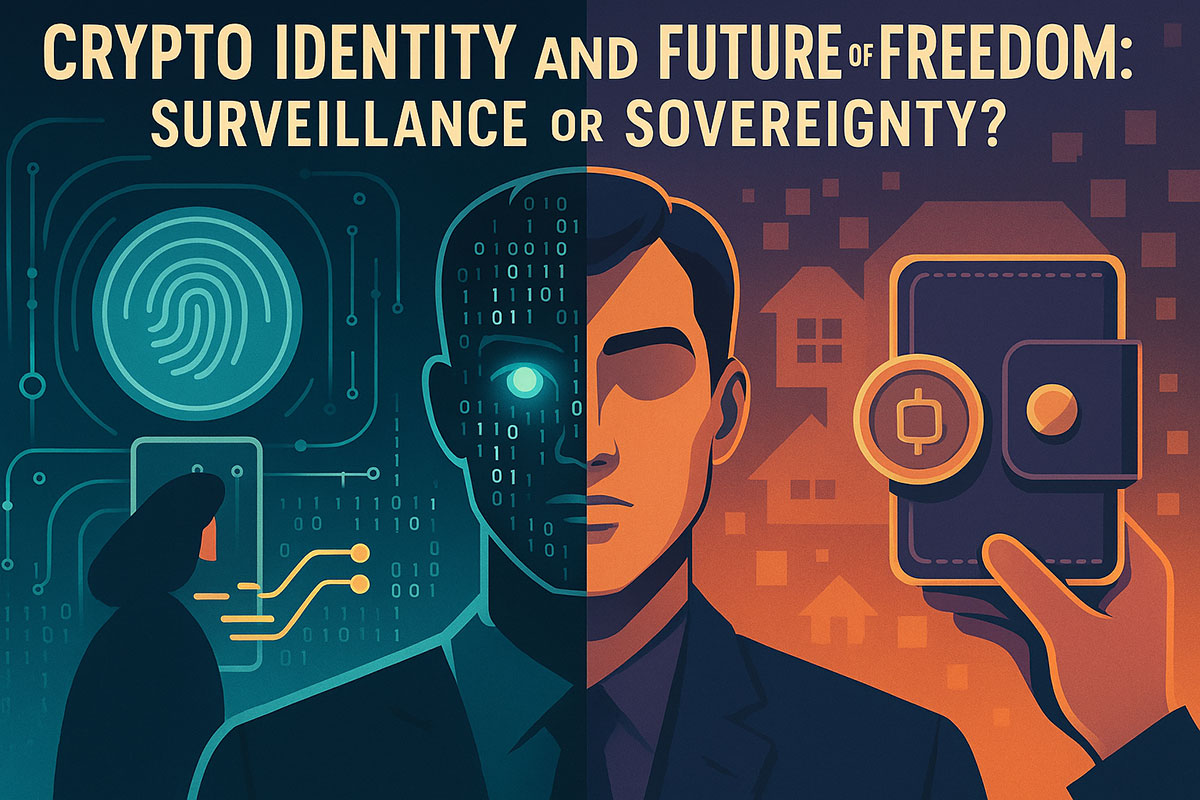
Moderator: Glenn Greenwald
(Pulitzer Prize-winning journalist and civil liberties advocate, known for uncovering global surveillance systems and defending digital privacy)
Glenn Greenwald:
Let’s get to the heart of this. Crypto promised freedom. But now we see biometric crypto IDs, chain analytics, even governments experimenting with surveillance over Web3 wallets.
So the question is: Is crypto enhancing personal sovereignty—or is it becoming a new tool for surveillance?
Sam Altman:
Crypto gives us a new layer of identity—but it’s what we build on it that matters. Worldcoin, for instance, aims to prove humanity without leaking private data. The goal isn’t surveillance—it’s to create a fair, global access layer. But yes, misuse is possible. We need safeguards.
Edward Snowden:
The road to Orwell is paved with biometric hashes and “proof-of-personhood.” Crypto was meant to remove permission. If we now attach your iris to a blockchain ID, you haven’t won freedom—you’ve surrendered it in a shinier box. Beware of anything that scans your soul to sell you freedom.
Naval Ravikant:
Crypto gives the option for sovereignty. Self-custody, anonymous wallets, zero-knowledge proofs—all tools of freedom. But the average user prefers convenience. If we don’t educate people, we’ll drift toward digital feudalism. Freedom is a muscle—it has to be used, or it atrophies.
Jack Dorsey:
We need a Web5—not Web3. One built around self-sovereign identity and censorship resistance. Bitcoin shows it’s possible. But identity systems must be optional, portable, and decentralized. Anything else is a trap dressed up as innovation.
Shoshana Zuboff:
Surveillance capitalism doesn’t disappear in crypto—it mutates. If companies build identity systems that harvest metadata, behavior, and preferences, we’ll replicate the same injustices—only faster. Crypto must not become a Trojan horse for hyperprofiling.
Glenn Greenwald:
Let’s move to the architecture:
What would a truly freedom-preserving crypto identity system look like—and who should control it?
Naval Ravikant:
It should be open-source, voluntary, and under user control. Think of it like a passport you carry, not one a government issues. ZK (zero-knowledge) tech is key: you prove what’s necessary—nothing more. The less the system knows, the more you own yourself.
Sam Altman:
There’s a balance. We want to protect people from bots, deepfakes, and spam. Identity helps. But the system must be decentralized—no central servers, no honeypots. Ideally, it's run by a DAO, with privacy baked in. And you opt in—not opt out.
Jack Dorsey:
The future is portable identity. You own your data, your posts, your followers, your funds. And you can move it across platforms. Nobody can lock you out. That’s what we’re trying to build with Web5. No logins, no masters—just one wallet, one identity, infinite freedom.
Shoshana Zuboff:
Power lies in data asymmetry. Even if you think you “own” your identity, the analytics may tell a different story. A true freedom-preserving identity must blind observers—not just encrypt data. The system must be radically minimal: forget more than it remembers.
Edward Snowden:
Real privacy isn’t a feature—it’s a right. Crypto needs to lean toward default privacy, not surveillance disguised as security. You don’t need to know someone’s iris to let them vote, trade, or speak. You need proof—without profiling. That's what ZK proofs were made for.
Glenn Greenwald:
One final question:
What must we do now—before it’s too late—to ensure crypto empowers individuals rather than corporations or governments?
Jack Dorsey:
Make everything open. Open code, open protocols, open communities. Let no one be the gatekeeper. If we let companies patent Web3 and governments approve wallets, we lose. The ethos matters. We have to defend it—even if it slows growth.
Sam Altman:
Balance optimism with paranoia. Build tools that empower—but audit them relentlessly. Don’t trust any single entity—not even me. The more layers of decentralization we bake in, the more resilient we become. And listen to critics. Especially the harsh ones.
Edward Snowden:
Refuse normalization. Fight the slow creep. The moment we say “it’s just one scan” or “just one login,” we inch toward permanent surveillance. Remember: the power you give today is the power your enemies will inherit tomorrow.
Shoshana Zuboff:
Demand transparency. Regulate extractive business models. Treat data as sacred, not as currency. If crypto becomes a tool for human dignity, it must serve the vulnerable first—not just the venture-backed.
Naval Ravikant:
Teach sovereignty. Before we program code, we must program minds. If users don’t value freedom, they’ll sell it for convenience. Crypto gives us the tools—but we have to choose the path. That path starts with wisdom, not hype.
Closing words from Moderator – Glenn Greenwald:
Crypto gave us the key—but the door is still ours to choose. Behind one is a world of permissionless freedom. Behind the other, a shinier cage. What matters now is who holds the lock—and whether we remember what it was like to live without it.
Final Thoughts
What we’ve just heard across these five conversations is not just a debate about crypto. It’s a reflection of a civilization in transition.
In the early days, crypto was dismissed as a toy. Then it was feared as a threat. Now? It’s quietly being absorbed, reshaped, or in some cases—weaponized. Central banks are studying it. Asset managers are modeling it. Regulators are scrambling to contain it. And beneath all that, the world’s economic operating system is being rewritten line by line.
Bitcoin, in particular, is no longer just a hedge—it’s a geopolitical asset. And here's the reality: there’s almost none left. With over 93% mined, and a growing portion permanently lost, the remaining supply is becoming not just scarce—but sacred. As fiat currencies falter and social trust erodes, nations will no longer ask whether they need Bitcoin. They’ll ask how much they can still get—and at what cost.
What happens when governments begin fighting not over oil or land, but over digital keys and cold wallets? What happens when scarcity becomes strategy, and cryptographic proof outweighs printed policy?
The irony is this: crypto was born to take power away from institutions. But as the infrastructure matures, those very institutions are now moving in—bringing capital, control, and centralization with them. We’re approaching a fork in the chain: do we build systems that preserve freedom, or ones that optimize for compliance, control, and profit?
Decentralization is not guaranteed. Privacy is not permanent. Sovereignty is not programmable by default. These things only last if we choose them—design for them—defend them.
The tools are here: self-custody, zero-knowledge proofs, open protocols. But tools mean nothing without principles. Technology doesn’t care who uses it—it only magnifies intent. The question is no longer ‘Can crypto change the world?’ It’s ‘Will it change it for better or for worse?’
If we want the answer to be freedom, equity, and resilience—not just faster surveillance and richer rent-seekers—then the time to build, educate, and protect is now.
Because the chain won’t wait. And the next hash of history is already being mined.
Short Bios:
Donald Trump is the 45th and 47th President of the United States, known for his shifting stance on cryptocurrencies, recently embracing Bitcoin and stablecoins as part of a national economic strategy.
Caitlin Long is the founder and CEO of Custodia Bank and a former Wall Street executive, widely respected for her efforts to bring legal and regulatory clarity to crypto banking in the U.S.
Elizabeth Warren is a U.S. Senator and longtime consumer protection advocate, vocal in her criticism of cryptocurrencies as tools for speculation, fraud, and illicit finance.
Ray Dalio is the founder of Bridgewater Associates and a leading global macro investor, known for his analysis of shifting economic paradigms and cautious interest in Bitcoin as “digital gold.”
Jerome Powell served as Chair of the U.S. Federal Reserve and is recognized for steering monetary policy through turbulent economic periods while maintaining a cautious view on decentralized finance.
J.D. Vance is the Vice President of the United States and a prominent crypto supporter within the Trump administration, framing Bitcoin as a tool of financial freedom and national strength.
Brian Armstrong is the CEO and co-founder of Coinbase, one of the largest crypto exchanges in the U.S., and a central figure in shaping the policy conversation around crypto adoption.
Christine Lagarde is President of the European Central Bank and a former head of the IMF, often critical of unregulated crypto while advocating for central bank digital currencies.
Balaji Srinivasan is a technologist, angel investor, and former CTO of Coinbase, known for his visionary ideas on the network state, crypto sovereignty, and decentralized governance.
Hester Peirce is a commissioner at the U.S. Securities and Exchange Commission and a vocal advocate for crypto innovation, often referred to as “Crypto Mom” for her pro-decentralization stance.
Larry Fink is the CEO of BlackRock, the world’s largest asset manager, who has shifted from skepticism to becoming a key institutional advocate for Bitcoin ETFs and tokenized assets.
Vitalik Buterin is the co-founder of Ethereum and a pioneer in decentralized application development, known for advocating open protocols and experimentation in governance.
Michael Saylor is the executive chairman of MicroStrategy and one of Bitcoin’s most prominent institutional evangelists, having led his firm to accumulate billions in BTC reserves.
Chris Dixon is a general partner at Andreessen Horowitz (a16z) leading its crypto fund, focused on investing in Web3 startups and building the decentralized internet.
Lael Brainard is the U.S. Treasury Secretary and a former Federal Reserve governor, working to balance innovation with consumer and systemic risk in the evolving digital economy.
Cathie Wood is the CEO and CIO of ARK Invest, known for her bullish forecasts on disruptive technologies including Bitcoin, Ethereum, and blockchain finance.
Robert Kiyosaki is the author of Rich Dad Poor Dad and a vocal proponent of financial education, often highlighting Bitcoin as a hedge against fiat devaluation.
Bill Pulte is Director of the FHFA and an advocate for using crypto assets in housing policy, promoting expanded mortgage eligibility through blockchain-backed wealth.
Pieter Levels is a digital nomad entrepreneur and founder of Nomad List, championing decentralized income, borderless identity, and crypto-based financial systems.
Sheila Bair is the former Chair of the FDIC and a leading voice for cautious financial innovation, emphasizing consumer protection and long-term stability.
Edward Snowden is a whistleblower and privacy advocate, known for exposing global surveillance programs and supporting crypto as a tool for individual freedom.
Jack Dorsey is the co-founder of Twitter and CEO of Block (formerly Square), now focused on decentralized identity and Bitcoin-powered Web5 infrastructure.
Sam Altman is CEO of OpenAI and founder of Worldcoin, a crypto-based identity project aiming to create a global proof-of-personhood system.
Shoshana Zuboff is a Harvard professor and author of The Age of Surveillance Capitalism, known for her analysis of how digital systems erode privacy and autonomy.
Naval Ravikant is a startup investor and philosopher in the tech world, advocating for personal sovereignty, self-custody, and the deeper societal value of crypto.
Leave a Reply