

|
Getting your Trinity Audio player ready...
|
What if psychologists and neuroscientists debated Amy Cuddy together?
Introduction by Amy Cuddy
There’s a moment most people know well, even if they can’t describe it.
You’re about to speak. Maybe it’s an interview, a meeting, a presentation, or simply saying something honest that matters. You know what you want to say. You’ve prepared. But suddenly your shoulders tighten, your voice changes, your thoughts scatter, and you feel smaller than you actually are.
In that moment, the problem is rarely competence.
The problem is access.
We often assume confidence means believing you’re impressive. But the kind of confidence I care about is much simpler. It’s the ability to show up as the person you already are, without fear taking over the controls. I call that presence.
Over the years, my work has sometimes been reduced to a single idea about posture. But posture was never the destination. It was a doorway. The real question has always been: How do we help people stop protecting themselves long enough to contribute what they genuinely know?
This conversation explores that deeper question. Not whether a specific pose changes your life, but whether small shifts in how you inhabit your body can help you access your abilities when it matters most. Along the way, we’ll look at psychology, neuroscience, social norms, performance science, and even scientific debate itself.
Because the goal isn’t dominance.
The goal is permission.
Permission to speak before you feel ready.
Permission to participate before certainty arrives.
Permission to be fully present while still human.
If you leave with anything, I hope it’s this: confidence is not something you wait for. It’s something you practice entering.
(Note: This is an imaginary conversation, a creative exploration of an idea, and not a real speech or event.)
Topic 1: Presence, Not Dominance
Moderator:
Amy Cuddy
Participants (5):
Brené Brown, Susan David, Kelly McGonigal, Jon Kabat-Zinn, Mihaly Csikszentmihalyi
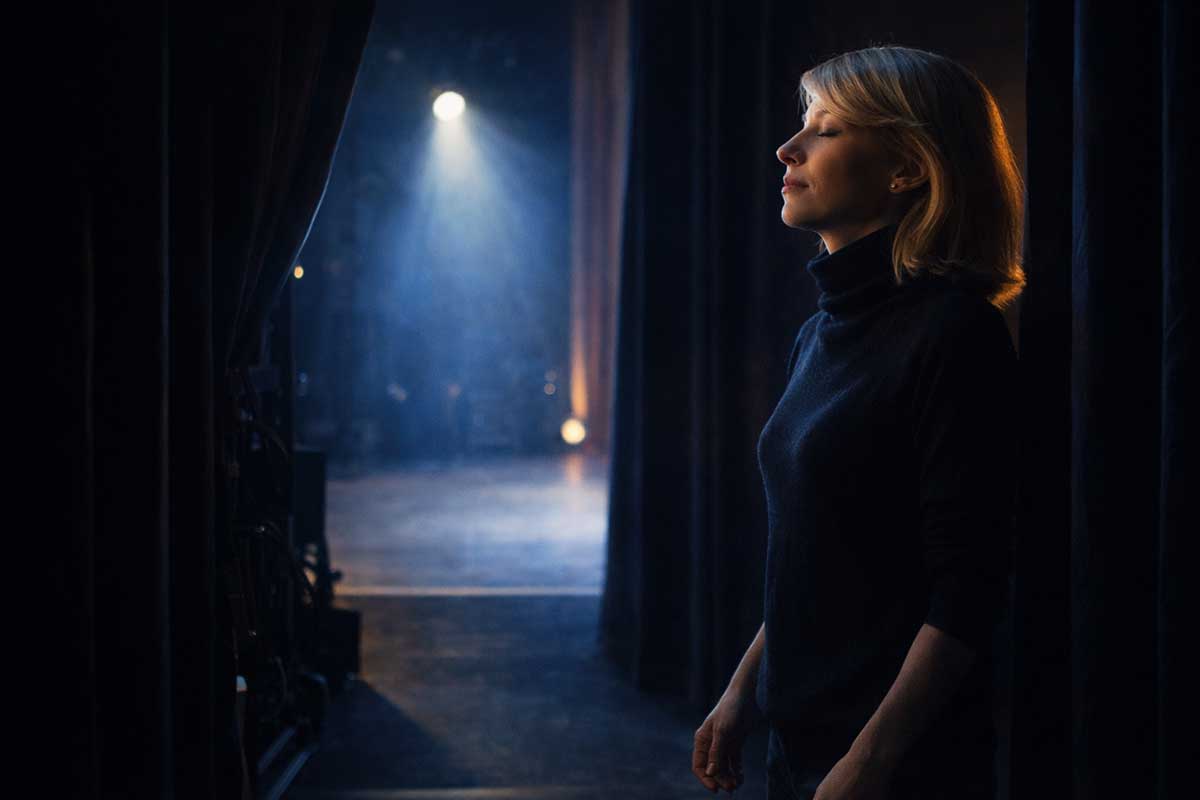
The room was quiet in the way a backstage hallway is quiet right before someone goes on. Not tense, just focused. A circle of chairs. A small table in the center with a glass of water and a simple timer. Nothing fancy, because the subject did not need decoration.
Amy Cuddy looked around the circle.
I want to start by naming the misunderstanding that has followed this talk for years. People hear “power pose” and assume I’m teaching dominance. I’m not. What I care about is presence. The moment you stop trying to protect yourself and you let your real ability show up.
So let’s begin there. When you say presence, what do you mean in real life, and how do you know you have it?
Brené Brown leaned forward slightly.
Presence feels like belonging in your own body. When I’m present, I’m not scanning the room for danger. I’m not managing the impression I’m making. I’m not bargaining with shame. I’m simply here. And that is why it is so difficult for people. Because being here means risking being seen.
The way I know I have it is simple. I stop performing. I start connecting. My voice settles. I can listen. I can respond without panic.
Susan David nodded.
I would describe presence as flexibility. The ability to hold discomfort without letting it hijack your behavior. You can feel anxious and still act according to your values.
You know you have presence when you can say, “I’m nervous,” and still speak. When the emotion is information, not a command.
Kelly McGonigal added gently.
I think presence is when your body stops treating the moment as a threat and starts treating it as a challenge. That shift changes everything. Your heart rate can be up and you can still be engaged rather than terrified.
A lot of people think confidence means calm. It doesn’t. Presence can include a racing heart. It just means you’re not ashamed of it.
Jon Kabat-Zinn smiled softly.
Presence is the willingness to be with what is happening without trying to escape it. Most of us live in anticipation and regret. Presence is the act of returning. Again and again.
You know you have it when you can feel the floor under your feet and the breath in your body, and for a moment you are not caught in the story of how you are doing.
Mihaly Csikszentmihalyi spoke with a thoughtful rhythm.
Presence is a doorway. On the other side is flow. When attention is fully invested, self-consciousness decreases. The feeling of “me being judged” dissolves. People perform better not because they feel powerful but because they are absorbed.
You know you have it when time changes. When you stop monitoring yourself and start engaging the task.
Amy Cuddy nodded, listening.
So presence is not a posture. It’s a state. But posture can be a lever. Now the second question.
Many people feel the shift from self-expression to self-protection in seconds. They walk into the interview room. They see the panel. Their shoulders tighten. Their voice changes. They shrink without noticing.
How do you shift from self-protection to self-expression in two minutes or less?
Brené Brown answered first.
Two minutes is enough to change the story you’re telling yourself.
Self-protection is usually a shame story: “Don’t mess up. Don’t get judged. Don’t be exposed.” In two minutes you can name that story and interrupt it with something more truthful.
I would tell people to do this: place a hand on your chest, take one slow breath, and say something like, “I can do hard things and still be worthy.” It sounds simple, but it changes the emotional tone. It brings you back to yourself.
Susan David followed.
I would use values. Values are faster than emotions.
Ask: “What do I want to stand for in the next five minutes?” Not, “How do I want to feel?” Because you may not feel confident. But you can choose to be curious. You can choose to be brave. You can choose to be respectful and direct.
Then you bring your body into alignment with that value. Not to look powerful, but to support the behavior you want.
Kelly McGonigal leaned in.
Breath is the quickest physical intervention.
Most people in self-protection are holding their breath or breathing shallowly. Two minutes of slow breathing changes physiology. It does not erase anxiety. It changes the meaning of anxiety.
And then I’d add this: reframe the sensation. Instead of “I’m panicking,” say “My body is mobilizing energy.” That single reinterpretation can restore agency quickly.
Jon Kabat-Zinn spoke calmly.
Two minutes is enough for one practice: come back.
Feel your feet. Feel your hands. Feel your breath. Notice the mind’s rush. Then return again.
This is not a trick to eliminate fear. It is a practice of meeting fear without becoming it. That is self-expression. It is not the absence of trembling. It is the willingness to speak while trembling.
Mihaly Csikszentmihalyi added.
If you want self-expression quickly, focus attention outward.
Self-protection is attention trapped on the self. How do I look. How do I sound. What do they think. In two minutes, choose an external goal. Who am I serving. What problem am I solving. What am I bringing.
When attention moves outward, self-monitoring decreases. That is the fastest route into performance quality.
Amy Cuddy sat back slightly, absorbing.
So far, everything you’re saying points to alignment. Body, attention, and values aligning so your real ability can surface.
Now the third question, and I want us to be honest about it.
People love the phrase “fake it till you become it.” Some people feel liberated by it. Others feel like it tells them to be inauthentic.
When does “fake it till you become it” become healthy practice, and when does it become self-betrayal?
Brené Brown answered carefully.
It becomes self-betrayal when it is used to hide. When it is used to pretend you don’t have needs, fears, or limits. That is armor.
But it becomes healthy practice when it is a bridge. When it is used to support you while you learn.
You don’t have to fake being fearless. You can practice being brave. That’s different. Bravery includes fear. Armor denies fear.
Susan David nodded.
Healthy practice is values-consistent behavior even when emotions are messy. Self-betrayal is values-inconsistent behavior to please others.
If “fake it” means, “I will speak as if my voice matters,” that can be an act of growth. If it means, “I will perform a persona that wins approval while abandoning what I believe,” that is corrosive.
So the litmus test is values. Does this posture or performance move you closer to who you want to be, or farther away?
Kelly McGonigal added.
I think it becomes unhealthy when it becomes avoidance of learning. If you’re only acting confident but never building competence or support, it becomes denial.
But if you use a physical stance to reduce threat responses so you can engage, learn, and improve, that’s not deception. That’s regulation.
It’s like stretching before a race. You are preparing your body to do what you are about to ask it to do.
Jon Kabat-Zinn spoke softly.
The problem is in the word fake.
If you are present, you are not fake. You are simply practicing a way of inhabiting the moment. It is possible to stand upright and still be honest. It is possible to breathe deeply and still be afraid.
Self-betrayal is when you abandon awareness. When you do not know what you feel and you do not care. Practice is when you stay aware and still choose skillful action.
Mihaly Csikszentmihalyi concluded.
From the perspective of flow, authenticity is not a static trait. It is a relationship between skill and challenge.
When challenge exceeds skill, you feel anxiety. When skill exceeds challenge, you feel boredom. Practice increases skill so you can meet challenge. In that sense, “become it” is literal. You become capable.
If your performance is aimed at growth, it is not self-betrayal. It is development.
Amy Cuddy looked around the circle, a little quieter now.
This is exactly the heart of what I hoped people would hear.
Presence is not dominance. Presence is access. It is the ability to walk into a moment that matters and not abandon yourself.
So if someone takes anything from this discussion, I would want it to be this.
You do not have to wait until you feel fearless to show up. You can practice showing up. And your body can help you do it.
She glanced at the timer on the table, then back to the group.
In the next topic, we’ll talk about the body-mind loop more scientifically, what holds up, what doesn’t, and what still helps even when the evidence is mixed.
Topic 2: The Body-Mind Loop
Moderator:
Daniel J. Siegel
Participants (5):
Amy Cuddy, Antonio Damasio, Lisa Feldman Barrett, Stephen Porges, Sian Beilock
The circle stayed the same, but the energy changed. Topic 1 had been about meaning and permission. This one felt like turning on the lights and examining the wiring.
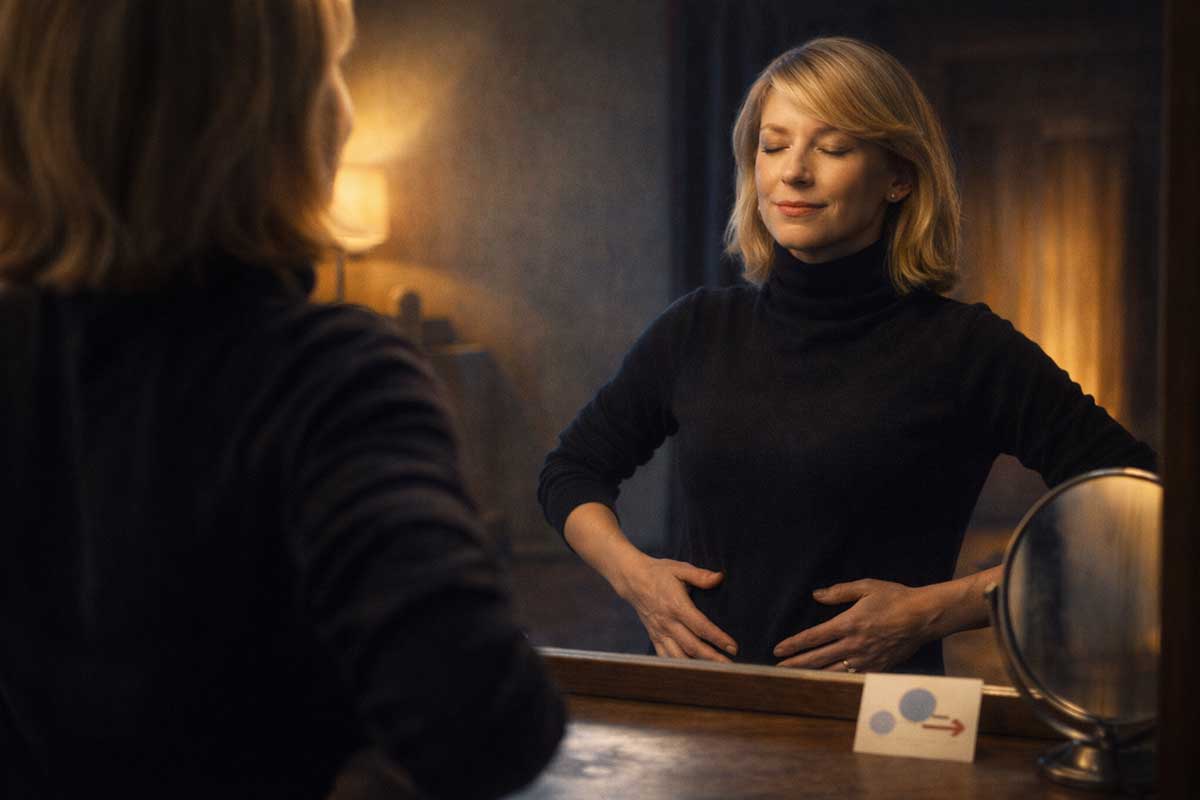
A small whiteboard stood off to the side with simple shapes drawn on it. No words. Just a loop. Body to mind. Mind to body.
Daniel J. Siegel looked at the group.
In the first topic, we talked about presence as a lived experience. Now we are going to ask a different kind of question.
When people hear “your body changes your mind,” they often swing to extremes. Either they treat it like magic, or they dismiss it as nonsense.
So let’s be precise. What parts of the body changes mind claim feel most scientifically solid today?
Amy Cuddy nodded.
The most solid piece is that our nonverbal behavior and posture are part of a larger embodied system. When we change how we hold ourselves, we often change how we feel, at least in self-report. People can experience a shift in felt confidence or readiness.
Where I think we have to be more careful is about strong physiological claims like hormones, and about guaranteed performance boosts. The story that survives is not “do this pose and you will win.” The story that survives is “use your body to help you access a more resourced state.”
Antonio Damasio leaned in.
I would put it in a broader framework. The mind is not floating above the body. The mind is built on the body.
Our feelings are intimately tied to the internal state of the organism. Posture, muscle tension, breathing patterns, facial expression, these are not decorations. They are part of the machinery that creates emotion and decision-making.
If you change the body state, you are changing some inputs to the brain. You should not expect miracles, but you can expect shifts, especially in how the brain interprets what is happening.
Lisa Feldman Barrett spoke carefully, like she was placing each idea on the table.
I agree with the body being foundational, but I want to add a nuance. Emotions are not fixed programs that get triggered. They are constructed by the brain using prediction, context, and bodily signals.
So yes, changing posture can change bodily sensations, which can change what the brain predicts and labels. But it depends on context and meaning. If someone holds an expansive posture and believes it is ridiculous or unsafe, the brain may construct anxiety rather than confidence.
The reliable claim is not “posture causes power.” The reliable claim is “posture is one ingredient in the brain’s construction of experience.”
Stephen Porges added in a calm, practical tone.
From the perspective of the autonomic nervous system, some interventions are simply more direct than others. Breath and facial muscles can influence vagal pathways. That can shift the nervous system from defensive states to states more compatible with social engagement.
So the solid ground, in my view, is regulation. The body can shift the nervous system state, and that state influences how accessible your voice, your face, and your thinking become.
If your system is in danger mode, posture alone may not be enough. But posture combined with breath and safety cues can matter.
Sian Beilock nodded.
In performance science, we see that the biggest enemy is often the spiral of self-focus under pressure. People start monitoring themselves and they choke.
Embodied changes can help if they reduce threat and interrupt rumination. The effect might be small, but small changes matter when stakes are high. A bit less self-focus can mean clearer recall, smoother speech, better fine motor control.
The most defensible claim is not that power posing transforms your hormones. It is that certain embodied routines can reduce anxiety and shift attention, and that can improve performance conditions.
Daniel J. Siegel listened, then held up a hand gently.
Good. So we are converging on a more mature version of the idea. Body influences mind through interoception, prediction, nervous system state, and attention.
Let’s go one step closer to something people can use.
How do posture, breath, and attention interact to change stress responses quickly?
Amy Cuddy answered first.
I think of it as a three-part lever.
Posture changes how you feel about your own capacity. Breath changes your baseline arousal. Attention changes the story.
If someone stands in a more open posture, breathes slower, and focuses on what they are there to contribute, not how they are being judged, you often get a noticeable shift. Not a cure, but a shift.
And that shift is enough to let competence show up.
Antonio Damasio followed.
Breath is particularly powerful because it modifies internal chemical states and signaling patterns. A slower breath can reduce the sense of urgency.
Attention is equally powerful because it selects what becomes salient. If attention is locked on danger, bodily signals are interpreted as threat. If attention moves toward task and meaning, those same signals can be interpreted as readiness.
Posture acts as a frame, it communicates to the organism whether it is shrinking to protect or opening to engage.
Lisa Feldman Barrett nodded.
I would underline the meaning layer again.
Breath changes bodily sensations. Posture changes bodily sensations. Attention shapes what predictions the brain makes about those sensations.
If you teach someone to reinterpret a racing heart as readiness, that is not positive thinking. That is changing the concept the brain uses to construct the moment.
So the combination works when the person has a concept like, “My body is preparing me,” rather than, “My body is betraying me.”
Stephen Porges added.
And safety cues matter. Your nervous system is scanning constantly, even if you are not aware of it. Prosody in your voice, softness in your face, sense of support in the environment.
A posture routine done privately can be effective because it removes social threat. A routine done publicly can backfire if the person feels watched.
So the interaction depends on whether the body’s cues are interpreted as safe. That is why I like interventions that include warm facial expression, slower breath, and grounded stance.
Sian Beilock continued.
Attention is the hinge for choking. Under pressure, people switch from doing to monitoring. They try to control what should be automatic.
A short routine that stabilizes posture, slows breath, and sets attention on process goals can prevent that switch. It keeps the mind on the task rather than the self.
In a real sense, you are training where the spotlight goes.
Daniel J. Siegel looked around, then softened his tone.
Now we need the practical rescue rope. People do not want a lecture. They want a reset that works when their mind is racing and their body is tense.
If someone freezes under pressure, what is the most reliable embodied reset?
Amy Cuddy took a breath.
I would recommend a private routine that is simple and repeatable.
Two minutes alone. Feet grounded. Shoulders back but not rigid. Hands open. Breath slowed. Then one sentence that reminds you of your value in that moment.
Not “I am the best.” More like “I am here to share what I know.” That is presence. It is not dominance. It is permission.
Antonio Damasio nodded.
I would add that the reset must be felt, not just understood.
Bring attention to bodily sensation. Feel the breath. Feel the contact with the floor. That creates a channel back into the present. The mind cannot stabilize if the body is ignored.
So the reliable reset is reconnecting awareness with the organism in a grounded way.
Lisa Feldman Barrett offered a practical twist.
Name the state in a useful way.
If you freeze, your brain is predicting danger. Give it a different prediction. You can do that by labeling the sensation as preparation, or as energy.
Then pair it with an action, inhale slowly, exhale longer. That creates new data for the brain, and it revises its guess about what is happening.
Stephen Porges spoke with certainty.
Lengthen the exhale.
That simple change can shift autonomic state toward regulation. Then soften the face and widen the visual field. When you widen your gaze, the nervous system often interprets less threat.
The reset is, longer exhale, gentle face, broadened gaze, grounded stance. This is not theater. It is physiology.
Sian Beilock concluded.
Then set one process cue.
Something small like, “Speak slowly,” or “Ask one good question,” or “Focus on the first sentence.”
Freezing often comes from trying to control everything at once. A single process cue gives the brain one track to run on. Combined with the embodied reset, it brings you back online.
Daniel J. Siegel sat back slightly.
So we have a grounded version of the message.
Body and mind are a system. Posture alone is rarely the whole story, but posture, breath, attention, and meaning can create real shifts. Enough to turn a freeze into movement.
He looked toward Amy Cuddy.
And this honors what you wanted to convey. Not a gimmick. A pathway to presence.
He paused.
In the next topic, we are going to talk about who gets to take up space, who is punished for it, and how presence can be expressed without turning into dominance.
Topic 3: Who Gets to Take Up Space

Moderator:
Gloria Steinem
Participants (5):
Amy Cuddy, Kimberlé Crenshaw, Claude Steele, Deborah Tannen, Judith Butler
The circle felt warmer now, as if the earlier scientific clarity had made room for a more personal honesty. The subject of space was never only about posture. It was about permission. And permission was never distributed equally.
A soft lamp lit the room. A few people shifted in their chairs almost unconsciously, as if their bodies were already responding to the topic before anyone spoke.
Gloria Steinem looked at the group.
We are talking about presence. But presence is not only an internal skill. It is also a social negotiation. Some people are encouraged to take up space. Others learn early that space comes with consequences.
So let’s begin with this.
How do bias and social conditioning shape whose confidence is welcomed or punished?
Amy Cuddy nodded.
This is central. People think confidence is a personal trait, but so much of it is relational. If you have been rewarded for speaking up, you learn to expand. If you have been punished for it, you learn to shrink.
And what I hoped to convey in my talk is that presence is not about taking power from others. It’s about reclaiming what you already have. But I also know the world does not respond the same way to everyone who tries it.
Kimberlé Crenshaw spoke with measured clarity.
We have to name that these reactions are structured. Not random.
People are judged through intersecting categories, gender, race, class, age, ability. The same behavior can be interpreted as leadership in one person and as threat in another.
So when we tell people to project confidence, we must also tell the truth about the double binds. Some people face penalties for the very behaviors we celebrate in others.
Claude Steele leaned forward.
There’s also stereotype threat. When people are aware that their group is stereotyped as less competent, the pressure to disprove it consumes working memory and undermines performance.
In that context, shrinking is often a protective strategy. Not weakness. A way to avoid confirming a stereotype.
So presence is not just about posture. It’s also about reducing threat, both internal and social. Creating environments where people can take up space without paying a psychological tax.
Deborah Tannen added.
We should be careful with the idea that there is one universal style of confident communication.
Different cultures and communities have different norms about interruption, volume, directness, and physical expressiveness. Misreading these differences creates conflict.
A woman can be labeled aggressive for being direct, while a man is labeled decisive. A quiet person can be labeled uncertain, while someone else is labeled thoughtful. These labels often follow power dynamics more than truth.
Judith Butler spoke thoughtfully.
Bodies are not neutral. They are read.
What counts as appropriate confidence is socially performed. But not everyone is permitted to perform it. Norms decide whose expansion is acceptable and whose expansion is disruptive.
So when we speak about taking up space, we must distinguish between presence and dominance. Presence is inhabiting your own body. Dominance is enforcing your body as the center of the room.
The social system often confuses the two, especially when certain bodies move outside prescribed roles.
Gloria Steinem nodded.
Good. So the invitation to presence must come with honesty about the terrain.
Now let’s make it practical.
What does confident body language look like when it is not trying to dominate anyone?
Amy Cuddy answered first.
It looks grounded. Open. Calm.
It is not puffing up to intimidate. It is reducing self-protection so your real self can be seen. In practical terms, it means an upright posture, relaxed shoulders, hands visible and open, eye contact that is warm not staring.
Confidence without dominance feels like calm clarity.
Kimberlé Crenshaw followed.
It also looks situationally aware.
Because confident presence includes reading the room and choosing strategies that keep you safe. Not everyone can afford the same display.
So for many people, confident body language might mean steadiness rather than expansiveness. A stable voice. A measured pace. A clear statement without apology.
That is presence without inviting unnecessary punishment.
Claude Steele added.
And it looks like attention focused on task and contribution rather than evaluation.
One marker of non-dominant confidence is that it does not require others to shrink. It is expansive inwardly, not competitive outwardly.
When you are present, you do not need to prove superiority. You simply do the work.
Deborah Tannen nodded.
Yes. It includes listening.
Dominance speaks over. Presence includes. You can communicate confidence through how you hold space for others, how you pause, how you respond, how you do not rush to fill silence.
Often the most confident posture is one that allows conversation to breathe.
Judith Butler concluded.
Non-dominant confidence disrupts the assumption that confidence must be aggressive.
It demonstrates that taking up space can mean taking responsibility. Not taking control. It is the performance of dignity.
Gloria Steinem leaned in, pleased.
Now comes the hardest question.
How can someone claim space without triggering backlash, and without shrinking themselves?
Amy Cuddy spoke with care.
First, distinguish between shrinking and adjusting.
Shrinking is self-erasure. Adjusting is strategy. You can maintain presence while modulating style.
Second, build rituals that anchor you internally so your sense of self does not depend entirely on external reaction. If you are grounded, you can handle misinterpretation without collapsing.
And third, align your posture with purpose. Not with proving. When your goal is contribution, your signals become less threatening because they are not trying to dominate.
Kimberlé Crenshaw added.
People also need allies and structural protections. It’s not fair, but it’s true. When institutions create clear norms against bias and retaliation, individuals gain room to be present.
Backlash often thrives in ambiguity. So make norms visible. Make accountability real.
And when advising people, do not just teach self-management. Teach systems change too.
Claude Steele followed.
From a psychological standpoint, belonging cues matter.
When the environment signals, “people like you belong here,” individuals take up space more naturally. Without those cues, they manage identity threat constantly.
So one strategy is to seek or create micro-environments of safety. Mentors, peer groups, teams. Presence grows faster where belonging is real.
Deborah Tannen offered a conversational approach.
Use framing and relational language that signals collaboration. You can be direct while also signaling you are not trying to dominate.
For example, a tone of curiosity, “Here’s what I see,” or “Can we explore this,” can reduce perceived threat while still allowing you to be firm.
This is not appeasement. It is communication skill.
Judith Butler finished.
And accept that backlash is sometimes the cost of change.
If you never trigger any discomfort, you may be staying inside the very roles that limit you. The aim is not to avoid every negative reaction. The aim is to remain present even when the social script resists you.
Presence is a practice of refusing disappearance.
Gloria Steinem let that settle.
So the message is not, “Just pose differently and the world will reward you.” The message is, “Presence is yours, but the world is unequal, and we must be both brave and wise.”
She turned to Amy Cuddy.
This keeps your original intent intact. It centers permission rather than domination and acknowledges the social reality around it.
Gloria’s voice softened at the end.
In the next topic, we will take all of this and turn it into action. High-stakes moments. Interviews. Talks. Meetings. The routines that help presence show up when it matters most.
Topic 4: High-Stakes Performance and Practical Routines

Moderator:
Chris Anderson
Participants (5):
Amy Cuddy, Amy Edmondson, Angela Duckworth, Nancy Duarte, Carmine Gallo
The circle felt practical now, like a team that had finished diagnosing the problem and was ready to build a usable tool. The table in the middle held a small stack of index cards and a simple timer. A quiet reminder that this topic was about moments that move fast.
Chris Anderson glanced at everyone.
We have talked about presence, physiology, and the social reality of taking up space. Now I want to pull it into the moment right before it matters.
The interview. The pitch. The first thirty seconds of a talk. The meeting where you need to speak even if your voice wants to hide.
So here’s the first question.
In real performance, what matters more: the minute before, or the first minute on stage?
Amy Cuddy answered first.
The minute before matters because it sets your nervous system. It is the difference between entering in self-protection and entering in contribution.
But the first minute on stage matters because it sets your feedback loop. If you begin with a shaky voice and interpret it as failure, you spiral. If you begin shaky and interpret it as normal activation, you stabilize.
So the honest answer is both. The minute before helps you enter. The first minute determines whether you stay present.
Amy Edmondson nodded.
I see it similarly, but from a team and environment perspective.
The minute before is about self-regulation. The first minute is about whether the environment gives you permission to be human.
In psychologically safe settings, people recover from a weak opening quickly. In unsafe settings, they become cautious and performative.
So performance is not only individual. It is co-created. The first minute tells you whether the room is safe enough to be real.
Angela Duckworth spoke with a steady cadence.
From a perseverance standpoint, the first minute is where many people quit internally.
They begin, feel imperfect, and decide they are failing. Then they stop taking risks. They go into survival mode.
So what matters is whether you have trained yourself to endure the first wave of discomfort without interpreting it as meaning something permanent. That is grit applied to presence.
Nancy Duarte added.
For speaking specifically, the first minute is where audience trust forms. But trust is not created by perfection. It is created by clarity.
If you start with a clear point and a human tone, the audience leans in. If you start trying to impress, you become tense, and the audience senses it.
The minute before prepares your body. The first minute sets the narrative.
Cal Newport leaned forward.
I want to name something that undermines both. Distraction.
People walk into high-stakes moments with their attention fragmented. They check phones. They skim notes. They consume last-minute anxiety.
The minute before matters because it’s your last chance to enter deep focus. The first minute matters because it either locks you in or scatters you again.
Presence requires attention. Attention requires protecting the mind from noise.
Chris Anderson nodded.
That’s a great transition to the second question.
What is a realistic ten-minute pre-interview routine that builds presence and clarity?
And I want this to be step-by-step. Not theory. Ten minutes. Real life.
Amy Cuddy spoke in a practical tone.
Here is a routine that respects the spirit of my talk and also respects reality.
Minutes 10 to 8: Private space. Stand grounded. Open posture that feels natural. Not theatrical.
Minutes 8 to 6: Slow breath. Longer exhale. Let the body exit threat mode.
Minutes 6 to 4: Identify one value for the moment. “Curiosity.” “Service.” “Clarity.”
Minutes 4 to 2: Rehearse the first sentence out loud once. Only once.
Minutes 2 to 0: Visualize contribution. What are you here to offer. Then stop rehearsing. Enter.
The key is that the routine does not try to eliminate fear. It tries to prevent fear from taking the steering wheel.
Amy Edmondson added.
I would include one more element. Connection.
Minutes 10 to 9: Send a supportive message to yourself or a trusted person. Not for reassurance, but to activate belonging.
Then you do the body routine.
Humans perform better when they feel socially anchored. Even a small reminder of support increases courage.
Angela Duckworth followed.
I would build in one tiny commitment.
Write one process goal on an index card, “Speak slowly,” “Pause after questions,” “Ask for clarification.” Then focus on that.
In a stressful situation, you can’t control outcomes. You can control process. That protects your confidence from volatility.
And then, practice this routine repeatedly. Presence is not a hack. It is a trained skill.
Nancy Duarte added.
For communication, I want people to rehearse structure, not script.
In the ten minutes, do not memorize paragraphs. Choose one core message, one supporting example, and one closing line.
If you can remember the structure, you can be present. If you try to remember exact wording, you become mechanical and anxious.
So the routine includes, know your point, know your story, know your ask.
Cal Newport offered a different emphasis.
I would front-load attention protection.
Minutes 10 to 5: No phone, no email, no scrolling. Silence.
Minutes 5 to 3: Review only the essentials, a single page, or a few bullets.
Minutes 3 to 0: The embodied routine, breath, posture, value.
Presence cannot be built while your mind is in a dozen places. Your first move is to stop leaking attention.
Chris Anderson nodded again.
Now for the third question.
How do you design a “safe to be human” environment so presence can actually happen?
This question matters because many people blame themselves for anxiety in environments that are built to provoke anxiety.
Amy Cuddy answered with warmth.
Start by normalizing nervousness.
Leaders can say, “It’s normal to feel a little activated. Take your time.” That single sentence changes the room.
Then, create predictable structure. When people know what happens next, threat decreases.
Presence grows when people feel respected, not evaluated.
Amy Edmondson leaned in.
Psychological safety is built through consistent signals.
Leaders invite input, respond respectfully, and treat mistakes as learning. They ask questions and reward truth. They do not punish uncertainty.
If people believe they will be shamed, they will perform. If they believe they will be supported, they will contribute.
And the tone at the top determines the tone everywhere.
Angela Duckworth added.
We should also make effort visible.
When leaders praise preparation, learning, and improvement rather than flawless performance, people take more creative risks.
Presence is easier when perfection is not the entry fee.
Nancy Duarte spoke from the stage perspective.
Make the audience a partner, not a jury.
Small cues help, smiling, nodding, giving space for pauses. When the speaker feels listened to, the speaker becomes clearer. When the speaker feels judged, the speaker becomes defensive.
A good room lets a speaker breathe.
Cal Newport concluded.
And remove unnecessary noise.
Meetings without clear agendas, constant interruptions, and perpetual urgency all destroy presence. People cannot be fully human when they are constantly context-switching.
If you want presence, you build deep work conditions. Quiet, clarity, and respect for attention.
Chris Anderson looked around the circle.
So we end with something practical and honest.
Presence is trained in the body and protected by the environment. We prepare ourselves, and we also build rooms that do not punish humanity.
He turned slightly toward Amy Cuddy.
In the next topic, we face the most sensitive part. The debate. What the evidence supports, what it doesn’t, and how to communicate helpful advice responsibly without turning it into either hype or humiliation.
Topic 5: The Power Posing Debate and the Responsible Takeaway

Moderator:
Brian Nosek
Participants (5):
Amy Cuddy, Dana Carney, Simine Vazire, Uri Simonsohn, Eva Ranehill
The room felt different again. Not colder, but sharper. Like a lab meeting after a popular headline went viral. The same circle of chairs, but now with a quiet agreement: be useful, be honest, don’t be cruel.
A small stack of printed papers sat on the table. No titles, no text, just the feeling of documents that had been argued over.
Brian Nosek looked around the circle.
This topic is about responsibility. Not only what people believe, but how we communicate it when evidence is mixed.
So let’s start with clarity.
Which claims around power posing hold up best, and which should be retired or softened?
Amy Cuddy took a breath before speaking.
The claim I still stand behind is the human one. Nonverbal behavior affects how we interact, and it can affect how we feel. Many people report feeling more present when they shift posture and open up physically. That felt sense matters to them.
The claims that should be softened are the strongest physiological and guaranteed performance claims. The world is more complicated than a simple two-minute pose equals hormones and success story. What I meant was always presence and access, not magic.
Dana Carney nodded, then spoke plainly.
I’ll be direct. The original claims about broad effects, especially physiological outcomes, did not hold up the way we hoped. With more evidence, I did not feel comfortable continuing to endorse “power pose effects” as a reliable phenomenon in the strong form people heard.
That does not mean posture is irrelevant. It means the big claims were too big.
Uri Simonsohn leaned forward.
What I want to protect here is a boundary between an appealing story and a demonstrated effect.
The most reliable part across studies has often been the manipulation check: people may report feeling more powerful after expansive postures. But effects on hormones, risk-taking behavior, and downstream outcomes have been inconsistent.
So what should be retired is certainty. What should be kept is a modest, evidence-respecting version: posture may change subjective feeling in some contexts, and people should not assume more than that.
Simine Vazire added.
I think we also need to recognize that popularization changes a claim.
A study might test a narrow question under controlled conditions, and then the public message becomes, “Do this and you will become powerful.” That leap is where disappointment and backlash are born.
So we should retire absolute statements and focus on what the evidence can reasonably support, with clear limits.
Eva Ranehill spoke calmly.
In our work, we saw that people did report differences in felt power, but we did not find the hormone or risk-taking effects in the way the original study reported. That is not a moral judgment, it is a scientific outcome.
It suggests that if there is an effect, it is smaller, more context-dependent, or more limited in scope than many people believed.
Brian Nosek nodded.
So we have a common theme.
Self-report shifts appear more plausible and repeatable than broad biological or behavioral claims. The bigger the claim, the more caution we need.
Now the second question.
How should speakers communicate uncertainty without losing usefulness?
Amy Cuddy answered first, carefully.
By separating the heart of the message from the contested mechanism.
The heart of my message is presence. A person can practice showing up. A person can use their body as a tool to support that practice. That remains useful.
The uncertainty should be named explicitly. Instead of “this changes your hormones,” say “some people feel more confident, and the evidence is mixed on physiology and outcomes.” People can handle nuance when we respect them.
Dana Carney added.
Also, we should avoid turning uncertainty into marketing.
If the evidence is mixed, don’t sell it like it’s guaranteed. We can say, “This might help you feel more prepared. Try it, see if it helps, and do not treat it as a substitute for preparation.”
That is useful and honest.
Uri Simonsohn spoke with a slightly sharper edge, but not hostile.
Be precise about what was tested and what wasn’t.
If the finding is about self-reported feelings in a lab, don’t translate it into a promise about getting hired, winning negotiations, or changing your life. Those are separate claims.
And when replication is mixed, say so plainly. People trust you more, not less, when you tell the truth about limits.
Simine Vazire nodded.
I would also encourage speakers to adopt a default posture of humility.
Science is provisional. The public often hears science as certainty, but it’s really a tool for reducing uncertainty over time.
So the responsible message is: “This is what we know, this is what we don’t, and here is how to use it carefully.”
Eva Ranehill concluded.
Yes. And avoid making the audience choose between two extremes, either “it works perfectly” or “it’s all nonsense.”
The middle ground is where most truth lives. Some interventions can help some people in some contexts, without being universal or dramatic.
Brian Nosek nodded.
Good. Now the third question.
What is the most honest, evidence-respecting version of the advice that still helps people today?
Amy Cuddy answered first.
Here is the version I can stand behind.
Before a high-stakes moment, take two minutes in private to shift into a posture and breath pattern that feels open, grounded, and steady. Not to dominate, but to reduce self-protection. Then remind yourself of your purpose. Who you want to serve. What you want to contribute.
If it helps you feel more present, keep it. If it doesn’t, let it go.
Dana Carney added.
I’d say: don’t obsess about a specific pose. Focus on reducing threat and increasing readiness. That could be posture, breathing, a short walk, a brief rehearsal, or a supportive message.
Use it as a warm-up, not a miracle.
Uri Simonsohn spoke plainly.
And don’t claim more than you can deliver.
A reasonable version is: “Your body language can influence how you feel and how you are perceived. You can experiment with posture and see if it helps you feel more confident. The evidence does not support strong claims about hormones or guaranteed outcomes.”
That helps people without misleading them.
Simine Vazire added.
Also, teach people how to update beliefs.
Try it. Measure your own outcome. Do you feel more present. Do you speak more clearly. If yes, keep it. If no, choose another strategy.
That mindset is the most empowering takeaway. Not the pose itself.
Eva Ranehill finished.
And remember that confidence is not only an individual technique. It is also an environment.
People will show up more fully in rooms where they are respected. So the most helpful advice includes: regulate your own nervous system, and when you can, help create conditions where others can do the same.
Brian Nosek looked around the circle, satisfied.
Then we end with a responsible conclusion.
The public does not need a perfect story. It needs a true one.
Your body can be part of how you access presence. That is plausible and often helpful. But claims must fit evidence, and usefulness must not depend on exaggeration.
He turned to Amy Cuddy.
And the center holds.
Not dominance. Presence.
Final Thoughts by Amy Cuddy

After all the research, the debates, and the headlines, I’ve come to believe the most important part of this topic is also the quietest.
Most people do not struggle because they lack ability.
They struggle because fear interrupts ability.
The body is not a trick for fooling others. It is a bridge back to yourself. A slower breath, a grounded stance, an open posture, these are not performances of superiority. They are ways of telling your nervous system that you are safe enough to try.
And trying changes everything.
You may still feel nervous. You may still make mistakes. Presence does not remove vulnerability. It allows you to act while vulnerable. And over time, repeated moments of showing up reshape how you see yourself far more than any single successful outcome ever could.
So the honest takeaway is modest and powerful at the same time:
Don’t wait to feel confident before acting.
Act in ways that allow confidence to grow.
Stand in a way that lets you breathe.
Speak in a way that reflects what you care about.
Enter rooms not to prove your worth, but to use it.
You don’t have to become a different person to succeed in important moments.
You only have to give the real one a chance to appear.
Short Bios:
Amy Cuddy — Social psychologist known for research and popular work on presence, nonverbal behavior, and how people show up under pressure.
Daniel J. Siegel — Psychiatrist and educator who links neuroscience, mindfulness, and attachment into practical tools for emotional regulation and integration.
Brené Brown — Researcher and author focused on shame, vulnerability, and courage, emphasizing how belonging enables authentic expression.
Susan David — Psychologist known for “emotional agility,” teaching how to handle difficult emotions without being controlled by them.
Kelly McGonigal — Health psychologist who studies stress, motivation, and behavior change, reframing stress as something that can be used skillfully.
Jon Kabat-Zinn — Founder of Mindfulness-Based Stress Reduction, translating mindfulness into practical methods for attention and calm presence.
Mihaly Csikszentmihalyi — Psychologist who developed flow theory, explaining deep focus and optimal performance states.
Antonio Damasio — Neuroscientist known for showing how emotion and bodily signals are essential to reasoning and decision-making.
Lisa Feldman Barrett — Neuroscientist and psychologist known for the theory that emotions are constructed through prediction and context.
Stephen Porges — Scientist behind polyvagal theory, explaining how nervous system states shape safety, connection, and performance.
Sian Beilock — Cognitive scientist studying performance under pressure and why people “choke” when stakes are high.
Gloria Steinem — Writer and activist who advanced women’s rights and cultural change, emphasizing dignity, voice, and social permission.
Kimberlé Crenshaw — Legal scholar who developed intersectionality, explaining how overlapping identities shape lived outcomes and bias.
Claude Steele — Social psychologist known for research on stereotype threat and how belonging cues influence performance and identity.
Deborah Tannen — Linguist who studies conversational style and gendered communication, showing how tone and norms shape interpretation.
Judith Butler — Philosopher known for work on gender performativity and how social norms shape how bodies are read and treated.
Chris Anderson — Curator of TED, known for shaping modern talk craft and spotlighting ideas through compelling public speaking.
Amy Edmondson — Harvard professor known for research on psychological safety and how teams learn, innovate, and speak up.
Angela Duckworth — Psychologist known for grit research, explaining how perseverance and process goals support achievement.
Nancy Duarte — Communication expert known for storytelling structure and persuasive presentation design.
Cal Newport — Author focused on deep work and attention, emphasizing focus as a competitive advantage in a distracted world.
Brian Nosek — Psychologist and open-science leader, known for improving research transparency and replication practices.
Dana Carney — Social psychologist and researcher associated with early power-posing research and later public caution about strong claims.
Uri Simonsohn — Behavioral scientist known for work on research methods and evaluating evidence quality in social science.
Simine Vazire — Psychologist and open-science advocate emphasizing measurement, transparency, and responsible scientific claims.
Eva Ranehill — Economist and researcher known for replication work on power posing, testing which effects reliably appear.
Leave a Reply