
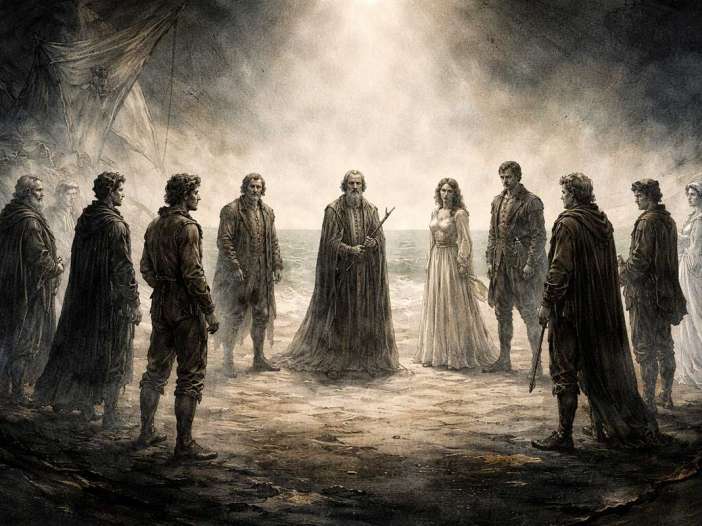
What if Prospero had to defend his mercy after death—without magic?Main Introduction by Shakespeare I wrote of storms once as a stage-trick—thunder borrowed, lightning feigned, a ship split apart in sound and terror. Yet what haunted me was never the tempest itself, but what men become when the ground is taken from beneath them. Strip away office and title, strip … [Read more...] about The Tempest analysis in the Afterlife Tribunal
Literature
The Psychology Behind A Midsummer Night’s Dream
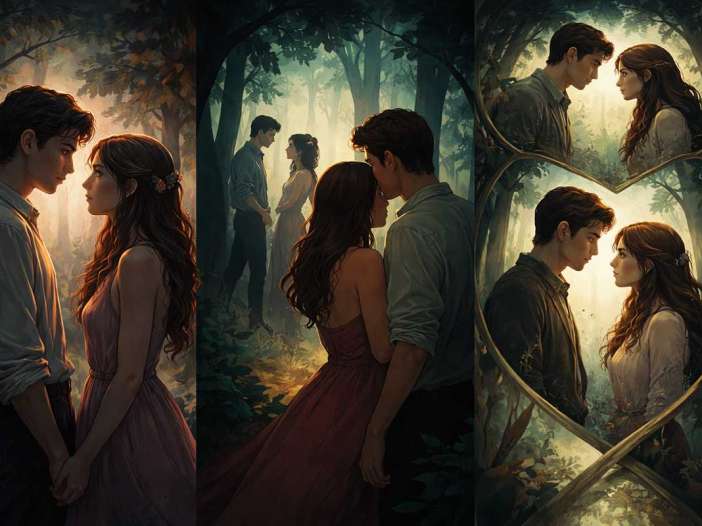
What if Shakespeare wasn’t explaining love, but exposing certainty?Introduction by William ShakespeareI did not write this play to explain love.If I had wished to explain love, I would have written a sermon, or a tragedy, or a warning. Instead, I wrote a comedy—because comedy allows people to behave honestly without noticing themselves.Watch the lovers before the … [Read more...] about The Psychology Behind A Midsummer Night’s Dream
A Midsummer Night’s Dream Explained
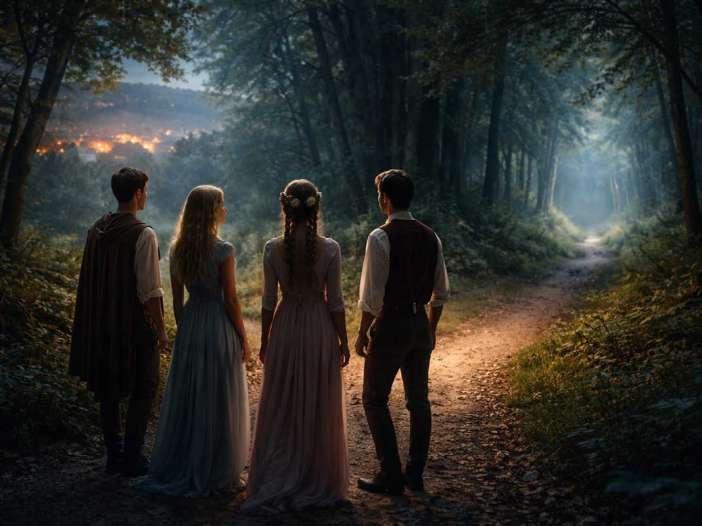
What if Shakespeare sat quietly while scholars argued over love?Introduction by William ShakespeareI ask no patience for this gathering, only attention.I have watched my plays outlive their hour and their author. They walk now in minds I never knew, among customs I never imagined, speaking truths I did not fully understand when I first set pen to page.A Midsummer … [Read more...] about A Midsummer Night’s Dream Explained
The Lady with the Dog Explained: Love That Arrives Too Late

What if Chekhov believed real love begins only after life is already arranged?Introduction by Anton ChekhovI did not write The Lady with the Dog to defend love, nor to condemn betrayal. I wrote it because human life rarely fits the moral outlines we draw for it. People live one way, feel another, and often discover—too late—that sincerity arrives only after habit … [Read more...] about The Lady with the Dog Explained: Love That Arrives Too Late
A Hunger Artist Explained: When Devotion Loses Its Witness
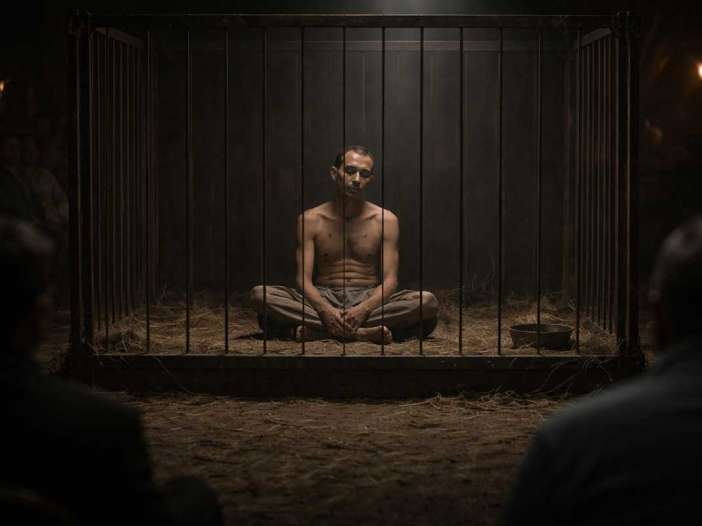
What if Kafka wrote A Hunger Artist as a prophecy of creators who would starve quietly while louder lives thrived?Introduction by Franz KafkaI did not write A Hunger Artist to praise suffering, nor to condemn the world that watches it.I wrote it because there are people who live by an inner necessity that does not translate. Their devotion is not chosen for … [Read more...] about A Hunger Artist Explained: When Devotion Loses Its Witness
Bartleby the Scrivener Explained: Why Refusal Still Haunts Us
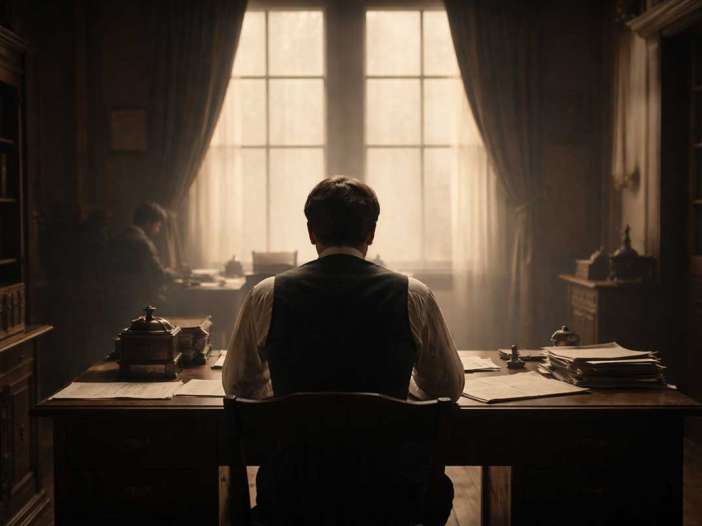
What if Herman Melville sat with us and asked why refusal terrifies modern life? Introduction by Herman MelvilleI did not write Bartleby, the Scrivener to explain a man.I wrote it to place him where explanation fails.Bartleby enters an orderly world—one governed by reason, industry, and polite authority—and does nothing violent to it. He raises no fist, pens … [Read more...] about Bartleby the Scrivener Explained: Why Refusal Still Haunts Us
The Gift of the Magi Explained — When Love Is Enough
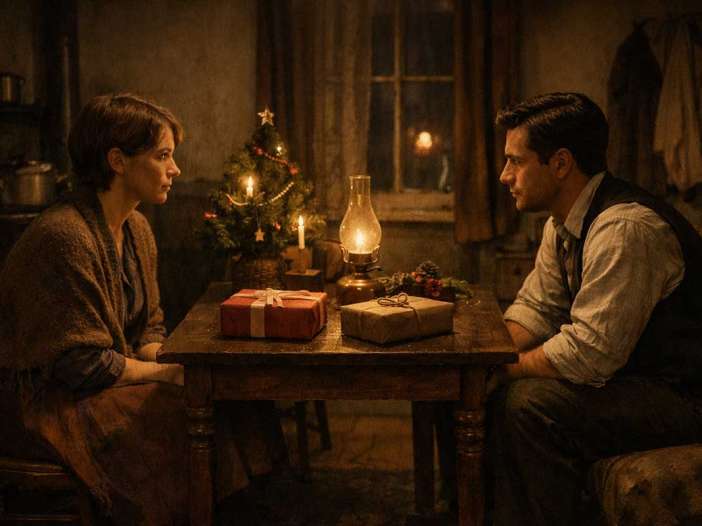
What if O. Henry sat with us and challenged us to measure wealth by devotion rather than possessions? Introduction by O. HenryLet me begin by confessing something plain. I did not write The Gift of the Magi to be clever. I wrote it to be honest—honest about what people do when they love each other and have very little else to give.Jim and Della are not … [Read more...] about The Gift of the Magi Explained — When Love Is Enough
The Death of Ivan Ilyich Explained — Leo Tolstoy

What if Leo Tolstoy asked you whether your life was already over? Introduction by Leo TolstoyWhen I wrote The Death of Ivan Ilyich, I did not intend to write about death.Death is not the subject of this story. Death is merely the moment when a question can no longer be postponed.Ivan Ilyich lived as many live—according to what was considered proper, … [Read more...] about The Death of Ivan Ilyich Explained — Leo Tolstoy
Hills Like White Elephants Explained — Hemingway on Choice

What if Ernest Hemingway Discussed with Scholars the Choice That Ends Love?Introduction — by Ernest HemingwayI wrote “Hills Like White Elephants” because there are things people talk around instead of through. Life is full of them. The most important moments often arrive quietly, without speeches or explanations, and they reveal themselves not in what is said, … [Read more...] about Hills Like White Elephants Explained — Hemingway on Choice
The Overcoat by Nikolai Gogol Explained
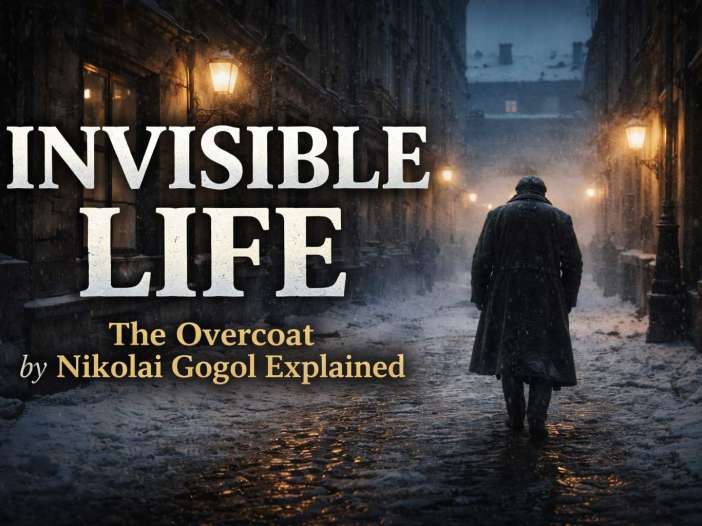
What if Nikolai Gogol believed society only sees you once you suffer?Introduction by Nikolai GogolYou may think this story is about a coat.That is the first mistake.I did not write The Overcoat to complain about poverty, nor to accuse clerks, nor even to expose bureaucracy—though all of those stand plainly before you. I wrote it because I saw something quieter … [Read more...] about The Overcoat by Nikolai Gogol Explained