
|
Getting your Trinity Audio player ready...
|
Introduction by Newt Gingrich
When I first came to Washington, government shutdowns were rare and always painful. They were moments of failure — not strategy. Both sides saw them as last resorts, not political tools. Today, that sense of responsibility has vanished. What we’re witnessing from Senator Chuck Schumer isn’t leadership — it’s calculation. This shutdown isn’t a crisis born of circumstance; it’s a crisis designed in advance.
I’ve read the reports, the interviews, and the boasts. Schumer himself told Punchbowl News, “Every day gets better for us.” Those six words tell you everything about how Washington has changed. The suffering of working Americans, the unpaid federal employees, the uncertainty faced by military families — all of it, to Schumer, is a means to a political end. When power matters more than people, governance becomes theater — and citizens become props.
The House Republicans already passed a clean resolution to keep the government open. No new spending. No hidden riders. No traps. It could have been signed, sealed, and done. Instead, Schumer blocked it, gambling that chaos would erode confidence in his opponents. This isn’t the art of negotiation — it’s the art of cynicism. It’s proof that, in today’s Washington, pain is no longer an unfortunate consequence. It’s a political currency.
(Note: This is an imaginary conversation, a creative exploration of an idea, and not a real speech or event.)
The Weaponization of Shutdowns — Has Politics Replaced Governance?
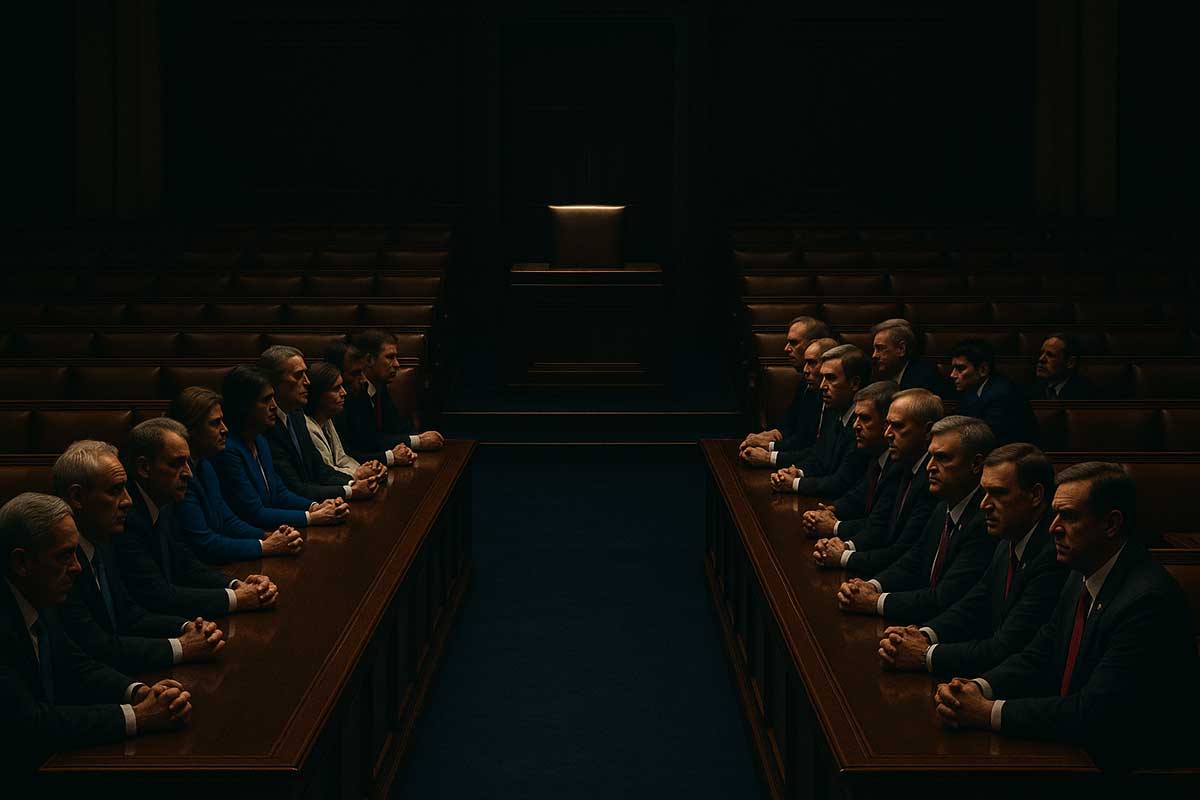
Moderators: Bret Baier (Fox News) & George Stephanopoulos (ABC News)
Participants: Chuck Schumer, Mitch McConnell, Nancy Pelosi, Kevin McCarthy, Newt Gingrich
Scene:
A bipartisan televised roundtable set in Washington, D.C. The Capitol dome glows through the studio window as tension hums between idealism and cynicism. Two moderators — Bret Baier and George Stephanopoulos — sit opposite five political veterans whose legacies have shaped the very institution under scrutiny.
George Stephanopoulos (opening)
“Tonight, we’re asking a difficult question — has political brinkmanship replaced the art of governing? Senator Schumer, you’ve defended the current shutdown as leverage for negotiation. Critics say it’s hostage-taking. So, let’s begin with this: Is the shutdown a necessary tool for accountability — or a sign that Washington has lost its way?”
Chuck Schumer
“George, it’s never pleasant when government stops. But sometimes, gridlock becomes the only language this town understands. We’ve tried backroom talks. We’ve tried compromise. When the opposing side refuses to fund healthcare or protect working families, standing firm isn’t cynicism — it’s duty. Accountability isn’t comfortable, but it’s moral.”
Mitch McConnell
“Chuck, that’s a polished way to describe political extortion. You’re not holding government accountable; you’re holding it hostage. We had a clean continuing resolution ready to keep paychecks going. You blocked it, then called it leadership. That’s not principle — that’s performance.”
Nancy Pelosi
“Mitch, let’s not pretend Republicans are innocent here. I’ve seen your caucus shut down government over Planned Parenthood, over immigration, even over a border wall. The question isn’t who did it first, it’s who’s willing to use power for people, not corporations. We’re fighting for Americans who can’t afford another round of cuts.”
Kevin McCarthy
“Then why not pass the bill and negotiate afterward? When you tie working-class paychecks to political stunts, you show the country that Washington’s ego matters more than their mortgage. People don’t see Democrats versus Republicans anymore — they see career politicians playing poker with their livelihoods.”
Newt Gingrich
“I’ve lived this before, George. In ’95, we faced our own shutdown — and I’ll tell you the difference. Back then, both sides believed they were defending principle. What’s happening now feels scripted. Schumer admitted, ‘Every day gets better for us.’ That isn’t governance. That’s strategy built on suffering.”
(A brief silence follows. Even Schumer’s expression tightens — Gingrich’s words land like a mirror.)
George Stephanopoulos (follow-up)
“Senator Schumer, critics, including even the Washington Post, say this was planned months in advance — that you expected to gain politically from the pain. If that’s true, are shutdowns now just part of the modern playbook, a normal power move?”
Chuck Schumer
“I’ll be honest — of course there’s strategy. Every negotiation has it. But politics isn’t a Sunday picnic; it’s a chessboard where every move affects millions. We’re fighting for values, not victory. It’s easy to call it cynical when you’re not the one trying to stop reckless cuts to healthcare and education.”
Mitch McConnell
“But Chuck, there’s a difference between strategy and sabotage. When you refuse a clean funding bill, you’re not protecting programs — you’re paralyzing the entire system. The country doesn’t need another power play; it needs predictability.”
Nancy Pelosi
“Predictability without justice is stagnation. Sometimes you need to shake the system to expose who it really serves. The people suffering now are the same people Republicans refused to raise wages for. We’re standing for them.”
Kevin McCarthy
“Then tell those same people why TSA officers are working without pay and why military families can’t buy groceries. You say it’s for justice — they say it’s politics. The difference? They don’t have time to wait for your message to poll well.”
Newt Gingrich
“This is exactly why Americans are losing faith in Congress. We’ve turned leadership into stagecraft. When the minority leader gloats that each day of pain strengthens his hand, that’s not democracy — that’s manipulation. You’re proving my point, Chuck.”
(Bret Baier leans forward, the conservative lens entering the conversation.)
Bret Baier
“Let’s talk about consequences. Millions of federal employees are without pay, air traffic controllers are strained, national parks are closed. My question is simple: When politics causes pain, does either side deserve to claim moral high ground?”
Nancy Pelosi
“Bret, moral high ground belongs to those who fight for the voiceless. If that makes us unpopular, so be it. History remembers those who resist, not those who comply.”
Kevin McCarthy
“Or it remembers those who governed responsibly. Leadership isn’t theater; it’s stewardship. It’s saying, ‘We’ll keep the lights on while we argue.’ You can’t protect the voiceless by silencing the nation.”
Mitch McConnell
“Shutdowns don’t elevate causes — they corrode trust. Once you normalize dysfunction, the next generation inherits paralysis as policy. That’s the real cost.”
Chuck Schumer
“I won’t apologize for using leverage if it prevents deeper harm. I’d rather be accused of fighting too hard than of rolling over while budgets slash the safety net.”
Newt Gingrich
“Then own the suffering you’ve created. Don’t dress it in moral language. Every furloughed worker, every delayed check — that’s collateral in your game of optics. The tragedy is that you think this is leadership.”
(The room tightens. Even the moderators exchange glances — the civility teeters on the edge of truth.)
Bret Baier (final question)
“Senator Schumer once told Punchbowl News, ‘Every day gets better for us.’ I want each of you to answer this: When did winning the message become more important than serving the nation?”
Kevin McCarthy
“When the cameras became brighter than the conscience. Both parties are guilty, but this shutdown revealed who’s willing to exploit pain for political theater.”
Nancy Pelosi
“When compromise began to mean capitulation. Democrats fight because Republicans refuse fairness. You can’t govern when one side sees compassion as weakness.”
Mitch McConnell
“When ideology eclipsed integrity. Washington stopped solving problems the moment it discovered outrage gets better ratings than results.”
Chuck Schumer
“When Washington forgot that progress sometimes demands pressure. We’re not celebrating pain; we’re surviving a system that rewards obstruction.”
Newt Gingrich
“When leaders like Schumer decided that hurting people could help polls. That was the moment governance died. Shutdowns used to be clashes of conviction. Now, they’re marketing campaigns. And every day the lights stay off, Washington proves me right.”
George Stephanopoulos (closing reflection)
“Perhaps the real shutdown isn’t in government offices, but in our collective ability to trust motive. The question tonight isn’t who’s to blame — it’s who’s still willing to lead.”
Bret Baier (final note)
“And whether the next time America faces crisis, politicians will reach for dialogue… or for the switch that turns the country off.”
Topic 2 — Who Really Suffers? The Human Cost of Political Gamesmanship
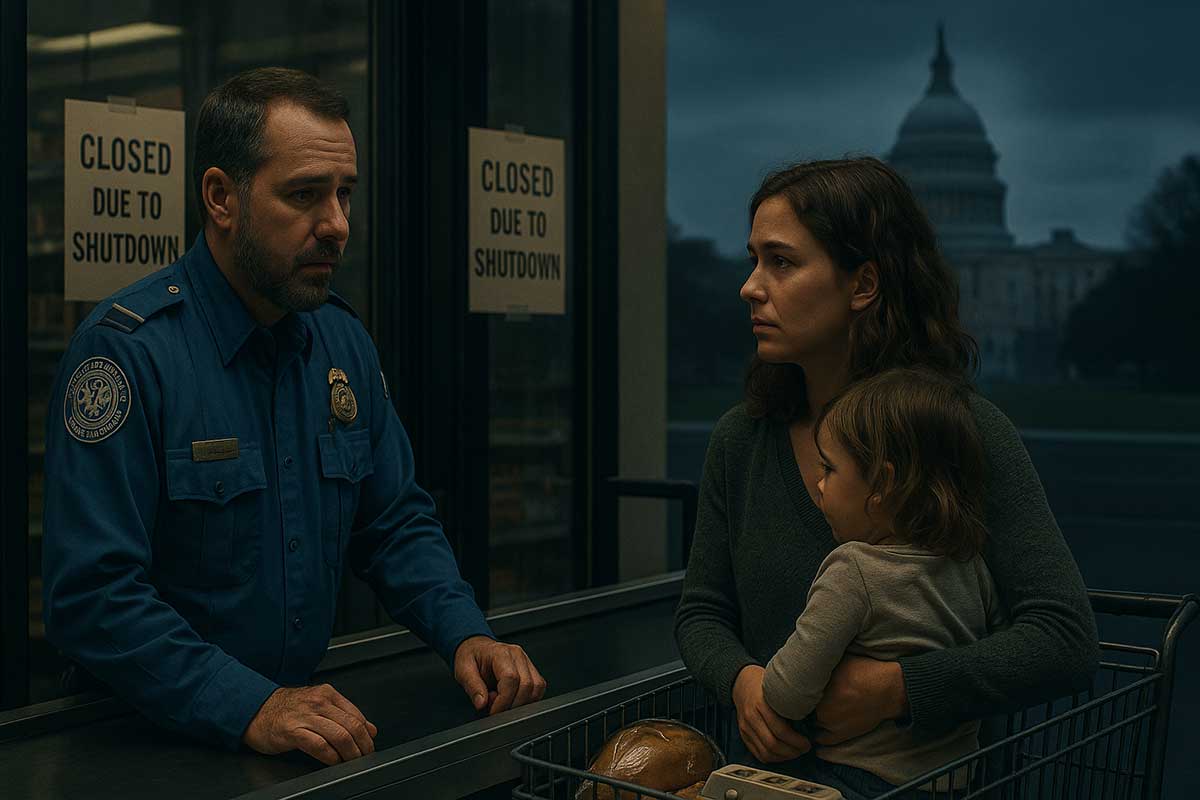
Moderators: Anderson Cooper (CNN) & Dana Perino (Fox News)
Speakers: Joe Biden, Donald Trump, Bernie Sanders, Nikki Haley, Ted Cruz
Scene:
The roundtable lights dim slightly to a softer tone. Behind the speakers, a live screen quietly shows families, federal workers, and small-town businesses affected by the shutdown — not statistics, but faces.
Anderson Cooper begins with a calm but pointed tone.
Anderson Cooper (opening)
“We’ve heard about political strategy and leverage. Tonight, we turn to the people living paycheck to paycheck — air traffic controllers, military families, park rangers — those whose lives halt when Washington stops. So my first question: Is short-term suffering ever justified for a longer-term political goal?”
Bernie Sanders
“Sometimes, Anderson, yes. Change often demands sacrifice. But I’ll tell you this: no working person should be sacrificed for a photo op. The tragedy isn’t just the shutdown — it’s that billionaires keep making money while government workers stand in food lines. If you’re going to shut down Washington, shut down the tax breaks too.”
Nikki Haley
“Bernie, that sounds righteous, but those are real families — parents who can’t buy groceries, service members who can’t pay rent. You don’t play chess with their lives. Leadership means finding solutions before you reach the cliff, not celebrating when you’ve gone over it.”
Joe Biden
“I understand the suffering. Jill and I talk about it often — the pain of uncertainty. But look, this isn’t about celebration; it’s about conviction. Sometimes, the only way to get folks to pay attention is through disruption. I wish it didn’t have to come to this, but it’s part of democracy’s growing pains.”
Donald Trump
“Growing pains? Joe, this isn’t puberty — it’s paralysis. You can’t claim empathy while letting families starve for votes. Schumer knew exactly what he was doing: make it hurt, then blame the Republicans. He played the media like a fiddle, and regular Americans were the ones who paid the tune.”
Ted Cruz
“Both parties have pulled this stunt before, but here’s the difference: Schumer admitted it was strategy. That’s not leadership — that’s cruelty. Every TSA worker, every Coast Guard family — they became props in his political theater.”
Anderson Cooper (follow-up)
“Senator Cruz, you call it cruelty. But isn’t every shutdown — Republican or Democratic — in some sense cruel? Mr. Trump, Senator Schumer might argue that your administration’s shutdowns used the same playbook. What makes this different?”
Donald Trump
“Difference? Intent. When I shut it down, it was for border security — real safety, real policy. Schumer’s shutdown was for optics. He said, ‘Every day gets better for us.’ That’s not about America — that’s about Schumer. You can disagree with me all you want, but I never smiled while people went hungry.”
Joe Biden
“Donald, you can’t moralize about shutdowns when yours stranded federal workers too. Look, both parties have to own this pattern — the dysfunction’s bipartisan. But pretending one side’s pure is like pretending D.C. traffic moves fast — it just doesn’t.”
Bernie Sanders
“Joe’s right that it’s systemic, but there’s a difference between using a shutdown to expose greed and using it to win headlines. I’ve fought both parties on this because the real enemy is corruption, not compromise.”
Nikki Haley
“And yet every time we ‘expose corruption,’ families lose their paychecks. I’ve been a governor — I’ve seen the panic. Leadership means staying up all night to prevent pain, not justify it later with noble words.”
Ted Cruz
“Well said. Washington keeps selling pain as progress. But when the pain is planned — and Schumer’s was — that’s not politics. That’s moral negligence.”
(Dana Perino takes over — her voice sharper, her questions more prosecutorial.)
Dana Perino
“Let’s talk accountability. The media often focuses on the political winners and losers, not on the workers cleaning federal buildings or the soldiers in limbo. Who bears the moral burden when leaders knowingly cause pain to gain power?”
Nikki Haley
“The burden lies on everyone who chooses theater over duty. I don’t care if you wear a blue tie or a red one — when your strategy involves hurting families, you’ve already lost the moral argument.”
Bernie Sanders
“The moral burden lies with those who could end the suffering but refuse to. The wealthy, the lobbyists, the ones buying influence. That’s the real hostage crisis, Dana — not a budget, but a system where compassion is optional.”
Ted Cruz
“No, Bernie — compassion isn’t optional. It’s missing. When Schumer said ‘every day gets better,’ he confessed the truth: pain was the point. And that’s what makes this moment historic — because it’s the day empathy became expendable.”
Joe Biden
“Empathy isn’t expendable, Ted. It’s just hard to practice when compromise is painted as weakness. We’ve built a system that rewards stubbornness, not understanding.”
Donald Trump
“No, Joe, it rewards spin. Schumer gambled with real people because it made good TV. He turned misery into messaging, and the press let him.”
Dana Perino (final question)
“Then here’s my last question — and I want each of you to answer this clearly: When politicians say ‘we’re fighting for the people,’ but the people end up suffering, is it still a fight worth waging?”
Nikki Haley
“No. The moment your tactics hurt those you claim to protect, you’ve betrayed your mission. Ends don’t justify means when the means destroy trust.”
Bernie Sanders
“Yes, if the suffering leads to lasting justice — but the test is honesty. Was it truly for the people, or for the polls? Schumer’s own words answered that.”
Joe Biden
“It depends. Sometimes democracy stumbles to move forward. But I’ll admit — we’ve lost sight of who’s caught in the crossfire.”
Donald Trump
“No. If you need Americans to suffer to win, you’re not a leader. You’re a manipulator. And that’s exactly what Schumer’s strategy was.”
Ted Cruz
“Politics without conscience is cruelty in a suit. We’ve reached a point where pain is programmed — and every shutdown like this chips away at the soul of public service.”
(Anderson Cooper looks across the table — the silence is heavy, but respectful.)
Anderson Cooper (closing reflection)
“We’ve heard tonight that both parties share blame — but also that intent matters. When suffering becomes a strategy, democracy becomes theater. And those offstage, the workers, are the ones bleeding for the show.”
Dana Perino (final words)
“Maybe it’s time for Washington to remember that empathy isn’t weakness — it’s governance. Because when leaders celebrate a crisis, the only real losers are the people they were elected to protect.”
Topic 3 — Fiscal Reality vs. Political Rhetoric: What Do Americans Actually Want?
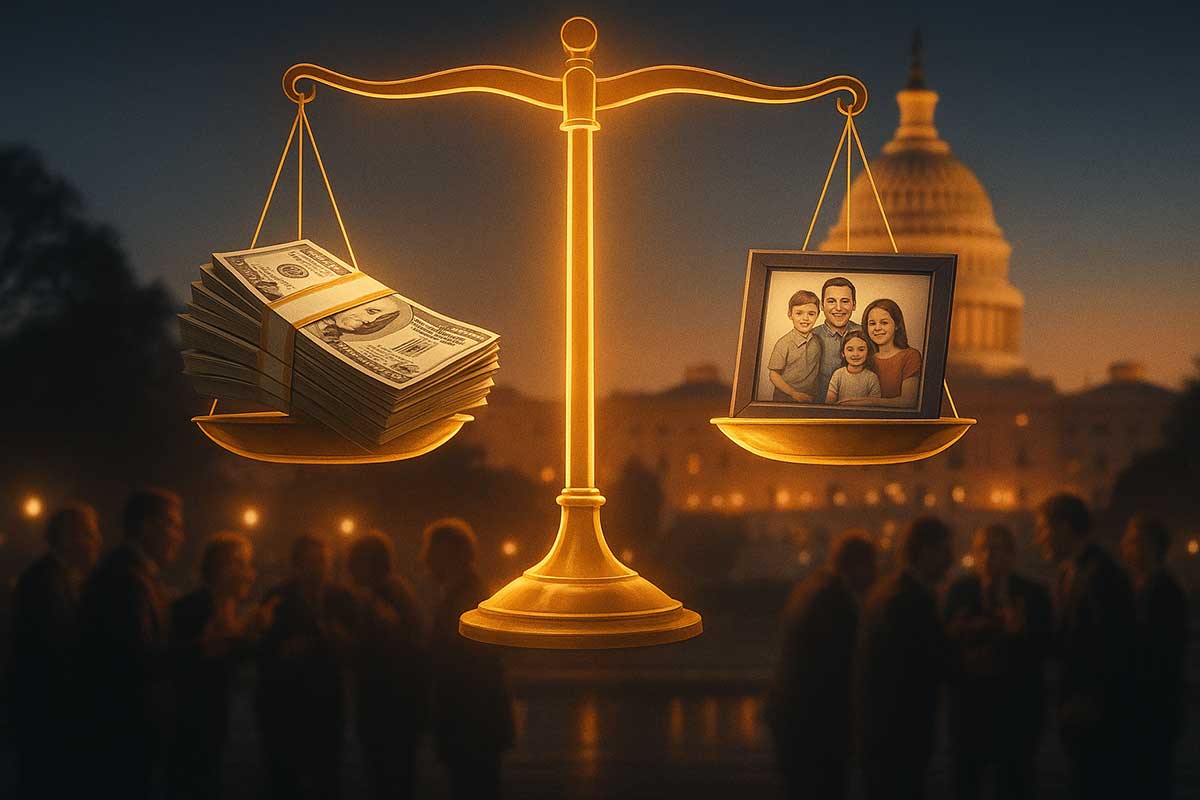
Moderators: Fareed Zakaria (CNN) & Maria Bartiromo (Fox Business)**
Speakers: Elizabeth Warren, Rand Paul, Kamala Harris, Paul Ryan, Larry Kudlow
Scene:
The stage’s background changes to images of grocery prices, debt clocks, and voter polls. Numbers quietly scroll behind the participants. The tension is less emotional now — it’s analytical, focused on truth versus spin.
Fareed Zakaria (opening)
“Tonight we turn to the budget battleground — where ideals meet arithmetic. Senator Schumer said this shutdown is about protecting working families and healthcare. But with debt at record highs, many Americans say they simply want Washington to spend less. So my first question: Can ‘spending more’ still be an act of compassion in a nation drowning in debt?”
Elizabeth Warren
“Absolutely, Fareed. Compassion isn’t about numbers — it’s about values. The debt didn’t explode because we fed children or gave people healthcare. It exploded because billionaires and corporations got tax breaks while working families got crumbs. Investing in people is not the problem — it’s the solution.”
Rand Paul
“Elizabeth, you call it investing; I call it overdrafting. You can’t fix inequality by bankrupting the nation. Americans want discipline, not slogans. The idea that every spending increase equals compassion is Washington’s favorite delusion.”
Kamala Harris
“Rand, discipline without empathy leads to decay. You can’t balance a budget by cutting the moral fabric that holds our communities together. A nation that can afford war can afford healthcare.”
Paul Ryan
“That’s exactly the rhetorical sleight of hand that’s gotten us here. When you equate fiscal responsibility with cruelty, you make budgeting impossible. The real compassion is ensuring our kids aren’t crushed by tomorrow’s debt.”
Larry Kudlow
“And polls back that up. Forty-five percent of Americans want less government spending. Only thirteen percent want more. You can’t call it a moral crusade when the majority disagrees. The numbers don’t lie — Washington does.”
Fareed Zakaria (follow-up)
“Senator Harris, if the public wants less spending, yet Democrats demand more, is there a disconnect between moral intention and democratic will?”
Kamala Harris
“There’s always tension between leadership and polling. Sometimes you have to lead the public toward what’s right, not follow fear. Americans don’t oppose spending — they oppose waste. When government works, they trust it. When it doesn’t, they blame everyone.”
Rand Paul
“That’s the issue — it doesn’t work. Government efficiency is an oxymoron. The people want accountability, not expansion. Schumer’s shutdown isn’t about fixing the system; it’s about forcing it to grow when it’s already obese.”
Elizabeth Warren
“Rand, you talk about shrinking government like it’s a gym membership. Cutting social programs isn’t discipline — it’s neglect. The American dream needs maintenance, not austerity.”
Paul Ryan
“Maintenance without limits is decay. Every dollar we spend must come from somewhere. What you call investment, the taxpayer calls interest.”
Larry Kudlow
“And let’s not forget — Schumer’s so-called healthcare fight was a cover for eliminating Medicaid work requirements, something seventy-eight percent of Americans support. This wasn’t about compassion. It was about politics.”
(Maria Bartiromo takes over, her voice sharp, grounded in market realism.)
Maria Bartiromo
“Let’s look at the data. Americans overwhelmingly support cutting waste and fraud — over seventy percent say we could save billions doing so. Why then do leaders like Schumer resist cost-saving reforms and label them ‘cuts’? Is it ideological blindness, or political self-preservation?”
Paul Ryan
“Maria, it’s political oxygen. If you stop calling reforms ‘cuts,’ the panic disappears — and with it, their platform. Democrats have built an identity around crisis; fiscal calm is their kryptonite.”
Elizabeth Warren
“That’s a cynical take, Paul. Reform isn’t neutral when it punishes the poor. Fraud is bad — but don’t use that as camouflage for gutting programs that keep people alive.”
Rand Paul
“And don’t use empathy as camouflage for inefficiency. Every dollar misused is a dollar stolen from the next generation. Schumer’s shutdown was never about saving programs — it was about saving political face.”
Kamala Harris
“It’s about fairness, Rand. Don’t reduce justice to a spreadsheet. If you want people to work, give them healthcare, education, and a living wage. You don’t get productivity from poverty.”
Larry Kudlow
“And yet, the data says otherwise. Work requirements increase participation and reduce dependency. Schumer’s fight wasn’t moral — it was ideological. He turned compassion into a campaign brand.”
Maria Bartiromo (final question)
“Then let’s end on this: If fiscal sanity polls higher than government expansion, why do politicians still sell spending as virtue? Is the rhetoric of compassion just the new currency of control?”
Rand Paul
“Yes. Every emotional argument hides a financial motive. Washington buys loyalty with other people’s money — and calls it love.”
Elizabeth Warren
“No, Rand. It’s called social responsibility. You can’t grow a country by starving it.”
Paul Ryan
“You also can’t save it by smothering it. Compassion and competence must coexist. Schumer’s shutdown showed what happens when one replaces the other.”
Kamala Harris
“Competence must serve justice. Otherwise, we end up balancing the budget on broken backs.”
Larry Kudlow
“And yet, Americans know — you can’t spend your way into virtue. Schumer gambled that pain would make him look principled. Instead, it made him look political.”
(Fareed Zakaria leans in for closing reflection.)
Fareed Zakaria (closing reflection)
“Perhaps the real divide isn’t between left and right — but between vision and math. The struggle to reconcile morality with money defines every shutdown. But when compassion becomes cover for calculation, governance turns into illusion.”
Maria Bartiromo (final note)
“And when leaders ignore what Americans actually want — less waste, more responsibility — the nation stops believing in either side. Numbers, after all, are immune to spin.”
Topic 4 — Media Narratives and Manufactured Blame: Who Controls the Story?
Moderators: Jake Tapper (CNN) & Laura Ingraham (Fox News)**
Speakers: Hillary Clinton, Ron DeSantis, Alexandria Ocasio-Cortez, Marco Rubio, Newt Gingrich
Scene:
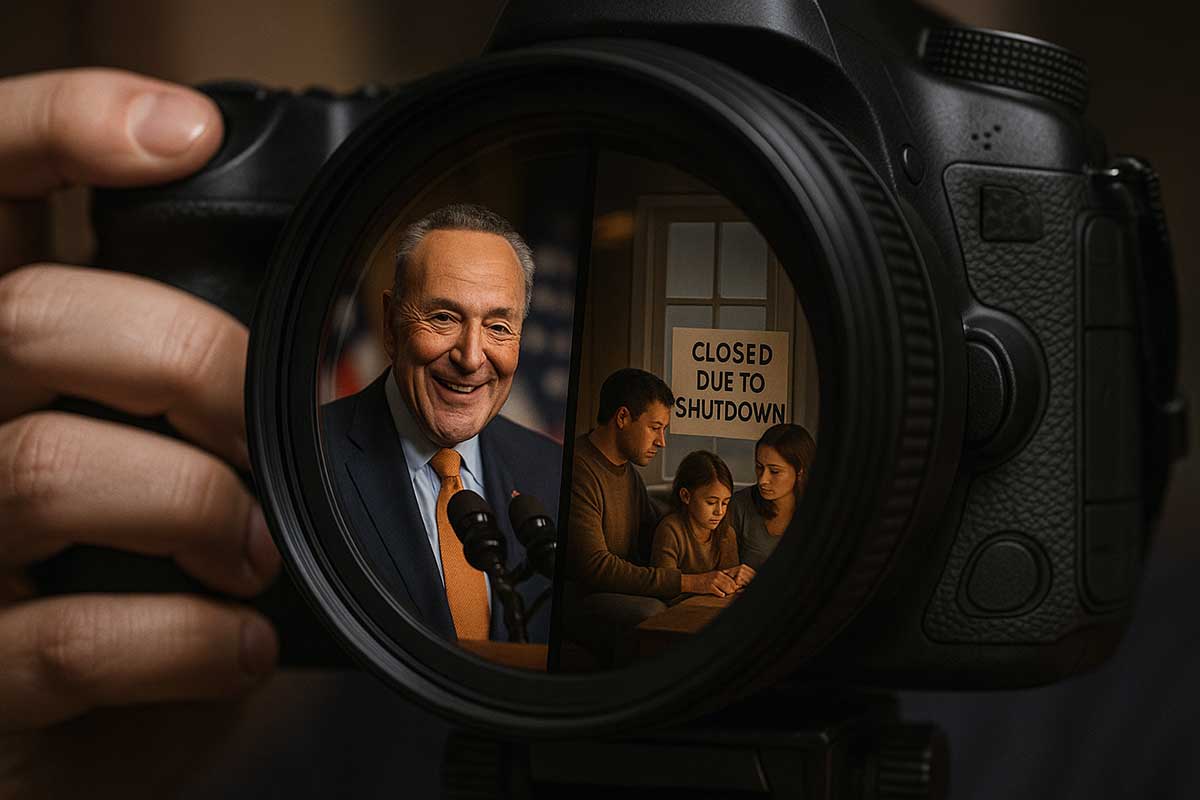
The studio lights flicker over a backdrop of newspaper headlines and split-screen montages of CNN, Fox, and MSNBC coverage of the shutdown. Each guest knows the real battle isn’t in Congress — it’s in public perception.
Jake Tapper (opening)
“Every crisis has two stories — the one that happens, and the one the public believes. Tonight we ask: Has media coverage become an extension of party strategy? Senator Schumer’s comments — that ‘every day gets better for us’ — were reported differently across outlets. Does that say more about the media, or about politics itself?”
Hillary Clinton
“Jake, the media reflects the reality that Republicans created. You can’t complain about coverage when you’ve fueled chaos. The press simply reported Schumer’s resilience in the face of Republican obstruction. If democracy looks messy, it’s because the truth is inconvenient for those in power.”
Ron DeSantis
“Come on, Hillary. When CNN runs 20 straight hours painting Schumer as a hero for closing government, that’s not journalism — that’s campaign marketing. The problem isn’t messy democracy, it’s selective storytelling that protects one party and punishes the other.”
Alexandria Ocasio-Cortez (AOC)
“Ron, you act like media bias is a one-way street. Fox spends entire segments turning compassion into socialism. The truth is, every network plays to its audience. The real issue is whether Americans still have the tools to separate information from manipulation.”
Marco Rubio
“AOC, I’ll agree there’s bias everywhere — but the scale matters. One side has Hollywood, academia, and 90% of the media landscape echoing their talking points. When that happens, voters don’t just get information — they get indoctrination.”
Newt Gingrich
“That’s the key point. Schumer’s strategy only worked because the media turned him from an architect of pain into a symbol of courage. In the 90s, when I faced a shutdown, the coverage was brutal and relentless. Today? Schumer smiles on camera, and the press applauds. That’s not oversight — that’s complicity.”
Jake Tapper (follow-up)
“But Newt, couldn’t one argue that public opinion shifted because Democrats articulated their message better? Isn’t that just good communication, not media bias?”
Newt Gingrich
“Jake, I respect communication. But when reporters repeat talking points instead of challenging them, it’s not communication — it’s collaboration. Journalism’s role is to illuminate, not to endorse.”
Hillary Clinton
“Newt, the media didn’t invent your party’s dysfunction. They report what they see — shutdowns, division, obstruction. You don’t get to call that bias just because the truth hurts.”
Ron DeSantis
“No, Hillary — they report what fits the narrative. During your email scandal, they softened headlines. During Schumer’s shutdown, they romanticized chaos. That’s not truth-telling — that’s emotional framing.”
AOC
“You’re all missing the point. The media doesn’t work for politicians anymore — it works for profit. Outrage sells. Schumer, Trump, DeSantis — we’re all characters in a drama the networks monetize.”
Marco Rubio
“And that drama creates division that keeps Americans from noticing the failures beneath it. The longer people fight over who to blame, the less they notice the debt, the dysfunction, the decline.”
(Laura Ingraham takes over, her tone sharp, investigative.)
Laura Ingraham
“Let’s cut through the moral posturing. Why did most outlets frame Schumer as the defender of democracy — even as he held government paychecks hostage? Is this about ideology or ratings?”
Ron DeSantis
“Both. The corporate press sees Schumer’s worldview as stability — not extremism. They think protecting him protects the status quo. That’s why they called his manipulation ‘leadership.’”
Hillary Clinton
“That’s absurd. He wasn’t protected — he was understood. Leadership means standing your ground, and the media recognized that courage.”
Marco Rubio
“Courage? He shut down the government to gain leverage. The only courage was in the spin. If he’d been Republican, the headlines would’ve read, ‘Heartless stunt leaves families unpaid.’”
AOC
“Maybe that’s because Republicans do tend to shut down government for the wrong reasons — to shrink it. Democrats do it to protect people. Intent matters.”
Newt Gingrich
“Intent always matters, AOC — and Schumer’s intent was to hurt people until the polls moved. The media carried that water for him. That’s why I call it manufactured blame. He didn’t lead the story — he wrote it.”
Laura Ingraham (final question)
“Then let’s close with this: If the media can turn political pain into moral victory, who really governs America — the elected, or the editors?”
AOC
“It’s the algorithms now. The editors follow engagement metrics. Outrage is the new governance.”
Ron DeSantis
“True — but they decide which outrage trends. And that power shapes elections more than any campaign ad.”
Hillary Clinton
“Media doesn’t govern — voters do. But voters rely on facts. The danger isn’t bias — it’s disinformation masquerading as balance.”
Marco Rubio
“Balance without accountability is bias with better lighting. Until journalists rediscover skepticism, politicians will keep scripting their own sainthood.”
Newt Gingrich
“And the people will keep suffering for it. Because when media and politicians merge interests, truth becomes a casualty — and Schumer’s shutdown was its perfect example. It was theater dressed as virtue, and the press handed him the spotlight.”
Jake Tapper (closing reflection)
“Perhaps what we’ve seen tonight is that everyone believes they’re the honest narrator. Maybe that’s the tragedy — that even truth has become partisan.”
Laura Ingraham (final words)
“Or maybe, Jake, it’s simpler: when media becomes the message, politicians like Schumer stop fearing accountability. And that’s when democracy becomes a stage.”
Topic 5 — The Vanishing Center: Why Bipartisanship Is Losing to Partisan Power Plays
Moderators: Norah O’Donnell (CBS News) & Shannon Bream (Fox News)**
Speakers: Barack Obama, Donald Trump, Hillary Clinton, Mitt Romney, Newt Gingrich
Scene:
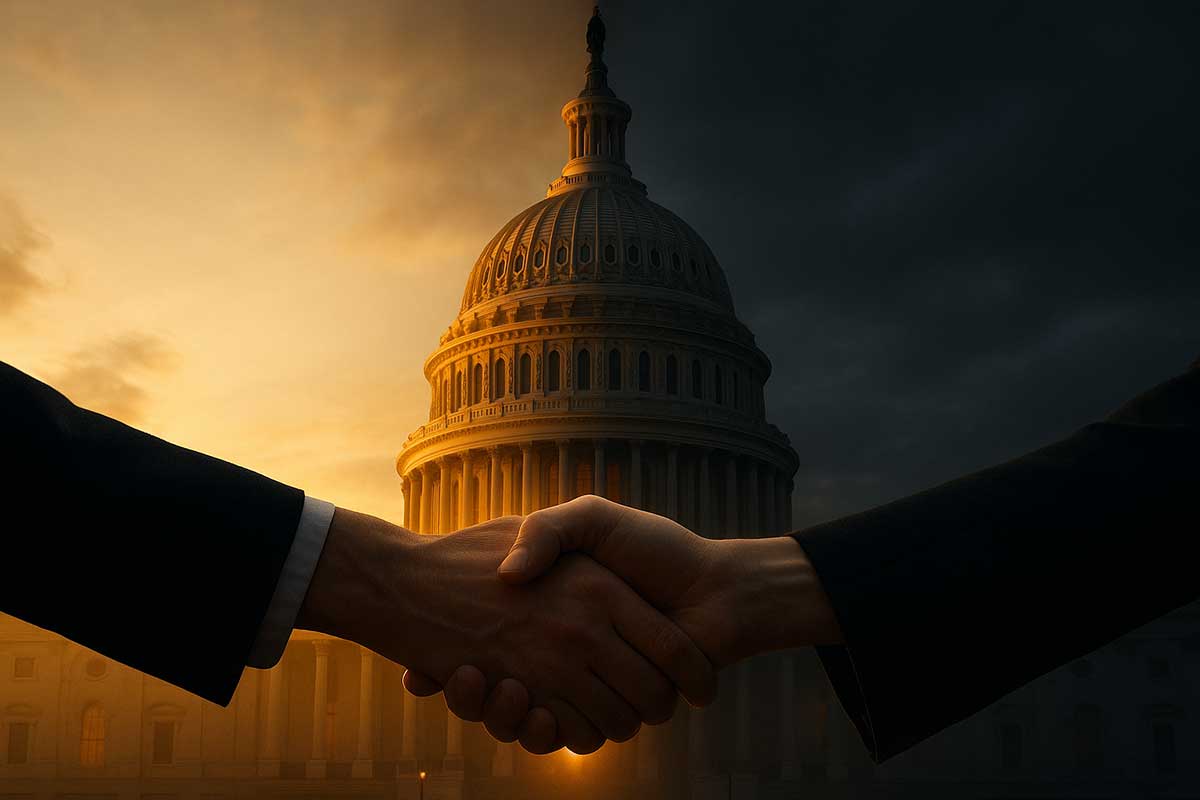
The lighting softens to a dusk-blue hue. The Capitol dome in the backdrop glows faintly, half-lit — symbolizing a government perpetually half-functional. This isn’t a fight now, but an autopsy of democracy’s conscience.
Norah O’Donnell (opening)
“America once prided itself on compromise — the handshake across the aisle, the willingness to meet halfway. But the center seems to be disappearing. My question to begin: When did cooperation become a sign of weakness in Washington?”
Barack Obama
“It began when politics became performance. I saw it firsthand — every decision filtered through cameras, polls, and tribal loyalty. The center isn’t gone; it’s just quiet. But silence doesn’t get airtime. Outrage does. And so we reward the loudest, not the wisest.”
Donald Trump
“Barack, let’s be honest — the center’s not quiet; it’s extinct. The Democrats killed it with identity politics and cancel culture. Schumer’s shutdown was a headline stunt — all theater, no results. The left doesn’t negotiate anymore; they narrate.”
Hillary Clinton
“Donald, please. Negotiation only works when the other side believes in governing. We tried bipartisanship. What we got were obstruction votes and moral lectures. Sometimes strength means standing firm, not meeting halfway with hypocrisy.”
Mitt Romney
“And yet, Hillary, that’s the problem. Everyone believes they’re standing firm for moral reasons. No one admits they’re standing still for political ones. The loss of the center isn’t an accident — it’s an addiction. Washington runs on adrenaline, not wisdom.”
Newt Gingrich
“And that adrenaline has replaced duty. The shutdown Schumer engineered is proof. It wasn’t about policy — it was about position. He turned governing into performance art. The tragedy isn’t his cunning — it’s how normal that’s become.”
Norah O’Donnell (follow-up)
“President Obama, Speaker Gingrich says this behavior is now normalized. Do you agree that Washington rewards performance over progress?”
Barack Obama
“I do. The incentives are broken. Our politics doesn’t just allow spectacle — it demands it. Social media amplifies division, donors fund defiance, and voters confuse passion for principle. Schumer’s play worked because the system is built for it.”
Donald Trump
“Exactly — it’s built for optics. But Schumer didn’t play chess; he played poker with people’s paychecks. The problem is that Democrats call manipulation ‘strategy.’ I call it sabotage.”
Hillary Clinton
“Sabotage? You held the entire government hostage for a wall. The hypocrisy is staggering. Democrats aren’t blameless, but at least we fight for something bigger than ego.”
Mitt Romney
“And yet, both sides swear they’re the moral ones. That’s how the center vanishes — because moral certainty leaves no room for listening.”
Newt Gingrich
“Mitt’s right. The center doesn’t vanish — it’s starved. Every time leaders like Schumer or Trump use crisis to score points, compromise loses oxygen. What’s left is theater — and a stage that feeds on division.”
(Shannon Bream leans forward, tone measured but piercing.)
Shannon Bream
“Let’s talk about leadership. The American people want solutions, not slogans. If bipartisanship is dying, who’s responsible — the politicians, the media, or the voters themselves?”
Donald Trump
“The politicians — 100%. They’re weak, poll-driven, and afraid to lead. Schumer, Biden, even some Republicans — they read headlines instead of history.”
Hillary Clinton
“No, Shannon — it’s the media ecosystem that turned politics into entertainment. Every compromise looks like betrayal when your ratings depend on rage.”
Mitt Romney
“Both of you are right — but I’ll add the voters. We can’t pretend democracy’s a spectator sport. The public rewards outrage with attention. That’s why the extremes win.”
Barack Obama
“I’ll go a step further. The system is caught in feedback loops. Media fuels division; voters feed it back; politicians monetize it. The only way out is moral courage — and that’s in short supply.”
Newt Gingrich
“And that’s the point. The shutdown wasn’t an isolated error — it was a mirror. Schumer’s quote, ‘Every day gets better for us,’ captured a truth bigger than him: America’s leaders now see pain as progress, division as fuel, and the center as weakness.”
Shannon Bream (final question)
“So let’s close with this: If the center is vanishing, can it be rebuilt? Or have we crossed a line where unity itself is just another campaign slogan?”
Barack Obama
“It can be rebuilt — but not by the same tools that broke it. We need empathy that isn’t transactional, truth that isn’t filtered, and leadership that values losing votes over losing soul.”
Donald Trump
“Unity’s great on paper, but you can’t unite with people who see government shutdowns as marketing tools. We need accountability before harmony.”
Hillary Clinton
“Unity starts with honesty — and honesty means admitting both parties profit from division. But I still believe the American heart leans toward hope.”
Mitt Romney
“Unity isn’t a slogan; it’s a discipline. It begins with listening, even when it’s inconvenient. Washington’s forgotten that silence can be patriotic too.”
Newt Gingrich
“Unity will return when truth does. When leaders stop pretending pain is progress. Schumer’s shutdown was a masterclass in power — but a failure of principle. The center will rise again only when courage outweighs calculation.”
Norah O’Donnell (closing reflection)
“Perhaps tonight’s lesson is that bipartisanship didn’t vanish — it was buried under strategy. And yet, the yearning for decency remains, quiet but unbroken.”
Shannon Bream (final note)
“And when the day comes that Washington remembers decency isn’t weakness — it’s strength — maybe then America will open again, not just its government, but its heart.”
Final Thoughts by Newt Gingrich
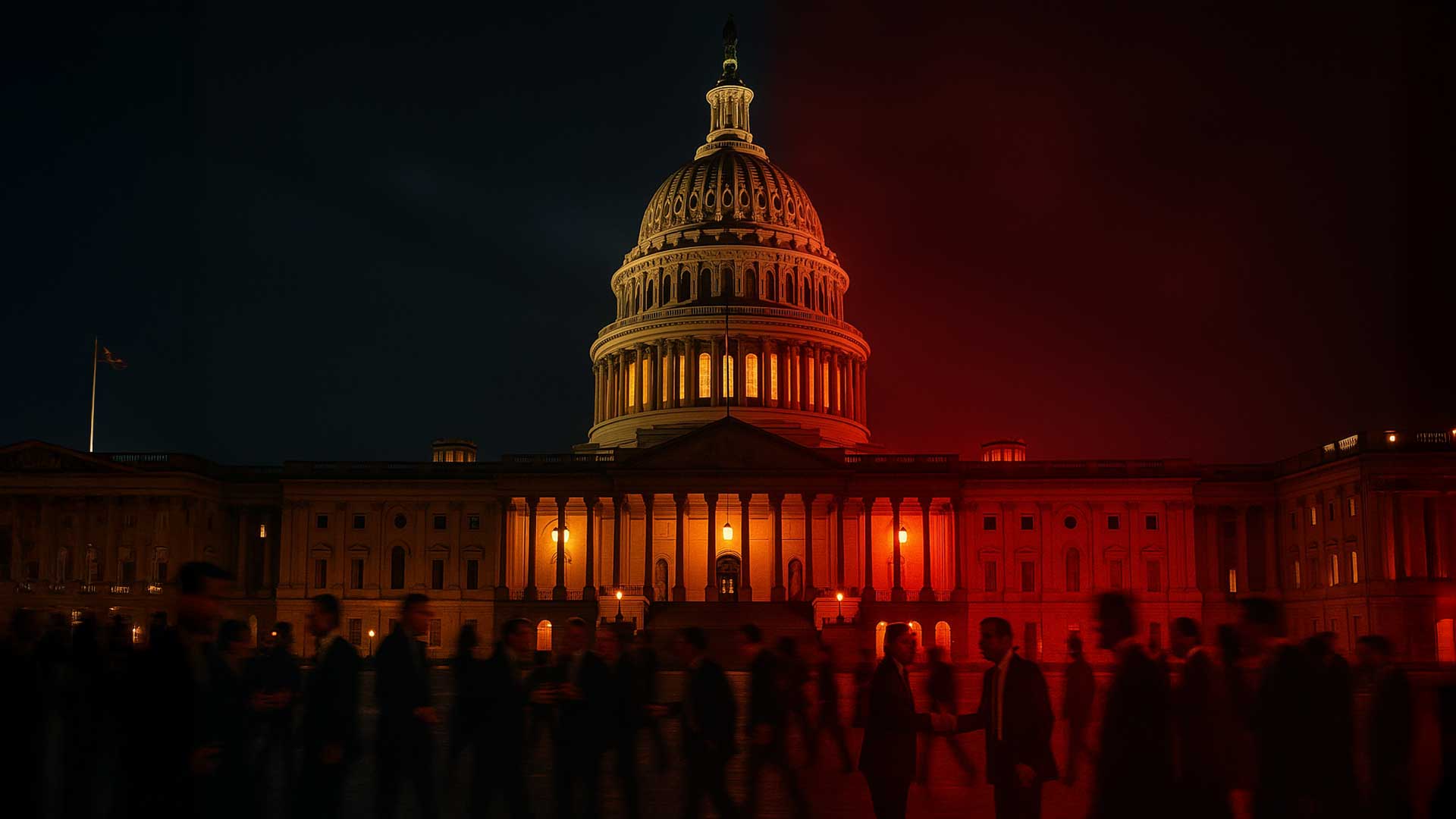
The tragedy of this shutdown is that it didn’t need to happen. The Senate could reopen the government in a matter of hours if it simply voted on the House’s clean funding bill. But instead of choosing responsibility, Schumer chose optics. He’s betting that the American people will forget who closed their government — and remember only who spoke loudest afterward.
Let me tell you something I learned during my own battles in the 1990s: power without principle corrodes everything it touches. You can win the news cycle and lose the nation’s trust. You can dominate the headlines and still betray the people who sent you to Washington. That’s what’s happening here. Schumer’s words — “Every day gets better for us” — will echo long after this shutdown ends, because they reveal not just a tactic, but a worldview.
The American people want government that works, not government that performs. They want solutions, not symbolism. The sooner we remember that public service means serving the public, the sooner we’ll restore sanity to our politics. Until then, each shutdown will last longer, cost more, and erode a little more faith in the very idea of America’s promise. And that, to me, is the greatest loss of all.
Short Bios:
Newt Gingrich — Former Speaker of the U.S. House of Representatives, Gingrich led the 1990s Republican Revolution and remains one of the most influential conservative thinkers on governance and political reform.
Chuck Schumer — Senate Majority Leader from New York, Schumer is known for his tactical mastery and long career shaping Democratic legislative priorities and negotiation strategy.
Mitch McConnell — Republican Senate Leader from Kentucky, McConnell is one of the most enduring figures in U.S. politics, recognized for his strategic use of Senate procedure and emphasis on conservative judiciary policy.
Nancy Pelosi — The first woman to serve as Speaker of the House, Pelosi has been a defining force in Democratic leadership, known for her discipline, strategic acumen, and legislative tenacity.
Kevin McCarthy — Former Republican Speaker of the House, McCarthy played a central role in modern GOP messaging, coalition-building, and congressional leadership.
Joe Biden — The 46th President of the United States, Biden’s five-decade career in public service is rooted in a belief in bipartisanship, empathy, and steady governance.
Donald Trump — The 45th President of the United States, businessman, and media figure, Trump’s populist movement reshaped the Republican Party and the tone of American political discourse.
Bernie Sanders — Independent Senator from Vermont, Sanders has become a leading progressive voice, advocating for universal healthcare, labor rights, and economic justice.
Nikki Haley — Former U.S. Ambassador to the United Nations and Governor of South Carolina, Haley is a prominent Republican leader focused on national security, accountability, and leadership reform.
Ted Cruz — Republican Senator from Texas, Cruz is a constitutional lawyer and fiscal conservative known for his advocacy of limited government and individual liberty.
Elizabeth Warren — Democratic Senator from Massachusetts and former Harvard Law professor, Warren is a national leader on consumer protection, corporate accountability, and financial reform.
Rand Paul — Republican Senator from Kentucky and practicing physician, Paul promotes libertarian ideals, government restraint, and personal freedom.
Kamala Harris — The 49th Vice President of the United States, Harris previously served as California’s Attorney General and U.S. Senator, emphasizing justice reform and equality.
Paul Ryan — Former Speaker of the House and 2012 Republican Vice Presidential nominee, Ryan is known for his focus on fiscal policy, entitlement reform, and budget discipline.
Larry Kudlow — Economist and former Director of the National Economic Council, Kudlow is known for his pro-growth fiscal philosophy and long career as a financial commentator.
Hillary Clinton — Former U.S. Secretary of State, Senator, and First Lady, Clinton remains one of the most influential Democratic figures of her generation, with a legacy focused on public service and global diplomacy.
Ron DeSantis — Governor of Florida and former U.S. Congressman, DeSantis is a leading conservative voice known for his policies on state governance and cultural issues.
Alexandria Ocasio-Cortez (AOC) — Democratic Congresswoman from New York, AOC represents a new generation of progressive leadership focused on climate action, social equity, and economic reform.
Marco Rubio — Republican Senator from Florida, Rubio is recognized for his expertise in foreign policy, faith-based leadership, and economic opportunity.
Barack Obama — The 44th President of the United States, Obama’s leadership was marked by a focus on unity, hope, and pragmatic problem-solving across partisan divides.
Mitt Romney — Senator from Utah, former Governor of Massachusetts, and 2012 Republican presidential nominee, Romney is known for his integrity, moderation, and calls for bipartisan cooperation.
Moderators
Bret Baier — Chief Political Anchor for Fox News, Baier moderates major national debates and is known for his even-tempered journalistic approach.
George Stephanopoulos — ABC News anchor and former White House Communications Director, Stephanopoulos is known for his probing political interviews and policy insight.
Anderson Cooper — CNN anchor and journalist known for his empathetic reporting style and coverage of both political and humanitarian crises.
Dana Perino — Fox News anchor and former White House Press Secretary, respected for her communication skill and balanced conservative commentary.
Fareed Zakaria — CNN host and foreign policy analyst, Zakaria provides global context and historical depth to American political issues.
Maria Bartiromo — Fox Business journalist and economic commentator, known for her analysis of fiscal trends and market impacts on public policy.
Jake Tapper — CNN anchor and political correspondent, Tapper is respected for his direct questioning and focus on accountability.
Laura Ingraham — Fox News host and political commentator, Ingraham is known for her sharp critique of liberal policies and defense of traditional values.
Norah O’Donnell — CBS Evening News anchor, recognized for her composed reporting style and in-depth coverage of national politics.
Shannon Bream — Fox News Sunday anchor and legal journalist, known for her fair-minded moderation and coverage of constitutional and political issues.
Leave a Reply