

|
Getting your Trinity Audio player ready...
|

When I wrote Play Nice, I wasn’t just telling a ghost story—I was telling the story of how it feels to live in a body, in a family, in a world that insists you smile when you want to scream. That phrase—play nice—is a command so many of us inherit. It’s whispered at the dinner table, enforced at work, echoed in our relationships. It’s a script handed to us before we even know we’ve been cast.
The haunted house became my way of pulling at those threads. A house, after all, isn’t just wood and plaster—it’s memory, silence, and the weight of what’s unspoken. When the wallpaper peels, it doesn’t just reveal rot; it reveals the secrets pressed into the walls by those who lived there. That’s what fascinates me. What happens when a house—or a family—refuses to keep your secrets quiet anymore?
Tonight, as we explore these questions together, I’m honored to share space with voices who understand that horror isn’t simply about fear. It’s about exposure. It’s about peeling back the facade of “nice” and daring to ask: what’s really underneath?
(Note: This is an imaginary conversation, a creative exploration of an idea, and not a real speech or event)

Topic 1: The Haunted House as a Mirror of Family Trauma
Rachel Harrison (Moderator):
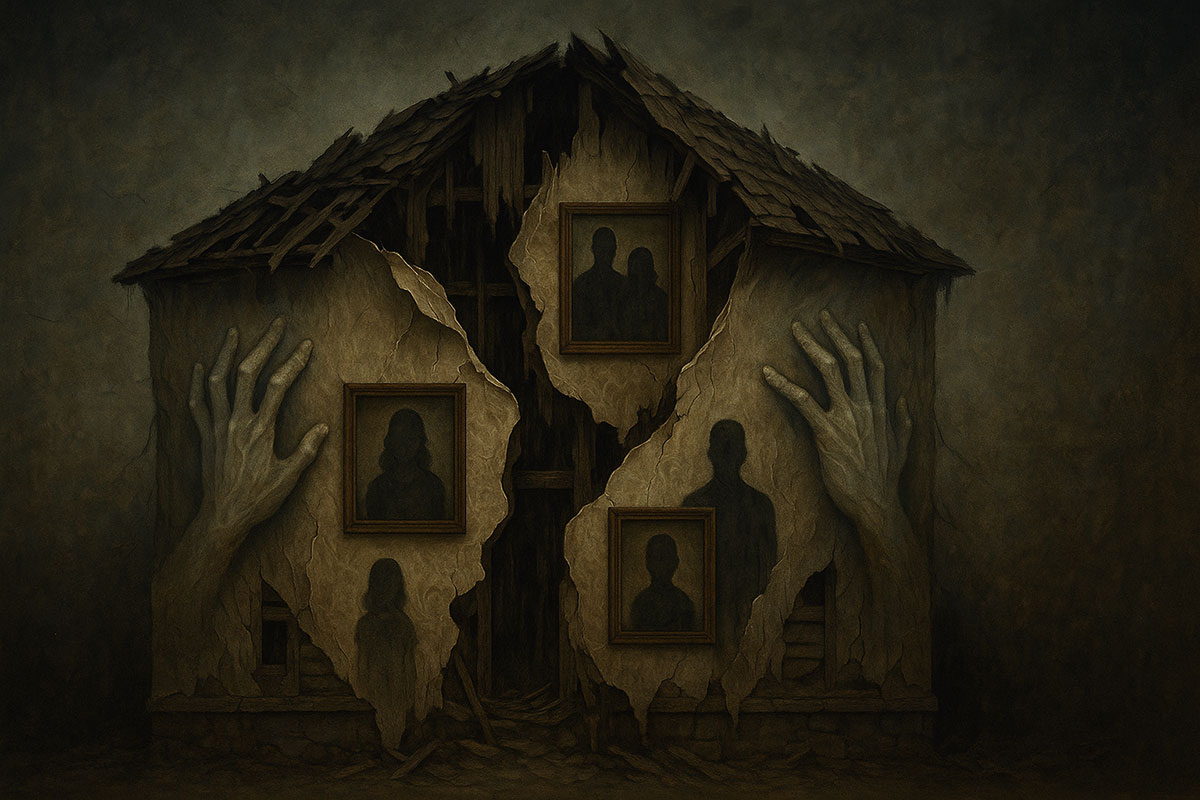
When I was writing Play Nice, I kept circling back to this idea: houses aren’t just places we live—they absorb our memories, our lies, and our wounds. So let me start here: why do haunted houses feel like such natural vessels for family trauma?
Grady Hendrix:
Because family trauma is the ultimate haunting. You can move across the country, get a new job, even reinvent yourself online, but the things your parents said, the silence at the dinner table, the fights in the night—they cling. A haunted house is just a perfect stage set: every creak, every dark corner, every locked room is a metaphor for what the family tried to bury.
Shirley Jackson:
I would agree. In Hill House, I wasn’t interested in whether the house was “really” haunted. It was about how a place amplifies the person inside it. A family brings their fractures into a house; the walls echo them back. Trauma doesn’t dissipate—it reverberates, reshaping the space until the space itself seems alive with memory.
Carmen Maria Machado:
For me, it’s also about the body. A house is like a second skin, an architecture of safety that’s supposed to hold you. When that container turns hostile, when your family makes home feel unsafe, the house becomes an extension of that betrayal. It’s the same violation as someone you love turning cruel.
Paul Tremblay:
I’m drawn to ambiguity. Is the house haunted, or is the family haunted? Or are they haunting each other? The uncertainty mirrors how trauma works—you’re never sure if you remember correctly, never sure what’s real and what’s distortion. The haunted house lets you dramatize that instability in a way readers feel in their bones.
Rachel Harrison:
That’s powerful. Now, let me press further: how much of this haunting is about what we inherit? Are families cursed, or just careless with what they pass down?
Shirley Jackson:
Curses and carelessness are not so different. What is a curse, after all, but the weight of actions carried across generations? Families hand down stories and silences alike. That silence can be more damning than words.
Grady Hendrix:
I think it’s both. Trauma trickles down, but so do coping strategies—bad ones and good ones. A haunted house is like an inheritance you didn’t want: the ugly wallpaper, the debts, the bloodstains. You can’t help but take ownership, even if you try to deny it.
Paul Tremblay:
Inheritance is slippery. Sometimes the past feels like a script you’re forced to perform. Sometimes it’s an unreliable narrator whispering in your ear. My interest is always: can we escape the script, or are we doomed to replay it?
Carmen Maria Machado:
I think inheritance is bodily too. Trauma writes itself into your nervous system. You carry it in how you flinch, how you love, how you keep secrets. So when a house feels haunted, maybe it’s just mirroring the inheritance that’s already inside you.
Rachel Harrison:
One last angle: why do we, as writers and readers, keep coming back to haunted houses? Haven’t we told this story enough—or is there something inexhaustible in the walls?
Carmen Maria Machado:
We return because the home is supposed to be the safest place, and when it betrays you, it’s the deepest violation. That wound never stops being relevant.
Grady Hendrix:
And because it’s fun! Horror is catharsis. A haunted house gives you the thrill of danger from your own couch. It’s like playing with fire while knowing your insurance will cover the damages.
Shirley Jackson:
We return because the house is us. It is our solitude, our secrets, our failures to connect. As long as people long for belonging, there will be haunted houses to remind them of the cost.
Paul Tremblay:
And because every family is haunted. Even happy families carry echoes. A haunted house is just the most honest stage for what we all already know but rarely admit.
Topic 2: “Play Nice” and the Policing of Women’s Behavior

achel Harrison (Moderator):
When I titled my book Play Nice, I was thinking about the endless pressure on women to be palatable—smiling when we’re angry, shrinking when we’re powerful. Let’s open with this: why do you think horror is such an effective space to explore the demand that women ‘play nice’?
Carmen Maria Machado:
Because horror refuses to play nice. It’s disruptive by nature. Women are told to minimize themselves, to soften the edges. Horror takes the opposite route—it magnifies, sharpens, screams. When you put women in horror, you let them break the rules, you let them rage, you let them be grotesque. That’s liberating.
Grady Hendrix:
And the horror audience is ready for it. We’re here to be unsettled, not soothed. So when a story like Play Nice says, “Here’s a woman who refuses your expectations,” horror fans lean in. The genre gives women permission to be messy, complicated, even monstrous—and the audience is primed to accept it.
Shirley Jackson:
I would add that horror makes visible what is usually hidden. The expectation to “play nice” is a kind of haunting—it lingers in every polite smile, every silence. Horror allows us to unmask it, to show how destructive those tiny demands can become when they accumulate.
Paul Tremblay:
I see it as a tension between order and chaos. Society wants women orderly, manageable. Horror thrives on disruption, on chaos seeping through the cracks. That clash is where the most interesting stories emerge—when the mask of civility drops and the raw truth surfaces.
Rachel Harrison:
Let’s go deeper: what happens to women who refuse to play nice? In fiction, in society, what’s the cost of breaking that unwritten rule?
Shirley Jackson:
Exile. Scorn. Sometimes violence. In my own time, writing honestly as a woman earned me both admiration and condemnation. Refusing to conform invites punishment—that is as true in life as it is in horror.
Grady Hendrix:
Yeah, the cost is real—but in stories, that cost can also be inverted. A woman who refuses to play nice might get branded “crazy,” but in horror, “crazy” often means “the only one who sees the truth.” Horror flips the punishment into revelation.
Carmen Maria Machado:
The cost is also internal. You’re made to doubt yourself. You’re told your anger is hysteria, your strength is arrogance. It’s a kind of gaslighting that eats away at you. That’s why horror is so important: it validates those experiences instead of erasing them.
Paul Tremblay:
The cost is uncertainty. Once you refuse to play by society’s rules, you lose its protection. You’re outside the narrative. That’s terrifying, but it’s also where freedom lies.
Rachel Harrison:
One final push: how can horror not just expose, but also resist this demand? What does it mean for horror to refuse to “play nice”?
Grady Hendrix:
It means going too far—and then going further. Letting horror be abrasive, bloody, loud. Don’t sand off the edges. Show the monster and let it roar.
Carmen Maria Machado:
It means reimagining who gets to survive. Women who rage, who refuse, who transgress—they don’t have to die as punishment. They can be the final girls, or the ones who burn it all down.
Shirley Jackson:
It means listening to the voices that were silenced. Giving shape to the whispers at the margins. To write horror that resists is to refuse erasure.
Paul Tremblay:
And it means leaving the reader unsettled. Not offering tidy closure. A horror story that resists playing nice doesn’t soothe you at the end—it lingers like an aftertaste, like a question you can’t shake.
Topic 3: Unreliable Narrators and the Nature of Truth
Rachel Harrison (Moderator):
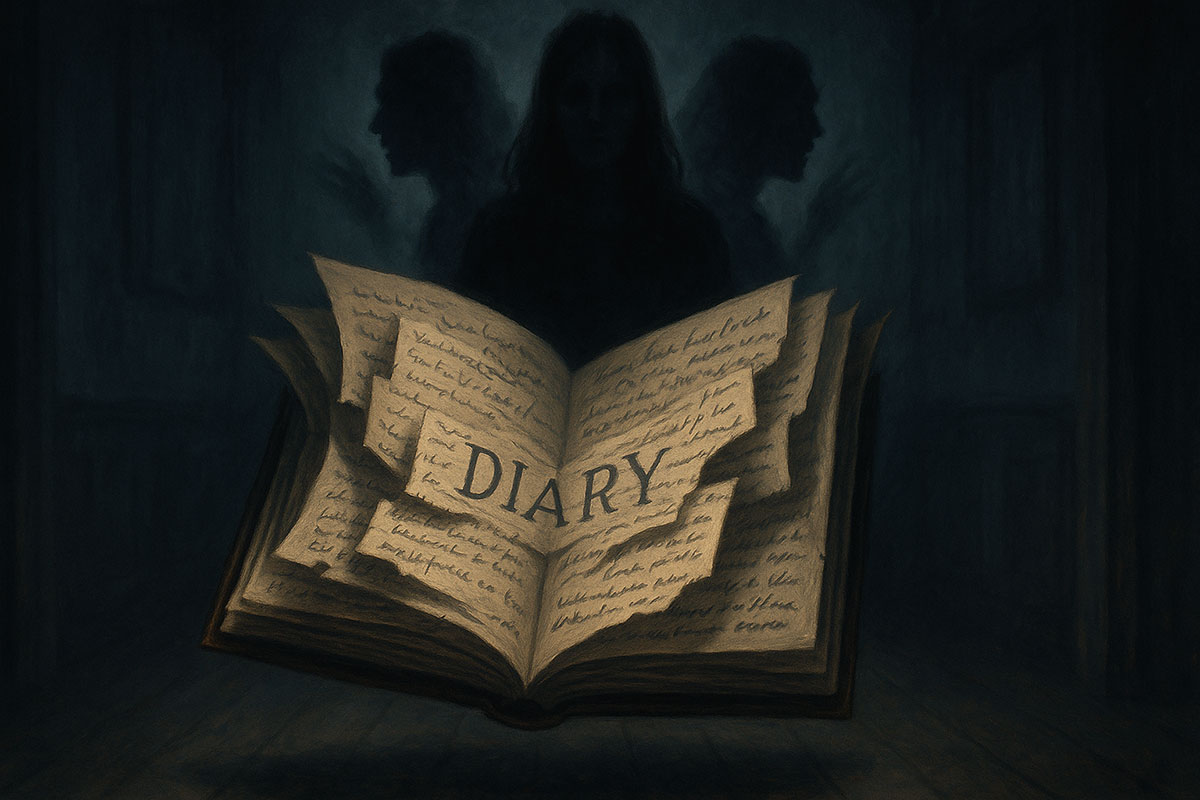
In Play Nice, Clio questions her own memories, her mother’s memoir, and even the house itself. Nothing feels trustworthy. So here’s my first question: why is horror such fertile ground for unreliable narrators?
Paul Tremblay:
Because horror itself is unreliable. You can’t always see what’s coming; you can’t even trust your own senses. If a narrator can’t be trusted, that destabilization mirrors what the reader already feels. Horror thrives on unease, and nothing makes you more uneasy than realizing the storyteller might be lying—or worse, telling the truth as they perceive it, which may be even scarier.
Carmen Maria Machado:
Unreliability also reflects how trauma works. Memory is never neat, never linear. Survivors of trauma often remember in fragments, contradictions, or blanks. Horror can use that fractured voice to both terrify and honor the reality of lived experience.
Shirley Jackson:
I see the unreliable narrator not as deception, but as perspective. In The Haunting of Hill House, Eleanor’s mind is the lens. Her fears color the walls, the rooms, the silence. What others see as harmless becomes ominous through her gaze. Reliability is beside the point; what matters is what her experience reveals.
Grady Hendrix:
And let’s be honest—unreliable narrators are fun. They give you plot twists, gaslighting, those “wait, WHAT?” moments. But beneath the fun, they remind us of something serious: reality is subjective. Horror leans into that messiness instead of pretending there’s one neat version of the truth.
Rachel Harrison:
So if truth is slippery, let me ask: how do readers—or viewers—decide what to believe when a story refuses to give them certainty? Is that ambiguity a gift, or a cheat?
Grady Hendrix:
It’s a gift. Life doesn’t hand you perfect answers, so why should horror? Ambiguity keeps the story alive in your head. You argue about it, dream about it. That’s the power of a good haunting—you can’t shake it off.
Shirley Jackson:
Ambiguity is the soul of terror. The unseen, the unproven, the unspoken—these are more potent than certainty. When you leave gaps, the imagination rushes to fill them, and imagination is always crueler than explanation.
Paul Tremblay:
I wrestle with this constantly. Some readers want answers, others want the uncertainty. For me, ambiguity works when it’s earned—when the uncertainty grows naturally from character, memory, trauma. Then it’s not a trick; it’s truthfully incomplete.
Carmen Maria Machado:
Ambiguity can be a form of resistance, too. Women, queer people, marginalized voices—we’re often told our accounts are unreliable, that we need proof. By embracing ambiguity, horror says: our voices matter, even when they don’t line up neatly with what society accepts as “truth.”
Rachel Harrison:
That’s fascinating. One last question: can horror ever show us the truth—or is its purpose always to leave us questioning?
Shirley Jackson:
Horror shows us emotional truth, even if factual truth remains elusive. Fear, longing, isolation—these are undeniable. The house may or may not be haunted, but Eleanor’s loneliness was real.
Paul Tremblay:
I’d agree. Horror’s “truth” isn’t about evidence, it’s about resonance. If it unsettles you, if it makes you doubt your own certainties, that’s a truth of experience.
Grady Hendrix:
Sometimes horror tells the truth by exaggerating it. Real life gaslighting, abuse, trauma—they’re awful. A demon in the walls just makes the metaphor louder so we can’t ignore it.
Carmen Maria Machado:
And sometimes horror’s refusal to provide closure is the truth. Life rarely ties up neatly. Horror lets us sit in the raw, unfinished edges—and that, ironically, is the most honest thing it can do.
Topic 4: Satire, Humor, and Horror’s Survival Mechanisms
Rachel Harrison (Moderator):
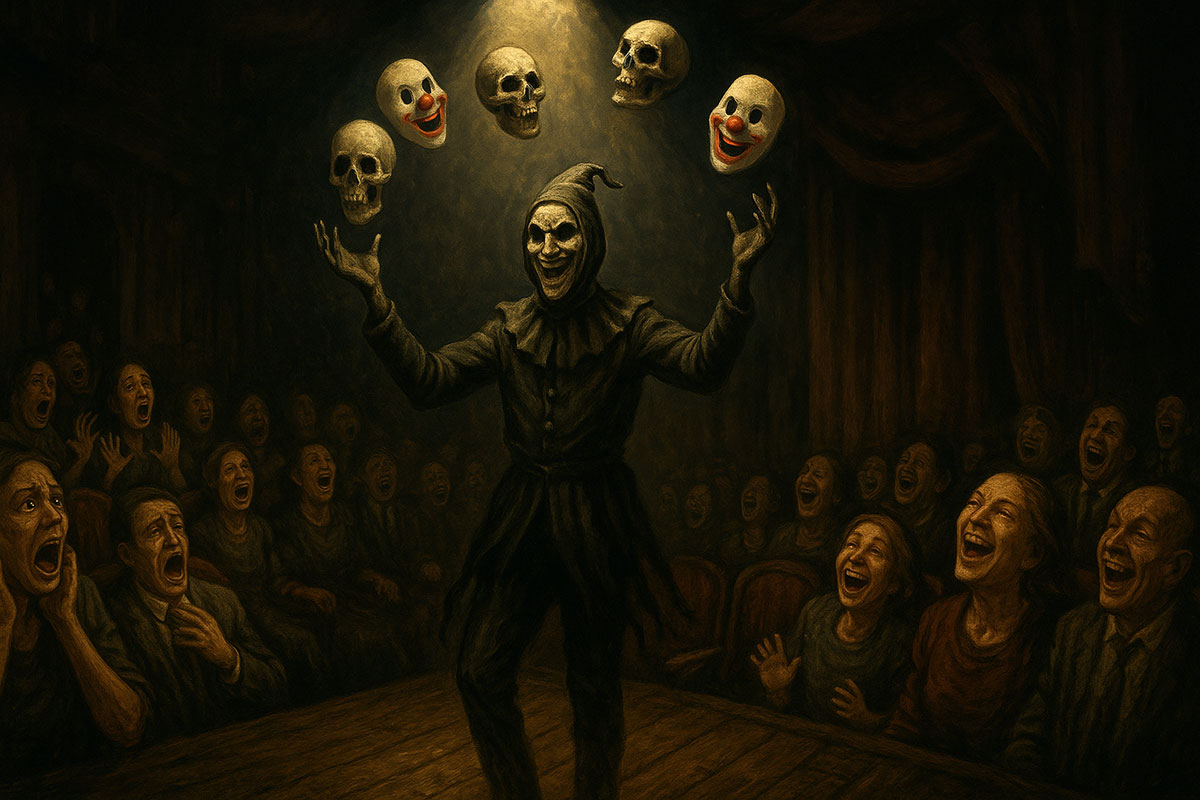
One of the things I love most in horror is when it makes us laugh right after it makes us scream. In Play Nice, there are moments of absurdity that run alongside the terror. So let’s start with this: why do you think humor works so well inside horror?
Grady Hendrix:
Because they’re twins. Both rely on timing, on setup and punchline, on tension and release. You hold your breath in fear or in laughter—it’s the same physical response. Humor lets you survive horror. It’s the nervous chuckle in the dark that keeps you from breaking.
Shirley Jackson:
Humor is also a mask. In polite society, laughter smooths over discomfort. In horror, when that mask slips, the laugh reveals the terror beneath. Sometimes the funniest things are the cruelest truths stated plainly.
Carmen Maria Machado:
I’d add that humor makes space for the grotesque. When we laugh at something horrifying, we’re acknowledging the absurdity of pain, of fear, of trauma. Laughter refuses despair—it’s a survival tactic.
Paul Tremblay:
For me, humor also destabilizes. Just when the reader thinks they’re safe, a joke undercuts the mood, or vice versa. That whiplash is powerful. It reminds us we’re not in control—neither of our fear nor our laughter.
Rachel Harrison:
That’s beautifully said. Now, let me press further: does satire sharpen horror, or risk dulling it? When you make the audience laugh at the system, does it still scare them?
Grady Hendrix:
Satire sharpens the blade. If you can laugh at the ridiculousness of real-life horrors—capitalism, patriarchy, whatever—you see them more clearly. Horror without satire can be just sensation. Satire gives it teeth.
Carmen Maria Machado:
I agree. Satire is an act of exposure. You strip the polite veneer off power structures, and what’s underneath is grotesque. The laugh doesn’t soften it—it magnifies how absurd and cruel those systems really are.
Paul Tremblay:
But there’s a balance. Satire can tip into didacticism if it’s too heavy-handed. Horror works best when it leaves space for unease. If the joke is too sharp, it can slice away the ambiguity.
Shirley Jackson:
Satire is dangerous because it reveals complicity. Laughter can be a defense, but it can also be an admission: yes, I recognize myself in this absurdity. That’s why it stings.
Rachel Harrison:
One last thought: if humor is a survival mechanism in horror, what does it help us survive? The monster on the page—or the world outside it?
Carmen Maria Machado:
Both. The monster is never just the monster. It’s always a stand-in for something larger. Humor reminds us we can still breathe, still resist, even when the real world feels monstrous.
Grady Hendrix:
Yeah, I think humor is the flashlight in the dark. It doesn’t erase the monster, but it lets you see just enough to keep moving forward.
Paul Tremblay:
Humor helps us survive uncertainty. It doesn’t solve the puzzle, but it keeps us from freezing in the face of it. In horror, as in life, laughter is the pause that lets you take the next step.
Shirley Jackson:
And laughter, like fear, is communal. We laugh together in the theater, just as we shudder together. Humor doesn’t just help us survive—it binds us, reminding us we’re not alone in the haunted house of the world.
Topic 5: Legacy and Reinvention of Feminist Horror
Rachel Harrison (Moderator):
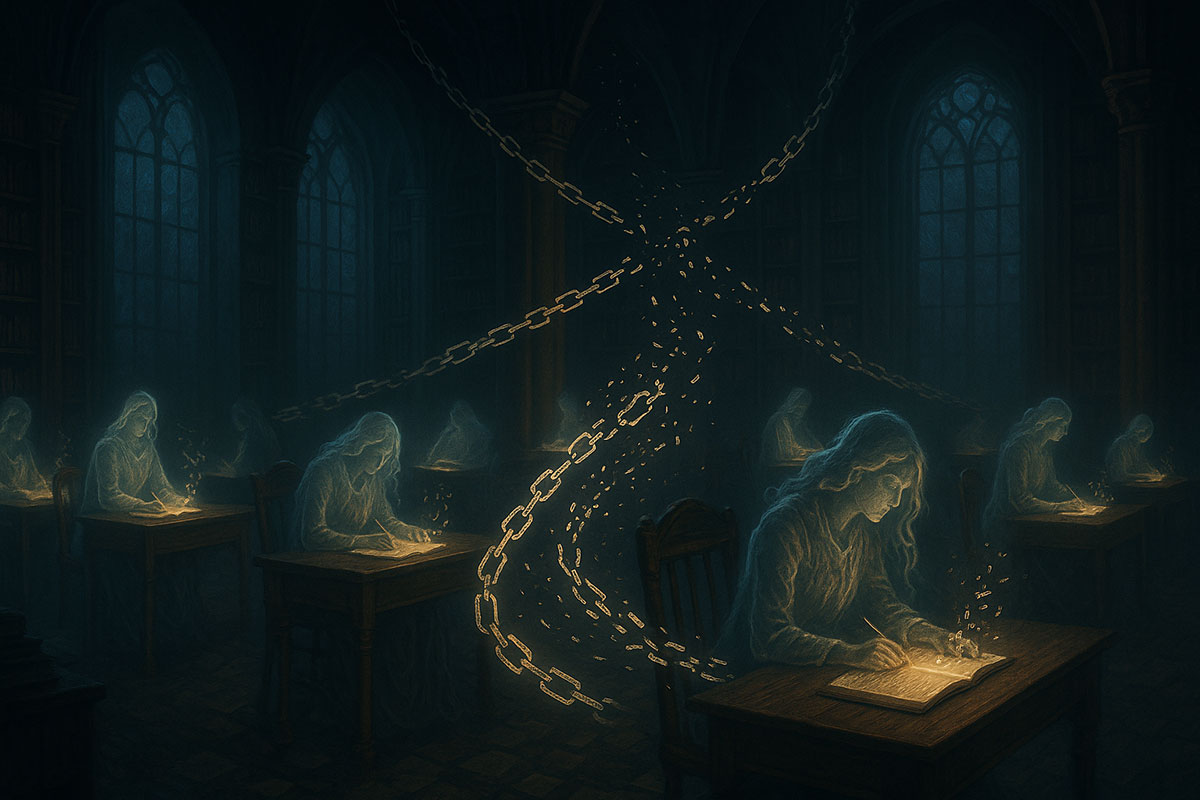
When I wrote Play Nice, I felt connected to a lineage—from Shirley Jackson to today’s horror writers—who’ve used the genre to challenge how women are seen and silenced. Let me begin with this: how have feminist voices reshaped horror, and where do you see that legacy now?
Shirley Jackson:
When I wrote, I never set out to be “feminist” in the sense the term is used today. But I wrote the truth of women’s experiences—of isolation, of dismissal, of the quiet suffocation within the home. If horror has since been called feminist, it’s because those truths resonated. They turned the mundane into the monstrous.
Carmen Maria Machado:
And that’s exactly what we inherited from you. Horror has always been gendered—women as victims, women as witches, women as hysterics. Feminist horror reclaims those roles. It asks: what if the witch is the hero? What if hysteria is insight? What if the victim refuses to die?
Grady Hendrix:
I think feminist horror saved the genre from itself. When horror gets too formulaic—slashers, haunted houses, jump scares—it goes stale. Feminist horror cracked it open again. It reminded us horror can interrogate gender, power, the body. That’s not a side note—it’s what makes the genre vital.
Paul Tremblay:
Yes, and it complicates the question of truth. A feminist lens reminds us that what society calls “unreliable” may be the most authentic perspective. That reshapes horror because it reframes whose voice is trustworthy, whose experience is valid.
Rachel Harrison:
That’s powerful. Now let me ask: what responsibilities do modern horror writers have in carrying this feminist legacy forward?
Carmen Maria Machado:
To keep listening to voices at the margins—queer voices, women of color, trans writers. Feminist horror isn’t just about gender; it’s about resisting erasure in all forms. If we don’t widen the circle, we’re just repeating the old silences in a new key.
Grady Hendrix:
And to keep horror entertaining! Responsibility doesn’t mean preaching. The work has to grab readers by the throat. The feminism, the critique—it works because the story is unforgettable. You honor the legacy by keeping it alive, not embalmed.
Paul Tremblay:
For me, the responsibility is honesty. Horror resonates when it doesn’t flinch. If you’re writing about trauma, or violence, or inequality, don’t tidy it up for comfort. Let it stay messy, because that’s where the truth is.
Shirley Jackson:
Responsibility lies in courage. To write what frightens, even if it invites scorn. To tell the stories others prefer remain unspoken. Horror has always been a vessel for courage disguised as terror.
Rachel Harrison:
One final question: can horror both terrify and liberate at the same time? Or are those two impulses always in conflict?
Shirley Jackson:
They are not in conflict. To terrify is to awaken. And awakening, though frightening, is a form of liberation.
Carmen Maria Machado:
Yes. Liberation often comes with fear. To break free of what confines you means stepping into the unknown. Horror is the perfect metaphor for that threshold.
Grady Hendrix:
Horror’s whole job is to make you feel alive. You’re terrified, but you’re also thrilled. That’s liberation. You scream, then you laugh—you survive. That cycle is freedom in miniature.
Paul Tremblay:
I think horror liberates by refusing false comfort. It says: the world is uncertain, messy, dangerous. And yet, you can face it. To confront fear and not look away—that’s as close to liberation as we get.
Final Thoughts by Rachel Harrison
Listening to these reflections, I’m struck again by the truth that horror is never just about monsters. It’s about mirrors. When we stand in front of these stories—whether it’s a haunted house, an unreliable narrator, or a woman refusing to be silent—we see our own reflections staring back. Sometimes fractured, sometimes grotesque, sometimes powerful.
What horror gives us, when it’s at its best, is permission. Permission to name the unnameable, to laugh when everything hurts, to feel the full terror of what it means to exist in a world that doesn’t always want us to. And in that recognition—in that refusal to be silenced—there is liberation.
Play Nice was never just about possession or family secrets. It was about survival, about reclaiming the voice that was taken, about refusing to play by the rules of a world that insists women remain polite, small, agreeable. Tonight, I feel reminded that horror itself doesn’t play nice—it snarls, it disrupts, it demands. And in that defiance, we find freedom.
So let us carry these stories with us—not as ghosts that haunt, but as sparks that light the way forward. Because sometimes the scariest thing isn’t the house you grew up in, or the whispers in the dark—it’s the silence you’ve been taught to keep. And horror, thank God, will never let that silence win.
Short Bios:
Rachel Harrison
Rachel Harrison is a bestselling horror novelist celebrated for blending dark comedy, feminist themes, and supernatural chills. Her works, including The Return, Cackle, Such Sharp Teeth, and Play Nice, examine the pressures women face under the guise of horror, weaving satire with haunting imagery.
Grady Hendrix
Grady Hendrix is an award-winning author known for reinventing horror with humor and heart. His novels, like My Best Friend’s Exorcism, The Southern Book Club’s Guide to Slaying Vampires, and How to Sell a Haunted House, mix nostalgia, satire, and scares while exploring family bonds and cultural anxieties.
Paul Tremblay
Paul Tremblay is a master of psychological horror whose novels blur the line between reality and the supernatural. With acclaimed works such as A Head Full of Ghosts, Disappearance at Devil’s Rock, and The Cabin at the End of the World, he is known for ambiguity, unreliable narrators, and unsettling family dramas.
Carmen Maria Machado
Carmen Maria Machado is a groundbreaking writer whose work blends horror, fantasy, and memoir to illuminate gender, trauma, and queer identity. Best known for Her Body and Other Parties and In the Dream House, her inventive, genre-defying style has earned her critical acclaim and a devoted readership.
Shirley Jackson
Shirley Jackson (1916–1965) was one of the most influential voices in American Gothic literature. Author of The Haunting of Hill House, We Have Always Lived in the Castle, and the iconic short story “The Lottery,” she reshaped horror by exposing the darkness within everyday domestic life and societal norms.
Leave a Reply