
|
Getting your Trinity Audio player ready...
|
What if Shakespeare wasn’t explaining love, but exposing certainty?
Introduction by William Shakespeare
I did not write this play to explain love.
If I had wished to explain love, I would have written a sermon, or a tragedy, or a warning. Instead, I wrote a comedy—because comedy allows people to behave honestly without noticing themselves.
Watch the lovers before the forest touches them.
They are already certain. Already convinced. Already prepared to swear permanence to feelings they barely understand. No spell is needed for that. Certainty arrives early in human life. Understanding arrives late—if at all.
The forest does not corrupt them.
It merely removes supervision.
I have often been asked why I used magic here. The answer is simple: magic lets actions happen quickly, before thought can interfere. It reveals how little resistance belief actually has. When desire changes, it does so with confidence, not shame.
This is not a play about enchantment.
It is a play about how easily we grant authority to what we feel.
Comedy is my disguise.
Under laughter, I can show confusion without punishment. I can let people behave badly and still send them home smiling. And while they laugh, they recognize themselves—quietly, without defense.
If this play unsettles you slightly, that is no accident.
Dreams do not instruct. They expose.
So come into the forest with me—not to escape reason, but to see how rarely it governs us in the first place.
(Note: This is an imaginary conversation, a creative exploration of an idea, and not a real speech or event.)
Topic 1 — Why Love Feels Certain When It Isn’t
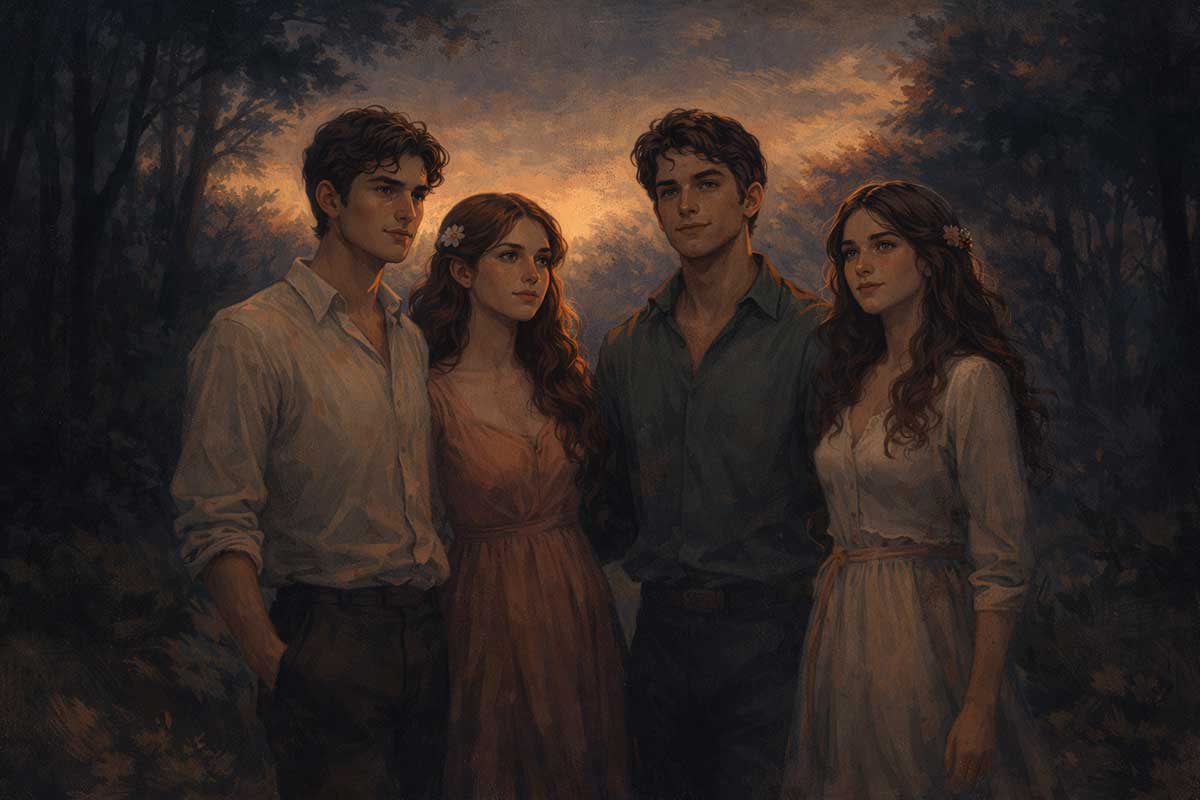
The forest has not yet swallowed the lovers, but certainty already has.
They speak with conviction, not doubt. They swear permanence before experience. This is not hesitation mistaken for love—it is confidence mistaken for truth.
Anne Barton
Before magic intervenes, something else is already unstable. That is where we must begin. Shakespeare gives us lovers who do not question themselves, even as they contradict one another. The first question is unavoidable.
If love can change overnight, why does it feel absolutely certain in the moment?
Harold Bloom
Because certainty is not proof—it is intensity. Shakespeare understood that feeling persuades faster than reason. When the lovers speak, they are not lying. They are convinced. That conviction, however, is psychological, not epistemological.
Helen Vendler
The language matters. Shakespeare writes love as assertion, not inquiry. Declarative lines carry emotional weight. The verse itself presses forward, leaving no room for doubt. Certainty is produced by rhythm as much as belief.
Stephen Greenblatt
Social expectation also reinforces certainty. These characters live in a culture where love is supposed to be decisive. To hesitate would be weakness. Certainty becomes a performance—one rewarded by approval, even when it is premature.
Jonathan Bate
And youth plays its part. Shakespeare does not mock youthful certainty; he records it. Feeling arrives fully formed, long before judgment. Certainty is not the conclusion of love—it is its opening act.
Anne Barton
So, in simple terms: love feels certain because emotion convinces before understanding arrives. That answer may sound modest, but it explains nearly everything that follows.
She pauses, then moves the conversation forward.
Does Shakespeare present confidence in love as truth—or as illusion?
Harold Bloom
Illusion, but not deception. Shakespeare is not exposing fraud; he is exposing fragility. Confidence collapses not because it was false, but because it was unsupported.
Helen Vendler
The poetry signals this subtly. Shakespeare gives us intensity without grounding. The words soar, but they are unattached. The illusion is not that love exists—it is that language can secure it.
Stephen Greenblatt
Comedy allows Shakespeare to show illusion without punishment. In tragedy, false confidence destroys. In comedy, it dissolves. The difference is genre, not diagnosis.
Jonathan Bate
And illusion here is productive. The dream permits exploration. Shakespeare is less interested in condemning false confidence than in showing what it makes possible—movement, error, encounter.
Anne Barton
Which suggests something important for readers: Shakespeare does not warn us against feeling certain. He warns us against mistaking certainty for permanence.
The answer hangs clearly: confidence is not truth; it is momentum.
She turns to the final question, where magic enters—not as cause, but as test.
Are the lovers mistaken because of magic, or because they were already vulnerable?
Stephen Greenblatt
Magic accelerates what already exists. The potion does not create instability; it reveals how little stability there was to begin with.
Harold Bloom
Precisely. If love were rooted, the potion would fail. Its success proves vulnerability, not enchantment. Shakespeare’s magic is diagnostic, not manipulative.
Helen Vendler
Notice how easily attention shifts. Desire follows gaze, not memory. The poetry changes direction without resistance. Vulnerability lives in the language itself.
Jonathan Bate
The forest intensifies this vulnerability by removing social anchors. Without witnesses, roles loosen. The lovers do not become different people—they become unprotected versions of themselves.
Anne Barton
So here is the clearest answer the play gives us: the lovers are not undone by magic; they are undone by readiness. The potion works because belief is already unstable.
She allows that to settle.
What Shakespeare offers in this opening movement is not chaos, but exposure. Love feels certain because the heart seeks coherence before it earns it. The forest will deepen the confusion, but it does not invent it.
Certainty, we learn, is not a guarantee. It is a condition—temporary, persuasive, and dangerously convincing.
The dream has not yet begun.
But belief already has.
Topic 2 — What Happens When Social Order Falls Asleep

The lovers cross into the forest believing they are escaping constraint. What they do not realize is that order does not vanish—it loosens. And when it loosens, it reveals what discipline had been holding in place.
Stephen Greenblatt
Shakespeare gives us two worlds that touch but do not merge. Athens represents law, hierarchy, and permission. The forest represents what happens when those systems stop supervising behavior. Our first question is not whether the forest is chaotic—but what that chaos actually does.
Is the forest a place of freedom—or a place where responsibility disappears?
Northrop Frye
In comic structure, the forest is a ritual space. It exists so that society can momentarily forget itself. Freedom here is conditional. It is not an alternative order—it is an interruption.
Marjorie Garber
Freedom without responsibility is seductive. In the forest, identities soften. Promises lose weight. That feels like liberation—but it also removes accountability. The same condition that frees also endangers.
Jonathan Bate
Shakespeare’s forests are not utopias. They are testing grounds. Characters enter believing freedom will clarify them. Instead, it destabilizes them. Responsibility does not vanish—it is deferred.
Stanley Wells
On stage, this is visible. Characters move differently. Voices rise. Physical distance collapses. The audience senses permission, but also exposure. Freedom here is experiential, not ethical.
Stephen Greenblatt
So the plain answer is this: the forest offers freedom from rules, not freedom from consequence. Responsibility doesn’t disappear—it waits.
He lets that answer land before turning the question inward.
When rules dissolve, do people reveal their true selves—or lose themselves?
Northrop Frye
Comedy assumes revelation. Characters shed artificial roles and discover something essential. But Shakespeare complicates this. What is revealed may not be a “true self,” but a reactive one.
Marjorie Garber
Exactly. Without structure, desire becomes imitative. Identity is no longer anchored. The self does not emerge—it disperses. That dispersion feels authentic only because constraint has lifted.
Jonathan Bate
Shakespeare does not suggest there is a single true self waiting beneath society. He shows selves as situational. Change the environment, and behavior follows.
Stanley Wells
Actors experience this acutely. The forest scenes invite improvisation-like energy. Characters interrupt, misread, pursue impulsively. The loss of rules does not reveal essence—it reveals volatility.
Stephen Greenblatt
So the clearest answer is this: when rules dissolve, people don’t discover who they are—they discover how little holds them steady.
The conversation tightens. The forest is no longer romantic; it is diagnostic.
Greenblatt moves to the final question—the one that matters beyond the play.
Does society need controlled disorder—or is disorder always dangerous?
Northrop Frye
Society needs ritual disorder. Comedy depends on it. Without interruption, systems harden. The danger lies not in disorder itself, but in forgetting to contain it.
Jonathan Bate
The forest is temporary by design. Shakespeare ensures return. Disorder is tolerated only because it ends. That ending reassures the audience—and protects society.
Marjorie Garber
But containment is power. Who controls when disorder begins and ends? The lovers believe they choose freedom, but the play decides when it stops. That imbalance matters.
Stanley Wells
Performance makes this visible. Music changes. Lighting shifts. Morning arrives abruptly. The audience feels relief. Disorder becomes acceptable only because authority returns on cue.
Stephen Greenblatt
So here is the answer that Shakespeare leaves us with: societies require controlled disorder to remain flexible—but uncontrolled disorder threatens coherence. The forest is not an escape. It is a pressure valve.
He pauses.
What A Midsummer Night’s Dream shows us in this middle movement is not chaos as liberation, but chaos as exposure. Remove structure, and certainty collapses. Remove supervision, and desire accelerates. Remove witnesses, and responsibility thins.
The forest does not free the lovers from society.
It reveals how much society was holding together.
Order has fallen asleep—but it has not died.
And when it wakes, nothing will be quite as innocent as before.
Topic 3 — Is Love Chosen, or Is It Contagious?

Desire in the forest does not move in straight lines. It ricochets. Eyes follow eyes. Affection transfers with alarming speed. What looks like romance begins to resemble mimicry.
Marjorie Garber
Shakespeare stages desire as something that travels. It passes from person to person, often without consent or reflection. Our task is to understand whether anyone here is truly choosing—or merely catching—what others already feel.
Why do characters desire whoever others desire rather than who they know?
Harold Bloom
Because desire is awakened by recognition, not familiarity. Shakespeare shows us that longing intensifies when it is mirrored. We want what appears wanted. That is not weakness—it is how consciousness learns what to value.
Anne Barton
The play makes this visible through speed. Affection switches targets faster than reason can follow. That speed tells us something crucial: desire here is reactive. It answers stimulus before it forms judgment.
Jan Kott
There is cruelty in this. To be desired because someone else desires you is to be reduced to an object. Shakespeare’s comedy allows us to laugh, but the mechanism is ruthless.
Terry Eagleton
And social pressure magnifies it. Desire is not private; it circulates. The lovers respond to shifts in power and attention. Attraction follows momentum.
Marjorie Garber
So the simple answer is this: the characters desire what others desire because desire is socially transmitted. It spreads faster than reflection.
She lets that clarity settle, then sharpens the focus.
Does Shakespeare show love as a choice—or as imitation?
Harold Bloom
Imitation dominates. Choice arrives later, if at all. Shakespeare does not deny agency, but he delays it. Desire happens first. Choice attempts to justify it afterward.
Anne Barton
Comedy depends on this delay. If love were fully chosen, confusion would not occur. Shakespeare builds the play on the gap between impulse and decision.
Jan Kott
Imitation here is not innocent. It produces humiliation and rivalry. Love becomes competitive. The forest turns affection into a zero-sum game.
Terry Eagleton
Which exposes ideology. We like to believe love is autonomous, pure, self-originating. Shakespeare suggests otherwise. Desire is learned behavior.
Marjorie Garber
So here is the answer readers often need: Shakespeare presents love as something we experience before we choose it. Imitation precedes intention.
The conversation turns to the most unsettling implication.
If desire spreads socially, where does personal responsibility begin?
Anne Barton
Responsibility begins where awareness begins. Shakespeare does not excuse harm, but he shows how easily harm occurs before awareness catches up.
Harold Bloom
The lovers are not villains. They are inexperienced. Shakespeare asks us to judge gently—but not blindly.
Jan Kott
Yet consequences remain. Someone is always left humiliated. Comedy allows forgiveness, but it does not erase damage.
Terry Eagleton
Responsibility enters when laughter ends. When desire stabilizes, ethics return. Shakespeare postpones judgment—but he does not eliminate it.
Marjorie Garber
So the clearest answer is this: responsibility begins not at the moment of desire, but at the moment of recognition. The play shows how late that moment often arrives.
What A Midsummer Night’s Dream reveals here is quietly unsettling. Love is not born in isolation. It echoes. It reflects. It catches.
Choice, when it finally appears, arrives after the fact—trying to give shape to something that has already moved.
The dream teaches us that desire feels personal, but behaves collectively.
And that realization—more than any potion—is what truly disorients the lovers.
Topic 4 — Why Laughter Makes Moral Confusion Acceptable
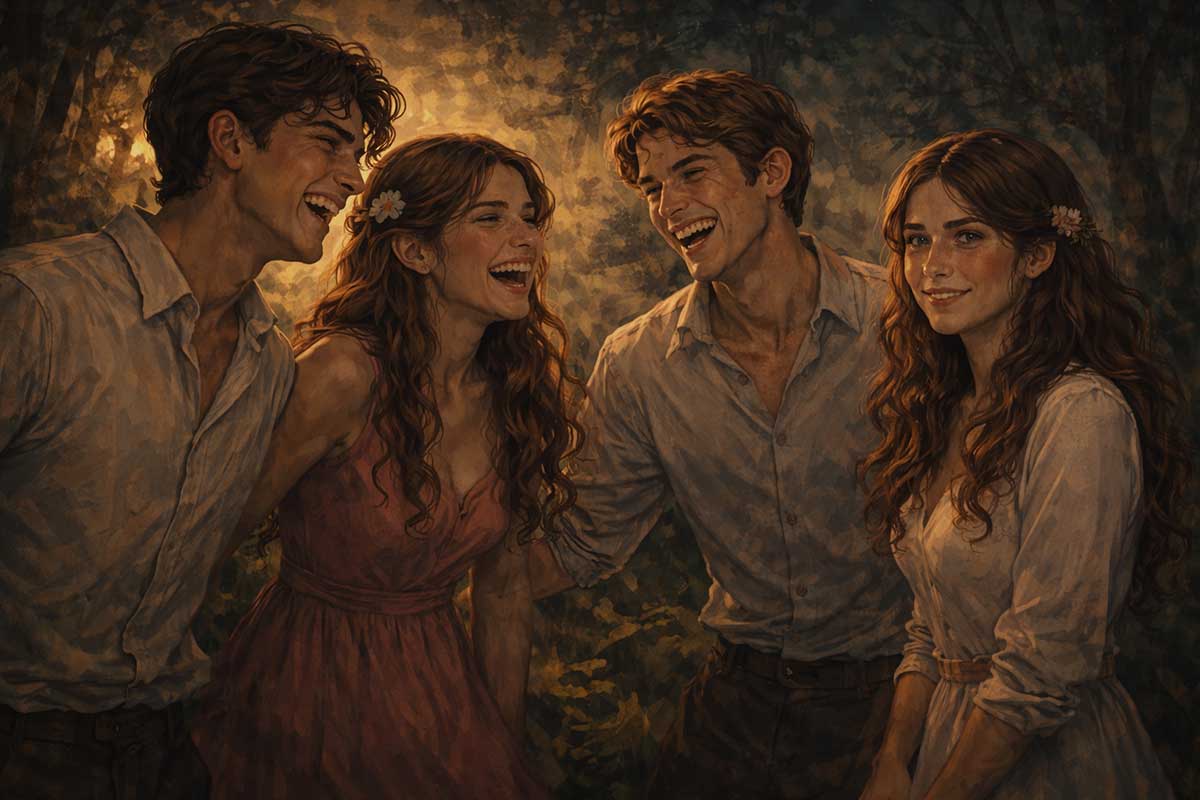
Nothing in the forest is as disarming as laughter. It arrives at the precise moment judgment might harden—and loosens it. Humiliation becomes amusing. Cruelty passes as play. The audience smiles, and something troubling slips by.
Terry Eagleton
Comedy has always been treated as harmless. Yet Shakespeare uses laughter to carry behavior that would feel intolerable elsewhere. That tension demands attention.
Why do we forgive in comedy what would disturb us in tragedy?
Northrop Frye
Because comedy promises restoration. We forgive because we trust the ending. Harm feels temporary, and that expectation reshapes our moral response.
Jan Kott
But that trust is dangerous. Shakespeare’s comedy contains abandonment, ridicule, and fear. Laughter does not remove these—it covers them.
Stephen Greenblatt
The theater amplifies this effect. Laughter is collective. Once the room laughs, judgment softens. What would feel cruel alone becomes acceptable together.
Stanley Wells
On stage, timing governs conscience. A joke arrives before reflection. The audience reacts before it can object.
Terry Eagleton
So the straightforward answer is this: we forgive because comedy reassures us that no lasting harm will occur—even when harm is clearly present.
He pauses, then presses deeper.
Does laughter soften moral judgment—or suspend it altogether?
Northrop Frye
Suspension is closer. Comedy brackets judgment temporarily. The danger is forgetting that judgment was ever meant to return.
Jan Kott
And often it doesn’t. We laugh and move on. The characters do too. Comedy anesthetizes discomfort.
Stephen Greenblatt
Yet Shakespeare also exposes this mechanism. The discomfort remains faintly visible beneath the laughter. The audience senses it, even while enjoying the joke.
Stanley Wells
Actors feel this tension constantly. Push humor too far, and cruelty emerges. Pull back too soon, and comedy collapses. Shakespeare writes precisely for that edge.
Terry Eagleton
Which leads to a clear answer: laughter does not correct moral confusion—it postpones it. Judgment waits until the joke is over.
The room quiets. Eagleton asks the final question, the one that turns outward.
Are we laughing with the characters—or laughing to avoid recognizing ourselves?
Jan Kott
Recognition is unbearable without distance. We laugh to protect ourselves from identification.
Northrop Frye
Comedy depends on partial recognition. Enough to amuse, not enough to accuse. That balance keeps the audience safe.
Stephen Greenblatt
But Shakespeare never lets that safety feel complete. We sense how easily roles could reverse. Laughter becomes uneasy.
Stanley Wells
Performance reinforces this. The laughing crowd mirrors the audience. We watch ourselves watching.
Terry Eagleton
So here is the clearest answer: we laugh not because confusion is harmless, but because laughter allows us to endure recognition without confronting it fully.
In A Midsummer Night’s Dream, comedy does not cleanse moral confusion—it disguises it. Laughter moves the story forward while quietly lowering the cost of harm.
The dream remains playful. The audience remains entertained.
But something unresolved travels with the laughter, waiting for morning.
Topic 5 — Do the Characters Actually Learn Anything?
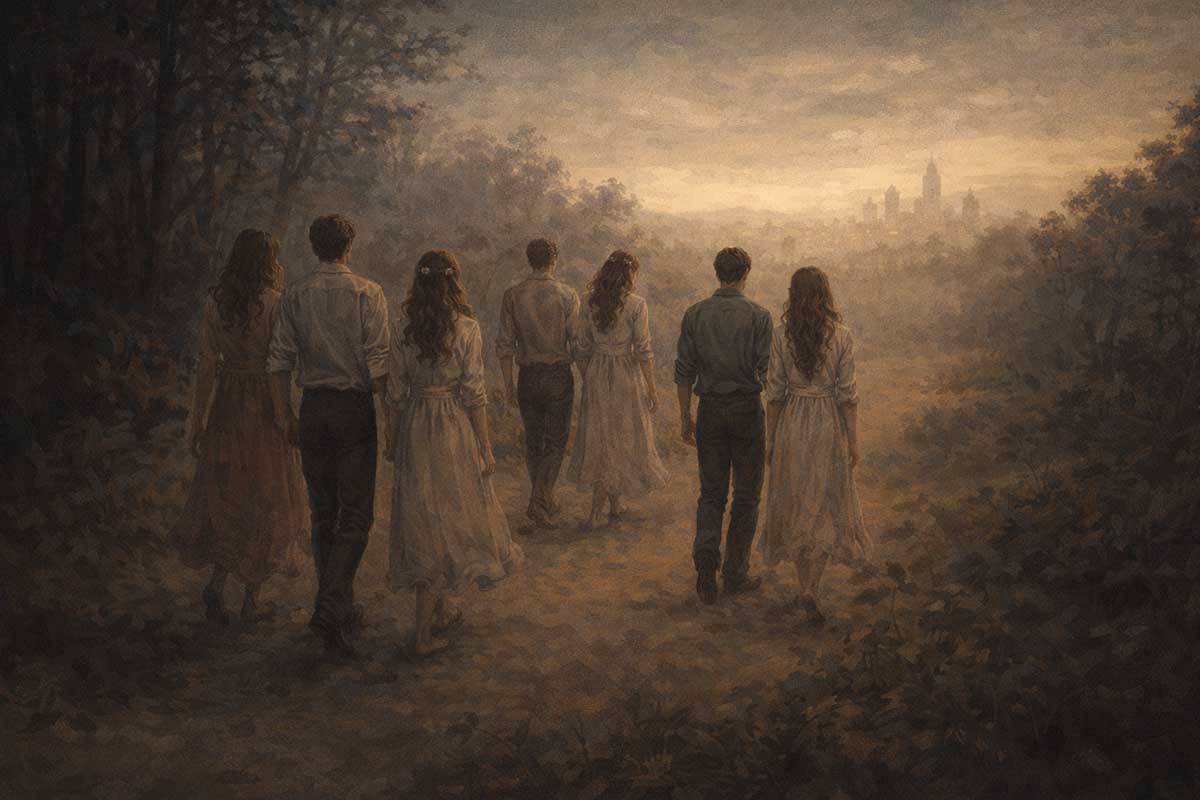
Morning arrives quickly in comedy. Confusion retreats. Pairs realign. The forest releases its hold as if nothing lasting occurred. The lovers wake believing the night was a dream—strange, vivid, and already fading.
Harold Bloom
Comedy promises restoration, not revelation. But Shakespeare often leaves us wondering whether harmony signals growth—or merely relief. That is the question we cannot avoid at the end.
When the dream ends, are the characters wiser—or simply restored to order?
Anne Barton
They are restored more than enlightened. Shakespeare does not show sustained reflection. The lovers accept their pairings quickly, as if the night’s confusion were an inconvenience rather than a lesson.
Helen Vendler
The language confirms this. The verse settles into balance. Emotional turbulence leaves little residue in speech. Poetry restores harmony faster than insight can form.
Jonathan Bate
Yet Shakespeare does not frame this as failure. He may be suggesting that social life depends on forward motion, not self-analysis. Wisdom, if it arrives too forcefully, disrupts continuity.
Marjorie Garber
The dream is absorbed, not processed. Identity confusion dissolves without examination. That smoothness is necessary for the comedy to end—but it is also revealing.
Harold Bloom
So the direct answer is this: the characters are restored to order, not transformed by insight. Growth, if it occurs, is subtle—or deferred.
He moves to the question beneath that restoration.
If harmony returns without understanding, is the ending genuine—or merely cosmetic?
Anne Barton
It is genuine in effect, cosmetic in depth. Society resumes because it must. Shakespeare prioritizes peace over explanation.
Helen Vendler
Form enacts this choice. The play’s music, rhythm, and symmetry resolve tension aesthetically, even if ethically unfinished.
Jonathan Bate
Audiences accept this gladly. The ending satisfies because it feels earned through ordeal, even if nothing has been articulated.
Marjorie Garber
But the cost is forgetting. Structural tensions—authority, obedience, desire—remain unchanged. Harmony covers, rather than cures, instability.
Harold Bloom
Which leads to a clear answer: the ending works because it restores function, not because it resolves meaning.
He turns to the final question—the one Shakespeare leaves deliberately unanswered.
Does Shakespeare place growth in the characters—or in the audience?
Anne Barton
In the audience. The lovers forget so we can remember. Their amnesia makes space for our reflection.
Helen Vendler
Yes. The play’s beauty lingers even as its questions remain unspoken. That imbalance belongs to the viewer, not the characters.
Jonathan Bate
Shakespeare trusts spectators more than his lovers. He allows us to notice how easily certainty forms and dissolves.
Marjorie Garber
The audience holds what the characters cannot: awareness of instability beneath harmony. That awareness is the play’s lasting work.
Harold Bloom
So here is the final answer: Shakespeare does not educate his characters. He educates consciousness itself—by letting the audience carry what the play refuses to explain.
Morning completes the comedy, but not the inquiry. The lovers move on, convinced they are awake. We remain uncertain—and that uncertainty is deliberate.
A Midsummer Night’s Dream ends where it must: with order restored, memory thinned, and meaning transferred outward.
The dream ends.
The question does not.
Final Thoughts by William Shakespeare

Short Bios:
William Shakespeare
English playwright and poet whose works explore love, power, identity, and illusion with unmatched psychological insight. His comedies often reveal human behavior more sharply than his tragedies.
Harold Bloom
Influential American literary critic known for his deep psychological readings of Shakespeare and his emphasis on character consciousness over historical context.
Anne Barton
Renowned Shakespeare scholar celebrated for her clarity on Shakespeare’s comedies, particularly how illusion, misunderstanding, and social order interact beneath humor.
Helen Vendler
Distinguished poetry critic whose work focuses on how language, rhythm, and form shape emotional experience and belief in literature.
Stephen Greenblatt
Founding figure of New Historicism, examining how literature reflects and destabilizes social authority, power, and cultural norms.
Marjorie Garber
Leading literary theorist known for her work on gender, identity, and ambiguity in Shakespeare, especially how desire and roles shift under pressure.
Short Bios:
William Shakespeare
English playwright and poet whose works explore love, power, identity, and illusion with unmatched psychological insight. His comedies often reveal human behavior more sharply than his tragedies.
Harold Bloom
Influential American literary critic known for his deep psychological readings of Shakespeare and his emphasis on character consciousness over historical context.
Anne Barton
Renowned Shakespeare scholar celebrated for her clarity on Shakespeare’s comedies, particularly how illusion, misunderstanding, and social order interact beneath humor.
Helen Vendler
Distinguished poetry critic whose work focuses on how language, rhythm, and form shape emotional experience and belief in literature.
Stephen Greenblatt
Founding figure of New Historicism, examining how literature reflects and destabilizes social authority, power, and cultural norms.
Marjorie Garber
Leading literary theorist known for her work on gender, identity, and ambiguity in Shakespeare, especially how desire and roles shift under pressure.
Leave a Reply