

|
Getting your Trinity Audio player ready...
|
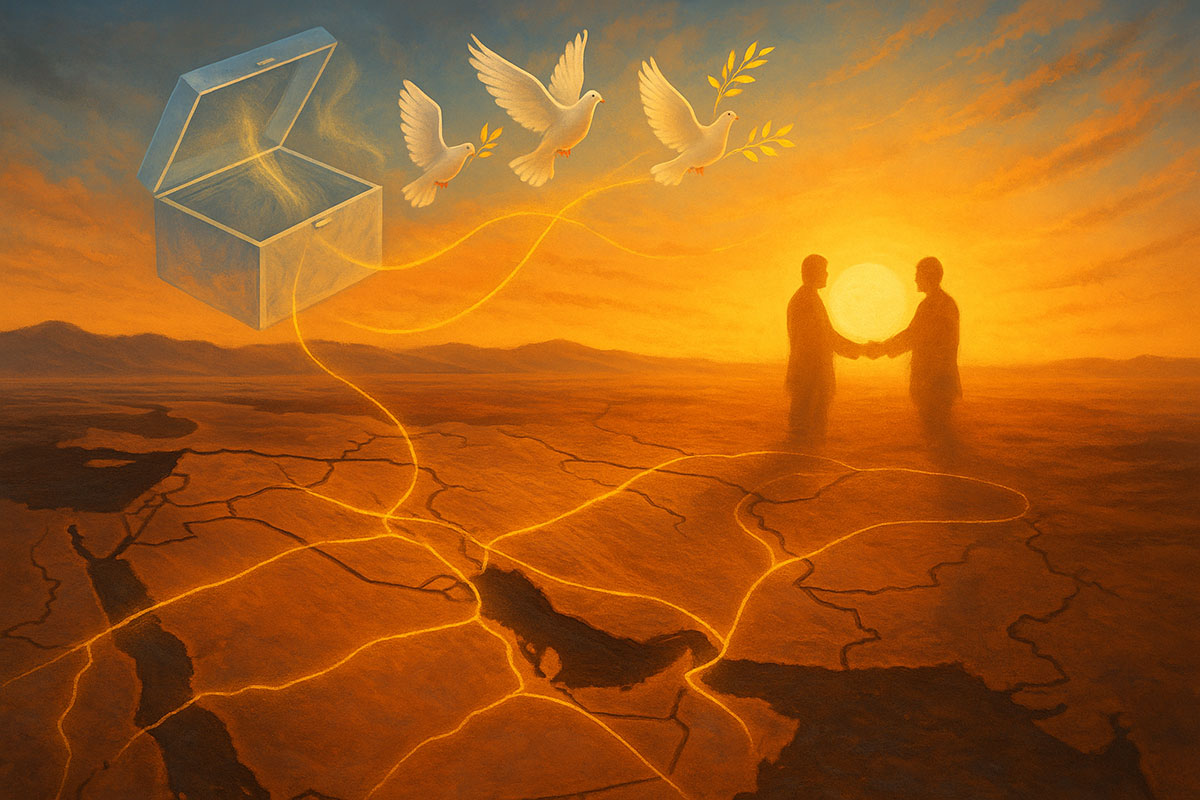
Ban Ki-moon:
When a ceasefire is declared, the world holds its breath—not in triumph, but in hope.
Hope that violence might pause.
Hope that dialogue might resume.
Hope that humanity might prevail, even if only briefly.
But tonight, that hope was broken.
Both sides, within hours, failed to uphold their word. Missiles followed promises. Accusations replaced agreements. And trust—already strained—was once again torn apart.
This moment is not unfamiliar. In conflict zones across the decades, I have witnessed ceasefires hold… and I have watched them collapse. The difference lies not in the words written, but in the will behind them.
This breakdown is not just a failure of politics. It is a failure of imagination—the inability to envision the other side not as an enemy, but as equally human.
Yet we must not let this setback become our surrender.
Let us listen to the voices gathered here. Let us speak not just of what failed, but why it failed—and what, if anything, can still be recovered from the ashes of this fractured ceasefire.
(Note: This is an imaginary conversation, a creative exploration of an idea, and not a real speech or event.)

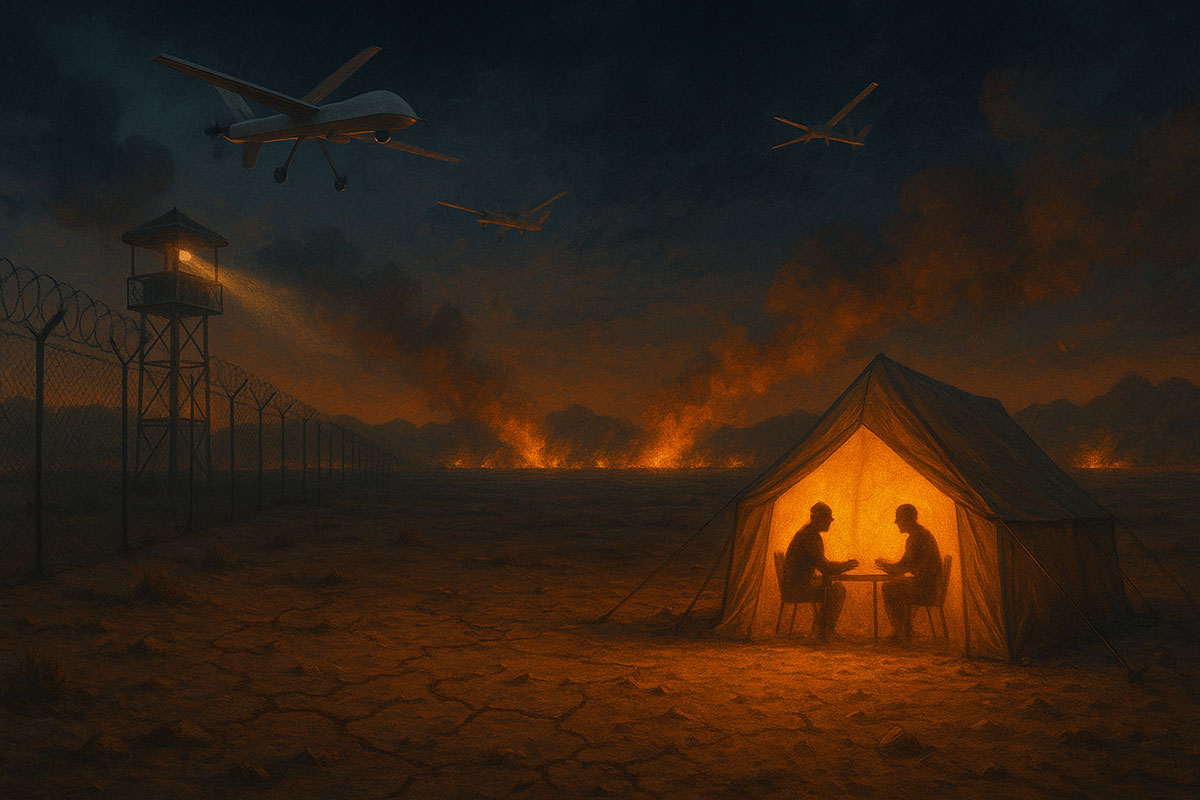
Topic 1: Risk of Regional War – Will the Middle East Spiral into Chaos?
Moderator: Nick Sasaki
Guests:
Trita Parsi
General David Petraeus
Yoav Gallant
Hassan Nasrallah (fictionalized for insight)
Rula Jebreal
Nick Sasaki:
The airstrike that triggered this global moment wasn’t just a missile—it might have been a match in a field of dry brush. Will this act ignite a war that engulfs the Middle East? Let’s begin with this question:
What are the most immediate flashpoints that could explode into a broader regional war?
Trita Parsi:
Iran’s primary calculus is deterrence through asymmetric warfare. You’ll see immediate pressure on American bases in Iraq and Syria, not direct state-to-state battles. But here’s the thing: if Hezbollah attacks Israel in response, or the Houthis target ships in the Red Sea, things escalate very fast. The margin for error is razor-thin.
Yoav Gallant:
From Israel’s perspective, we’ve always known Tehran funds and arms our enemies. The moment missiles from Lebanon or Syria rain down on Israeli cities, we will not hesitate. We will treat it as a unified front and strike decisively—even if it means operations inside Iranian territory.
Rula Jebreal:
Let’s not forget Gaza. If another front opens there, especially with the psychological trauma already present, civilians will suffer the most. Humanitarian corridors will collapse. The “flashpoints” aren’t just military—they're moral and human too.
General Petraeus:
Hezbollah is the tripwire. If they escalate, Israel responds. If Iran then feels the need to “save face,” we could be looking at direct confrontation. Also, Iraq is dangerously unstable—Shi’a militias with loyalty to Tehran could target Americans any day.
Hassan Nasrallah (fictionalized):
We’ve always said that any strike on Iran is a strike on us. We’re not interested in war, but we’re not afraid of one either. The resistance axis isn’t fragmented—it’s coordinated. From Beirut to Baghdad to Sana’a, the response may be gradual, but it’s coming.
Nick Sasaki:
Let’s take it deeper. The region has seen war before, but not with this many actors so heavily armed and politically cornered.
If conflict erupts, who joins the fight—and who stays out?
General Petraeus:
Israel will be all-in. The Saudis might support U.S. moves quietly, especially with Iran targeting their infrastructure before. But countries like Turkey will tread carefully. Jordan and Egypt will want stability more than confrontation. But you can bet the Gulf states are watching this like a chess match—nobody wants to be checkmated into choosing sides.
Trita Parsi:
That’s key—everyone is calculating their exit before they enter. The Saudis are posturing as peacemakers lately, thanks to their China-brokered détente with Iran. But if this escalates, their posture may shift. Also, if Iranian civilians begin suffering too openly, pressure could come from within Tehran to retaliate harder. That pulls in more actors.
Yoav Gallant:
Hezbollah will absolutely join. The IRGC’s Quds Force will push militias in Iraq and Syria into action. As for Egypt and Jordan—they’ll pressure the U.S. and Israel to contain it, but won’t intervene. The wild card? Qatar. They have ties to everyone and may play both diplomat and financier.
Hassan Nasrallah (fictionalized):
The true resistance doesn’t wait for permission from capitals. Our allegiance is to justice, not to regimes. Iraq’s militias, Syria’s defense networks, the Houthis in Yemen—we’re all part of the same heartbeat. If Iran bleeds, the region moves.
Rula Jebreal:
And while men plan wars, women and children will flee. Refugees will pour into Lebanon and Jordan again. The world will forget them after week two. This isn’t just a war between nations—it’s a war on stability, on memory, on families. Even if some governments stay out, the region won't be spared.
Nick Sasaki:
Final question. With tensions at this boiling point, what would it actually take to prevent a full-blown war from erupting this year?
Yoav Gallant:
Clear red lines, not vague warnings. If Iran knows that a Hezbollah missile barrage equals regime-level consequences, they might pull back their proxies. Strength, in this context, can be a form of restraint.
Trita Parsi:
Diplomacy must be back-channeled immediately. The U.S. needs to communicate with Iran via Oman, Qatar, or Switzerland. If both sides can agree on boundaries—like no direct attacks on oil infrastructure or no strikes inside each other’s homelands—we might stay out of the abyss.
General Petraeus:
De-escalation demands credibility. Both sides need to believe the other is rational. Military exercises should pause. Crisis hotlines must be reopened. We also need to manage miscalculation—one drone strike too far, and it’s over. Intelligence sharing with allies will be crucial.
Hassan Nasrallah (fictionalized):
The only thing that prevents war is respect. You cannot bomb your way to peace. If you attack our sovereignty and expect silence, you will be disappointed. But if you treat Iran and its allies as equals in negotiation, the region might breathe again.
Rula Jebreal:
To stop war, we must center humanity. Show grieving Israeli mothers and Iranian fathers on the same screen. Let the public see each other—not just the enemy. War lives in dehumanization. Peace lives in visibility.
Nick Sasaki:
You’ve all reminded us that behind strategy are souls. This isn’t a chessboard—it’s a cradle of civilization. Whether this moment births war or restraint depends on whether reason, compassion, and courage can outpace vengeance.
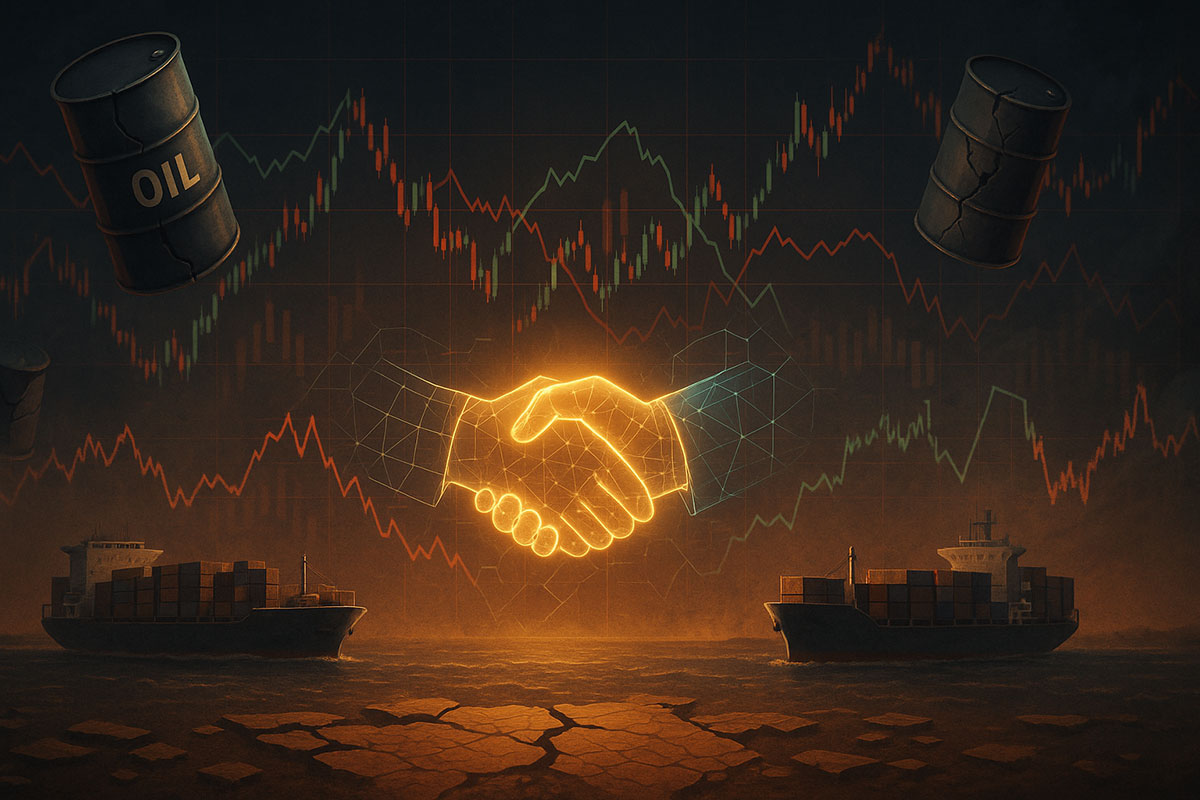
Topic 2: Global Shockwaves – How Could This Impact the World Economy?
Moderator: Nick Sasaki
Guests:
Nouriel Roubini
Robert Malley
Fatih Birol
Zanny Minton Beddoes
Patrick Pouyanné
Nick Sasaki:
If war breaks out in the Middle East, the effects won’t stay local. The world economy is still fragile after the pandemic, inflation, and global supply chain shifts. Let’s start with this:
If the region explodes, what parts of the global economy will be hit first—and hardest?
Fatih Birol:
The oil market is the most obvious. Even the threat of conflict in the Gulf region causes prices to spike. If tankers are attacked in the Strait of Hormuz—through which a fifth of global oil flows—$150 a barrel is not out of the question. That means higher energy costs globally, especially in Europe and Asia.
Zanny Minton Beddoes:
It’s not just oil. Insurance rates for shipping will skyrocket. Inflation, already sticky in some countries, could rise again. Central banks will be forced into tough choices—tighten policy and risk recession, or let inflation burn longer. The economic ripple will touch everything: groceries, fuel, interest rates.
Nouriel Roubini:
Let’s be blunt: this is stagflation territory. If oil spikes and global confidence drops, we’re looking at economic contraction with rising prices—again. Markets would tank. Capital would flee emerging economies. And remember, the global debt load is historic. Another shock like this could cause defaults in fragile nations.
Robert Malley:
What’s often overlooked is how sanctions regimes will intensify. The U.S. might move to block Iran from more global banking access. In response, Tehran could further weaponize oil and partner more deeply with China and Russia. That shifts the economic chessboard away from the West.
Patrick Pouyanné:
As someone running a global energy company, I can tell you that contracts become chaos during war. Infrastructure is at risk—pipelines, LNG terminals, even cyberattacks on energy grids. One cascading outage in the Gulf, and supply timelines become unreliable for weeks. That hits manufacturers and transport everywhere.
Nick Sasaki:
We’re entering a new kind of warfare where economics are the battlefield. Let’s look at the broader picture.
Could this crisis accelerate a long-term shift in global alliances or trade structures?
Zanny Minton Beddoes:
Absolutely. China and Russia have been pushing to reduce their dependence on U.S.-controlled financial systems. If this crisis drags on, expect more oil deals done in yuan. De-dollarization will speed up. The U.S. may win the battle, but lose financial dominance in the long term.
Robert Malley:
Don’t underestimate the soft power effect. Europe, tired of instability, may double down on green energy just to avoid being hostage to Middle East conflict. But also, Middle East countries may lean into new partners—China’s Belt and Road, for example. The West is no longer the only game in town.
Patrick Pouyanné:
We’re already seeing it. Saudi Arabia is investing more with China. The UAE is signing energy deals outside the Western banking system. The Iran crisis could accelerate a realignment where the “neutral bloc” of countries grows more economically independent from both Washington and Brussels.
Nouriel Roubini:
Let me add: the biggest risk is fragmentation. The world’s moving toward a “G-zero” scenario—no dominant economic leader, just rival blocs. If this crisis grows, we’ll see more decoupling. That might feel like resilience to some, but it creates systemic inefficiencies and opens the door to deeper financial instability.
Fatih Birol:
It also forces nations to think in terms of energy nationalism. Countries will want to control more of their supply chains—whether oil, gas, or renewables. That could lead to more subsidies, more tariffs, and more geopolitical entanglement in every energy deal.
Nick Sasaki:
If leaders want to prevent global economic fallout, they’ll need to act now. So here’s the crucial final question:
What must governments and businesses do immediately to reduce the global economic risks of this crisis?
Robert Malley:
Open the back channels. Even if the military conflict escalates, diplomacy over oil transit, shipping lanes, and humanitarian relief must continue. Quiet cooperation between rivals can still prevent economic collapse. We've done it before—in Syria, even in Afghanistan.
Fatih Birol:
We must diversify energy transit routes and storage. The EU and Asia especially should boost emergency reserves and finalize contracts with alternate suppliers. LNG infrastructure must be upgraded. This is not a drill—it’s an era of energy volatility.
Patrick Pouyanné:
From the private sector: we must be transparent about our risk assessments. If we’re silent about instability, markets panic more. Also, smart companies are already scenario-planning: what happens if oil hits $180? What happens if the Gulf is blocked for two weeks? We can’t wait to be reactive.
Zanny Minton Beddoes:
Political leadership matters now more than ever. Governments must signal stability—clearly, repeatedly. Markets react as much to tone as to events. And if this war expands, coordinated responses will be essential: interest rate policies, refugee plans, and commodity relief must not be fragmented.
Nouriel Roubini:
The bottom line: resilience starts now, not when the missiles fly. Governments need to identify their economic weak points—debt loads, energy dependencies, export reliance—and shore them up. This is the last moment to prepare. After this, we’re in crisis management mode.
Nick Sasaki:
Whether from an oil terminal or a bond market, the tremors of war are already spreading. You’ve each reminded us that the battlefield isn’t just in deserts and skies—it’s in wallets, boardrooms, and kitchen tables.
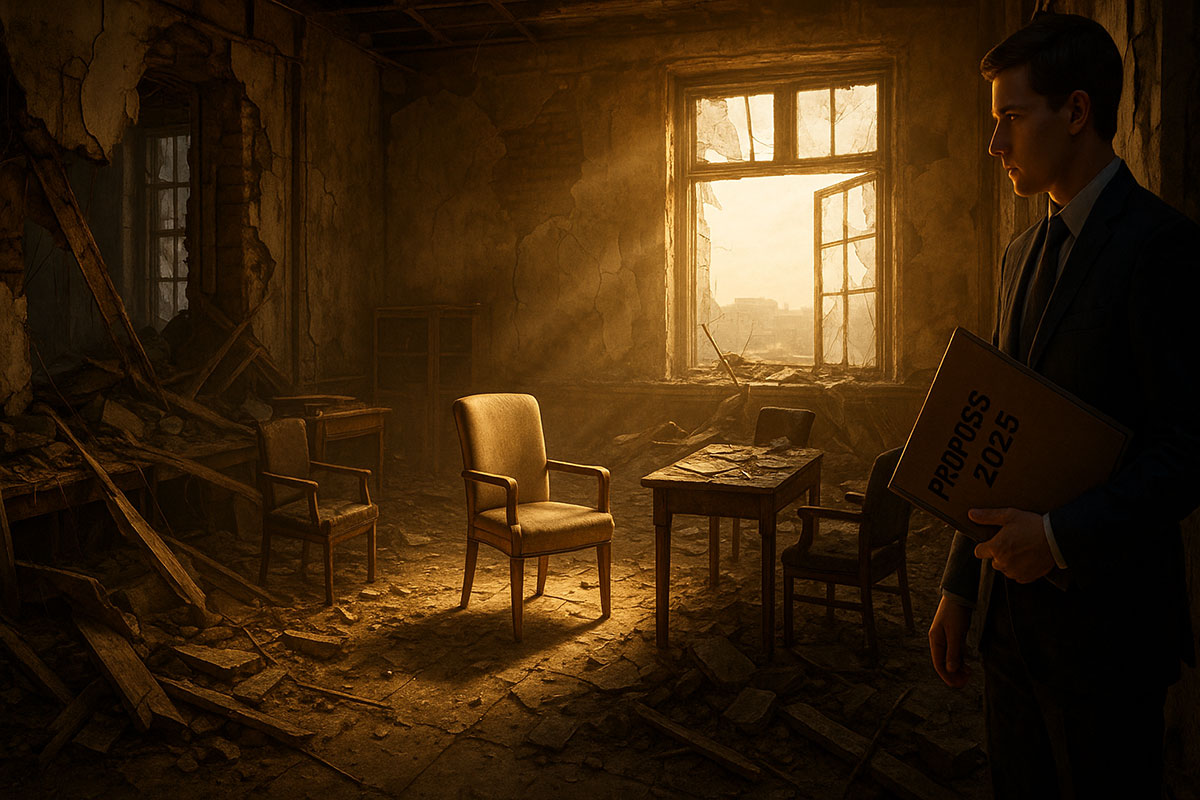
Topic 3: End of Diplomacy? – Is the Iran Deal Era Officially Dead?
Moderator: Nick Sasaki
Guests:
Mohammad Javad Zarif
Wendy Sherman
John Kerry
Ali Vaez
Federica Mogherini
Nick Sasaki:
We’re at a tipping point. The Iran nuclear deal—once seen as a symbol of possible peace—is now in limbo or perhaps in its grave. Let’s begin with this question:
Has the Iran nuclear deal (JCPOA) been permanently killed by the recent U.S. strike—or is there still a path back to diplomacy this year?
Wendy Sherman:
It’s on life support, but not yet dead. Diplomacy isn’t a light switch—it’s a process. We’ve come back from worse. But yes, this strike has made everything harder. Iran’s hardliners have been vindicated in saying, “You can’t trust the U.S.” We’ll need to rebuild credibility step by step.
Ali Vaez:
The symbolic death of the JCPOA happened the moment the U.S. withdrew in 2018. What’s happened now is the burial. Tehran has lost trust, and with the war drums beating, there’s little political space left inside Iran for compromise. But a small path still exists—if the right intermediaries act quickly.
John Kerry:
When diplomacy collapses, you get conflict. That’s exactly what we’re seeing. But even now, we must keep backchannels open—through Qatar, Oman, Switzerland. No one benefits from a nuclear-armed Iran, not even Russia or China. The deal’s future rests not on idealism, but on hard mutual interest.
Federica Mogherini:
From a European perspective, the deal was never just about nukes—it was about avoiding war. And we were often caught in the middle between Washington and Tehran. The EU still has credibility with both sides. I believe quiet diplomacy can resume—but only after a cooling-off period.
Mohammad Javad Zarif:
Let me be honest. The JCPOA was built on trust that the U.S. could honor its word. That trust is gone. If we are to return to diplomacy, it will not be with naïve hope but with painful memory. Still, I have always believed dialogue is better than disaster. But you cannot demand Iran’s restraint while offering only threats.
Nick Sasaki:
Let’s move to something few want to ask openly.
If diplomacy fails, what are the most likely paths forward—for Iran, for the West, and for the region?
Ali Vaez:
We’re looking at a dangerous triangle: Iran accelerating its nuclear program, Israel considering pre-emptive strikes, and the U.S. caught between restraint and retaliation. If diplomacy dies, military confrontation becomes more likely. But so does entrenchment—where nothing explodes, but everything slowly burns.
Wendy Sherman:
Without diplomacy, the world returns to containment and sanctions. But let’s be clear: sanctions alone don’t work. Iran’s people suffer, and the regime digs in. We’ll also see Iran move closer to Russia and China. That isolates the West, weakens leverage, and shifts the balance of global influence.
John Kerry:
It becomes a global trust crisis. North Korea watches this and says, “Why make a deal with the U.S.?” Future non-proliferation deals become nearly impossible. And the risk of nuclear technology spreading across the Middle East increases—Saudi Arabia has already hinted it might pursue enrichment.
Federica Mogherini:
The region fractures further. Gulf countries start making their own arrangements—some with Israel, some with China. Without a strong multilateral frame, diplomacy becomes fragmented. And fragmented diplomacy means more room for rogue actors and surprise escalations.
Mohammad Javad Zarif:
Iran will not kneel. If there is no agreement, then Iran will pursue its own security. That may involve greater nuclear capabilities—but not for aggression, for deterrence. If the world isolates us, we will find partners elsewhere. But this will not end in submission. It will end either in mutual respect—or in mutual loss.
Nick Sasaki:
Here’s the final question, and perhaps the hardest:
What specific steps—realistic, not idealistic—can be taken in the next few months to re-open the door to negotiation?
Federica Mogherini:
Step one: stop the bleeding. All sides must agree—quietly—not to escalate. That means no new sanctions, no new military strikes, and no provocative rhetoric. Even a two-month freeze can create space for diplomacy to re-enter. Then, begin confidence-building through humanitarian channels—medicine, education, prisoner exchanges.
Wendy Sherman:
Send signals that matter. The U.S. can issue limited sanctions relief for civilian sectors, and Iran can resume cooperation with the IAEA. Small steps restore breathing room. And we must use intermediaries with credibility—not just governments, but individuals with relationships on both sides.
Ali Vaez:
We need a new framework—not necessarily JCPOA 2.0, but JCPOA-adjacent. It should focus first on de-escalation, not permanent resolution. Think “freeze-for-freeze”: Iran pauses enrichment, the U.S. pauses sanctions. This isn't peace—it’s triage. But triage buys time.
John Kerry:
Leadership matters. Biden needs to say—clearly and publicly—that diplomacy is still on the table. Iran’s leaders need to show the same. This isn't weakness; it's wisdom. Even during the Cold War, we negotiated with our enemies. We must remember how to do that again.
Mohammad Javad Zarif:
Words must be matched by gestures. Allow our children access to medicine. Stop cyber sabotage. Let our scientists live without fear of assassination. Then we will talk—not as beggars, not as enemies, but as equals facing a shared future. That is the only way forward.
Nick Sasaki:
The death of diplomacy is not declared by missiles—it’s declared by silence. But today, your voices showed that silence hasn’t won yet. Even amid ashes, the language of peace can be spoken.
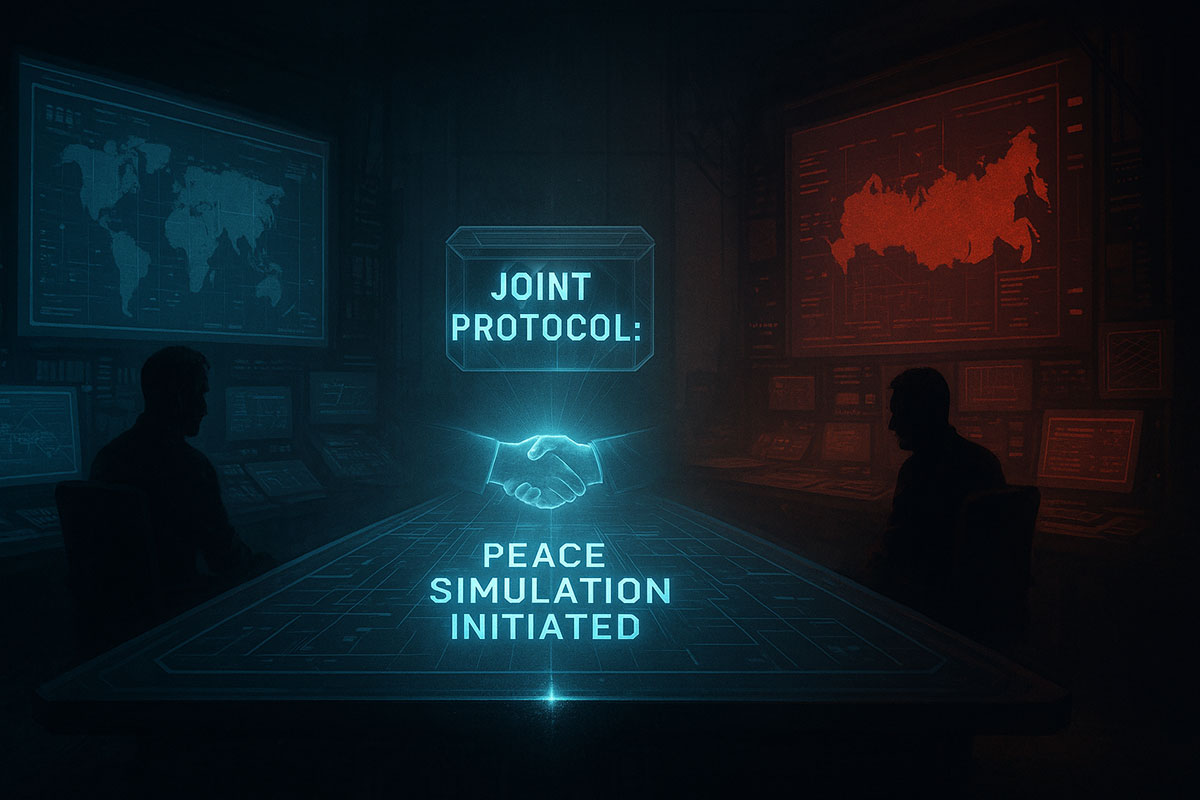
Topic 4: U.S.–Russia Tensions – Are We Sliding Into Cold War 2.0?
Moderator: Nick Sasaki
Guests:
Fiona Hill
Sergey Lavrov (fictionalized for voice)
Alexander Gabuev
Henry Kissinger (fictionalized, historical insight)
Elbridge Colby
Nick Sasaki:
Russia’s warning that a U.S. strike on Iran has opened “Pandora’s box” wasn’t just about Iran. It was about Washington, Moscow, and a world slipping into new fault lines.
Let’s start with this:
Has the recent U.S. action pushed us closer to a second Cold War between America and Russia?
Fiona Hill:
We’ve been drifting in that direction for years, but this may have solidified it. The strike on Iran fits a pattern that Russia sees as U.S. unilateralism—acting without regard for global consensus. That reinforces Moscow’s belief that America only understands power, not partnership. So yes, this nudges us further into Cold War dynamics.
Sergey Lavrov (fictionalized):
It is not we who escalate. It is Washington that acts first, then blames others for instability. When the U.S. struck Iran, it knew Iran is our partner. What message does that send? That U.S. alliances are valid, but ours are targets? This is the very logic of the Cold War—"my sphere of influence, not yours."
Alexander Gabuev:
More than confrontation, what’s happening is bloc formation. China, Russia, and Iran are forming a new informal axis—not ideological, but transactional. The West calls it authoritarian alignment; we might just call it geopolitical gravity. The Cold War metaphor isn’t perfect, but the polarity it created is reemerging.
Henry Kissinger (fictionalized):
The Cold War was based on doctrine. This new conflict is based on chaos. That makes it more dangerous. If strategic patience is not restored—on both sides—we may enter not Cold War 2.0, but something worse: Cold War without rules. That’s a world ripe for miscalculation.
Elbridge Colby:
Look, Russia’s framing is convenient. But the reality is we’re not provoking them—we’re protecting our interests. If Moscow sides with Iran, it’s not because we forced them to—it’s because they see advantage. That’s a strategic choice, not a reaction. We need to be tough, not timid.
Nick Sasaki:
If this is a new Cold War—or something colder and more dangerous—what would its next phase look like in real terms?
Alexander Gabuev:
It’s not about nuclear arsenals anymore. It’s about supply chains, tech dependencies, and energy leverage. You’ll see Russia deepen ties with China’s payment systems, telecom infrastructure, and oil trade. The battlefield is digital, financial, and regional—Ukraine, the Arctic, now Iran.
Fiona Hill:
Exactly. And unlike the old Cold War, the ideological clarity is gone. It's murkier, more fluid. Russia will use regional crises like Iran to build influence through media, cyber tools, energy exports. It’s more sub-threshold conflict than direct confrontation—but just as destabilizing.
Sergey Lavrov (fictionalized):
The West created NATO to box us in. We now build alternatives—BRICS, the SCO, regional pacts. If this is Cold War, it is one where Russia is no longer isolated. We are not the Soviet Union. We have friends. We have options.
Henry Kissinger (fictionalized):
The test will be whether dialogue exists in parallel with confrontation. During the Cold War, we had hotlines, summits, arms treaties—even at the height of danger. If today’s powers cannot speak without shouting, the risk of catastrophe rises. Diplomacy is not weakness. It is the shield of civilization.
Elbridge Colby:
I’ll be blunt—there’s no going back to “normal.” We need to accept that multipolarity is the new world order. That means clarity in our alliances, firmness in our deterrence, and speed in our technological independence. This Cold War won’t be fought with tanks—it’ll be fought with semiconductors and influence ops.
Nick Sasaki:
Given this backdrop, here’s our final—and perhaps most urgent—question:
What specific steps can prevent this Cold War-like tension from turning into open or proxy conflict?
Fiona Hill:
We need structured, backchannel diplomacy—now. Not photo-op summits, but real working groups on cybersecurity, energy stability, and military incident protocols. Right now, we have escalation but no management. That’s not sustainable.
Henry Kissinger (fictionalized):
The key is “strategic empathy”—not agreement, but understanding the logic of your rival. Russia feels encircled. The U.S. feels challenged. Each must speak in terms the other respects: interest, not ideology. Crisis comes not from difference, but from deafness.
Sergey Lavrov (fictionalized):
Stop treating Russia as a junior partner. We are not your pupil, we are your peer. If America truly wishes peace, let it show restraint. Let it recognize multipolarity not as a threat, but a fact. Only then can balance be restored.
Elbridge Colby:
We need to rebuild credible deterrence without triggering war. That means being very clear on red lines—Ukraine, Taiwan, Persian Gulf. Vagueness breeds provocation. And we need to rebuild domestic resilience so we’re not reactive every time oil prices spike or a cyberattack hits.
Alexander Gabuev:
Mutual economic interdependence, ironically, is the most stabilizing force we have left. It’s not about liking each other—it’s about losing too much if we fight. Trade, communication infrastructure, and even joint climate work can serve as peace scaffolding. Tear down those bridges, and all we have left is brinkmanship.
Nick Sasaki:
Today’s Cold War isn’t being televised—it’s being simulated, coded, and denied. But your words show that even in tension, there can be vision. Even in separation, there can be structure.
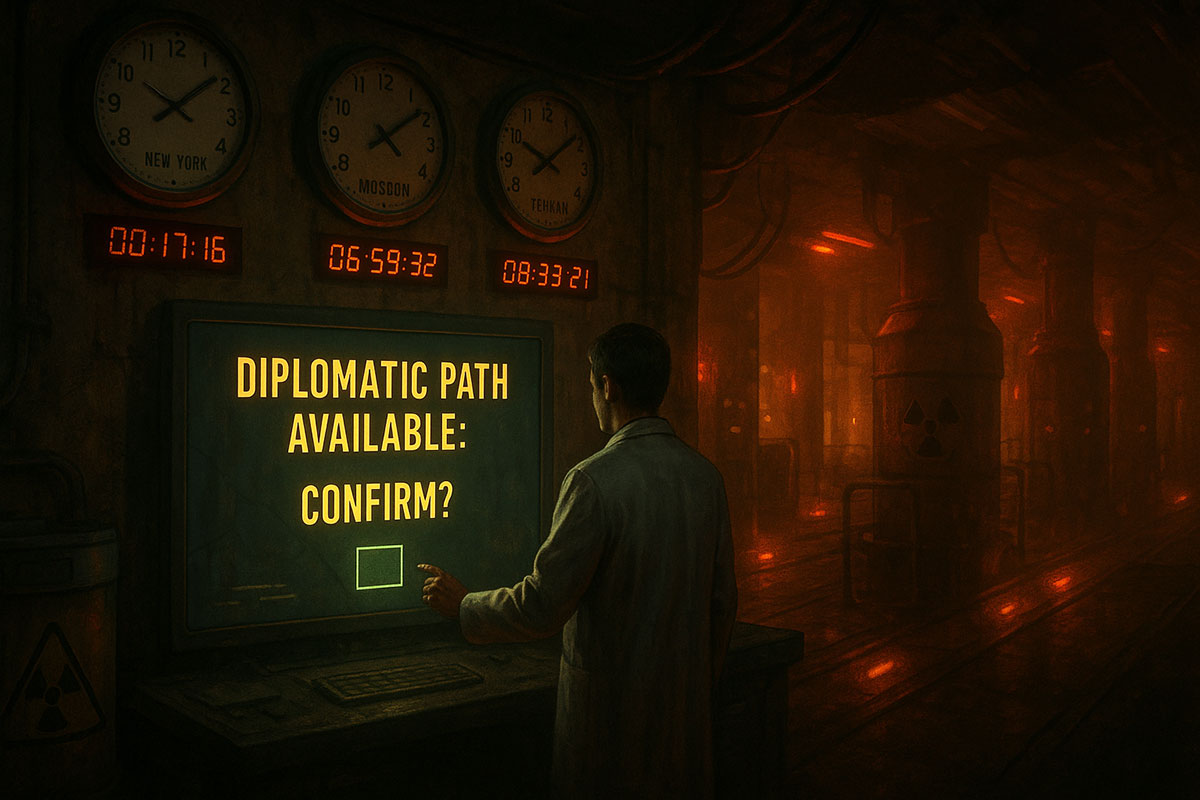
Topic 5: The Nuclear Question – Could Iran Race Toward the Bomb Now?
Moderator: Nick Sasaki
Guests:
Olli Heinonen
Mark Fitzpatrick
Vali Nasr
Avner Cohen
David Albright
Nick Sasaki:
In a post-strike world, deterrence becomes survival. That’s the psychology Iran may now adopt. So let’s begin with this:
After the U.S. strike, is Iran now more likely than ever to pursue a nuclear weapon—and how fast could it happen?
Olli Heinonen:
Iran already has the technical knowledge. Enrichment is beyond 60%—near weapons-grade. If Tehran decides to sprint, they could have enough fissile material for one bomb in just a few weeks. Weaponizing it, of course, is another matter—it takes months. But yes, the risk is higher than ever.
Vali Nasr:
Absolutely. The assassination of Soleimani, the collapse of the JCPOA, and now this strike? These events have systematically convinced Iran that only a nuclear deterrent ensures regime survival. They won’t announce it—they’ll creep toward it under ambiguity, like Israel did.
Mark Fitzpatrick:
Let’s be careful not to mistake capability for intention. Iran still wants to avoid total isolation. The regime knows that going nuclear invites massive retaliation or even war. But yes, they're now closer than they’ve ever been—technically, and emotionally.
Avner Cohen:
As an Israeli scholar, I see a mirror here. Israel never declared its arsenal—but used strategic ambiguity to deter enemies. Iran might follow that playbook. Their goal may not be Hiroshima—it may be opacity with leverage. A threshold status gives them regional power without crossing the point of no return.
David Albright:
We've tracked Iran’s breakout potential for years. The trend is alarming. They've mastered advanced centrifuge designs, reduced IAEA access, and increased stockpiles. If there's no deal or de-escalation soon, we must prepare for a world where Iran can field a crude bomb quickly—even if they never detonate one.
Nick Sasaki:
The nuclear weapon is only the tip—behind it are chain reactions of fear and copycat behavior. So here’s the next question:
If Iran gets close—or crosses the line—how will other regional powers respond?
Avner Cohen:
Israel will not tolerate a nuclear Iran. Period. Whether that leads to sabotage, cyberwarfare, or airstrikes—I can’t say. But our doctrine has always been preventive, not reactive. A nuclear Iran changes everything about our deterrence posture.
Mark Fitzpatrick:
Saudi Arabia has already hinted that it would pursue its own nuclear capability if Iran does. That means the NPT would suffer a devastating blow. Egypt, Turkey—even Jordan—might reconsider their long-standing nuclear restraint. The Middle East would go from volatile to combustible.
Vali Nasr:
This is where it becomes existential, not just political. Gulf monarchies already feel surrounded. If Iran goes nuclear, it forces the U.S. to either extend full deterrence guarantees—or risk losing influence. The balance of power would shift—not just militarily, but psychologically.
David Albright:
Also, proliferation begets proliferation. If Iran succeeds without consequence, North Korea becomes emboldened. Others—Myanmar, Algeria—may quietly reconsider their own programs. It erodes the taboo. Suddenly, the 2020s start to look a lot like the early Cold War.
Olli Heinonen:
Let’s not forget delivery systems. Iran has worked extensively on ballistic missile technology. If they pair a crude warhead with a medium-range missile, the threat to Israel, Europe, and the Gulf becomes immediate. That kind of pressure escalates quickly, and unpredictably.
Nick Sasaki:
This is the precipice. So let’s ask plainly:
What must be done—urgently—to prevent Iran from building or deploying a nuclear weapon this year?
David Albright:
First: Restore inspections. The IAEA must be given immediate, full access again. That’s the red line. Without it, we’re flying blind. And second: reestablish communication. Quietly. Hostile silence leads to paranoid behavior, which is how mistakes happen.
Wendy Sherman (from Topic 3, relevant echo):
Freeze-for-freeze. Iran halts further enrichment. The West eases humanitarian sanctions. Buy time. Make room for negotiation without either side losing face.
Vali Nasr:
Offer Iran a path that doesn’t humiliate them. Every prior deal worked because it allowed Tehran to save face domestically. If all we offer is surrender or annihilation, they’ll choose the third option: arm themselves.
Avner Cohen:
Israel must communicate its red lines clearly—but also quietly. Sabotage and covert operations may delay Iran’s progress, but they also deepen resolve. Strategic ambiguity should remain—but must be paired with deep coordination with the U.S. and key regional allies.
Olli Heinonen:
This is a technical race—and we’re running out of time. Uranium stockpiles are growing. Diplomacy alone won’t stop that clock. We need technical engagement: swap out centrifuges, restrict access to heavy water, secure spent fuel. These details are boring—but they are the difference between peace and fallout.
Nick Sasaki:
Nuclear fear was once a Cold War relic. But today, it pulses again at the heart of the Middle East. Whether Iran builds a bomb, or simply lets the world believe it might, the world will never be the same.
That concludes the five-part Pandora’s Box series.
Would you like me to now generate the full TDKI package for all five topics—including SEO title, meta description, keywords, and image prompts?
Final Thoughts by Ban Ki-Moon
Peace is not a destination that waits for us. It is a path we must walk, falter, and walk again.
Tonight, we have faltered.
But let us be clear: even a broken ceasefire leaves behind a record—of what could have been. That record must not be buried in cynicism.
The temptation now is to give up. To say, “They will never learn.” But history has shown us that even after great betrayals, progress can return—if people choose to rebuild what was broken instead of only mourning what was lost.
Let us urge leaders to speak again. Let us ask the media to dignify restraint. Let us remind all sides: a ceasefire is not kept by force—it is kept by courage.
The box may remain open. But so, too, does the window—for reason, for dialogue, and for a future not yet lost.
We must not give up. Not now. Not again.
Short Bios:
Ban Ki-moon – Former Secretary-General of the United Nations (2007–2016), known for his steady leadership in global diplomacy, climate action, and peacekeeping efforts across conflict zones.
Nouriel Roubini – Economist known for his accurate forecasts of financial crises and outspoken views on geopolitical risk and global markets.
Robert Malley – Former U.S. Special Envoy for Iran and expert in international conflict resolution and Middle East diplomacy.
Fatih Birol – Executive Director of the International Energy Agency, leading voice on global energy security and market stability.
Zanny Minton Beddoes – Editor-in-Chief of The Economist, recognized for her incisive analysis of global economic trends and policy.
Patrick Pouyanné – Chairman and CEO of TotalEnergies, offering deep insight into the intersection of energy markets and geopolitics.
Mohammad Javad Zarif – Former Iranian Foreign Minister and chief negotiator of the 2015 Iran nuclear deal (JCPOA).
Wendy Sherman – Former U.S. Deputy Secretary of State and lead negotiator on the JCPOA, experienced in arms control and diplomacy.
John Kerry – Former U.S. Secretary of State and long-time advocate for diplomacy in the Middle East and global cooperation.
Ali Vaez – Iran Project Director at the International Crisis Group, specializing in nuclear diplomacy and regional stability.
Federica Mogherini – Former EU High Representative for Foreign Affairs, instrumental in facilitating the Iran nuclear agreement.
Fiona Hill – Senior fellow and former White House Russia advisor, widely respected for her expertise on Russian foreign policy.
Sergey Lavrov
(fictionalized) – Russia’s longtime Foreign Minister, representing Moscow’s strategic views in global conflicts.
Alexander Gabuev – Director at the Carnegie Russia Eurasia Center, expert in Russia-China relations and strategic alignments.
Henry Kissinger
(fictionalized, historical voice) – Former U.S. Secretary of State and master strategist in Cold War diplomacy.
Elbridge Colby – Former U.S. Defense official and hawkish strategist, known for advocating strong deterrence against peer competitors.
Olli Heinonen – Former Deputy Director General of the IAEA, focused on nuclear safeguards and nonproliferation in Iran.
Mark Fitzpatrick – Nuclear policy expert and former U.S. diplomat, well-versed in nuclear risk management and JCPOA analysis.
Vali Nasr – Iranian-American scholar of international affairs, with expertise on Shia politics and Iran’s foreign strategy.
Avner Cohen – Israeli historian and analyst of nuclear policy, best known for work on Israel’s strategic ambiguity.
David Albright – Founder of the Institute for Science and International Security, frequently cited on Iran’s nuclear capabilities.
Leave a Reply