
|
Getting your Trinity Audio player ready...
|
Introduction by Marianne Williamson
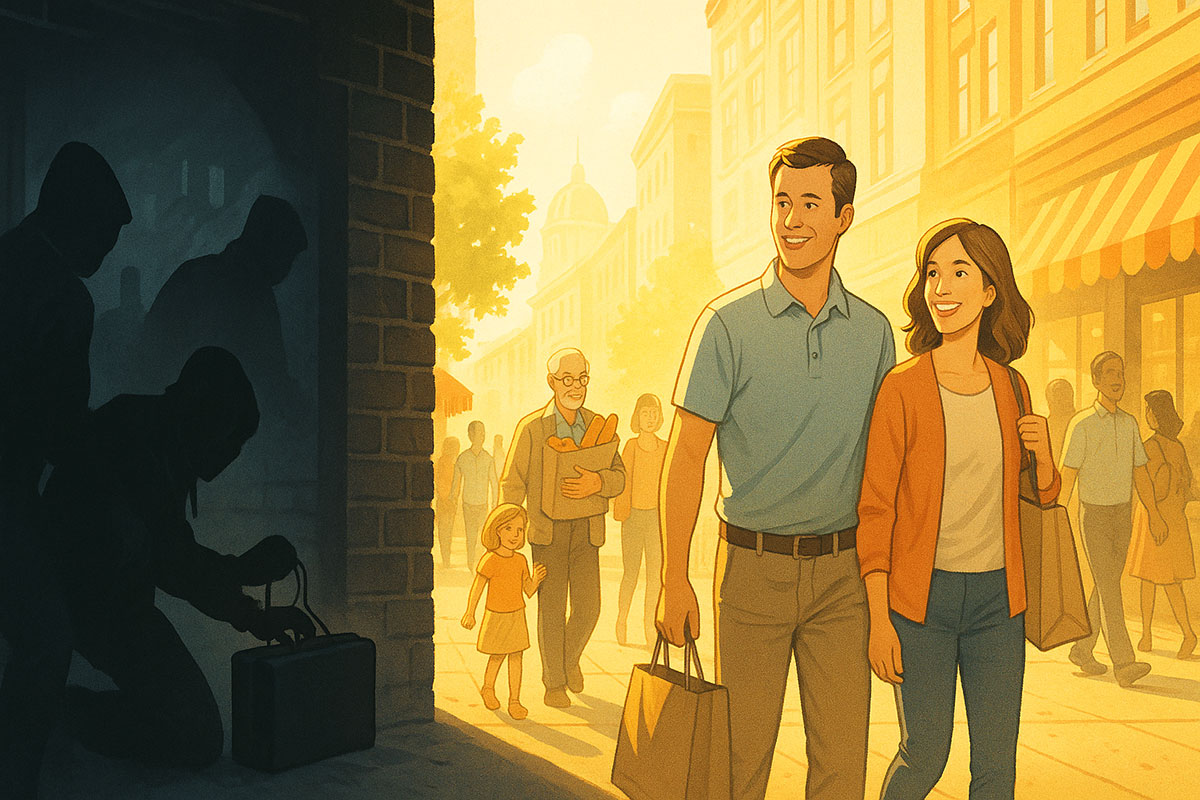
Throughout history, nations have fallen not simply because of external enemies, but because of what they allowed to fester within. Sleeper cells are a stark reminder that danger does not always march at the gates—it sometimes hides among us, feeding on division, despair, and the silence of a society too distracted to notice. In this moment, America is called to more than vigilance; we are called to a renewal of spirit. Our strength must not only come from our armies and our intelligence agencies, but also from the moral courage of our people to stand together as one.
We must recognize that the battle against extremism is not only a war of weapons, but a war of ideas and energies. Fear and hatred have a frequency, but so does love, resilience, and joy. The true defense of America lies in raising our national vibration—creating communities so alive with purpose and compassion that no ideology of destruction can take root. Sleeper cells may plot in the shadows, but their greatest enemy is not only the watchful eye of our agencies, but the radiant heart of a united people.
This conversation brings together voices of strength and voices of spirit, because only in the union of the two can we find the way forward. Let us listen deeply, not just to the strategies of defense, but to the wisdom of joy, belonging, and healing—for in them lies the ultimate power to protect our nation.
(Note: This is an imaginary conversation, a creative exploration of an idea, and not a real speech or event)

Topic 1: Understanding the Roots of Sleeper Cells
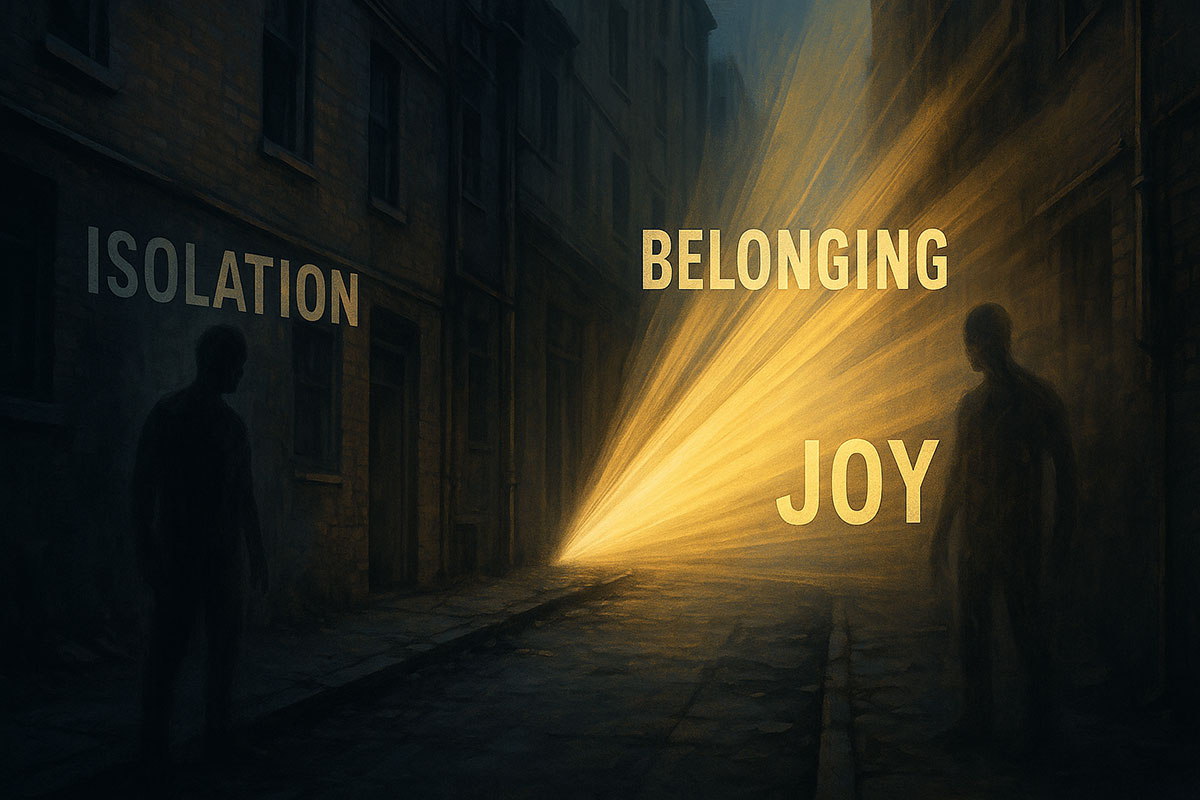
Moderator (Karen Armstrong): Even with stricter security today, the reality is that sleeper cells are already inside the U.S. What are the true roots that allowed them to grow here?
Charlie Kirk:
The roots are negligence and denial. For years, leaders ignored the risks, allowed hostile actors to slip in, and pretended everything was fine. That complacency gave extremists space to build networks here. The first step in understanding sleeper cells is admitting this was a preventable failure.
Marci Shimoff:
But we can’t only look at politics—we must also look at the heart. Sleeper cells thrive where despair and disconnection live. People who feel invisible or hopeless become easy targets for radical recruiters. Healing that despair is as important as tightening any law.
Dr. Marc Sageman:
Exactly. Isolation is the common denominator. Many join extremist groups not out of ideology, but because they feel alone. Sleeper cells succeed when communities fail to integrate or support vulnerable individuals.
Jessica Stern:
And grievances play a role too. Extremist narratives tap into feelings of injustice—whether political, cultural, or religious. When those grievances go unanswered, the propaganda resonates more strongly.
Dr. Mubin Shaikh:
I know from my past that identity is central. Extremist recruiters tell people: “You are chosen, you are a hero.” It’s intoxicating. Sleeper cells exist because we failed to provide healthier, more uplifting identities first.
Moderator (Karen Armstrong): If the roots are despair, disconnection, and grievance, what are the best ways to intervene before radicalization hardens?
Charlie Kirk:
Empower communities to speak up. People often see warning signs but are afraid to act. We need a culture where reporting suspicious activity is normal, not stigmatized.
Marci Shimoff:
And we need to raise the happiness set point of communities. Joy and resilience training in schools, workplaces, and neighborhoods give people the inner immunity to resist extremist recruitment.
Dr. Marc Sageman:
Local leaders—teachers, pastors, mentors—are critical. They see changes first. Washington cannot detect what a neighbor can.
Jessica Stern:
Young people also need safe outlets for anger and frustration. Without them, extremists become the only ones offering a place to vent.
Dr. Mubin Shaikh:
And credible countervoices—former radicals like myself—can expose the lies. We need more of those stories out in the open.
Moderator (Karen Armstrong): Last question here: what does eradication look like inside America in 2025?
Charlie Kirk:
It looks like rooting them out with precision and strength—prosecuting, dismantling, and cutting off resources. We can’t be soft about this.
Marci Shimoff:
It also looks like healing the soil. Communities filled with joy and belonging are inhospitable to extremism. When the light is strong, the shadow disappears.
Dr. Mubin Shaikh:
It means breaking trust networks. If we offer better friendships, brotherhood, and purpose, the extremist bonds collapse.
Jessica Stern:
It means addressing grievances honestly. Otherwise, sleeper cells will always find new ground.
Dr. Marc Sageman:
And it means shifting our cultural heroes. We must celebrate builders, teachers, and healers more than destroyers.
Moderator (Karen Armstrong): Sleeper cells didn’t just appear—they grew in cracks of neglect. Eradication now means closing those cracks with vigilance, truth, and joy.
Topic 2: Prevention Through Community & Economy
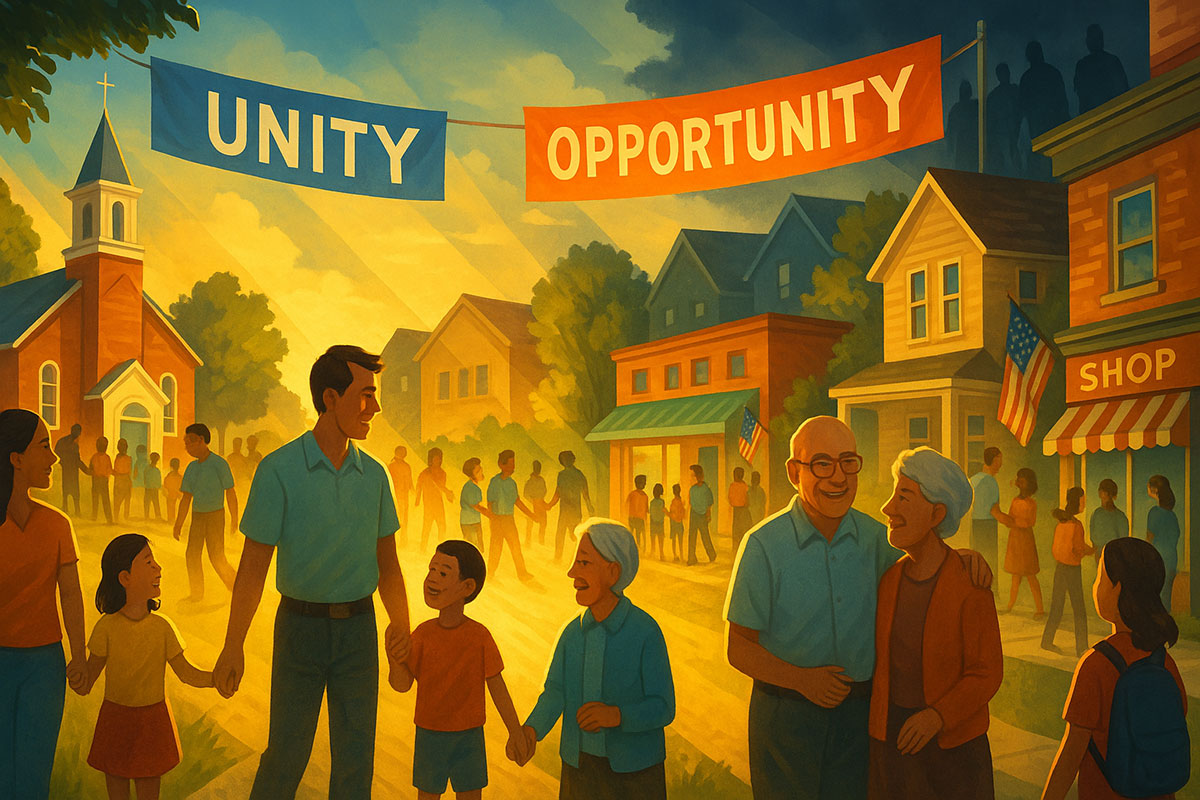
Moderator (Karen Armstrong): The cells that remain here won’t survive if communities are resilient. How can local communities and economies prevent extremism from regrowing?
Charlie Kirk:
Prevention starts with strong families, churches, and schools. Communities rooted in pride and responsibility don’t breed radicals. We need to rebuild those institutions.
Marci Shimoff:
And prevention means joy. A happy community is a resilient one. Block parties, gratitude circles, service projects—all create emotional bonds that extremists can’t break.
David Kilcullen:
From my perspective, prevention is economic. Extremists recruit with money, purpose, or adventure. If communities provide jobs and real opportunity, recruiters lose their leverage.
Farah Pandith:
Authenticity matters. Prevention works best when it comes from trusted local leaders, not top-down mandates. Empower faith leaders, coaches, and neighborhood mentors.
Dr. Scott Atran:
Belonging is stronger than ideology. Communities that celebrate identity—heritage and American citizenship together—leave no room for radicals to exploit.
Moderator (Karen Armstrong): Then what does a resilient community actually look like today?
Charlie Kirk:
One that proudly defends American values and doesn’t apologize for loving this country. Patriotism itself is a shield.
Marci Shimoff:
One that radiates happiness. When neighbors laugh together and share joy, suspicion has no place to grow.
Farah Pandith:
One where young people feel they belong to both their faith and their nation, without conflict.
David Kilcullen:
One with redundancy—diverse jobs, strong governance, and clear communication. Fragile communities are targets; resilient ones are immune.
Dr. Scott Atran:
And one where anger can be voiced openly, preventing it from festering underground.
Moderator (Karen Armstrong): Final question: how do we disrupt sleeper cells inside communities without creating paranoia?
Charlie Kirk:
By promoting vigilance, not fear. People should report threats confidently, but not confuse difference with danger.
Marci Shimoff:
By balancing vigilance with kindness. If suspicion turns toxic, the community loses. Joy and belonging must anchor vigilance.
David Kilcullen:
By cutting off oxygen—safe houses, funding, and recruits. Sleeper cells suffocate when denied support.
Farah Pandith:
By building partnerships across government, tech, and local leaders to close recruitment pipelines.
Dr. Scott Atran:
By noticing withdrawal as a cry for connection, not just a red flag for suspicion. Compassion prevents as much as enforcement.
Moderator (Karen Armstrong): Prevention in 2025 means resilient communities that combine vigilance with joy. That’s how sleeper cells lose their grip.
Topic 3: Technology, Surveillance, and Ethics

Moderator (Karen Armstrong): Sleeper cells already exist within the U.S. How can technology help dismantle them while still protecting American freedoms?
Charlie Kirk:
We have the tools—AI, biometrics, predictive analytics, drones. If you’re plotting terror in this country, you don’t get the same rights as law-abiding citizens. Tech must be used aggressively to find and dismantle sleeper cells.
Marci Shimoff:
And yet, tech guided by fear creates paranoia. Imagine if AI not only tracked threats, but also identified where despair is highest, so we could intervene with joy programs, mentorship, or community support. Technology can heal as much as it can hunt.
General Michael Hayden:
Tech must be precise. Mass surveillance drowns us in useless data. Smart surveillance, with clear oversight, protects freedoms while catching threats.
Bruce Schneier:
Transparency and minimization are key. Collect what you need, delete what you don’t, and allow independent boards to review. Without these, surveillance erodes liberty.
Ali Soufan:
And don’t forget human intelligence. Algorithms can flag suspicious behavior, but dismantling sleeper cells requires informants, defectors, and cultural understanding.
Moderator (Karen Armstrong): What safeguards are essential so surveillance protects but doesn’t undermine trust?
Charlie Kirk:
Safeguards should never paralyze action. The first safeguard is leadership that prioritizes American lives over political correctness.
Marci Shimoff:
Safeguards must also include emotional trust. If people feel watched but not cared for, paranoia grows. Tech must feel like protection, not oppression.
General Michael Hayden:
Oversight boards and legal reviews ensure tech is used responsibly.
Bruce Schneier:
And surveillance must be targeted and temporary—focused on threats, not blanketing citizens.
Ali Soufan:
Add cultural training. Without it, algorithms will misinterpret normal behavior as threats, damaging trust.
Moderator (Karen Armstrong): Last question: Can technology eradicate sleeper cells, or is it only one tool?
Charlie Kirk:
If used aggressively, tech can be decisive. Combined with law enforcement, it can root out cells quickly.
Marci Shimoff:
But it cannot replace joy. Only happiness, belonging, and love remove the soil that extremists grow in.
Ali Soufan:
Tech unmasks; people dismantle. Both must work together.
General Michael Hayden:
It’s a multiplier, not a replacement. Tech makes good intelligence better.
Bruce Schneier:
And it must be ethically framed, or it risks creating the very fear extremists exploit.
Moderator (Karen Armstrong): Technology can shine light in the shadows, but only human connection and joy can make the shadows vanish. Eradication in 2025 requires both.
Topic 4: Healing Ideological Divides
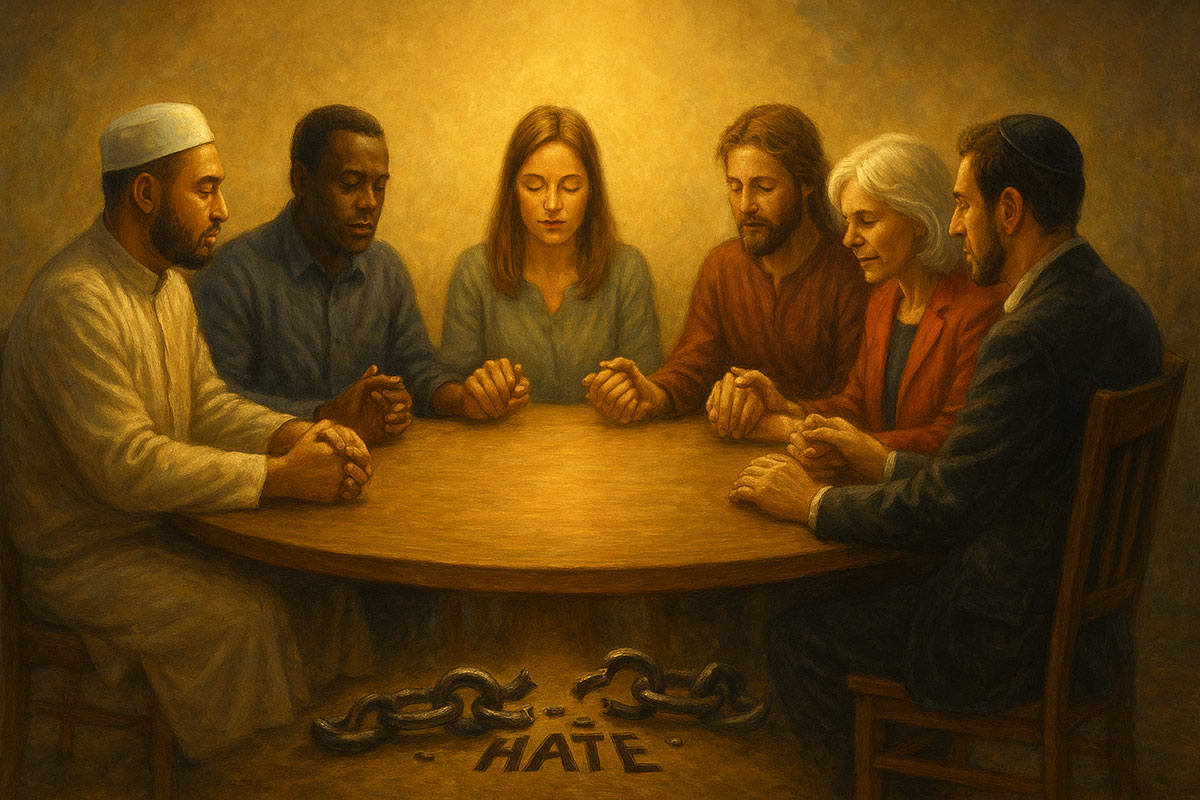
Moderator (Karen Armstrong): Sleeper cells feed on division. How do we begin healing ideological and cultural divides inside America so extremist narratives lose their grip?
Charlie Kirk:
We don’t heal by pretending differences don’t exist. There are ideologies out there that openly hate America. Healing starts by standing firm in our values—faith, family, freedom—and refusing to apologize for them. We unite by building on shared pride, not by erasing who we are.
Marci Shimoff:
And yet, we can’t heal with strength alone. True healing comes when anger is replaced with compassion, when fear is replaced with joy. Imagine communities hosting interfaith dinners, gratitude circles, and volunteer projects. Joy is not weakness—it’s the strongest antidote to hate.
Dr. Ingrid Mattson:
Healing requires conversation. Extremists thrive when communities are isolated from one another. Dialogue across faiths and cultures builds trust, and trust disarms radicalization.
Daryl Davis:
I’ve seen this firsthand. I befriended members of hate groups, and many walked away from extremism because of simple friendship. You don’t dismantle ideology with anger—you dismantle it with human connection.
Rabbi Abraham Cooper:
Healing also means giving people dignity. When individuals feel respected, they’re less likely to fall prey to extremist propaganda. We must amplify stories of unity louder than the voices of hate.
Moderator (Karen Armstrong): But many people equate healing with weakness. How do we pursue reconciliation without opening the door to exploitation?
Charlie Kirk:
Healing is not weakness when it’s backed by strength. Secure communities, strong law enforcement, and zero tolerance for terror must always come first. Then—and only then—can we extend a hand of reconciliation with confidence.
Marci Shimoff:
Compassion is never weakness. Meeting hate with hate multiplies it. Meeting hate with joy dissolves it. It’s not about being naïve—it’s about being wise enough to choose light over more darkness.
Dr. Ingrid Mattson:
Education is another safeguard. When young people learn about one another’s traditions in schools, suspicion loses its grip.
Daryl Davis:
Healing takes courage. Sitting across from someone who sees you as an enemy is not weakness—it’s bravery.
Rabbi Abraham Cooper:
Healing must go hand in hand with justice. Without justice, healing is hollow. Without healing, justice is incomplete.
Moderator (Karen Armstrong): And finally: what does true healing look like in America today, with sleeper cells still present?
Charlie Kirk:
It looks like Americans united by pride—families restored, communities strong, patriotism alive. When we love our country together, extremists can’t divide us.
Marci Shimoff:
It looks like neighborhoods full of laughter and belonging—children safe in parks, neighbors helping neighbors, communities celebrating joy. In that environment, extremism simply cannot grow.
Dr. Ingrid Mattson:
It looks like trust across faiths—Muslims, Christians, Jews, and others working together as neighbors, not rivals.
Daryl Davis:
It looks like extremists laying down their hate symbols because friendship showed them another way.
Rabbi Abraham Cooper:
It looks like dignity for all people, upheld and protected. When dignity is universal, sleeper cells lose their oxygen.
Moderator (Karen Armstrong): Healing in 2025 means uniting America’s strength with America’s joy. Sleeper cells cannot survive in a society that is both proud and compassionate.
Topic 5: Real-World Action Plan — Eradication with Ease
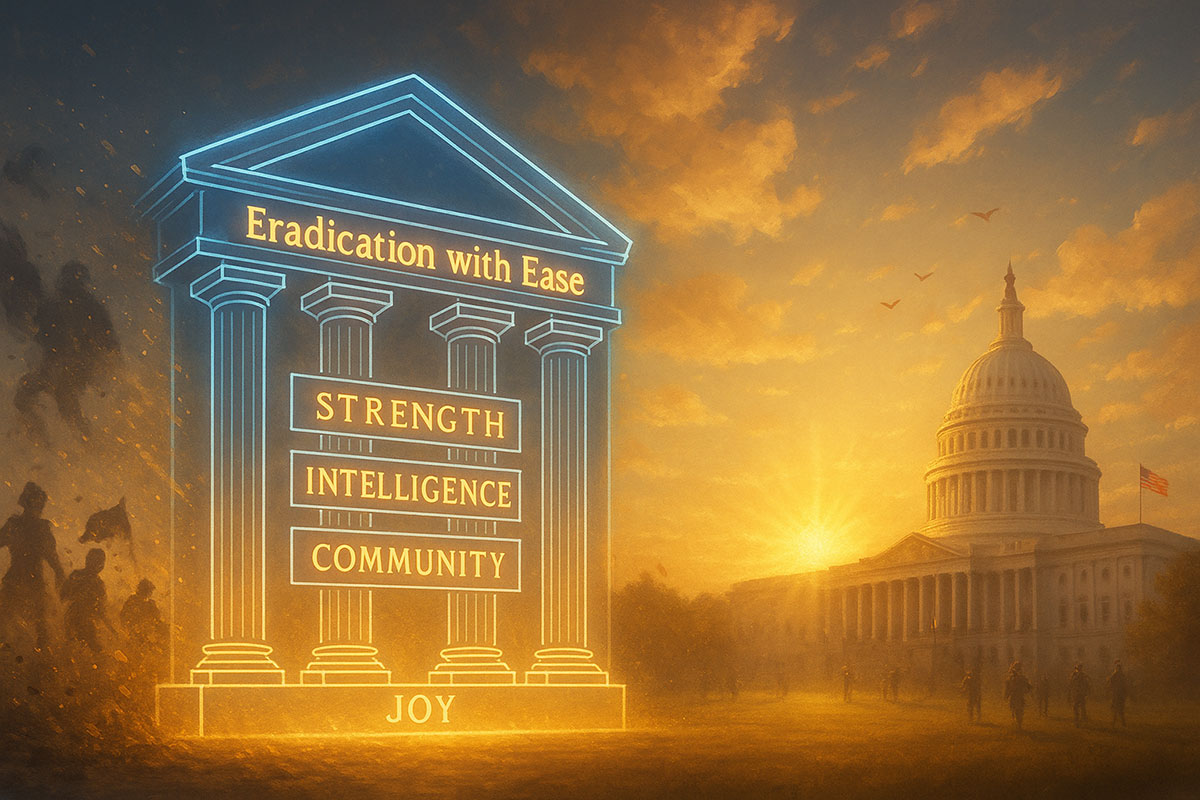
Moderator (Karen Armstrong): Sleeper cells are here. What’s the real-world action plan for eradicating them—not just disrupting them temporarily, but ensuring they can never return?
Charlie Kirk:
Step one: aggressively dismantle the networks already here—through intelligence, arrests, and prosecution. Step two: cut off their resources—money, safe houses, propaganda channels. Step three: restore cultural pride. A confident, patriotic America is a place where extremists wither.
Marci Shimoff:
And alongside those actions, we must transform the atmosphere. Eradication happens when despair is replaced with hope, when isolation is replaced with belonging, when anger is replaced with joy. Without that shift, sleeper cells will regrow in the cracks.
Richard Clarke:
Eradication requires layered defense: tight intelligence sharing, interagency cooperation, and strong local partnerships. Networks crumble when no cracks are left to hide in.
General David Petraeus:
And strategy. Just like counterinsurgency abroad, the key is protecting communities while dismantling cells. It’s not only raids—it’s resilience. You win when people feel safe and valued.
Dr. Rania Abouzeid:
And don’t forget narratives. Extremism thrives on stories of oppression and revenge. We need to tell a better story—of dignity, justice, and opportunity—so sleeper cells lose their appeal.
Moderator (Karen Armstrong): What ensures eradication is sustainable—not just another cycle of suppression and resurgence?
Charlie Kirk:
Consistency. America must remain vigilant and committed. Sleeper cells thrive when leaders get complacent. Eradication is sustainable only if we refuse to let our guard down.
Marci Shimoff:
Sustainability comes from joy embedded in culture. If future generations grow up with resilience and happiness as norms, extremists will find no audience.
Richard Clarke:
Institutional memory is also vital. Too often, once the threat seems distant, resources dry up. Prevention must be permanent.
General David Petraeus:
And political will. Counterterrorism can’t be a passing priority—it requires bipartisan, long-term commitment.
Dr. Rania Abouzeid:
It also requires a global lens. If conflicts abroad fester, extremists will always find inspiration. Eradication at home is tied to justice abroad.
Moderator (Karen Armstrong): Final question: if you had to choose one lever today, what’s the most powerful move to make sleeper cells irrelevant forever?
Charlie Kirk:
Aggressively dismantle the networks inside the U.S.—right now, without hesitation.
Marci Shimoff:
Make joy contagious at the national level. A joyful society is immune to hate.
Richard Clarke:
Coordinate intelligence seamlessly across agencies. Information saves lives.
General David Petraeus:
Protect communities. When people feel secure, radicals lose traction.
Dr. Rania Abouzeid:
Shift the narrative—replace despair with dignity, vengeance with reconciliation.
Moderator (Karen Armstrong): The blueprint is clear: strike sleeper cells decisively, but also build a society so strong, joyful, and united that no new cells can ever take root.
Final Thoughts by Marianne Williamson
In the end, the question before us is not only how to dismantle sleeper cells, but who we choose to become as a nation while doing so. If we respond with fear alone, we will erode the very freedoms we seek to protect. If we respond with only strength, we may secure our borders but lose our hearts. But if we respond with both strength and love, vigilance and joy, we will emerge not only safer, but greater. Our legacy will not be one of paranoia, but of resilience and renewal.
We must remember that terror thrives where despair thrives. To eradicate extremism at its roots, we must offer our young people belonging instead of isolation, hope instead of anger, joy instead of despair. A nation that laughs together, that builds together, that celebrates life together, is a nation that extremists cannot penetrate. Love is not naïve—it is strategic. Compassion is not weakness—it is the greatest form of courage.
So let us go forward with clear eyes and open hearts. Let us dismantle the shadows with both intelligence and compassion. And let us build an America where sleeper cells cannot find shelter, because light has filled every corner. The greatest shield against hate is a people united in love, and the greatest victory will be the day when fear itself has no more place to hide.
Short Bios:
Topic 1 Experts
Dr. Marc Sageman – Former CIA operations officer and psychiatrist, leading authority on the psychology and networks of terrorism.
Jessica Stern – Terrorism scholar and lecturer at Harvard, author of Terror in the Name of God.
Dr. Mubin Shaikh – Former extremist who became a counterterrorism advisor, sharing his insider knowledge to prevent radicalization.
Topic 2 Experts
Dr. Scott Atran – Anthropologist and terrorism expert who studies radicalization and community resilience worldwide.
David Kilcullen – Counterinsurgency strategist and former advisor to U.S. and allied forces on combating extremist networks.
Farah Pandith – Former U.S. Special Representative to Muslim Communities, recognized for her work on countering violent extremism.
Topic 3 Experts
General Michael Hayden – Former Director of both the CIA and NSA, with deep expertise in intelligence and national security.
Bruce Schneier – Internationally renowned cybersecurity expert, author, and lecturer on technology, privacy, and ethics.
Ali Soufan – Former FBI agent and counterterrorism investigator, known for his work tracking Al-Qaeda and exposing sleeper networks.
Topic 4 Experts
Dr. Ingrid Mattson – Islamic scholar and interfaith leader, past president of the Islamic Society of North America.
Daryl Davis – Musician, activist, and author known for persuading Ku Klux Klan members to renounce extremism through dialogue.
Rabbi Abraham Cooper – Associate Dean of the Simon Wiesenthal Center, active in interfaith dialogue and combating hate movements.
Topic 5 Experts
Richard Clarke – Former White House counterterrorism czar under several administrations, expert on national security policy.
General David Petraeus – Retired U.S. Army General and former CIA Director, known for his leadership in counterinsurgency.
Dr. Rania Abouzeid – Award-winning journalist and analyst covering Middle Eastern conflicts and the roots of extremism.
Leave a Reply