

|
Getting your Trinity Audio player ready...
|
Mike Rowe:
For years, we’ve been told that the solution to homelessness is to give people a place to sleep and hope the rest takes care of itself. I’ve been around long enough to know that a roof without opportunity is just a holding pattern — it doesn’t change the trajectory of someone’s life.
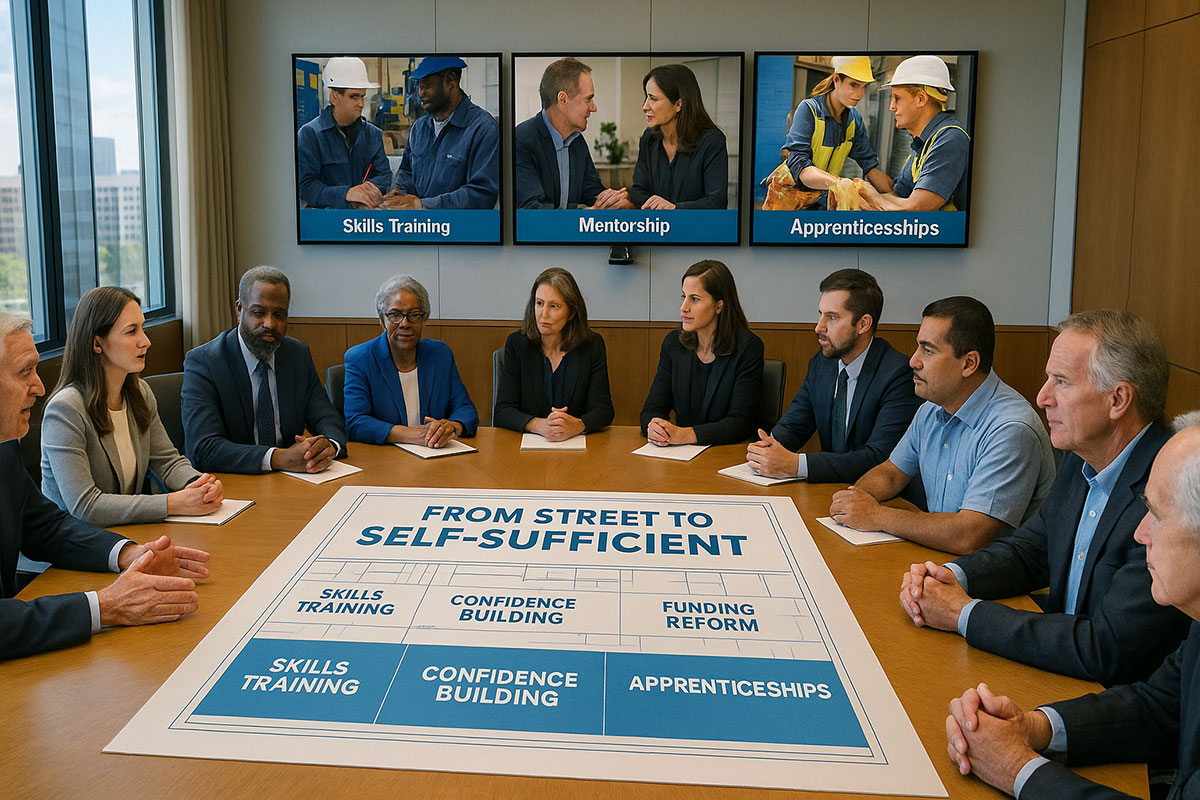
What we’ve put together here isn’t another report to gather dust. It’s a working plan. Five focused conversations with leaders who know how to get things done. We’re talking about skills training that leads directly to jobs, mentorship that lasts beyond graduation, rebuilding the confidence that poverty erodes, funding education instead of dependency, and building a national apprenticeship pipeline that guarantees a paycheck on the other side.
This is not about politics. It’s about common sense, accountability, and dignity. It’s about replacing endless cycles of aid with the tools for lasting independence. And if we get this right, we won’t just move people off the street — we’ll put them on the road to building their own future.
(Note: This is an imaginary conversation, a creative exploration of an idea, and not a real speech or event.)
Topic 1: From Street to Skilled Career

Mike Rowe (Moderator):
“We’ve all seen what happens when people are given shelter but no way to sustain themselves. They end up back where they started. Today, I want us to focus on one thing: how we can take someone from the street to earning a paycheck in under six months — using skills that are in demand right now. So, let’s start here: What is the fastest, most effective path for someone with little to no formal education to get into a self-sustaining job?”
Ken Langone:
“You start with the job market, not the classroom. Find out what businesses need — welders, plumbers, truck drivers, electricians — then train directly for those roles. Skip the fluff, skip the theory. If the training doesn’t lead straight to a paycheck, it’s not worth doing.”
Barbara Corcoran:
“I agree, Ken, but I’d add that the training has to be hands-on from day one. Let them work while they learn. Restaurants, small repair shops, landscaping companies — they all need people immediately. If they earn while learning, they’ll stick with it.”
The Rock:
“And they need structure in their day. If you’ve been on the street, your life’s been unpredictable. A set routine — training in the morning, work in the afternoon — rebuilds discipline. That’s as important as the skill itself.”
Marc Andreessen:
“Let’s not forget digital skills. Not everyone wants to swing a hammer. Basic web design, IT support, social media management — these can be learned in weeks and done from anywhere. We should run both trade and tech tracks.”
Daymond John:
“Here’s the kicker — you don’t just teach them the skill, you teach them how to sell it. Even if they work for someone else, knowing how to present themselves, negotiate pay, and budget will keep them independent.”
Mike Rowe:
“Alright, now let’s go deeper. Once we’ve got the skills identified, how do we make sure people actually complete the training? The dropout rate in many programs is huge. How do we keep them motivated until they’re job-ready?”
Barbara Corcoran:
“Small wins. Don’t make the first goal ‘finish the course.’ Make it ‘complete this project’ or ‘earn this certificate.’ They need to feel success quickly, not six months down the road.”
Daymond John:
“Also — make it personal. Each trainee should have a mentor who’s checking in weekly. If you feel like someone’s got your back, you’re less likely to quit. I’d even gamify it — rewards for attendance, for hitting milestones.”
Ken Langone:
“And let’s pay them during training. I don’t care if it’s $10 an hour — when you’ve been broke, a steady income keeps you coming back. Government can reallocate part of the homelessness budget to wage subsidies.”
The Rock:
“Mindset work has to be built into the program. I’ve seen people quit not because they couldn’t do the work, but because they didn’t believe they deserved a better life. Build confidence alongside the skill, or you’ll lose them.”
Marc Andreessen:
“Track progress digitally. Every participant should see their journey — modules completed, hours logged, skills mastered. It makes the progress visible, and that’s motivating.”
Mike Rowe:
“Good. Now for the last piece: once someone finishes training, how do we guarantee they land in a paying job immediately, instead of sending out résumés for months?”
The Rock:
“You line up employers before the training even starts. They should know exactly who’s graduating and what they can do. Make it a pipeline, not a guessing game.”
Marc Andreessen:
“And match them smartly. If someone’s trained in IT support but also speaks Spanish, put them in a company that needs bilingual tech support. Make them a perfect fit from day one.”
Daymond John:
“Create hiring events just for program graduates. Bring in employers, give them the first pick. When they know these candidates have been vetted and trained to their needs, they’ll hire fast.”
Barbara Corcoran:
“Follow up after placement. Check in with both the employer and the employee for at least three months. That way, you can troubleshoot issues before they turn into job loss.”
Ken Langone:
“And hold employers accountable. If they get tax breaks or subsidies for hiring from the program, they commit to keeping that person for a minimum period — unless there’s a real performance issue. Stability is the goal.”
Mike Rowe (closing):
“So here’s what we’ve built together:
Demand-Driven Skills — train for jobs that are hiring today.
Earn While Learning — small wages during training, funded by reallocated budgets.
Personal Mentorship — weekly check-ins to keep motivation high.
Mindset + Skill — confidence-building embedded in the curriculum.
Employer Pipeline — jobs waiting before graduation day.
If we can get policymakers, private businesses, and community organizations aligned on this, we don’t just help people survive — we help them thrive. That’s how you turn ‘homeless’ into ‘homeowner’ in a few years’ time.”
Topic 2: Mentorship That Matters

John Maxwell (Moderator):
“In my life, I’ve seen how one person’s belief in you can change the entire course of your story. Skills are vital, but skills without guidance often lead to frustration. What we’re building here is more than a program — it’s a relationship network. So, let’s start here: What’s the most important quality in a mentor for someone trying to rebuild from homelessness, and how do we find these people?”
Sheila Johnson:
“They need empathy rooted in action. A mentor isn’t just a good listener; they’re someone who can open doors. I’d recruit from small business owners, community leaders, and even program alumni. If you’ve been through it yourself, you can guide someone else with credibility.”
Tyler Perry:
“Sheila’s right — lived experience matters. But I’d add commitment. This isn’t a quick volunteer shift. You’re committing to walk beside someone for months, maybe years. The only way to find those people is through personal invitation, not just a public call for volunteers.”
Barbara Corcoran:
“I’d look for problem-solvers. A mentor might be the only person standing between a mentee and a bad decision. If they can’t help the mentee find a solution quickly, the whole thing can collapse. That means mentors need resource connections, not just good advice.”
Tim Tebow:
“And faith in the person’s potential. If you don’t truly believe they can rise, the mentee will feel that. The mentor has to see the future before the mentee does — that’s the spark that keeps them moving.”
Franklin Graham:
“I’d focus on moral integrity. These relationships are built on trust. If the mentor isn’t trustworthy in every sense, the damage can be worse than no mentor at all.”
John Maxwell:
“Good. Now let’s talk structure. Many mentorship programs fail because they lack accountability and rhythm. How do we keep both mentors and mentees engaged and progressing, week after week?”
Tim Tebow:
“Weekly check-ins — non-negotiable. Whether it’s in person, by phone, or video call, you keep the rhythm. And every check-in should have a small goal attached — something concrete the mentee is working on.”
Barbara Corcoran:
“Add a monthly progress review. Once a month, the mentor and mentee sit down and map where they are, what’s been achieved, and what’s next. It gives a sense of direction and momentum.”
Franklin Graham:
“And build in support for the mentors themselves. Sometimes mentors burn out. A quarterly gathering for mentors to share challenges and solutions keeps them strong and engaged.”
Sheila Johnson:
“Provide mentors with a ‘resource toolkit.’ Contacts for job leads, housing help, healthcare — things the mentee might need in a hurry. If the mentor doesn’t have answers, they have quick access to someone who does.”
Tyler Perry:
“And celebrate wins. If someone gets a job, finds stable housing, or finishes training, mentors and mentees should celebrate together. It reinforces the value of the work.”
John Maxwell:
“Now, the big one — how do we connect this mentorship directly to career opportunities so it’s not just emotional support, but a bridge to independence?”
Franklin Graham:
“We can partner with employers who agree to give mentees interviews after a certain period in the program. That creates a clear career path right from the start.”
Tyler Perry:
“And mentors should have the freedom to take mentees into their own workplaces for shadowing. A single day in a professional environment can change a person’s vision of what’s possible.”
Sheila Johnson:
“I’d set up quarterly ‘Career Connection’ events where mentors bring their mentees to meet business leaders. It’s networking with purpose — every conversation could be a job lead.”
Tim Tebow:
“Also, integrate mentorship into the apprenticeship programs we’re building in Topic 5. That way, every trainee automatically has a mentor who can help them navigate the workplace.”
Barbara Corcoran:
“And track placement rates. If a mentorship isn’t leading to tangible outcomes like jobs or training enrollment, we need to adjust the approach quickly.”
John Maxwell (closing):
“So our national mentorship model looks like this:
Recruit Committed Mentors — prioritize lived experience, resourcefulness, and integrity.
Weekly Check-ins & Monthly Reviews — keep progress steady and measurable.
Mentor Support Network — gatherings to share strategies and prevent burnout.
Resource Toolkits — fast access to jobs, housing, and services.
Direct Career Linkage — networking events, workplace shadowing, and employer partnerships.
A mentor doesn’t just hand you a map — they walk the road with you. If we get this right, no one in our programs will ever have to navigate that road alone again.”
Topic 3: Building Confidence & Self-Worth
Tony Robbins (Moderator):
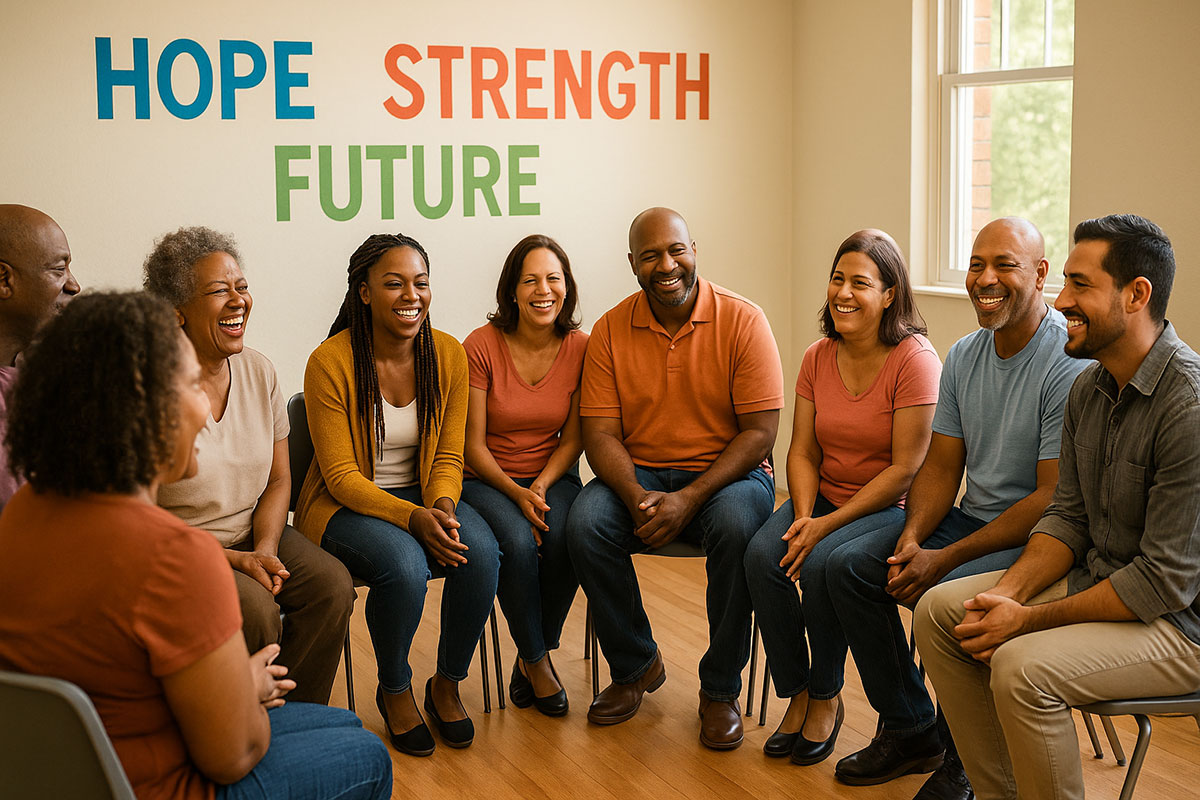
“I’ve seen people with all the skills in the world fail simply because they didn’t believe they were worthy of success. If you don’t change the story someone tells themselves, nothing else sticks. So let’s start here: What’s the single most powerful way to rebuild confidence in someone who’s been living on the street?”
Dolly Parton:
“Get them doing something kind for someone else. It’s amazing how giving lifts your own spirit. I’d have every participant volunteer early on — maybe read to kids, plant flowers in the park, or help cook meals. When you see you can make a difference, you start to believe you matter.”
The Rock:
“Daily rituals. Start the day with movement — a workout, a walk, anything that gets the body going. When the body feels strong, the mind follows. Add one simple goal for the day, then stack the wins.”
John Maxwell:
“Give them a vision. Most people in a rut can’t see past tomorrow. I’d work with them to create a personal ‘life map’ — short-term, mid-term, long-term goals. When you can see a destination, the journey has meaning.”
Tyler Perry:
“Tell them they’re seen. For some people, the first step toward self-worth is hearing ‘I believe in you’ from someone who means it. Sometimes it’s not a grand program — it’s human connection.”
Tim Tebow:
“And you’ve got to get them around other people who are on the same journey. Peer support is fuel. It’s easier to believe in yourself when you’re surrounded by people who are working toward their own comeback.”
Tony Robbins:
“Great. Now let’s make this practical. Once we get someone started, how do we keep their confidence growing day after day, so it doesn’t crumble the first time they hit a setback?”
John Maxwell:
“Measure progress, not perfection. Track small improvements — more days sober, more hours worked, more skills learned — and celebrate those wins regularly.”
Tyler Perry:
“Storytelling works. Let participants hear from others who’ve been in their shoes and made it through. If you can see yourself in someone else’s success story, you believe it’s possible for you.”
The Rock:
“Create team challenges. Whether it’s finishing a project or hitting a training milestone, working as part of a team builds accountability and pride.”
Dolly Parton:
“Encourage creativity. Art, music, writing — these things can be therapy. They give people a way to express who they are, which reminds them they’re more than their circumstances.”
Tim Tebow:
“Faith — in yourself, in a higher purpose, in the idea that tomorrow can be better. Give them daily practices that reinforce that hope, whether it’s prayer, journaling, or meditation.”
Tony Robbins:
“Now, the last piece. Once we’ve built that self-worth, how do we connect it directly to the career path so confidence turns into action?”
Tyler Perry:
“Link every success in the program to a real-world result. If they complete a project in training, show them how that exact skill gets them paid.”
Dolly Parton:
“Give them public wins. Let them present their work to an audience — even if it’s just a group of peers or local leaders. Being recognized builds pride.”
Tim Tebow:
“Keep them visible in the job market from day one. Let them meet employers early so they start to see themselves as professionals, not just trainees.”
The Rock:
“Have mentors inside the companies they join. Confidence can take a hit in a new job. A mentor on the inside keeps them steady.”
John Maxwell:
“And teach them to lead — even in small ways. Let them mentor someone else down the line. Nothing cements self-worth like helping another person rise.”
Tony Robbins (closing):
“So here’s our confidence-building system:
Early Acts of Contribution — proving to themselves they have value.
Daily Rituals & Small Wins — stacking momentum.
Peer Support & Storytelling — seeing success as possible.
Creative & Personal Expression — reinforcing identity.
Career Linkage — connecting confidence to tangible, paying opportunities.
If we build self-worth first, the skills and jobs we offer won’t just stick — they’ll become the foundation for a new life. Confidence is the engine. Everything else is the fuel.”
Topic 4: Funding Education, Not Dependency

Ken Langone (Moderator):
“Right now, too much money is going into programs that keep people comfortable in their poverty instead of moving them out of it. I’m not against helping people survive, but our goal here is to help them thrive. So here’s the first question: If you had the power to redirect just 15% of current homelessness funding, where would you put it to create the fastest path to independence?”
MacKenzie Scott:
“I’d put it into fast-grant job training funds. We can’t wait two years for a program to be approved. Direct, no-strings-attached grants to organizations with a proven track record of moving people into jobs within months.”
Muhammad Yunus:
“I’d adapt the microfinance model for the homeless — small loans with peer accountability groups. It’s low-cost, high-impact, and it forces active participation in building income.”
Marc Cuban:
“I’d create a micro-investment fund for small businesses. Even a $2,000 investment in someone’s idea — with a mentor attached — can turn into a stable income stream. It’s faster than waiting for corporate hiring.”
Dan Cathy:
“I’d channel it into public-private apprenticeship programs. The government covers part of the wages, employers handle training, and the individual gets both income and skills from day one.”
Sheila Johnson:
“I’d focus on education vouchers that cover trade school, certification courses, or GED completion — but only if participants show consistent attendance and progress.”
Ken Langone:
“Good. Now, second question: If we’re going to shift these funds, how do we make sure the programs they fund actually work — and don’t just become another bureaucratic black hole?”
Dan Cathy:
“Set clear performance metrics — job placement rates, income growth, and one-year retention. If a program doesn’t meet those numbers, it loses funding the next year.”
MacKenzie Scott:
“Use independent audits. Don’t let the programs grade their own homework. A neutral third party should track results and publish them publicly.”
Marc Cuban:
“Require participant feedback. If the people going through the program say it’s not helping them get work, that’s a red flag. Real users are the best quality control.”
Muhammad Yunus:
“Involve community ownership. If local leaders and former program graduates help run the program, they’ll make sure it delivers value because their reputation is on the line.”
Sheila Johnson:
“And keep the funding cycles short. Renew every six or twelve months based on results — that way, ineffective programs can’t drain funds for years.”
Ken Langone:
“Alright, final question: How do we sell this funding shift to both the public and policymakers, especially when ‘more housing’ has been the loudest talking point for decades?”
Marc Cuban:
“Show the math. Compare the cost of a lifetime in shelters to the cost of training someone into a $50,000-a-year job. When people see the numbers, it’s hard to argue against it.”
Sheila Johnson:
“Tell human stories. Put graduates of these programs in front of lawmakers. Let them see the faces of people who’ve gone from the street to self-sufficiency because of skills training.”
Dan Cathy:
“Make it bipartisan. Frame it as a taxpayer win, a business win, and a human win. Everyone can get behind saving money while improving lives.”
MacKenzie Scott:
“Move quickly on small pilots. If we can show results in one city within a year, it’s easier to convince others to scale it up.”
Muhammad Yunus:
“And remind people that dignity comes from earning. Housing is important, but without income, it’s a revolving door. This is about closing that door for good.”
Ken Langone (closing):
“So here’s our funding reallocation blueprint:
Redirect 15% of Homelessness Funds into skills training, apprenticeships, microloans, and education vouchers.
Demand Accountability — independent audits, participant feedback, and performance metrics.
Pilot Fast, Scale Later — start small, prove results, then expand nationally.
Sell the Story and the Savings — use both data and personal success stories to win public and political support.
Focus on Dignity — income over dependency, opportunity over charity.
If we push this hard enough, we can turn homelessness funding from a maintenance plan into an exit plan.”
Topic 5: The Apprenticeship Revolution

Daymond John (Moderator):
“I learned everything about building FUBU by doing it — hands on, day after day. That’s why apprenticeships are so powerful: they turn training into a paycheck. But most apprenticeship systems are small and scattered. Let’s start here: What would it take to build a national apprenticeship pipeline that guarantees jobs for people coming out of homelessness programs?”
Ken Langone:
“You start by working backward. Identify the industries desperate for workers — construction, healthcare support, logistics, skilled trades. Build training specifically for those gaps, then line up employers before the first trainee even starts.”
Barbara Corcoran:
“And don’t just focus on big corporations. Small businesses are desperate for talent but can’t afford long training periods. We should create an apprenticeship tax credit so they can hire and train without losing cash flow.”
Mike Rowe:
“We have to make apprenticeships cool again. People think it’s a backup plan if college doesn’t work. No — it’s a career launchpad. We need a national awareness campaign showing success stories, not just job titles.”
Marc Andreessen:
“I’d build a National Apprenticeship Exchange online. Employers post opportunities, candidates upload skills, and AI matches them instantly. It’s fast, scalable, and transparent.”
Dan Cathy:
“And I’d make mentorship part of every apprenticeship. Skills get you in the door, but character and culture keep you there. Employers need to train the person, not just the worker.”
Daymond John:
“Good. Now let’s go deeper. Apprenticeships only work if people complete them. How do we make sure trainees not only start but finish and transition into full-time roles?”
Mike Rowe:
“Pay them from day one. Even a modest wage during training keeps people engaged. Subsidize that first few months through redirected homelessness funds.”
Marc Andreessen:
“Make progress visible. If trainees can see how far they’ve come and what’s next, they’re more likely to stick with it. That’s where digital tracking tools shine.”
Barbara Corcoran:
“Give them small promotions within the apprenticeship. If someone hits a milestone, give them a title bump or wage bump. It’s a clear signal that they’re moving forward.”
Dan Cathy:
“Integrate them into the company culture immediately. Invite them to meetings, social events, training days. Make them feel like part of the team, not just a temporary worker.”
Ken Langone:
“And keep employers accountable. If they take on apprentices, they commit to giving them a fair shot at a permanent position when the program ends.”
Daymond John:
“Alright, last piece — how do we sell this idea so both the government and private sector buy in and fund it nationwide?”
Barbara Corcoran:
“Lead with success stories. Show the media and policymakers real people who’ve gone from the street to a stable career through an apprenticeship.”
Ken Langone:
“Talk dollars and cents. Compare the cost of training someone into a $50,000-a-year job with the cost of keeping them in shelters. It’s a financial no-brainer.”
Mike Rowe:
“Appeal to pride. Every business leader wants to be seen as a job creator. Give them a platform to showcase their role in changing lives.”
Dan Cathy:
“Frame it as a community investment. The more people employed, the healthier the local economy. That’s something both political sides can get behind.”
Marc Andreessen:
“And make it scalable from the start. Show that the infrastructure — from the digital exchange to wage subsidies — can work in every state without reinventing the wheel each time.”
Daymond John (closing):
“So here’s our national apprenticeship blueprint:
Industry-Driven Training — match skills to high-demand sectors.
Employer Commitments — jobs lined up before training begins.
Wage Subsidies — pay from day one through reallocated funds.
Progress Tracking & Recognition — keep engagement high.
Scalable Digital Exchange — connect employers and trainees nationwide.
If we do this right, no one leaves our programs wondering where their next paycheck will come from. They’ll already have the job, the skills, and the future in their hands.”
Final Thoughts By Mike Rowe
I’ve met men and women who’ve been told their whole lives they’re not worth the effort. The truth is, they’re worth every bit of it. They don’t need another handout; they need a hand up — one that comes with expectations, responsibility, and the means to stand on their own.
What you’ve heard in these conversations is a roadmap that works. We’ve got the skills, the mentors, the confidence-building, the funding strategy, and the apprenticeships lined up. The only question left is whether we have the will to act on it.
If we can take just a fraction of the money we’re already spending and put it into programs that lead to paychecks instead of dependency, we’ll see the results in pay stubs, tax receipts, and communities that are stronger because the people in them are working and contributing again.
This isn’t charity. This is investment — in people, in potential, in the belief that a better life is possible if you’re willing to work for it. And I can promise you this: when work becomes part of the equation, everything else starts to change.
Short Bios:
Mike Rowe – Television host, founder of the MikeRoweWORKS Foundation, and leading advocate for skilled trades education and workforce development.
Daymond John – Entrepreneur, FUBU founder, investor on Shark Tank, and expert in small business growth and brand building.
Barbara Corcoran – Real estate mogul, investor on Shark Tank, and mentor specializing in entrepreneurship and small business development.
Marc Andreessen – Venture capitalist, co-founder of Andreessen Horowitz, and investor in scalable technology and workforce solutions.
Ken Langone – Co-founder of The Home Depot, philanthropist, and advocate for self-sufficiency through work and opportunity.
The Rock (Dwayne Johnson) – Actor, entrepreneur, and former professional wrestler with a focus on motivation, resilience, and community impact.
John Maxwell – Leadership expert, author, and mentor with decades of experience in personal growth and leadership development.
Tyler Perry – Filmmaker, playwright, and philanthropist who rose from homelessness to become one of the most successful figures in entertainment.
Tim Tebow – Former NFL quarterback, philanthropist, and motivational speaker dedicated to service, faith, and community empowerment.
Franklin Graham – President of Samaritan’s Purse, international humanitarian leader with a focus on relief and development projects.
Sheila Johnson – Co-founder of BET, business leader, and philanthropist investing in education, hospitality, and community initiatives.
Tony Robbins – Motivational strategist, author, and philanthropist known for personal development programs and humanitarian projects.
Dolly Parton – Singer-songwriter, actress, and philanthropist, founder of the Imagination Library and advocate for education and literacy.
MacKenzie Scott – Author and philanthropist known for rapidly distributing billions in unrestricted grants to social and educational causes.
Dan Cathy – Chairman of Chick-fil-A, business leader, and philanthropist focused on community development and youth programs.
Marc Cuban – Entrepreneur, investor, and owner of the Dallas Mavericks, supporter of education and entrepreneurship initiatives.
Muhammad Yunus – Nobel Peace Prize-winning economist and founder of Grameen Bank, pioneer of microfinance and social business.
Leave a Reply