

|
Getting your Trinity Audio player ready...
|
Introduction by Hank Paulson
For decades, I’ve watched America move through financial shocks, inflation cycles, and structural shifts. One reality never changes: when life becomes unaffordable, confidence in the future erodes.
Today, Americans aren’t confused — they’re experiencing real price pressures in food, housing, energy, and everyday essentials. This is not a messaging issue. It’s a structural problem built up over many years of slow supply growth, outdated systems, and policy choices that didn’t keep pace with economic change.
But we’ve rebuilt before, and we can rebuild again.
This series focuses on four areas that determine affordability: stopping inflation, increasing production, reducing systemic waste, and allowing prices to fall naturally through supply-side reforms. These conversations aren’t ideological; they’re practical. They’re about strengthening the fundamentals so families can live with stability, dignity, and optimism.
America has the capacity to solve this. We simply need clarity, discipline, and leadership committed to results — not rhetoric.
(Note: This is an imaginary conversation, a creative exploration of an idea, and not a real speech or event.)
Topic 1: Affordability

Newt Gingrich — Opening Remarks
When I talk to Americans today—retirees in Florida, young families in Georgia, single parents in Pennsylvania—they all express the same frustration: “I’m doing everything right, but everything is still too expensive.” That feeling is not caused by a single policy or a short-lived shock. It is the result of deeper forces that have been building for years: slow productivity, constrained supply, excessive regulation, fragile systems, and a national economy that has made it too hard to build, too slow to produce, and too easy for prices to rise faster than wages.
Affordability is not one issue. It is the intersection of many issues. But before we talk about stopping inflation, producing more, reducing waste, or fixing supply-side structures, we must first understand the nature of the affordability crisis itself—how it feels, how it functions, and why it persists even when headline inflation cools.
Let’s begin with our first question.
QUESTION 1
“What are the deepest forces driving today’s affordability crisis beyond simple inflation?”
Claudia Sahm
The biggest underlying force is what I call household cost drag. Even when wages rise, fixed costs—housing, childcare, healthcare, transportation—rise faster. Families don’t experience inflation as an index. They experience it as the gap between what they must pay and what they bring home. And that gap has grown for years because essential sectors became structurally expensive long before the recent inflation spike.
Austan Goolsbee
We face a productivity paradox. Services dominate the modern economy, yet service productivity barely grows. When productivity stagnates, prices naturally climb over time. You can’t make haircuts, elder care, or childcare dramatically more efficient without major innovation. So even in non-crisis periods, affordability erodes slowly but steadily.
Stephanie Pomboy
Consumers are simply tapped out. They’ve been stretching paychecks with debt—credit cards, buy-now-pay-later, auto loans. As borrowing costs rise, their financial cushion evaporates. The affordability crisis is not just prices rising; it’s the end of the consumer’s ability to absorb those price increases.
Neil Irwin
Pricing power shifted. After the pandemic, many companies discovered they could raise prices without losing customers. Some of it was justified—higher costs, broken supply chains—but part of it stuck because consumers had few alternatives. Consolidation in key industries made competitive pressure weaker.
Jason Furman
We also created a brittle economy. Housing shortages, supply constraints, zoning limits, slow permitting, labor mismatches—these structural frictions make the system slow to adapt. When demand surges or shocks hit, prices jump because supply cannot respond quickly.
QUESTION 2
“Why do price increases feel ‘sticky’ to Americans even when inflation slows?”
Jason Furman
Inflation slowing means prices rise more slowly. It does not mean prices fall. People hear “inflation is down” and expect relief, but their bills remain higher. That psychological gap—between headline data and lived experience—is the heart of the stickiness problem.
Stephanie Pomboy
Because household budgets work on absolute numbers, not percentages. If groceries are up 30% from three years ago, that’s a permanent dent in disposable income. “Low inflation” after a huge jump is like saying, “The bad news stopped getting worse.” That’s not improvement.
Austan Goolsbee
There’s also wage lag. Prices jump first; wages adjust later, slowly, unevenly. When inflation cools before wages catch up, people still feel squeezed because the income side hasn’t healed yet.
Claudia Sahm
Another factor: substitution fatigue. People already downgraded brands, cut back on take-out, reduced travel, switched stores. Once consumers run out of coping strategies, every small price increase feels heavier than before.
Neil Irwin
And finally, businesses rarely reverse prices even when their own costs fall. Instead, they add promotions or shrinkflation. From the consumer’s perspective, the “real price” didn’t come down. The sense of unfairness lingers.
QUESTION 3
“What concrete early wins would make families feel relief the fastest?”
Claudia Sahm
Lowering food and utility costs would make the biggest psychological difference. These are weekly or monthly bills that anchor a household’s sense of stability. Even a 5–10% reduction would relieve anxiety for millions.
Neil Irwin
Fixing junk fees and deceptive pricing. People hate feeling tricked. If airline fees, hotel fees, telecom fees, and subscription traps were cleaned up, the psychological impact would be bigger than the dollar savings.
Jason Furman
Rapid permitting for new housing in high-demand regions. More supply drives rents and home prices down faster than any subsidy. Housing is the biggest affordability lever we have.
Stephanie Pomboy
Debt relief through lower interest costs. Refinancing pathways, lower credit card rates, and easing repayment pressure would restore breathing room for millions who are suffocating under compounding debt.
Austan Goolsbee
Accelerating productivity tools—especially AI —into customer service, healthcare admin, logistics, and education. When services become cheaper to deliver, prices finally stop drifting upward.
Newt Gingrich — Closing Reflections
If there’s one message that emerges from this conversation, it’s that affordability is not a passing problem. It is a structural challenge rooted in slow supply growth, high fixed costs, productivity stagnation, and a fragile system that has lost its resilience.
Americans feel squeezed because they are squeezed. Prices rose rapidly, but the systems behind those prices—housing, supply chains, energy, services—never fully healed. Unless we address these systems directly, families will continue to feel the strain no matter what the inflation numbers say.
But there is one encouraging truth: every driver of this crisis is solvable.
We can build faster.
We can produce more.
We can innovate boldly.
We can fix the waste that drives costs up.
And we can make the American economy affordable again—not by messaging, but by rebuilding capacity.
Affordability is not fate. It is a choice. And the solutions are within reach.
Topic 2: Stopping Inflation
Newt Gingrich — Opening Remarks
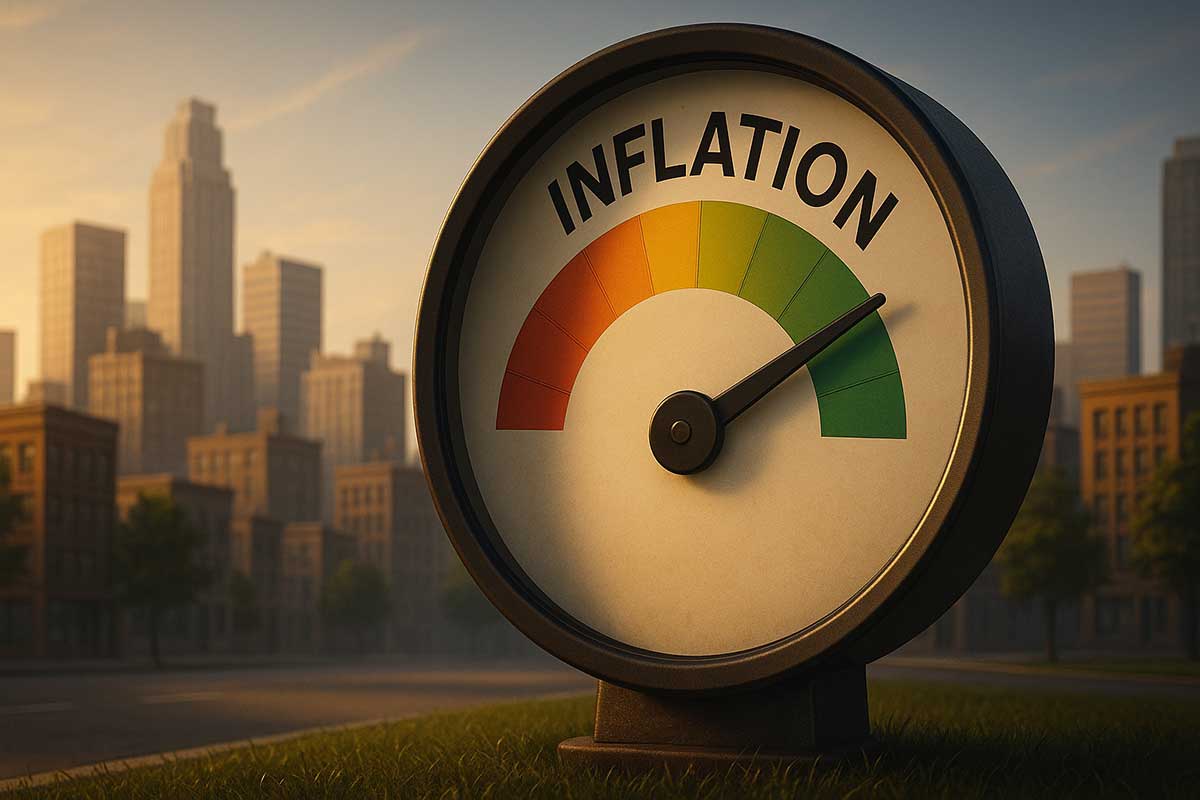
Inflation is more than an economic statistic. It is a constant pressure point that touches every American household—raising grocery bills, shrinking savings, and eroding confidence. While the causes of inflation can be debated, its effects are unmistakably real. And the challenge we face today is not only stopping inflation but doing so without triggering a recession, worsening unemployment, or harming the very families we’re trying to help.
That balance—stability without stagnation—is the hardest challenge in modern economic policy. Today, we examine it at the highest level. Let’s begin.
QUESTION 1
“What is the fastest realistic pathway to stop inflation without causing a recession?”
Larry Summers
The honest answer is that there are no magic tricks. The fastest route depends on restoring balance between supply and demand. That means tightening fiscal policy—fewer stimulus-like programs, more targeted spending—and allowing monetary policy to do its job. But it must be done carefully. Too slow, inflation sticks. Too fast, recession hits. The art is disciplined moderation, not shock therapy.
Mohamed El-Erian
Credibility is the fastest tool. If households and businesses trust that policymakers are serious and competent, inflation slows more easily. But when credibility weakens, policy must work twice as hard. We need consistent messaging, coordinated fiscal–monetary alignment, and a clear framework that businesses can count on.
Janet Yellen
A soft landing is still achievable by improving supply. That means relieving bottlenecks—labor shortages, shipping delays, energy disruptions—while avoiding unnecessary fiscal over-stimulation. We should enhance labor force participation, support childcare availability, and speed up permitting. If supply expands, inflation cools without sacrificing growth.
Paul Krugman
A significant portion of recent inflation came from shocks—pandemic disruptions, sudden demand surges, and supply chain chaos. Many of those shocks are already easing. The fastest way to reduce inflation without a recession is to let supply chains fully normalize while ensuring we don’t panic and over-correct. Sometimes doing too much is worse than doing too little.
Robert Shiller
We must address expectations. People raise prices—and accept higher prices—because they believe inflation will persist. If we shift the national narrative, showing that prices will stabilize, behaviors follow. Clear communication reduces the need for aggressive tightening.
QUESTION 2
“How do we reset inflation expectations so consumers and businesses stop ‘baking in’ higher prices?”
Robert Shiller
Expectations are socially constructed. Inflation becomes “sticky” when people expect tomorrow to be more expensive than today. That mindset shifts everything from wage negotiations to menu pricing. To reset expectations, leaders must convey confidence, competence, and clarity—not confusion or contradiction. Trust reduces fear, and reduced fear reduces inflation momentum.
Mohamed El-Erian
Stability in policy messaging is key. When government says one thing, the central bank says another, and markets interpret a third, expectations drift upward. We must show alignment: a unified national inflation objective, communicated consistently.
Paul Krugman
We should look at specific sectors. Some industries—like restaurants, travel, and used cars—raised prices aggressively because people tolerated it. Encouraging competition through antitrust enforcement or removing barriers to entry can push prices back down. Competition resets expectations faster than speeches.
Larry Summers
We also need to temper wage–price spirals. Businesses pass rising wages onto consumers. Workers respond by demanding higher wages. Expectations amplify. The solution isn’t suppressing wages—it’s increasing productivity so real wages can rise without fueling prices.
Janet Yellen
Finally, transparency matters. If consumers understand which price increases are temporary versus structural, they behave more rationally. Information reduces panic-driven price acceptance.
QUESTION 3
“What short-term and long-term policies can permanently break the inflation cycle?”
Janet Yellen
Short-term: strengthen supply chains, support labor mobility, and encourage targeted investments where bottlenecks persist—like energy, housing, and semiconductors.
Long-term: rebuild America’s productive capacity so future demand surges don’t overwhelm supply. When the real economy is strong, inflation stays low naturally.
Larry Summers
Short-term: disciplined fiscal restraint.
Long-term: structural reforms that raise growth—immigration reform, permitting reform, infrastructure modernization. A productive economy is the best inflation defense ever invented.
Mohamed El-Erian
Short-term: boost resilience.
Long-term: redesign the system.
That means diversifying supply chains, increasing domestic capacity, and investing in adaptive technologies. The inflation of the future will be driven by fragility unless we build resilience now.
Paul Krugman
Short-term: avoid over-tightening and trust supply recovery.
Long-term: reduce concentrated market power. When too few companies dominate a sector, it becomes easier to raise prices and keep them high. A more competitive economy is a less inflationary one.
Robert Shiller
Short-term: communication strategies that soothe markets rather than frighten them.
Long-term: improve economic literacy nationally. A society that understands inflation is far less likely to panic, hoard, or overshoot expectations.
Newt Gingrich — Closing Reflections
If Topic 1 taught us why affordability feels so crushing, Topic 2 shows the complexity behind stopping inflation. There is no single lever. Inflation’s roots are psychological, structural, competitive, and global. But the experts agree on one core truth: inflation can be brought under control without sacrificing growth—if the right steps are taken.
We must realign fiscal and monetary policy.
We must rebuild trust in the system.
We must renew our productive capacity.
We must communicate coherently with the American people.
Inflation is not destiny. It is a challenge that responds to clarity, discipline, and competence. If we get the fundamentals right, inflation slows, confidence rises, and affordability becomes possible again.
This is where the next chapter begins.
Topic 3: Increasing Production of Goods & Services

Newt Gingrich — Opening Remarks
America is a nation that once built faster, cheaper, and more confidently than any society in history. We built railroads across continents in years, skyscrapers in months, and entire industries in a single generation. Production wasn’t a bottleneck—it was our identity.
Today, however, we find ourselves constrained. It takes years to permit a factory, a decade to approve energy projects, and endless layers of regulation to construct homes. Productivity has slowed. Building has become harder instead of easier. And without increasing our capacity to produce housing, food, energy, technology, and essential goods, affordability will never fully return.
To understand how we reignite America’s productive engine, we begin with our first question.
QUESTION 1
“What prevents America from producing more housing, energy, technology, and essential goods quickly?”
Tyler Cowen
Our biggest obstacle is what I call a state capacity decline. We created rules intended to protect, but over time they accumulated into a web of paralysis. Whether it’s zoning, environmental reviews, licensing, or procurement processes, our systems are designed to slow down anything big, new, or fast. Even when we have money and talent, we lack the institutional ability to act decisively.
Elon Musk
The problem is that we’ve optimized for process instead of outcome. When we build a factory, the hardest part isn’t engineering or technology—it’s paperwork, delays, approvals, committees, lawsuits, and contradictory rules. America still has world-class engineers, but they’re stuck in a system that moves slower than innovation.
Marc Andreessen
Culturally, we’ve shifted from a mindset of “yes, build” to one of “no, you can’t.” It’s a psychological and political shift. We have veto players everywhere—planning boards, neighborhood councils, agencies, activists—each with the power to stop or delay progress. An economy with infinite vetoes cannot produce abundance.
Mellody Hobson
Another barrier is capital allocation. Investors became obsessed with short-term returns rather than long-term building. Companies cut investment in new capacity because the financial markets rewarded buybacks and cost-cutting over expansion. Reversing this requires leadership and incentives that reward growth, not just efficiency.
Sam Altman
We also have a talent bottleneck. Millions of jobs in manufacturing, logistics, engineering, and skilled trades go unfilled. It’s not that people don’t want to work—it’s that the training pipelines, immigration policies, and upskilling systems are outdated. Without talent, capacity stays limited.
QUESTION 2
“Which technologies could immediately unlock a surge in production if deployed at scale?”
Sam Altman
AI is the fastest lever. Service-sector productivity is historically low, and AI can dramatically improve it. Administrative work, logistics coordination, coding, design, customer service—AI can multiply human output. If America adopts AI tools widely, we’ll create a productivity surge reminiscent of electrification or computing.
Elon Musk
Advanced robotics in manufacturing. Automation is misunderstood—it doesn’t replace people; it lets people focus on tasks humans are good at while machines handle repetitive work. With robotics, we can build factories in the U.S. that match or exceed the output of overseas plants, making domestic production cheaper and faster.
Marc Andreessen
Construction tech is the sleeping giant. 3D-printed buildings, modular manufacturing, AI-driven design systems, and robotic assembly could cut housing costs by 30–60%. Housing is the biggest source of unaffordability in America, and technological building methods could solve that at scale.
Mellody Hobson
Supply-chain digitalization. We still rely on outdated systems that create delays, lost inventory, and inefficiencies. Real-time visibility, predictive analytics, and automated planning would reduce waste enough to free up enormous productive capacity.
Tyler Cowen
Energy innovations—particularly small modular reactors and next-generation nuclear—could unleash production across every sector. Cheap, abundant energy is the foundation of a growing economy. Without it, everything else struggles to scale.
QUESTION 3
“What structural reforms would allow America to ‘build like it used to’ again?”
Marc Andreessen
Adopt a national abundance mindset. Politically, we must shift from “no unless” to “yes if.” Yes—we will build housing if it meets safety standards. Yes—energy projects can move forward if they follow environmental rules. Yes—factories can expand if they meet modern requirements. Build-first governance unlocks growth.
Tyler Cowen
Reform permitting. NEPA reviews, zoning laws, and multi-tier approvals must be significantly streamlined. We need predictable, fast timelines—not endless reviews. Other countries build infrastructure three to five times faster. This is not a capability issue—it is a policy issue.
Elon Musk
Shorten project cycles. A factory should not take five years to approve. Rapid prototyping, rapid building, rapid scaling—this is how America once operated. If we compress timelines, we recover our competitive advantage instantly.
Mellody Hobson
Incentivize long-term investment. Tax incentives, accelerated depreciation for new factories, and rewards for expanding domestic capacity create an environment where companies build instead of hoard capital.
Sam Altman
Massive investment in talent. Apprenticeships, vocational training, AI literacy, and immigration reform. The more builders we have—engineers, technicians, machinists—the faster the country grows. Talent is the ultimate constraint.
Newt Gingrich — Closing Reflections
If Topic 2 showed us how inflation stabilizes, Topic 3 reveals how prosperity returns. America cannot simply slow inflation—we must expand our capacity to build again. Every expert here agrees that our constraints are not technological but structural.
We must cut through bureaucratic paralysis.
We must invest in talent and innovation.
We must unleash energy abundance.
We must revive the cultural confidence that once defined American industry.
Increasing production is not a luxury—it is the foundation of affordability. If America builds boldly again, prices fall naturally, wages rise sustainably, and the American Dream becomes attainable rather than aspirational.
This is the heart of affordability: more supply, more capability, more creation.
Rebuilding our productive engine is not merely an economic task—it is a national renewal project.
Topic 4: Reducing Waste & Systemic Inefficiencies

Newt Gingrich — Opening Remarks
Waste is the quiet thief of national prosperity. It doesn’t appear on receipts or headlines, yet it steals billions—sometimes trillions—from American families. Waste hides in slow permitting, duplicative regulations, outdated government systems, logistical bottlenecks, construction delays, healthcare paperwork, transportation inefficiencies, legal gridlock, energy transmission losses, and bureaucratic loops that consume time and money without producing value.
When a system becomes slow, everything becomes expensive.
And the American system has become very slow.
Today, we explore the hidden costs behind the affordability crisis—and how to remove them decisively.
QUESTION 1
“Where does America waste the most money, time, and resources in ways that directly increase prices?”
Jim Bianco
The supply chain remains riddled with inefficiencies. Ports operate with outdated technology. Trucking routes are fragmented, under-optimized, and plagued by regulatory inconsistencies across states. Warehouses are overloaded with inventory because data visibility is poor. These inefficiencies add 10–20% to consumer prices without delivering an extra ounce of value.
Anne-Marie Slaughter
Government systems are outdated by decades. Agencies operate on legacy software, slow processes, incompatible databases, and rigid procedural requirements. This leads to delays in approvals, benefits, licenses, and certifications—each delay raising costs for businesses and households. Inefficiency isn’t an accident; it’s embedded in structures built for another era.
Peter Thiel
The real waste is institutional sclerosis—the inability of major organizations, public or private, to adapt. When institutions stagnate, they absorb resources without producing progress. Universities, healthcare systems, regulatory agencies, and large corporations all suffer from administrative bloat that inflates costs while reducing output.
John Doerr
Energy inefficiency is a massive silent cost. Transmission losses, outdated grid infrastructure, slow renewable integration, and under-investment in modernized energy systems force Americans to pay far more than necessary. The grid alone wastes enough energy each year to power millions of homes.
Vivek Kundra
Data fragmentation creates enormous waste. The government alone runs thousands of disconnected systems that can’t talk to each other. Businesses face similar fragmentation. This causes errors, duplications, long wait times, and huge administrative burdens that ultimately raise prices for consumers.
QUESTION 2
“How do we fix government systems that slow down permits, building, production, and delivery?”
Peter Thiel
First, acknowledge the root problem: government incentives reward delay, not speed. Every approval process is built to avoid blame, not achieve outcomes. We must invert that philosophy. Agencies should be judged by how quickly and effectively they enable national progress, not by how methodically they say “no.”
Vivek Kundra
Digitizing core government systems is essential. We need unified databases, real-time tracking, digital permitting, and modern identity verification. When Estonia digitized government services, processes that once took weeks were reduced to minutes. Modernization is not optional—it is the foundation of national competitiveness.
Anne-Marie Slaughter
We must also streamline overlapping jurisdictions. Too many agencies share partial authority over the same projects, which guarantees confusion and delay. Clear responsibility—one project, one accountable office—would cut years from major builds.
John Doerr
Introduce “fast lanes” for high-impact infrastructure—ports, power lines, factories, housing, and energy projects. These should have guaranteed timelines, transparent standards, and coordinated review. Speed becomes the default, not the exception.
Jim Bianco
And finally, integrate data across federal, state, and local levels. Permitting delays often arise because agencies rely on outdated or incomplete information. Real-time shared data would erase many bottlenecks overnight.
QUESTION 3
“What new efficiencies could save Americans the most money the fastest?”
John Doerr
Energy modernization. Fixing the grid, improving transmission efficiency, and integrating new energy sources could lower household electric bills by 20–30%. Energy touches every sector—fixing it creates cost relief everywhere.
Jim Bianco
A fully digital supply chain with real-time data would reduce waste, shortages, overstock, and trucking inefficiencies. Prices for food, consumer goods, medicine, and manufacturing supplies would fall because uncertainty and error are incredibly expensive.
Peter Thiel
Disrupt bureaucratic gatekeeping. If we eliminate unnecessary approvals and simplify compliance rules, we reduce costs for housing, medicine, transportation, and consumer goods. Complexity is a hidden tax that punishes both businesses and families.
Anne-Marie Slaughter
Healthcare administration. Americans spend more on healthcare paperwork than entire nations spend on healthcare. Streamlining claims, billing, and data systems would save families billions and increase transparency.
Vivek Kundra
Automation of public services—drivers licenses, passports, benefits, business filings—would save millions of labor hours and dramatically improve responsiveness. When government functions efficiently, the entire economy becomes more efficient.
Newt Gingrich — Closing Reflections
This conversation reveals a truth Americans have felt but often cannot name: waste is expensive. Every delay, every redundant process, every outdated system, every inefficient grid, every fractured database—all of it inflates prices.
We are not paying for goods and services.
We are paying for slow systems.
And slow systems make everything cost more.
But there is also hopeful clarity. Waste is not destiny. It can be removed. Systems can be modernized. Government can be made competent. Supply chains can be digitally integrated. Bureaucratic paralysis can be replaced with speed. When we eliminate waste, prices fall—not by mandate, but by math.
Reducing systemic inefficiencies is one of the fastest, fairest, and most bipartisan paths to restoring affordability. It strengthens families, empowers businesses, and renews trust in the nation’s capacity to solve problems.
Efficiency is not merely economic strategy—it is national renewal.
Topic 5: Allowing Prices to Fall Naturally Through Supply-Side Reforms
Newt Gingrich — Opening Remarks
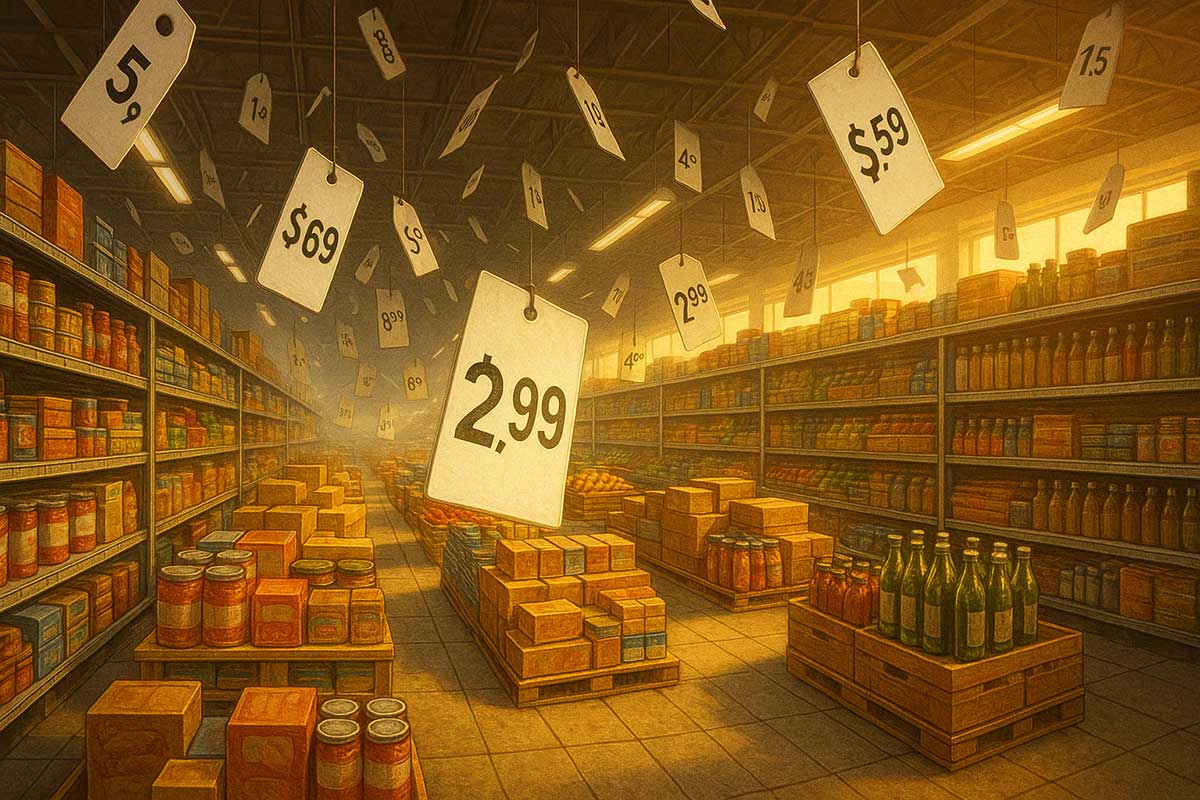
When Americans hear “lower prices,” they often imagine government mandates, price controls, or temporary tax holidays. But history shows those approaches rarely work—and often backfire. Real, durable affordability comes from something far more fundamental: abundant supply.
When housing supply increases, rents fall.
When energy supply expands, electricity becomes cheaper.
When factories proliferate, goods become more affordable.
When innovation accelerates, productivity lifts wages without lifting prices.
Supply-side reforms are not abstract theory—they are the mechanisms by which prices fall naturally, not artificially. If we want affordability that lasts decades, not months, this is where the conversation must go.
Let’s begin.
QUESTION 1
“What specific supply-side reforms would most reliably lower prices for everyday Americans?”
Arthur Laffer
The fastest way is to reduce marginal tax rates on work, savings, and investment. When people keep more of what they earn, they produce more. When businesses keep more of what they invest, they expand capacity. More production equals lower prices. Taxes should encourage economic activity, not punish it.
Christina Romer
Historically, supply booms come from infrastructure investment. When a nation builds modern ports, energy grids, broadband networks, and transportation systems, the cost of doing business falls. Lower business costs translate into lower consumer prices across the board.
Kevin Hassett
Regulatory reform is essential. Compliance costs function as hidden taxes that raise prices. Streamlining environmental reviews, zoning, workplace rules, and licensing can dramatically lower the cost of housing, childcare, energy, and consumer goods—without sacrificing safety.
Glenn Hubbard
Labor mobility is one of the most overlooked supply-side levers. When workers can move more easily—to new regions, new industries, new training pipelines—labor shortages shrink and production rises. Lower labor bottlenecks mean lower costs for consumers.
Michael Boskin
Innovation incentives must be strengthened. R&D credits, accelerated depreciation, and patent-process modernization all drive technological progress. Technological progress is the single most reliable long-term driver of lower prices.
QUESTION 2
“How do we increase competition, innovation, and investment without destabilizing the economy?”
Glenn Hubbard
Stability comes from predictability. Businesses invest when tax policy, regulation, and interest-rate expectations remain stable over time. Sudden shifts—no matter the ideology—undermine confidence. A stable, long-term framework invites investment that boosts supply.
Christina Romer
We must focus on sectors where competition has faded: airlines, telecom, healthcare, shipping, and meatpacking. A few dominant players mean higher prices. Encouraging new entrants, breaking down barriers to entry, and reducing anti-competitive behavior restores healthy deflationary pressure.
Arthur Laffer
We should decentralize decision-making. States have different strengths—let them compete. Competition between states for talent, investment, and innovation creates a virtuous cycle that boosts national productivity and lowers prices.
Michael Boskin
Modernize our measurement systems. When we measure productivity and inflation poorly, we design poor policies. Better price tracking, real-time supply metrics, and digital economic models allow policymakers to act with precision instead of brute force.
Kevin Hassett
Encourage private investment in long-lived assets. The more the private sector builds—factories, housing, energy infrastructure—the more prices decline sustainably. Public–private partnerships can accelerate this without excessive risk.
QUESTION 3
“What safeguards ensure that supply-side policies translate into lower prices rather than higher profits only?”
Christina Romer
Transparency is key. If firms receive incentives—tax credits, expedited permits, subsidies—they must provide clear reporting on output, pricing, and investment. When the public sees that incentives produce real capacity, confidence rises.
Kevin Hassett
We must expand supply broadly across sectors. If supply grows in many industries at once, firms have less ability to pocket windfall profits because consumers have alternatives. Widespread competition ensures reforms benefit buyers, not just sellers.
Arthur Laffer
The safeguard is growth itself. When the economy expands and productivity rises, businesses face downward pricing pressure. Higher output reduces scarcity power, forcing companies to compete on price and quality.
Michael Boskin
Consumers must have mobility—ability to switch providers, move between regions, and access digital markets. Mobility increases competitive pressure, which keeps prices in check even during expansion periods.
Glenn Hubbard
We need a more dynamic small-business sector. Small firms discipline big firms. If regulation and financing become more accessible for startups, innovation accelerates and prices fall as new entrants challenge incumbents.
Newt Gingrich — Closing Reflections
This conversation reveals a powerful truth: prices fall naturally when a nation builds abundantly. When workers are empowered, when entrepreneurs invest, when technology accelerates, when regulations support rather than inhibit growth—affordability becomes a byproduct of a thriving economy.
Supply-side reforms are not about enriching the few. They are about empowering the many. They expand opportunity, increase competition, strengthen resilience, and flood the economy with the goods, services, energy, housing, and innovation that make life not just affordable but prosperous.
If America wants lasting affordability—not temporary relief, not one-time checks, not artificial price controls—supply-side reforms are the only path that works over decades. They turn scarcity into abundance, pressure into growth, and uncertainty into confidence.
This completes our five-part journey.
Taken together, the message is unmistakable:
Affordability returns when America builds, innovates, and invests boldly again.
Final Thoughts by Ray Dalio

History shows that nations rise when productivity outpaces costs — and they struggle when the opposite occurs. America’s affordability crisis is part of a long-term cycle shaped by underinvestment, inefficiencies, and declining resilience.
But cycles can turn.
Prices fall naturally when a country builds more, innovates faster, and operates more efficiently. Supply grows, opportunity expands, and society becomes more stable.
The path forward is straightforward:
increase productivity, expand supply, modernize systems, and rebuild unity of purpose.
If we choose these principles, affordability won’t be a long-term crisis — it will be the moment America reset its foundations and entered a stronger era.
The tools are there. The history is there. The choice is ours.
(Note: This is an imaginary conversation, a creative exploration of an idea, and not a real speech or event.)
Short Bios:
Newt Gingrich is a former Speaker of the U.S. House of Representatives, historian, and long-time policy strategist known for his deep interest in economic reform, government efficiency, and large-scale systems change. He frequently writes about affordability, productivity, and long-term national competitiveness.
Henry “Hank” Paulson served as the 74th U.S. Secretary of the Treasury and is the former CEO of Goldman Sachs. Widely regarded for his crisis-management expertise, he focuses on financial stability, economic resilience, and preventing systemic shocks that undermine affordability.
Ray Dalio is the founder of Bridgewater Associates, one of the largest hedge funds in the world. A leading thinker on macroeconomics and long-term cycles, he specializes in understanding inflation, productivity, and structural forces that shape national prosperity.
Austan Goolsbee is a leading economist and President of the Chicago Federal Reserve, known for research on prices, markets, and consumer behavior. His work emphasizes practical solutions to real-world affordability issues.
Claudia Sahm is a macroeconomist recognized for the “Sahm Rule,” a key indicator of recession onset. She focuses on the direct financial pressures faced by middle-class families and how policy affects household budgets.
Matt Stoller is an antitrust analyst and author who studies market concentration, corporate pricing power, and competition policy. His work explores how monopolies drive up consumer costs.
Tyler Cowen is an economist and author known for his work on economic growth, innovation, and efficiency. He often analyzes cost trends across industries and how to unlock lower prices through dynamism.
Diana Furchtgott-Roth is an economist focused on labor markets, transportation, and supply-side reform. She advocates for policies that boost affordability through increased production.
Jason Furman is a former Chair of the Council of Economic Advisers with deep expertise in inflation dynamics, fiscal policy, and pricing pressures.
John Cochrane is a senior fellow at the Hoover Institution known as “the Fiscal Theory of the Price Level” economist. He studies how government debt and policy influence inflation.
Christina Romer is an economic historian and former Chair of the Council of Economic Advisers. She specializes in inflation cycles and monetary stabilization.
Larry Summers is a former Treasury Secretary and Harvard economist known for his controversial but accurate predictions regarding inflation and structural price pressures.
Raghuram Rajan is the former Governor of the Reserve Bank of India and a leading thinker on inflation, banking systems, and financial discipline.
Marc Andreessen is a prominent entrepreneur and venture capitalist focused on technology-driven productivity, large-scale innovation, and abundance-oriented economic models.
Elon Musk is the CEO of Tesla and SpaceX, known for pushing rapid innovation, automation, and large-scale manufacturing breakthroughs.
Balaji Srinivasan is an investor and technologist specializing in decentralized systems, industrial acceleration, and supply-side innovation.
Derek Thompson is a writer at The Atlantic who studies economic growth, industry transformation, and the forces that create or limit abundance.
Robert Atkinson is the founder of ITIF, a policy think tank focusing on innovation ecosystems, industrial policy, and competitive manufacturing.
Peter Drucker was the father of modern management, known for his emphasis on eliminating bureaucratic waste, maximizing efficiency, and aligning organizations with outcomes.
Jim Collins is the author of Good to Great and a leading expert on disciplined systems, inefficiency reduction, and organizational excellence.
Michael Porter is a Harvard economist known for creating competitive strategy frameworks and analyzing structural inefficiencies across industries.
Taiichi Ohno was the architect of the Toyota Production System, whose “lean” philosophy emphasizes eliminating waste, reducing friction, and achieving maximal flow.
Vivek Ramaswamy is an entrepreneur focused on simplifying regulatory barriers, improving institutional performance, and reducing systemic friction across industries.
Glenn Hubbard is an economist who helped shape supply-side tax policy, focusing on incentives for production, investment, and price reduction.
Art Laffer is known for the Laffer Curve and his role in Reagan-era supply-side economics aimed at lowering costs and stimulating growth.
Veronique de Rugy is a policy scholar focused on deregulation, competition, and market-driven price reduction.
Edward Glaeser is a Harvard economist who studies urban economics, housing supply, and how deregulating production lowers prices.
John Taylor is the creator of the Taylor Rule and a leading expert on monetary and supply-side frameworks that maintain stable, low prices.
Leave a Reply