
|
Getting your Trinity Audio player ready...
|
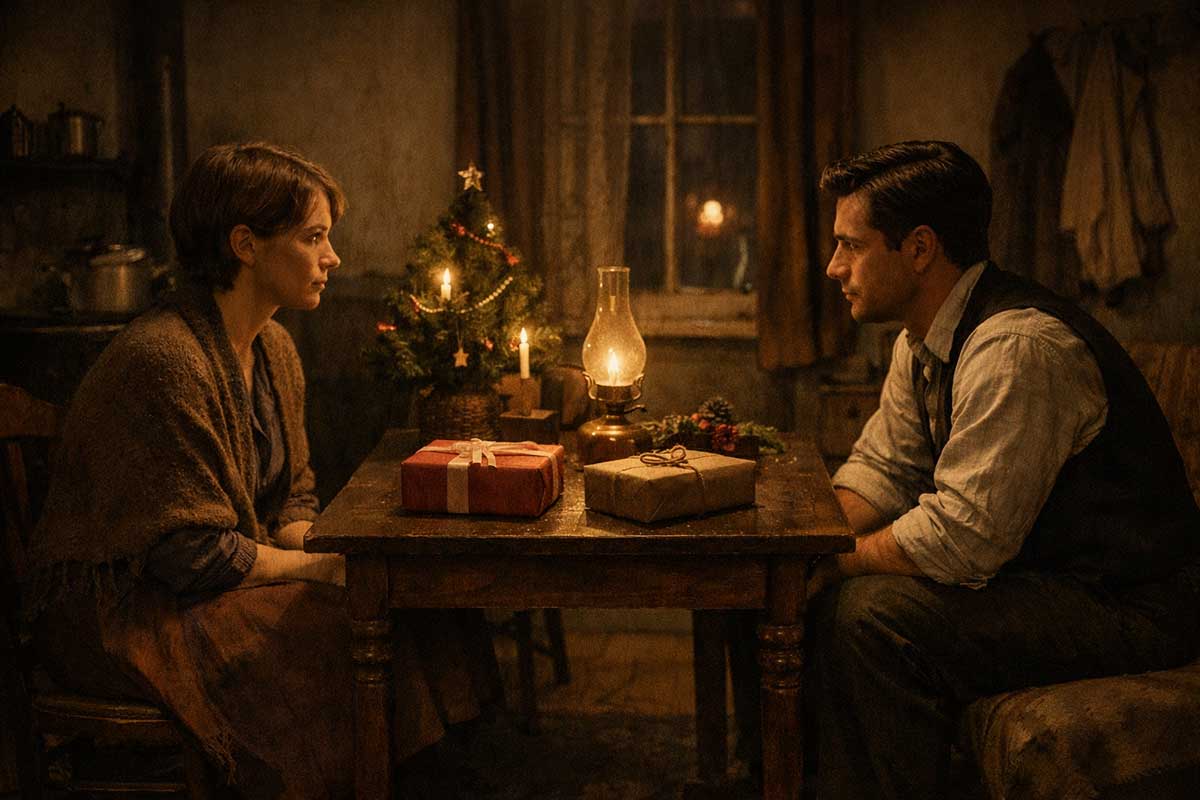
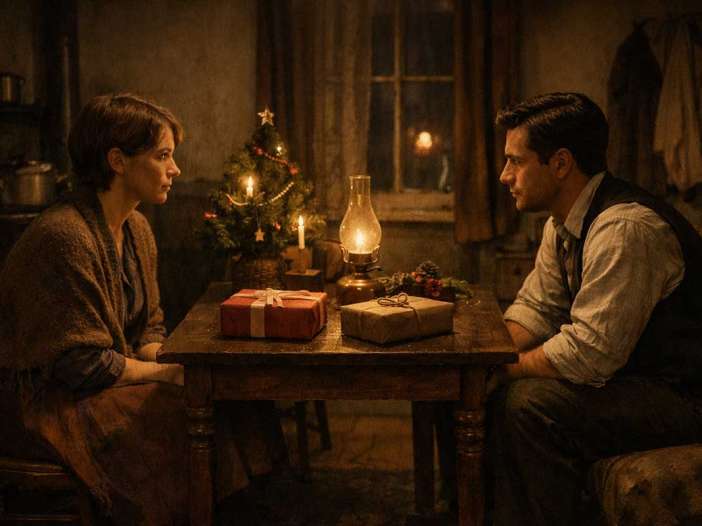
What if O. Henry sat with us and challenged us to measure wealth by devotion rather than possessions?
Introduction by O. Henry
Let me begin by confessing something plain. I did not write The Gift of the Magi to be clever. I wrote it to be honest—honest about what people do when they love each other and have very little else to give.
Jim and Della are not remarkable by the world’s standards. They possess no grand destiny, no heroic ambition, no wealth to speak of. What they possess instead is devotion—unpolished, impractical, and unadvertised. It lives in a rented room, under a thin roof, beside a table that knows more worry than feast.
You will hear much about irony in this story, and rightly so. But irony, when used well, is not cruelty—it is clarity. It strips away the disguises we put on wisdom and asks whether we recognize it when it arrives wearing poverty and bad timing.
The world is fond of measuring intelligence by foresight and success by accumulation. Jim and Della fail those measurements spectacularly. Yet they succeed at something rarer: they choose each other without asking what remains afterward.
If this story feels small, that is by design. Love does not need a grand stage to prove itself. It requires only the courage to place another’s happiness ahead of one’s own protection. That, I submit, is a wisdom that outlives every clever plan.
(Note: This is an imaginary conversation, a creative exploration of an idea, and not a real speech or event.)
Topic 1 — What Makes a Gift “Wise”?
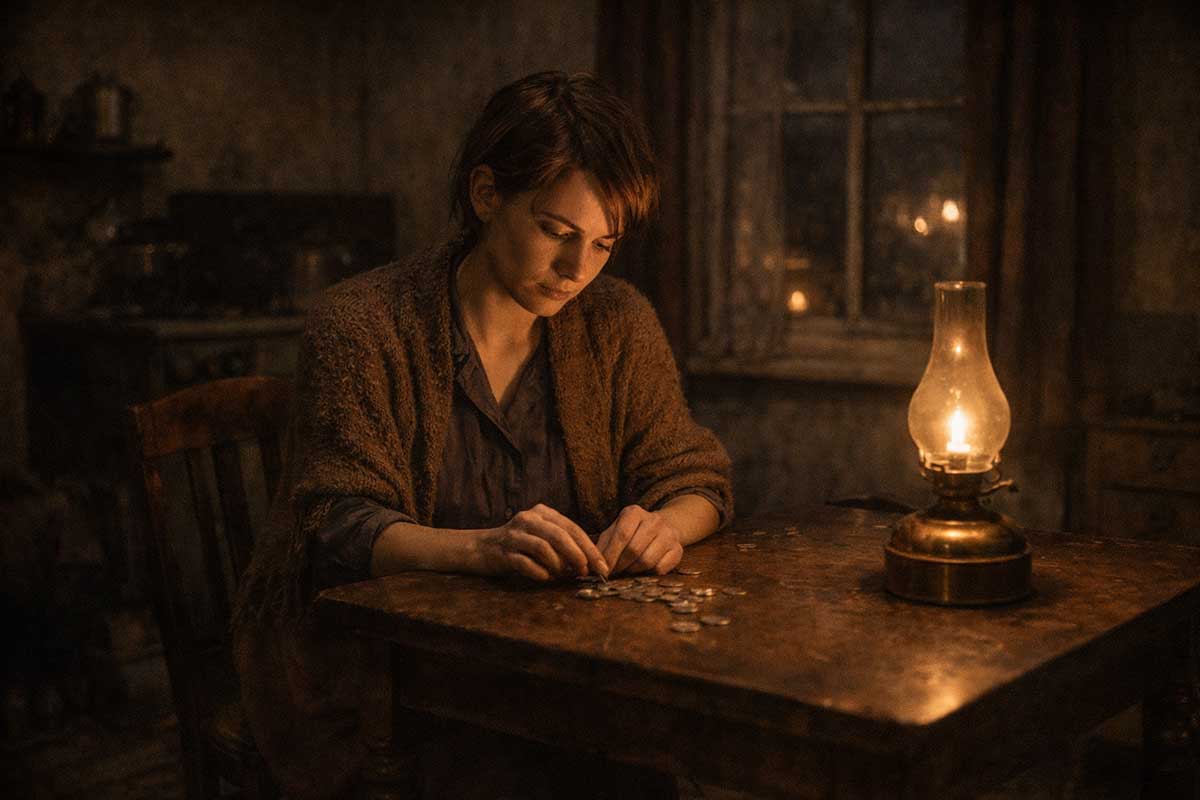
Participants:
O. Henry, Martha Banta, Wayne C. Booth, Elaine Scarry, James Wood
Moderator: Nick Sasaki
Opening Frame — Nick Sasaki
We begin with a question that sounds simple, almost innocent: What makes a gift wise? In The Gift of the Magi, Jim and Della give gifts that fail in every practical sense—and yet O. Henry insists they are the wisest of all. Tonight, I want us to examine that claim. Is wisdom here about intention, outcome, sacrifice—or something else entirely?
O. Henry
I used the word wise deliberately—and mischievously. Readers expect wisdom to look competent, foresighted, successful. Jim and Della are none of those things. Their wisdom does not anticipate consequences; it accepts them.
The point is not that their gifts work. The point is that their love does not negotiate. Each gives without knowing what the other will do. That is the risk that transforms a gift into something more than a transaction.
If wisdom is knowing how to secure advantage, then yes—Jim and Della are fools. But if wisdom is knowing what matters more than advantage, then they are unmatched.
Martha Banta
What strikes me is how O. Henry reframes value. In American realism, value is often measured through social mobility or material success. Here, value is inverted.
Della’s act looks irrational by economic standards. But culturally, it’s radical. She refuses to measure love by preservation. She measures it by exposure. That makes the gift “wise” because it clarifies priority: love first, self second.
The story asks readers to question the metrics they use to judge intelligence and success.
Wayne C. Booth
This is where ethical criticism becomes essential. A gift, ethically speaking, is not defined by usefulness but by address. Who is it for, and what does it say?
Jim and Della’s gifts say, “I see you. I value you more than myself.” The irony—so central to O. Henry’s style—does not negate that message; it amplifies it.
The gifts fail materially but succeed morally. Wisdom, in this story, is moral attunement—not strategic thinking.
Elaine Scarry
I would add that gifts are acts of making. They attempt to bring beauty or relief into the world. Even when the object fails, the act remains creative.
Della’s sacrifice transforms pain into intention. She converts loss into expression. That conversion is where wisdom lies—not in the object produced, but in the human meaning generated.
The story insists that beauty is not always durable, but generosity leaves a trace that cannot be undone.
James Wood
I’m sympathetic to the moral beauty here, but I want to complicate it slightly. O. Henry’s ending is seductive. Calling Jim and Della “the wisest” risks closing the question too neatly.
Is their wisdom exemplary—or is it context-dependent? Their love is mutual, symmetrical. The sacrifice works because both give. Had only one done so, the result might feel tragic rather than wise.
The story’s wisdom depends on reciprocity. That’s important.
Nick Sasaki (Second Question, woven)
So let me press into that tension. Is a gift still wise if it depends on being mirrored? Or does wisdom here require mutual sacrifice to avoid becoming self-erasure?
O. Henry
I’d say wisdom doesn’t require symmetry—but survival might. The story doesn’t argue that sacrifice is safe. It argues that love is worth risk.
Martha Banta
Reciprocity protects dignity. Without it, sacrifice can slide into submission.
Wayne C. Booth
Ethically, a gift invites response but cannot demand it. Wisdom accepts that vulnerability.
Elaine Scarry
The act is wise even if unreturned—but the story’s tenderness depends on mutual recognition.
James Wood
Which is why the ending comforts rather than wounds. It’s a best-case moral scenario.
Nick Sasaki (Third Question, closing)
Then perhaps this is the final question for our first conversation: If wisdom is not about foresight or success, but about choosing love without guarantees—what kind of life does that demand?
Because in Topic 2, we turn directly to that demand: Why does love in this story require voluntary loss—and not gain?
Topic 2 — Why Does Love Require Loss?
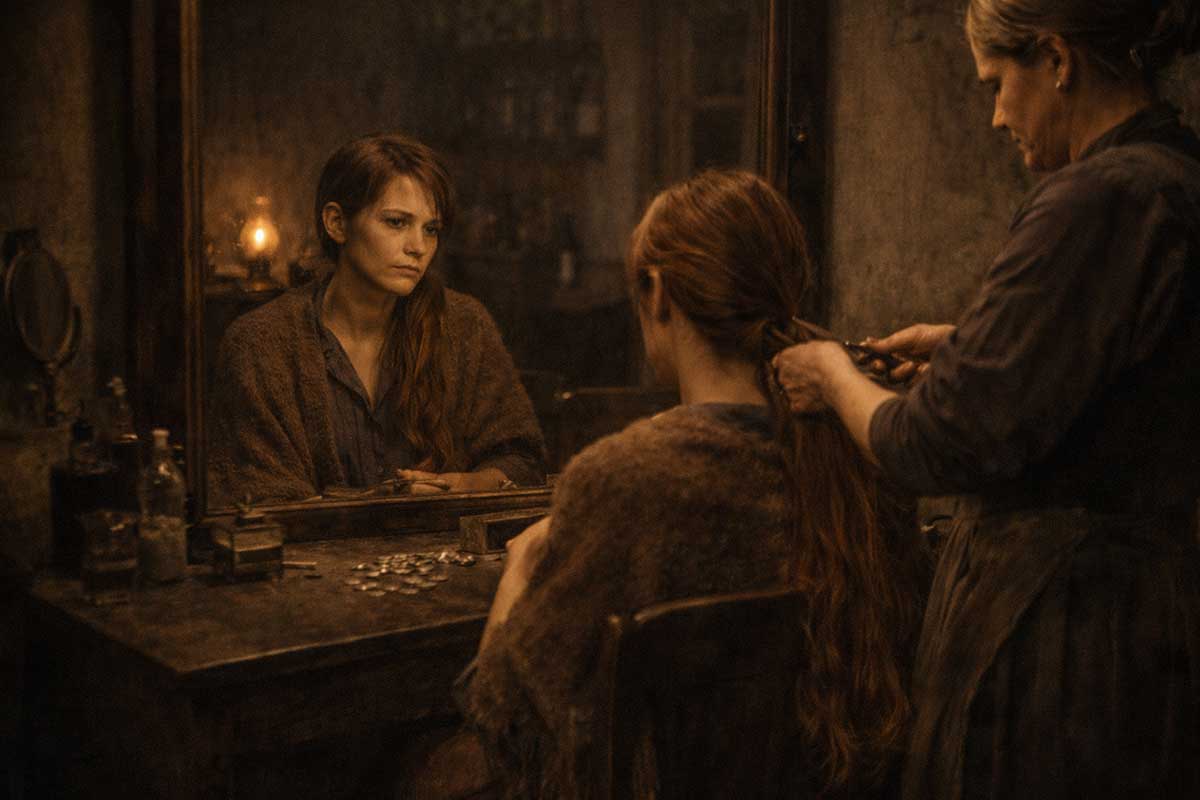
Participants:
O. Henry, Martha Banta, Wayne C. Booth, Elaine Scarry, James Wood
Moderator: Nick Sasaki
Opening Frame — Nick Sasaki
If Topic 1 asked what makes a gift wise, Topic 2 asks something more unsettling: Why does love, in this story, seem to require loss? Jim and Della don’t just give—they give up. Hair is cut. A watch is sold. There’s no abundance here, only subtraction. So tonight, I want us to explore why love, in The Gift of the Magi, expresses itself through voluntary loss rather than gain.
O. Henry
Because love reveals itself most clearly when it costs something. Anyone can love when nothing is at stake. Jim and Della live at the edge of scarcity—money, security, future. Loss is not an accident; it’s the language available to them.
Their love doesn’t add comfort to an already stable life. It interrupts survival itself. That’s what gives it weight.
I wasn’t interested in love as a feeling. I was interested in love as a decision made under pressure.
Martha Banta
This is also deeply American—and deeply critical of America. The story appears sentimental, but it’s quietly radical.
In a culture obsessed with accumulation, O. Henry frames love as divestment. Della doesn’t trade one possession for another. She trades identity markers—hair, status, femininity—for relational meaning.
Loss here is not self-destruction. It’s redefinition. Love becomes the thing that remains when the props of identity are removed.
Wayne C. Booth
Ethically speaking, loss functions as proof of sincerity. Without loss, a gift risks becoming symbolic but shallow.
What matters is that Jim and Della choose loss freely. No one forces them. That freedom preserves their dignity. Love becomes ethical precisely because it is not coerced.
However—and this is important—the story does not glorify suffering itself. It glorifies chosen sacrifice in service of another.
Elaine Scarry
Loss in this story is not nihilistic. It is generative.
When Della cuts her hair, pain is transformed into expression. She converts bodily loss into meaning. This is one of the most fundamental human capacities—to turn suffering into communication.
Love requires loss because it refuses to protect the self at all costs. It risks pain in order to create connection.
James Wood
I want to add a note of restraint. The story works because the losses are reversible in spirit, if not in fact. Hair grows back. Watches can be replaced.
This is not a tragedy. It’s a parable. O. Henry allows loss without annihilation. That’s why the story feels tender rather than brutal.
The danger comes when readers mistake this controlled sacrifice for a universal rule. Not all loss ennobles. Not all giving is wise.
Nick Sasaki (Second Question, woven)
That’s crucial. How do we distinguish meaningful sacrifice from destructive self-erasure? Where does love end and disappearance begin?
O. Henry
Love ends when choice disappears. Jim and Della remain agents.
Martha Banta
And when loss becomes expected rather than offered, it ceases to be love.
Wayne C. Booth
Ethical love preserves the moral equality of both partners.
Elaine Scarry
Loss must open communication, not silence the self.
James Wood
The story’s charm lies in its balance—loss without obliteration.
Nick Sasaki (Third Question, closing)
Then perhaps the deeper insight is this: Love requires loss not because pain is noble, but because love refuses to let self-preservation be the final authority.
And that leads us naturally to Topic 3, where we examine a quiet paradox at the heart of the story:
If Jim and Della’s gifts fail materially, why does the story still insist they succeed?
Topic 3 — Why Failure Becomes Fulfillment
Participants:
O. Henry, Martha Banta, Wayne C. Booth, Elaine Scarry, James Wood
Moderator: Nick Sasaki
Opening Frame — Nick Sasaki
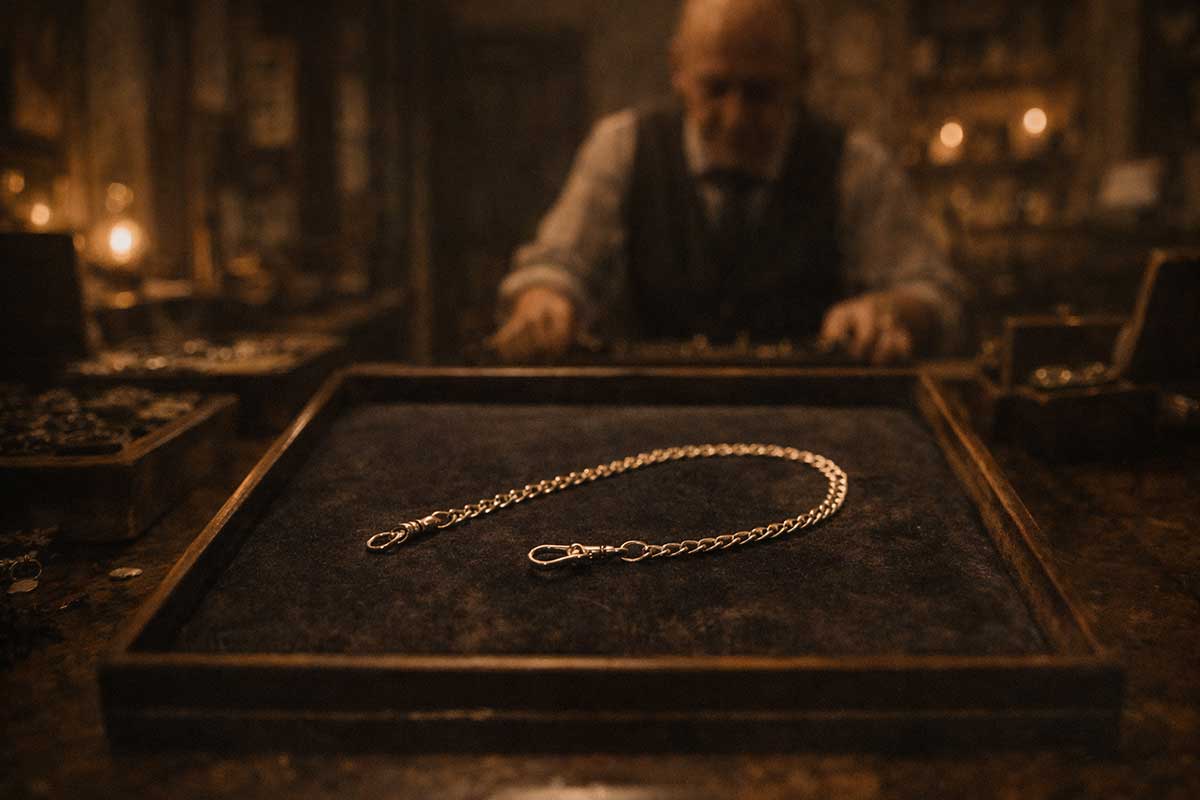
By every practical measure, Jim and Della fail. The watch chain is useless. The combs cannot be worn. In any ordinary sense, this is a story of mutual miscalculation.
And yet, The Gift of the Magi insists—almost stubbornly—that this is not a failure story, but a triumph. Tonight’s question is simple but destabilizing: How does a double failure become the highest form of success?
O. Henry
Because the gifts were never meant to function.
Their purpose was not utility; it was revelation. The moment Jim and Della realize what the other has done, the object dissolves and the intention remains.
Failure strips away the illusion that love exists to optimize outcomes. Love exists to reveal priority. And in that moment, both discover that they were valued above all possessions—simultaneously.
Wayne C. Booth
From an ethical standpoint, this is a classic case of moral success without instrumental success.
They fail at means, but succeed at ends. The end was not to enhance property—it was to honor the beloved. That end is fully achieved, perhaps even clarified, by the failure.
Ironically, had the gifts “worked,” the moral clarity would have been weaker.
Martha Banta
This is where the story quietly critiques modern capitalism.
In a system where value is measured by efficiency and usefulness, failure equals waste. O. Henry subverts this logic. He suggests that human meaning operates on a different economy altogether.
The failure is necessary because it interrupts transactional thinking. The story refuses to let love be judged by results.
Elaine Scarry
Failure here produces recognition.
Recognition is a moral event. Jim and Della see each other fully—not as roles or functions, but as beings capable of radical generosity.
Objects usually mediate love. When objects fail, love becomes immediate. Unbuffered. Undeniable.
James Wood
Literarily, this is where sentiment risks excess—and narrowly avoids it.
The success of the story depends on restraint. O. Henry does not linger on grief, nor does he inflate the moral lesson. The failure is acknowledged briefly, then transcended.
This economy of emotion prevents the story from becoming preachy. Failure is treated as fact, not melodrama.
Nick Sasaki (Second Question, woven)
Let me push this further. If failure clarifies love here, does that mean success might sometimes obscure it?
O. Henry
Yes. Success can distract. It gives us something to admire instead of someone.
Martha Banta
Success can preserve illusion. Failure collapses it.
Wayne C. Booth
Ethically, success tempts self-congratulation. Failure keeps intention visible.
Elaine Scarry
Failure removes ornament. What remains must matter.
James Wood
But only when failure is shared. Solitary failure hardens; mutual failure can bond.
Nick Sasaki (Third Question, closing)
Then perhaps this is the story’s quiet provocation:
What if the deepest measure of love is not whether our gifts work—but whether they reveal who we are willing to become for another?
That question leads us directly into Topic 4, where the story widens its lens:
Why does O. Henry call Jim and Della “the Magi,” and what kind of wisdom is he redefining?
Topic 4 — Redefining Wisdom: Who Are the Real Magi?
Participants:
O. Henry, Martha Banta, Wayne C. Booth, Elaine Scarry, James Wood
Moderator: Nick Sasaki
Opening Frame — Nick Sasaki
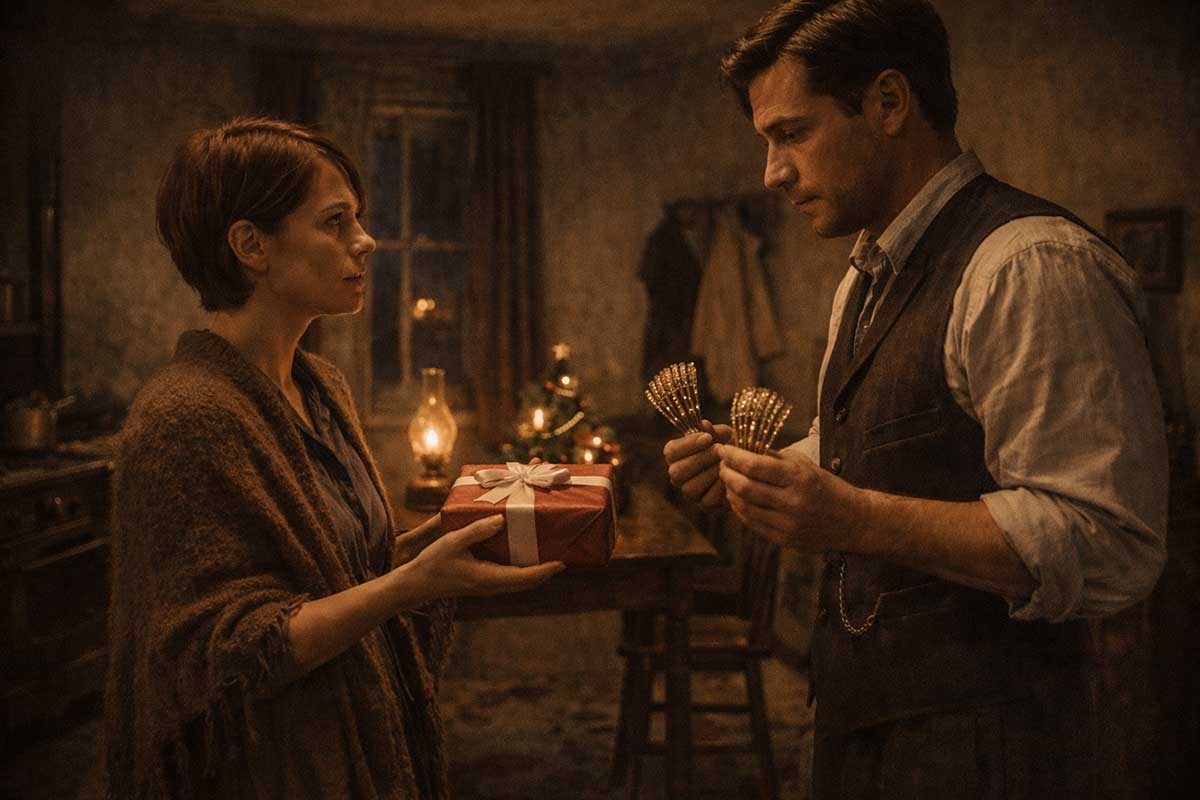
O. Henry ends his story by invoking one of the most loaded symbols in Western culture: the Magi—wise men, bearers of gold, frankincense, and myrrh.
But Jim and Della bring gifts that fail. They are poor, impulsive, and materially shortsighted. And yet, O. Henry declares them the wisest of all.
So tonight’s question is unavoidable: What kind of wisdom is this story redefining—and what kind is it quietly rejecting?
O. Henry
I am rejecting the wisdom that counts.
The Magi of scripture gave costly gifts because they recognized a truth greater than themselves. Jim and Della give costly gifts for the same reason, even if they do not name it as such.
Wisdom here is not foresight. It is right sight—the ability to see what matters most, even briefly.
Wayne C. Booth
This is a profound ethical reversal.
Traditional wisdom prizes calculation, prudence, and long-term planning. O. Henry replaces this with relational wisdom—wisdom that emerges inside commitment, not strategy.
The story suggests that moral clarity sometimes appears only after action, not before it.
Martha Banta
There is also a cultural critique embedded here.
At the turn of the 20th century, America increasingly equated wisdom with economic success. O. Henry pushes back. He implies that a society obsessed with accumulation may be profoundly unwise.
Jim and Della fail economically—but succeed morally. That inversion is the story’s quiet rebellion.
Elaine Scarry
Wisdom, in this story, is attentiveness.
Each spouse pays exquisite attention to what the other loves—not what is sensible, not what is sustainable, but what is cherished.
This attentiveness creates moral beauty. The Magi are wise because they recognize value where others might see only excess.
James Wood
Literarily, the Magi metaphor risks sentimentality, but it works because it is earned late.
O. Henry does not announce wisdom at the start. He lets the foolishness unfold fully, then reframes it. This backward illumination mirrors how wisdom often works in life—understood only in retrospect.
Nick Sasaki (Second Question, woven)
Let me sharpen this. Is O. Henry suggesting that wisdom requires sacrifice—or that sacrifice creates wisdom?
O. Henry
Sacrifice reveals wisdom that already exists, but has no language until tested.
Wayne C. Booth
Ethically, sacrifice functions as proof—not cause.
Martha Banta
But culturally, sacrifice educates. It retrains desire.
Elaine Scarry
Sacrifice sharpens perception. It clears away lesser attachments.
James Wood
And narratively, sacrifice earns authority. Without it, wisdom sounds hollow.
Nick Sasaki (Third Question, closing)
Then perhaps the story’s most unsettling implication is this:
If wisdom is proven only through giving something up, how much of what we call “wisdom” today has never been tested at all?
That leads us to our final topic—where the story steps out of Christmas sentiment and into lasting relevance:
Does The Gift of the Magi still speak to modern love, or does it belong to a world that no longer exists?
Topic 5 — Does This Kind of Love Still Exist?
Participants:
O. Henry, Martha Banta, Wayne C. Booth, Elaine Scarry, James Wood
Moderator: Nick Sasaki
Opening Frame — Nick Sasaki
The Gift of the Magi was written in a world without credit cards, without algorithms, without the constant pressure to optimize ourselves and our relationships.
So the final question must be asked honestly—not sentimentally:
Does the kind of love Jim and Della embody still exist today? Or has it become a relic—beautiful, but impractical?
O. Henry
Love has not changed. Circumstances have.
What has changed is the speed at which we protect ourselves. Jim and Della act before fear can intervene. Modern love often hesitates, negotiates, safeguards.
But wherever someone risks being misunderstood for the sake of another, this story repeats itself—quietly, without witnesses.
Martha Banta
I would argue the story is more relevant now than when it was written.
We live in a culture of self-curation, where generosity is often performative and sacrifice is carefully branded. Jim and Della’s love is unrecorded, inefficient, and invisible.
That invisibility is precisely what makes it subversive today.
Wayne C. Booth
Ethically, the story challenges modern assumptions about fairness.
Contemporary relationships often emphasize balance—who gives more, who sacrifices too much. Jim and Della refuse accounting. Their love is symmetrical not because it is negotiated, but because it is freely given on both sides.
That kind of symmetry is rare—but not extinct.
Elaine Scarry
The danger is not that this love no longer exists.
The danger is that we have lost the language to recognize it. We are fluent in desire, compatibility, and growth—but not always in devotion.
This story preserves a vocabulary of care that modern life threatens to erase.
James Wood
Literarily, the story survives because it resists irony.
Modern readers often approach it defensively, wary of sentiment. But sincerity, when disciplined, is not naïve—it is demanding.
The story asks readers to suspend cynicism long enough to feel something unguarded. That is a tall order today, which is why the story still provokes discomfort.
Nick Sasaki (Closing Reflection)
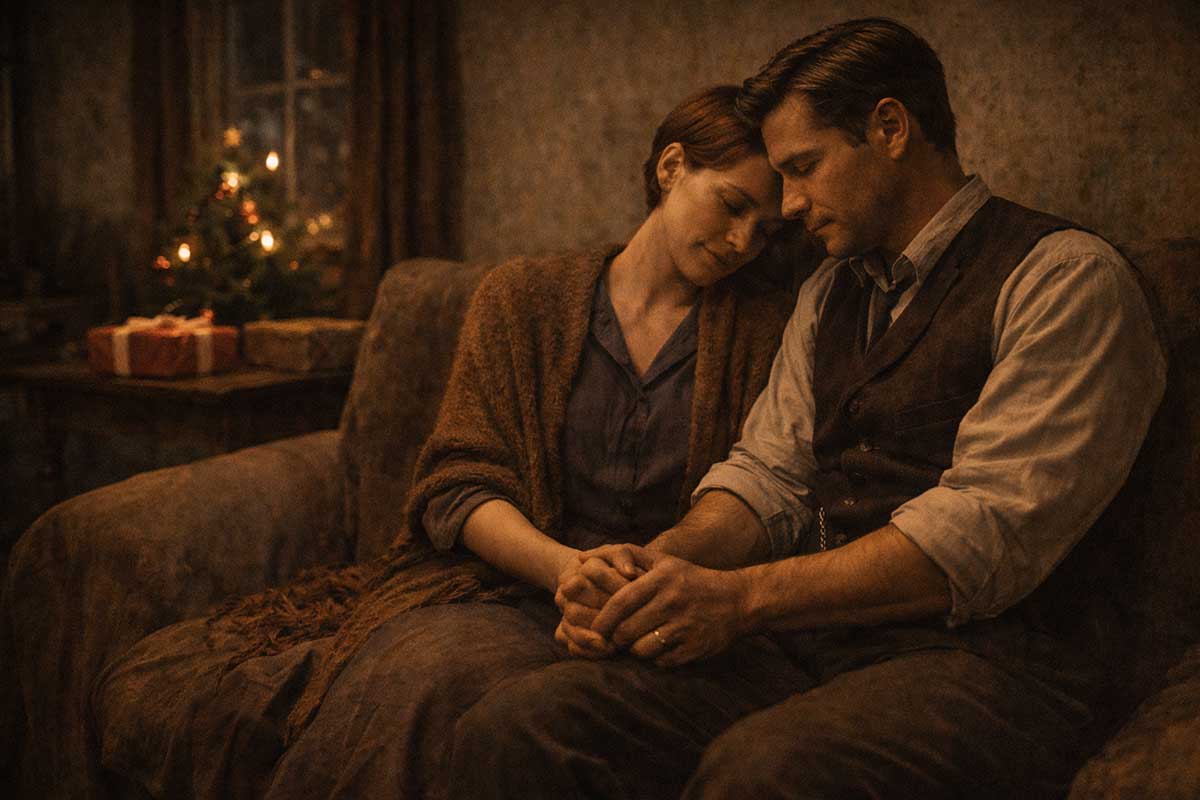
Perhaps the question is not whether Jim and Della’s love still exists—but whether we still recognize it when it appears.
Because their love does not announce itself.
It does not win.
It does not work.
It simply chooses.
And maybe that is the most unsettling truth O. Henry leaves us with:
That the wisest love may look foolish,
the most meaningful gift may be unusable,
and the deepest devotion may leave no evidence—
except the quiet knowledge that, for one moment,
someone mattered more than everything else.
That is where The Gift of the Magi ends.
And that is why it still stays.
Final Thoughts by

At the end of this little tale, I named Jim and Della after the Magi—wise men who brought gifts to a child they scarcely understood, guided not by certainty but by recognition.
Some readers object. They say the gifts were foolish. They say the sacrifices were unnecessary. They say love ought to be more sensible.
Perhaps. But sense has never been the measure of the human heart.
The combs will wait. The watch will find its time again. Hair grows. Gold returns. But what does not always return is the chance to choose another person freely, without calculation, before fear makes the choice for us.
Jim and Della do not love perfectly. They love sincerely. And sincerity, when tested by loss, reveals a kind of wisdom the world rarely rewards but always needs.
If you find this story sentimental, I will not argue. Sentiment is merely feeling unguarded—and we have grown suspicious of that. But I would ask you this, gently and without judgment:
When love costs you something real, do you still call it love?
If you do, then you already understand what Jim and Della knew in that small room on Christmas Eve. And if you do not—well, then perhaps the story has more work left to do.
That is all a writer can hope for.
Short Bios:
O. Henry
American short-story writer celebrated for irony, warmth, and moral clarity. His work often reveals love, generosity, and dignity emerging from poverty and ordinary lives.
Martha Banta
Literary scholar specializing in American realism and cultural history. She examines how everyday objects, habits, and social rituals carry moral and emotional meaning.
Wayne C. Booth
Influential literary critic and ethical theorist, known for his work on narrative ethics and irony. He explored how stories shape moral judgment and reader responsibility.
Elaine Scarry
Philosopher and literary theorist focused on pain, beauty, and human value. Her work explores how suffering, attention, and generosity create ethical meaning.
James Wood
Literary critic and essayist renowned for close reading and moral seriousness. He writes about fiction’s power to reveal inner life, sincerity, and emotional truth.
Nick Sasaki
Writer and moderator of ImaginaryTalks, guiding conversations that bring authors and thinkers into dialogue across time. He focuses on meaning, moral tension, and human choice beneath great literature.
Leave a Reply