
|
Getting your Trinity Audio player ready...
|
Introduction
Toni Morrison:
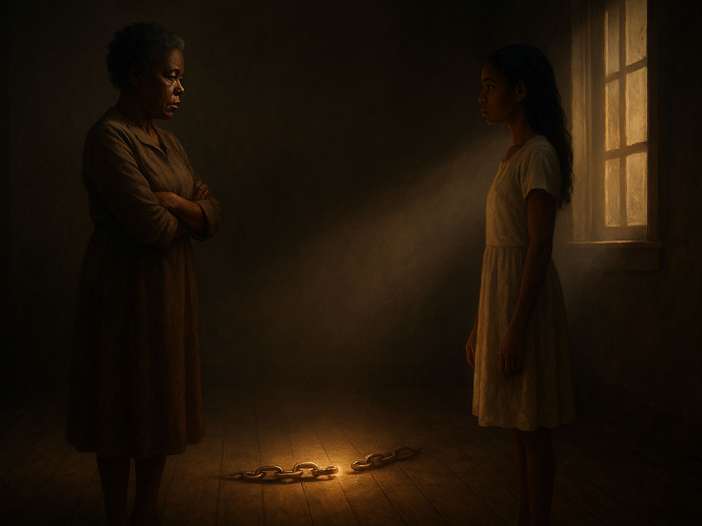
When I wrote Sweetness and later God Help the Child, I wanted to examine how love can be deformed by fear, how racism can seep into the very cradle of a child. Mothers, daughters, fathers, lovers—we carry wounds not just in our skin but in our memories, in the ways we learn to withhold tenderness.
The conversations you are about to hear are not meant to resolve blame neatly between mother and child, but to reveal the knot: where survival strangles love, where beauty becomes burden, where wounds are passed like heirlooms. To understand this knot is to begin to loosen it.
In these dialogues, we gather Sweetness and Bride, along with voices from Baldwin to Lorde, from Walker to Davis, to speak across generations and disciplines. What emerges is not only testimony but a challenge: how do we love when the world teaches us not to, and how do we prepare our children not only to endure, but to flourish?
(Note: This is an imaginary conversation, a creative exploration of an idea, and not a real speech or event)
Topic 1: Love or Survival: Was Sweetness Right?
Participants:
Toni Morrison (Moderator)
Sweetness (the mother)
Bride (Lula Ann) (the daughter)
James Baldwin
Audre Lorde
Introduction (Toni Morrison)
Toni Morrison:
"When I wrote Sweetness, I wanted readers to sit inside a mother’s voice—one who believes she acted out of necessity, but whose child feels abandoned. This is the paradox: love twisted into survival, protection weaponized into cruelty. Tonight, we ask: Was Sweetness right? Or was her so-called protection simply another form of harm? Let’s begin."
First Question
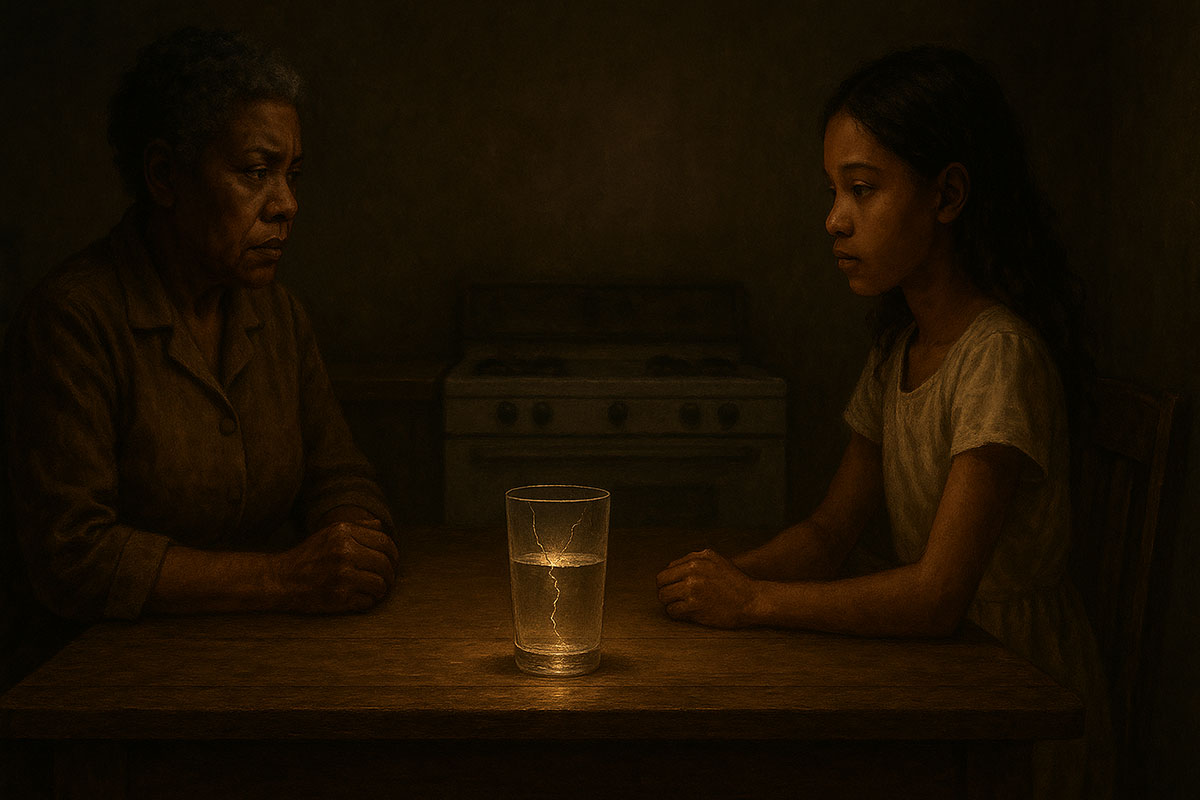
“Can harshness in the name of survival ever be justified, or does it always wound the child?”
Sweetness:
"Yes, it can be justified. Don’t tell me otherwise. I saw what dark skin meant in this country, how doors slammed, how eyes cut like knives. If I had cradled her, kissed her, made her soft, she wouldn’t have survived. Better she hate me than be crushed by a world that doesn’t forgive a girl like her."
Audre Lorde:
"Sweetness, what you call survival is complicity. You believed the lie that darkness must be hardened, not cherished. You turned your daughter into a soldier when she was still a child. But survival without tenderness isn’t survival—it’s exile. She deserved love and armor, not love disguised as blows."
Bride (Lula Ann):
"I hear you, both of you. But Mama, your harshness wasn’t armor. It was a wound. I carried it like a scar carved into my skin. The world bruised me, yes—but the first bruise was yours. And no success, no beauty, no applause ever erased that ache for your embrace."
James Baldwin:
"I must say, I side with the child here. A loveless survival is no survival at all. Harshness, cruelty—these are not strategies, they are poisons. They teach a child that love is conditional, that safety is punishment. The child grows not strong but broken, and spends her life repairing the break."
Toni Morrison:
"So then, what is the cost of harshness? Perhaps not the death of the body, but the slow starvation of the soul."
Second Question
“Do parents have the right to pass on their fears as preparation, or is that a betrayal of the child’s innocence?”
Bride (Lula Ann):
"It felt like betrayal. I was taught to hate my own skin before I even understood why the world hated it. Mama didn’t prepare me; she sentenced me. Her fear became my shame. I never had innocence—only vigilance."
Sweetness:
"You call it betrayal because you never knew the weight I carried. My own mother abandoned me to the wolves. I swore I wouldn’t do the same. So yes, I passed down my fear. Would you rather I lied to you, told you the world was gentle? You’d have been destroyed."
James Baldwin:
"Sweetness, but don’t you see? By passing on your fear, you handed the whip from the oppressor’s hand into your own. Children inherit not just our love but our terrors. To force a child to carry a burden of suspicion, of shame, is to rob them of their first right: the right to believe they are worthy."
Audre Lorde:
"I must echo Baldwin. Fear is not protection, it is contagion. It spreads, festers, and multiplies. The real courage is to defy fear, not transmit it. A mother’s task is not to infect her daughter with her wounds, but to offer the radical gift of believing in her wholeness."
Toni Morrison:
"Perhaps the truest question is not whether Sweetness had the right, but whether she had another choice. And what does it mean if survival seems to require betrayal?"
Third Question
“What does true protection look like—for a child facing racism and rejection?”
Audre Lorde:
"True protection is not silence, not hardness, not shame. It is the mother who says: ‘The world may hate you, but I do not. You are beautiful, dark, brilliant, holy.’ That is the shield. That is how we raise children who fight, not from wounds, but from love."
Sweetness:
"Easy words. But you didn’t walk in my shoes. I lived in a time when a dark-skinned girl could be spat on, passed over, treated like dirt. Love doesn’t stop spit from hitting your face. I did what I thought would keep her standing, even if she never thanked me."
Bride (Lula Ann):
"But Mama, your love could have been the place I returned to after the spit. The home, the touch, the soft voice—that’s what protection means. I wanted one safe place. Instead, I had none. Not the world, not you."
James Baldwin:
"Protection is not immunity. It is truth wrapped in tenderness. You can tell a child the world is cruel, but you must also tell them they are more than that cruelty. Otherwise, the world’s verdict becomes the only voice they hear. Love must outshout the lie."
Toni Morrison:
"So we come to the paradox once again: protection may look like fear to one, cruelty to another. But perhaps protection is not about hardness at all. Perhaps it is about equipping a child with dignity, so the world’s rejection never becomes self-rejection."
Closing Reflections
Sweetness:
"Maybe I was wrong. Or maybe I was right. I don’t know anymore. I only know I’m old, alone, and waiting for a daughter who doesn’t call."
Bride:
"I may never forgive her fully. But I can say this: her harshness made me strong, yes—but her absence left me hollow. I’ve had to mother myself."
Audre Lorde:
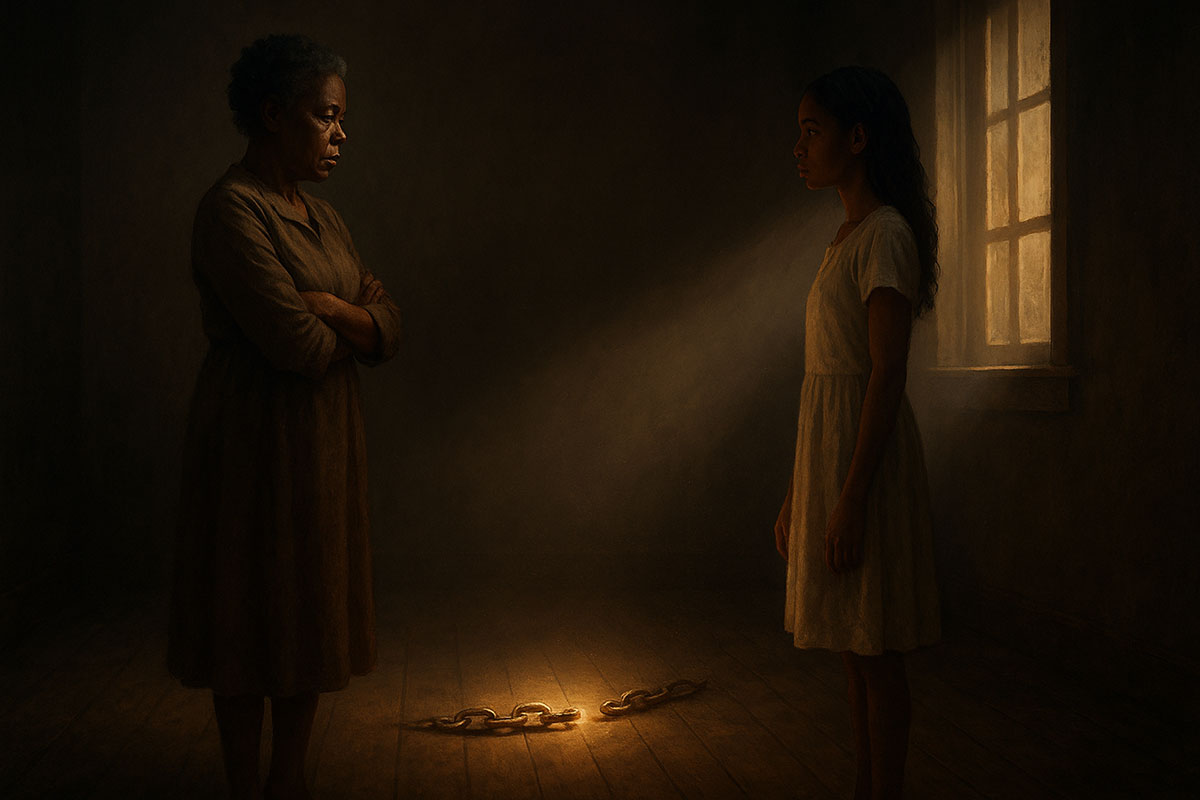
"We must break this chain. We must teach the next generation that survival and softness can live together."
James Baldwin:
"And until we learn to love our children radically, without fear or condition, we will keep producing survivors instead of free human beings."
Toni Morrison (Final Word):
"Sweetness believed cruelty was love. Bride believes love should never be cruel. Between them lies the story of America itself—where survival and betrayal are too often mistaken for the same thing. The question remains: can we raise our children not only to endure, but to belong?"
Topic 2: Skin as Destiny: Colorism and Beauty
Participants:
Toni Morrison (Moderator)
Sweetness (the mother)
Bride (Lula Ann) (the daughter)
Maya Angelou
bell hooks
Introduction (Toni Morrison)
Toni Morrison:
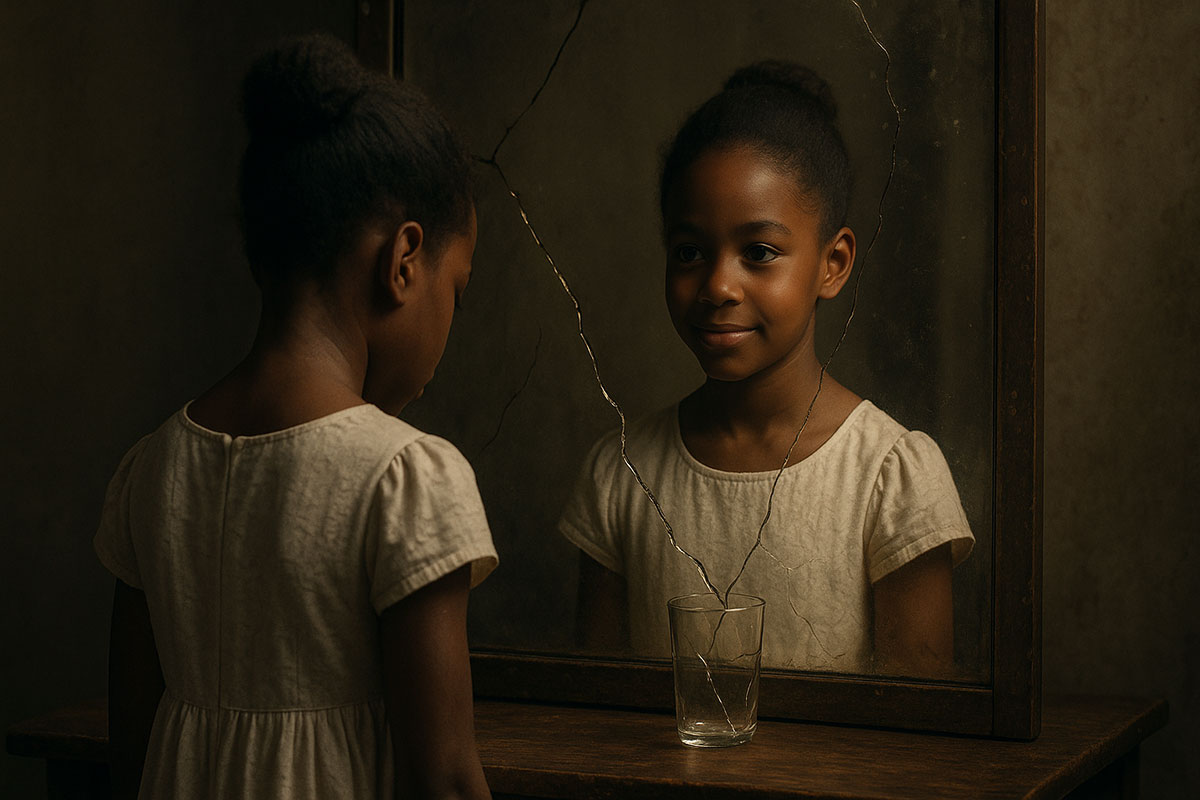
"America has always made skin a destiny. The darker the hue, the heavier the burden, and the more warped the mirror of self-worth. In Sweetness and God Help the Child, we see a daughter shaped and scarred by her mother’s rejection, which was itself shaped by a culture of colorism. Tonight we ask: Can beauty free us from that chain—or does it only build another cage?"
First Question
"Does skin color determine a child’s destiny, or can beauty and achievement transcend it?"
Bride (Lula Ann):
"I thought I had transcended it. I turned my body, my dark skin, into something people wanted to look at. I dressed in white to make the black shine, I walked with confidence, I made my beauty undeniable. But even then, underneath the gowns and perfume, the little girl was still crying for her mother’s touch. Beauty didn’t free me—it masked me."
Sweetness:
"Don’t say I didn’t warn you. Skin determines everything. It’s not fair, but it’s truth. I didn’t make the rules. You could be brilliant, you could be kind, you could be beautiful—but if your skin is too dark, people treat you like less. I saw it, lived it, couldn’t lie to you about it."
Maya Angelou:
"Sweetness, child, let me tell you this: the world will try to write your destiny on your skin, yes. But the real destiny comes when you stand tall, knowing your beauty is not permission granted by others, but an inheritance from God. Skin is no curse. It is a poem, a history, a song. The tragedy is when we let others convince us it is a chain."
bell hooks:
"Maya, I agree with your vision, but I must add: beauty, when tied to patriarchy, can also be a trap. Bride thought her beauty was liberation, but in truth, it was another form of exploitation. The question is not only how the world sees Black skin, but how capitalism and patriarchy profit from turning it into spectacle. True transcendence must be beyond beauty as commodity."
Toni Morrison:
"Then perhaps beauty, like skin itself, is double-edged—weapon and wound, freedom and prison."
Second Question
"How does colorism within families and communities deepen the wound of racism?"
Sweetness:
"It deepens it because it starts at home. A light-skinned child is treated better, given more chances, smiled at. A dark-skinned child is pitied or hardened. It isn’t just white folks. We did it to ourselves. And I’m guilty. I looked at my daughter and felt shame before the world could shame me. Maybe that’s the deepest cruelty of all."
Maya Angelou:
"Yes, it starts at home. But so does healing. A family that teaches a child to love their own skin can send them into the world ready to rise above its cruelties. Colorism is the echo of slavery in our kitchens and nurseries. To silence it, we must begin with love spoken aloud, daily, like prayer."
Bride (Lula Ann):
"I was taught the opposite. My home was not sanctuary—it was the first battlefield. I felt unloved before I knew the word ‘racism.’ And that wound traveled with me into every embrace, every friendship, every lover. Racism hurt, yes—but colorism made me doubt if I deserved love at all."
bell hooks:
"And this is precisely the point: oppression is not only external. It reproduces itself in our most intimate spaces. Families become enforcers of the hierarchy they fear. That is why we must reimagine home as a radical site of resistance—not where wounds are deepened, but where they are dressed and healed."
Toni Morrison:
"Then the home is not neutral ground. It is either the site of inheritance—or the site of rebellion against that inheritance."
Third Question
"What would it mean to redefine beauty outside the gaze of whiteness and patriarchy?"
bell hooks:
"It would mean refusing to let our worth depend on visibility, on approval, on the eyes of those who once enslaved us. Beauty would not be currency; it would be affirmation. A Black girl would not be told, ‘You are pretty for your skin tone,’ but, ‘You are whole, already.’ To redefine beauty is to redefine power itself."
Bride (Lula Ann):
"I wish I had known that younger. Instead, I made myself into a vision that others wanted to buy, to touch, to envy. But the moment I stopped performing, I felt invisible again. Maybe true beauty is not in being seen at all, but in being free from needing to be seen."
Maya Angelou:
"Oh, baby, you’ve said it. Beauty is not a performance. It is the way you rise in the morning, the way you laugh, the way you walk unashamed. If I should tell you one thing, it is this: your skin is not a mask. It is a crown. When you carry it that way, the gaze of the world no longer matters."
Sweetness:
"I never learned that. Maybe I couldn’t. In my time, beauty wasn’t ours to define. I envy you women who can speak of crowns and laughter. All I saw was danger. I wanted safety for my daughter, not crowns. But maybe…maybe I stole from her the chance to feel beautiful in her own skin."
Toni Morrison:
"And so we end where we began—with the question of destiny. Is beauty the gift of the beholder, or the birthright of the beheld? Perhaps it is both, and perhaps the revolution lies in making sure every child knows the answer before the world teaches them otherwise."
Closing Reflections
Sweetness:
"I did what I thought was necessary. But hearing you all, I wonder if I mistook chains for shields."
Bride:
"I found beauty, but not peace. Maybe peace begins when I stop needing beauty to mean worth."
Maya Angelou:
"You are worthy. Every dark child must know this: you are God’s poem written in night ink."
bell hooks:
"And liberation is not when beauty is admired, but when it is irrelevant to one’s right to love and be loved."
Toni Morrison (Final Word):
"Colorism is not destiny, but it is a story told too often and too well. Our task is to tell another story—where beauty is not punishment or prize, but simple existence, shining in its own right."
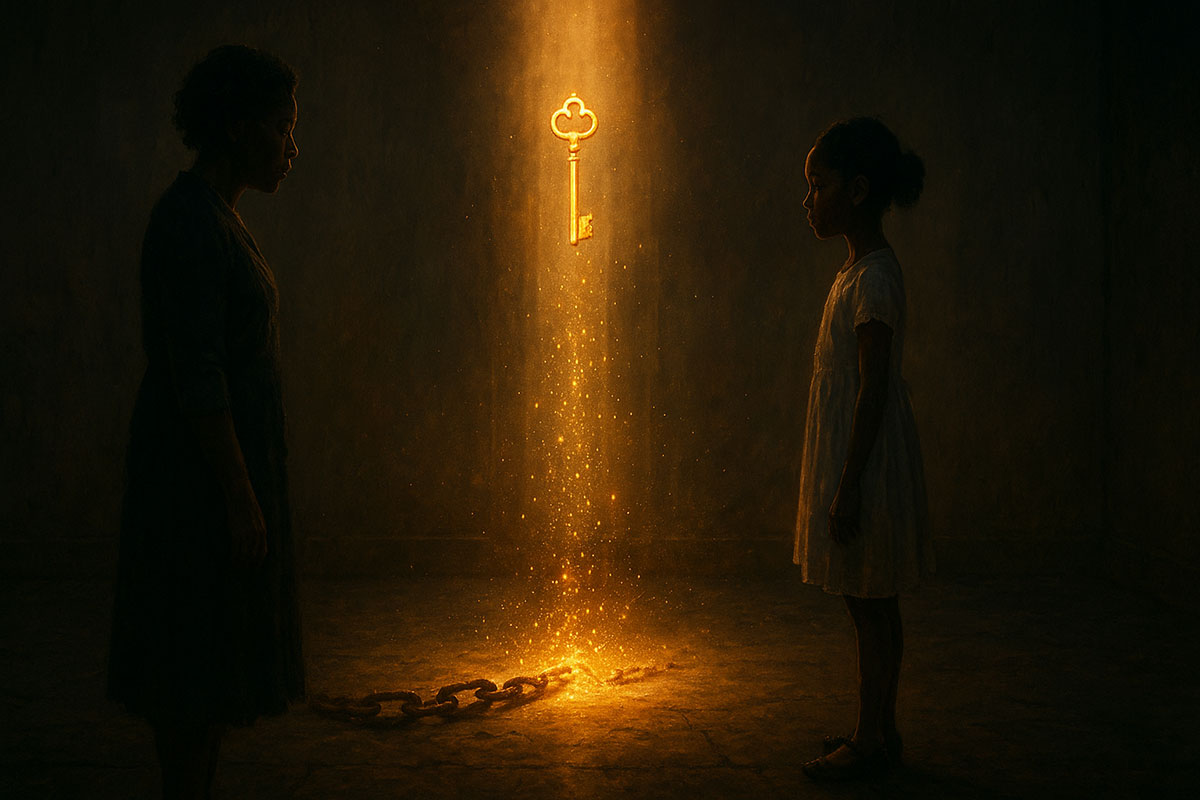
Topic 3: Inheritance of Wounds: Breaking the Chain
Participants:
Toni Morrison (Moderator)
Sweetness (the mother)
Bride (Lula Ann) (the daughter)
James Baldwin
Ta-Nehisi Coates
Introduction (Toni Morrison)
Toni Morrison:
"When I wrote Sweetness, I wanted to show how wounds are handed down, dressed up as protection. But the danger of inheritance is that the child confuses pain for love, shame for preparation. The question before us is: how do we break that chain? Tonight, let us speak of the past that haunts, and the future that waits."
First Question
"When parents pass on their wounds to children, is it survival—or betrayal?"
James Baldwin:
"It is betrayal. For survival that demands the death of innocence is no survival at all. A parent who bruises the child in the name of preparing her for a bruising world only teaches her to carry the oppressor’s whip inside her skin. Survival is not worth it if it means we teach our children to despise themselves."
Sweetness:
"You think it’s betrayal because you never lived it as I did. I didn’t want to pass wounds, but what else could I do? My own mother left me unarmed in a cruel world. I vowed my child would not be blindsided. I didn’t betray her. I gave her the truth raw, before the world could kill her with it."
Bride (Lula Ann):
"To me, it was betrayal. Mama, you didn’t just give me truth, you gave me emptiness. You were the first to turn away from me, the first to look at me with shame. Maybe you thought you were helping—but what I felt was abandonment, not armor."
Ta-Nehisi Coates:
"I hear in Sweetness’s words the echo of a people trying to survive in a world built against them. And yet, Baldwin is right: passing down trauma does not prepare the child, it chains the child. My son, I wrote to him in Between the World and Me, not to harden him, but to make him aware—and to remind him that awareness need not erase tenderness."
Toni Morrison:
"So betrayal and survival entwine like a double helix. Perhaps the question is not whether Sweetness betrayed—but whether she could imagine another way."
Second Question
"What role does society play in shaping this inheritance of wounds?"
Ta-Nehisi Coates:
"Society is the architect. White supremacy is not only in laws, it is in the gaze, the sidewalk, the schoolyard, the hospital. Parents do not invent fear; they absorb it, then hand it down like poisoned bread. Until structures change, every family is cornered into impossible choices."
Sweetness:
"Exactly. Don’t judge me without judging the world I lived in. I didn’t put the hate in people’s eyes. I just saw it there. Society left me no space to love my daughter freely. My cruelty wasn’t born in my heart; it was carved there by the world around me."
James Baldwin:
"Yes, society shapes us, but let us not forget—our responsibility is still our own. The white world may have written the script, but Sweetness, you performed it. Society may hand you the whip, but you chose to strike. The question is not what they forced you to do, but what you chose to do with the little freedom you had."
Bride (Lula Ann):
"I grew up in that same society. And yet, I tried to live differently. I used beauty, I used success, I used everything I had to push back. But the wound inside me was deeper than any law. It came from my mother’s silence, her distance. Society gave me enemies, but family gave me doubt."
Toni Morrison:
"Society builds the house of fear, but families decide how to live in it. Some lock the doors, some open windows, some pass down the keys of shame. Perhaps the true inheritance is not the wound, but how we respond to it."
Third Question
"What does breaking the chain of inherited trauma require—from parents, from children, from us all?"
Bride (Lula Ann):
"It requires honesty. No more lies that neglect is love, that distance is protection. If I am to heal, I must name what was done to me, even if my mother never apologizes. Breaking the chain means refusing to hand that silence to the next child."
Sweetness:
"I don’t know if the chain can be broken. I did what I thought I had to, and maybe it was wrong. But I can’t undo it. I’m old now, and lonely, and wondering if my daughter will ever forgive me. Breaking the chain—maybe that’s her job, not mine."
James Baldwin:
"Sweetness, it is all our jobs. Parents must dare to love their children beyond fear. Children must confront the lies handed to them and tell the truth. And society must tear down the structures that make Black life a battlefield. To break the chain, we must refuse to be the jailers of our own children."
Ta-Nehisi Coates:
"I agree. Breaking the chain requires both personal and systemic work. We cannot tell parents simply to love better while ignoring the violence of the state, the schools, the police. But we also cannot excuse lovelessness in the home. The chain breaks when love and justice walk together, inside the house and outside."
Toni Morrison:
"So it requires a double vision—fighting the world without becoming it, loving our children even when the world insists they are unlovable. Breaking the chain means imagining a future that was never offered to us, and daring to give it away anyway."
Closing Reflections
Sweetness:
"I thought I was giving her strength. Maybe I only gave her scars. If I had to live again, I don’t know if I would find a better way—but I wish I had tried."
Bride:
"I carry both—scars and strength. But the strength is mine. The scars are not. I will not pass them on."
James Baldwin:
"To love a child is to refuse to hand her the chains that bound you. That is the only inheritance worth giving."
Ta-Nehisi Coates:
"Breaking the chain requires truth-telling—in our homes, in our books, in our policies. It is not one act, but a constant work of resistance."
Toni Morrison (Final Word):
"The chain of wounds is heavy, ancient, familiar. But it is not unbreakable. It snaps the moment a mother holds her child without shame, the moment a father tells his son he is beautiful, the moment a society stops making children carry the weight of its sins. Breaking the chain is imagining tenderness where history left none—and insisting it last."
Topic 4: The Child vs. the Adult Self
Participants:
Toni Morrison (Moderator)
Bride (adult Lula Ann)
Lula Ann (child self)
Alice Walker
Oprah Winfrey
Introduction (Toni Morrison)
Toni Morrison:
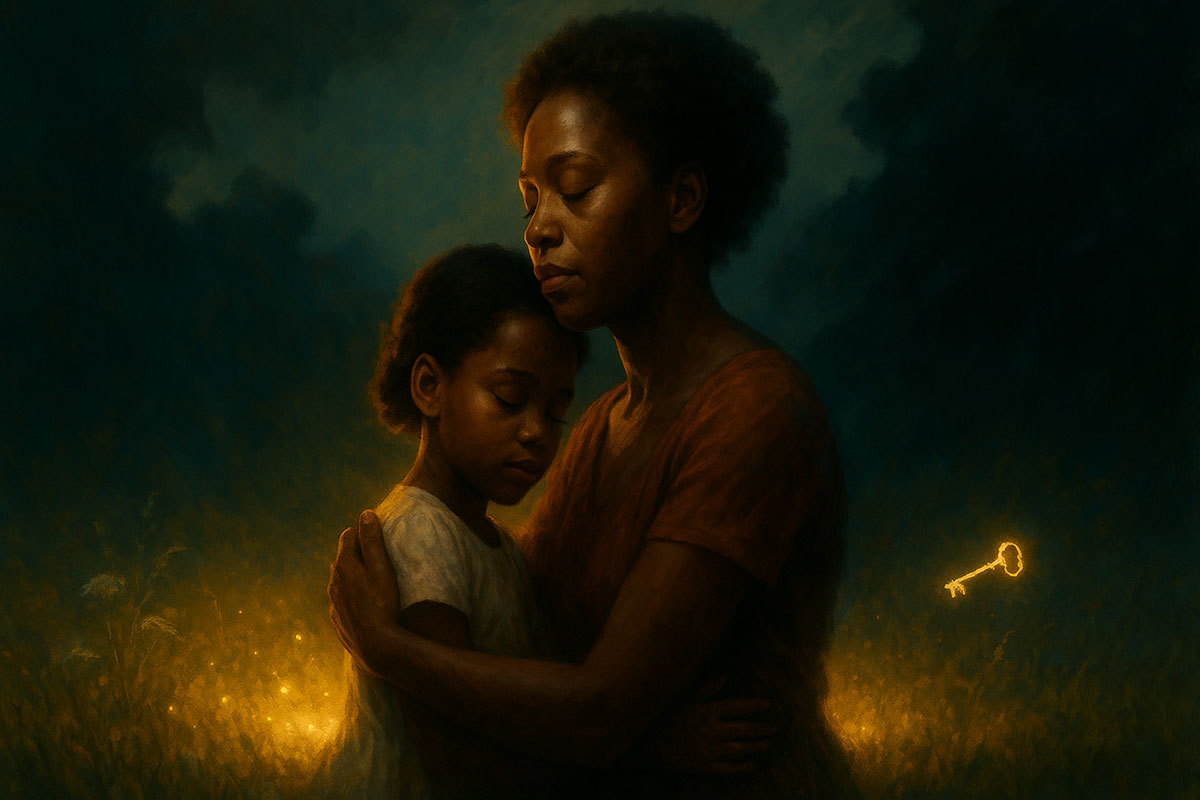
"In God Help the Child, Bride grows into a woman who is beautiful, accomplished, and admired—but within her still lives Lula Ann, the child who was never touched, never comforted, never told she was enough. Tonight, we bring them both to the table: the child longing for love, the adult searching for healing. The question before us—can the adult self ever heal the child within?"
First Question
"What does the child carry that the adult can never fully leave behind?"
Lula Ann (child):
"I carry the look in my mother’s eyes when she first saw me. I carry silence where hugs should’ve been. I carry the shame of walking into a room and feeling wrong without knowing why. These things don’t go away. They sit in my chest like stones. Even when I’m grown, they rattle inside me."
Bride (adult):
"I thought success would lift the stones. I thought fashion, beauty, desire—if the world wanted me, maybe I could forget the child. But she never left. She whispered in my ear when lovers turned away, when friends betrayed me. The child carried the wound, and I, the woman, carried the echo."
Alice Walker:
"This is the truth of trauma—it plants itself in the soil of childhood and grows roots that reach into adulthood. The child carries unspoken pain, and the adult waters it unknowingly. Healing requires us to return to that child, sit beside her, and finally listen."
Oprah Winfrey:
"I know this intimately. I carried a wounded little girl inside me for decades. She showed up in my choices, my insecurities, my hunger for validation. Until I faced her—until I said to her, ‘You did not deserve what happened to you’—I couldn’t be whole. The child carries truth that the adult must finally acknowledge."
Toni Morrison:
"So the child carries wounds, echoes, and truths. But what, then, can the adult offer her in return?"
Second Question
"Can the adult self heal the child self—or must the child’s pain always remain?"
Alice Walker:
"The child’s pain cannot be erased, but it can be transformed. To heal is not to forget but to honor. The adult can become the mother the child never had, whispering love where silence once lived. The scar remains, yes, but the wound no longer bleeds."
Bride (adult):
"I’m trying. Sometimes I stand in front of the mirror, touch my own skin, and tell that little girl she is beautiful. But part of me resists. Part of me still hears my mother’s voice. Maybe healing isn’t erasing, maybe it’s learning to live alongside the child without shame."
Oprah Winfrey:
"You are right, Bride. Healing is not erasure—it’s integration. The child’s voice must be heard, not silenced. For me, I wrote letters to my younger self. I spoke aloud the words I wished I had heard. The pain didn’t vanish, but it softened. Healing happens when the child feels finally believed."
Lula Ann (child):
"I don’t know if I can be healed. I still cry in the dark, waiting for a mother’s arms. But maybe…maybe if the grown-up me holds me now, I could stop waiting. Maybe the love I didn’t get then can still reach me, even if it comes late."
Toni Morrison:
"Perhaps the child’s pain is not a prison, but a classroom. The adult cannot rewrite the past, but she can write herself back into it with tenderness, turning wounds into lessons, scars into teachers."
Third Question
"What does it take for the adult and the child within to finally embrace each other?"
Lula Ann (child):
"I need to be seen. Not as a mistake, not as shame, not as someone too dark to love. I need the grown-up me to look at me and not turn away like Mama did. If she can face me, maybe I can stop hiding."
Bride (adult):
"Then I will face you. I will not cover you with gowns or perfume or applause. I will sit with you, hold you, even if my arms tremble. Because I know now—we can’t be whole if we stay strangers."
Oprah Winfrey:
"It takes courage. Courage to revisit the pain, courage to embrace the child we once were. And it takes compassion—the ability to forgive ourselves for carrying wounds we never asked for. The embrace comes when compassion outweighs fear."
Alice Walker:
"And it takes imagination. To see the child not as broken, but as sacred. To imagine her running free, laughing, living unburdened. When the adult can imagine joy for the child, even if it never was, then the embrace becomes real."
Toni Morrison:
"So it requires vision, compassion, courage. An embrace that is not physical only, but spiritual. A reunification of time itself—the past and present folding into one tender act."
Closing Reflections
Lula Ann (child):
"I may never forget the hurt. But if my grown-up self holds me, maybe I won’t have to hurt alone anymore."
Bride (adult):
"I will hold her. I will no longer bury her beneath beauty. My power will come from embracing her, not silencing her."
Alice Walker:
"The adult and child must walk hand in hand. Only then can the lineage of pain become the lineage of love."
Oprah Winfrey:
"When we heal the child within, we break the cycle. We choose not to pass on what wounded us. That choice is freedom."
Toni Morrison (Final Word):
"The child and the adult are mirrors, facing each other across time. To heal is to step into the mirror and say: I see you. I love you. I will never leave you again. That is how the chain breaks, and how wholeness begins."
Topic 5: Beyond Survival: Imagining Freedom
Participants:
Toni Morrison (Moderator)
Sweetness
Bride (Lula Ann)
Martin Luther King Jr.
Angela Davis
Introduction (Toni Morrison)
Toni Morrison:
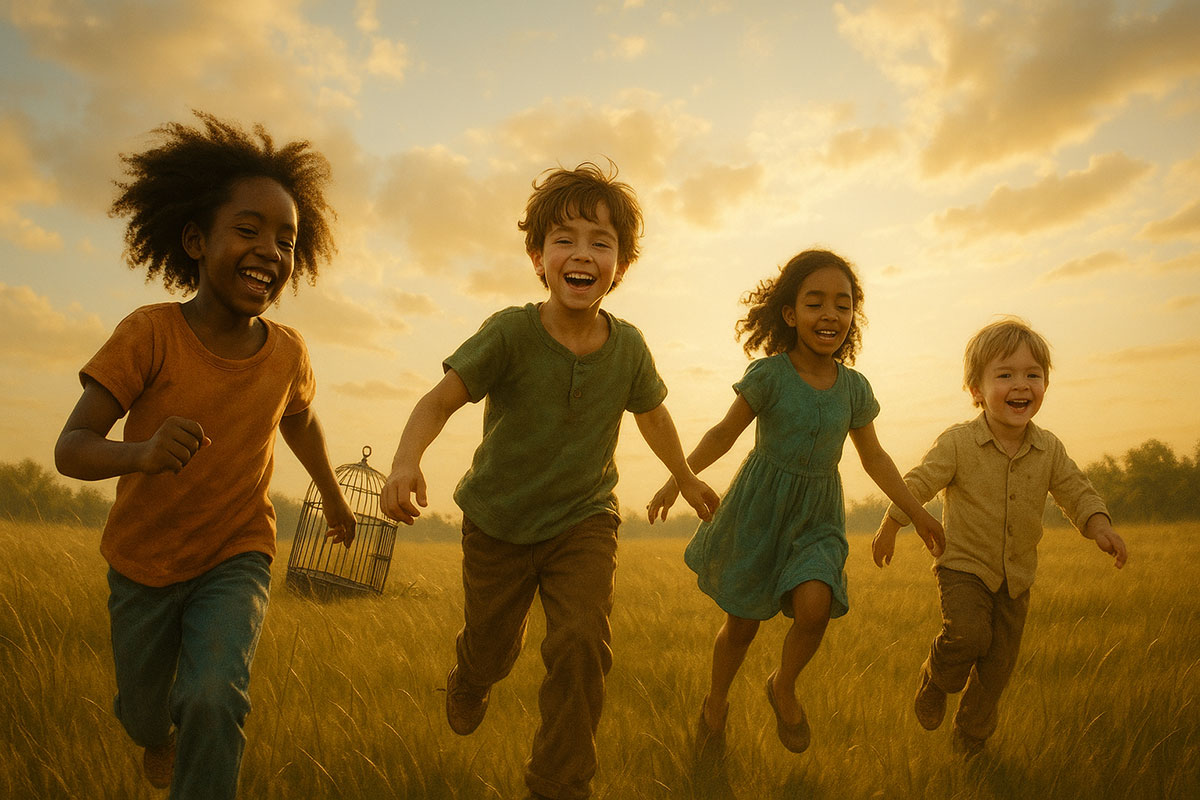
"All through these conversations, we have lingered on wounds: a mother’s fear, a daughter’s loneliness, the chains of colorism and history. But now I want to look beyond survival. If we imagine a world where our children are not merely hardened against cruelty, but freed to flourish—what would that world look like? How do we move from survival to freedom?"
First Question
"What is the difference between surviving and truly living free?"
Bride (Lula Ann):
"Survival was my mask. I became beautiful, desirable, untouchable. I wore success like armor. But freedom—that would mean being able to put the armor down, to laugh without fear, to walk into a room without rehearsing how I would be judged. Survival is performance. Freedom is rest."
Sweetness:
"Survival is all I ever knew. Keep your head down, don’t make mistakes, stay alert. That’s how I lived, and that’s what I taught. But listening now, maybe I see that survival is a cage you never leave. Freedom? I never tasted it. I don’t even know if it exists for people like us."
Martin Luther King Jr.:
"My dear Sweetness, freedom must exist. Survival is breathing, but freedom is singing. Survival keeps the body alive, but freedom makes life worth living. I dreamed not just of survival for Black children, but of a day when they could play, laugh, and thrive—judged not by their skin, but by the content of their character."
Angela Davis:
"Freedom is not just personal. It is political. Survival is coping within oppression; freedom is dismantling the structures that demand coping at all. Survival accepts the cage; freedom abolishes it. Until we confront prisons, poverty, racism, patriarchy—freedom is only a dream deferred."
Toni Morrison:
"So survival is endurance, freedom is expansion. One keeps us alive; the other lets us imagine what life could be."
Second Question
"What would true freedom for Black children and families look like?"
Martin Luther King Jr.:
"True freedom looks like a child walking into school without fear, greeted with love, judged by her gifts, not her color. It looks like a family sitting at a table without the shadow of poverty pressing down. Freedom is not just the absence of chains; it is the presence of opportunity, of dignity, of joy."
Bride (Lula Ann):
"For me, freedom would have been my mother’s arms. Just one embrace telling me I was beautiful, not in spite of my skin but because of it. True freedom starts in the home—when a child feels no shame for who she is. Without that, the world’s freedoms taste hollow."
Angela Davis:
"I agree with Bride, but freedom must stretch beyond the home. It requires dismantling systems that criminalize Blackness, that strip families apart through incarceration, that deny healthcare, education, safety. True freedom is collective—it cannot belong to one child if it is denied to another."
Sweetness:
"I wanted that for my daughter, but I didn’t believe it was possible. I thought the best I could give her was survival, not freedom. Maybe I was wrong. Maybe freedom is teaching a child to hope for more than what the world offers. But I never dared to hope."
Toni Morrison:
"Perhaps freedom is not only a condition, but a teaching—a story told to the child: You are worthy of joy, of safety, of tenderness. And that story must be repeated until it becomes true."
Third Question
"How do we move from survival to freedom—in our homes, our communities, our nation?"
Angela Davis:
"We move by organizing, by resisting, by refusing to accept survival as enough. Freedom requires abolition—of prisons, of systems of oppression, of internalized hatred. We cannot raise free children in cages, visible or invisible. The path is long, but it begins with refusing to normalize injustice."
Bride (Lula Ann):
"For me, it starts small. I can’t change the world overnight, but I can change the way I love. I will not pass my scars forward. I will hold my child, if I ever have one, with the tenderness I never received. That’s my rebellion. That’s my contribution to freedom."
Sweetness:
"I don’t know if I can help now. My time is nearly gone. But maybe I can speak truth at last: that I was wrong to mistake cruelty for protection. Maybe confession is a step toward freedom—for me, for my daughter."
Martin Luther King Jr.:
"We move by holding fast to vision. Freedom will not come without struggle, but it also will not come without dreaming. To march, to speak, to demand justice—we must believe in the world we seek. A nation cannot live on survival alone; it must live on hope, on love, on courage."
Toni Morrison:
"So freedom is both intimate and collective—an embrace in the home, a march in the street, a law rewritten, a story retold. It is work, but also imagination. To move from survival to freedom, we must dare to imagine beyond what history has taught us."
Closing Reflections
Sweetness:
"I see now—I gave my daughter survival, but never freedom. I wish I had believed she deserved both."
Bride:
"I will not repeat the cycle. My freedom is to love the child I once was, and the children yet to come."
Martin Luther King Jr.:
"Freedom is the crown of life. Let us not rest with survival, but press on until every child walks unafraid in the daylight of justice."
Angela Davis:
"Freedom is struggle, but it is also possibility. To imagine it, to demand it, to build it—that is our work."
Toni Morrison (Final Word):
"Survival kept us here. But freedom is why we write, why we march, why we dream. To imagine freedom is to call it into being. And until every Sweetness can hold her child without fear, until every Bride can grow without shame, the work of freedom is not done."
Final Thoughts By Toni Morrison
What do these voices teach us? That cruelty, even when meant as protection, still cuts. That beauty, when filtered through the eyes of oppression, can never be whole. That the child we once were still waits for our embrace. And that survival, though necessary, is not enough.
To move beyond survival is to imagine freedom—not only freedom from the world’s chains, but freedom from the chains we place upon one another, even in love. It is to say to the child: you are beautiful, you are wanted, you are free.
Stories like Sweetness and God Help the Child remind us that the inheritance of wounds is real, but so is the possibility of release. If we dare to tell a different story, if we dare to hold our children with tenderness uncorrupted by fear, then perhaps they—and we—may finally know freedom not as a dream, but as a life lived fully.
Short Bios:
Leave a Reply