
|
Getting your Trinity Audio player ready...
|
Introduction
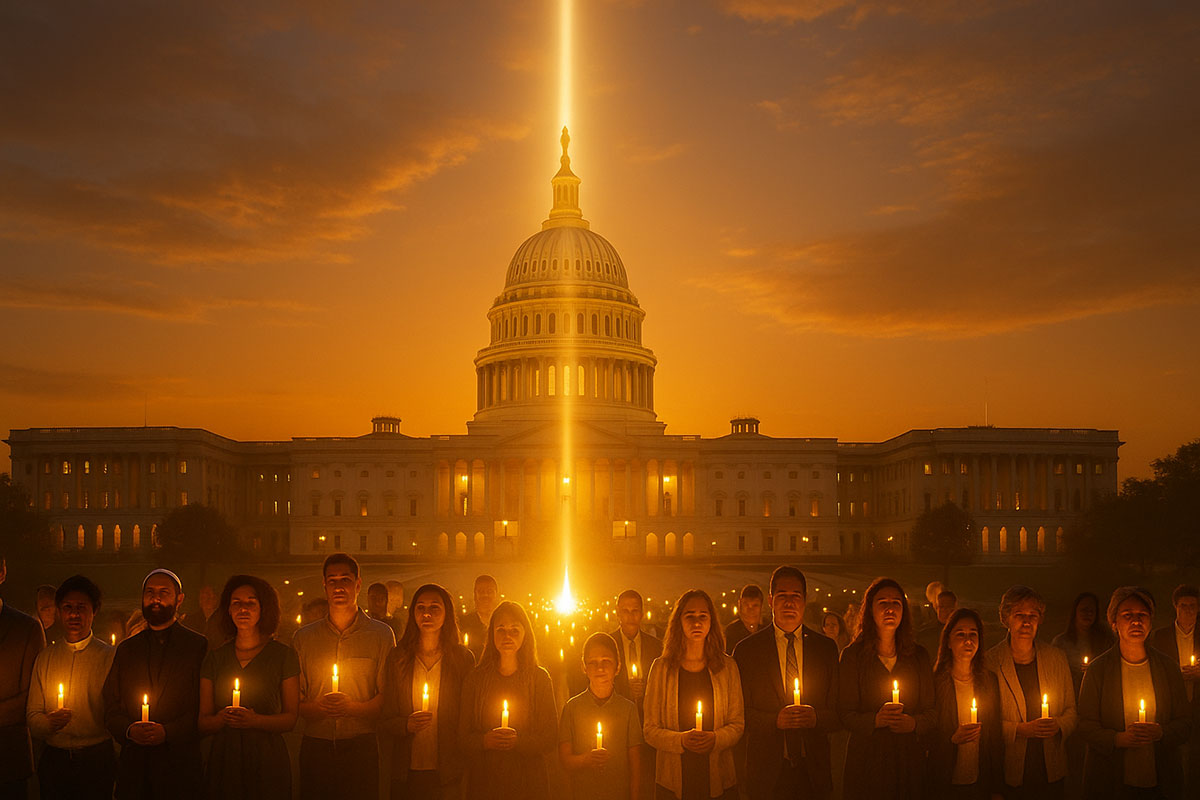
Tonight, we gather not as strangers divided by politics, but as one human family bound by love and by loss. Across this nation, too many parents have buried their children, too many classrooms have fallen silent, too many dreams have been stolen by the shadow of gun violence.
But I believe in the power of coming together. I believe in the power of stories — stories that make us weep, yes, but also stories that make us act. Tonight, you will hear from voices of faith, from grieving families, from young people who refuse to inherit fear, from leaders who dare to imagine something better.
This is not about winning arguments. This is about saving lives. And the truth is this: every single one of us has a part to play in creating an America where children are free to learn without fear, where families can gather without dread, and where communities can thrive in peace.
So let us listen with open hearts. Let us be brave enough to face the pain, and bold enough to embrace the hope. Because change is possible. And it begins right here, right now, with us.
(Note: This is an imaginary conversation, a creative exploration of an idea, and not a real speech or event)
Topic 1: The Value of Life vs. The Right to Bear Arms
Moderator: Nick Sasaki
Participants:
- Jesus Christ
- Ben Shapiro
- Parent Who Lost a Child to Gun Violence
- Charlie Kirk (Spirit Perspective)
- Constitutional Scholar
Nick Sasaki
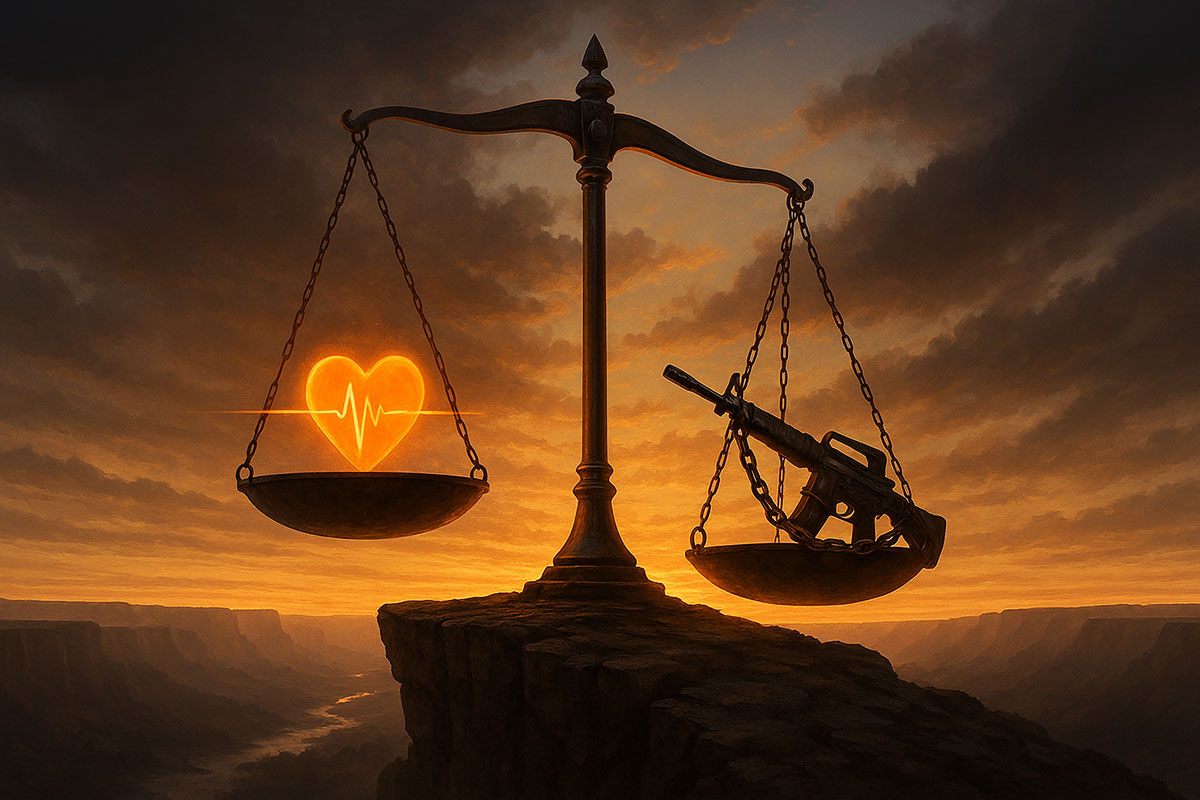
“Our first question strikes at the core of this entire debate: America treasures freedom, yet gun violence ends tens of thousands of lives each year. How do we weigh the sanctity of human life against the right to bear arms? Must one give way to the other, or can both survive together?”
Jesus Christ
“Life is the first gift of God, and no right exists apart from it. The right to bear arms was not written into heaven’s law — but the command to love your neighbor was. If freedom leads you to neglect love, then that freedom has become a chain, not a blessing. Preserve liberty, yes, but if it blinds you to your brother’s suffering, it has lost its holy purpose. Let every right serve life, never end it.”
Ben Shapiro
“Life is sacred, and so is liberty. The Second Amendment was never about hunting — it was about ensuring citizens could defend themselves against tyranny and violence. Take that away, and you make free people subjects. But rights aren’t blank checks. Conservatives must acknowledge the need for responsibility — punishing criminals, enforcing background checks, keeping guns from unstable hands. The task is not to pit liberty against life, but to defend liberty while protecting life.”
Parent Who Lost a Child to Gun Violence
“My son was fifteen when a bullet stole him from me. I don’t care about legal theory or political slogans. I care about the silence in his bedroom, the empty chair at our table. What freedom did he have when his life ended on the pavement? You say some deaths are the cost of liberty. I say no parent should ever be forced to pay that bill. The Constitution cannot comfort me. My child’s life mattered more than anyone’s weapon.”
Charlie Kirk (Spirit Perspective)
“I once said plainly that some deaths were worth the price of freedom. Today, I regret those words. Freedom is precious, yes — but no number of dead children can ever be justified as its ‘cost.’ I see now that I mistook defiance for wisdom. The Second Amendment can remain, but it must walk hand in hand with reforms that save lives. Liberty without protection of the innocent is not liberty at all. We can — we must — have both.”
Constitutional Scholar
“The Constitution is not an idol; it is a living covenant meant to secure the blessings of liberty. But liberty begins with life. Free speech does not permit threats, property rights do not justify theft, and the right to bear arms does not mean unlimited access without oversight. To honor the framers is to protect what they cherished first — the survival of the republic and its people. Life is the foundation on which all rights stand.”
Nick Sasaki
“Thank you. Here is my second question: nations like Japan and South Korea live with almost no gun violence. Charlie himself said he felt safer there. What can America learn from these countries?”
Representative from Japan (guest voice)
“In Japan, to own a gun is rare and heavily restricted. Citizens undergo tests, checks, and inspections. But the deeper truth is cultural: we do not view guns as symbols of freedom. Our freedom is the ability to walk at night without fear, to send our children to school without dread. America can learn this: freedom is not only the power to own — it is the peace to live.”
Charlie Kirk
“In Tokyo, I watched children ride trains home at midnight without fear. In Seoul, families strolled through crowded streets in safety. I said then that I felt safer abroad than in my own nation. That realization shook me. Freedom is not only the right to defend yourself; it is the confidence that you won’t need to. That is the lesson America must learn.”
Student Activist (joining briefly)
“We practice lockdown drills while Japanese and Korean kids practice math drills. That contrast is unbearable. America doesn’t lack solutions — it lacks will. Other nations proved this problem can be solved. Every day we delay is a choice not to learn from them.”
Ben Shapiro
“Let’s be cautious. Japan and Korea are small, culturally homogenous nations with different histories and crime rates. America is larger, more diverse, and uniquely tied to its founding revolution. We cannot simply import their systems. But I agree: their discipline is admirable. We can learn from their seriousness — rigorous background checks, enforcement, and cultural responsibility — while still remaining America.”
Parent Who Lost a Child
“When my son died, the world collapsed. When I see Japan’s near-zero gun deaths, I wonder why our leaders tolerate so many funerals. Don’t tell me we’re too ‘different.’ Grief feels the same in any language. If they can protect their children, why can’t we protect ours?”
Nick Sasaki
“One last question for this opening topic: if America truly wants to end gun violence, what must be the turning point? What principle must it embrace to change course?”
Jesus Christ
“The turning point is love. Not love in speeches, but love in action. Love that puts a child’s heartbeat above a weapon’s weight. Love that asks not, ‘What do I deserve?’ but, ‘How do I protect my neighbor?’ Let love, not fear, be the law of this land.”
Constitutional Scholar
“The turning point is when Americans realize that rights and regulation are not enemies. Laws that preserve life strengthen liberty; laws that ignore life hollow it out. When the courts and the people embrace this truth, change becomes possible.”
Charlie Kirk
“The turning point is humility. In life, I debated to win. In death, I see that listening is the greater victory. If conservatives and liberals alike can humble themselves to hear one another’s pain, America can finally find its way. The turning point is when we stop fighting against each other, and start fighting for each other.”
Parent Who Lost a Child
“The turning point is now. Every day lost is another family shattered. The turning point will come when America values the laughter of its children more than the comfort of its arguments. My son’s death must not be in vain. Let this be the day we turn.”
Ben Shapiro
“The turning point is balance. We cannot abandon the Second Amendment, but neither can we ignore the bloodshed. When Americans agree that liberty and responsibility are inseparable, the path forward opens. That balance — not denial, not absolutism — is the true turning point.”
Topic 2: Learning from Global Models

Moderator: Nick Sasaki
Participants:
- Representative from Japan
- Representative from South Korea
- Student Activist (March for Our Lives)
- Charlie Kirk (Spirit World Perspective)
- Public Health Expert
Nick Sasaki
“Charlie once said he felt safer walking the streets of Japan and Korea than in America. These nations report gun deaths in single digits per year, while our nation mourns thousands. My first question is this: what lessons can America learn from societies where safety is the norm rather than the exception?”
Representative from Japan
“In Japan, guns are not woven into the fabric of daily life. Ownership is rare, permitted only after rigorous exams, psychological tests, police interviews, and home inspections. Yet the law is only half the story. The other half is cultural: we value harmony and trust more than individual firepower. A citizen’s freedom is found in knowing a child can ride the train home at night without fear. America can learn this truth — that true liberty is the freedom to live unafraid.”
Charlie Kirk (Spirit Perspective)
“When I visited Tokyo, I saw children wandering the streets at midnight without looking over their shoulders. In Seoul, families filled public squares without fear of strangers. I felt safer there than I did at home. That realization humbled me. For years, I equated freedom with ownership of a gun. But those nations taught me that freedom also means walking without dread. America can learn that safety itself is liberty.”
Representative from South Korea
“In South Korea, guns are tightly regulated. Most civilians never see one. Hunters and sport shooters must keep their firearms stored at police stations, checked in and out like library books. After a shooting in 2015, we required GPS tracking for licensed guns. Our people live without fear because disputes rarely end in gunfire. The lesson is this: when weapons are scarce, violence finds fewer doors to enter. America must ask itself what kind of freedom it values most.”
Student Activist
“In Japan, children learn math drills. In America, we learn lockdown drills. That contrast says it all. We can learn that courage means acting — not making excuses about being ‘different.’ Japan and Korea show that strict laws work. They prove violence isn’t inevitable. My generation doesn’t want to hide under desks anymore. We want leaders brave enough to learn.”
Public Health Expert
“Public health relies on evidence, not ideology. The evidence from Japan and South Korea is clear: comprehensive restrictions, cultural reinforcement, and strict enforcement save lives. These measures cut gun deaths to levels so low they shock the American imagination. Guns are not viruses, but the principle holds: prevention works. America can learn that denial is not a strategy. Evidence is.”
Nick Sasaki
“My second question: many Americans argue the U.S. is ‘different’ — larger, more diverse, and founded on armed revolution. Do these differences make global models irrelevant, or can lessons still be adapted to fit America’s unique context?”
Ben Shapiro (guest voice)
“America is different. Our Second Amendment was born of revolution, of citizens ensuring they could resist tyranny. We are larger, more diverse, and more culturally attached to firearms than Japan or Korea. Copying their model wholesale would fail. But that doesn’t mean we can’t learn. We can adopt their seriousness: enforce background checks, prosecute criminals, invest in mental health. America should adapt lessons, not import them blindly.”
Representative from Japan
“Yes, every nation is unique. But grief is universal. When a child is lost, the mother’s cry sounds the same in Tokyo as it does in Texas. America does not need to become Japan. But it must abandon the excuse that uniqueness absolves it from responsibility. Learn from us, not to erase your history, but to protect your children’s future.”
Charlie Kirk
“In life, I dismissed these comparisons. I said America was exceptional, untouchable. But here, in eternity, I see: uniqueness is not immunity. Bullets kill the same in Chicago as they would in Seoul. If anything, America’s size and power give it a greater obligation to protect its people. We don’t need to clone Japan’s model, but we must learn from its wisdom.”
Student Activist
“We’re tired of being told America is too ‘different.’ Different doesn’t mean doomed. Different means responsible. Adaptation is possible — it just requires will. Stop hiding behind exceptionalism while children die. If Japan and Korea can protect their kids, so can we. Our difference should be a reason to lead, not to lag behind.”
Public Health Expert
“Public health adapts to culture all the time. Vaccination strategies differ between countries, but the principle is the same: prevention saves lives. America must adapt, not dismiss. We don’t need Japan’s laws word for word, but we desperately need their commitment. Cultural difference is no excuse for inaction.”
Nick Sasaki
“For my last question: If America were to adapt these lessons while still honoring the Second Amendment, what would a realistic model look like?”
Public Health Expert
“A realistic American model would preserve gun ownership rights but treat them with the same seriousness as driving a car. Universal background checks, mandatory training and renewal, safe storage laws, and real enforcement. Guns should not be easier to obtain than a driver’s license. Rights remain — but with safeguards that prevent tragedy.”
Representative from South Korea
“Our reforms came after bloodshed. We acted when our people demanded it. America must do the same. A realistic path is not disarmament, but responsibility: limit high-risk access, track weapons closely, and prioritize community safety above convenience. If Korea can adapt, so can America.”
Charlie Kirk
“A realistic model requires humility. Conservatives must admit that reforms are not betrayal. Liberals must admit that rights matter. Each must give ground for the sake of children. America’s model should not be Japan’s or Korea’s — it should be America’s, but wiser, kinder, humbler than it has been.”
Student Activist
“My model is simple: put kids before guns. If a law saves lives, pass it. If a reform prevents a shooting, act. Stop asking what extremists will think. Start asking what parents will feel when their kids come home alive. That’s what a realistic model looks like.”
Representative from Japan
“Our model teaches patience. Citizens undergo multiple layers of testing, checks, and renewal. America could adapt that principle — not to take freedom away, but to remind citizens that rights come with discipline. Freedom is not measured by how fast you can buy a weapon. It is measured by whether your children live to adulthood. That is the model to strive for.”
Topic 3: The Role of Faith and Morality in Ending Violence
Moderator: Nick Sasaki
Participants:
- Jesus Christ
- Martin Luther King Jr. (spirit voice)
- Rabbi Abraham Joshua Heschel
- Imam Omar Suleiman
- Charlie Kirk (Spirit Perspective)
Nick Sasaki
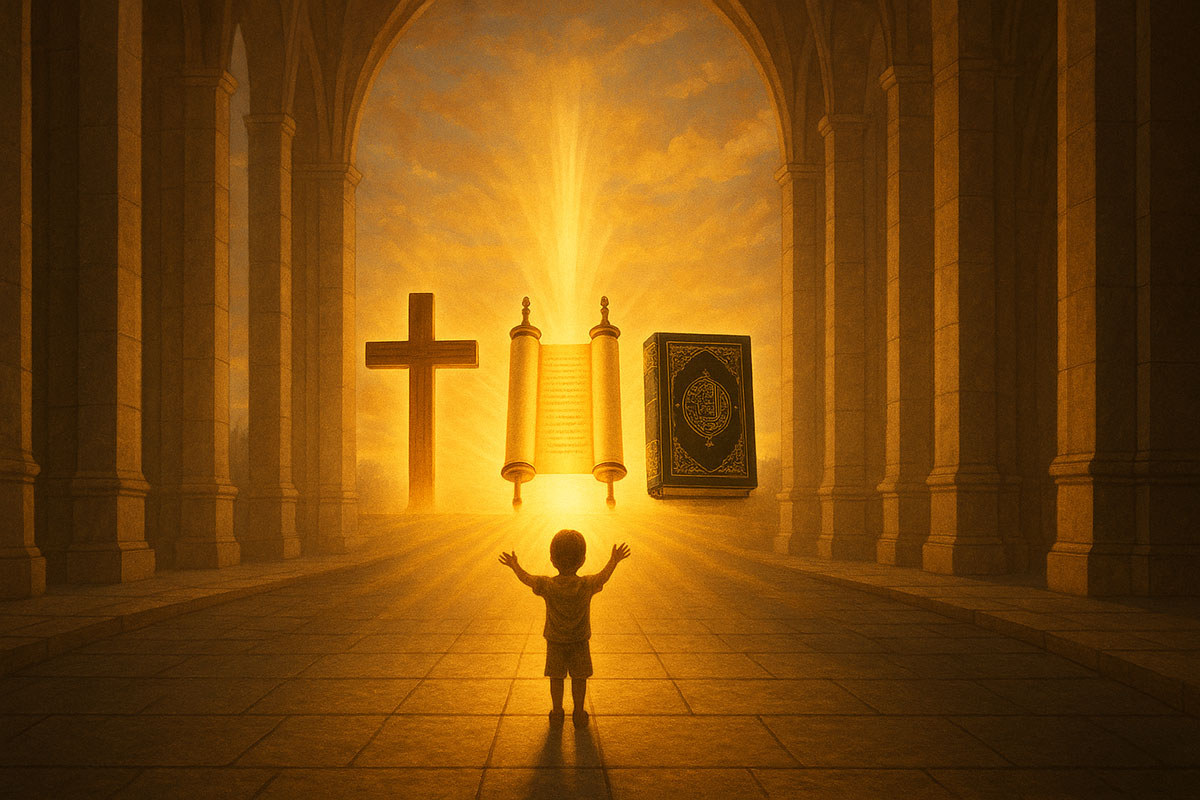
“We’ve talked about laws and policies, but beneath them lies something deeper: the human heart. My first question is this — how do faith and morality help us understand the roots of gun violence, and how can they guide us toward ending it?”
Jesus Christ
“Violence does not begin with the weapon, but with the heart that chooses it. The command was always to love your neighbor as yourself. If a man sees his neighbor as a brother, he will not harm him. Guns are tools, but hatred, fear, and indifference turn them into idols. Faith is the medicine of the heart. Where faith takes root, violence withers. Where faith is absent, even laws cannot protect.”
Martin Luther King Jr.
“Nonviolence is not passivity; it is power disciplined by love. Gun violence is the symptom of a nation that confuses force with justice. Faith calls us back to a higher law — that dignity comes not from domination, but from compassion. Each child killed by a bullet is a wound to the body of humanity. If morality does not move us to act, then it is only words spoken to the wind.”
Rabbi Abraham Joshua Heschel
“In our tradition we teach: ‘Whoever destroys one life, it is as if he destroys an entire world.’ Gun violence is not statistics — it is the shattering of worlds. Morality means reverence. Reverence for life, for the image of God in each person. The moral crisis in America is not only too many guns, but too little awe. Without awe for life, convenience triumphs over conscience.”
Imam Omar Suleiman
“The Qur’an teaches: to kill one innocent is as though to kill all humanity, and to save one life is as though to save all humanity. Violence stems from unchecked anger and despair, fed by division and politics of fear. Faith commands us to choose mercy over vengeance. Every bullet fired into an innocent body is a betrayal of that sacred trust. Faith communities must remind America that life is not negotiable — it is divine.”
Charlie Kirk (Spirit Perspective)
“In life, I quoted scripture to defend my politics. In death, I see how often I used God as a banner instead of a compass. Faith without compassion is just noise. Morality without mercy is cruelty. Gun rights defended without responsibility become recklessness. America will only end gun violence when it remembers that faith calls us not to win arguments, but to protect lives.”
Nick Sasaki
“Some say gun violence is not just about policy, but about a sickness of the soul in America — a culture of fear, anger, and division. My second question: how do we heal that deeper sickness?”
Martin Luther King Jr.
“The sickness is despair. Despair that answers violence with more violence. To heal it, we must teach again the language of hope. Communities must be places where reconciliation is victory, not vengeance. The cure for despair is faith in love — love lived in justice, not in sentiment.”
Jesus Christ
“The sickness is forgetting who you are: children of one Father. A nation that forgets its brotherhood will devour itself. Healing begins with forgiveness — not a soft word, but a radical choice to stop the cycle of retaliation. A heart healed by mercy will never pull a trigger against its neighbor.”
Rabbi Heschel
“The sickness is indifference. The ability to hear of massacres and feel nothing. To heal, we must recover awe — awe before God, awe before the fragility of life. When a nation learns again to tremble at the loss of one child, then the plague of violence will begin to break.”
Imam Omar Suleiman
“The sickness is rage. Rage stoked by politics, by media, by endless talk of enemies. Healing requires restraint and remembrance — remembering that every soul carries God’s breath. Faith leaders must model patience, compassion, and mercy. If we disarm our hearts, we will disarm our streets.”
Charlie Kirk
“The sickness is pride. Pride that refuses to admit America needs healing, that hides behind exceptionalism. Healing begins with humility — the humility to learn from others, to listen to the grieving, to admit we do not have all the answers. Pride pulls the trigger. Humility lays it down.”
Nick Sasaki
“My final question: faith traditions differ in practice, yet you all speak of peace and dignity. How can communities of faith unite — Christian, Jewish, Muslim, and beyond — to lead America out of this crisis?”
Rabbi Heschel
“In my time, I marched with Dr. King, for I felt my legs were praying. Today, faith communities must march together again. Unity is itself a sermon: that we may worship differently but cherish life the same. Together we can be the moral voice that politics cannot ignore.”
Imam Omar Suleiman
“Faith communities must stand together — in vigils, in funerals, in halls of power. When we grieve together and demand justice together, we strip violence of its false justification. Our unity tells America that faith is not a divider but a healer.”
Jesus Christ
“When you love one another, the world will know you are mine. Division weakens; unity heals. Churches, mosques, synagogues — let them lock arms, not doctrines. Let unity be your witness, compassion your creed, and peace your prophecy.”
Martin Luther King Jr.
“The Beloved Community is not one creed or one race. It is the dream for all humanity. When faith leaders link arms and declare: ‘America, choose life,’ then that dream begins to take flesh. The pulpit must lead where politics hesitates.”
Charlie Kirk
“In life, I often used faith to divide. Now I see its greater power is to unite. Imagine if pastors, rabbis, imams, and priests stood together, not to debate doctrine, but to defend children. That unity could shake a nation awake. If my death adds even a whisper to that chorus, then I am at peace.”
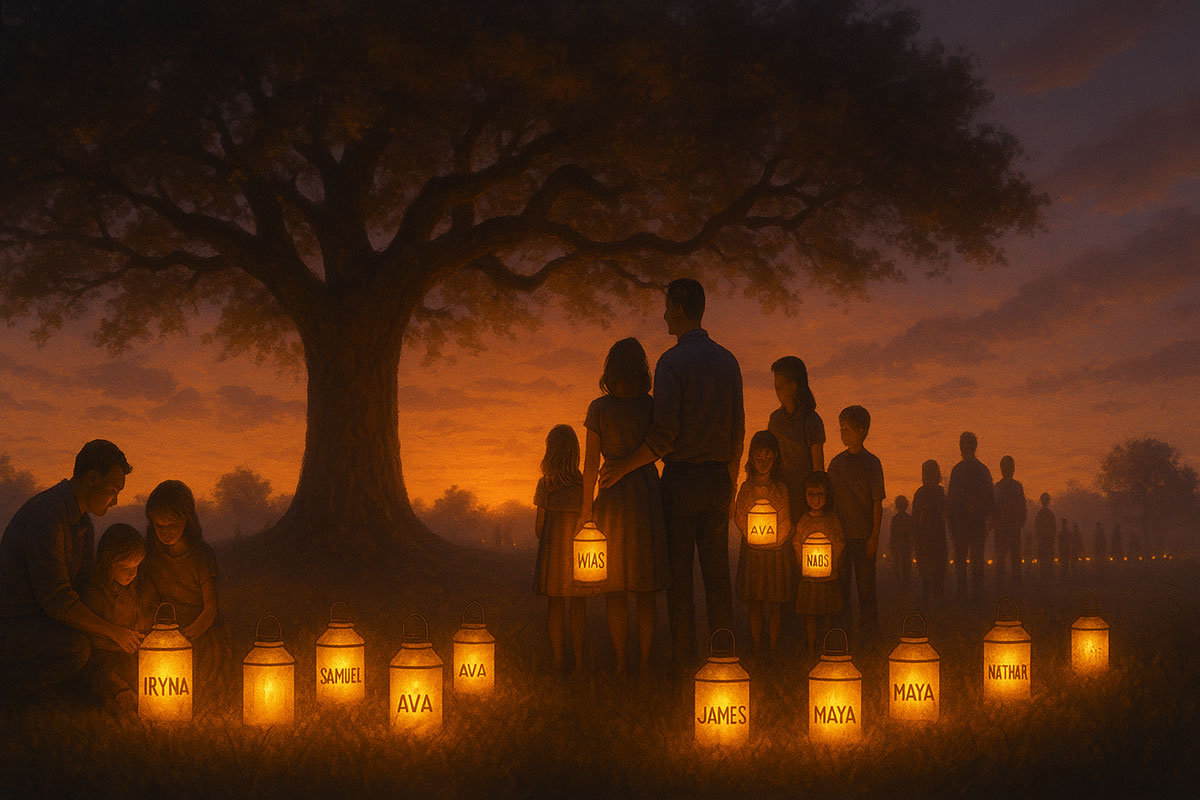
Topic 4: Healing Families, Youth, and Communities
Moderator: Nick Sasaki
Participants:
- Grieving Parent (lost a child to gun violence)
- Student Activist (March for Our Lives)
- Trauma Counselor
- Charlie Kirk (Spirit Perspective)
- Iyanla Vanzant (healing voice)
Nick Sasaki
“Behind every headline is a family whose world has collapsed, a community left trembling. My first question is this: how do families begin to heal after losing someone to gun violence? And can healing ever be complete?”
Grieving Parent
“Healing? I don’t know if that word fits. When my son was killed, half my heart was buried with him. Some nights I still set a place for him at the table, just to remember. Healing isn’t forgetting. Healing is learning how to breathe with an open wound. What helps is when others sit with me in silence, when neighbors cry with me, when other grieving parents hold me and say, ‘I know.’ You don’t heal alone — you heal together.”
Trauma Counselor
“Families need space for raw grief, not quick fixes. Too often, society rushes them: ‘move on, be strong.’ That only deepens the wound. Healing begins when people are allowed to feel everything — the rage, the despair, the numbness. Therapy, rituals of remembrance, safe spaces where stories are shared — these are lifelines. Healing is not moving on. Healing is learning to move with the pain, to integrate it into life with dignity.”
Iyanla Vanzant
“Pain is holy ground. Families must be allowed to wail, to ask why, to rage at God if they must. But healing comes when that pain transforms into purpose. A mother’s tears can water another family’s strength. A father’s testimony can save another child. The scar never vanishes, but it becomes a mark of survival — proof that love outlasts even death.”
Charlie Kirk (Spirit Perspective)
“In my lifetime, I debated laws and policies, but I didn’t understand the ocean of grief a single bullet creates. From this side, I have seen the children whose laughter was cut short, the mothers whose tears echo in eternity. Healing for families begins with remembrance — to know their child is not forgotten, that their story will be told. And healing also comes when fewer families must carry this burden. That is the mission now: to spare others this grief.”
Student Activist
“I’ve watched classmates cry in bathrooms after lockdown drills, grieving friends they never got to say goodbye to. Healing for us means action. It means channeling grief into a movement. Families begin to heal when they see that their child’s life sparked change, that others will be spared because of their loss. Healing is not only private — it is public, when mourning becomes momentum.”
Nick Sasaki
“Children today grow up under the shadow of gun violence. They live with lockdown drills, constant news of shootings, and fear that the next tragedy could be theirs. My second question is this: how do we protect their mental health and give them hope for a future not defined by fear?”
Student Activist
“We are exhausted. Our childhoods are measured in lockdown drills instead of recess. Hope comes when adults finally act. Don’t tell us to be brave while you do nothing. Hope is seeing laws passed, schools made safer, lives protected. And hope is being heard. When we speak, don’t dismiss us as naïve. Our fear is real, our trauma is real. Give us action, and we will find hope.”
Trauma Counselor
“Children need more than drills — they need reassurance. Schools must provide counselors, not just security officers. Parents must remind children daily: ‘You are safe, you are loved.’ Activities like art, music, and play are not luxuries — they are therapies. Children must be allowed to imagine futures larger than their fears. Healing for youth is built on consistency, love, and spaces that honor their resilience.”
Charlie Kirk
“I told young people to be bold, to speak without fear. But I see now how fear already shaped their lives. If I could speak to them now, I’d say: your courage matters more than you know. Don’t let fear define you. Use your voice to demand change, to build safer schools and stronger communities. You are not powerless — you are the generation that can break this cycle.”
Iyanla Vanzant
“Children must be given rituals of empowerment. Plant trees for those lost, paint murals, light candles together. Give them ways to transform fear into beauty, despair into purpose. Let them march, let them sing, let them turn pain into power. Healing is not just about surviving; it’s about giving our children visions bigger than their nightmares.”
Grieving Parent
“When my son’s friends came to our house after the funeral, they were shattered. I told them: live for him. Do what he no longer can. Carry him with you into every joy, every achievement. Children need that message: your life is sacred, don’t waste it in fear. Honor the dead by choosing life with all your strength.”
Nick Sasaki
“My final question: how can whole communities — not just families — heal together and prevent violence from tearing them apart again?”
Iyanla Vanzant
“Communities heal when they gather. A candlelit vigil, a shared meal, a march for peace — these are not small gestures. They are medicine. Healing is not just comforting the broken, but changing the conditions that break us. Communities must rise together: mourning together, yes, but also demanding accountability, justice, and change. Healing is comfort and courage hand in hand.”
Trauma Counselor
“A community heals when it takes collective ownership of both grief and prevention. Build memorials that honor victims, but also fund programs that protect the living. Invest in mental health, youth mentorship, after-school activities. Communities must not only comfort families after a shooting, but act to ensure the next one never comes.”
Student Activist
“Communities heal when silence is broken. Too often, people whisper their pain in private but stay silent in public. Healing comes when communities raise their voices together — marching, voting, organizing. The message must be clear: violence is not normal, and we refuse to accept it as inevitable.”
Charlie Kirk
“I built movements around politics. Now I see the greater movement must be around humanity. Communities must learn to see each other not as opponents but as one family. Churches opening their doors, neighbors checking on one another, schools partnering with parents — that is how communities heal. My prayer is that my death does not divide, but unites communities in common cause.”
Grieving Parent
“When my community surrounded me after my son’s death, they brought food, they cried with me, they walked with me in marches. That’s what healing looks like: one family’s burden becoming everyone’s burden. A community heals when no one grieves alone — when loss is carried on many shoulders.”
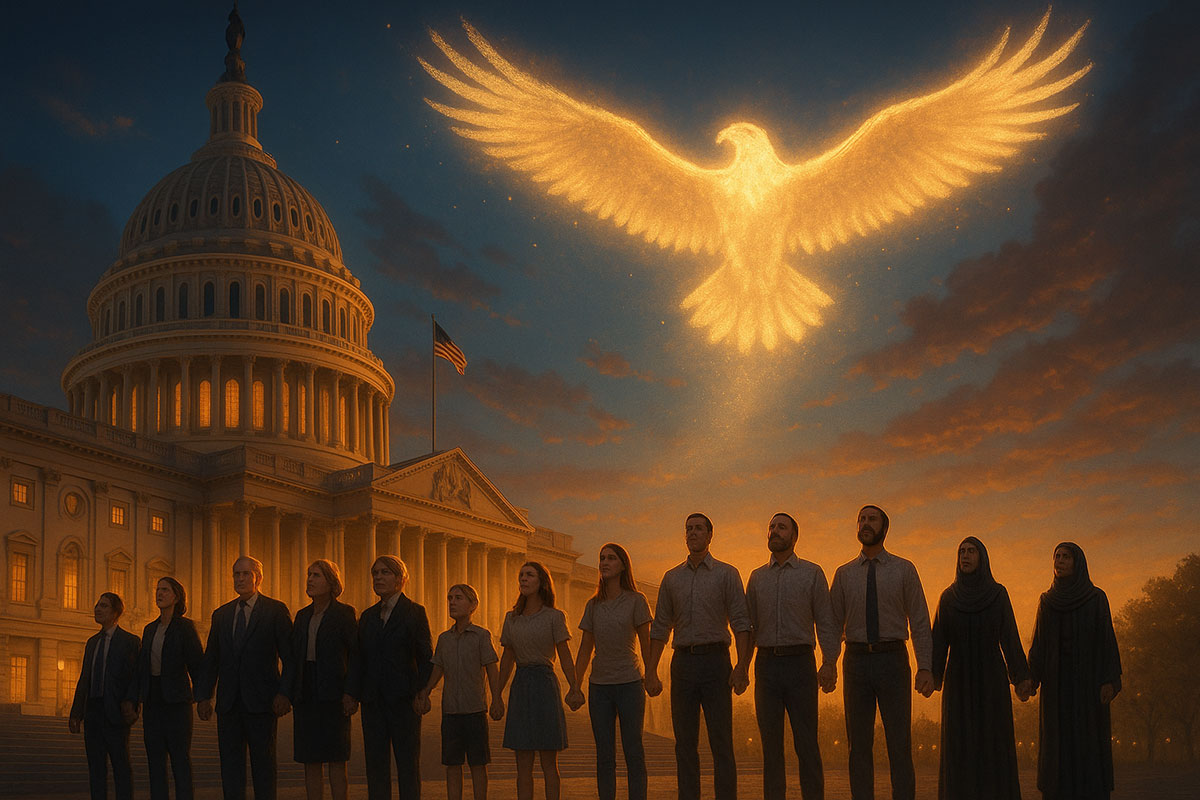
Topic 5: From Rhetoric to Real Solutions
Moderator: Nick Sasaki
Participants:
Charlie Kirk (Spirit Perspective)
Ben Shapiro (Conservative Ally)
Student Activist (March for Our Lives)
Senator Chris Murphy (Gun Reform Advocate)
Jesus Christ
Nick Sasaki
“We’ve mourned, we’ve reflected, we’ve prayed. But if our words don’t become actions, the cycle of funerals will never end. My first question is this: what concrete steps must America take now to move beyond rhetoric and into real solutions?”
Senator Chris Murphy
“Every day we delay, families bury their children. The first step is universal background checks — an idea supported by nearly every American. We must close loopholes in private sales, strengthen red flag laws, and fund community violence-prevention programs. These are not radical demands; they are common sense. If we want change, we must begin with laws that save lives.”
Ben Shapiro
“Concrete steps, yes — but they must honor the Constitution. Enforce the laws already on the books. Crack down on trafficking, punish criminals severely, and fix the background-check system so it’s fast and accurate. The Second Amendment is not the problem; irresponsibility is. The solution is not to strip rights from law-abiding citizens, but to demand responsibility from all.”
Student Activist
“Excuse me, but we’ve heard this before — ‘enforce existing laws’ while new funerals pile up. That’s not enough. Ban assault weapons. No child should face a military rifle in their classroom. Invest in mental health, yes, but don’t use that as an excuse to avoid tackling guns themselves. Real solutions protect children first. If a law doesn’t do that, it’s not enough.”
Charlie Kirk (Spirit Perspective)
“In life, I resisted compromise. I saw it as surrender. In death, I see compromise is courage. Conservatives must admit that stronger safeguards are not betrayal. Liberals must admit that rights matter. The real solution is not victory for one side, but survival for all. If my death means anything, let it mean this: stop wasting time on slogans while families grieve. Act.”
Jesus Christ
“Do not confuse delay with wisdom. A law without love is another stone in the debate. A law guided by love becomes protection for the vulnerable. Love sees the child before the gun, the parent before the politician. Pass laws, yes — but pass them with love, so they heal wounds instead of deepening divisions.”
Nick Sasaki
“Second question: so many past reforms have failed because of mistrust. How can both sides — conservative and progressive, rural and urban — come together to build solutions everyone can accept?”
Ben Shapiro
“Trust is built on respect. Conservatives must stop being painted as heartless, and progressives must stop being seen as tyrants. We all want fewer murders. Start with what we agree on: background checks, punishing criminals, improving mental health. If both sides stop demonizing each other, real solutions can emerge.”
Student Activist
“Respect is earned through action. We’ve watched politicians promise change and deliver nothing. Trust will only come when communities see real laws passed, not just empty words. You want my trust? Show me results. Don’t tell me to wait while another school is shot up. Action builds trust.”
Senator Chris Murphy
“Trust also comes from listening. Lawmakers must sit in the homes of grieving families, walk through classrooms where children hide under desks. When you look those people in the eye, partisanship fades. Transparency in government, accountability for promises kept — that’s how mistrust gives way to common ground.”
Charlie Kirk
“In life, I debated to win. But debates rarely build trust — they build walls. Trust is built when leaders admit they don’t have all the answers. When conservatives hear the cries of parents, and liberals hear the fears of rural families, a bridge appears. That humility, that listening, is where real solutions are born.”
Jesus Christ
“Trust is born of service. Wash one another’s feet. Lay down the sword of pride. When leaders care more for people than platforms, trust will follow. The one who listens with compassion builds more than laws — he builds peace.”
Nick Sasaki
“Final question: If America truly ended gun violence, what would that future look like? Paint for us the vision of the nation we are striving for.”
Student Activist
“I see classrooms where the only drills are for fire alarms, not active shooters. I see graduations where every seat is filled, no names read as memorials. I see my generation free to dream, not just to survive. That’s the America we deserve.”
Charlie Kirk
“I see a nation where liberty and safety are no longer enemies, but partners. Where conservatives no longer fear losing rights, and liberals no longer fear losing children. An America humbled by its past but proud of its renewal. A land that chose life over pride. That is the turning point.”
Ben Shapiro
“I see an America where responsible citizens still own firearms, but violence is rare. Where culture prizes responsibility as highly as freedom. Where families lock their doors out of habit, not fear. Where safety and liberty coexist.”
Senator Chris Murphy
“I see an America where public spaces — schools, malls, churches, concerts — are safe again. Where parents do not hesitate to send their children to school. Where gun deaths fall so sharply that the world looks to us with admiration instead of pity. That America is within reach. It is not a dream — it is a choice.”
Jesus Christ
“I see an America reborn in compassion. Where swords are beaten into plowshares, and guns into tools of creation. Where neighbors see each other not as enemies but as family. A nation that remembers the divine spark in every person and protects it fiercely. That is the kingdom of peace waiting for you, if you choose it.”
Final Thoughts
We’ve heard statistics, we’ve felt the pain of grieving parents, we’ve seen the fear in children’s eyes, and we’ve listened to the wisdom of faith and policy. But here is what I know for sure: every life lost to gun violence is not just a headline — it is a story unfinished, a dream stolen, a light extinguished too soon.
And yet, even in the face of heartbreak, there is power. The power of people who refuse to give up. The power of communities who gather, march, pray, and demand more. The power of voices — young and old, conservative and liberal, people of all faiths and no faith — coming together to say: this ends with us.
The question is not whether America can end gun violence. The question is whether we are willing to love enough, to listen enough, and to act with enough courage to make it happen.
So let us carry this conversation forward. Let us turn pain into purpose, despair into determination, and division into unity. And let every child in this nation grow up believing what every parent longs to say: you are safe, you are loved, and you will live to see your dreams.
Short Bios:
Jesus Christ
Central figure of Christianity, teacher of love, forgiveness, and peace. His message emphasizes compassion, mercy, and the sanctity of life.
Martin Luther King Jr.
American Baptist minister and civil rights leader (1929–1968). Advocated for racial equality and nonviolence, inspiring global movements for justice.
Rabbi Abraham Joshua Heschel
Jewish theologian and philosopher (1907–1972). Marched with Dr. King and wrote extensively on faith, awe, and social responsibility.
Imam Omar Suleiman
Contemporary American Muslim scholar and activist. Founder of the Yaqeen Institute, known for his teachings on justice, compassion, and interfaith unity.
Ben Shapiro
American conservative commentator and lawyer. Advocate of constitutional rights, particularly free speech and the Second Amendment, emphasizing personal responsibility.
Senator Chris Murphy
Democratic U.S. Senator from Connecticut. Leading advocate for gun reform since the Sandy Hook shooting, focusing on legislation for gun safety and prevention.
Charlie Kirk
Founder of Turning Point USA, conservative activist. In this dialogue, he reflects from the spirit world with humility, advocating for balance between liberty and life.
Student Activist (March for Our Lives)
Representative of a generation shaped by school shootings. Speaks for youth demanding urgent gun reform and protection in schools and communities.
Grieving Parent
Symbolic voice of countless families who have lost children to gun violence. Represents the pain of loss and the demand for change born from personal tragedy.
Trauma Counselor
Mental health professional dedicated to helping survivors and communities process grief and trauma, offering pathways toward resilience and healing.
Iyanla Vanzant
Spiritual teacher, author, and counselor. Known for her compassionate approach to healing and transformation, guiding individuals and families through pain to purpose.
Public Health Expert
Representative voice of evidence-based research, highlighting how policies, data, and prevention strategies can reduce gun violence and save lives.
Representative from Japan
Voice reflecting Japan’s experience with near-zero gun violence through cultural norms of harmony and strict regulation.
Representative from South Korea
Voice reflecting South Korea’s model of strict gun storage laws, regulation, and public trust, offering lessons in safety without widespread civilian firearms.
Leave a Reply