
|
Getting your Trinity Audio player ready...
|
Introduction by Glennon Doyle Voice
Here’s what I know, because life has insisted on teaching it to me:
Hard things aren’t signs that we’re broken. Hard things are invitations.
They are the moments when life asks, “Are you ready to become who you truly are?”
This series — this We Can Do Hard Things conversation you’re about to step into — was created to remind you that you are not crazy for finding life difficult. You’re not weak for shaking. You’re not failing because things feel messy, confusing, or too heavy to carry. You are simply human, and you are awake.
What you’ll see in these seven conversations is that truth-telling is not just a practice.
It is a lifeline.
Feeling your feelings is not a liability.
It is a superpower.
Choosing the harder path is not punishment.
It is the way home to yourself.
Here, brave souls gather around a glowing table — not to pretend they have everything figured out, but to sit with the courage of being fully alive. Each voice brings a reminder that the goal isn’t to be fearless. The goal is to stay present long enough for your truth to rise.
So take a breath.
Set down the idea that you need to be fixed.
You’re not here to be fixed.
You’re here to be found.
Let’s do this together.
Let’s do the hard things — the necessary things — with open hearts and steady hands.
(Note: This is an imaginary conversation, a creative exploration of an idea, and not a real speech or event.)
TOPIC 1 — Hard Things Are the Necessary Things
Moderator: Glennon Doyle
The Circle of Hard Truths
The room feels like a sanctuary today: soft morning light pouring through wide windows, a round wooden table, mismatched chairs, mugs of tea steaming gently. Glennon sits at the center with her notebook open, palms flat on the table—not to hold papers in place, but to steady the emotional weight she knows is coming.
She looks around at the people she intentionally brought together for this conversation. Brené Brown is warm and grounded, her presence both scholarly and deeply human. Stephen Pressfield sits with quiet ferocity, a man who has faced down inner battles for decades. Cheryl Strayed is calm but full of fire — wilderness inside human form. James Clear sits with careful awareness, the mind of a scientist and the heart of someone who understands the long road of change. Anne Lamott, with her wild hair and tender humor, feels like the aunt who will tell you the truth whether you're ready or not.
Glennon takes a breath, looks at each of them with affection, and begins.
Question 1
“What truth have you avoided because it felt too heavy to hold — and what happened when you finally picked it up?”
Brené Brown
Brené is the first to speak, her voice soft but sure.
“For me, the truth I avoided was that I was more committed to being perfect than being present. It felt too heavy to admit how much time I spent performing instead of connecting. When I finally picked that truth up, it felt like holding a boulder. But it also opened my life. When I stopped performing, people stopped performing around me too. Suddenly there was room for real love, real joy, real intimacy. The heavy truth gave birth to a much lighter life.”
Stephen Pressfield
Pressfield shifts, thoughtful.
“The truth I avoided was that I was a writer long before I had the courage to write. I knew it. God knew it. But fear kept me from picking up the pen. Every day I didn’t write, the truth grew heavier.
And when I finally picked it up—when I said ‘Okay, this is who I am’—I realized the weight wasn’t the truth. The weight was the resistance to the truth.”
Cheryl Strayed
Cheryl’s voice carries the wilderness in it.
“My heaviest truth was that I had broken my own heart. I wanted to blame the world, my circumstances, my childhood, my grief. But when I finally acknowledged that I had betrayed myself—through addiction, through self-abandonment, through forgetting my own worth—it shattered me. But it also saved me. Picking up the truth was the first step of carrying myself out of the wilderness, one painful step at a time.”
James Clear
James folds his hands carefully.
“The truth I avoided was that my habits were shaping a life I didn’t really want. I thought willpower would fix it. I thought knowledge alone would fix it. But the truth was that my behaviors weren't aligned with who I hoped to become. When I finally picked that up, it wasn’t a breakdown—it was a recalibration. Hard truths are maps. They show you where you are so you can finally walk toward who you want to be.”
Anne Lamott
Anne leans back, her humor softening the edges.
“The truth I avoided was that I was deeply lonely, even when surrounded by people. I thought admitting loneliness made me needy or weak. But loneliness thrives in secrecy. When I finally picked it up—when I said, ‘Okay, universe, I’m lonely’—people started showing up in my life in real ways. My loneliness didn’t disappear, but it became a companion rather than a curse. Sometimes the soul just wants to be acknowledged.”
Glennon listens, eyes soft, taking it all in.
She breathes. Then she asks the next question.
Question 2
“Why do you think the most important decisions of our lives are always the most terrifying ones?”
Stephen Pressfield
“Because the stakes are our souls,” Pressfield says plainly.
“When you make a small decision, it’s your ego on the line. When you make a big one, it’s your entire identity. Terror is just the gatekeeper to transformation.”
Anne Lamott
Anne nods.
“We’re terrified because important decisions require surrender. You have to release control, release certainty, release the fantasy of safety. And people don’t like surrender. People like seat belts and warranties and return policies. But life doesn't offer those.”
Brené Brown
Brené takes a breath.
“The most important decisions ask us to step out without guarantees. Vulnerability is uncertainty + risk + emotional exposure. That’s the very definition of terror.
But it’s also the birthplace of everything we want: love, connection, purpose, creativity.
Terror is inconveniently located right next to transformation.”
Cheryl Strayed
“Because important decisions mean letting go of a life that doesn’t fit anymore,” Cheryl adds.
“And letting go feels like death. We rarely talk about that part. Every major turning point in my life felt like mourning.
But the grief was clearing space for what was next.”
James Clear
“With important decisions, we’re not just choosing actions—we’re choosing identities. And identity change is terrifying because it threatens our sense of self. But once we take the step—even a tiny one—the terror becomes momentum.”
Glennon nods slowly, letting their words settle.
Then she leans forward, her voice quieter, deeper.
Question 3
“How do we learn to trust that the hard path is actually the loving path — even when it breaks us open?”
Cheryl Strayed
Cheryl speaks first, eyes bright.
“You learn by walking. Not by thinking. Not by planning.
You learn when you realize the easy path cost you your life, and the hard path gives you back to yourself.
Love is not soft. Love is fierce. Love breaks you open so you can expand.”
James Clear
James adds,
“You trust the path by collecting evidence.
Every hard thing you survive becomes a piece of proof.
Your brain learns: ‘I can handle this. I don’t die when I grow.’
The loving path is the path that aligns you with who you truly want to become.”
Anne Lamott
Anne’s voice wavers with tenderness.
“You trust the loving path when you notice that after the storm, you always find yourself again. Maybe not the self you expected. But a truer one.
Grace is often disguised as disaster.”
Brené Brown
Brené nods deeply.
“Trust grows in the dark.
Not when everything is easy, but when we survive something that should’ve broken us.
Shame tells us we can’t survive hard things.
Love tells us we already have.”
Stephen Pressfield
Pressfield’s answer is short, but it lands like a stone in water.
“You trust the path because your soul won’t shut up about it.
The hard path is the loving path because it’s the only one that leads home.”
Glennon’s Closing Reflection
Glennon looks around the circle, tears in her eyes but a smile on her lips.
“What I heard today is this:
Hard things are not punishments. They’re invitations — sacred invitations — to return to ourselves.
The hard path isn’t the dangerous one.
The easy path is.
Because the easy path leads away from our true lives.
And maybe that’s the real miracle:
We can do hard things because hard things are how we finally become who we were meant to be.”
She closes her notebook, places her hand over her heart, and whispers:
“Thank you, friends. That was holy.”
TOPIC 2 — Feeling Instead of Escaping
Moderator: Glennon Doyle
A Room for Feeling
The space for this conversation is intentionally soft. Cushions instead of chairs. Plants along the walls. A low table with candles glowing like small, steady heartbeats. Glennon sits cross-legged, open notebook on her lap, but she’s not looking at it. She’s looking around the circle at the people she brought together for this sacred work.
Pema Chödrön sits calmly, hands folded loosely, a gentle presence.
Tara Brach’s eyes radiate compassion.
Iyanla Vanzant sits upright, grounded, unapologetically present.
Dr. Gabor Maté leans in slightly, as if listening to the unspoken pain in the room.
Elizabeth Gilbert smiles with tenderness, her eyes carrying both joy and sorrow.
Glennon draws a breath — the kind that signals truth is coming.
Question 1
“When did you first realize that numbing your feelings was costing you your life?”
Iyanla Vanzant
Iyanla speaks first, her voice full of power and prayer.
“Baby, numbing is what I did best. I numbed with work, with ambition, with caretaking, with pretending I was fine. But the day my daughter died… all the numbness cracked. There was no drug strong enough to hide from that truth. I realized I had spent years being busy instead of being alive. Pain introduced me to myself.”
Tara Brach
Tara’s voice is soft, like a warm blanket.
“I avoided my own fear for decades. I stayed busy, stayed productive, stayed helpful — anything to avoid the rawness. But my body eventually said no. Anxiety, insomnia, tightness in the chest… these were signals from life saying: ‘Feel this.’ When I finally stopped running, I discovered that the feeling I feared wasn’t a monster. It was a child inside me waiting to be held.”
Dr. Gabor Maté
Gabor nods gently.
“My entire medical career was built on escaping my own emotional truth. I buried myself in work, in saving others, because I could not bear to face the loneliness of my own childhood. When my body began to break down, I understood:
What we refuse to feel becomes illness.
What we suppress becomes stress.
Avoidance is a form of self-abandonment that accumulates interest.”
Elizabeth Gilbert
Liz speaks next, eyes bright but steady.
“For me, numbing looked glamorous. Travel, success, relationships, wine, excitement — a thousand little ways to avoid sitting still with myself. But stillness caught up with me. After losing someone I deeply loved, I realized that grief was going to eat me alive unless I let it wash over me. It was the first time I let sadness fully through the door. And it didn’t kill me — it softened me.”
Pema Chödrön
Pema smiles gently, the kind that melts ice.
“I realized I was numbing when I saw my own patterns of running. Running from discomfort, running from uncertainty, running from the ache of impermanence. But life has nowhere to run. There is only this moment.
When I stopped, I discovered something simple and profound:
Pain is not punishment.
Pain is the teacher.
And feeling is the gateway to awakening.”
Glennon listens, breathing deeply, hands pressed to her heart.
Then she lifts her head.
Question 2
“What does it look like to sit with pain long enough to hear what it’s trying to teach you?”
Tara Brach
Tara begins.
“It looks like pausing.
It looks like placing a hand on your heart and saying, ‘This belongs.’
It looks like letting the waves come, not fighting them, not fixing them. Just breathing.
Pain is a messenger.
When we listen, we discover its wisdom.
Often the message is simply: ‘Slow down. Be tender. Let yourself be seen.’”
Iyanla Vanzant
Iyanla exhales with purpose.
“Sitting with pain is like sitting with a screaming child. You don’t punish her. You hold her. You say, ‘I’m right here. Cry if you need to.’
Pain wants acknowledgment.
Pain wants truth.
Pain wants presence.
When you give it those things, it transforms. Not immediately, not magically — but faithfully.”
Dr. Gabor Maté
Gabor folds his hands.
“When you sit with pain, you are reclaiming the part of yourself you exiled.
You don’t analyze it.
You don’t judge it.
You don’t flee from it.
You stay curious.
My question is always: ‘What happened to you?’
Because pain is not random. Pain is the story the body has been trying to tell.”
Elizabeth Gilbert
Liz smiles sadly.
“It looks messy. It looks human. Sometimes it looks like crying on the kitchen floor. Sometimes it looks like journaling until your hand hurts. Sometimes it’s just staring at a wall because your heart is too heavy to move.
But eventually — slowly, gently — pain opens.
And inside it is a truth you needed to know:
How to love yourself better.
How to forgive.
How to say goodbye.
How to rise.”
Pema Chödrön
Pema speaks with incredible calm.
“Sitting with pain is the opposite of bracing. It is softening.
It is allowing the heart to crack open because that is where wisdom enters.
When we sit with pain long enough, we recognize that it is impermanent.
Everything arises and falls away.
Sitting is how we learn to stay with ourselves.”
Glennon closes her eyes for a moment, letting the wisdom sink into her body.
When she opens them again, they shine with quiet intensity.
Question 3
“How can we stop running from our feelings and start letting them guide us instead?”
Elizabeth Gilbert
Liz speaks first this time.
“We begin by trusting that feelings aren’t here to destroy us. They’re here to inform us.
Desire points us toward aliveness.
Grief points us toward what mattered.
Fear points us toward growth.
Every feeling is a compass needle.
When we stop running, the needle steadies.”
Pema Chödrön
Pema nods.
“We stop running by practicing staying.
We use the breath as an anchor.
We return to the body.
We cultivate gentleness toward ourselves.
Feelings are energy.
When we stop resisting them, they pass through us like weather.”
Iyanla Vanzant
Iyanla lifts her chin.
“You stop running by telling the truth:
‘I am scared.’
‘I am angry.’
‘I am heartbroken.’
Truth opens the door.
Feelings guide you when you honor them, not judge them.
When you run from feelings, you run from your power.”
Dr. Gabor Maté
Gabor leans forward.
“Feelings become guidance when we learn curiosity instead of shame.
When you feel something, pause and ask:
‘What is this trying to show me?’
The body speaks a language older than words.
If we learn to listen, it becomes our wisest guide.”
Tara Brach
Tara’s answer is tender as sunrise.
“To stop running and start allowing, we must offer ourselves compassion.
Feelings soften when met with kindness.
When we bow to our inner experience instead of fighting it, we become intimate with our own lives.
This intimacy is freedom.”
Glennon’s Closing Reflection
Glennon’s voice breaks slightly as she speaks.
“What I’ve heard today is this:
Feelings are not enemies.
Feelings are lanterns.
They light the path back home to ourselves.
We run because we’re afraid.
But we return because we remember that inside every feeling — even the hardest ones — there is truth, wisdom, and the possibility of becoming.
We can do hard things…
and sometimes the hardest thing of all is simply to feel.”
She closes her notebook, presses her palm to her heart, and whispers:
“Thank you, friends. That was brave.”
TOPIC 3 — Courage Feels Terrible at First
Moderator: Glennon Doyle
A Room of Shaking Hands
The space feels different today. Not soft. Not gentle.
But charged — like the air just before a storm.
The lights are low. The table is simple. No candles, no cushions. Just honesty.
Glennon sits with her elbows on the table, fingers pressed to her lips. This topic is personal for her — the kind of truth that makes your stomach flip. She looks at the five guests around her:
Mel Robbins sits forward, electric energy barely contained.
Susan David is calm, steady, with the quiet bravery of a psychologist who has walked through fire.
David Goggins is stone-faced but alert, his presence a reminder of what mental grit looks like.
Debbie Millman radiates vulnerability and artistic courage.
Luvvie Ajayi Jones sits tall, fiery, unafraid of shaking the room with truth.
Glennon looks at each of them, exhales, and begins.
Question 1
“Why does courage so often feel like panic rather than power?”
Mel Robbins
Mel jumps in immediately.
“Because courage isn’t a feeling — it’s a behavior.
We expect courage to feel empowering, like a movie soundtrack rising behind us. But biologically, courage is your body freaking out. Your heart races. Your chest tightens. Your brain screams ‘NOPE!’ Because it wants to protect you, not evolve you.
Panic and courage are identical inside the body.
One stops you.
The other moves you.”
Susan David
Susan speaks slowly, intentionally.
“Our nervous system interprets uncertainty as danger.
Courage requires stepping into uncertainty, which means stepping into what your brain believes is threat. So courage should feel like panic — it signals you’re at the edge of something meaningful.
Discomfort is not a sign you’re on the wrong path.
It’s a sign you’re on a human one.”
David Goggins
Goggins’ voice is sharp but strangely compassionate.
“Courage feels like panic because you’re shedding the old you.
You’re killing the weaker version of yourself — the one that hides, avoids, complains. That death hurts.
Your mind will fight you because it knows change is coming.
But pain is the admission price for becoming who you were meant to be.”
Debbie Millman
Debbie leans in, voice trembling slightly.
“Courage feels like panic because courage is choosing uncertainty over familiarity. The familiar — even if it’s terrible — feels safe.
When I applied to art school the first time, I was rejected. The second time, I felt physical terror turning in the application again. My body wasn’t saying ‘don’t do it.’ It was saying, ‘this matters.’
Panic often means:
You’re touching something important.”
Luvvie Ajayi Jones
Luvvie speaks with fire and humor.
“Let’s be clear: courage is not cute at first. Courage is sweaty. Courage is knees knocking. Courage is wanting to run while your mouth tries to speak truth.
We’ve been lied to about bravery.
Bravery is not the absence of fear.
Bravery is fear’s plus-one.”
Glennon nods, eyes bright with resonance.
She leans forward.
Question 2
“Can you describe a time when doing the right thing felt absolutely awful — but changed your life?”
Susan David
Susan answers first, her voice steady.
“I stayed in a marriage far longer than I should have because I didn’t want to face what the truth would cost my children.
Leaving felt like moral failure.
It felt awful — physically awful.
But choosing truth over fear taught my children something profound:
Authenticity matters.
Living aligned matters.
They have grown into humans who trust their inner voice.
The awful thing became the loving thing.”
Luvvie Ajayi Jones
Luvvie smirks.
“I once walked into a boardroom filled with powerful people and told them they were making a decision rooted in fear, not integrity.
My voice shook. My palms were sweating. I almost threw up.
But that moment changed my entire career.
People started coming to me when they wanted honesty, not flattery.
When you do the right thing scared, you become someone people trust.”
Debbie Millman
Debbie speaks softly.
“I stayed in an abusive relationship for years because leaving felt harder than staying. When I finally walked out, I trembled for weeks. I doubted myself every night.
But leaving created the life I have now — a life filled with meaning, creativity, and real love.
The right thing felt like dying.
But it gave me my life back.”
David Goggins
Goggins nods intensely.
“I quit my job to become a Navy SEAL. I was overweight, depressed, lost. The day I made the decision was the most fear I’ve ever felt. I wasn’t a warrior. I wasn’t anything.
But choosing the hardest path forged me into the person I am today.
Your life won’t change until you choose something that scares the hell out of you.”
Mel Robbins
Mel jumps in last.
“For me, it was admitting to myself that I was sabotaging my own life. I was drinking too much, procrastinating too much, numbing too much.
The day I chose to wake up, make a change, and stop lying to myself felt humiliating.
But that moment created the 5 Second Rule, my career, my joy, my marriage.
Doing the right thing often feels awful because it requires giving up the stories that keep us small.”
Glennon exhales, her eyes shimmering.
Then she asks the hardest question of the day.
Question 3
“How do we stay with our trembling selves long enough to become our braver selves?”
Debbie Millman
Debbie begins.
“You stay by lowering the bar.
You don’t ask yourself to be fearless — you ask yourself to take one breath, one step, one syllable of truth.
You stay gentle.
You stay patient.
You stay human.”
David Goggins
Goggins’ answer is fierce but kind.
“You stay by telling yourself the truth:
You’re not going to die from discomfort.
You sit with your trembling self the way you’d sit with a terrified child.
Let the fear shake. Let the voice crack. Let the doubt scream.
Then move anyway.”
Susan David
Susan speaks next.
“We become braver through emotional agility.
Name the emotion.
Acknowledge it.
Allow it to be there without letting it drive the car.
When you notice you’re scared — simply say
‘I’m feeling scared, and I’m going to move toward my values.’
That sentence alone can change a life.”
Luvvie Ajayi Jones
Luvvie nods.
“You stay by remembering that courage is contagious.
Find people who tell the truth.
Sit with those who choose bravery.
Borrow their courage until your own grows.
Community makes brave humans.”
Mel Robbins
Mel finishes.
“You stay by acting before your brain talks you out of it.
Five seconds of courage is enough to change everything.
Courage isn’t a marathon.
It’s a spark.
And you only need a spark.”
Glennon’s Closing Reflection
Glennon folds her hands, tears caught in her lashes.
“What I heard today is this:
Courage feels terrible because it’s supposed to.
Courage feels like panic because we’re stepping into something sacred.
Courage feels like trembling because we’re shedding our old skins.
But trembling is not a sign to stop.
It’s a sign that we’re close to truth.
The brave self isn’t born after the fear.
The brave self is born inside the fear.”
She closes her notebook gently.
“Thank you, friends.
This was holy.”
TOPIC 4 — Life Isn’t Supposed to Be Easy
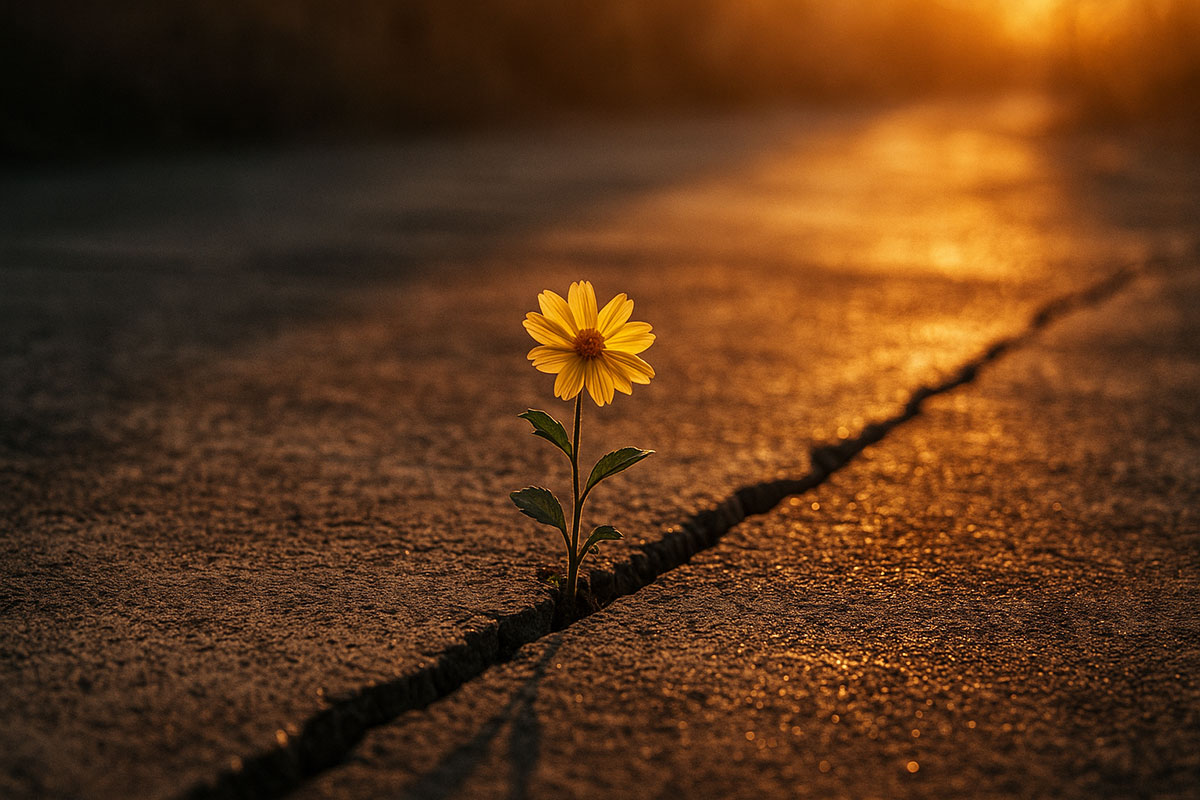
Moderator: Glennon Doyle
A Table for the Truth About Life
The room is quiet, almost reverent. Not a soft silence — but an earned one.
A long wooden table sits in the center, worn around the edges, the kind that has seen decades of elbows, laughter, grief, and confession.
Glennon sits at the head, hands loosely clasped, her face both gentle and strong — the expression of someone who knows life is hard and refuses to pretend otherwise.
Around her sit five souls who know suffering intimately:
Viktor Frankl, posture humble yet unbreakable.
Anne Lamott, tender-eyed with humor waiting at the edges.
Rick Rubin, serene, open, grounded.
Mark Nepo, poet-hearted, spiritual without trying.
Edith Eger, radiating wisdom born only from surviving the unthinkable.
Glennon breathes in, then out — the kind of breath you take before saying something hard and holy.
Question 1
“What have you learned from life being harder than you wished it would be?”
Viktor Frankl
Frankl’s voice is soft but piercing.
“I learned that suffering is not the end of meaning — it is one of its beginnings.
In the darkest places, I discovered that we still have freedom: the freedom to choose our attitude, to choose what kind of person we will be. Life being hard taught me that meaning is not found in circumstances, but in our response to them.”
Anne Lamott
Anne leans back, hands wrapped around a mug.
“I’ve learned that life gives us just enough grace to get through the day — not the week, not the year, not the next twenty miles. Just enough.
Life being hard broke my heart open, and through those cracks, love seeped in. It turns out we grow more through the compost than the sunshine.”
Rick Rubin
Rick speaks like a man who listens to the space between sounds.
“I’ve learned that difficulty forces us into deeper alignment.
When life is too easy, we drift.
When life is hard, we pay attention.
Hardship has a way of stripping away the noise so only the essential remains.”
Mark Nepo
Mark’s voice is almost a whisper.
“I learned that pain is not a punishment — it’s a pathway.
Hardship is the fire that reveals what is indestructible within us.
Life’s difficulties have been my greatest teachers, pointing me toward what matters, toward tenderness, toward connection.”
Edith Eger
Edith’s eyes soften with memory.
“I learned that you cannot heal what you will not feel.
Life being hard showed me that suffering is universal, but victimhood is a choice.
Pain is inevitable; misery is optional.
Hardship taught me to turn trauma into triumph.”
Glennon closes her eyes for a moment, letting the truth settle like dust in sunlight.
Question 2
“How do we stop believing that struggle means we’re failing?”
Anne Lamott
Anne laughs gently.
“Oh honey, if struggle means failure, we’re all doomed.
The world has tricked us into thinking ease equals success and difficulty equals incompetence.
But struggle is the sign you’re alive and trying.
Grace often shows up disguised as confusion, exhaustion, and ‘What the hell am I doing?’”
Rick Rubin
Rick nods slowly.
“In creativity — and in life — friction is part of the process.
The pearl needs irritation.
The diamond needs pressure.
The masterpiece needs revision.
Struggle is a signal that transformation is occurring below the surface.”
Edith Eger
Edith’s voice is firm but warm.
“We must reframe struggle as progress.
Every time we face something difficult, we gain strength.
Every time we fall and get up, we reclaim power.
Struggle is not a sign you are failing — it is a sign you are healing.”
Mark Nepo
Mark taps the table lightly, as if keeping rhythm with his own heartbeat.
“When we struggle, we think we are alone.
But struggle is the most human thing there is.
A butterfly thrashes in its cocoon not because it’s failing — but because it’s becoming.
The question is not ‘Why am I struggling?’
The question is ‘What is emerging through this?’”
Viktor Frankl
Frankl folds his hands.
“Struggle is not a detour from life; it is part of the human condition.
When we see struggle as failure, we forget that our worth is not defined by comfort.
We must redefine success as living with purpose, even — especially — in adversity.”
Glennon nods, her eyes glassy, her heart wide open.
Question 3
“What does it mean to build a beautiful life inside imperfection, uncertainty, and grief?”
Mark Nepo
Mark answers first, voice trembling with tenderness.
“It means opening to life as it is, not as we dream it should be.
It means letting our hearts break open and trusting that love will find its way through the cracks.
Beauty is not the absence of sadness — it’s the presence of meaning within it.”
Anne Lamott
Anne smiles the sad smile of someone who has lived deeply.
“It means lowering the bar.
Way, way down.
It means letting go of the fantasy self and learning to adore the messy, flustered, mismatched-socks self.
We don’t build beautiful lives in spite of grief.
We build them right in the middle of it.”
Rick Rubin
Rick speaks with simple clarity.
“To build a beautiful life, we must stay present with what is.
Not what was supposed to be.
Not what others expect.
Beauty hides in the real moments — the mundane, the flawed, the honest.”
Edith Eger
Edith nods.
“A beautiful life is built by choosing hope over and over again.
Not because you forget the darkness — but because you refuse to let it define you.
You honor your grief, but you do not marry it.”
Viktor Frankl
Frankl’s eyes soften with hard-earned wisdom.
“A beautiful life is one lived with meaning.
Meaning does not require ease.
Meaning requires love, responsibility, and compassion.
We build beautiful lives when we respond to suffering with purpose.”
Glennon’s Closing Reflection
Glennon’s voice breaks as she speaks.
“What I heard today is that life was never meant to be easy.
It was meant to be full — full of love, loss, beauty, longing, joy, sorrow, and everything in between.
Struggle isn’t failure.
Hardship isn’t misalignment.
Imperfection isn’t a flaw in the system — it is the system.
Life becomes beautiful not when it becomes perfect,
but when we finally surrender to its heartbreaking, breathtaking humanness.”
She closes her notebook and presses her hand to her heart.
“Thank you, friends.
This truth matters.”
TOPIC 5 — We Don’t Do Hard Things Alone
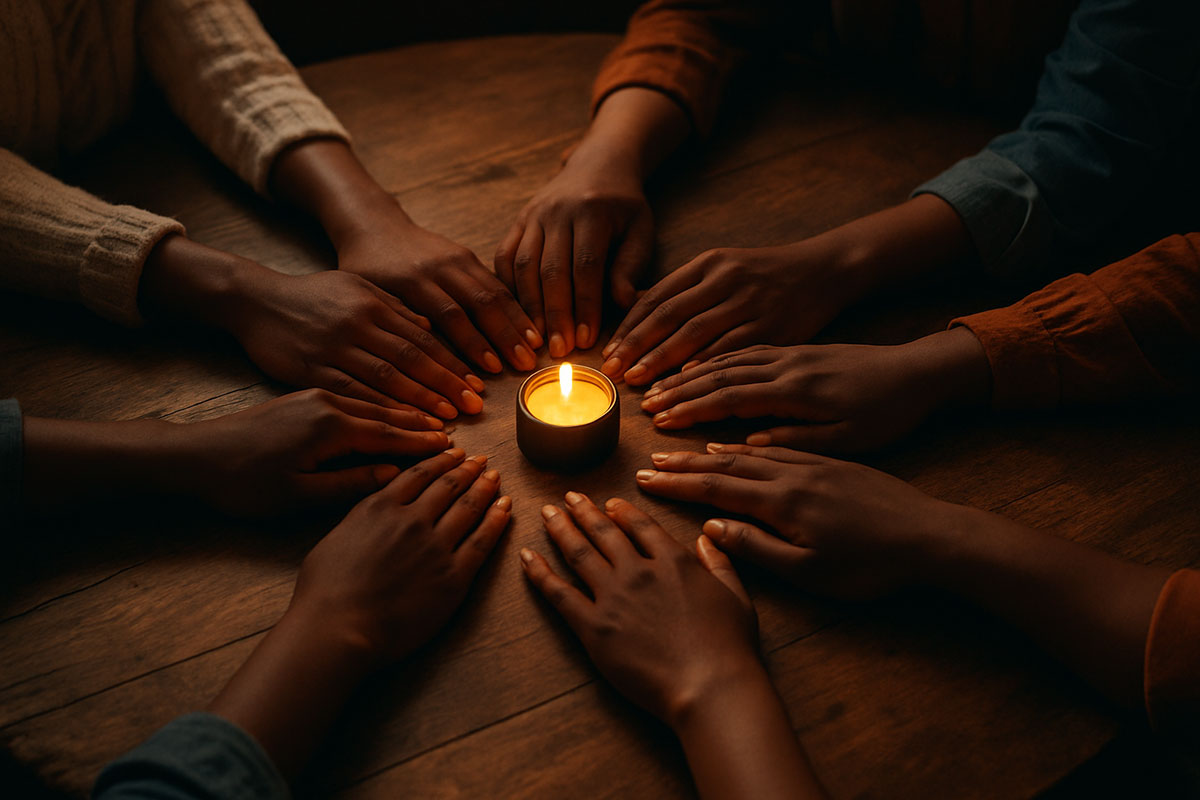
Moderator: Glennon Doyle
A Circle of Belonging
Today’s space feels like a gathering — not a panel, not a debate, but a family of thinkers coming together. The room smells faintly of tea and sandalwood. The chairs are arranged in a circle, without hierarchy. There are blankets, cushions, and a feeling of softness that invites honesty.
Glennon sits with her notebook balanced on her knee, but she’s barely looked at it; she’s here to listen more than to lead.
To her left sits bell hooks, radiating a presence that is both fierce and tender.
Next to her, Priya Parker, attentive and observant, holding space like a sacred craft.
Adam Grant sits forward, curious and grounded in research but profoundly human.
Beside him, Bishop T.D. Jakes, warm and expansive, voice capable of lifting a room.
Finally, Thich Nhat Hanh, serene, breathing slowly, embodying stillness itself.
Glennon inhales, her eyes softening.
“Today,” she says, “we talk about the truth none of us likes admitting:
We can do hard things — but we’re not meant to do them alone.”
She opens her hands.
Question 1
“Why is it so difficult for many of us to ask for help — and what has that cost us?”
bell hooks
bell speaks first, her voice calm but uncompromising.
“We struggle to ask for help because our culture worships self-sufficiency.
We are taught that needing others makes us weak, when in fact, love is the practice of allowing ourselves to be witnessed.
The cost is intimacy. The cost is connection. The cost is the joy that comes from mutual care.
Without interdependence, there is no community — only isolation.”
Adam Grant
Adam nods thoughtfully.
“Psychologically, asking for help threatens our sense of competence. We fear being a burden.
But the research is clear: asking for help strengthens relationships.
It gives others a chance to contribute, to feel valued, to deepen trust.
The cost of not asking?
Loneliness, burnout, resentment, and the illusion of independence.”
Bishop T.D. Jakes
Jakes leans forward, voice rich and compassionate.
“We don’t ask for help because pride is a heavy chain.
We want to be the hero of our own story — forgetting that even Jesus had Simon help carry His cross.
What has this cost us?
It has cost us healing.
You cannot be lifted if you refuse to lean.”
Priya Parker
Priya adds with thoughtful clarity:
“We’re afraid to ask for help because we don’t have rituals for it.
We’ve normalized gathering, but not vulnerability.
When we fail to ask, we rob others of the opportunity to practice generosity.
Community is built not just on giving, but on receiving.”
Thich Nhat Hanh
Thay’s voice is gentle as a stream.
“To ask for help is to bow to the truth of interbeing.
We are made of each other.
When we pretend we are separate, we suffer.
Asking for help is a form of mindfulness — a recognition that we are not a single tree, but a forest.”
Glennon nods slowly, moved.
Question 2
“What does true support look like — not the Instagram version, but the soul version?”
Thich Nhat Hanh
Thay speaks first.
“True support is presence.
Not fixing.
Not advising.
Just being.
When someone suffers, sit with them.
Breathe with them.
Let your calm become their calm.
This is love.”
bell hooks
bell follows, voice soft but unflinching.
“True support is love in action.
It is choosing to show up when it is inconvenient.
It is listening without judgment.
It is telling the truth gently.
It is refusing to abandon someone during their becoming.”
Priya Parker
Priya places a hand over her heart.
“True support is creating intentional space for someone’s full humanity.
It is asking, ‘How can I honor the version of you that is emerging?’
Support is not cheerleading — it is witnessing.”
Adam Grant
Adam smiles, thoughtful.
“Genuine support is sustainable reciprocity.
It means checking in regularly, not just during crisis.
It means saying, ‘I’m here and I’m staying,’ and then proving it through consistency.
Support is measured in presence, not performance.”
Bishop T.D. Jakes
Jakes closes his eyes for a moment before speaking.
“True support is spiritual.
It is standing in the gap when someone has no strength left.
It is prayer, yes — but also action, empathy, and endurance.
Support is love with boots on.”
Glennon swallows hard, blinking away tears.
Question 3
“How do we build relationships where we can be fully ourselves without fear of losing love?”
Priya Parker
Priya begins.
“We build such relationships by designing intentional moments of truth.
We must practice saying what we really mean, even when our voice shakes.
Every authentic interaction becomes a brick in the foundation of trust.”
Adam Grant
Adam nods.
“Psychologically, authenticity requires psychological safety.
We create that safety by rewarding honesty, not perfection.
We say:
‘Thank you for telling me the truth.’
‘Thank you for showing me your mess.’
This rewires the relationship.
It makes authenticity the norm.”
bell hooks
bell speaks with tender power.
“Love and fear cannot coexist.
To build relationships without fear of losing love, we must cultivate self-love first.
When we love ourselves, we do not negotiate our worth.
We do not perform for affection.
We show up unmasked — and we choose people who cherish our vulnerability.”
Bishop T.D. Jakes
Jakes leans in, voice deep and resonant.
“To be fully yourself, you must let go of the counterfeit relationships where love comes with conditions.
You must surround yourself with people who celebrate your truth, not your performance.
Real love expands when you tell the truth.
Only fragile love shatters.”
Thich Nhat Hanh
Thay’s answer is simple and profound.
“True relationship is built with mindful speech and deep listening.
When we speak truth with compassion and listen with our whole being, fear dissolves.
Love grows when we see the other clearly — and allow ourselves to be seen.”
Glennon’s eyes shine.
Glennon’s Closing Reflection
Glennon breathes deeply, closing her notebook.
“What I heard today is this:
We don’t need to be strong alone.
We don’t need to be brave alone.
We don’t need to pretend alone.
We heal through each other.
We grow through each other.
We rise through each other.
Asking for help is holy.
Letting others hold us is holy.
Being seen fully — and still loved — is the miracle we’re all aching for.
We can do hard things…
because we were never meant to do them alone.”
She places her hand over her heart.
“Thank you, friends.
This was sacred.”
TOPIC 6 — Doing Hard Things Reveals Our True Identity
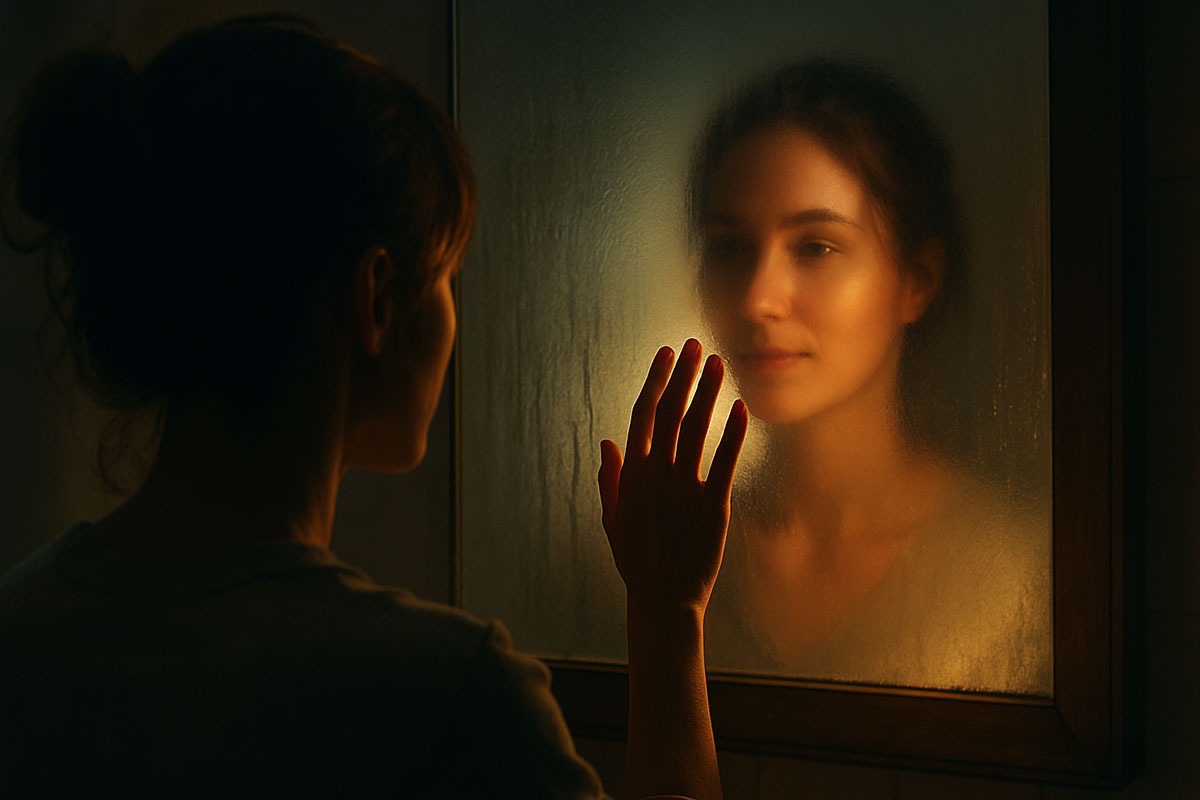
Moderator: Glennon Doyle
The Room of Becoming
Today’s room feels like a place where identities are shed and discovered.
Large windows let sunlight pour in. There are notebooks scattered across the table, as if waiting for someone to write a truer version of themselves.
Glennon sits with her pen loosely in hand — not to take notes, but to remind herself that truth often writes itself through conversation.
Around her sit five people who have radically remade their identities:
Martha Beck, radiant, clear-eyed, with the energy of someone who has found her “true self” and wants everyone else to find theirs too.
Eckhart Tolle, calm as a still lake.
Jamie Lee Curtis, bold, unfiltered, grounded in hard-won self-acceptance.
RuPaul, luminous, expressive, master of identity as art and liberation.
Don Miguel Ruiz, gentle, mystical, wise.
Glennon breathes in and smiles softly.
“Today,” she says, “we talk about how doing hard things doesn’t just change us —
it reveals us.”
Question 1
“What part of yourself did you finally meet only after you were forced to do something unbearably hard?”
Martha Beck
Martha answers first, voice clear as water.
“I met the part of myself that was free.
For years, I lived in a life that looked correct but felt wrong.
Leaving that life — that marriage, that religion, that identity — was unbearably hard. But it forced me to meet the woman who had been whispering beneath it all.
When I finally heard her, she said:
‘This is who you are. Welcome.’”
Eckhart Tolle
Eckhart speaks slowly, like a man who measures words by their vibration.
“I met the presence beneath the mind.
Until my darkest night — a night when I wanted my life to end — I believed I was my suffering.
Only through that unbearable moment did I meet the stillness that is my true self.
Pain was the doorway.
Consciousness was the home.”
Jamie Lee Curtis
Jamie leans forward, voice firm and honest.
“I met the part of myself that was done pretending.
Sobriety forced me to strip away the persona, the armor, the Hollywood mask.
Underneath was a woman who was terrified of being seen — but desperate for honesty.
The hardest thing I ever did was stop lying to myself.
That’s when I finally met… me.”
RuPaul
RuPaul smiles wide, fabulous even in stillness.
“I met my inner child — the one I’d abandoned to survive.
The world told me who I was allowed to be.
But doing the hard work of reclaiming myself — through drag, art, chosen family — brought me back to the child who wanted to shine.
When I met that child, I realized:
‘This is the truth. The rest was camouflage.’”
Don Miguel Ruiz
Don Miguel’s voice is like a prayer.
“I met the part of me that is made of love.
Everything else — fear, shame, expectation — was taught to me.
But when life forced me into darkness, I discovered the light within.
It was always there, waiting for my return.”
Glennon lets the silence stretch — the good kind, the holy kind.
Question 2
“How do we know when a hard thing is a breaking… and when it’s actually a becoming?”
Eckhart Tolle
Eckhart begins.
“When the pain awakens presence, it is becoming.
When pain deepens the illusion of separation, it is breaking.
But even breaking can lead to becoming — if we allow awareness to hold it.”
Jamie Lee Curtis
Jamie laughs softly.
“You know you’re becoming when the truth starts to feel lighter than the lie.
Breaking feels like constriction.
Becoming feels like expansion — even when it hurts.”
RuPaul
RuPaul gestures grandly.
“Darling, breaking is what happens when you cling to what no longer fits.
Becoming is what happens when you let go.
Same moment. Two different choices.”
Martha Beck
Martha nods.
“A hard thing becomes a becoming when it moves you toward integrity — when your inner and outer worlds start matching.
If it pulls you closer to your true self, it is becoming.
If it forces you deeper into self-betrayal, it is breaking.”
Don Miguel Ruiz
He speaks with gentle certainty.
“You know by your peace.
Not comfort — peace.
Peace is the signal of truth.
Fear is the signal of illusion.
Becoming comes with peace, even in pain.”
Glennon puts her hand on her heart, visibly moved.
Question 3
“Who are we underneath the roles, labels, expectations, and stories others put on us?”
Don Miguel Ruiz
Don Miguel answers first.
“You are love.
Not the romantic kind.
The eternal kind.
Under every story is love waiting to be remembered.”
Martha Beck
Martha smiles.
“You are freedom.
Every role is a costume.
Every label is a cage.
Your true self is wild, joyful, intuitive, and utterly ungoverned by external approval.”
RuPaul
RuPaul places a hand dramatically on his chest.
“You are a spiritual being having a human experience — and a fabulous one at that.
Underneath every role is the soul.
The rest is drag.”
Jamie Lee Curtis
Jamie lifts an eyebrow.
“You are the person you are when no one is looking.
The one who breathes deeper when the mask comes off.
The one who doesn’t need applause or permission.
That’s you.”
Eckhart Tolle
Eckhart’s voice is soft.
“You are consciousness.
Not the thoughts.
Not the identity.
Not the past.
You are the aware presence behind it all —
the space in which the story appears.”
Glennon closes her eyes, letting the words wash over her.
Glennon’s Closing Reflection
Glennon opens her eyes, shining and raw.
“What I heard today is this:
Identity isn’t something we build —
it’s something we uncover.
Doing hard things peels away the layers:
the roles we inherited,
the labels we never asked for,
the stories that kept us small.
The true self waits underneath, patient and whole.
Doing hard things doesn’t create who we are.
It reveals who we’ve always been.”
She presses her hand to her heart.
“Thank you, friends.
This conversation was truth.”
TOPIC 7 — Liberation: Freedom Beyond Fear
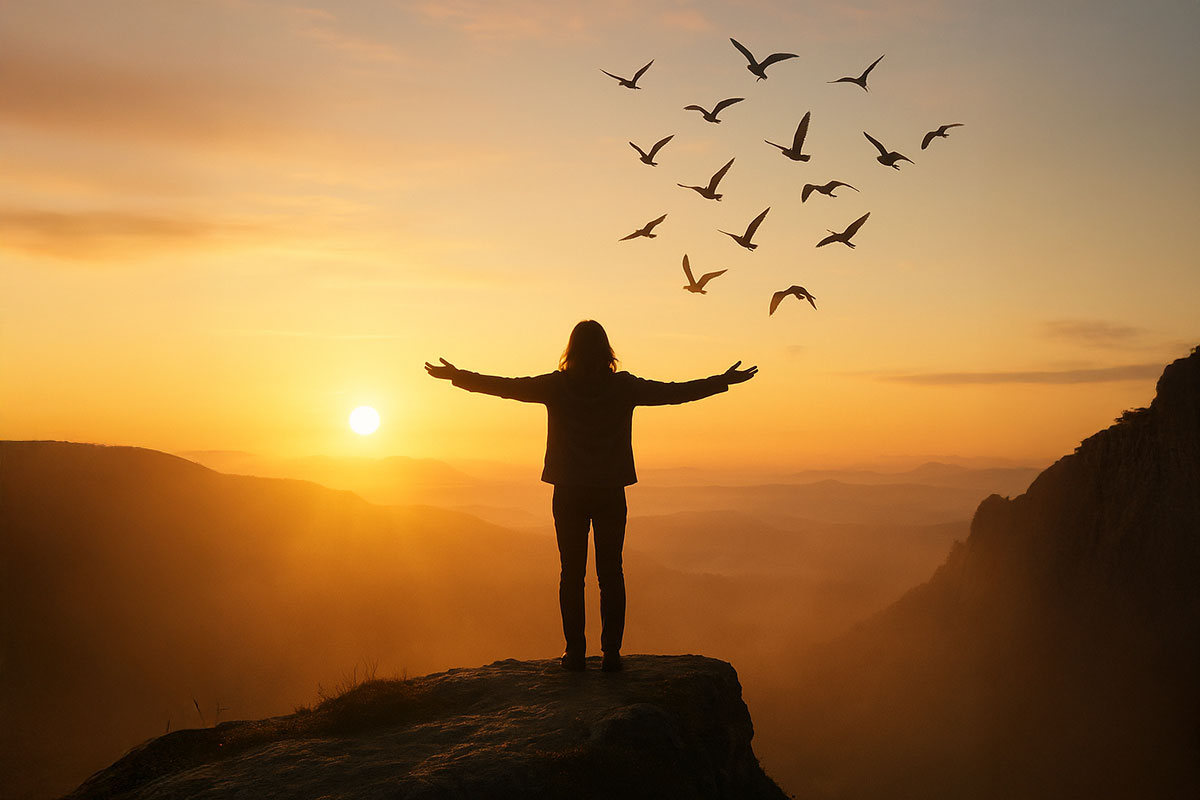
Moderator: Glennon Doyle
The Circle of Freedom
The room today feels almost weightless — sunlight everywhere, windows open, a gentle breeze carrying the quiet promise of possibility. The table is round, as always, but today Glennon has placed a simple white candle in the center.
“Light,” she whispers, touching the wick with her fingertip. “We’re here to talk about light.”
Around her sit giants of liberation:
Nelson Mandela — gentle strength, humility carved from a lifetime of courage.
Maya Angelou — her presence like a warm sun, fierce and loving at once.
Desmond Tutu — joyful, compassionate, radiating unshakeable hope.
Byron Katie — serene, curious, grounded in inquiry.
Michael Singer — calm, spacious, deeply surrendered.
Glennon inhales, her voice full of reverence.
“Today, we talk about freedom — the kind that begins inside us.”
Question 1
“What fear ruled your life the longest — and how did you finally break its spell?”
Nelson Mandela
Mandela speaks softly, humility in every word.
“The fear that ruled me was the fear of losing myself — my dignity, my hope — to hatred.
Prison can harden a man.
But I learned that the greatest freedom is refusing to let your heart be colonized.
I broke fear’s spell by choosing, over and over, to see my oppressors not as monsters but as humans capable of change.”
Maya Angelou
Maya’s voice is music wrapped in courage.
“The fear that lived in me the longest was the fear of using my voice.
As a young girl, silence became my shelter.
But poetry coaxed me out.
I spoke, and the world did not collapse — it blossomed.
I broke fear’s spell by honoring the truth that lived within me, even when my voice trembled like a leaf.”
Desmond Tutu
Tutu chuckles softly, a sound full of light.
“I feared that the darkness in the world would swallow us whole.
The cruelty, the injustice — it felt too vast.
But joy is an act of resistance.
I learned that to love, to laugh, to forgive — these are the antidotes to fear.
You break fear by choosing joy louder than the pain.”
Byron Katie
Katie smiles gently.
“My fear was the belief that the world was dangerous and I was unworthy.
For decades, I lived in terror of life itself.
But when I questioned my thoughts — truly questioned them — fear dissolved.
What remains without fear is love.”
Michael Singer
Michael’s voice is soft but expansive.
“My deepest fear was not being in control.
I clung to life with tight, white-knuckled fists.
Letting go felt like death.
But when I surrendered — when I stopped resisting reality — fear lost its power.
Freedom lives on the other side of letting go.”
Glennon closes her eyes for a moment, breathing in their wisdom.
Question 2
“What does freedom feel like in the body? How do we recognize it when we touch it?”
Maya Angelou
Maya smiles with her whole being.
“Freedom feels like an exhale you’ve been holding for years.
It feels like standing barefoot in your own truth, unashamed.
It feels like the moment you realize you are no longer asking permission to be yourself.”
Desmond Tutu
Tutu places a hand over his heart.
“Freedom feels like lightness — like the weight of resentment sliding off your shoulders.
It feels like laughter rising from a place you didn’t know was still alive.
It feels like the soul dancing again.”
Byron Katie
Katie’s eyes sparkle.
“Freedom feels like the absence of argument — with yourself or with the world.
It feels like stillness.
It feels like clarity.
It feels like returning to the simplicity of the present moment.”
Michael Singer
Michael nods gently.
“Freedom feels like spaciousness.
There is room inside you — room to breathe, room to allow, room to be.
You stop contracting around life.
Instead, you open to it.”
Nelson Mandela
Mandela adds with quiet strength:
“Freedom feels like belonging to yourself again.
Even in a cell, I tasted freedom when I refused to surrender my humanity.
Freedom is not a location — it is a state of being whole.”
Glennon presses her hand to her chest, visibly moved.
Question 3
“How do we keep choosing liberation in a world that constantly asks us to shrink, please, or perform?”
Desmond Tutu
Tutu answers first.
“We choose liberation by refusing to shrink our joy.
The world is changed by people who stay open, who stay tender, who stay joyful even when it seems foolish.
Joy is revolutionary.”
Maya Angelou
Maya nods deeply.
“We choose liberation by refusing to live small lives.
People may expect us to shrink, but we are under no obligation to comply.
Courage is not loud; it is consistent.
You choose freedom again and again —
with each no,
with each yes,
with each truthful breath.”
Byron Katie
Katie speaks softly.
“We choose liberation by questioning every thought that tells us we must perform to be worthy.
When the stories fall away, only freedom remains.
The world cannot convince you to shrink if you no longer believe its lies.”
Michael Singer
Michael smiles gently.
“We choose liberation by relaxing into life instead of resisting it.
The world will pressure you, push you, pull you.
But liberation is found in letting go of the inner struggle.
Stop gripping.
Start allowing.”
Nelson Mandela
Mandela finishes, his words gentle but strong.
“We choose liberation by remembering that freedom is a responsibility.
Not to ego, but to humanity.
When you stand tall, you lift others.
When you live truthfully, you liberate those who watch you.
Courage is contagious —
and freedom spreads.”
Glennon exhales shakily, her heart full.
Glennon’s Closing Reflection
Glennon’s voice is barely above a whisper.
“What I heard today is this:
Fear is a story.
Freedom is the truth.
Liberation is not a finish line —
it is a daily practice.
A choice.
A returning.
A returning to courage.
A returning to truth.
A returning to ourselves.
We choose liberation every time we choose authenticity over approval,
presence over performance,
love over fear.
We can do hard things…
because the hardest thing of all —
becoming free —
is also the most beautiful.”
She lays her hand over her heart.
“Thank you, friends.
This conversation was a gift.”
Final Thoughts by Glennon Doyle

If you’re reading this, hear me:
You have already done a hard thing today simply by staying with yourself.
These seven conversations weren’t designed to give you tidy answers. They were meant to offer companionship — to remind you that the hard things you’re facing are not evidence that you’re behind or broken. They are evidence that your life matters. That your heart is awake. That your soul is insisting on truth.
Every time you feel instead of numb…
Every time you tell the truth instead of pretend…
Every time you choose the path that terrifies you because it’s the one that leads you back to yourself…
You are becoming.
Liberation doesn’t arrive all at once. It comes quietly, softly, in the moments you loosen your grip on fear and take one breath of freedom at a time. It comes when you let yourself be seen. When you let yourself belong. When you stop abandoning yourself in the name of comfort or approval.
You don’t have to be fearless to be free.
You just have to stay.
Stay honest.
Stay tender.
Stay with yourself.
You can do hard things.
You already are.
And you’re not doing them alone.
Short Bios:
Glennon Doyle is a #1 New York Times bestselling author and creator of the podcast We Can Do Hard Things. Her work explores emotional bravery, truth-telling, recovery, and spiritual resilience. She is widely recognized for transforming vulnerability into liberation and helping others live honestly from within.
Mel Robbins is a motivational speaker, bestselling author, and creator of The 5 Second Rule. Her work focuses on overcoming hesitation, breaking self-sabotage, and taking courageous action through simple but powerful behavioral tools.
Susan David is a psychologist at Harvard Medical School and author of Emotional Agility. She is a leading voice on emotional resilience, helping people face difficult feelings with clarity, acceptance, and compassion.
David Goggins is a former Navy SEAL, ultramarathoner, and author of Can’t Hurt Me. Known for radical endurance and mental toughness, his work centers on overcoming inner limits through discipline, discomfort, and self-mastery.
Debbie Millman is a designer, writer, educator, and host of the podcast Design Matters. Her work blends creativity and vulnerability, exploring identity, storytelling, and the courage to pursue meaningful work.
Luvvie Ajayi Jones is a bestselling author, speaker, and cultural critic known for her fearless honesty. Her work centers on speaking truth, challenging fear, and using humor and courage to disrupt the status quo.
Viktor Frankl was a neurologist, psychiatrist, and Holocaust survivor, best known for Man’s Search for Meaning. His work emphasizes finding purpose and freedom even in suffering, and the human capacity for dignity under adversity.
Anne Lamott is a bestselling author of Bird by Bird and Traveling Mercies. Her work blends humor, spirituality, and emotional honesty, offering guidance on grief, writing, healing, and the imperfect beauty of life.
Rick Rubin is a legendary music producer and author of The Creative Act. He teaches intuition-based creation, radical presence, and stripping away the nonessential to uncover authentic expression.
Mark Nepo is a poet, philosopher, and author of The Book of Awakening. His work focuses on spiritual growth through tenderness, presence, and the transformative power of vulnerability.
Edith Eger is a psychologist, Holocaust survivor, and author of The Choice. She teaches emotional freedom through forgiveness, resilience, and turning trauma into personal liberation.
bell hooks was a cultural critic, feminist theorist, and author of All About Love. Her work explores love, community, race, and the transformative power of truth-telling in relationships.
Priya Parker is a facilitator and author of The Art of Gathering. She specializes in intentional design of gatherings that create meaning, belonging, and human connection.
Adam Grant is a psychologist, Wharton professor, and bestselling author known for his work on generosity, motivation, and rethinking assumptions. His work blends research with practical guidance for living with purpose and curiosity.
Bishop T.D. Jakes is a pastor, author, and speaker known for his powerful teachings on faith, healing, emotional restoration, and spiritual resilience.
Thich Nhat Hanh was a Zen master, poet, and global peace leader. His teachings focus on mindfulness, compassion, deep listening, and the practice of being fully present in each moment.
Martha Beck is a sociologist, life coach, and bestselling author of The Way of Integrity. Her work centers on living in alignment with one’s true self and breaking free from societal conditioning.
Eckhart Tolle is the bestselling author of The Power of Now and A New Earth. His teachings focus on presence, consciousness, and dissolving the ego to access inner peace.
Jamie Lee Curtis is an award-winning actor, writer, and advocate whose work emphasizes authenticity, recovery, vulnerability, and self-acceptance.
RuPaul is an iconic entertainer, producer, and creator of RuPaul’s Drag Race. His work explores identity, creativity, self-expression, and the liberating power of becoming one’s truest self.
Don Miguel Ruiz is a spiritual teacher and author of The Four Agreements. His teachings center on personal freedom, truth, and dissolving limiting beliefs.
Nelson Mandela was the former President of South Africa, anti-apartheid revolutionary, and global icon of forgiveness, justice, and reconciliation. His life stands as a testament to courage and moral leadership.
Maya Angelou was a poet, memoirist, and civil rights activist known for her lyrical voice and works such as I Know Why the Caged Bird Sings. Her writing illuminates dignity, resilience, and the triumph of the human spirit.
Desmond Tutu was an archbishop, activist, and Nobel laureate whose work focused on justice, compassion, forgiveness, and joyful resistance against oppression.
Byron Katie is the creator of The Work, a method of self-inquiry that helps people question stressful thoughts and return to inner peace.
Michael Singer is the author of The Untethered Soul and The Surrender Experiment. He teaches spiritual freedom through surrender, non-resistance, and letting go of the inner struggle.
Leave a Reply