

|
Getting your Trinity Audio player ready...
|
Introduction by Zohran Mamdani
When I first dreamed of fairness, I imagined a world where no child went without.
Where toys, joy, and opportunity belonged to everyone — not to the lucky few.
That dream still burns bright in me.
This story, The Lemon Stand Lesson, begins with that very dream — the dream of equality, of shared happiness. It starts with children who believe that everyone deserves the same smile. And what could be more beautiful than that?
But dreams meet reality not in speeches, but in sidewalks — in the sweat of work, in the heart of effort.
When the children of Sunnyvale Street decide to share what one boy earned, they believe they are creating fairness. But soon, they must face a question as old as society itself:
Can fairness survive when effort disappears?
So let’s step into the sunlight with open hearts.
Let’s ask what truly builds community — the taking or the creating, the sharing or the striving.
Because if we can teach our children that fairness is born from contribution, not confiscation, perhaps we’ll learn it again ourselves.
Dreams and Lemons
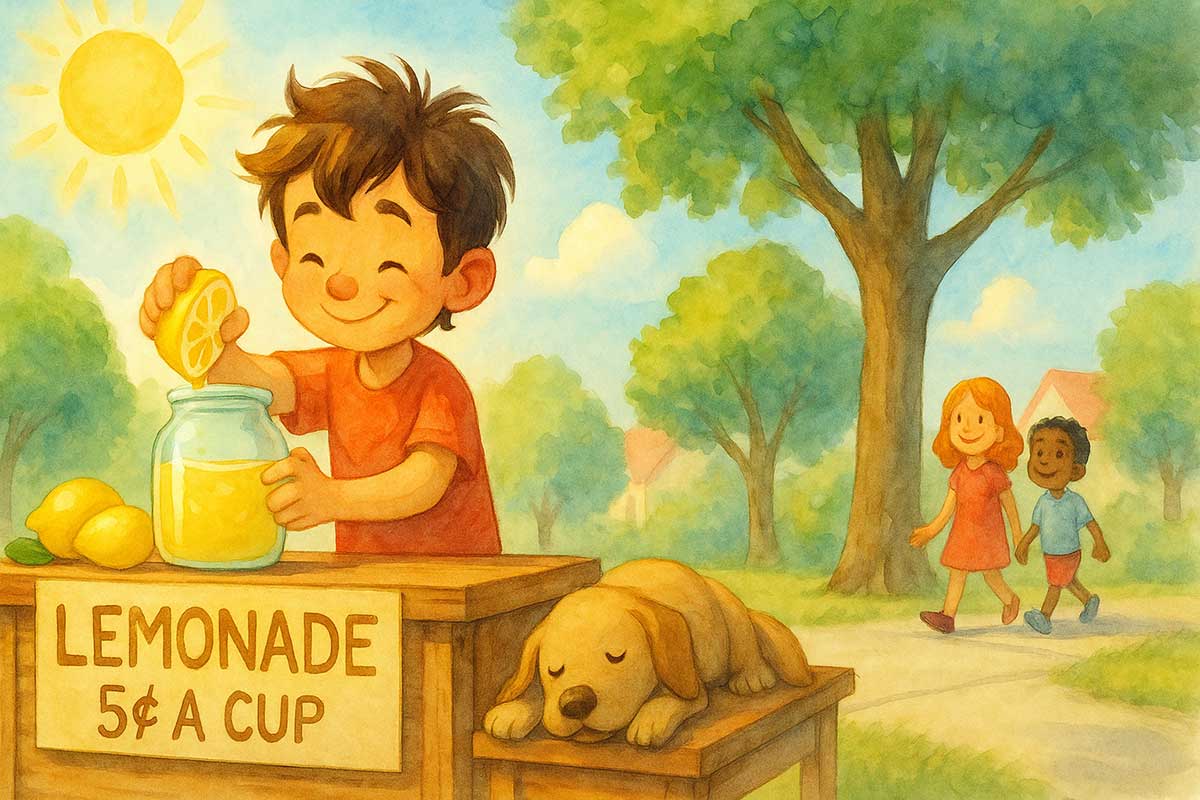
On Sunnyvale Street, where the summers were sweet,
Lived Milo, a boy with bare, dusty feet.
He dreamed of new toys, of rockets and drums,
So he built a small stand and waited for thumbs.
The Sweet Reward
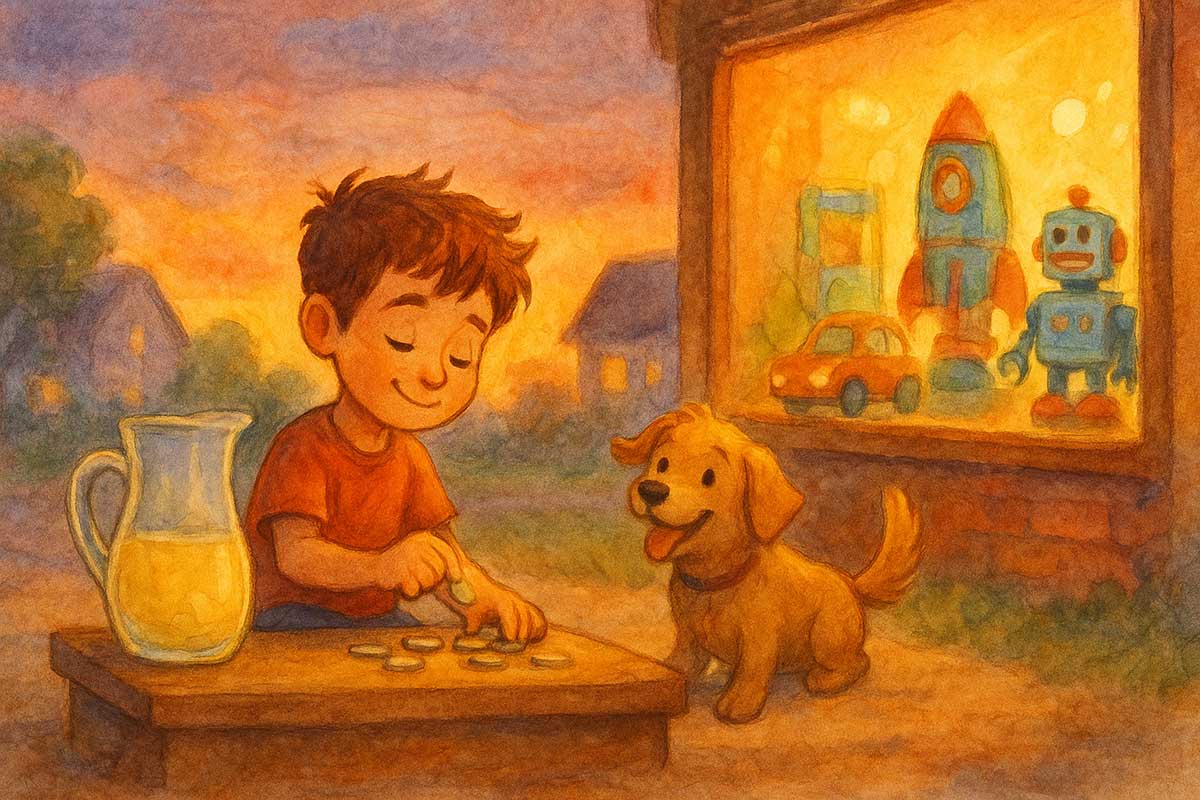
He mixed up his lemons, he measured each cup,
He smiled through the sweat till the sun gave up.
Each drop he sold, each coin he saved,
Was a tiny reward for the hours he gave.
The Whisper of Fairness
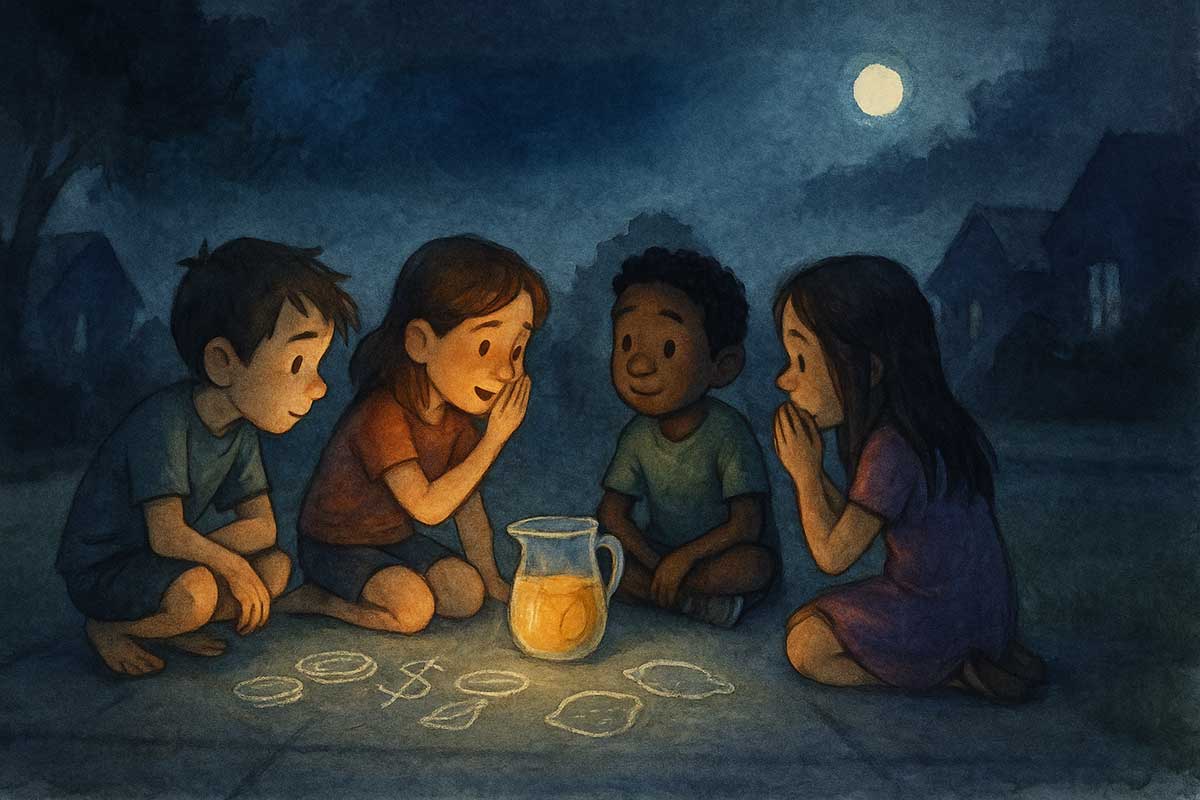
And soon the stand was more than play —
It gave his work a light each day.
He bought bright toys that whirred and spun,
The sound of effort turned to fun.
The Taking
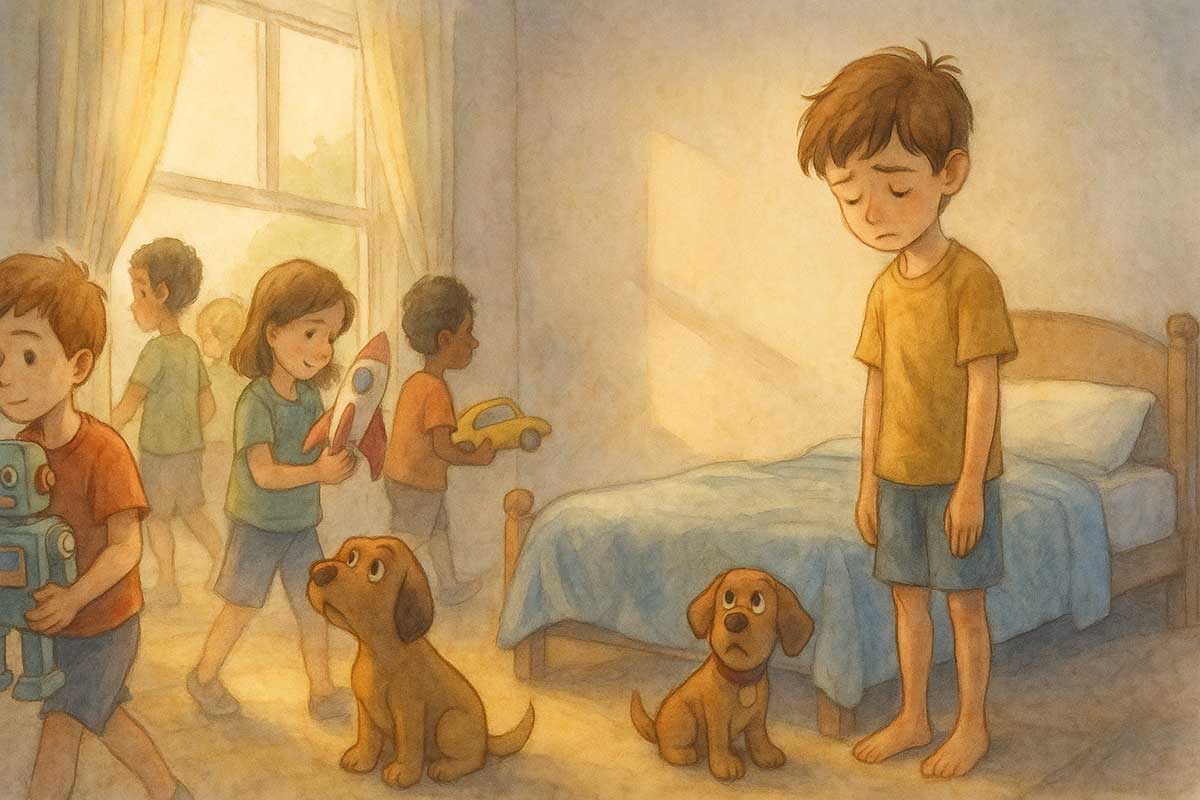
The children clapped; they laughed and cheered,
Till envy whispered, “It’s unfair, my dear.”
“Why should one boy have joy alone?
Aren’t we all equal?” came the tone.
The Equal Joy
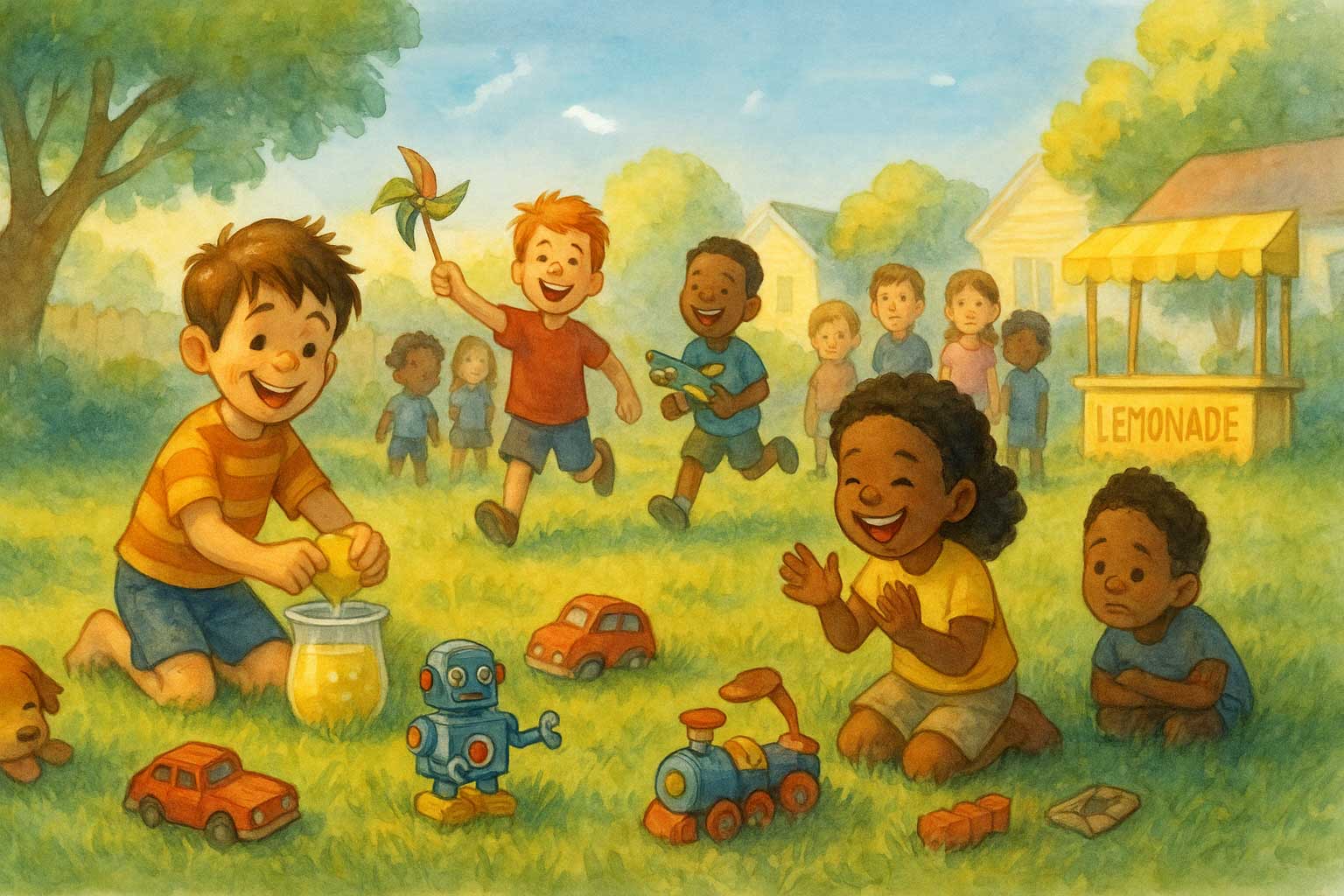
Their words were soft — they meant no harm.
They only wished for life’s same charm.
So they made a plan beneath the moon,
To share his toys — and share them soon.
The Cracks Appear
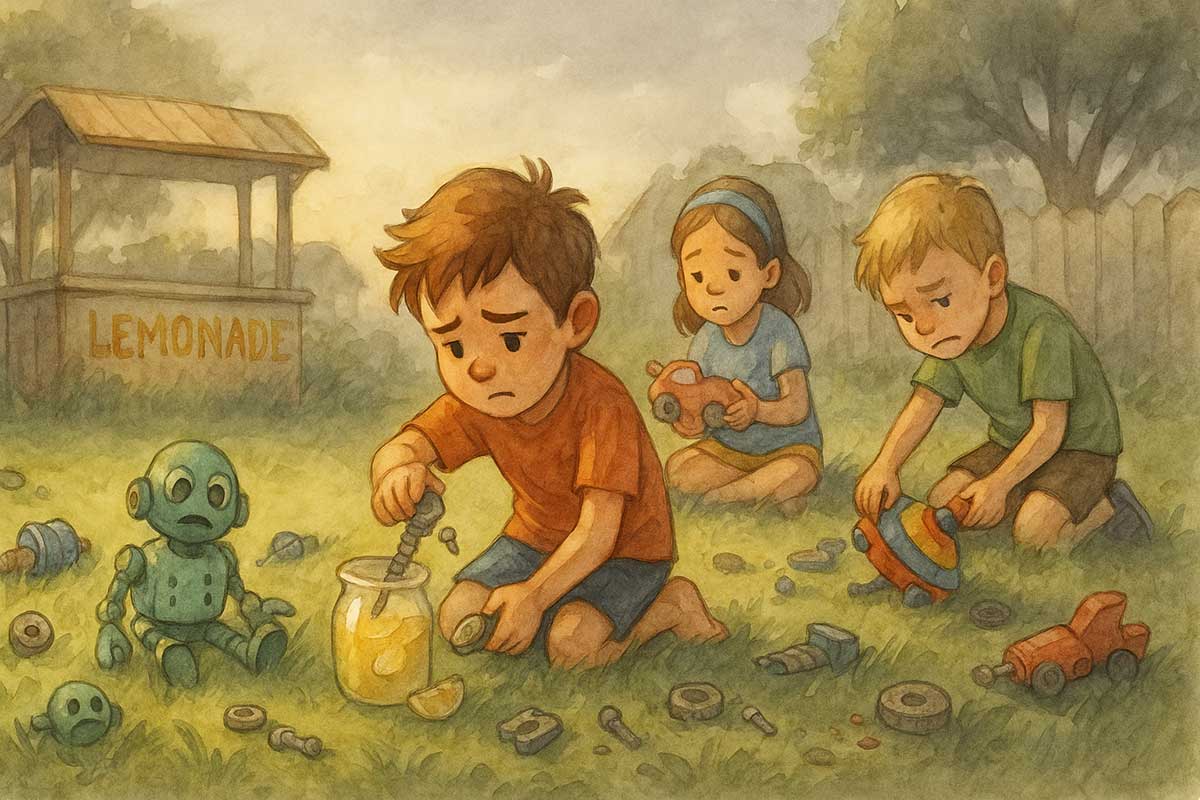
Milo woke to find them gone,
His work, his joy, his stand withdrawn.
They told him, “Now we’re all the same.
It’s only fair, you had your fame.”
The Still Street
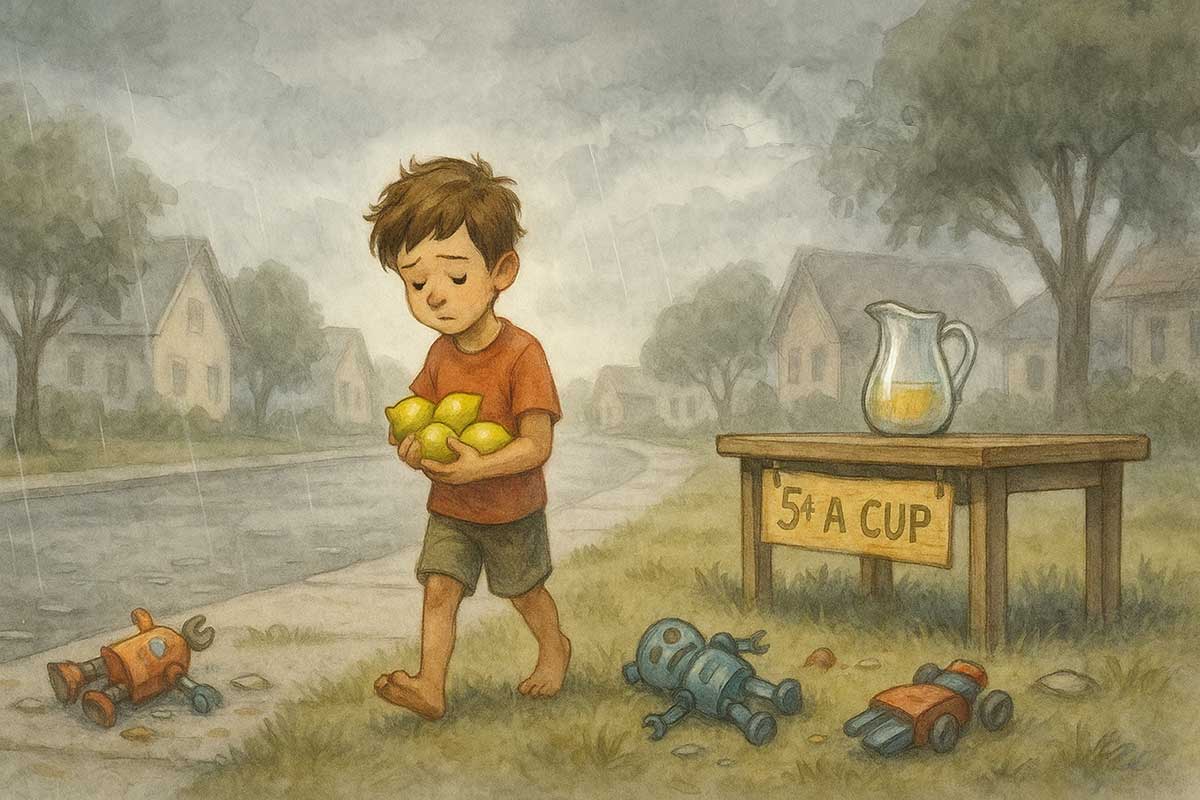
At first it seemed that all was good —
Each child with toys as they dreamed they should.
Laughter bloomed for just one day,
Then cracks began where fairness lay.
The Rain of Regret
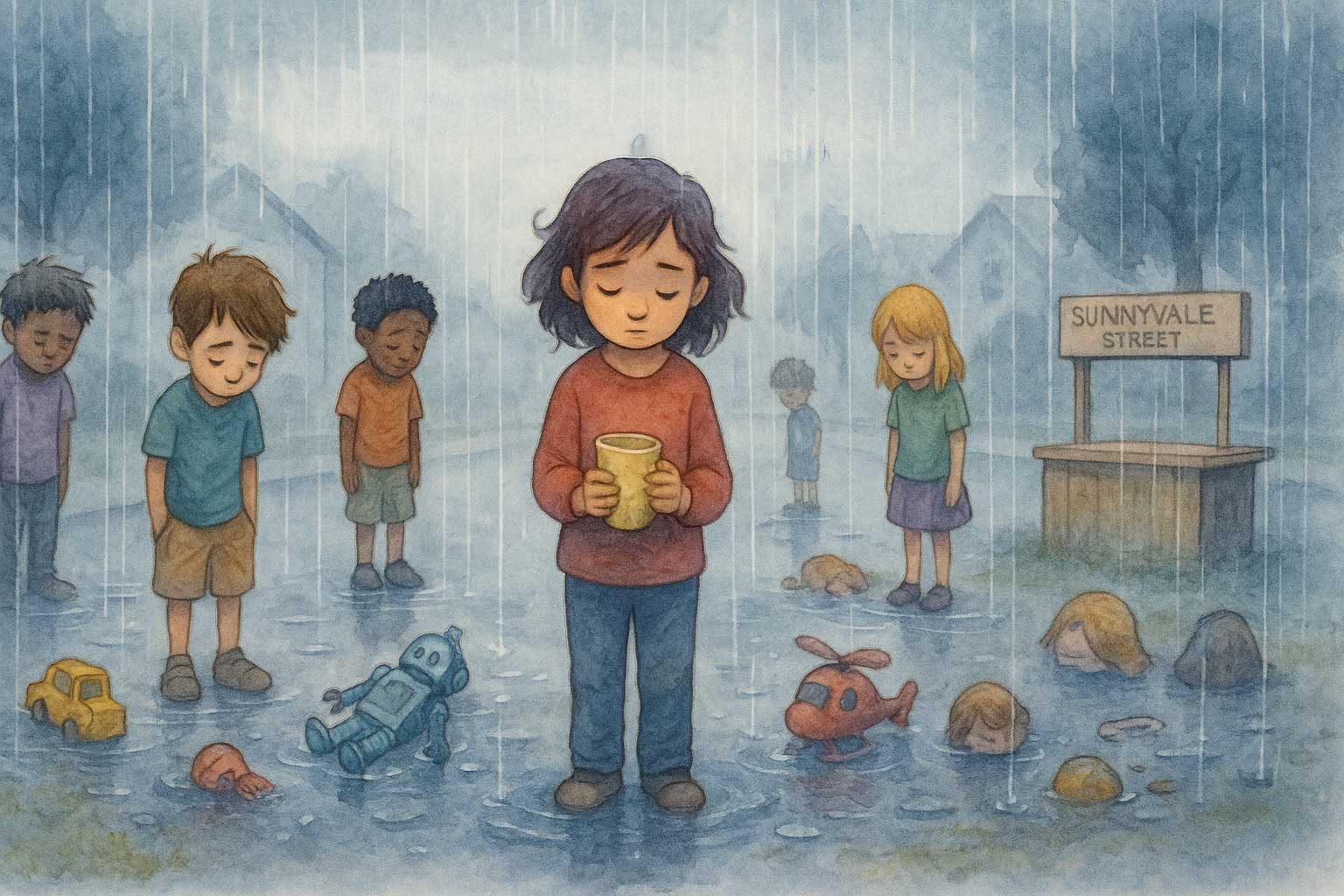
The toys broke down — no one repaired,
No one worked, for nothing was spared.
The lemonade stand, once bright with cheer,
Stood empty, quiet, year by year.
The Empty Stand

No child saved coins, no one tried.
The spark that built their joy had died.
For when all gain without the strain,
The will to work begins to wane.
Soon, Sunnyvale Street grew gray,
Its joy and color drained away.
The laughter gone, replaced by sighs —
The dream of “equal” slowly dies.
The Builder’s Tears
The Harm We Meant as Kindness
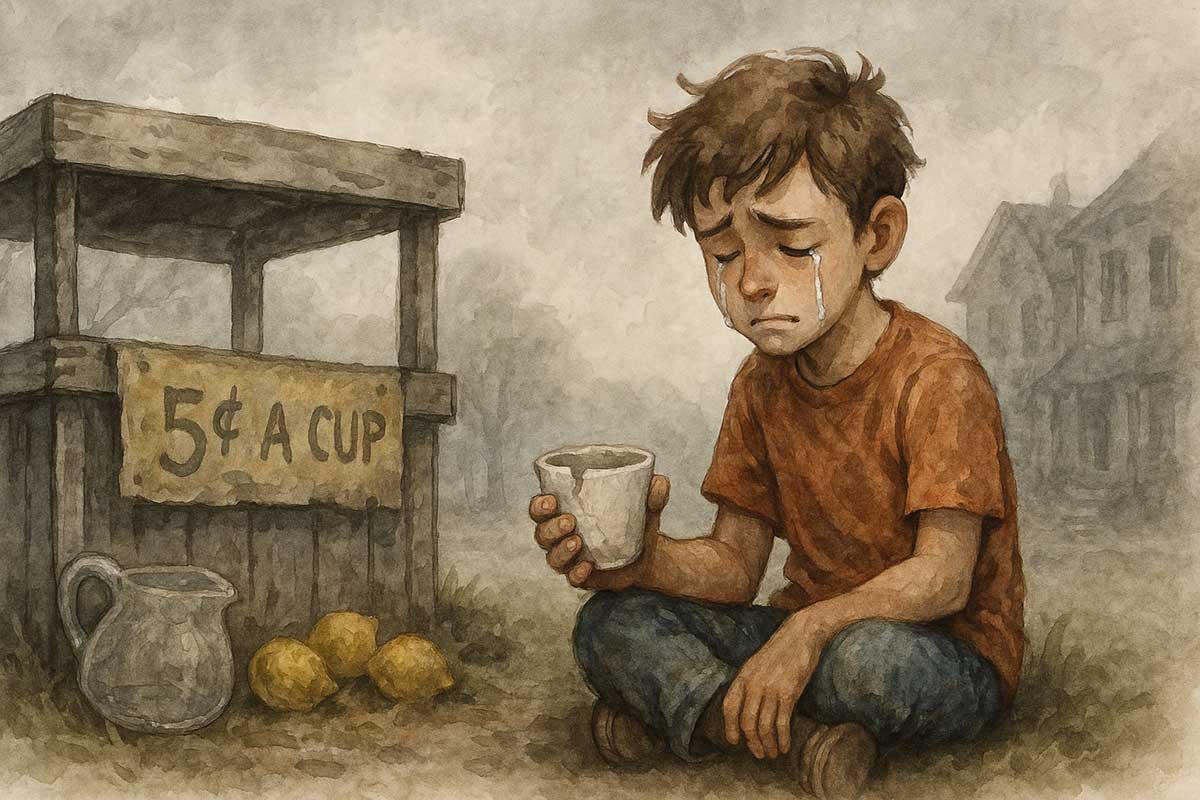
Milo wept beside the stand, A broken cup still in his hand. "It felt so right," he softly said, "To share what I had earned instead.
But now my tools grow rust, my lemons spoiled, The hands that built now stand uncoiled."
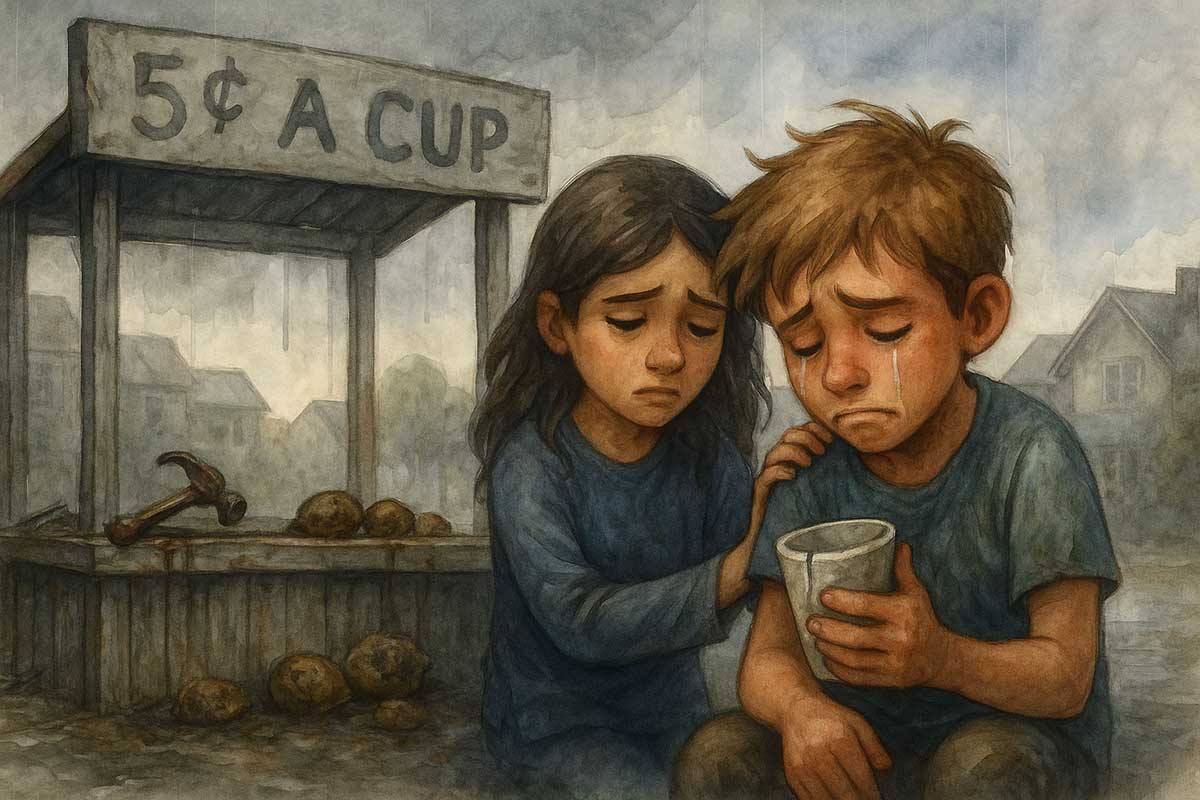
Luna turned and held his arm, "We wanted kind — we caused you harm. We thought that joy could multiply, But somehow made the whole street die."
And from that street, a silence spread, Of dreams once shared, now cold and dead.
Final Thoughts by Zohran Mamdani
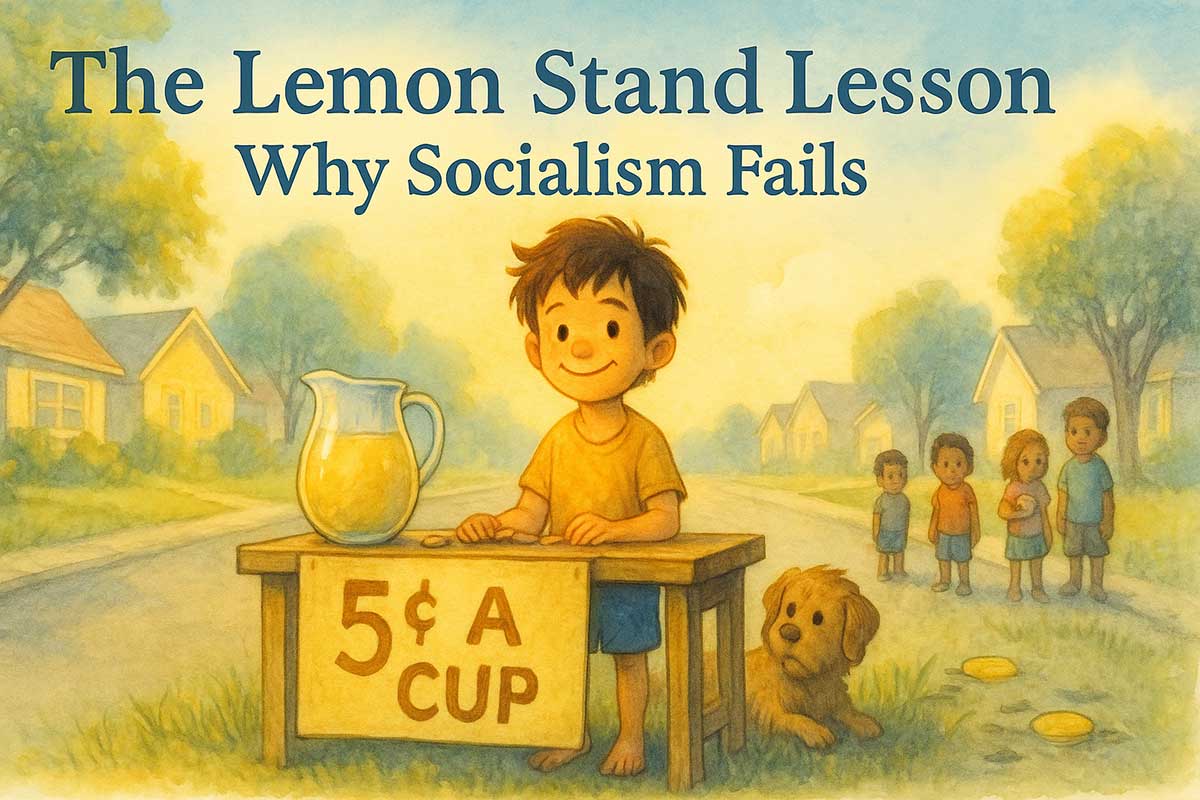
I wanted to believe that fairness could be made by decree — that if everyone shared, no one would suffer.
I thought envy could be erased by equality.
I thought joy could be multiplied by dividing.
But I was wrong.
Watching those children on Sunnyvale Street, I saw something break that no law or policy could fix.
They began with good hearts — just as I did — but when they took what one had earned, they also took the meaning of it. The toys didn’t just fall apart; so did their sense of purpose.
It hurt to see it.
Because deep down, I knew that was my own mistake — believing that goodness could survive without responsibility.
That compassion alone could hold a community together.
I wanted socialism to work. I still wish it could.
But wishes don’t build lemonade stands, and slogans don’t keep them standing.
What does, is something harder — effort, ownership, pride.
The story ends with the children rebuilding together, and I see myself in that too — starting over, learning again.
Maybe fairness isn’t about equal slices. Maybe it’s about each of us earning the chance to give something back.
If I ever speak of sharing again, I’ll speak of it differently — not as taking, but as offering.
Because now I know:
When everything belongs to everyone, nothing truly belongs to anyone.
And when nothing belongs to anyone, care disappears.
That’s the lesson I learned on Sunnyvale Street.
And it’s one I won’t forget.
Short Bios:
Milo
A bright-eyed boy with a curious mind and hardworking hands. Milo starts a humble lemonade stand on Sunnyvale Street, saving every coin until his small dream grows into joy. Through success, envy, and renewal, he learns that true happiness comes from effort, not entitlement.
Luna
Milo’s loyal friend and quiet thinker of the group. She believes in fairness but learns that kindness without contribution can hurt more than it helps. Luna’s compassion turns into wisdom as she helps rebuild the lemonade stand in the end.
Theo
The loudest of the neighborhood kids and the first to suggest that everyone “share” Milo’s toys. Theo represents the impulse to make things fair instantly — before understanding the cost. His regret later leads him to become Milo’s biggest helper.
Asha
An observant girl who sees both sides of the conflict. Asha questions whether taking what isn’t earned can ever truly feel right. Her gentle honesty helps the group see that fairness must grow from shared responsibility, not from demand.
Rafi
Milo’s playful neighbor and class clown. Rafi joins the others in taking the toys, but when the fun fades, he’s the first to feel the emptiness. His humor and humility help bring laughter back during the rebuilding — this time with purpose.
Sunny (Milo’s Dog)
A scruffy, ever-faithful companion who watches every triumph and mistake with silent loyalty. Sunny never speaks, but his wagging tail at the end says what words can’t — forgiveness and hope return when love and work come together.
Zohran Mamdani — Narrator & Voice of Reflection
Zohran Mamdani lends his reflective voice to the story, opening with optimism about equality and closing with painful honesty about what happens when ideals meet reality. His narration bridges innocence and awareness — guiding young and adult readers alike to see that fairness without effort is fragile, and that responsibility is what makes community real.
Thank you. I love how such a valuable lesson is taught/illustrated is such a simple, easy to understand way. This is the way my generation was taught and how we lived and we were all happy. How sad those values are being lost/destroyed by means of equity.
Equality (everyone has the same oppertunities) vs equity (redistribution of resources so everyone ends up the same)
Thank you so much for this beautiful reflection.
It means a lot that the message came through the way it was intended — simple, honest, and rooted in the values many of us grew up with.
You’re absolutely right about the difference between equality and equity.
Equality gives everyone the same chance to rise through effort.
Equity tries to guarantee the same outcome, often by taking away the meaning and joy that come from earning something yourself.
The sad part is that most people who push for equity truly believe they are being kind — but, as your generation learned firsthand, removing effort removes purpose, pride, and dignity.
I’m grateful you shared this.
These lessons are worth preserving, not just for nostalgia, but because they keep communities strong, motivated, and connected.
If stories like this help even a little, then it’s worth continuing to tell them.