
|
Getting your Trinity Audio player ready...
|
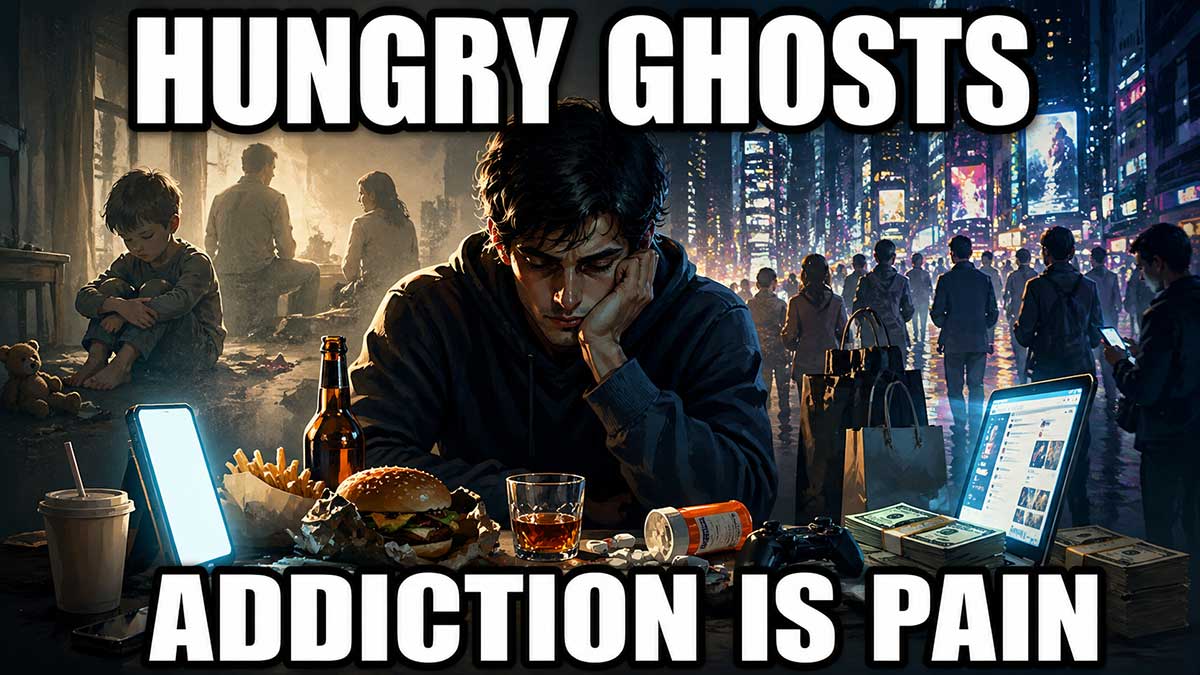
What if Gabor Maté and leading thinkers explored why modern life creates “hungry ghosts” even in people who seem successful?
What if addiction is not the enemy—but a message?
In In the Realm of Hungry Ghosts, Gabor Maté invites us to look past behavior and into the deeper human story. Instead of asking why people can’t stop, he asks what pain made stopping so difficult in the first place.
In this conversation, we brought together voices who approach addiction from different angles—trauma, childhood experience, the body, and society itself. What emerges is not a single explanation, but a pattern: addiction is rarely random. It is often a response to disconnection, distress, and unmet needs that began long before the first substance or habit appeared.
This is not a comfortable lens. It challenges how we judge, how we treat, and how we build systems. It asks us to look not only at individuals, but at families, communities, and culture.
And it leads to a deeper question:
If addiction is trying to solve a problem… what problem are we not solving?
(Note: This is an imaginary conversation, a creative exploration of an idea, and not a real speech or event.)
Topic 1 — Addiction as Pain, Not Moral Failure
Opening — Gabor Maté
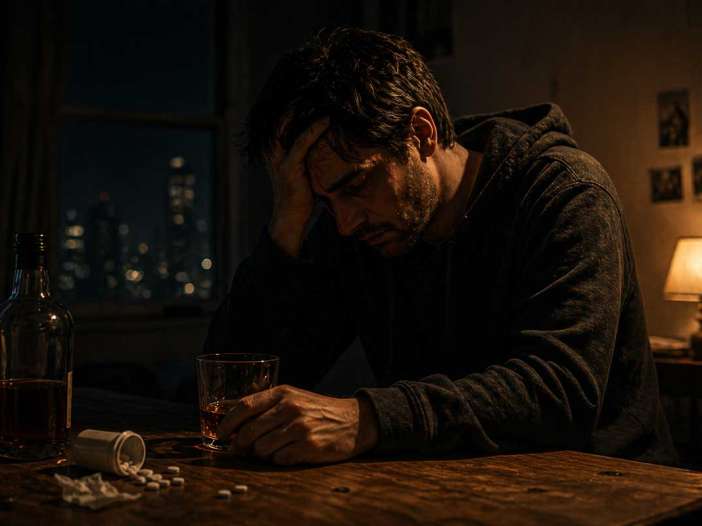
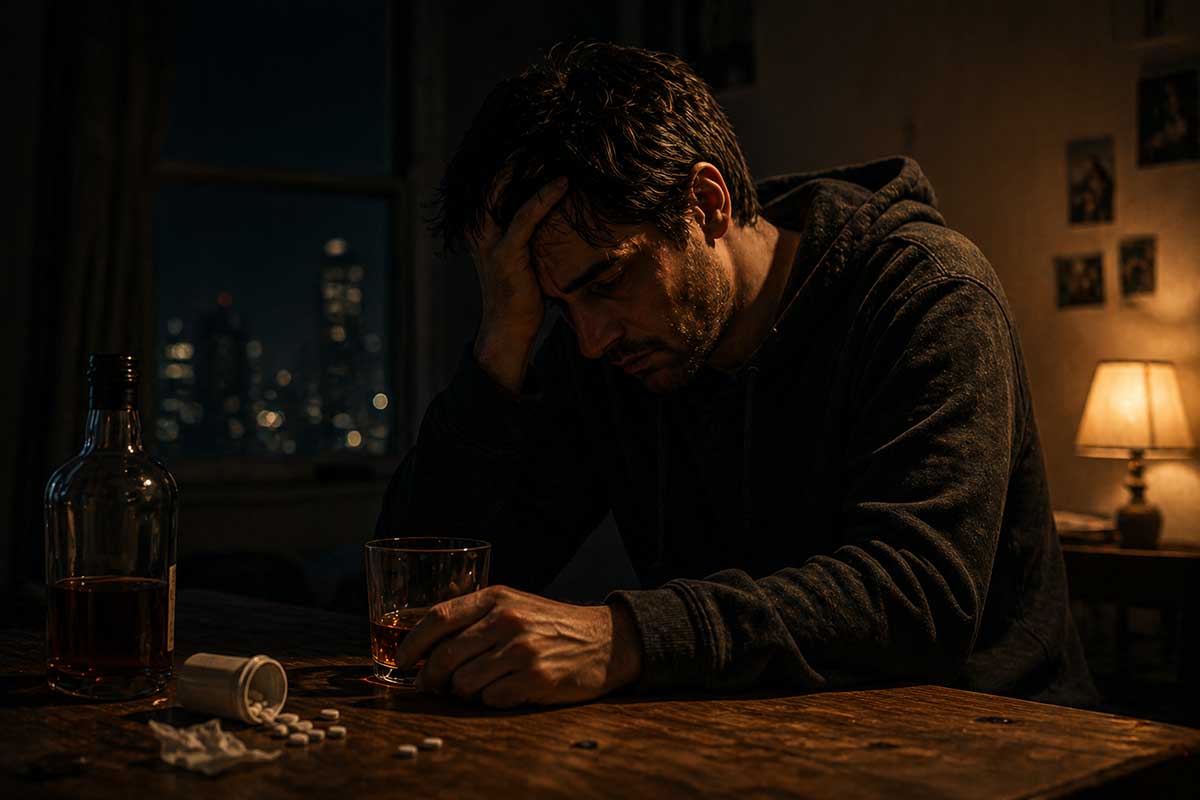
Addiction is often judged from the outside. We see the behavior, the broken promises, the damage, the relapse, the self-destruction. But the deeper question is not why the addiction exists. The deeper question is: what pain made the addiction necessary?
A person does not become addicted because they love destruction. They become addicted because something inside them is unbearable, and the addiction offers temporary mercy. It may be chemical. It may be emotional. It may be spiritual. But beneath it is suffering.
So today, we begin with compassion—not sentimentality, not excuse-making, but the courage to look at pain honestly.
Question 1
What pain is addiction trying to soothe?
Gabor Maté:
Addiction is an attempt to solve a human problem. The problem may be fear, emptiness, shame, abandonment, or emotional pain the person cannot name. The substance or behavior gives relief, but it never gives healing.
Vincent Felitti:
In the ACEs work, we saw again and again that what looked like self-destructive behavior often began as survival. Smoking, overeating, drinking, drugs—these were not random bad habits. They were coping mechanisms for unbearable histories.
Bruce Alexander:
The pain is not only inside the individual. It is often social. People become disconnected from community, meaning, place, family, and dignity. Addiction grows where belonging has collapsed.
Peter Levine:
The body carries pain before the mind can explain it. A person may not remember the original wound clearly, but the nervous system remembers danger. Addiction can become an attempt to quiet a body that never feels safe.
Bessel van der Kolk:
Trauma changes the way people inhabit their bodies. Many addicted people are trying to escape sensations, memories, and emotional states that feel intolerable. The addiction is not the root. It is the attempted anesthesia.
Question 2
Why does society punish addiction before it understands suffering?
Bruce Alexander:
Punishment is easier than responsibility. If society says addiction is simply personal failure, then society does not have to ask why so many people feel isolated, hopeless, and uprooted.
Gabor Maté:
We punish addiction because we fear our own vulnerability. The addicted person exposes something uncomfortable: that human beings are fragile, needy, and shaped by pain. Judgment protects us from seeing ourselves.
Vincent Felitti:
Many systems treat symptoms without asking about origin. When we fail to ask about childhood adversity, we misread the person. We see defiance where there may be injury. We see irresponsibility where there may be trauma.
Bessel van der Kolk:
Punishment often makes trauma worse. Shame activates the same survival systems that addiction tries to calm. A shamed nervous system does not become freer. It becomes more desperate.
Peter Levine:
When someone is trapped in survival physiology, punishment adds threat. Threat does not create integration. It deepens freeze, fight, flight, or collapse. Healing needs safety before change becomes possible.
Question 3
What changes when we ask, “What happened to you?” instead of “What’s wrong with you?”
Vincent Felitti:
That question changes everything. It moves us from blame to history. It allows the person’s life to make sense. Once the story becomes visible, the behavior is no longer mysterious.
Gabor Maté:
It restores dignity. The addicted person is no longer a defective human being. They are a wounded human being who adapted to pain. That does not remove responsibility, but it makes responsibility possible.
Peter Levine:
It helps the body feel seen. Many traumatized people have lived in silence, carrying sensations with no language. When someone asks with genuine care, the nervous system may begin to soften.
Bessel van der Kolk:
It opens the door to treatment that works. Instead of only controlling behavior, we begin working with memory, body, attachment, emotion, and safety. Recovery becomes more than abstinence.
Bruce Alexander:
It changes public policy too. We stop asking only how to stop people from using. We begin asking how to rebuild belonging, purpose, housing, dignity, and community.
Closing — Gabor Maté
If addiction is pain, then contempt cannot be the cure. Punishment may control behavior for a moment, but it cannot heal the wound that created the behavior.
The first step is not permission. It is recognition. We look at the person and say: your actions matter, your harm matters, but your suffering matters too.
That is where real recovery begins.
Topic 2 — Childhood Wounds and Adult Cravings

Opening — Gabor Maté
Addiction rarely begins with the drug, the bottle, the needle, the screen, or the compulsive behavior. It begins earlier, in the emotional atmosphere of childhood.
A child needs safety, attunement, warmth, protection, and the freedom to feel. When those needs are not met, the child adapts. They suppress pain. They disconnect from the body. They learn to survive.
Later, adult cravings may appear irrational from the outside. But from the inside, they often carry the logic of an old wound still seeking comfort.
Question 1
How do early attachment wounds become adult compulsions?
Vincent Felitti:
When children grow up with neglect, fear, shame, or emotional absence, they do not simply “get over it.” They carry those adaptations into adulthood. What appears later as addiction may have begun as the child’s first available method of self-regulation.
Gabor Maté:
The infant and child need connection more than anything. When attachment is insecure, the child may lose touch with their own feelings to preserve the bond. Later, addiction becomes a substitute attachment—reliable, immediate, and available on demand.
Bessel van der Kolk:
Early wounds shape the brain and body. A person may later crave substances or behaviors that change their internal state, not out of pleasure alone, but to manage distress, numbness, agitation, or terror.
Peter Levine:
A child who cannot fight, flee, or complete a protective response may carry trapped survival energy. Adult compulsions can become repeated attempts to discharge or quiet that unfinished alarm.
Bruce Alexander:
Attachment wounds are personal, but they also happen within social conditions. Families under poverty, isolation, racism, violence, or social breakdown often struggle to provide secure attachment. We must look at both the family and the society around it.
Question 2
Why do childhood experiences shape the nervous system long after memory fades?
Bessel van der Kolk:
The body keeps traces of experience. A person may forget events, but their nervous system still reacts to reminders, tones of voice, rejection, closeness, or threat. Addiction can become a way to escape that internal storm.
Peter Levine:
Memory is not only a story in the mind. It is sensation, muscle tension, breath, posture, and impulse. The body may live as if danger is still present, even when the conscious mind says life is safe.
Vincent Felitti:
This is why asking about childhood history matters. Without that history, adult behavior looks disconnected and irrational. With the history, patterns become understandable.
Gabor Maté:
The child’s brain develops in relationship. Stress, rejection, and emotional absence become biology. The adult may say, “I don’t know why I feel this way,” but the body knows.
Bruce Alexander:
Modern society often tells people to move on. But if the world does not provide belonging, security, and meaning, old wounds keep finding new ways to speak. The nervous system is not healed by slogans.
Question 3
Can healing begin when a person finally names the wound underneath the craving?
Gabor Maté:
Yes. Naming the wound does not heal everything instantly, but it ends the lie that the person is simply weak. It allows compassion to enter the places where shame once lived.
Peter Levine:
Naming helps, but healing must also include the body. The person needs to feel safety, breath, boundaries, and grounded presence. Words open the door; the body must walk through it.
Vincent Felitti:
When people are invited to tell the truth about their childhood without being judged, many feel relief. The behavior finally has context. That context can become the beginning of change.
Bessel van der Kolk:
Healing begins when the person can experience the present as different from the past. They need more than insight. They need new experiences of safety, connection, and agency.
Bruce Alexander:
The wound also needs a social answer. People cannot heal in isolation alone. They need relationships, community, purpose, and a place where they are no longer only seen through their addiction.
Closing — Gabor Maté
The adult craving often carries the child’s unanswered cry.
When we look only at the addiction, we miss the story. When we look only at the behavior, we miss the wound. But when we see the child inside the adult, our response changes.
We no longer ask, “Why can’t you stop?” with accusation.
We ask, “What were you forced to carry alone?”
That question may be the beginning of mercy.
Topic 3 — The Hungry Ghost in Modern Society

Opening — Gabor Maté
The hungry ghost is not only a person with a needle, a bottle, or a pipe. The hungry ghost is a human being who cannot feel full.
Modern society offers endless stimulation, but very little deep nourishment. We have more choices, more entertainment, more speed, more achievement, and more distraction. Yet many people quietly feel empty.
The question is not only why some people become addicted. The question is why our culture creates so much hunger.
Question 1
Why do so many people feel empty in societies full of comfort, choice, and stimulation?
Bruce Alexander:
Comfort is not the same as belonging. Choice is not the same as meaning. A society can offer pleasure and still leave people disconnected from community, tradition, nature, family, and purpose. That dislocation creates hunger.
Gabor Maté:
Much of modern life trains us to look outside ourselves for relief. Buy this. Drink this. Watch this. Achieve this. Become this. But the deeper wound remains untouched. The self becomes a stranger to itself.
Bessel van der Kolk:
People may have comfort and still feel unsafe inside their bodies. Trauma does not disappear when life looks successful. A person can sit in a beautiful home and still feel hunted from within.
Vincent Felitti:
Many adults live with invisible childhood adversity. From the outside, they may appear functional. Inside, they carry shame, fear, loneliness, or grief. Modern comfort can hide these wounds, but it cannot heal them.
Peter Levine:
The nervous system needs rhythm, safety, contact, movement, and connection. Modern stimulation often agitates rather than settles the body. People confuse activation with aliveness, then wonder why they feel empty afterward.
Question 2
Is addiction limited to drugs, or can work, success, screens, food, approval, and control become addictions too?
Gabor Maté:
Addiction is not defined only by the object. It is defined by the relationship. If a behavior gives temporary relief, creates harm, and the person cannot stop, then we must look honestly at addiction.
Vincent Felitti:
Compulsions can take socially approved forms. Workaholism may be praised. Overachievement may be rewarded. But the question remains: what pain is being managed, and what cost is being paid?
Bruce Alexander:
A consumer society depends on manufactured hunger. It tells people they are incomplete, then sells them temporary completion. Some addictions are illegal, but many are built into the economy.
Bessel van der Kolk:
Screens, food, work, and approval can all alter states. They can numb distress, distract from bodily discomfort, or give a momentary sense of control. The nervous system does not care whether society approves of the behavior.
Peter Levine:
Control itself can become addictive when the body feels unsafe. The person tries to manage everything—food, time, relationships, image—because letting go feels like danger.
Question 3
What kind of loneliness produces endless hunger?
Peter Levine:
The deepest loneliness is not only being alone. It is being alone with a body that feels unsafe. When someone cannot rest inside themselves, they seek relief anywhere they can find it.
Bruce Alexander:
Endless hunger comes from dislocation. People are separated from stable communities, meaningful work, shared rituals, and places where they matter. Isolation becomes normal, then addiction becomes understandable.
Gabor Maté:
It is the loneliness of not being known. Many people are surrounded by others, yet no one sees their real pain. Addiction becomes a secret companion, a substitute for being held.
Bessel van der Kolk:
Trauma isolates. It makes people feel different, ashamed, and unreachable. The person may crave connection, but closeness itself may feel threatening. That contradiction creates terrible hunger.
Vincent Felitti:
The hunger often began when a child’s pain had no witness. When suffering is unseen early in life, the adult may keep seeking something unnamed: comfort, recognition, safety, or the right to exist.
Closing — Gabor Maté
The hungry ghost is not merely a private tragedy. It is a cultural mirror.
We live in a society that stimulates desire but often starves the soul. We sell relief faster than we create connection. We reward performance more than presence. We notice success more easily than suffering.
So the question becomes larger than addiction.
What are we feeding people?
And what are we leaving unfed?
Topic 4 — Compassion, Boundaries, and Responsibility
Opening — Gabor Maté
Compassion does not mean pretending harm is harmless.
When addiction enters a family, everyone suffers. The addicted person suffers, but so do the people who love them. Parents, spouses, children, siblings, and friends may live with fear, exhaustion, anger, guilt, and heartbreak.
So the question becomes difficult: how do we love someone in pain without allowing their pain to destroy everyone around them?
Question 1
What does compassion look like when someone keeps harming themselves?
Gabor Maté:
Compassion begins by seeing the person beneath the behavior. But compassion must be truthful. We can say, “I see your pain,” without saying, “Your actions have no consequences.”
Bessel van der Kolk:
A traumatized person needs safety, but so do the people around them. Healing cannot be built on chaos. Compassion must create conditions where the nervous system can settle, not keep repeating danger.
Bruce Alexander:
The burden cannot fall only on the family. When communities fail, families are forced to become hospital, shelter, therapist, and police all at once. Real compassion must include social support.
Vincent Felitti:
When we understand the history behind the behavior, we respond with less contempt. But history does not erase impact. The goal is accountability without humiliation.
Peter Levine:
Compassion is a regulated presence. If we meet dysregulation with panic, rage, or collapse, everyone becomes trapped. The helper must learn grounded firmness.
Question 2
How can families love an addicted person without losing themselves?
Peter Levine:
Families need boundaries that come from steadiness, not punishment. A boundary says, “I love you, and I will not abandon myself.” That steadiness can be healing.
Gabor Maté:
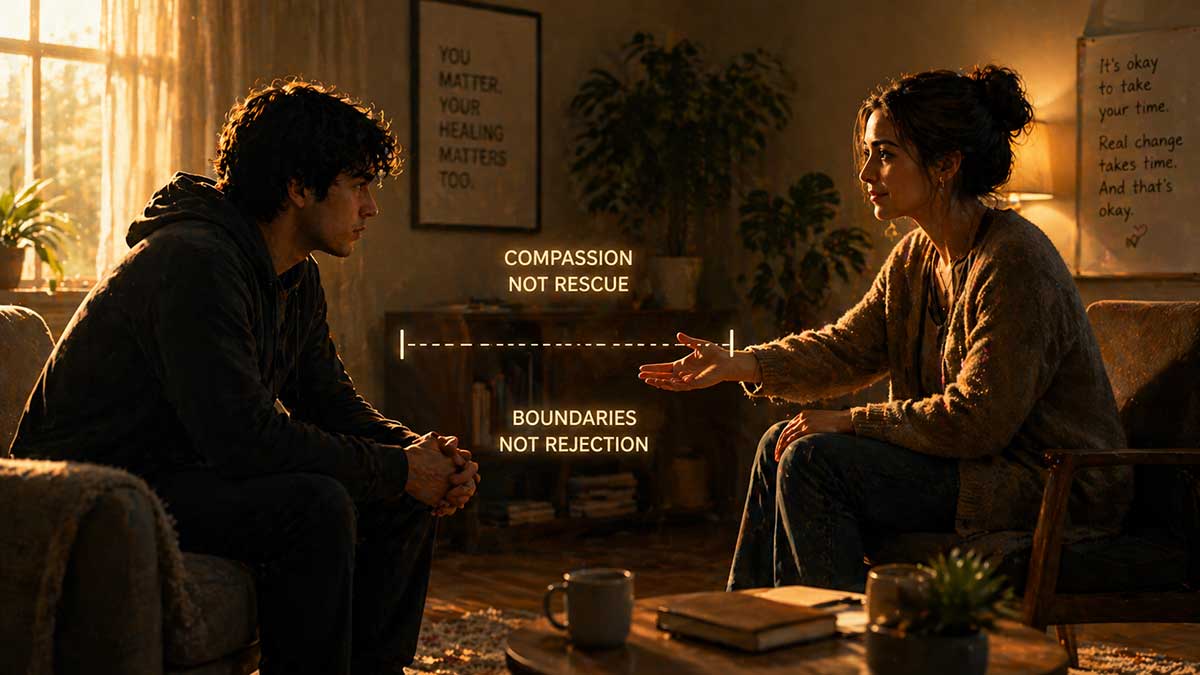
Many families confuse love with rescue. Rescue often protects the addiction more than the person. Love may require saying no, but saying no without hatred.
Vincent Felitti:
Families also carry their own wounds. The addiction may activate old fears, shame, and family patterns. Support for the family is not secondary. It is part of healing the system.
Bessel van der Kolk:
People need to know what they can control and what they cannot. You cannot force another person into recovery. You can protect your home, your body, your finances, your children, and your sanity.
Bruce Alexander:
Isolation makes families desperate. Families need communities where they can speak honestly without being judged. Shame keeps everyone sick.
Question 3
How do we hold people responsible without shaming them back into pain?
Vincent Felitti:
Responsibility becomes possible when people are treated as human beings, not failures. Shame says, “You are bad.” Responsibility says, “Your choices matter, and your life can change.”
Bessel van der Kolk:
Shame locks people into survival states. It narrows the mind, tightens the body, and makes learning harder. A person cannot grow when their whole system is defending against humiliation.
Gabor Maté:
We must separate guilt from shame. Guilt can say, “I did something harmful.” Shame says, “I am harmful.” Recovery needs the first, but it is often destroyed by the second.
Bruce Alexander:
Responsibility must be shared. Individuals are responsible for their actions, and society is responsible for the conditions it creates. Ignoring either side gives us a false answer.
Peter Levine:
The body learns responsibility through safety and agency. When a person feels some capacity to choose, they can begin to act differently. Shame removes choice; healing restores it.
Closing — Gabor Maté
Compassion is not soft denial. Boundaries are not cold rejection.
Real love tells the truth without cruelty. It sees the wound without excusing the harm. It protects the family without abandoning the person. It asks for responsibility without using shame as a weapon.
The addicted person needs compassion.
The family needs compassion.
And compassion, if it is real, must include both.
Topic 5 — Healing the Hungry Ghost

Opening — Gabor Maté
Recovery is not only the absence of the addiction. A person can stop the behavior and still feel empty, frightened, ashamed, and alone.
Real healing asks a deeper question: what kind of life makes the addiction less necessary?
The hungry ghost does not need more judgment. It needs nourishment: safety, truth, belonging, meaning, and connection.
Question 1
What does real recovery require beyond stopping the behavior?
Gabor Maté:
Stopping the behavior may be necessary, but it is not the whole healing. Recovery must address the pain, fear, shame, and disconnection that made the addiction feel like a solution.
Bessel van der Kolk:
The person must learn to live safely inside the body again. Recovery involves regulation, movement, breath, relationship, and new experiences that teach the nervous system the present is not the past.
Vincent Felitti:
Real recovery requires honesty about life history. When people understand how childhood adversity shaped their coping, they can stop seeing themselves as defective and begin seeing a path forward.
Peter Levine:
The body needs completion. Survival energy that was once trapped needs gentle release. Recovery is not only insight; it is learning that the body can move from alarm into safety.
Bruce Alexander:
Recovery requires reconnection. If someone returns from treatment to the same isolation, poverty, rejection, or meaninglessness, we should not be surprised when the addiction calls again.
Question 2
Can belonging heal what punishment never could?
Bruce Alexander:
Yes, belonging is central. People need to feel they have a place, a role, and a future. Punishment often deepens dislocation. Belonging answers the hunger at its root.
Gabor Maté:
Human beings heal in relationship. The opposite of addiction is not merely sobriety; it is connection, presence, and the experience of being accepted without being abandoned to one’s wounds.
Peter Levine:
Belonging helps the nervous system settle. A safe face, a steady voice, a nonjudgmental presence—these are biological medicines. The body recognizes safety before the mind explains it.
Bessel van der Kolk:
Trauma isolates people from others and from themselves. Belonging gives the person new relational memories. They begin to experience closeness without danger.
Vincent Felitti:
Many people have carried unbearable histories alone. When those histories are finally heard with respect, shame begins to lose its grip. Belonging makes truth survivable.
Question 3
What kind of society would create fewer hungry ghosts in the first place?
Vincent Felitti:
A society that protects children would create fewer hungry ghosts. Early adversity is not a side issue. It shapes health, behavior, addiction, and suffering across a lifetime.
Bruce Alexander:
A healthier society would reduce dislocation. People need stable communities, meaningful work, housing, dignity, and relationships that are not constantly broken by economic pressure.
Gabor Maté:
We would stop asking only how to treat addiction and begin asking why so many people need escape. Prevention begins with how we care for mothers, fathers, children, workers, and the lonely.
Bessel van der Kolk:
Schools, clinics, courts, and communities would become trauma-informed in practice, not just language. They would understand behavior as communication from a nervous system, not merely defiance.
Peter Levine:
A healing society would teach people to listen to the body, regulate fear, respect boundaries, and restore connection. It would not wait until people collapse before offering care.
Closing — Gabor Maté
The hungry ghost is hungry because something essential was missing.
Recovery is the slow return of what was lost: safety, self-respect, relationship, meaning, and the ability to feel without fleeing.
We do not heal addiction by asking people to become stronger in isolation. We heal by creating conditions where they no longer have to survive alone.
That is where the ghost begins to become human again.
Final Thoughts by Nick Sasaki
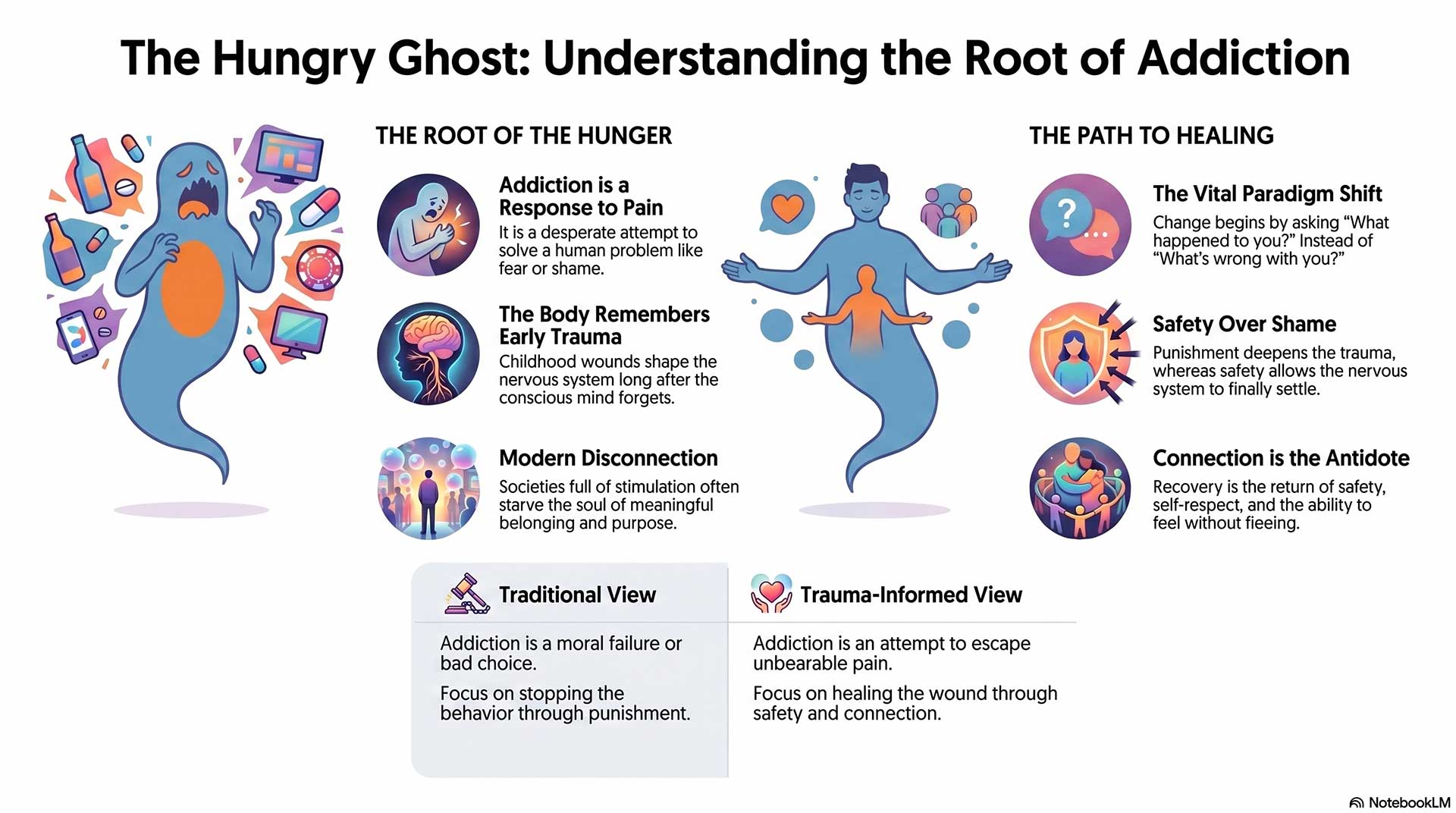
Across all five topics, one idea kept returning in different forms:
Addiction is not the core issue. It is the visible expression of something deeper.
We saw how early wounds can shape adult cravings. How the body holds memory long after the mind forgets. How modern life can create a quiet, constant emptiness. How compassion must walk alongside boundaries. And how healing requires more than stopping—it requires reconnection.
There is a shift here that matters.
From:
“What’s wrong with you?”
To:
“What happened to you?”
But even that is not the end.
The next step is:
“What can we build so fewer people have to carry this kind of pain alone?”
This is where the conversation becomes personal and collective at the same time. Families, communities, systems, and culture all play a role.
Addiction may begin in pain.
But recovery begins in connection.
Short Bios:
Gabor Maté: Physician and author known for his work on addiction, trauma, and compassionate approaches to healing.
Bruce Alexander: Psychologist best known for the Rat Park experiments, highlighting the role of social environment in addiction.
Vincent Felitti: Physician and co-founder of the Adverse Childhood Experiences (ACEs) study linking early trauma to lifelong health outcomes.
Peter Levine: Trauma expert and creator of Somatic Experiencing, focusing on how the body processes and releases trauma.
Bessel van der Kolk: Psychiatrist and author focused on trauma, memory, and how the body and brain respond to overwhelming experiences.
Leave a Reply