
|
Getting your Trinity Audio player ready...
|
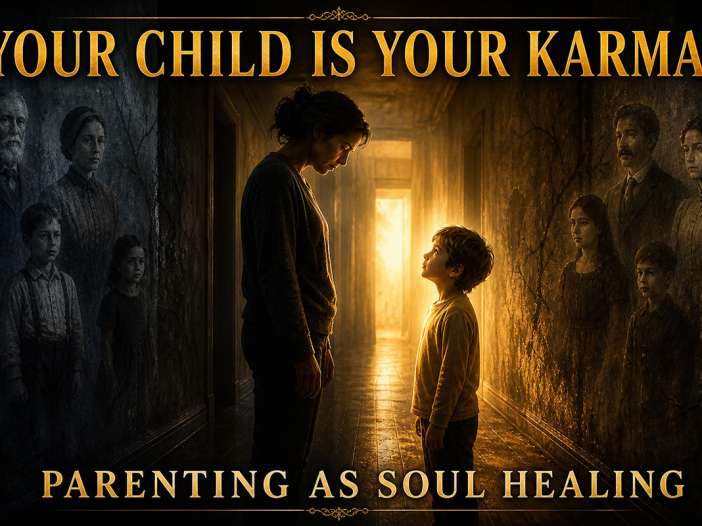
What if the deepest purpose of parenting is not control, but healing generational karma through conscious love?
Introduction by Paramahansa Yogananda
Beloved friends,
The relationship between parent and child is among the deepest spiritual bonds in human life. Many think a child arrives merely through biology, chance, or worldly circumstance. But behind visible life operates the subtle law of karma, drawing souls together for growth, healing, and awakening.
A child does not come only to receive food, education, or protection.
The child comes to awaken the parent’s heart.
Sometimes the child brings joy easily. Sometimes the child awakens impatience, fear, attachment, or hidden sorrow. Yet even these struggles may become sacred when approached consciously. Karma is not divine punishment. Karma is the soul’s opportunity to learn love more deeply.
Parents often ask, “How can I shape this child?”
But the wiser question may be:
“How can I become worthy of guiding a soul entrusted to my care?”
The true parent does not seek ownership. The true parent seeks stewardship. The child belongs first to God, then to destiny, then to life itself.
If parents remember this, the home can become more than a house.
It can become a spiritual school where both parent and child evolve together.
(Note: This is an imaginary conversation, a creative exploration of an idea, and not a real speech or event.)
Topic 1 — Why This Child Came to You
Opening — Carl Jung
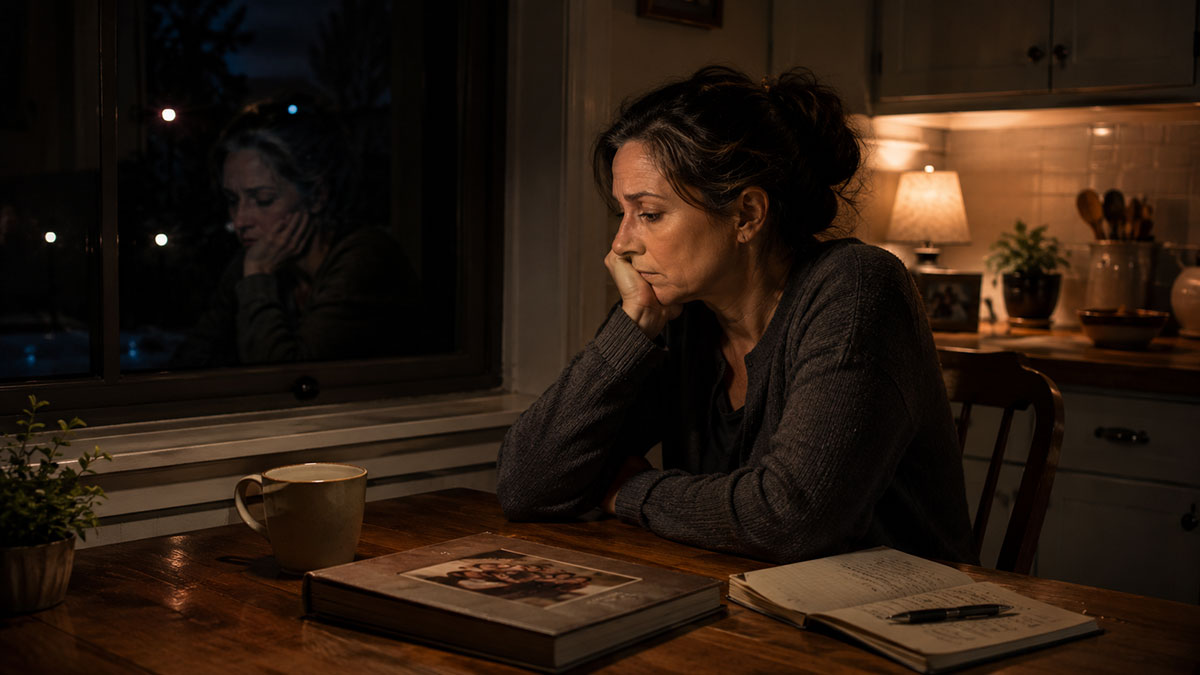
When a child enters a family, the child does not enter an empty house.
The child enters a psychic field.
There are memories in that house. There are fears no one speaks of. There are dreams the parents abandoned. There are wounds that have become family habits.
A child is born small, but their presence is immense. The child may awaken joy, tenderness, terror, control, impatience, and love in the parent.
So we begin with this question:
Is the child merely born to us?
Or does the child arrive as a mirror of what the soul must finally face?
Question 1
When a child enters a family, are they born only into parents, or into the parents’ unconscious life?
Paramahansa Yogananda:
The child enters more than a body line. The child enters a karmic field. Souls are drawn together by divine law, not accident. The parent may think, “This is my child,” but God may be saying, “This is your lesson in love.”
Gabor Maté:
A child is born into the parents’ nervous systems. Their stress, tenderness, anger, fear, and capacity for presence shape the child’s world before words are spoken. So yes, the child enters the parents’ emotional life.
Kahlil Gibran:
The child comes through the parents, yet belongs to life. But the house they enter has its own weather. Some homes greet the child with sunlight. Others with storms passed down from ancestors.
Alice Miller:
The child enters a world where adults may carry unrecognized pain. If the parents do not face their own history, the child may be forced to adapt to it. That is not the child’s karma alone. It is the adult’s responsibility.
James Hillman:
A child arrives with an image, a calling, a pattern of soul. Yet that image lands in a family story. The danger is that parents mistake the child’s inner pattern for their own fantasy.
Question 2
Why does a child often reveal the hidden wound, unlived dream, or shadow of the parent?
Carl Jung:
The child becomes a living symbol. What the parent has rejected may appear before them in the child. A timid parent may resent a bold child. A repressed parent may fear an emotional child. The shadow returns through love.
Gabor Maté:
Children trigger what was never healed. A child’s cry may awaken the parent’s memory of being ignored. A child’s refusal may awaken old fear of rejection. The reaction feels present, but its roots are often old.
Alice Miller:
Parents often call the child difficult when the child is expressing truth. The child’s pain exposes the family’s silence. If the parent cannot bear that truth, they may punish the child for revealing it.
Paramahansa Yogananda:
The child may reveal the parent’s impatience, pride, attachment, and fear. This is grace if the parent becomes humble. Karma is not punishment. It is education of the soul.
Kahlil Gibran:
The child reveals what the parent has not forgiven in themselves. The child’s freedom may hurt the parent who was never free. The child’s tears may trouble the parent who was never allowed to cry.
James Hillman:
A child’s symptom may be the family myth speaking. The question is not only “What is wrong with the child?” but “What story has this child been placed inside?”
Question 3
Can a parent truly see the child only after withdrawing their own projections?
Carl Jung:
Yes. Projection is a veil. The parent does not see the child, but an image thrown from within. The child becomes “my hope,” “my shame,” “my failure,” or “my second chance.” True love begins when the projection is withdrawn.
Kahlil Gibran:
To see the child, the parent must open the hand. The child is not clay for the parent’s unfinished design. The child is a living arrow moving beyond the bow.
Alice Miller:
The parent must stop using the child to heal old wounds. A child should not exist to make the adult feel successful, loved, obeyed, or redeemed. Seeing the child means respecting the child’s emotional reality.
Gabor Maté:
When the parent withdraws projection, curiosity returns. Instead of “Why are you doing this to me?” the parent asks, “What is happening inside you?” That one shift can change the relationship.
Paramahansa Yogananda:
The parent must see the child as a soul, not a possession. Attachment says, “You are mine.” Wisdom says, “You are entrusted to me.” That change purifies love.
James Hillman:
A child must be seen in terms of their own daimon, their own soul image. The parent’s task is not to manufacture destiny, but to notice it, protect it, and leave room for mystery.
Closing — Carl Jung
The child who comes to us may carry their own destiny, but they also awaken the unseen destiny of the parent.
A child may become the place where the parent’s shadow appears.
A child may become the mirror of grief, pride, fear, and unlived life.
But this does not mean the child is responsible for the parent’s healing.
The work belongs to the adult.
The child is not the cure.
The child is the revelation.
And perhaps this is one meaning of the title:
Your child is your karma — not as blame, but as the soul’s invitation to become conscious.
Topic 2 — Parenthood as Spiritual Debt and Spiritual Gift

Opening — Carl Jung
Parenthood is one of the strangest doors into the unconscious.
The parent may begin with love, hope, and duty. Yet soon, the child asks for more than food, shelter, and instruction. The child asks the parent to become larger than the parent thought possible.
The child asks for patience where there was pride.
Presence where there was avoidance.
Sacrifice where there was selfishness.
But danger appears when the parent secretly expects repayment.
So we ask:
Is parenthood a debt, a gift, or the soul’s invitation to become whole?
Question 1
Is parenthood a karmic obligation, or is it the psyche’s invitation to mature through love?
Paramahansa Yogananda:
Parenthood may contain karmic obligation, but its purpose is divine growth. The parent is asked to love beyond ego. A child teaches service, patience, and self-control. Through that service, the parent may purify the heart.
Gabor Maté:
Maturity in parenting means becoming emotionally present. The child does not need perfect parents. The child needs adults who can notice their own reactions and repair when harm occurs. That is growth through love.
Kahlil Gibran:
The child is a guest of life. The parent may give shelter, food, tenderness, and wisdom, but must not demand the child’s soul as payment. Love matures when it gives without possession.
Alice Miller:
I am cautious with the word obligation. Children should never be made to feel they owe their parents for being born. The obligation belongs to the adult. The child did not ask to become the parent’s emotional reward.
James Hillman:
Parenthood is an encounter with soul. The child brings a pattern the parent cannot fully control. The gift is that the parent must learn reverence before mystery, rather than management of life.
Question 2
Why does the child often become both the parent’s burden and the parent’s path to wholeness?
Carl Jung:
The child becomes a burden when the parent’s ego resists transformation. The same child becomes a path to wholeness when the parent asks what part of the self has been neglected. The child often constellates the parent’s hidden work.
Gabor Maté:
A child feels burdensome when the parent lacks support, rest, healing, or emotional space. But through the child, the parent may discover their own unmet needs. That discovery can lead to compassion instead of resentment.
Paramahansa Yogananda:
The child is a burden only to the selfish ego. To the awakened heart, service is a blessing. Daily care becomes a spiritual practice when done with love, discipline, and remembrance of God.
Alice Miller:
We must not spiritualize parental exhaustion too quickly. Many parents are overwhelmed because they were never loved well themselves. Wholeness begins when the parent admits pain honestly rather than hiding behind noble words.
Kahlil Gibran:
The child becomes heavy when the parent tries to carry the child’s future as property. The child becomes light when the parent understands: “I may guide, but I cannot own.”
James Hillman:
Wholeness may come when the parent stops asking, “How do I shape this child?” and begins asking, “What image is trying to live here?” The burden is control. The gift is attention.
Question 3
Can sacrifice become sacred only when it does not demand emotional repayment from the child?
Alice Miller:
Yes. When sacrifice demands repayment, it becomes a hidden contract. The child is then asked to pay with obedience, guilt, success, or loyalty. True care does not make the child responsible for the parent’s emptiness.
Kahlil Gibran:
Give, but do not bind. Love, but do not count. The parent who says, “After all I have done,” has turned love into a ledger. Sacred sacrifice leaves the child freer, not smaller.
Paramahansa Yogananda:
Sacrifice offered to God purifies. Sacrifice offered to ego imprisons. If a parent serves the child with attachment, they expect reward. If they serve with divine love, the reward is inner expansion.
Gabor Maté:
Children sense emotional debt. They know when a parent’s care comes with the message, “You must make me feel valuable.” That pressure can create shame. Healthy sacrifice includes boundaries, support, and self-care.
James Hillman:
The parent must sacrifice fantasy, not soul. Sacrifice the fantasy of the perfect child, the grateful child, the child who completes the parent’s story. Then parenting becomes an act of imagination and respect.
Carl Jung:
Sacrifice becomes sacred when it serves individuation. The parent must give up possession, projection, and the demand for return. Then love becomes less sentimental and more conscious.
Closing — Carl Jung
Parenthood may feel like debt.
It may feel like blessing.
It may feel like burden.
But perhaps it is best understood as initiation.
The child asks the parent to meet limits, wounds, pride, and hunger for control.
The parent who refuses this work may make the child carry emotional debt.
The parent who accepts the work may discover a deeper form of love.
So the karmic question is not:
“What does my child owe me?”
It is:
What must I become so this child does not have to pay for my unconscious life?
Topic 3 — When Your Child Triggers Your Deepest Wounds
Opening — Carl Jung
The child often touches the parent where the parent is least defended.
A tone of voice.
A look of rejection.
A refusal to obey.
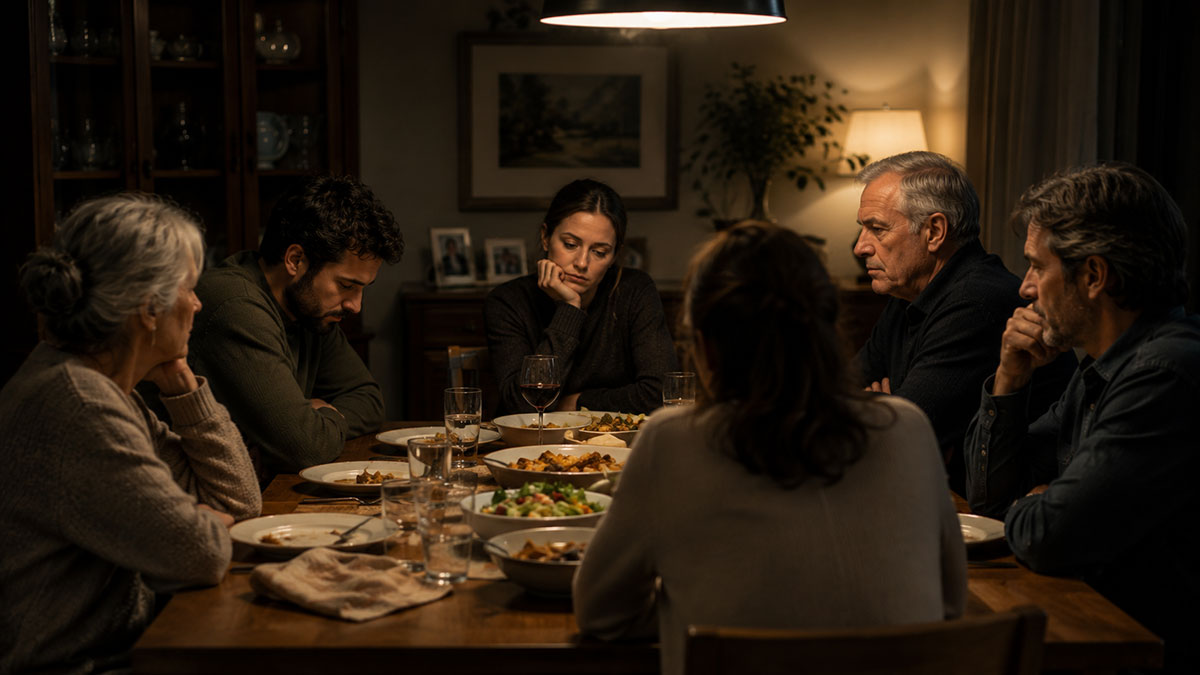
A silence at the dinner table.
Suddenly, the parent is no longer responding only to the child. Something older has entered the room.
The parent may believe, “My child is disrespecting me.”
But the psyche may be saying, “An old wound has been awakened.”
So we ask:
What if the child is not the cause of the wound, but the messenger who reveals where the wound still lives?
Question 1
When a parent feels rage, fear, shame, or helplessness toward a child, whose pain is truly being awakened?
Gabor Maté:
Often, the parent’s pain is being awakened. The child may be doing something ordinary for their age, but the parent’s nervous system reacts as if danger has returned. That is not weakness. It is old pain asking to be seen.
Alice Miller:
The parent may be feeling what they were never allowed to feel as a child. Rage, shame, helplessness — these are often buried memories in emotional form. But the child must not become the target of what the parent once suffered.
Paramahansa Yogananda:
The child may stir hidden karma in the parent. Anger, fear, and pride come to the surface so the soul may overcome them. The wise parent pauses, prays, and asks, “What in me needs purification?”
Kahlil Gibran:
The child knocks on doors the parent had sealed. Sometimes the parent calls the knocking disrespect. But life may be asking the parent to open the room where grief has been waiting.
James Hillman:
The child activates the parent’s inner figures — the abandoned child, the shamed child, the judging parent, the wounded hero. The household becomes a theater of the soul. The task is to know which figure has taken the stage.
Carl Jung:
A complex has been constellated. The parent is no longer free in that moment. They are possessed by an old emotional pattern. Consciousness begins when the parent can say, “This reaction is larger than the situation.”
Question 2
Is the parent reacting to the living child, or to the forgotten child still buried within the parent?
Carl Jung:
Very often, the parent reacts to the forgotten child within. The living child becomes a screen. Upon that screen, the parent projects humiliation, abandonment, fear, or failure. The parent must separate the child before them from the child within.
Alice Miller:
Many adults punish in their children the feelings they themselves were punished for. If they were not allowed to cry, the crying child irritates them. If they were forced to obey, the independent child frightens them.
Gabor Maté:
This is why self-awareness matters. A child’s need may feel unbearable to a parent whose own needs were neglected. The parent’s first work is not control. It is recognition: “This feeling is mine, and I must not hand it to my child.”
Paramahansa Yogananda:
The parent must become calm enough to see clearly. In stillness, one can tell the difference between wise discipline and emotional reaction. Meditation helps the parent act from soul rather than from old habit.
Kahlil Gibran:
The forgotten child in the parent still seeks a witness. If not heard, it may speak harshly through the adult. But the living child should not be asked to carry that echo.
James Hillman:
The forgotten child is not merely a memory. It is an image still alive in the psyche. It needs ritual, attention, language, and imagination. Without that, it enters parenting disguised as certainty.
Question 3
How can a parent face their shadow without making the child carry it?
Alice Miller:
The parent must tell the truth inwardly: “This is my pain.” That sentence protects the child. Then the parent must seek help, grieve, repair, and stop demanding that the child make the parent feel safe.
Gabor Maté:
Repair is key. Parents will react. The question is whether they return and say, “I was upset, and I handled that badly. You did not deserve my anger.” That teaches the child safety and teaches the parent humility.
Carl Jung:
The parent must learn to withdraw projection. When a child appears “bad,” “ungrateful,” or “impossible,” the parent must ask, “What part of myself have I placed upon this child?” Shadow work begins with suspicion of one’s own certainty.
Paramahansa Yogananda:
The parent may use prayer, meditation, self-control, and devotion. Before speaking harshly, breathe and remember the divine soul in the child. Discipline may be needed, but it must come from love, not wounded ego.
Kahlil Gibran:
Do not make the child the keeper of your storms. Stand beneath your own sky. Then when you speak to the child, your words may become shelter rather than thunder.
James Hillman:
Give the shadow a place other than the child. Write it, dream it, speak it, symbolize it. The child should not be the altar upon which the parent sacrifices unexamined pain.
Closing — Carl Jung
A child may awaken the parent’s oldest wound with one sentence, one look, one act of refusal.
That moment is dangerous.
It can become repetition.
Or it can become consciousness.
The unconscious parent says, “My child is the problem.”
The conscious parent says, “Something in me has been awakened, and I must learn what it is.”
This does not excuse the child from guidance.
But it frees the child from carrying the parent’s shadow.
Perhaps this is where karma becomes transformation:
The wound your child awakens may be the wound you were finally ready to heal.
Topic 4 — The Child’s Own Karma vs. the Parent’s Responsibility
Opening — Carl Jung
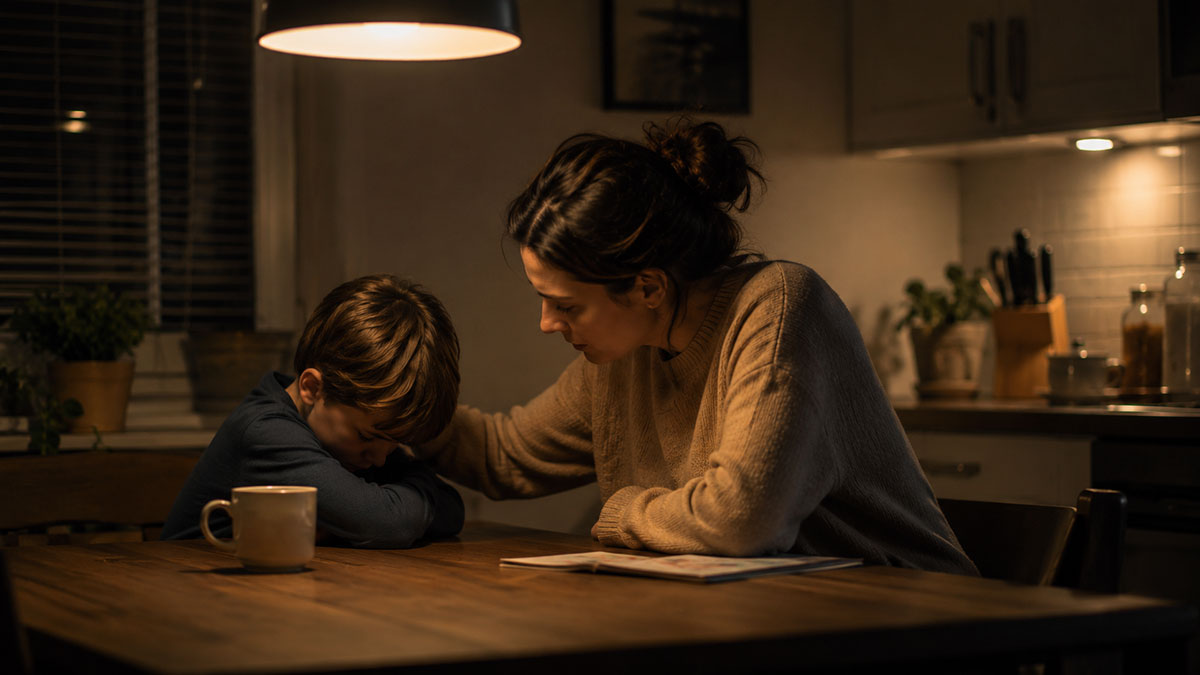
A child is not born as a blank page.
Nor is the child merely a copy of the parent.
The child carries temperament, mystery, desire, resistance, fear, longing, and a path that may not fit the parent’s plan.
Here the parent faces a difficult question:
How much should I guide?
How much should I protect?
How much should I release?
And when does love quietly become control?
Question 1
Where is the line between guiding a child and unconsciously controlling the child’s destiny?
Carl Jung:
Guidance respects the child’s becoming. Control replaces the child’s becoming with the parent’s fear. The parent must ask, “Am I serving this child’s growth, or defending my own image of what life should be?”
Paramahansa Yogananda:
Parents must guide with wisdom, discipline, and love. But the soul belongs to God. A child has karma and destiny. The parent may light the path, but cannot walk it for the child.
Gabor Maté:
Control often comes from fear. Parents say, “I only want what is best,” but beneath that may be anxiety, shame, or social pressure. True guidance stays connected to the child’s emotional reality.
Kahlil Gibran:
You may give your love, but not your thoughts. You may shelter the child’s body, but not imprison the child’s soul. The line is crossed when love becomes possession.
Alice Miller:
Control often hides inside “for your own good.” A child needs protection, yes. But the parent must not crush the child’s inner truth to preserve obedience, reputation, or family comfort.
James Hillman:
A child’s destiny may arrive in strange forms. The parent may not recognize it at first. Control tries to edit the child’s image. Guidance learns to read it.
Question 2
How can a parent honor the child’s own soul path without abandoning protection, discipline, and love?
Gabor Maté:
A parent honors the child by staying connected. Discipline should never mean withdrawal of love. Protection should not become domination. The child needs firm boundaries and emotional safety at the same time.
Paramahansa Yogananda:
The parent must combine love with self-control. Teach truth. Teach prayer. Teach noble action. Yet remember that the child’s soul must choose. Spiritual growth cannot be forced.
Alice Miller:
The child’s feelings must be taken seriously. Protection means listening, not only correcting. Discipline without empathy becomes fear. Love without boundaries becomes confusion.
Kahlil Gibran:
Stand near, but do not stand in the way. Let the child feel your presence as a lamp, not a cage. The child needs warmth, but also distance enough to see the stars.
James Hillman:
Notice the child’s pattern. What repeats? What fascinates them? What wounds them? What gives them life? Protection means guarding that image from being shamed too early.
Carl Jung:
The parent must tolerate difference. The child’s individuation may disturb the parent’s certainty. Love becomes mature when the parent can say, “You are not here to complete my unfinished life.”
Question 3
What happens when a parent mistakes the child’s individuation for betrayal?
Alice Miller:
The child learns that becoming oneself is dangerous. They may choose false loyalty over truth. Later, they may suffer depression, rage, or emptiness because they were loved only when they complied.
Carl Jung:
Individuation often feels like disobedience to the family system. Yet the child must become a self. If the parent calls this betrayal, the child may be forced to choose between belonging and soul.
Gabor Maté:
A child will usually sacrifice authenticity to preserve attachment. That is tragic. They may become outwardly “good” but inwardly disconnected. The cost can appear later as anxiety, addiction, or self-abandonment.
Paramahansa Yogananda:
A parent must not confuse attachment with love. True love blesses the child’s righteous path, even when it differs from the parent’s desire. Attachment says, “Be mine.” Love says, “Be true.”
Kahlil Gibran:
The arrow must fly. If the bow resents the arrow, both suffer. The child’s distance may not be rejection. It may be life continuing its sacred motion.
James Hillman:
The child’s difference may be the child’s calling. The parent who calls it betrayal may be refusing the god in the child — the strange, necessary image that wants to live.
Closing — Carl Jung
The parent’s responsibility is real.
A child needs protection, discipline, guidance, and love.
But the child also needs space to become.
A parent may carry karma with the child, but the child is not the parent’s possession.
The parent’s sacred task is not to erase danger from life, nor to control every outcome.
It is to become conscious enough to guide without owning.
Perhaps the deepest parental wisdom is this:
I am responsible for how I love you, but I do not own the mystery of who you are becoming.
Topic 5 — Healing Generational Karma Through Love

Opening — Carl Jung
Every family carries a hidden inheritance.
Some inherit silence.
Some inherit rage.
Some inherit fear of failure, fear of joy, fear of tenderness, fear of truth.
The child may be born into a house where no one knows how to apologize, how to listen, how to bless, or how to let a soul become itself.
But one conscious parent can become a turning point.
So we ask:
Can love become strong enough to stop an old family wound from entering the next generation?
Question 1
Can one conscious parent interrupt a family pattern that has lived through generations?
Carl Jung:
Yes, but only when the parent becomes conscious of the pattern. What remains unconscious repeats itself. What becomes conscious may become choice. The parent must see the family shadow without being possessed by it.
Paramahansa Yogananda:
One awakened soul can bless many generations. Through prayer, self-control, devotion, and right action, a parent may dissolve old karma. The home can become a place where divine love replaces inherited fear.
Gabor Maté:
Yes, but consciousness must become behavior. A parent may understand trauma, but the child needs daily safety, repair, attunement, and consistency. Healing is not an idea. It is how the parent shows up.
Alice Miller:
The parent must stop denying pain. A family pattern continues when adults say, “It was not that bad,” or “That is how everyone was raised.” Truth is the beginning of interruption.
Kahlil Gibran:
The old river may be deep, but love can carve a new path. The parent who refuses to wound as they were wounded gives the child a different sky.
James Hillman:
The pattern cannot simply be erased. It must be given image, story, and meaning. When the family myth is named, the child no longer has to act it out blindly.
Question 2
What must a parent mourn before they can stop repeating what wounded them?
Alice Miller:
The parent must mourn the childhood they did not receive. They must mourn the protection, tenderness, and truth they deserved but were denied. Without mourning, the pain seeks another child to carry it.
Gabor Maté:
They must grieve their own unmet needs. Many parents repeat harm because their nervous system is still fighting for survival. Mourning allows the parent to soften and stop confusing the child’s needs with a threat.
Carl Jung:
The parent must mourn the collapse of the idealized family image. They must see their parents, and themselves, truthfully. This is painful, but necessary. Without mourning, the psyche clings to illusion and repeats fate.
Paramahansa Yogananda:
Mourning must lead to purification, not bitterness. The parent may offer pain to God and transform it into compassion. Forgiveness does not deny suffering. It frees the heart from bondage.
Kahlil Gibran:
The parent must mourn the lost child within themselves. Only then can they stop asking their own child to become the comfort they never received.
James Hillman:
The parent must mourn the fantasy that life should have formed them differently. Grief gives dignity to the wound. Then the wound need not govern the house.
Question 3
Is generational karma healed when the child no longer has to become the parent’s unfinished self?
James Hillman:
Yes. The child must be released from the parent’s unlived life. The child has their own image, their own calling. Healing begins when the parent protects that image rather than replacing it with inherited longing.
Carl Jung:
This is one sign of healing. The child is no longer made to carry the parent’s shadow, ambition, guilt, or redemption. The child may then enter individuation with less burden from the family unconscious.
Alice Miller:
A child should not have to heal the parent, rescue the parent, or prove the parent’s worth. When the child is allowed emotional truth, the chain weakens.
Gabor Maté:
Healing means the child can stay connected without losing authenticity. They do not have to become pleasing, silent, successful, or numb just to preserve the parent’s emotional balance.
Paramahansa Yogananda:
When love becomes selfless, karma lightens. The parent serves the soul of the child, not the ego of the parent. Then the family line receives blessing.
Kahlil Gibran:
The child is not the echo of the parent’s unfinished song. The child is life’s new word. When the parent bows to that mystery, love becomes liberation.
Closing — Carl Jung
Generational karma is not broken by denial.
It is not broken by good intentions alone.
It is broken when one parent becomes brave enough to see.
To mourn.
To apologize.
To repair.
To love without possession.
The child may still carry struggle. No parent can remove all suffering from life.
But a conscious parent can remove one burden:
The burden of becoming the parent’s wound.
Perhaps this is the quiet miracle of parenthood:
When the parent becomes conscious, the child receives more than love. The child receives freedom.
Final Thoughts by Paramahansa Yogananda
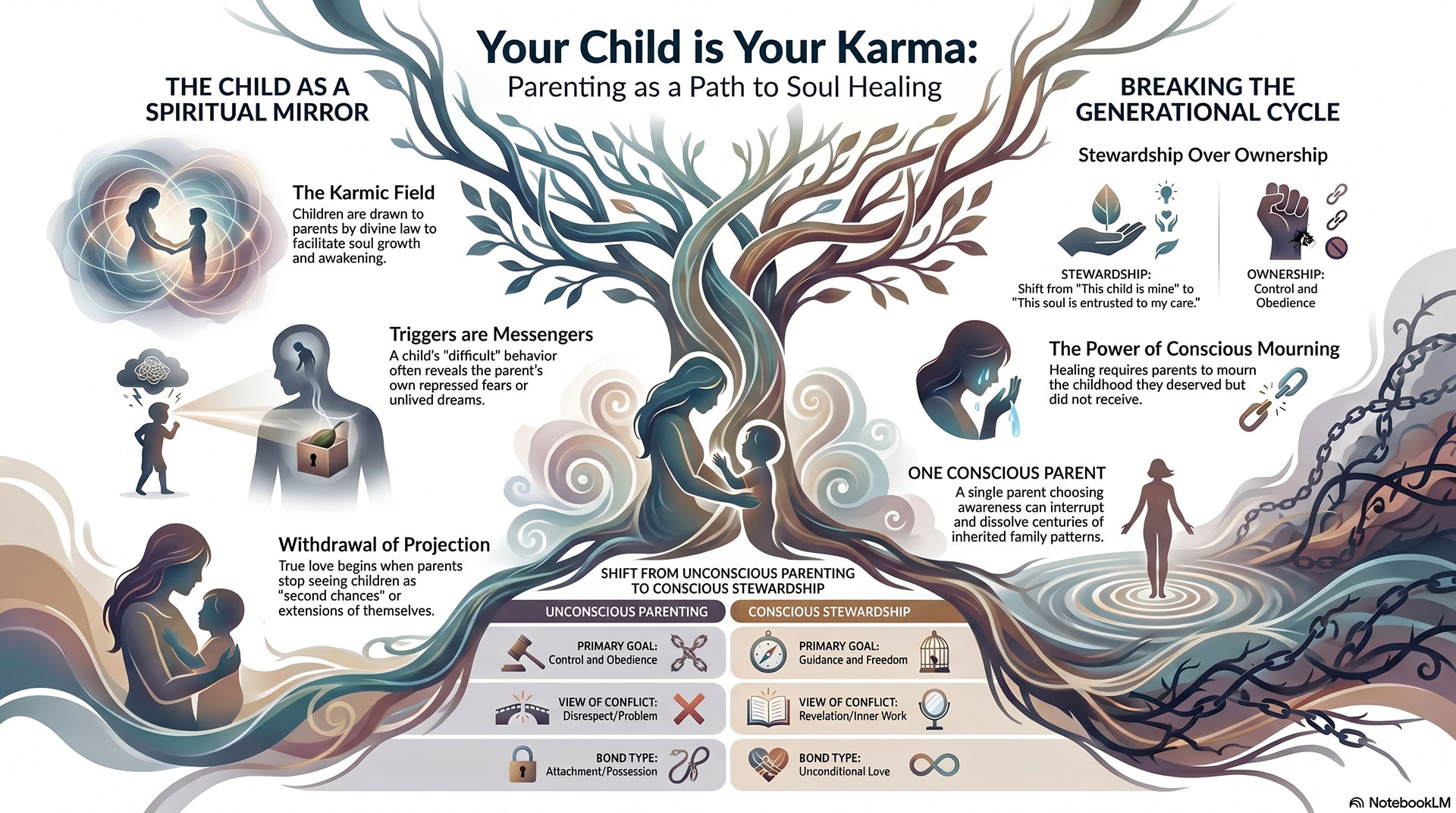
The greatest mistake in parenting is attachment without wisdom.
Attachment says:
“This child is mine.”
Divine love says:
“This soul has been entrusted to me for a little while.”
When parents try to possess the child, suffering grows. Fear grows. Control grows. The child feels burdened by expectations and emotional debts never meant to be carried.
But when parents learn calmness, self-control, prayer, humility, and unconditional love, the child feels something rare:
Freedom with guidance.
Discipline with tenderness.
Protection without imprisonment.
Every child carries karma, yes.
Every parent carries karma also.
But karma is not fixed fate. Love, awareness, and spiritual effort can transform the future of a family line.
A conscious parent may stop generations of anger.
A conscious parent may heal generations of silence.
A conscious parent may teach a child something many adults never learned:
That love does not need fear in order to remain strong.
Raise the child with wisdom.
Correct without cruelty.
Guide without domination.
Love without attachment.
Then parenthood itself becomes a path back to God.
Short Bios:
Paramahansa Yogananda
Indian yogi and spiritual teacher who introduced millions in the West to meditation, karma, reincarnation, and the unity of all religions. Best known for Autobiography of a Yogi.
Carl Jung
Swiss psychiatrist whose work on the unconscious, archetypes, shadow, and individuation transformed modern psychology and deeply influenced spiritual thought.
Gabor Maté
Physician and author known for his work on trauma, addiction, attachment, and compassionate parenting, including In the Realm of Hungry Ghosts.
Kahlil Gibran
Poet and spiritual writer best known for The Prophet, including the famous passage “Your children are not your children.”
Alice Miller
Psychologist and author whose writings explored childhood trauma, emotional truth, and the hidden pain passed through families.
James Hillman
Psychologist and author known for his soul-centered approach to psychology and his influential ideas about destiny, imagination, and the “acorn theory” of human potential.
Leave a Reply