

What if Dolores Cannon offered a practical “minister reset” to the most influential Christian voices alive today?
Introduction by Dolores Cannon
I’m speaking to you as ministers, not as celebrities, not as brands, and not as representatives of a camp. I’m speaking to you as shepherds who carry people’s grief, confusion, anger, and private prayers in your hands every week. And I’m speaking to you in a time when fear is easy to sell and hard to resist, when truth gets bent for convenience, and when churches feel the pressure to perform instead of heal.
What I want to offer you is not a prophecy show. It’s a reset. Five conversations, five areas where ministers are being tested in 2026: whether Christ stays at the center, whether discernment becomes paranoia, whether repentance becomes repair, whether prayer becomes transformation, and whether the church can restore meaning to people who feel disposable and lonely. If you can hold steady in these five areas, you will do something rare. You will make the church feel safe to the wounded, honest to the doubting, and strong to the frightened.
This is not about winning arguments. It is about saving souls from numbness, cruelty, and despair, including our own.
(Note: This is an imaginary conversation, a creative exploration of an idea, and not a real speech or event.)
Topic 1: Christ Over Camps
The hall feels like a sanctuary and a listening room at once: soft amber light, plain wooden chairs in a circle, a pitcher of water on a small table, and a quiet stillness that makes even famous voices sound human. Krista Tippett sits with a notebook on her lap, not as a gatekeeper, but as a bridge. Around her are five leaders whose titles carry centuries, each one looking a little less armored than they do on camera. And in the center, somehow present without occupying a chair, is Dolores Cannon, calm and unmistakably direct, like a grandmother who has seen the backstage of reality and still chooses kindness.
Krista Tippett: Thank you all for being here. This is a conversation for ministers, pastors, priests, and anyone tasked with shepherding souls. Dolores, you’re coming to us from the spirit world. In your language, you call this a kind of remembering. So let’s begin with the first theme: Christ over camps. Here’s the first question.
How do ministers accidentally replace Jesus with a side, and how do we correct it without splitting the church?
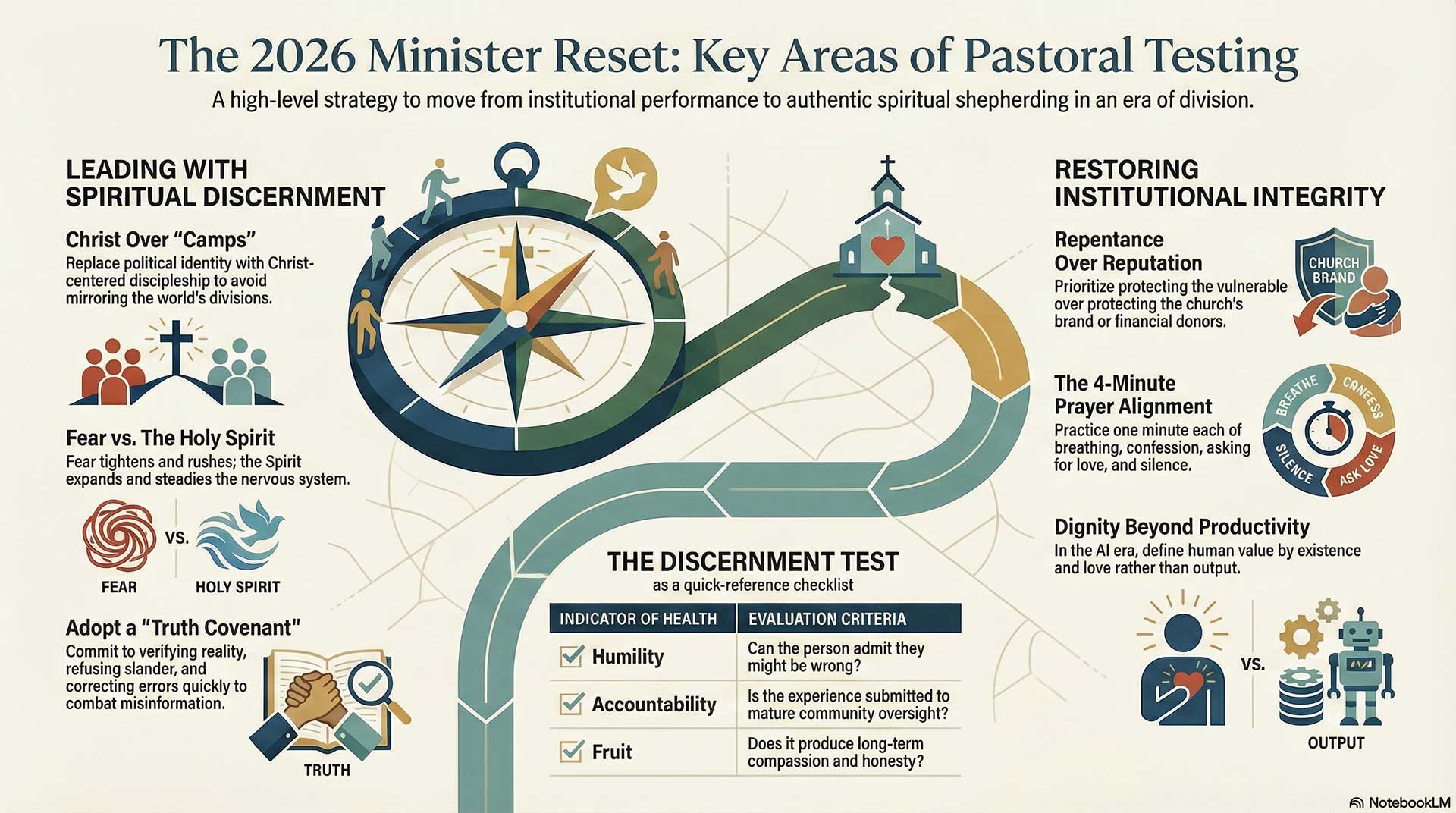
Dolores Cannon: Ministers don’t usually wake up and decide to replace Jesus. It happens in tiny trades. You trade silence for certainty, listening for labeling, prayer for performance, discipleship for applause. You start measuring faith by whether people agree with you instead of whether they’re becoming loving, brave, truthful, and free. Then the congregation becomes a mirror instead of a window. It reflects the world’s divisions back at itself and calls that “standing firm.”
If you want to correct it without splitting the church, you have to do something that feels risky: you make Jesus non-negotiable and everything else secondary. You say, very gently, I will not disciple you into a political identity. I will disciple you into Christ. And you model it by being harder on your own ego than you are on anybody else’s ideology. Ministers forget that the flock is not hungry for a winning side. They’re hungry for God.
Pope Leo XIV: In my tradition, we speak often of the temptation to make the Church a tool rather than a mother. A tool can be used to strike enemies. A mother gathers, teaches, corrects, and heals. When Christ is replaced with a “side,” we begin to justify contempt, and contempt is incompatible with the Gospel.
To correct it without breaking the community, the minister must return to formation. Not just information. Formation means prayer, confession, works of mercy, and disciplines that soften pride. It also means a public humility from leadership. When the shepherd repents of contempt, the flock learns to repent of contempt. The unity we seek is not sameness of opinion. It is communion rooted in Christ.
Ecumenical Patriarch Bartholomew I: The sickness begins when we confuse the Kingdom of God with the kingdoms of this world. In the early Church, faith was not a flag. It was a way. It was a life that had a fragrance.
I would tell ministers: stop feeding the appetite for enemies. In the spiritual life, the enemy is first within. The passions. The ego. The desire to be right. When the priest or pastor speaks as a partisan, even with holy language, the people begin to pray like partisans. And when prayer becomes partisan, the heart becomes hard.
Correction comes through returning to the liturgy of life: repentance, fasting, almsgiving, and the constant remembrance that every person you disagree with is an icon of God. You do not have to call darkness light. But you cannot treat a person as darkness.
Archbishop Sarah Mullally: I see ministers exhausted, trying to hold together communities in a time of intense sorting. One way we unintentionally replace Jesus with a side is by preaching as if the Gospel exists to validate the anxieties of our tribe. We preach to soothe our camp, not to transform hearts.
To correct it without splitting the church, we need pastoral language that dignifies complexity without sliding into mush. It’s possible to say: We are not going to dehumanize. We are not going to sneer. We are not going to assume motives. We will practice charity and truth together. And we have to create spaces where people speak as human beings rather than as labels. In a parish setting, that looks like small groups, shared service, and confessional honesty, where someone can admit, I’m scared, without being recruited.
Rev. Dr. Jerry Pillay: In global Christian communities, this is intensified by real suffering, poverty, war, and injustice. People feel the Gospel must take a side because their lives are on the line. So the minister’s challenge is not to become neutral. It is to become faithful.
The church is split when justice becomes a weapon, or when “unity” becomes avoidance. Ministers replace Jesus with a side when they preach their ideology as salvation. Correction requires returning to Jesus as Lord and the cross as the pattern. The cross refuses triumphalism. It also refuses cowardice. It insists on truth and sacrifice, not domination.
One practical path is to preach spiritual practices, not only opinions. Teach the congregation how to lament, how to listen, how to confess, how to reconcile. Then your people are being formed to live in tension without becoming cruel.
Rev. Samuel Rodriguez: I’m from a world where people often expect the pastor to be a general. To rally the troops. To name the enemy. And sometimes, ministers think that if we don’t speak loudly, we’re betraying truth. But loud isn’t the same as anointed.
We replace Jesus with a side when we make anger our energy source. When our sermons are fueled by outrage rather than the Holy Spirit. People can feel the difference even if they can’t articulate it. Correction begins when pastors preach the full Jesus: the Jesus who calls out hypocrisy and the Jesus who forgives the ones nailing Him up.
And I’ll say it plainly: we need courage to disappoint our own tribe. If your congregation only cheers you when you confirm them, you’re not leading. You’re echoing.
Dolores Cannon: Let me give ministers a takeaway that’s simple enough to do this week.
Stop preaching to the crowd you want. Start preaching to the soul in front of you.
When you stand up there, imagine the anxious woman who can’t sleep. The man who’s ashamed and hiding. The teenager who thinks God hates them. The older couple who don’t talk anymore except to argue. If your sermon is built to score points, those souls go hungry. If your sermon is built to feed them Christ, the “side” loses its power.
And one more thing: teach your people to recognize when they feel pleasure from contempt. That little rush of superiority. That is a spiritual addiction. Bring it into the light. Name it gently. Then replace it with compassion and courage.
Krista Tippett: I want to stay with that phrase, pleasure from contempt. Here’s the second question.
What practices can pastors use to lower fear and outrage in the congregation while still teaching conviction?
Dolores Cannon: Start by understanding that fear is contagious and so is calm. Ministers think the congregation’s temperature is their job to manage with words. But it’s managed with presence. If you are panicked, they will be panicked. If you are addicted to outrage, they will be addicted to outrage. If you are calm and courageous, they will learn calm and courage.
Practices. First: teach people to pause. Before they speak, before they post, before they judge. Call it holy restraint. Second: teach them to pray in a way that changes the body. Slow breath, honest confession, gratitude. Third: create rituals of mercy. Have them serve together across differences. Nothing dissolves tribal fantasy like feeding actual hungry people with someone you disagree with.
Conviction is not anger. Conviction is clarity plus love. If your conviction cannot survive without hostility, it’s not conviction. It’s insecurity.
Ecumenical Patriarch Bartholomew I: In the Orthodox tradition we speak of nepsis, watchfulness. Ministers can teach watchfulness in very practical forms. Before the believer receives a thought, they ask: does this thought increase love? Does it increase humility? Does it bring peace? Or does it inflame the passions?
We must also restore fasting, not as a relic, but as medicine. Fasting trains the soul to say no. A person who can say no to appetite can begin to say no to outrage. Add to this the Jesus Prayer, repeated with attention, and the heart learns stability.
Conviction is held in tenderness. The saints are not weak. They are strong in mercy.
Rev. Samuel Rodriguez: I love that. Holy restraint. In my world, people are used to intensity. So we have to disciple intensity. We tell people: zeal without wisdom burns the house down.
Practically, pastors can build a rule: we don’t share inflammatory content unless we’ve prayed first and verified it. I know that sounds basic, but it’s revolutionary right now. Also, preaching conviction means naming sin in ourselves before we name it out there. If we want to lower outrage, we must lower hypocrisy.
And we must teach reconciliation as a command, not as a suggestion. Not reconciliation that ignores truth, but reconciliation that refuses to make enemies into monsters.
Archbishop Sarah Mullally: I’d add that many congregations are frightened because they feel powerless. Outrage gives people the illusion of power. So ministers can give people real agency: small, embodied practices of community.
Make listening a discipline. Teach a shared covenant for conversation. Encourage people to meet across difference not for debate, but for story: When did you first feel afraid? What are you protecting? What do you love? When people touch each other’s humanity, outrage softens.
Conviction remains. But it’s expressed as a way of life: care for the vulnerable, honesty, fidelity, courage, mercy. Those are not soft values. They are muscular.
Rev. Dr. Jerry Pillay: In many regions, fear is not imagined. It is lived. But the Gospel still calls us away from hatred. Pastors can lower outrage by restoring the centrality of the cross: a God who enters suffering rather than escaping it, a God who refuses vengeance.
Practically, teach lament. Many congregations skip lament and go straight to blame. Lament allows pain to be spoken in God’s presence without creating a scapegoat. Also teach communal intercession that includes enemies. That is difficult. It is also transforming.
Conviction is strengthened, not weakened, by prayer for those we oppose.
Pope Leo XIV: I would emphasize confession and examination of conscience, even outside sacramental contexts. Ministers can guide people in a daily review: Where did I dehumanize? Where did I speak rashly? Where did I refuse charity? And then: Who will I repair with?
We lower outrage by restoring the habits of mercy: visiting, feeding, forgiving, being present. The Christian is not saved by correct enemies. The Christian is saved by Christ and shaped by love. When people live the works of mercy, they become less hungry for conflict.
Dolores Cannon: Minister takeaway for this question: if you want to reduce outrage, create a culture where people do repairs.
Make it normal to say: I was wrong. I spoke harshly. I assumed the worst. Please forgive me.
Most churches train people to confess sins to God privately, but not to each other publicly. Yet the social sins tearing congregations apart are relational. So create a practice of repair. Teach it. Model it. Celebrate it when it happens.
And if you want a single sermon exercise: ask your people to bless someone they dislike every day for seven days. Not with fake sweetness. With honest prayer. Watch what happens. Fear doesn’t like blessing. Outrage can’t feed on it.
Krista Tippett: That’s concrete. Bless someone they dislike for seven days. Here’s the third question.
How do we shepherd people who confuse political loyalty with spiritual maturity?
Dolores Cannon: You shepherd them like you shepherd any idol. Not by shaming, but by exposing what it costs them. Idols promise safety and belonging. They deliver anxiety and division.
So you help them see: When you make political loyalty your righteousness, you become unable to love. You lose curiosity. You stop listening. You start lying to protect your side. And the soul shrinks. That’s the cost.
Then you offer a better belonging: identity in Christ. But it has to be felt, not just stated. The church must become a place where people are held even when they are not performing loyalty to a tribe.
Rev. Dr. Jerry Pillay: In the ecumenical movement we have long wrestled with nationalism and ideology. When loyalty becomes maturity, the church becomes a chaplain to power. The antidote is discipleship that is visibly cross-shaped: sacrifice, humility, solidarity with the suffering.
Shepherding means teaching the difference between the Kingdom and the nation, between the Gospel and propaganda. Also it means listening. Many people cling to political identity because they are afraid. We must address fear with truth and care, not with mockery.
Pope Leo XIV: An idol always asks for sacrifices. It asks the sacrifice of truth, the sacrifice of charity, the sacrifice of peace. Ministers can ask gentle questions from the pulpit and in pastoral care: Does your allegiance make you more like Jesus? Or less? Does it increase compassion? Or contempt?
We can also teach a spiritual practice: pray for the good of those you fear. This is not capitulation. It is obedience. When people practice this, their political identity is no longer their savior.
Archbishop Sarah Mullally: I’d name the pastoral reality: some people are deeply attached to political identity because it gives them a story where they are the hero and the other side is the villain. It simplifies the world.
Pastors can offer a richer story. The Christian story is not hero versus villain. It’s sin and grace. It’s death and resurrection. It makes room for complexity. That story produces maturity.
Practically, create pathways for mixed community: shared meals, shared service, shared prayer. When people form real relationships across difference, their political loyalty stops being their spiritual badge.
Rev. Samuel Rodriguez: In the evangelical space, we’ve got to admit we sometimes trained people to treat politics like discipleship. Like voting is sanctification. That’s dangerous.
Shepherding starts with preaching lordship clearly: Jesus is Lord. No party is. No candidate is. And we have to teach what maturity actually looks like. It looks like the fruit of the Spirit. It looks like reconciliation. It looks like generosity. It looks like self-control.
I also tell leaders: don’t mock your people. Don’t humiliate them. If you want them to loosen their grip on a tribe, you have to provide them a community where they won’t be abandoned.
Ecumenical Patriarch Bartholomew I: We speak of metanoia, a turning. A person cannot turn if they are pushed off the cliff by shame. So ministers must invite, not crush.
Teach them to recognize the passions: anger, pride, fear. Teach them to confess these, not excuse them as righteousness. When the heart is purified, political identity returns to its proper place, which is lower than love.
Dolores Cannon: Minister takeaway: treat political loyalty as a discipleship issue, not an intelligence issue.
Don’t argue people out of it. Disciple them out of it.
Give them practices that replace their addiction to certainty with a devotion to Christ: silence, confession, repair, blessing enemies, serving the poor, and listening to someone they disagree with without preparing a rebuttal.
And remember, ministers: your congregation is watching what you worship. If you worship being right, they will worship being right. If you worship Jesus, slowly, they will learn Jesus again.
Krista Tippett: That feels like a place to pause. Not to end, but to let it land. In the next session, we’ll move from camps to fear itself and how discernment becomes paranoia. For now, I want each of you to hold one sentence you want ministers to repeat to themselves before they preach this Sunday.
The room stays quiet for a beat, like everyone can feel the weight of what was just said: not as theory, but as a pastoral responsibility.
Topic 2: Fear, Discernment, and the Nervous System

The circle gathers again, same quiet room, same soft amber light. But the feeling is different tonight. In Topic 1, everyone kept reaching for the center. In Topic 2, the air itself feels charged, like the room is aware of how easily fear can masquerade as faith.
A small bell chimes once. Krista Tippett looks up from her notebook. Across from her sit five leaders from different streams of Christianity, each carrying a different vocabulary for the unseen. And in the middle, calm as ever, Dolores Cannon is present like a steady frequency. Not forcing a worldview. Not trying to convert anyone. Just trying to teach ministers how to shepherd souls without turning them into frightened animals.
Krista Tippett: We’re moving into fear, discernment, and what it means to stay spiritually awake without becoming paranoid. Here is the first question.
How can ministers help people tell the difference between the Holy Spirit and an activated fear-response?
Dolores Cannon: Ministers, this is the first test. Fear tightens. The Spirit expands. Fear rushes. The Spirit steadies. Fear needs an enemy right now. The Spirit can wait long enough to tell the truth without hate.
Most people do not realize how physical fear is. Their body gets flooded, and then their mind goes looking for a story to justify that flood. That is how rumors become revelations. That is how anxiety becomes prophecy. If you want to help your people, you must teach them to ask a simple question before they declare something spiritual: Does this bring clarity, humility, and love? Or does it bring urgency, superiority, and contempt?
And one more thing: the Holy Spirit will never need your panic to do God’s work.
Nicky Gumbel: In pastoral life, I see people confusing intensity with holiness. They will say, I felt something strongly, therefore it must be God. But as Dolores says, the Spirit has a certain quality. A peace even when the message is challenging.
Practically, we train people to pause and pray, and to submit impressions to wise community. We discourage the habit of declaring, God told me, when what they mean is, I feel strongly. The Holy Spirit can convict. But fear often performs. Fear wants to be seen as courageous while it is actually frantic.
Ministers can create a culture where it is safe to say, I’m scared, without dressing it up as revelation.
Pope Tawadros II: In the desert tradition, we learned that many voices speak within a person. Some are from God, some from the passions, some from the enemy, some from wounds. Discernment is patience.
Fear speaks quickly. It demands immediate action. It presents itself as necessary and righteous. The Holy Spirit can also urge, but He does not destroy the heart. He does not make you hate.
For pastors, the medicine is to teach stillness and confession. When a person learns to sit before God without panic, they become less easily manipulated by inner storms. Also we teach obedience to the commandments of love. If a spiritual impulse violates love, it is not from God.
Bishop Robert Barron: A helpful distinction is that fear tends to collapse the horizon. It makes the world small, and it makes God small. It is an inward turning that becomes a fortress.
The Holy Spirit, by contrast, draws us outward toward truth, toward the neighbor, toward sacrificial love. Even when the Spirit convicts, the soul is being opened, not sealed shut. I would tell ministers to teach their people a kind of spiritual diagnostics: Do you become more generous or more stingy? More compassionate or more cruel? More truthful or more willing to lie for “our side”?
And I would add this: the Holy Spirit does not flatter the ego. Fear often does. Fear says, you are the special one who sees what others cannot. The Spirit says, be humble, be faithful.
N. T. Wright: I want to anchor this in the New Testament. When Paul speaks of the Spirit, he is not describing an emotional surge. He is describing the life of the new creation breaking into the present. That produces courage, yes, but not hysteria.
Fear-response is often about self-protection. The Spirit is about self-giving. Ministers can help people by reconnecting spiritual language to the character of God revealed in Jesus. The Spirit conforms us to Christ. So ask: does this impulse make you more like Jesus, especially in how you treat people you dislike?
If it makes you more cruel, it is not Christ-shaped. It is fear-shaped.
Dolores Cannon: Minister takeaway for this question: teach your people to delay their certainty.
Give them a rule: When you feel spiritually urgent, slow down. Pray. Breathe. Ask God for love, not for adrenaline. Then consult someone mature who will not praise your fear as courage.
If you build a church where calm is respected more than intensity, you will save people. And you will save yourself.
Krista Tippett: That phrase, delay your certainty, feels important. Here is the second question.
What does discernment look like when misinformation spreads inside Christian communities?
Dolores Cannon: Discernment looks like humility with a spine. It means you refuse to be used. Fear-based systems need you to repeat things before you verify them. They need you to feel righteous while you spread confusion.
Ministers must become guardians of reality without becoming scolding schoolteachers. Teach people: truth is not optional because it is inconvenient. Lies do not become holy because they help your cause. If your people learn to justify falsehood for “the kingdom,” they will eventually justify cruelty for “the kingdom.” It always escalates.
So discernment includes verification. It includes admitting, I was wrong. It includes refusing to demonize those who ask for evidence.
Bishop Robert Barron: The tradition has always insisted that faith and reason belong together. When Christians embrace misinformation, it’s often because the story gives them a sense of control. But the cost is devastating.
Pastors can set a moral standard: do not bear false witness. That is not merely about courtroom testimony. It is about how we speak in public. Teach your community to honor credible sources, to check claims, to avoid inflammatory content, and to resist the dopamine of outrage.
And ministers should model it from the pulpit. If you misstate something, correct it publicly. That act teaches your people that truth matters more than ego.
N. T. Wright: There’s also a deeper issue. Many Christians in the modern West have been trained to treat faith as a set of opinions to defend rather than a way of life to inhabit. When faith becomes defensive, misinformation becomes tempting because it supplies ammunition.
Discernment looks like wisdom, and wisdom is communal and patient. Ministers can cultivate habits of slow thinking: read scripture in context, engage in serious teaching, invite questions, and create environments where people can say, I don’t know, without shame.
A church that cannot tolerate uncertainty will become addicted to conspiracy, because conspiracy feels like certainty.
Pope Tawadros II: In the spiritual life, lies are not only false statements. Lies are also false images of others. Many people live with imagined enemies.
The pastor’s role is to bring people back to repentance. If someone spreads misinformation, we do not only correct facts. We ask: what fear made you need this story? What wound made you hungry for it? Then we apply the medicine: prayer, humility, confession, and reconciliation.
We must also teach that truth is a form of worship. To honor truth is to honor God.
Nicky Gumbel: I agree, and I’ll make it very practical for ministers. Create simple community norms. We do not forward sensational claims without checking. We do not mock people who ask for evidence. We do not label disagreement as demonic.
And we preach a Jesus who is the Truth, not the thrill. People are often chasing stimulation, not sanctification. When the church becomes a place of warmth, belonging, and genuine spiritual encounter, the need for sensational misinformation decreases.
Dolores Cannon: Minister takeaway: give your church a truth covenant.
Not a political statement. A spiritual one.
Something like: We will not exaggerate. We will not slander. We will not spread rumors. We will correct ourselves quickly. We will not sacrifice honesty for victory.
Then you enforce it gently but consistently. That’s discipleship. And when people fail, you lead them through repair, not humiliation.
Krista Tippett: Here is the third question, and I want it to touch the real ministry challenge.
How do we preach about evil, spiritual warfare, or end-times themes without producing anxiety addictions?
Dolores Cannon: Ministers, be careful. Fear is a drug. Some believers have learned to feel alive only when they are terrified. They call it being awake. But it’s a loop. A constant hunt for signs, enemies, and threats.
If you preach about darkness, you must also preach about authority, peace, and love. Otherwise you are training people to stare at the storm and forget the lighthouse.
And never forget this: if your teaching makes people less compassionate, it is not spiritual maturity. It is a nervous system problem dressed as theology.
Pope Tawadros II: In the ancient church, we speak of vigilance without obsession. Yes, there is evil. Yes, there is spiritual struggle. But the center is Christ’s victory, not our fear.
If ministers preach the enemy more than they preach Christ, the people will become fascinated with darkness. Instead, teach them the weapons that are truly Christian: humility, prayer, fasting, forgiveness, and mercy. These are not weak. They are terrifying to evil.
Also, teach the people to focus on repentance. The end of the world is not our entertainment. It is a call to holiness.
Nicky Gumbel: I see anxiety addictions often fueled by online content. People are being discipled by algorithms. Ministers can counter this by returning to scripture and to the presence of God.
We can preach hope with substance. Not denial. Not naive positivity. But hope rooted in the resurrection. We remind people: the story ends with renewal, with God making all things new. When that is the horizon, people don’t need to chase panic to feel spiritual.
And pastors can encourage practical boundaries: time off social media, more prayer, more community, more service.
N. T. Wright: The phrase “end times” is often used in ways that distort scripture and generate fear. The early Christians lived with the reality that Jesus is already Lord, and that the world is being claimed for God’s future. That creates a posture of faithful work, not frantic prediction.
Ministers can teach eschatology as responsibility: since God will renew the world, we are called to live now as people of that renewal. Justice, beauty, reconciliation, holiness. That is the Christian response, not obsession.
If a teaching produces constant alarm, it is likely not aligned with the New Testament’s aim, which is steadfastness and hope.
Bishop Robert Barron: There is a real spiritual battle, but we must speak of it with theological discipline. The danger is that people externalize evil and excuse their own sin. They say, the enemy is out there, and then they indulge rage and pride.
A minister can preach about evil in a way that returns responsibility to the heart. The devil is not a convenient explanation for our lack of charity. The mark of spiritual maturity is not fear. It is virtue.
So preach about evil, yes, but within the larger story of grace. The saints are not anxious addicts. They are radiant, steady, and brave.
Dolores Cannon: Minister takeaway for this question: make hope a practice, not a slogan.
Teach your people to do three things when they feel end-times fear rising: breathe, pray for love, and serve someone in need. Fear wants them isolated and scrolling. The Spirit wants them grounded and serving.
And ministers, watch your own appetite. If you feel energized by panic in your preaching, that is a sign to return to silence and humility. You are not called to be a warning siren. You are called to be a shepherd.
Krista Tippett: That’s where we’ll pause. Not because the topic is finished, but because it’s heavy and it’s tender. We’ve named fear as physical, truth as worship, and hope as something you practice with your hands.
Next, we move into repentance that repairs, where the minister’s credibility is not defended with words but rebuilt with cost and care.
Topic 3: Repentance That Repairs

The room feels quieter than before. Not calmer, just quieter, like everyone knows this topic can’t be handled with cleverness. The chairs are the same. The warm light is the same. But tonight, the air carries the weight of what churches have done, what they have failed to do, and what ministers still have to face if the Gospel is going to sound believable again.
Krista Tippett waits a beat, letting the silence do its work. Dolores Cannon is present in that steady, unmistakable way, like a witness who is not impressed by titles but still honors sincerity. Around the circle sit five leaders who have all seen the cost of power handled badly.
Krista Tippett: Topic 3 is repentance that repairs. Not reputation management. Not a statement. Repair. Here is the first question.
What does institutional repentance look like in a church culture that rewards reputation protection?
Dolores Cannon: Institutional repentance begins when you stop treating the church as a brand. The brand wants to look pure. The Gospel wants to become pure. Those are not the same thing.
Reputation protection says, keep it quiet, keep it moving, keep donors calm. Repentance says, bring it into the light, name the harm, pay the cost, and change the system that made harm possible. If you want a test, ministers, here it is. Repentance is measured by what changes when nobody is watching and when it is inconvenient.
Real institutional repentance includes three things. First, truth telling that does not minimize. Second, authority handed away from the very structure that failed. Third, restitution, which means the institution absorbs pain instead of exporting it to victims.
Stephen Cottrell: That strikes the heart of it. We have sometimes acted as if admitting wrong would harm the mission. But when we hide wrong, we harm the mission far more.
Institutional repentance means independent investigation, transparency, and a willingness to accept consequences. It also means leaders learning to say, we were wrong, without qualifiers that quietly shift blame. It is not enough to say we regret. We must say what we did and what we will do differently.
And it means changing how we form clergy. If we train leaders to be impressive but not accountable, we will continue repeating the pattern.
Presiding Bishop Sean W. Rowe: I think about systems. Churches often respond to crisis with a press release because that’s the muscle they have built. But victims don’t need a better press release. They need safety and repair.
Institutional repentance looks like creating structures where reporting is safe, where there are real consequences, and where leaders do not protect leaders. It looks like taking power away from those who can conceal it. It looks like funding survivor care as a first priority, not an afterthought.
And it looks like telling the truth even when it costs you members, money, or prestige. If repentance does not cost you something, it’s probably not repentance.
Rev. Jihyun Oh: In the Reformed tradition, repentance is a turning, not a feeling. Institutions are very good at feelings because feelings are cheap. Turning is expensive.
Institutional repentance means we revise policies, we create oversight, we train leaders to recognize harm, and we center the voices of those who have historically been silenced. It also means that we stop rewarding charisma without character. Some of our structures have quietly trained people to confuse giftedness with trustworthiness.
If we say we are the body of Christ, then the injured parts must be treated as indispensable, not as liabilities.
Patriarch Theophilos III: In the life of the Church, repentance begins with humility before God and before the people. The priest and the shepherd are not above the flock. They are accountable to God and they are accountable to the community.
Institutional repentance must be spiritual and practical. Spiritual means deep prayer and confession, not for performance, but for cleansing. Practical means justice. When the weak are harmed, the Church must become their refuge, not their courtroom.
There must also be a change of culture. If the culture says, protect the institution at all costs, then the institution has become an idol.
Clint Pressley: In many of our churches, we’re learning this the hard way. There’s been a temptation to handle sin quietly as if quiet equals wise. But quiet can become complicity.
Institutional repentance looks like the church saying, we will not cover. We will not excuse. We will not move people around. We will report wrongdoing. We will cooperate with investigations. We will put safeguards in place even if it’s uncomfortable.
And it means pastors being honest about our own blind spots. If leaders can’t admit weakness, they’ll never admit wrongdoing. Humility is not optional if we want credibility again.
Dolores Cannon: Minister takeaway for this question: stop asking, How do we protect the church? Start asking, How do we protect the vulnerable?
If your default instinct is to protect the institution first, you are already off course. The church is not a fragile vase. It is supposed to be a healing house. And healing houses do not hide infection. They treat it.
Krista Tippett: That reframes everything. Here is the second question.
How should ministers respond when victims don’t feel safe, even if leaders said sorry?
Dolores Cannon: An apology is not safety. Many leaders treat sorry as a finish line. Victims experience sorry as the start of a long test.
If someone doesn’t feel safe, believe the body. Safety is not an argument you win. It’s a condition you build. Ministers must stop demanding trust and start earning it. And earning it looks like boundaries, transparency, independent oversight, and consistent behavior over time.
Also, ministers, do not ask victims to carry the emotional burden of your redemption story. They are not props in the leader’s comeback.
Rev. Jihyun Oh: This is where pastoral care becomes concrete. We start by listening without defensiveness. We stop centering the institution’s pain about being criticized. We center the person’s pain about being harmed.
Then we offer choices. Trauma often involves loss of control. So a victim-centered response gives control back: you choose the advocate, you choose the pace, you choose what you want shared, you choose what you need to feel safe.
And we make clear commitments. Safety requires policies, yes, but also people who will enforce them even when it is costly.
Clint Pressley: I’ve learned that sometimes leaders say sorry but still want the victim to make it easier for them. Like, can we move on now? That’s not repentance, that’s impatience.
Pastors should communicate clearly: we will prioritize your safety over our comfort. We will not pressure you to reconcile. We will not use scripture as a weapon to rush healing. Forgiveness is sacred, but it cannot be demanded on a timetable.
And if the church is not equipped, we bring in outside help. We don’t pretend we can pastor trauma with good intentions alone.
Presiding Bishop Sean W. Rowe: Institutions often respond to distrust by explaining more. But victims don’t need more explanation. They need visible safeguards and consistent action.
So ministers should create independent reporting channels. Ensure no conflicts of interest. Provide professional trauma-informed care. Communicate clearly about consequences. And keep showing up. It’s not one meeting. It’s a pattern.
Also, be honest about what you cannot promise. Do not overpromise to look compassionate. Promise what you can deliver, then deliver it.
Stephen Cottrell: I’d add that clergy often struggle with shame, and shame makes people defensive. If leaders are defensive, victims will never feel safe. Ministers need formation that helps them tolerate criticism without collapsing or retaliating.
And when a leader has harmed someone, the burden is on the leader and the institution to step back from power. Sometimes the most loving thing for the leader’s own soul is to accept consequences. Without consequences, the apology becomes hollow and the community learns that power is untouchable.
Patriarch Theophilos III: The Church must become a place where the wounded meet Christ. That means the shepherd must be gentle, patient, and just.
When someone does not feel safe, we must not argue. We must serve. We must accompany. We must protect. The Church must demonstrate, not declare, that she is trustworthy.
Dolores Cannon: Minister takeaway for this question: build safety with receipts.
Not metaphorical receipts. Real ones. Policies that protect, systems that report, consequences that happen, care that is funded, and leaders who step aside when necessary.
Your people will not be convinced by theology alone. They will be convinced by what you do when it costs you.
Krista Tippett: Here is the third question, and it’s about the future of ministry.
What are the non-negotiables for power, money, and boundaries in ministry in 2026?
Dolores Cannon: Non-negotiable one: no unaccountable power. Every leader must be overseen by structures that are not their friends and not their employees.
Non-negotiable two: money must be clean. Transparent budgets, external audits when needed, and no lifestyle secrecy that turns the church into a personal engine.
Non-negotiable three: boundaries are sacred. Not because you distrust ministers, but because you respect human weakness. Clear rules about counseling, private meetings, travel, secrecy, and how intimacy is handled.
And non-negotiable four: truth above the team. No lying for God. No protecting predators for the mission. No spiritual language used to silence dissent.
Stephen Cottrell: I agree. I would also say that formation must include learning to handle power as service, not entitlement. Clergy are not celebrities. They are servants.
We need structures that prevent isolation. Many failures happen when leaders become lonely, insulated, and convinced they are the exception. Healthy boundaries require community, supervision, and spiritual direction.
Clint Pressley: In my context, we have to get serious about governance. Churches that are independent still need accountability. Clear policies. Clear reporting. Clear consequences.
Also, pastors need boundaries in preaching too. We should not use the pulpit to settle personal scores or to manipulate people emotionally. That’s power misuse even if it looks spiritual.
Rev. Jihyun Oh: I’ll add a non-negotiable around inclusion of voices. If decision-making tables are composed only of those who benefit from the current system, the system won’t change.
We need women, lay leaders, younger leaders, and people with professional expertise to help govern wisely. And we need training that includes trauma awareness, conflict ethics, and the spiritual discipline of relinquishing control.
Presiding Bishop Sean W. Rowe: For 2026, I’d name digital power too. Ministers can harm people through platforms and online influence. Boundaries now include how we speak publicly, how we handle confidential stories, and how we resist using outrage as a growth strategy.
Non-negotiable: we do not build the church through manipulation. Not through fear. Not through secret-keeping. Not through image management. The Gospel does not need those tools.
Patriarch Theophilos III: I will say it simply. The shepherd must fear God more than he fears losing status. When a leader fears God, he becomes gentle and honest. When he fears status, he becomes controlling.
So our boundaries and accountability are not against ministry. They are for ministry. They protect the priest. They protect the people. They protect the witness of Christ.
Dolores Cannon: Minister takeaway for this question: if your system depends on one person being untouchable, your system is already dangerous.
Make your ministry survivable without you. Make your church honest without you. Make your people safe even if you fall.
That is not cynicism. That is humility. And humility is the beginning of credibility.
Krista Tippett: There’s a particular kind of silence that follows truth when it’s not theatrical. It’s just clean. That’s what I feel now.
Next, we’re going to move into prayer as alignment, not performance, and what spiritual maturity looks like when no one is clapping.
Topic 4: Prayer as Alignment, Not Performance
The circle gathers again. Same warm light, same plain chairs, same feeling that this isn’t a performance space. It’s a place where ministers can tell the truth without being punished for it.
Tonight’s theme feels quieter on paper, but it cuts deep in real life: prayer, spiritual gifts, and the difference between real alignment and religious theater.
Krista Tippett looks around the circle. Dolores Cannon is present in that steady way, like a calm frequency that makes everyone’s words land more honestly. Five leaders sit with her, each from a different lane of Christianity, each familiar with the temptation to turn prayer into something people watch instead of something that changes them.
Krista Tippett: Topic 4 is prayer as alignment, not performance. Here is the first question.
How do ministers teach prayer that actually changes people, not just comforts or performs?
Dolores Cannon: Ministers, most people were taught prayer as talk. They were not taught prayer as transformation. So they think prayer is successful when the words are beautiful or when the moment feels intense.
But prayer that changes you has a different signature. It makes you more honest. It makes you less defended. It moves you toward repair. It trains your mind to tell the truth and your body to stop living in panic.
If you want prayer to change people, teach them to pray like this: first, slow down. Second, confess what is real. Third, ask for love instead of control. And fourth, listen long enough that something deeper than their own thoughts can surface.
Comfort is not bad. But if prayer only comforts, it can become spiritual anesthesia. Real prayer wakes people up.
President Dallin H. Oaks: I appreciate that. In our tradition, prayer is both personal and practical. People often want prayer to remove discomfort, but the Lord frequently uses prayer to shape character.
Ministers can help by teaching that prayer includes commitment. It includes asking, What would Thou have me do, and then doing it. Prayer changes people when it leads to repentance, forgiveness, and service.
Also, prayer becomes real when it is consistent. Not only in crisis. A steady habit teaches humility and discipline. The fruit is not always a dramatic feeling. Often it is greater patience, greater charity, and greater clarity.
Francis Chan: I’ve seen a lot of prayer that is basically a spiritual speech. And I’ve done it. It’s easy to pray for people’s approval without realizing it.
If we want prayer that changes people, we have to teach them to be alone with God. No microphone. No crowd. No impression management. Because that’s where you find out if you actually believe God is there.
I also think we need to preach surrender again. Not as a phrase. As an action. When someone prays, God, search me, and then they actually reconcile with their spouse, confess dishonesty, stop the addiction, serve the poor, that’s prayer becoming real.
Sarah Jakes Roberts: I agree, and I want to name something ministers see up close. People are exhausted. They come to prayer like they are coming to a charging station. Which is understandable. But if prayer is only used to survive the week, it can become another tool in the hustle.
We can teach prayer as a homecoming. Like, come back to yourself with God. Name what you are carrying. Name what you are avoiding. Then ask for courage to live differently.
And ministers, we have to model it. If we always perform strength, people will perform strength too. If we model honesty and healing, prayer becomes permission for transformation.
Erton C. Köhler: In the Seventh-day Adventist tradition, we emphasize the practical life of devotion. Prayer is connected to scripture, to obedience, to Sabbath rest, and to health of mind and body.
Ministers can teach prayer that changes people by connecting it to a life pattern. Not a single moment. A life pattern that includes rest, reflection, and consistent choices. Prayer changes people when it is not separated from how we treat others.
Also, we must teach reverence. Not fear. Reverence. A sense that God is holy and near. That produces humility, and humility makes transformation possible.
Dr. Bōtrus Mansour: Across global evangelical communities, prayer is sometimes either reduced to ritual or inflated into spectacle. Both can miss the heart.
Ministers can teach prayer as relationship. Relationship includes listening. It includes silence. It includes letting God challenge us, not only comfort us. It includes prayers that widen our compassion beyond our own tribe and our own pain.
And we can help people see that unanswered prayer is not abandonment. Sometimes it is formation. Sometimes it is preparation. Prayer changes people when they keep trusting God through the silence and still choose love.
Dolores Cannon: Minister takeaway for this question: teach your people a four-minute prayer that they can actually repeat daily.
Minute one: slow breathing and honesty.
Minute two: confession, not shame, just truth.
Minute three: ask for love, not control.
Minute four: silence, listening, then one small obedient action.
When you make prayer simple enough to practice and real enough to change behavior, you stop raising prayer performers and start raising transformed people.
Krista Tippett: Here is the second question.
What is the healthiest way to guide spiritual experiences, visions, impressions, gifts, without ego, showmanship, or denial?
Dolores Cannon: Ministers, spiritual experiences are not the problem. The problem is what humans do with them.
Ego loves specialness. It loves being the one who sees. It loves authority without accountability. So the healthiest way to guide spiritual experiences is to keep them under three protections: humility, community, and fruit.
Humility means the person can say, I might be wrong. Community means they submit it to mature discernment rather than using it to control others. Fruit means the experience makes them more loving and more honest, not more superior.
Also, teach them that God does not need theatrics. If an experience demands applause, it may be feeding the wrong hunger.
Francis Chan: Yes. I believe in spiritual gifts. But I also believe they can be faked, exaggerated, or used to dominate.
I tell people, if you think God gave you something, it should make you more humble, not more dramatic. And it should make you more loving, not more controlling. If someone uses gifts to build a personal empire, that’s not the Spirit. That’s branding.
Ministers need courage to correct this. Not by mocking spiritual hunger, but by discipling it. Tell people, you can’t use “God told me” as a shortcut around accountability.
President Dallin H. Oaks: We counsel members to seek revelation in harmony with God’s commandments and within proper stewardship. That structure protects people from both deception and pride.
If someone claims a spiritual message that contradicts scripture or is used to manipulate, ministers should respond firmly and lovingly. The Lord’s Spirit invites. It does not coerce. It enlightens. It does not confuse.
Also, spiritual gifts must be anchored in service. The purpose is to bless others, not to elevate self.
Sarah Jakes Roberts: I want to speak to the emotional layer. Some people are chasing spiritual experience because they are hurting and they want relief. Others are chasing it because they want significance. Ministers have to be able to tell the difference.
Healthy guidance looks like creating safe space for encounter, but also creating guardrails. We can affirm that God speaks, while also teaching that trauma can speak, desire can speak, fear can speak. And the way you know the difference is what it produces over time.
If it produces peace, humility, and repair, good. If it produces chaos, pride, and isolation, we need to slow down.
Erton C. Köhler: In our churches, we emphasize testing everything by scripture and by the character of Christ. That does not deny spiritual experience. It orders it.
Ministers can teach that any impression must align with love, with truth, with humility, and with God’s revealed will. Also, spiritual experiences should not replace the ordinary disciplines: study, prayer, service, rest. The extraordinary without the ordinary becomes unstable.
And ministers should watch for the temptation to use fear-based spiritual language to control behavior. That is unhealthy and it damages faith.
Dr. Bōtrus Mansour: Globally, we see both extremes: communities that suppress spiritual gifts out of fear of disorder, and communities that celebrate experiences without discernment.
The healthiest approach is maturity. We can welcome spiritual experiences while insisting on accountability, pastoral oversight, and theological grounding. We can also normalize the phrase: I am still learning. That phrase alone reduces the danger of ego.
If someone receives an impression, ask: does this build up the community, or does it elevate the individual?
Dolores Cannon: Minister takeaway for this question: create a simple discernment checklist that every spiritual experience must pass.
Is it humble?
Is it loving?
Is it accountable?
Is it consistent with Christ?
Does it produce good fruit over time?
If you teach your church to value fruit more than flash, you will keep spiritual life alive without letting it become a stage.
Krista Tippett: Here is the third question, and it’s one pastors ask privately all the time.
What should ministers do when prayer becomes transactional, God do this or I’m out?
Dolores Cannon: Transactional prayer is a symptom of a deeper wound. People are not only bargaining. They are grieving. They are afraid. They feel powerless. They are trying to regain control with a deal.
Ministers should not scold them first. They should name the pain: you are scared. You are tired. You feel alone. Then guide them toward relationship: God is not a vending machine. God is a presence. A Father. A Shepherd. A friend who stays even when outcomes hurt.
Help them move from “fix my life” to “hold my life.” That shift is where faith matures.
Sarah Jakes Roberts: I’ve walked with people who are at the edge like that. Transactional prayer is often an exhausted person saying, I can’t take another blow.
Ministers can help by giving them permission to lament. Real lament is not a lack of faith. It is faith that refuses to lie. We can teach them to say, God, I am angry, God, I am broken, God, I don’t understand, and still stay in the relationship.
And we can help them by making sure the church is not only preaching at them, but holding them. Meals. Check-ins. Practical support. That changes the emotional environment where faith is trying to survive.
Francis Chan: Sometimes people treat prayer like a contract because they were sold a contract. They were told, do these steps, and you will get this outcome. Then life crushes them, and they feel betrayed.
So ministers need to preach God Himself, not just benefits. The goal is not an easier life. The goal is God. And yes, God heals and provides, but sometimes He also calls us to endure.
When someone says, I’m out, I try to bring them back to the person of Jesus. Look at Him. He suffered. He wept. He asked for the cup to pass. And He still trusted the Father. That gives people permission to struggle without quitting.
President Dallin H. Oaks: We teach that faith includes trusting God’s timing and wisdom. We also teach that hardship is part of mortality and part of learning.
For ministers, the counsel is to strengthen hope without offering guarantees. Encourage people to pray for strength, for guidance, and for peace. Encourage them to keep commandments and serve others, because service often softens despair.
And be careful with promises. A promise that cannot be guaranteed can become a seed of bitterness.
Erton C. Köhler: It helps to restore a view of God that is both loving and sovereign. People bargain when they feel God is distant or unpredictable.
We can teach people to pray in alignment with God’s will and to find rest in Him. Sabbath is a gift here. Rest changes the way people see God. It reduces the frantic bargaining.
Also, ministers can teach gratitude practices, not to minimize suffering, but to keep the heart open when pain tries to close it.
Dr. Bōtrus Mansour: In many persecuted or suffering communities, transactional prayer often collapses into despair because the pain is relentless. What sustains believers there is not a guarantee of outcomes, but the nearness of God and the solidarity of the body of Christ.
Ministers can guide people to pray honestly and to stay connected. Isolation makes bargaining worse. Community makes endurance possible.
Dolores Cannon: Minister takeaway for this question: when someone is bargaining with God, do not debate them. Shepherd them.
Give them permission to lament. Teach them to ask for presence instead of control. Surround them with practical love. And remind them that faith is not proved by perfect emotions. It is proved by staying in relationship with God even while you are trembling.
Krista Tippett: That’s a strong place to pause. We’ve talked about prayer that changes behavior, spiritual experiences that stay humble, and faith that survives disappointment without becoming a contract.
Next, we go into the next decade and the crisis of meaning. Not just morality. Meaning. And what ministers must become in a world where people are lonely, distracted, and desperate for something real.
Topic 5: The Next Decade and the Crisis of Meaning

The circle gathers for the fifth time. The tone is different again. Not heavier, not lighter. More urgent in a quiet way. Outside the room, the world is louder than ever, faster than ever, and oddly lonelier. Inside the room, ministers are being asked to do something they were not trained for: shepherd meaning in an age that keeps dissolving it.
Krista Tippett sits with her notebook open. Dolores Cannon is present with that steady, no-nonsense gentleness. Around the circle sit five leaders who carry global Christianity in their hands, in their calendars, in the faces they have to answer to.
Krista Tippett: Topic 5 is the next decade and the crisis of meaning. Here is the first question.
If AI and automation reshape work and identity, how do ministers preach human dignity beyond productivity?
Dolores Cannon: Ministers, this is a deep spiritual test. Many people have built their identity on being useful, impressive, needed. If automation removes the old definition of usefulness, the soul panics. People will ask, If I am not producing, do I matter?
Your answer cannot be a slogan. It must be a new discipleship. Human dignity does not come from output. It comes from being loved by God and being made in God’s image. If your congregation cannot feel that as real, they will chase status through new forms of comparison, even spiritual ones.
Teach your people this clearly: you are not valuable because you are efficient. You are valuable because you exist and you can love. In the next decade, love will be the rarest skill and the most divine one.
Dr. Michael Oh: In global mission, we have always said people are not projects. But we sometimes behave as if they are. This moment forces a correction.
Ministers must preach the imago Dei with practical implications. If a person loses a job to automation, the church must not only comfort them. The church must reweave belonging, purpose, and community. Vocation is bigger than occupation. We can teach that every believer has a calling to love God and neighbor, to serve, to create, to heal, to reconcile. Those remain even when the labor market shifts.
Also, we must disciple discernment. AI will amplify persuasion. People will be manipulated. The church must train people to be rooted enough that they cannot be bought with digital illusions.
Archbishop Henry C. Ndukuba: In many places, people already struggle for daily bread. Automation will bring new pressures, and it may widen inequality. Ministers must preach dignity in a way that reaches the poor and the unemployed, not only the educated.
The church should teach that work is honorable, but it is not salvation. Christ is salvation. When people lose work, they must not lose identity. The church must become family. Provide training, support, counseling, and practical help, but also spiritual anchoring.
If technology makes people feel disposable, the church must prove the opposite by how we treat them.
Archbishop Stephen Kaziimba Mugalu: I see young people already battling discouragement. They ask, Will I ever matter? Will I ever build a life? If AI shifts the economy, that anxiety will intensify.
Ministers must preach hope with realism. Teach skills, yes. Encourage education, yes. But the deepest dignity is not a paycheck. It is character and community. A person who is loved, who is part of a people, who has a role in serving others, will not be destroyed by economic change.
Also, we must guard against idols. Technology can become a new god. Ministers must say, use tools, but do not worship them.
Bishop Debra Wallace-Padgett: In pastoral care, I hear the same ache: people feel they are only as good as their output. Automation may expose that lie. That can become a crisis or a liberation.
Ministers can preach dignity by emphasizing being rather than proving. Rest, Sabbath, and community are not luxuries. They are spiritual resistance. If AI increases speed, the church can become a place where slowness is holy and presence is practiced.
We can also reframe success as faithfulness. Who did you love today? Who did you forgive? Who did you help? Those measures do not disappear when jobs shift.
Touré Roberts: People want significance. If the economy changes, they will search for identity in all kinds of places. The church has to offer something deeper than hustle spirituality.
Ministers can teach that your value is not what you do, it is who you are in God. But we have to make that real in community. Give people opportunities to contribute beyond titles. Teach them to build inner life. Teach them to be anchored in God’s presence, not human applause.
And we should help people imagine new ways to serve. Creativity will matter. Compassion will matter. Leadership will matter. Not the kind that controls, but the kind that heals.
Dolores Cannon: Minister takeaway for this question: make dignity tangible.
Create a church culture where people are honored for faithfulness, not just for achievement. Build roles for those who are unemployed, retired, disabled, grieving, or rebuilding. Let them be seen. Let them matter.
If your church only celebrates the busy and successful, you will crush people in the coming decade. If your church celebrates love, presence, and service, you will stabilize souls.
Krista Tippett: Here is the second question.
How should churches respond to loneliness and meaning-collapse when people no longer trust institutions?
Dolores Cannon: Loneliness is not just a social issue. It is a spiritual emergency. People are surrounded by messages but starving for presence. They don’t trust institutions because institutions have often sounded like marketing instead of mercy.
The church’s response is not to polish the brand. It is to become a real home again. Small enough to be honest. Warm enough to be safe. Strong enough to hold suffering without explaining it away.
Meaning collapses when people feel unseen. So your ministry must be built around seeing people. Knowing names. Hearing stories. Making room for grief. Making room for questions. If your church cannot hold doubt, it will not hold the next generation.
Archbishop Stephen Kaziimba Mugalu: In many communities, the church is already the main place people gather. But even here, loneliness is growing because screens are replacing relationships.
We must return to fellowship that is practical. Visiting the sick. Supporting families. Helping young people find mentors. Creating groups where people are known and not judged. When people feel known, trust slowly returns.
We should also repent where needed. Trust is not demanded. It is earned.
Bishop Debra Wallace-Padgett: Loneliness often hides behind smiles. Ministers need to preach that isolation is not shameful. It is human. Then we build structures of connection that are consistent, not occasional.
I believe in simple practices. Shared meals. Listening circles. Service projects. Prayer partners. Pastoral check-ins. Churches can become places where people’s lives are woven together again.
And we must be honest about institutional failure. People can sense avoidance. A humble church is more trustworthy than a shiny one.
Dr. Michael Oh: Globally, many people distrust institutions because they feel used. They feel like targets or numbers. The church must become personal and relational again.
One powerful response is to build communities that are outward-facing. Loneliness decreases when people serve together. Meaning returns when people are part of something that heals others. Churches can help people move from consumer to contributor.
Also, we must take spiritual formation seriously. A person with a deep inner life is less vulnerable to the despair that comes from meaning-collapse.
Archbishop Henry C. Ndukuba: Loneliness is not only lack of people. It is lack of love. We must teach love as action.
The church responds by becoming family, not a weekly event. When people are in crisis, do we show up? When they have nothing to offer, do we still honor them? Trust is rebuilt through consistent compassion.
We must also teach forgiveness and reconciliation, because many people are lonely due to broken relationships. Ministers must not only preach reconciliation. They must train people in it.
Touré Roberts: People don’t trust institutions, but they still trust authenticity. Ministers have to lead with realness. Not oversharing, but honesty.
The church should be a place where someone can say, I’m not okay, and not be fixed or judged. They should be loved, listened to, and walked with.
Meaning comes back when people encounter God in a way that changes their inner life, and then they find a tribe that helps them live it out. That’s the mission now.
Dolores Cannon: Minister takeaway for this question: stop trying to be impressive. Be present.
Build smaller circles inside the larger church where people are known by name. Train lay leaders to notice and reach out. Make hospitality a ministry, not a personality trait.
And ministers, treat loneliness like you would treat a fire. Do not admire it. Do not debate it. Respond quickly with warmth, community, and love.
Krista Tippett: Here is the third question.
What does the Great Commission look like amid migration, climate pressure, and digital life?
Dolores Cannon: The Great Commission will look less like conquest and more like credibility. People will not be persuaded by arguments alone. They will be persuaded by communities that feel like Jesus.
Migration will bring the nations to your neighborhood. Climate pressure will increase displacement and stress. Digital life will reshape attention and identity. Ministers must teach faith that holds steady under pressure and compassion that crosses boundaries.
Evangelism in the next decade will not be loudness. It will be love with backbone.
Dr. Michael Oh: The Great Commission remains the same, but the pathways are changing. Migration means the world is at our doorstep. Churches must learn cultural humility and hospitality. This is not optional.
Digital life also means mission is happening online whether we like it or not. The church must enter that space with integrity, not manipulation. We must disciple believers to live as Christians on the internet, which includes truth-telling, kindness, and refusing dehumanization.
And climate pressure calls the church to care for creation and for those suffering most. That is not a distraction from mission. It is part of neighbor love.
Archbishop Henry C. Ndukuba: We must remember that the Gospel is good news for the whole person. When people migrate, they need community, language support, work opportunities, and spiritual care. The church can provide all of these.
The Great Commission includes compassion. It includes justice. It includes prayer. It includes preaching. We must not separate these.
Also, in a time of pressure, the church must model unity. If Christians are divided by tribe and status, our witness is weakened.
Archbishop Stephen Kaziimba Mugalu: In Africa and many regions, climate affects agriculture, livelihoods, and stability. This increases conflict and displacement. The church must be a peacemaker and a helper.
Ministers should teach that caring for people and caring for the land are connected. We preach Christ, but we also feed the hungry, shelter the displaced, and build peace. That is mission.
Digital life also affects young people. We must disciple them to use technology wisely and to keep their hearts clean.
Bishop Debra Wallace-Padgett: The Great Commission must include radical hospitality. Churches will encounter newcomers who bring different stories, languages, and wounds. We can respond with fear or with welcome.
And in digital life, attention is fractured. Ministers must become guardians of attention. Teach people to pray, to rest, to detach from constant scrolling, and to be fully present to God and neighbor.
Mission will be embodied again, or it will become noise. The church must be a community that people can see and touch.
Touré Roberts: In a world full of content, the church has to be a living encounter. People are tired of being sold to. They are hungry for something real.
The Great Commission will look like building communities of transformation. Where people meet God, heal, grow, and then carry that love into their neighborhoods. Where migrants are welcomed as family. Where the church is known for generosity, not hostility.
Digital life is not the enemy, but it can hollow the soul. Ministers have to teach people how to keep their inner life alive.
Dolores Cannon: Minister takeaway for this question: your witness will be measured by the emotional atmosphere of your community.
When a stranger walks in, do they feel safety or suspicion? Do they feel love or recruitment? Do they feel seen or evaluated?
In the next decade, the churches that thrive will be the ones that feel like Jesus. Not perfectly, but genuinely. Warm, truthful, humble, courageous.
Krista Tippett: That’s a clean ending for this five-part arc. Not a conclusion to the world, but a direction for ministers.
The room goes quiet again, not because there’s nothing left to say, but because everyone can feel the shift: the future of ministry is not louder arguments. It is deeper formation, braver love, and communities that can hold the human soul steady.
Final Thoughts by Dolores Cannon
Ministers, your people are not only listening to your sermons. They are listening to your nervous system. They can feel when you are calm, when you are afraid, when you are trying to be impressive, and when you are telling the truth. They can feel when your faith is alive, and they can feel when it has become a costume.
If you want to know what matters most in the coming decade, it’s this: do not let the church become a stage for certainty. Make it a home for transformation. Tell the truth even when it costs you. Protect the vulnerable even when it embarrasses you. Teach prayer that changes people’s behavior, not just their mood. Train discernment that loves evidence and refuses manipulation. And build community strong enough to hold the lonely, the unemployed, the immigrant, the doubter, and the person who is one more disappointment away from quitting on God.
You don’t need to be perfect. But you do need to be real. Because in 2026, reality is what people can’t find anywhere else. If the church becomes the place where reality and love live together, you will not have to chase relevance. You will become refuge.
Short Bios:
Dolores Cannon – American hypnotherapist and author best known for developing Quantum Healing Hypnosis Technique (QHHT). Her work focused on past-life regression, consciousness, and spiritual evolution, often blending therapeutic practice with metaphysical exploration.
Krista Tippett – Journalist and host of On Being, recognized for thoughtful conversations on faith, ethics, science, and meaning. Known for calm, respectful dialogue across differing worldviews.
Pope Francis – Head of the Roman Catholic Church noted for emphasis on humility, social justice, environmental stewardship, and pastoral compassion.
Ecumenical Patriarch Bartholomew I – Spiritual leader of the Eastern Orthodox Church, widely respected for interfaith dialogue and environmental advocacy.
Archbishop Justin Welby – Former Archbishop of Canterbury known for work on reconciliation, economic ethics, and modern church leadership.
Rev. Samuel Rodriguez – Evangelical pastor and public speaker recognized for multicultural outreach, civic engagement, and messages on unity and moral leadership.
Bishop T.D. Jakes – Megachurch pastor, author, and filmmaker known for motivational preaching and community empowerment initiatives.
Sister Simone Campbell – Catholic nun and social justice advocate focused on poverty relief, healthcare access, and ethical governance.
Rick Warren – Evangelical pastor and author of The Purpose Driven Life, emphasizing practical faith, church growth, and global humanitarian work.
N.T. Wright – Anglican theologian and New Testament scholar known for historical analysis of Christianity and accessible theological writing.
Joel Osteen – Pastor and author recognized for optimistic sermons centered on hope, personal growth, and encouragement.
Bishop Robert Barron – Catholic bishop and media evangelist known for intellectual apologetics and digital outreach through Word on Fire.
Tim Keller – Presbyterian pastor and author respected for integrating theology with modern cultural analysis and urban ministry.
Priscilla Shirer – Christian speaker and author focused on Bible teaching, women’s ministry, and spiritual discipline.
John Piper – Reformed theologian and pastor known for writings on Christian joy, doctrine, and scriptural authority.
Christine Caine – Evangelist and humanitarian leader recognized for anti-trafficking advocacy and motivational teaching.
Max Lucado – Christian author known for accessible devotional books emphasizing grace, encouragement, and practical spirituality.
Ravi Zacharias – Christian apologist and speaker known for philosophical defenses of faith and global lecture ministry.
Beth Moore – Bible teacher and author known for women’s ministry, scriptural study programs, and spiritual encouragement.
Andy Stanley – Pastor and communicator recognized for leadership teaching and contemporary church strategy.
Alister McGrath – Theologian and scientist known for integrating faith with academic scholarship and apologetics.
Francis Chan – Pastor and author known for messages on radical discipleship, humility, and simplicity in Christian living.
Joyce Meyer – Evangelist and author focused on practical life application, emotional healing, and spiritual growth.
Charles Stanley – Long-time pastor and broadcaster known for biblical teaching and steady, traditional ministry style.
Billy Graham – Evangelist whose global crusades and media presence made him one of the most influential Christian figures of the 20th century, emphasizing repentance, salvation, and unity.
Leave a Reply