
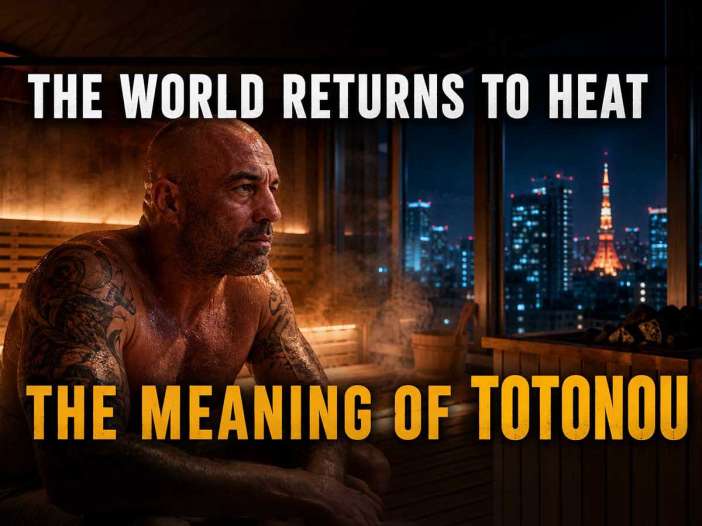
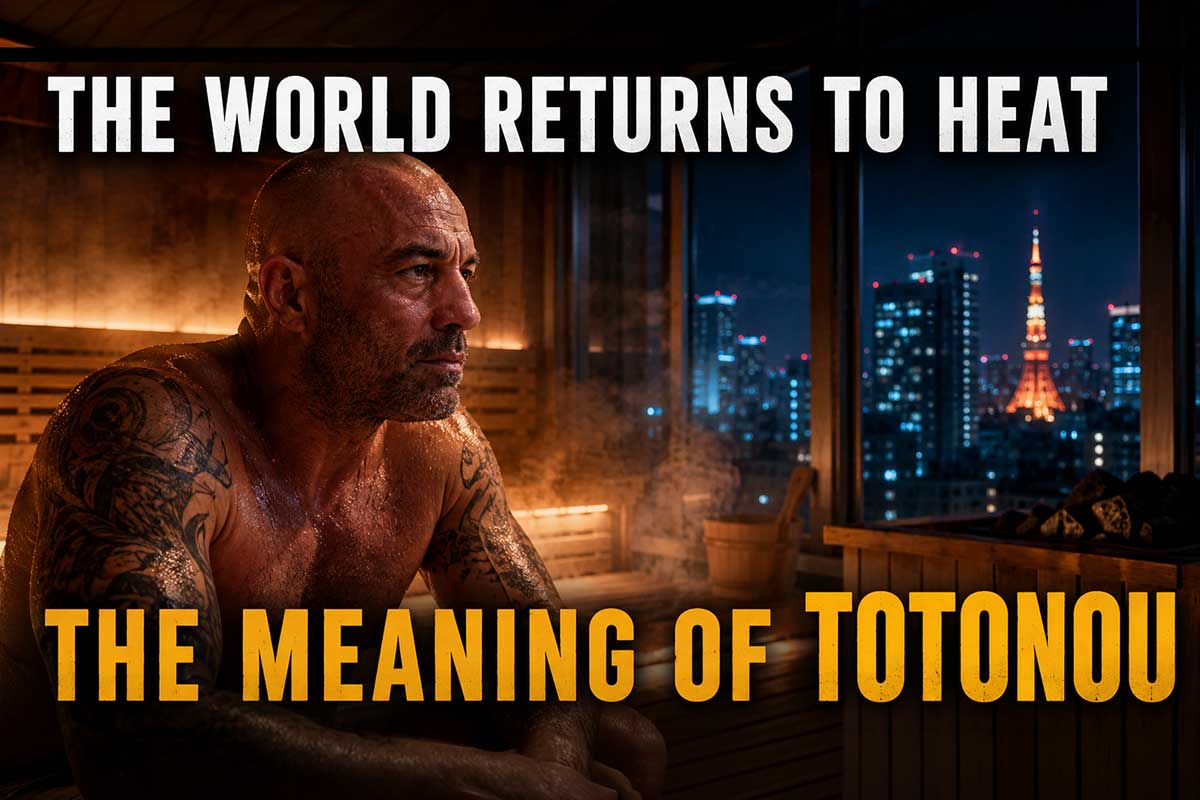
What if the Japanese idea of “totonou” explains why millions feel emotionally exhausted today?
Introduction — Nick Sasaki
There was a time when people thought saunas were old-fashioned.
Just hot rooms. Steam. Sweat. Silence.
But in the middle of the modern age — an age of anxiety, exhaustion, scrolling, loneliness, noise, and endless stimulation — people across the world began returning to heat again.
Athletes. Podcasters. Actors. Scientists. Ordinary workers. Burned-out students. Lonely men. Overwhelmed women.
They returned because something inside them was tired in a way sleep alone could not fix.
And then, from Japan, one word quietly entered the conversation:
Totonou.
A word difficult to translate.
A word that sounds less like achievement and more like alignment.
Not “winning.”
Not “hustling.”
Not “optimizing.”
Simply:
the body calming down,
the nervous system settling,
the mind becoming quiet enough to hear itself again.
What fascinated me most in these conversations was not the heat itself. It was the silence surrounding it.
In America, wellness often becomes loud. Competitive. Marketed. Measured.
But in Japan — and also in Finland — the sauna still carries traces of ritual.
Wash yourself.
Enter quietly.
Endure honestly.
Cool down.
Rest.
No applause.
No performance.
No audience.
Just recovery.
As Joe Rogan spoke about intensity, Wim Hof about surrender, Huberman about nervous-system regulation, and Lady Gaga about dropping the mask of performance, a deeper pattern slowly appeared:
Modern people are not only searching for comfort.
They are searching for return.
Return to the body.
Return to stillness.
Return to a slower rhythm of being human.
Perhaps that is why the sauna has survived across centuries.
Heat strips away distraction.
Cold strips away illusion.
Silence strips away performance.
And for a few minutes, the person sitting there is no longer a brand, a worker, an algorithm, or a role.
Just a breathing human being in a quiet room.
Maybe that is what totonou really means.
(Note: This is an imaginary conversation, a creative exploration of an idea, and not a real speech or event.)
Topic 1 — What Does “Totonou” Really Mean?
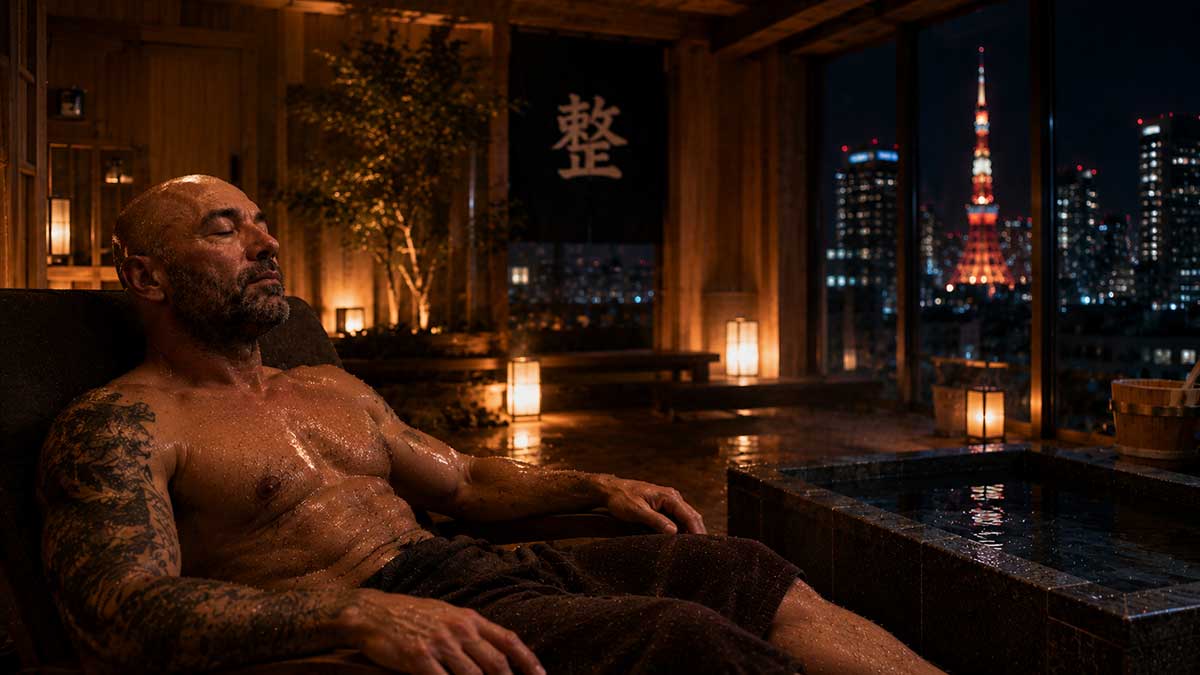
Participants: Joe Rogan, Andrew Huberman, Dr. Rhonda Patrick, Wim Hof, Japanese Sauna Master
Moderator: Nick Sasaki
Opening — Nick Sasaki
In Japan, sauna lovers use a word that does not translate easily: totonou.
It means the body settles.
The mind clears.
The nervous system feels reset.
For a few minutes, the person feels whole again.
Tonight, we ask: is totonou just relaxation, or is it something deeper?
Question 1
Is “totonou” physical recovery, mental clarity, or something spiritual?
Joe Rogan:
I think it’s all three. In America, we usually say, “I feel recovered,” or “I feel relaxed.” But totonou sounds more complete. It sounds like your body, your mind, and your emotions line up at the same time. That’s rare.
Andrew Huberman:
From a neuroscience view, heat, cold, and rest create a strong shift in the autonomic nervous system. You stress the body, then you let it recover. That contrast can produce calm focus. The Japanese word captures the subjective feeling better than English does.
Dr. Rhonda Patrick:
The heat creates a biological challenge. Heart rate rises. Blood flow changes. Stress-response pathways activate. Then the cold exposure and rest phase can create a deep rebound effect. The person may feel clarity because the body has moved through stress and returned to balance.
Wim Hof:
Yes. The body knows. The cold, the heat, the breath — they bring you back. People think too much. The body is the door. When you go through the heat and cold, you meet yourself again.
Japanese Sauna Master:
In Japan, totonou is not only strong heat or cold water. It is rhythm. Sauna. Water bath. Rest. Silence. Breath. No phone. No talking. The body becomes quiet, and then the mind follows.
Question 2
Why might Americans find “totonou” difficult to understand at first?
Joe Rogan:
Americans want a measurable result. How many degrees? How many minutes? How many calories? How much testosterone? But totonou is more subtle. It’s not just “I crushed the sauna.” It’s “I surrendered to the process.”
Andrew Huberman:
American wellness culture often focuses on optimization. Japan’s sauna culture seems to focus more on sequence, restraint, and inner quiet. That difference matters. The result is not only performance. It is regulation.
Dr. Rhonda Patrick:
There is science behind the benefits, but the word totonou points to lived experience. It gives language to something people feel but may not know how to describe.
Wim Hof:
The mind wants control. But the body wants truth. The heat shows you where you resist. The cold shows you where you panic. Then rest shows you who you are without all that noise.
Japanese Sauna Master:
Many first-time visitors think the goal is to endure heat. But endurance is only the first layer. The deeper part happens after the water bath, when you sit quietly. That is where totonou appears.
Question 3
Could “totonou” become a global idea, like mindfulness?
Joe Rogan:
Absolutely. People are stressed out, addicted to screens, disconnected from their bodies. A simple ritual that makes you feel human again? That’s going to spread.
Andrew Huberman:
It could, but it should not be reduced to a trend. The structure matters. Heat, cold, rest, repetition, and attention. Without the rest period, people may miss the main effect.
Dr. Rhonda Patrick:
The health benefits are real, but the cultural wisdom is valuable too. Japan has turned recovery into an experience with etiquette and atmosphere. That may be why it feels so different.
Wim Hof:
Yes. The world needs it. But people must feel it, not just read about it. Go into the heat. Go into the cold. Breathe. Then sit. The answer comes.
Japanese Sauna Master:
If totonou travels to the world, I hope people keep its quiet heart. It is not a competition. It is a return.
Closing — Nick Sasaki
Maybe totonou cannot be fully translated because it is not only a word.
It is a moment after discomfort.
A silence after heat.
A breath after cold.
A small return to the self.
For Americans, it may begin as a wellness method.
For Japan, it remains something gentler:
a way to become whole again.
Topic 2 — Heat, Cold, and the Modern Nervous System
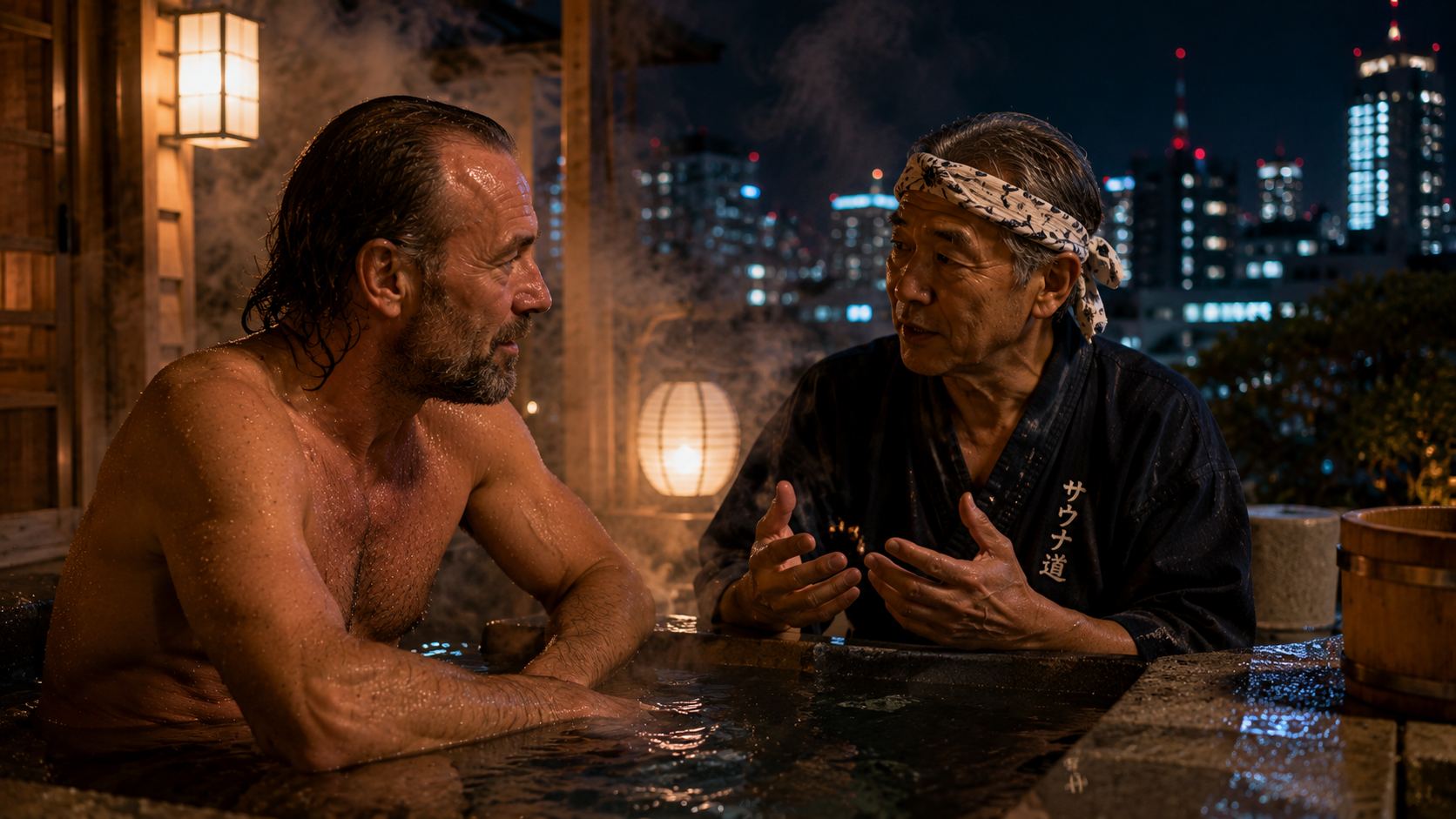
Participants: Andrew Huberman, Dr. Rhonda Patrick, Chris Hemsworth, LeBron James, Wim Hof
Moderator: Nick Sasaki
Opening — Nick Sasaki
Modern life keeps the nervous system half-awake all the time.
Notifications. Deadlines. Travel. Noise. Screens.
The body rarely receives a clear signal that the danger is over.
Sauna and cold water may seem simple, but they speak to the body in a language older than thought: heat, shock, breath, rest.
Question 1
Why does the contrast between heat and cold feel so powerful?
Andrew Huberman:
The nervous system responds strongly to contrast. Heat increases heart rate and blood flow. Cold creates alertness and a survival response. Then, when the body enters rest, the system recalibrates. That is why people often feel calm but awake afterward.
Dr. Rhonda Patrick:
Heat is a controlled stressor. Cold is another controlled stressor. The key is that both are voluntary. The body experiences challenge without true danger. That can train resilience.
Chris Hemsworth:
For me, it feels like clearing the noise. You go into the heat, and your body says, “Stay.” Then the cold says, “Wake up.” After that, everything feels cleaner.
LeBron James:
Recovery is not just muscles. It is the whole system. When you play at a high level, your body carries stress. Heat and cold help reset that. You feel lighter afterward.
Wim Hof:
The cold is a teacher. The heat is a teacher too. They show you that the body can handle more than the mind thinks. Then the breath brings control back.
Question 2
Is this mainly about health, or is it also about emotional pressure?
Dr. Rhonda Patrick:
The health side is real. Circulation, stress response, inflammation pathways, recovery markers — these matter. But people are not machines. The emotional release may be just as meaningful.
LeBron James:
Pressure builds up in the body. People think stress is only in the mind, but you carry it in your shoulders, your breathing, your sleep. Sauna helps unload that.
Andrew Huberman:
Emotional regulation and physical state are connected. Change the body state, and the mind often follows. That is why breath, temperature, and posture can shift mood.
Wim Hof:
Emotion is energy in the body. Cold breaks the fear. Heat melts the tension. Then you breathe, and the body remembers peace.
Chris Hemsworth:
There is something honest about it. You cannot fake your way through cold water. You have to be there. That presence is rare now.
Question 3
What can modern people learn from this ritual?
Chris Hemsworth:
You do not need to escape your life. You need moments where the body gets a real reset. Sauna and cold give that in a direct way.
Andrew Huberman:
The lesson is rhythm. Stress, recovery, stress, recovery. Many people live in constant low-grade stress without recovery. This practice restores the missing second half.
LeBron James:
Discipline matters. Recovery is not weakness. It is part of performance. People burn out when they only push.
Dr. Rhonda Patrick:
The body adapts through controlled challenge. But the rest phase is critical. People should not treat heat and cold as punishment. The benefit comes from the full cycle.
Wim Hof:
The lesson is simple: the body is not your enemy. The cold is not your enemy. The heat is not your enemy. Fear is the gate. Go through it, and you find freedom.
Closing — Nick Sasaki
Heat and cold do something strange.
They make the body uncomfortable, yet afterward the person feels safer.
They create stress, yet afterward the mind becomes quieter.
Maybe modern people do not only need comfort.
Maybe they need honest discomfort followed by real rest.
That may be why sauna feels so ancient, and so necessary now.
Topic 3 — Why Men Are Returning to Rituals of Heat
Participants: Joe Rogan, David Goggins, Tony Robbins, LeBron James, Chris Hemsworth
Moderator: Nick Sasaki
Opening — Nick Sasaki
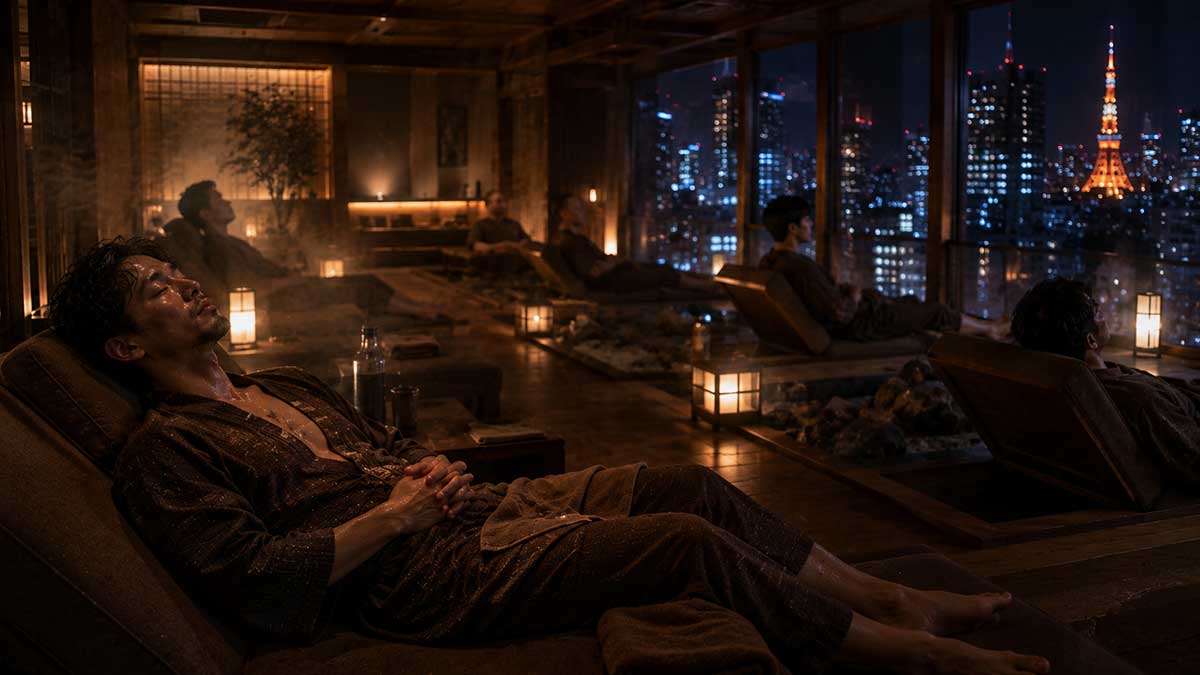
Across the modern world, many men seem drawn back to physical rituals.
Sauna. Cold plunge. Martial arts. Weight training. Long runs. Breathwork.
Maybe the appeal is not only fitness.
Maybe men are searching for a place where pressure becomes clear, honest, and bearable.
Question 1
Why are men drawn to heat, cold, and physical hardship now?
Joe Rogan:
A lot of modern life is fake stress. Emails. Arguments online. Sitting in traffic. None of it gives you release. But heat and cold are real. You go in, you deal with it, you come out different. Men need that.
David Goggins:
Most people are soft because they avoid discomfort. The sauna does not care who you are. The cold water does not care about your excuses. It strips you down. That is why it works.
Tony Robbins:
People need state change. When your physiology changes, your emotions change. Heat, cold, movement — these can interrupt fear, sadness, and stagnation. The body becomes a doorway into a new emotional state.
LeBron James:
For athletes, recovery is part of the work. But for regular men too, the body needs care. You cannot carry pressure forever and call that strength.
Chris Hemsworth:
There is something grounding about it. You stop thinking about the phone, the schedule, the noise. You are just breathing and dealing with the moment.
Question 2
Is this about toughness, healing, or loneliness?
David Goggins:
It starts with toughness. But real toughness is honesty. When you are alone in the heat, you hear yourself. No applause. No followers. Just you.
Joe Rogan:
I think loneliness is huge. A lot of guys do not know where to talk, where to reset, or where to feel connected without making it weird. A sauna can become a quiet tribe.
LeBron James:
Men are taught to push through. But nobody can push forever. Healing is not soft. Healing lets you keep going without breaking.
Tony Robbins:
Loneliness comes when people lose ritual, community, and purpose. Shared discomfort can create connection. That is why teams, sports, and training matter.
Chris Hemsworth:
It is not only about being tougher. Sometimes it is about becoming calmer. That might be what many men are actually looking for.
Question 3
What can Japanese sauna culture teach men about strength?
Joe Rogan:
The Japanese idea of quiet is interesting. In America, we make everything loud. Motivational music, yelling, competing. Japan seems to say, “Sit down. Be quiet. Let the process work.” That is powerful.
LeBron James:
Discipline does not always have to be loud. Rest can be disciplined. Recovery can be disciplined. Silence can be disciplined.
David Goggins:
Silence exposes you. People run from silence because they do not want to meet themselves. If Japanese sauna culture forces people to be quiet, that is a real test.
Chris Hemsworth:
It teaches control. Not every strong thing has to look aggressive. Sometimes strength is staying calm when your body wants to react.
Tony Robbins:
It teaches integration. Heat gives intensity. Cold gives shock. Rest gives meaning. Without rest, challenge becomes punishment. With rest, challenge becomes transformation.
Closing — Nick Sasaki
Maybe men are not returning to heat because they want to suffer.
Maybe they are returning because modern life gives them pressure without purification, noise without meaning, and connection without presence.
The sauna offers something simple:
enter the heat,
face yourself,
cool down,
sit quietly,
return different.
That is not escape.
It may be one of the oldest forms of becoming whole again.
Topic 4 — Japanese Silence vs American Intensity
Participants: Joe Rogan, Andrew Huberman, Lady Gaga, Japanese Sauna Master, Finnish Sauna Historian
Moderator: Nick Sasaki
Opening — Nick Sasaki
In America, wellness often sounds like intensity.
Push harder. Track everything. Optimize the body.
Turn recovery into another form of achievement.
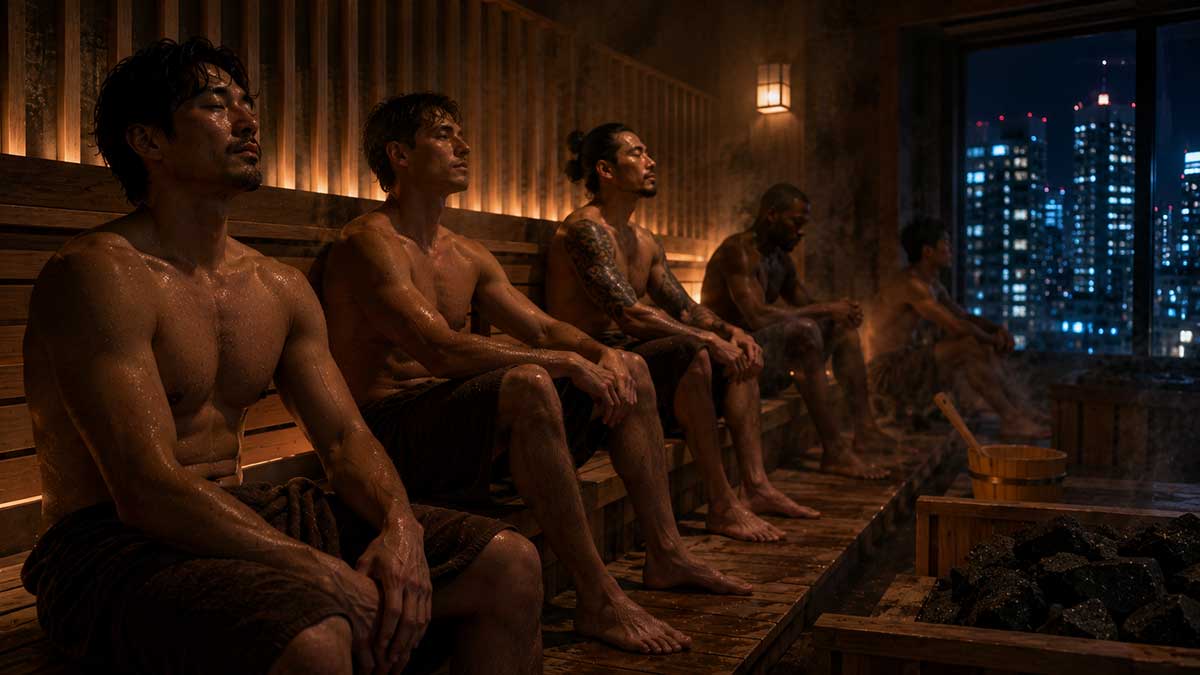
In Japan, the sauna often feels different.
Quiet. Orderly. Respectful. Almost invisible.
The goal is not to dominate the body, but to let the body return.
Question 1
What is the difference between American intensity and Japanese silence?
Joe Rogan:
In America, we turn everything into a challenge. How hot can you go? How long can you stay? How cold is the plunge? That can be useful, but it can miss the point. Japan seems to understand the experience after the challenge.
Japanese Sauna Master:
In Japan, the silence is part of the sauna. People come with tired minds. They do not need more noise. The heat is already speaking. The water is speaking. The rest is speaking.
Andrew Huberman:
Intensity activates the system. Silence allows integration. If people only chase intensity, they may stimulate the nervous system without completing the recovery cycle.
Lady Gaga:
Silence can feel scary at first. Performers live inside noise, attention, applause, criticism. A quiet room can feel like judgment. But then it becomes medicine.
Finnish Sauna Historian:
In Finland, silence is also respected. Sauna is not only washing the body. It is a place where the person becomes plain again. No status. No performance. Just heat, breath, and being human.
Question 2
Why does silence feel so healing in the sauna?
Lady Gaga:
Because nobody is asking you to be someone. That is rare. In silence, the body is not performing. The face is not performing. The mind slowly stops posing.
Joe Rogan:
That is the thing. Silence makes you honest. A lot of people are afraid of it because the second it gets quiet, all the stuff they are avoiding shows up.
Japanese Sauna Master:
Silence protects everyone. One person’s loud conversation can break another person’s peace. In Japan, sauna is shared space, but the inner journey is private.
Andrew Huberman:
From a nervous system standpoint, quiet reduces incoming stimulation. Combined with heat and controlled breathing, it can shift the body into a deeper recovery state.
Finnish Sauna Historian:
Silence in sauna is ancient. It is not emptiness. It is respect. Respect for the heat. Respect for others. Respect for the unseen part of life.
Question 3
What can Americans learn from Japanese sauna etiquette?
Joe Rogan:
Americans could learn that not everything has to become content. You do not need to film it. You do not need to post it. Just experience it.
Andrew Huberman:
The lesson is attention. If you enter the sauna with a distracted mind and never settle, you may receive less from the practice. Etiquette creates the conditions for attention.
Lady Gaga:
There is beauty in being anonymous. No performance. No costume. No audience. Just a person healing quietly beside other people doing the same.
Japanese Sauna Master:
Etiquette is not strictness for its own sake. It is kindness. Wash before entering. Be quiet. Respect space. Do not disturb others. These small things create peace.
Finnish Sauna Historian:
Every sauna culture has rules, written or unwritten. They remind us that heat is communal. Your behavior changes another person’s experience.
Closing — Nick Sasaki
Maybe American intensity and Japanese silence are not enemies.
Intensity wakes the body.
Silence teaches it where to rest.
America may bring courage, challenge, and experimentation.
Japan brings restraint, atmosphere, and quiet respect.
Together, they reveal something important:
the body may need effort to open,
but it needs silence to heal.
Topic 5 — Can Sauna Become a Spiritual Practice?
Participants: Wim Hof, Tony Robbins, Lady Gaga, Dr. Rhonda Patrick, Japanese Sauna Master
Moderator: Nick Sasaki
Opening — Nick Sasaki
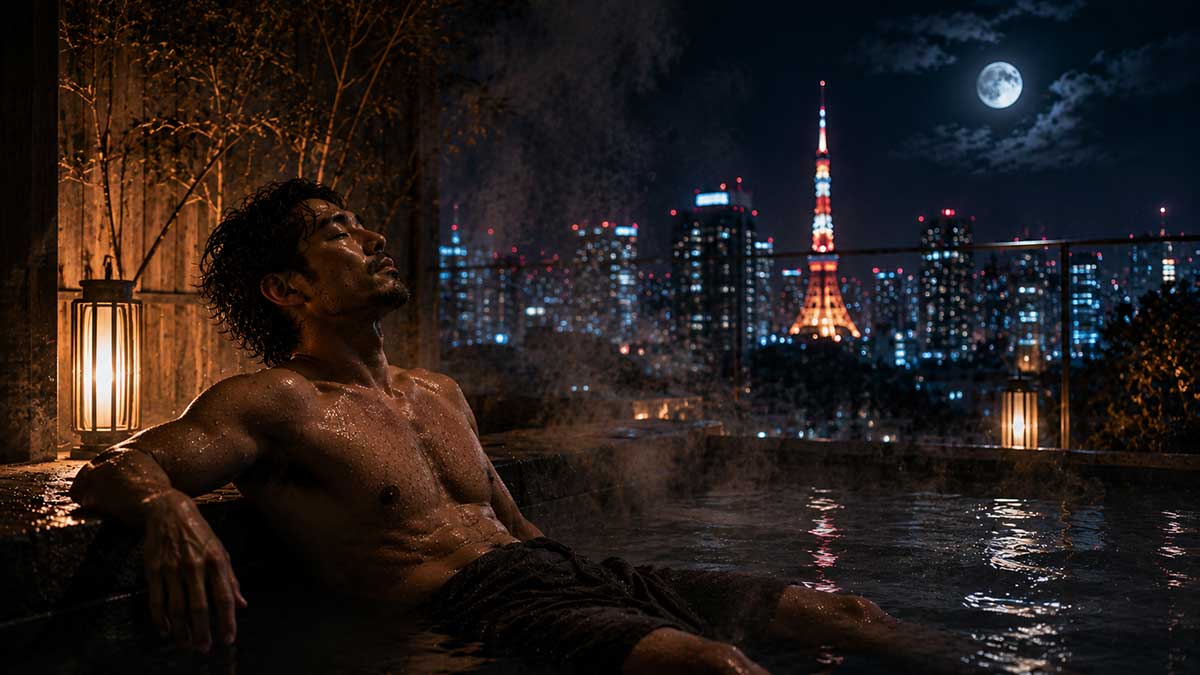
A sauna may look simple.
A hot room.
A cold bath.
A quiet chair.
But many people leave feeling as if something deeper has happened. The body feels lighter. The mind feels cleaner. The heart feels less crowded.
So tonight, we ask: can sauna become more than recovery? Can it become a spiritual practice?
Question 1
When does sauna move beyond health and become something sacred?
Wim Hof:
When you stop fighting. That is the moment. Heat comes. Cold comes. Breath comes. You stop arguing with life. Then the body opens, and the spirit becomes quiet but alive.
Tony Robbins:
A practice becomes sacred when it changes your state and reconnects you with meaning. Sauna can do that because it interrupts ordinary patterns. You enter one way, and you leave with a different relationship to yourself.
Lady Gaga:
For me, sacredness begins when the mask drops. In heat, you cannot hold everything together. You cannot perform beauty, fame, or control. You are just human. That honesty can feel holy.
Dr. Rhonda Patrick:
Science can explain parts of the process, but it cannot fully describe personal meaning. Heat affects physiology. Cold affects the stress response. Rest allows integration. But the person’s interpretation turns that process into ritual.
Japanese Sauna Master:
In Japan, we may not call it spiritual. But we understand purification. You wash. You enter heat. You cool. You rest. You repeat. Little by little, the heart becomes uncluttered.
Question 2
What does the sauna teach about suffering, surrender, and renewal?
Tony Robbins:
It teaches that discomfort is not always danger. Many people avoid pressure, so they never learn how to pass through it. Sauna gives a safe container for intensity. That creates confidence.
Wim Hof:
The cold says, “Wake up.” The heat says, “Let go.” The breath says, “You are here.” Suffering becomes a teacher when you meet it consciously.
Dr. Rhonda Patrick:
Controlled stress is different from chronic stress. In sauna, the body is challenged, but the person chooses it. That distinction can change the psychological experience.
Lady Gaga:
Renewal often comes after we stop pretending we are fine. The sauna has that strange honesty. You sweat. You breathe. You feel fragile. Then you feel alive again.
Japanese Sauna Master:
Surrender does not mean weakness. It means you stop forcing the body. You respect the cycle. Heat, water, rest. The renewal comes because you allow each part to do its work.
Question 3
Could the idea of “totonou” help modern people recover their souls?
Lady Gaga:
Yes, if we understand it gently. People are exhausted from being seen all the time. Totonou feels like being returned to yourself without needing to explain anything.
Wim Hof:
The soul is not far away. It is under fear, stress, and noise. Heat and cold remove the layers. Breath brings you back. Then you remember: I am alive.
Tony Robbins:
Modern people need rituals that are simple, repeatable, and embodied. Totonou gives people a felt experience of alignment. That is powerful because it is not only an idea.
Dr. Rhonda Patrick:
I would be careful with the language of “soul” from a scientific standpoint, but the subjective reset is real. People often report calm, clarity, and emotional release. That matters.
Japanese Sauna Master:
Totonou is quiet. It does not shout. It does not promise enlightenment. It simply says: your body, breath, and heart are no longer fighting each other.
Closing — Nick Sasaki
Maybe sauna becomes spiritual when it stops being another form of achievement.
Not hotter.
Not longer.
Not more extreme.
Just honest.
The person enters heat with tension, meets cold with fear, and sits in silence until something inside softens.
Maybe that is why totonou feels so beautiful.
It does not say, “Become someone else.”
It says, “Return.”
Final Thoughts by Nick Sasaki
After listening to all five conversations, I realized something surprising:
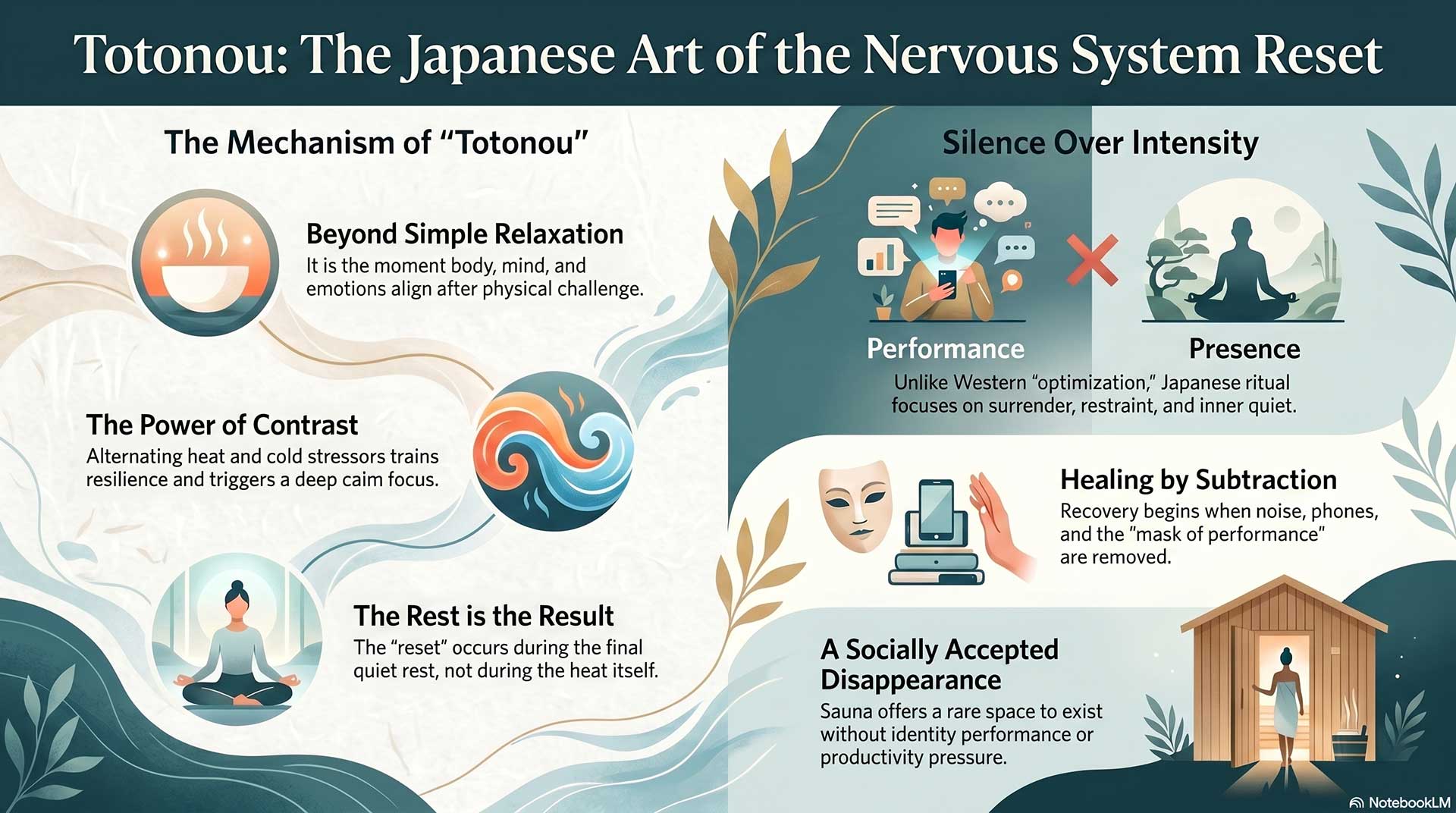
The sauna may be one of the last socially accepted places where people are allowed to disappear for a while.
No phone.
No productivity.
No identity performance.
No pressure to explain yourself.
Just heat, water, breath, and stillness.
Modern society gives people endless stimulation but very little completion.
We carry unfinished conversations, unfinished stress, unfinished emotions.
The sauna completes something.
You enter tense.
You sweat.
You cool down.
You rest.
The cycle finishes.
That may be why people leave feeling emotionally lighter without fully knowing why.
What also struck me was how differently cultures approach recovery.
America often approaches wellness through intensity:
push harder, optimize more, measure everything.
Japan approaches it through atmosphere:
quietness, rhythm, etiquette, restraint.
Finland approaches it through tradition:
community, nature, humility before heat.
And yet all three are searching for the same thing:
a nervous system that no longer feels hunted.
Perhaps the greatest lesson from these conversations is that healing may not always require adding more things into life.
Sometimes healing begins when something is removed:
noise,
performance,
pressure,
speed.
The sauna removes all four.
Then something ancient quietly returns.
Breath.
Awareness.
Presence.
Maybe that is why so many people now speak about sauna with almost spiritual language.
Not because the room itself is magical.
But because modern life has made genuine stillness feel sacred again.
Short Bios:
Joe Rogan
American podcaster, UFC commentator, and comedian known for discussions on health, performance, martial arts, psychedelics, and recovery culture. A major public advocate of sauna and cold-plunge routines.
Andrew Huberman
Neuroscientist and Stanford professor known for translating brain science into practical tools involving sleep, stress regulation, heat exposure, focus, and recovery.
Dr. Rhonda Patrick
Biochemist recognized for research communication on longevity, heat exposure, inflammation, micronutrients, and sauna-related health benefits.
Wim Hof
Dutch extreme athlete known as “The Iceman,” famous for combining breathwork, cold exposure, and mental discipline into a global wellness movement.
David Goggins
Former Navy SEAL and endurance athlete known for extreme mental toughness, discipline, and motivational teachings centered on overcoming discomfort.
Tony Robbins
American motivational speaker and performance coach known for teachings on emotional state, transformation, physiology, and personal growth.
LeBron James
NBA superstar recognized for elite longevity, disciplined recovery systems, and holistic approaches to athletic performance and body maintenance.
Chris Hemsworth
Australian actor known for combining physical training, mindfulness, and wellness practices focused on long-term health and resilience.
Lady Gaga
Singer, performer, and actress known for openly discussing mental health, emotional recovery, identity, and the psychological pressures of fame.
Finnish Sauna Historian
A fictional composite scholar representing Finland’s centuries-old sauna traditions, communal bathing culture, and spiritual relationship with heat and silence.
Japanese Sauna Master
A fictional composite character inspired by Japanese sauna culture, etiquette, quiet ritual, and the philosophy behind totonou.
Leave a Reply