
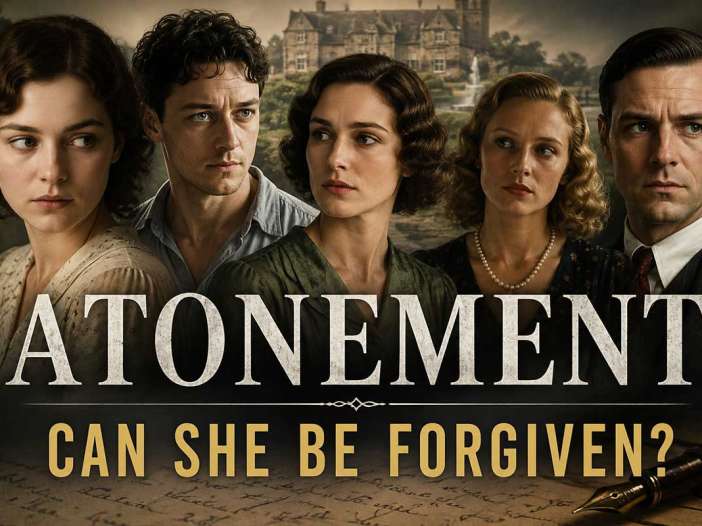
What if Briony Tallis had to face Robbie and Cecilia after revealing that the happy ending she gave them never happened?
Some novels ask what happened.
Atonement asks something far more unsettling:
What happens after the truth arrives too late?
Ian McEwan's Atonement has become one of the defining novels of the twenty-first century because it refuses simple answers. It is a love story, a war novel, a meditation on memory, and a profound examination of guilt, class, storytelling, and justice. Yet beneath all of those themes lies one haunting question: Can a person ever truly repair the life they have destroyed?
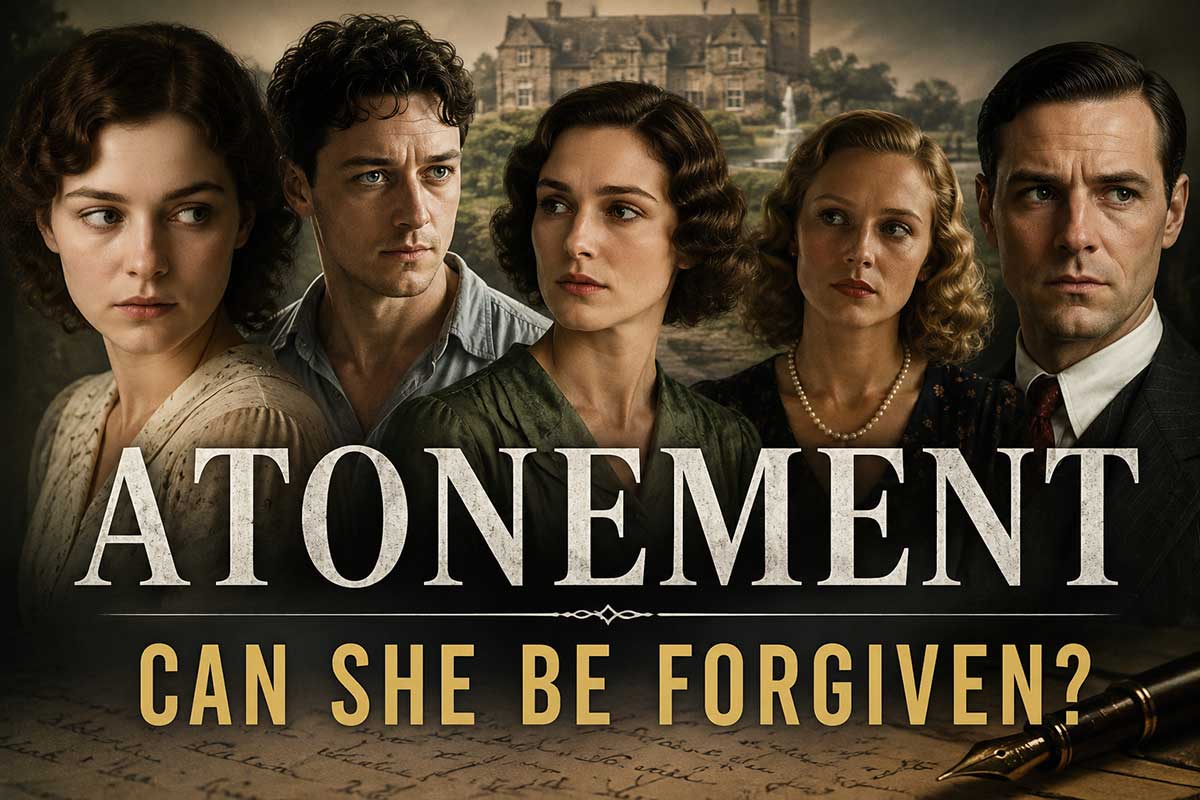
This Imaginary Conversation brings together five people whose lives were forever bound to one summer evening in 1935: Briony Tallis, Cecilia Tallis, Robbie Turner, Lola Quincey, and Paul Marshall.
Here, they are no longer separated by time, war, death, or silence.
Instead, they confront one another with the questions that readers have continued asking for decades.
Why did Briony accuse Robbie?
Why was society so ready to believe him guilty?
Why did Lola remain silent?
Did Robbie and Cecilia's love survive separation—or only the hope of reunion?
Can fiction preserve truth after reality has been destroyed?
And finally, can atonement exist when justice is no longer possible?
Rather than presenting literary criticism, this conversation allows the characters themselves to examine the choices they made, the assumptions that shaped them, and the moral questions their story continues to raise.
This is an imaginary conversation inspired by Atonement. The dialogue is fictional and created to explore the novel's themes and characters. It does not represent dialogue written by Ian McEwan or omitted scenes from the novel.
(Note: This is an imaginary conversation, a creative exploration of an idea, and not a real speech or event.)
Topic 1: Why Did Briony Accuse Robbie?
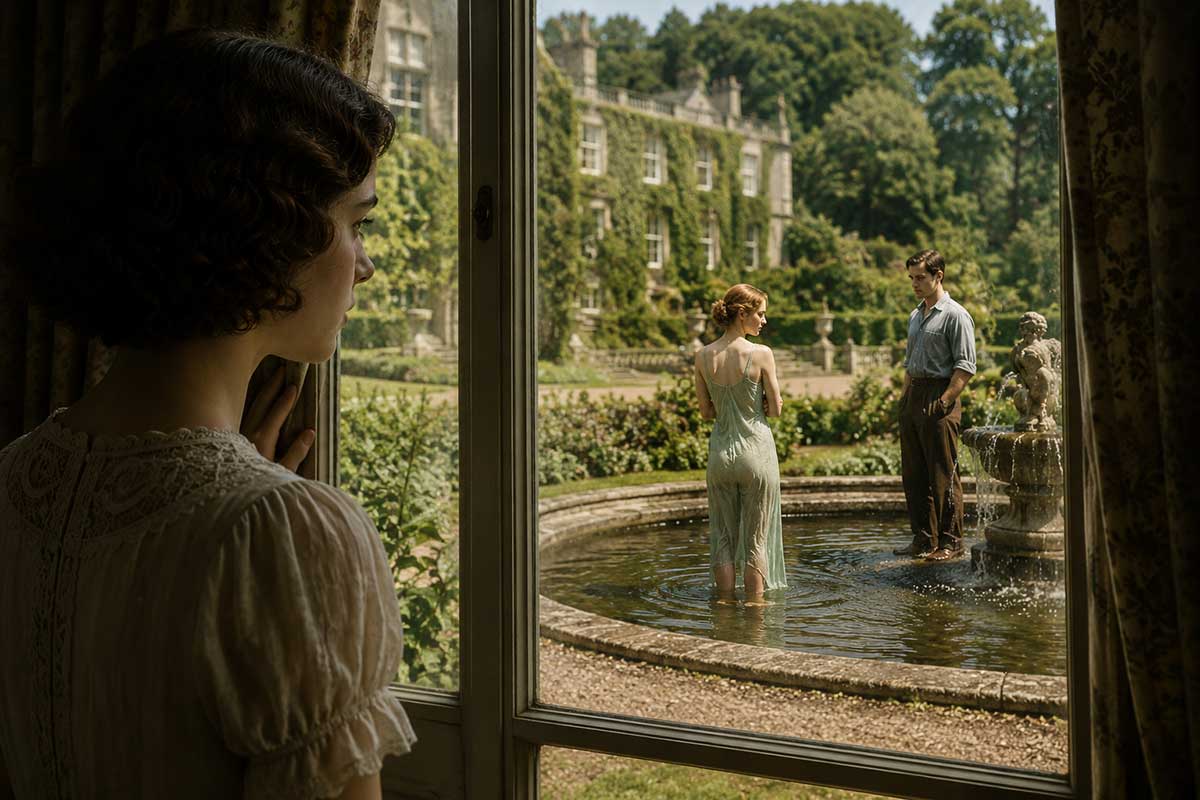
Opening
Briony: For most of my life, people have asked whether I lied. It would be easier for everyone if I had. A lie has a beginning and an end. It belongs to the person who tells it. What I carried was different. I believed I was telling the truth. That belief ruined lives just as completely as any deliberate falsehood.
Did you accuse Robbie because of what you saw—or because you had already decided who he was?
Robbie: Briony, when did you first become afraid of me?
Briony: I don't know that I was afraid of you at first.
Robbie: Then what changed?
Briony: The fountain.
Cecilia: The fountain changed nothing. It only revealed how differently we saw the same moment.
Briony: I saw you take off your clothes.
Cecilia: I chose to.
Briony: I didn't know that.
Cecilia: You never asked.
Briony: I was thirteen. I thought I understood what I was seeing.
Robbie: You didn't simply misunderstand the fountain.
Briony: No.
Robbie: There was the letter.
Briony: Yes.
Robbie: The wrong letter.
Briony: The one that should never have reached me.
Robbie: When you read it, what did you think?
Briony: I thought I had uncovered the real Robbie Turner. Until then, I believed you were clever, polite, almost part of our family. The letter shattered that picture.
Robbie: Or perhaps it replaced one story with another.
Briony: Isn't that the same thing?
Miss Lucy: No.
Briony: Why not?
Miss Lucy: One story grows from humility. The other grows from certainty.
Briony: I was certain.
Robbie: Before you ever entered the library.
Briony: Perhaps.
Cecilia: By the time you looked through that doorway, you had already written your ending.
Briony: I saw you struggling.
Cecilia: You saw movement.
Briony: I thought—
Cecilia: Exactly.
Briony: I thought you needed help.
Cecilia: You never imagined I desired him.
Briony: It never entered my mind.
Robbie: Why?
Briony: Because you were my sister.
Robbie: And I was the housekeeper's son.
(Silence.)
Briony: I never told myself that.
Robbie: You didn't have to.
Miss Lucy: Class often works that way. It becomes invisible to the people who benefit from it.
Briony: My father paid for Robbie's education.
Robbie: Your father believed in me.
Briony: Yes.
Robbie: That didn't mean everyone else did.
Cecilia: Our family could admire Robbie's intelligence and still struggle to imagine him as my equal.
Briony: I never thought of him as beneath us.
Robbie: Then why was I easier to suspect than Paul Marshall?
Briony: ...
Robbie: Answer me.
Briony: Because Paul looked respectable.
Robbie: And I didn't?
Briony: You looked... possible.
Robbie: That may be the cruelest thing you've said.
Briony: I know.
Miss Lucy: Evil often hides behind respectability. Suspicion often settles on the person who already stands slightly outside the circle.
Robbie, when did you realize innocence alone would not protect you?
Robbie: Not when the police arrived.
Cecilia: Not then?
Robbie: No. I still believed facts mattered.
Briony: They do.
Robbie: They should.
Briony: There's a difference.
Robbie: I thought someone would ask enough questions.
Cecilia: I thought the same.
Robbie: I believed the truth had weight.
Miss Lucy: And then?
Robbie: Then I watched adults begin arranging the pieces into a story.
Briony: My story.
Robbie: Not only yours.
Briony: What do you mean?
Robbie: The letter.
Cecilia: The library.
Robbie: My background.
Cecilia: Lola's accusation.
Robbie: Everything fit together too neatly.
Miss Lucy: Once people believe they understand someone, new facts stop being examined. They become confirmation.
Briony: Confirmation...
Miss Lucy: You didn't merely identify Robbie.
You explained him.
Briony: I thought I was making sense of what happened.
Robbie: You were making sense of me.
Briony: Isn't that what everyone does?
Robbie: Yes.
Briony: Then why am I alone in carrying this blame?
Cecilia: Because you spoke first.
Robbie: Because adults trusted your certainty.
Miss Lucy: Because a child convinced of her own righteousness can be astonishingly persuasive.
Briony: I wish someone had challenged me.
Robbie: I wish someone had challenged the world that was so ready to believe you.
Cecilia, why couldn't your certainty overcome Briony's accusation?
Cecilia: I kept asking myself that for years.
Briony: I never understood why you chose Robbie over your own family.
Cecilia: Because I knew him.
Briony: So did I.
Cecilia: No.
You knew stories about people.
I knew the person.
Briony: I thought I knew you too.
Cecilia: You knew the sister you wanted me to be.
Briony: Then none of us really saw each other.
Miss Lucy: That may be true.
Robbie: Cecilia believed me immediately.
Briony: Why?
Cecilia: Because the man I loved and the man you described could not exist inside the same person.
Briony: Love can blind people.
Cecilia: Fear can blind them too.
Briony: Are you saying my testimony meant nothing?
Cecilia: I'm saying certainty without understanding is dangerous.
Robbie: Innocence isn't enough when the world has already decided which story feels believable.
Briony: I spent decades trying to understand that sentence.
Robbie: Did you?
Briony: Every novel I wrote returned to that day.
Robbie: Why novels?
Briony: Because stories had broken everything.
I believed stories might also repair something.
Cecilia: Could they?
Briony: I don't know.
Miss Lucy: That question belongs later.
Briony: Why?
Miss Lucy: Because today we're discussing the accusation.
Not the atonement.
Those are different conversations.
Closing
Briony: Looking back, I no longer believe the greatest danger was my imagination. Imagination can create beauty, compassion, and understanding. The danger was certainty. I mistook fragments for truth, interpretation for knowledge, and confidence for justice. Yet I was not alone. My accusation succeeded because it entered a world already prepared to believe it. I spoke the words that destroyed Robbie's life, but those words found willing listeners. If this story teaches anything, perhaps it is this: the greatest tragedies begin when people stop asking whether the story they believe is the only one that could possibly be true.
Topic 2: Did Lola's Silence Protect Her—or Protect Paul Marshall?
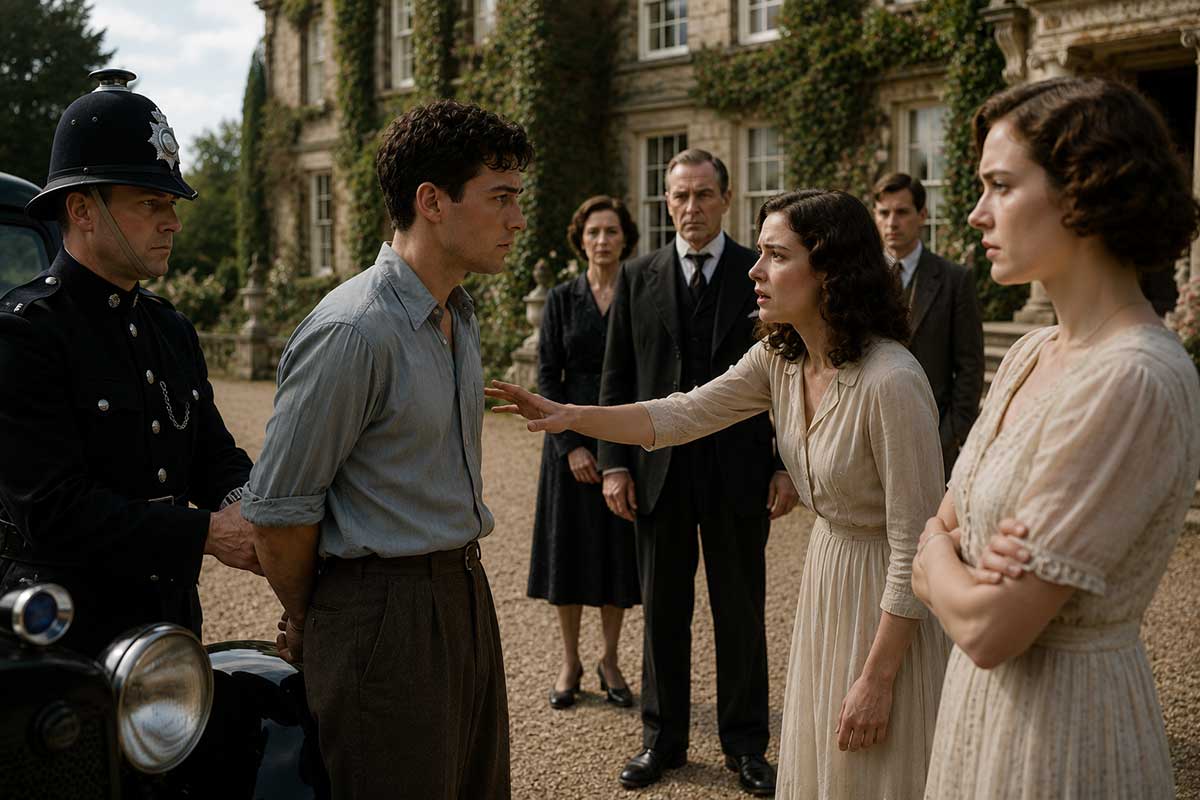
Lola: I have spent years being described in two completely different ways. To some readers, I am the girl who betrayed an innocent man. To others, I am a frightened child who survived the only way she knew. Neither description feels complete. The hardest truth is that I was both more responsible and less powerful than people wish me to be.
Lola, when did you know Paul Marshall was the man who attacked you?
Briony: I have wanted to ask you this for my entire life.
When did you know?
Lola: That depends on what you mean by "know."
Briony: Did you recognize him that night?
Lola: No.
Robbie: Did you suspect him?
Lola: Not that night.
Cecilia: Then when?
Lola: Gradually.
Briony: Gradually?
Lola: Memory is not a light that suddenly turns on. Sometimes it is like waking in a room where shapes slowly appear.
Miss Lucy: What appeared first?
Lola: His voice.
Robbie: His voice?
Lola: Certain phrases. A smell. The way he laughed. Small things.
Briony: Why didn't you tell anyone?
Lola: Tell whom?
Briony: The police.
Lola: They had already found their man.
Robbie: I was convenient.
Lola: Yes.
Robbie: Was I innocent enough to save?
Lola: You were already gone.
Robbie: That's not an answer.
Lola: It was the answer I believed then.
Miss Lucy: Children often mistake what has already happened for what cannot be changed.
Lola: I wasn't only a child.
I was terrified.
Why did everyone believe Robbie so easily?
Robbie: This question has troubled me more than Paul's silence.
Why me?
Why was everyone ready to believe I had done it?
Briony: Because I identified you.
Robbie: That wasn't enough.
Cecilia: No.
Father trusted Robbie.
Mother didn't.
The police barely knew him.
Yet almost everyone accepted the accusation.
Miss Lucy: Because each person already possessed part of the story before Briony spoke.
Robbie: Which story?
Miss Lucy: The brilliant servant.
The scholarship boy.
The young man who had forgotten his place.
Lola: Paul Marshall never needed to prove respectability.
People assumed it.
Robbie: I had to earn mine every day.
Cecilia: And lose it in one evening.
Briony: I never accused Paul because I never imagined him.
Robbie: Exactly.
Briony: I was looking elsewhere.
Robbie: We often see only what our minds have prepared us to see.
Miss Lucy: Society did the same.
People did not simply believe Briony.
They believed the version of Robbie that already existed in their imagination.
Lola: Paul wore expensive suits.
Robbie carried books.
One looked powerful.
The other looked ambitious.
Robbie: Sometimes ambition is treated as a crime when it belongs to the wrong person.
Cecilia: Especially when it crosses class.
Why did you marry Paul Marshall?
Briony: This is the question I have never understood.
Lola: Neither have I.
Briony: You married the man who attacked you.
Lola: Yes.
Robbie: Why?
Lola: Tell me something.
Would you like the answer that sounds noble...
or the one that sounds true?
Robbie: Truth.
Lola: Because life continued.
Everyone expects dramatic decisions.
Escape.
Justice.
Confession.
Most lives are not lived that way.
Briony: Did you love him?
Lola: No.
Cecilia: Did he love you?
Lola: I don't think Paul loved anyone.
Robbie: Then why?
Lola: Security.
Silence.
Respectability.
Fear.
Habit.
All of those things become strangely persuasive after enough years.
Miss Lucy: Were you protecting yourself...
or protecting him?
Lola: Both.
Briony: Did you ever think about Robbie?
Lola: Every year.
Robbie: Yet you remained silent.
Lola: Every year.
Robbie: Which memory was stronger—
what happened to you...
or what happened to me?
Lola: I stopped separating them.
That was my mistake.
Paul, why didn't you ever confess?
Paul Marshall: Because confession is rarely rewarded.
Robbie: At last.
An honest sentence.
Paul: Society did not ask questions.
Business expanded.
The war came.
People moved forward.
Cecilia: Robbie went to prison.
Paul: Yes.
Cecilia: Then to war.
Paul: Yes.
Cecilia: And you built an empire.
Paul: Yes.
Briony: Did guilt never touch you?
Paul: Guilt is an interesting thing.
People assume it appears automatically.
Often it doesn't.
Often it must be invited.
Robbie: You never invited it.
Paul: No.
Miss Lucy: Did you ever think of telling the truth?
Paul: Many times.
Briony: Then why didn't you?
Paul: Every year the truth became more expensive.
Every year more people depended on the lie remaining intact.
Eventually the confession would have destroyed many lives.
Robbie: You mean yours.
Paul: Mine first.
Others afterward.
Cecilia: There it is.
The hierarchy never changed.
Can silence become another crime?
Miss Lucy: People often imagine evil as an action.
Sometimes it is silence.
Lola: Silence grows.
The longer it survives...
the heavier it becomes.
Briony: I spoke too quickly.
You spoke too little.
Lola: Yes.
Briony: Which was worse?
Lola: I don't know.
Robbie: Mine wasn't the only life taken.
Yours was too.
Lola: Not in the same way.
Robbie: No.
But neither of us remained who we were before that night.
Cecilia: The difference is that Robbie lost his future.
Lola lost herself.
Paul: You speak as though I escaped untouched.
Robbie: Didn't you?
Paul: I spent my life guarding a secret.
Robbie: That isn't justice.
That's maintenance.
Miss Lucy: There is another question we haven't asked.
Briony: Which one?
Miss Lucy: Why are we discussing Briony's guilt so much...
when Paul committed the crime?
(Silence.)
Cecilia: Because stories often remember the person who tells the lie...
more than the person who benefits from it.
Robbie: Briony carried guilt.
Paul carried privilege.
Only one of those looked interesting to history.
Lola: Perhaps that is the last injustice.
The man who caused everything almost disappears from the story.
Closing
Lola: People ask why I remained silent. The better question may be why silence was so easy for the world to accept. Robbie was believed guilty because he fit a story others already wanted to tell. Paul remained respectable because he fit another. I was too frightened to break either story, and Briony was too certain to question the one she had created. That is how injustice often survives—not through one terrible decision, but through many ordinary people accepting the version of events that asks the least of them.
Topic 3: Could Robbie and Cecilia’s Love Survive Separation?
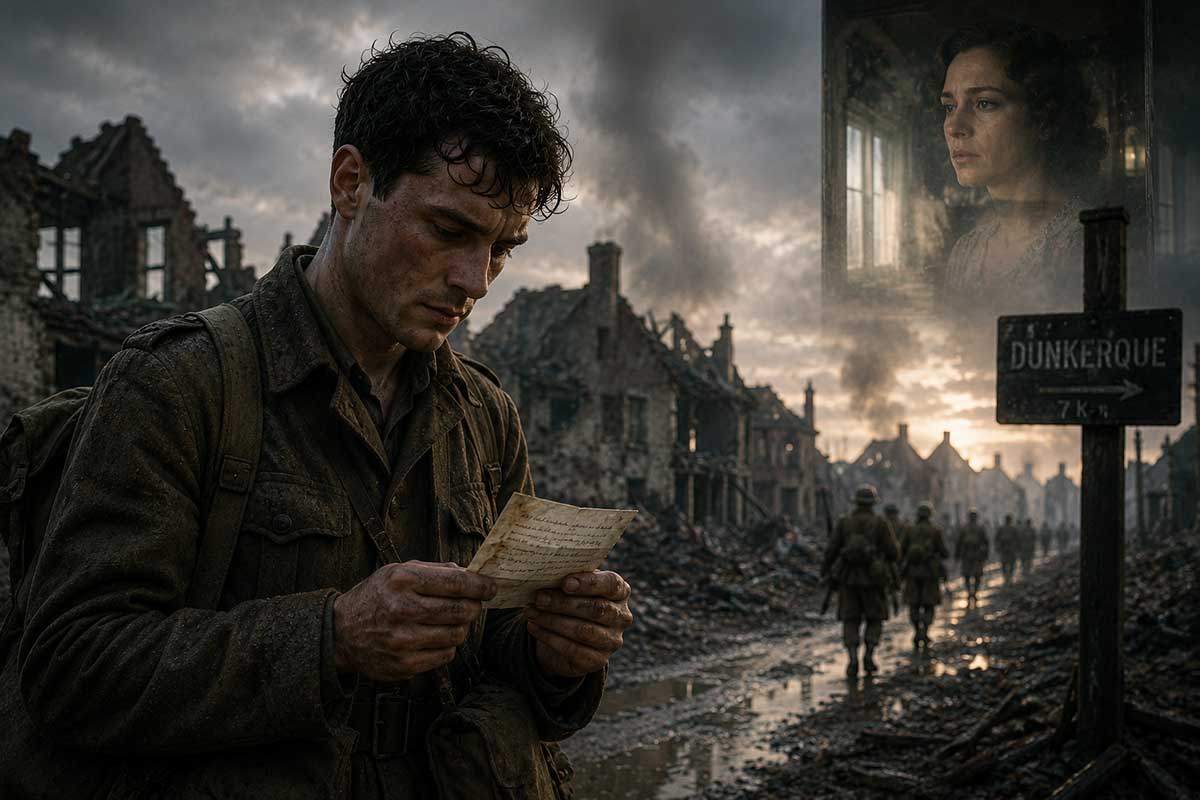
Opening
Cecilia: People often speak of our love as though it endured untouched through prison, war, distance, and death. That is a comforting version. The truth is harder. Robbie and I had very little time together. Much of what we called love existed in letters, memory, longing, and plans for a future we never reached. Yet absence did not make it unreal. It made every word carry more weight than it should have had to bear.
Cecilia, did you choose Robbie from love, moral conviction, or both?
Briony: When did you first know you loved Robbie?
Cecilia: I did not know at the fountain.
Robbie: Neither did I.
Cecilia: I was angry with him.
Robbie: You were angry with yourself.
Cecilia: Perhaps.
Briony: You took off your clothes in front of him.
Cecilia: I was trying to win an argument.
Robbie: A very strange argument.
Cecilia: It became something else before either of us admitted it.
Lola: Then the library was not the beginning.
Cecilia: No. It was the moment we stopped pretending.
Briony: And after the accusation?
Cecilia: After the accusation, love became inseparable from belief.
Briony: Did you choose him because you loved him, or did you love him more fiercely because everyone else rejected him?
Cecilia: Both.
Robbie: That is honest.
Cecilia: I knew you were innocent. Once the family accepted Briony’s version, standing with you became the only moral choice I could live with.
Briony: So I drove you toward him.
Cecilia: Do not make yourself the author of that too.
Briony: I did not mean—
Cecilia: You helped destroy the conditions in which our love might have grown naturally. You did not create the love itself.
Robbie: We might have discovered one another slowly.
Cecilia: Or failed to.
Robbie: Do you believe that?
Cecilia: I believe real relationships contain uncertainty. We were denied the time in which uncertainty becomes knowledge.
Lola: Then what did you know?
Cecilia: I knew I trusted him. I knew the accusation was false. I knew the family preferred order over truth. I knew that leaving them was the first decision I had made entirely for myself.
Briony: Did you ever regret leaving?
Cecilia: I regretted that it was necessary.
Briony: That is not the same.
Cecilia: No.
Robbie: You lost your family for me.
Cecilia: I lost a family that had already chosen comfort over justice.
Briony: You lost me too.
Cecilia: I lost the sister I thought I had.
Briony: Did you ever imagine forgiving me?
Cecilia: Sometimes.
Briony: What stopped you?
Cecilia: Every imagined act of forgiveness seemed to arrive before the truth had been fully faced.
Robbie: Forgiveness would have made everyone feel the story had closed.
Cecilia: And it had not.
Robbie, did Cecilia become the woman you loved—or the future you needed to survive?
Lola: Robbie, during the war, when you thought of Cecilia, what did you see?
Robbie: A room.
Cecilia: Which room?
Robbie: I never knew. It changed. Sometimes it was a small flat in London. Sometimes a house near a medical school. Sometimes a kitchen with a table by the window.
Cecilia: Was I there?
Robbie: Always.
Cecilia: Doing what?
Robbie: Ordinary things.
Cecilia: Such as?
Robbie: Reading. Waiting for water to boil. Complaining that I had left books everywhere.
Cecilia: That does sound possible.
Robbie: I needed it to sound possible.
Briony: Did you love Cecilia, or did you love the life she represented?
Robbie: I knew someone would ask that.
Briony: It matters.
Robbie: Of course I loved the future she represented. I had lost prison years, medical school, reputation, and home. Cecilia became connected to everything that had been taken.
Cecilia: That does not offend me.
Robbie: It should, perhaps.
Cecilia: Why?
Robbie: You became more than a person in my mind. You became proof that I still had a life waiting somewhere.
Cecilia: A person can be loved and symbolized at the same time.
Lola: But can she still be seen clearly?
Robbie: That is the harder question.
Cecilia: Did you still see me?
Robbie: In letters, yes.
Cecilia: Letters show only what the writer chooses.
Robbie: We had so little else.
Briony: Did the distance make your love larger?
Robbie: It made it necessary.
Cecilia: Necessary is not the same as false.
Robbie: No.
Lola: Did you ever fear that reunion would disappoint you?
Robbie: Yes.
Cecilia: You never wrote that.
Robbie: I could not.
Cecilia: Why?
Robbie: Hope was doing too much work already. I could not burden it with honesty.
Cecilia: I feared it too.
Robbie: You did?
Cecilia: I wondered whether prison and war had changed you beyond recognition.
Robbie: They had.
Cecilia: I wondered whether I had changed into someone you no longer knew.
Robbie: You had.
Briony: Then what remained?
Cecilia: Choice.
Robbie: We kept choosing the possibility of each other.
Lola: Is possibility enough?
Cecilia: No.
Robbie: But it can keep a person alive.
Cecilia: For a time.
Can a love lived mostly through absence still become a shared life?
Briony: I gave you a shared life in the novel.
Cecilia: No. You gave readers the appearance of one.
Briony: I gave you reunion.
Robbie: You wrote a reunion.
Briony: Is there no value in that?
Cecilia: That belongs to another topic.
Briony: It belongs here too. Our love survived in the book.
Robbie: Our love was not yours to preserve by altering what happened.
Briony: Then tell me what it was.
Robbie: It was unfinished.
Cecilia: It was real.
Robbie: It was built from very little time.
Cecilia: And from years of waiting.
Robbie: Waiting is not living together.
Cecilia: No.
Lola: Did you know one another well enough to build a life?
Cecilia: No one knows that before building one.
Robbie: We had desire, loyalty, memory, and intention.
Lola: Is intention part of love?
Cecilia: It must be.
Robbie: Love without a future becomes almost entirely intention.
Briony: Then perhaps I only completed the intention.
Cecilia: You cannot complete another person’s love by writing around their deaths.
Briony: I did not know what else to give you.
Cecilia: You might have given us the truth.
Briony: I did, at the end.
Robbie: After giving readers the happiness first.
Briony: I wanted them to feel what was lost.
Cecilia: Or you wanted them to forgive you before revealing why they should not.
Briony: That is cruel.
Cecilia: Is it wrong?
Briony: I do not know.
Lola: People prefer love stories that survive. It makes suffering feel purposeful.
Robbie: Our suffering had no higher purpose.
Cecilia: Nor did our love justify it.
Robbie: Good.
Cecilia: What?
Robbie: I have always hated the thought that our love makes the tragedy beautiful.
Briony: I never meant that.
Robbie: Writers often make pain meaningful after the people inside it have no say.
Briony: Then what meaning may I claim?
Robbie: Your own.
Cecilia: Not ours.
Was their love strengthened by separation—or frozen by it?
Lola: There is another possibility.
Cecilia: Which is?
Lola: That separation protected the love.
Robbie: Protected it from what?
Lola: Ordinary disappointment.
Cecilia: You think we loved an ideal.
Lola: In part.
Robbie: Most love contains an ideal.
Lola: Most couples eventually meet the person beneath it.
Cecilia: We were denied that chance.
Lola: Yes.
Briony: Perhaps that is why the love seems so pure.
Cecilia: It was not pure.
Briony: No?
Cecilia: It contained anger, fear, dependency, and desperation.
Robbie: I resented Cecilia sometimes.
Cecilia: You never said.
Robbie: I resented that your letters came from a world I could no longer enter.
Cecilia: I resented that every letter had to keep you alive.
Robbie: That is fair.
Cecilia: I sometimes wanted to write about small irritations and selfish thoughts. Then I imagined you reading in a barracks or a cell, and I made myself stronger on the page than I felt.
Robbie: So we edited ourselves for each other.
Cecilia: Yes.
Briony: Then your letters were fiction too.
Cecilia: No. They were selective truth.
Briony: Is that so different?
Robbie: Intention matters.
Briony: Writers always say that.
Lola: Everyone edits themselves in love.
Cecilia: Yes.
Robbie: The danger is when the edited version becomes the only person the other can reach.
Cecilia: Did that happen to us?
Robbie: Perhaps.
Cecilia: Then do you believe we still would have loved each other after reunion?
Robbie: Yes.
Cecilia: You answered too quickly.
Robbie: Would hesitation make the answer more honest?
Cecilia: Maybe.
Robbie: Then let me try again. I believe we would have chosen to find out.
Cecilia: That is better.
Briony: And if you had failed?
Cecilia: It would have been our failure.
Robbie: Our life.
Cecilia: Our choice.
Did the promise of reunion matter when reunion never came?
Briony: If you never met again, was the promise meaningless?
Robbie: No.
Cecilia: No.
Briony: Then some part of what I wrote was true.
Cecilia: Do not rush.
Robbie: The promise mattered because we believed in it.
Cecilia: It shaped the lives we still had.
Robbie: It got me through days I might not have survived.
Cecilia: It gave me a reason to separate myself from the family’s lie.
Lola: So the future affected you without occurring.
Robbie: Yes.
Briony: That is what fiction does.
Cecilia: Sometimes.
Briony: Then why reject the ending I gave you?
Cecilia: The future we imagined belonged to us. The future you published belonged to your design.
Robbie: Hope shared privately is not the same as history rewritten publicly.
Briony: I wanted readers to experience the reunion before losing it.
Robbie: You wanted them to mourn us.
Briony: Yes.
Cecilia: Did you want them to mourn us, or admire the way you mourned us?
Briony: I cannot separate those motives completely.
Lola: That may be the first answer worthy of the question.
Robbie: Our love mattered without the reunion.
Cecilia: The reunion would have mattered more.
Robbie: Yes.
Cecilia: I do not want our absence turned into a virtue.
Robbie: Nor do I.
Briony: Then what should readers believe?
Cecilia: That love can be real and still be denied its life.
Robbie: That longing is not the same as fulfillment.
Cecilia: That waiting can express devotion, but it cannot replace years together.
Robbie: That the tragedy was not that our love failed.
Cecilia: It was that we were never permitted to discover what it might become.
Closing
Cecilia: Robbie and I did not share the long life Briony later gave us. We had one awakening, a few meetings, letters, promises, and a future held together by hope. That was not nothing, and it was not enough. Separation did not make our love purer. It made it harder to test, harder to know, and easier for others to romanticize. We may have built a life together, or we may have disappointed one another in ordinary ways. What was taken from us was not a perfect love story. It was the right to find out.
Topic 4: Can Fiction Tell the Truth After Reality Has Been Destroyed?
Opening
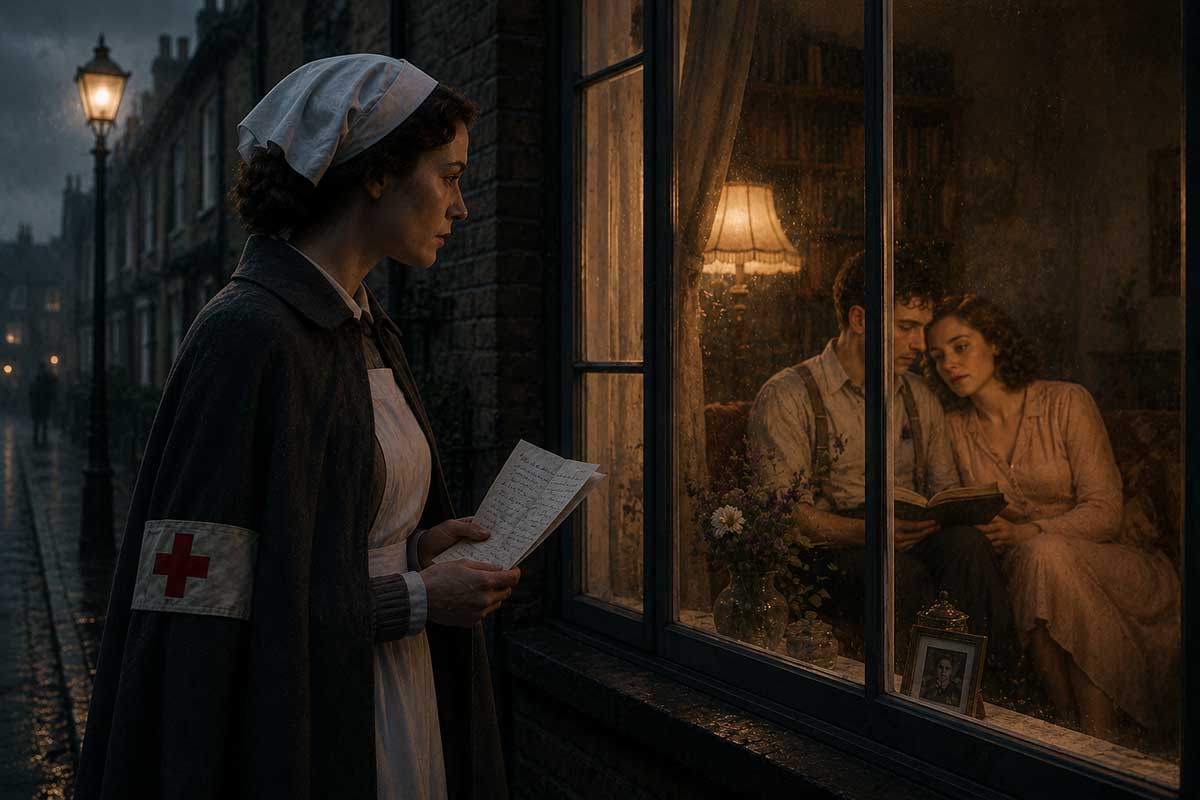
Briony: I wrote many versions of the same story because no version seemed capable of carrying the truth. In one, Robbie and Cecilia were reunited. In another, they remained separated. In every version, I controlled when the reader learned what happened. I told myself this was craft. Later, I began to wonder whether it was another form of possession.
Briony, did your novel confess the truth—or let you control the confession?
Robbie: Why did you make us survive?
Briony: Because you did not.
Robbie: That is not an answer.
Briony: It is the beginning of one.
Cecilia: Then begin properly.
Briony: I could not accept that the only ending available to you was death. Robbie died at Bray Dunes. Cecilia died at Balham. You never met again. You never received justice. You never had the chance to forgive me or refuse to.
Robbie: So you invented the chance.
Briony: Yes.
Cecilia: For whom?
Briony: For you.
Cecilia: We were dead.
Briony: For the reader, then.
Robbie: And for yourself.
Briony: Yes.
Lola: That answer took time.
Briony: I wanted the reader to know you as more than victims.
Robbie: You could have told the truth and still done that.
Briony: I feared the truth would reduce you to two deaths.
Cecilia: So you replaced them with a reunion.
Briony: I delayed the truth. I did not erase it.
Robbie: You arranged it.
Briony: Every writer arranges.
Cecilia: That does not make every arrangement innocent.
Briony: No.
Lola: You let the reader believe they had reached happiness before taking it away.
Briony: I wanted the loss to be felt.
Robbie: You made our deaths into a revelation.
Briony: I made them impossible to ignore.
Robbie: You made them useful.
Briony: That is cruel.
Robbie: Is it false?
Briony: Not entirely.
Cecilia: You once mistook a story for truth and destroyed our lives. Later, you used a story to reshape those lives. Why should we believe the second act was morally different from the first?
Briony: I knew the second was fiction.
Cecilia: You knew. The reader did not.
Briony: Not until the end.
Robbie: Which meant you still decided when truth became available.
Briony: Yes.
Lola: Control again.
Briony: Yes.
Cecilia: Then was the novel a confession?
Briony: Partly.
Robbie: And the other part?
Briony: A defense.
Cecilia: Of what?
Briony: Of the belief that art might still do something after justice had failed.
Robbie: Something for whom?
Briony: I do not know anymore.
Cecilia, would you rather be remembered truthfully in tragedy or falsely in happiness?
Briony: I thought I was giving you mercy.
Cecilia: Mercy requires knowing what the other person would want.
Briony: What would you have wanted?
Cecilia: The truth.
Briony: Only the truth?
Cecilia: Begin there.
Briony: Robbie dead in France. Me dead in London. No reunion. No shared life. No forgiveness. Is that enough?
Cecilia: It is what happened.
Briony: Facts can be barren.
Cecilia: Facts can be cruel. They are still ours.
Robbie: The future we lost belonged to us too.
Cecilia: Yes, but losing it does not grant someone else the right to manufacture it.
Briony: You would prefer to be remembered only through catastrophe?
Cecilia: That is not the choice.
Briony: What is?
Cecilia: Tell the truth about the catastrophe and the love. Do not turn one into an antidote for the other.
Lola: Can that be done?
Cecilia: It must be attempted.
Briony: That is what I thought I was doing.
Cecilia: No. You gave readers a completed romance, then revealed that completion was false.
Briony: I wanted them to feel how much had been stolen.
Cecilia: They might have felt that without first being deceived.
Briony: Perhaps not as deeply.
Robbie: There it is.
Briony: What?
Robbie: The artist defending the wound because it produces a stronger effect.
Briony: I was not exploiting you.
Robbie: You were using form.
Briony: Form is how a novel speaks.
Robbie: And sometimes how a writer avoids plain moral language.
Briony: What plain language would satisfy you?
Robbie: “I accused an innocent man. He died before his life could be restored. The woman he loved died believing in a future that never came. I could not repair this.”
Briony: That is true.
Cecilia: Then why was it not enough?
Briony: Because I loved you.
Cecilia: Did you?
Briony: Yes.
Cecilia: Or did you love the version of us that allowed you to keep writing?
Briony: Both may be true.
Lola: That seems to be where every answer leads.
Briony: Human motives are rarely clean.
Robbie: Harm does not become less real because motives are mixed.
Briony: I know.
Robbie, can a fictional future possess value when the real future was stolen?
Briony: Did the reunion have no value at all?
Robbie: To me?
Briony: To anyone.
Robbie: It may have moved readers.
Briony: Is that worthless?
Robbie: No.
Briony: It may have made them grieve what happened.
Robbie: Yes.
Briony: Then fiction did something.
Robbie: Something is not the same as restitution.
Briony: I never said it was.
Robbie: You called the book an attempt at atonement.
Briony: An attempt.
Robbie: The distinction matters.
Cecilia: Robbie, do you believe the imagined life had any truth?
Robbie: Emotional truth, perhaps.
Briony: Explain.
Robbie: I did want to return to Cecilia. I did imagine ordinary rooms, shared mornings, medicine, books, arguments, a future. Your novel did not invent that desire.
Cecilia: Nor mine.
Robbie: But desire is not history.
Briony: Fiction often gives shape to what history prevents.
Robbie: That can be meaningful.
Briony: Then why resist it?
Robbie: Because meaning can become a disguise.
Briony: For what?
Robbie: For finality. Readers may leave believing our imagined happiness compensates for our deaths.
Briony: I hoped the opposite.
Cecilia: Readers do not always follow the writer’s moral intention.
Lola: Nor witnesses.
Briony: No.
Robbie: The invented future may reveal what was stolen. It cannot return it.
Briony: I accept that.
Robbie: Do you?
Briony: I am trying to.
Cecilia: That is not the same.
Briony: No.
Robbie: I can see value in the imagined future if it remains marked as imagined.
Briony: It was marked at the end.
Robbie: After the reader lived inside it.
Briony: That experience was part of the design.
Robbie: You still return to design.
Briony: I am a novelist.
Robbie: And that may be the problem.
Can emotional truth excuse factual invention?
Lola: What is emotional truth?
Briony: A truth about feeling that facts alone cannot carry.
Lola: That sounds convenient.
Briony: It can be abused.
Lola: Was it abused here?
Briony: Perhaps.
Cecilia: What feeling did you want the false reunion to express?
Briony: That your love deserved a life.
Cecilia: It did.
Briony: That history had wronged you.
Robbie: It had.
Briony: That the reader should experience, briefly, the future you should have had.
Cecilia: None of that required pretending it happened.
Briony: A novel does not merely state. It creates experience.
Robbie: And who gave you permission to create ours?
Briony: No one.
Robbie: Then why did you?
Briony: Because silence felt worse.
Cecilia: Silence and invention were not the only choices.
Briony: What else was there?
Cecilia: Confession without consolation.
Briony: I feared that would turn you into symbols of my guilt.
Robbie: You did that anyway.
Briony: I know.
Lola: Did you ever consider writing yourself out of the story?
Briony: I could not.
Lola: Why?
Briony: Because my presence caused it.
Lola: Or because your guilt became the center.
Briony: Both.
Cecilia: That is what troubles me most. Our lives became the field in which you examined your conscience.
Briony: I cannot deny that.
Robbie: The book may tell the truth about guilt. It tells less about us than it claims.
Briony: I tried to imagine your interior lives.
Cecilia: You imagined them before. That was how this began.
Briony: I was more careful later.
Cecilia: Care does not remove the trespass.
Lola: Then can any novelist write another person?
Cecilia: Yes, but not without moral risk.
Robbie: The risk grows when the writer has already harmed the subject.
Briony: I knew that.
Cecilia: Did you let the reader feel it soon enough?
Briony: No.
Was the happy ending a gift—or another theft?
Briony: I have asked myself that every day.
Robbie: What answer did you reach?
Briony: Both.
Cecilia: Explain the gift.
Briony: I gave you time together.
Cecilia: On paper.
Briony: Yes.
Robbie: Explain the theft.
Briony: I chose the room, the words, the apology, the future. I made you respond to me.
Cecilia: Did we forgive you?
Briony: Not fully.
Robbie: You still gave yourself the meeting.
Briony: Yes.
Lola: The meeting reality denied you.
Briony: Yes.
Cecilia: Then the imagined reunion between Robbie and me was tied to an imagined encounter with you.
Briony: I wanted to face you.
Robbie: But only in a space where you controlled every answer.
Briony: Yes.
Cecilia: That is not confrontation.
Briony: No.
Lola: It is rehearsal.
Briony: Perhaps.
Robbie: Did you ever write a version in which we refused to see you?
Briony: Yes.
Cecilia: Why did you reject it?
Briony: It felt incomplete.
Cecilia: To whom?
Briony: To me.
Robbie: There is the theft.
Briony: I know.
Cecilia: Did you write a version in which we forgave you?
Briony: Yes.
Robbie: And reject that too?
Briony: Yes.
Robbie: Why?
Briony: It felt dishonest.
Cecilia: At least you knew that.
Briony: I knew many things too late.
Lola: That may be the pattern of the whole story.
Can fiction preserve people without possessing them?
Briony: Is there any way I could have written you without taking something?
Robbie: No.
Briony: Then should I have remained silent?
Robbie: No.
Cecilia: The answer is not purity.
Briony: Then what is it?
Cecilia: Accountability.
Briony: Meaning?
Cecilia: Admit the limits of your knowledge. Admit where you invented. Admit whose voice you cannot recover.
Robbie: Do not confuse vividness with authority.
Lola: Do not make ambiguity serve the powerful.
Briony: And the happy ending?
Cecilia: Mark it as longing, not history.
Robbie: Let readers know it expresses what should have been, not what was.
Briony: Would that have been more honest?
Cecilia: Yes.
Briony: Less effective.
Robbie: Morality sometimes costs effect.
Briony: Writers resist that sentence.
Robbie: They should hear it more often.
Lola: Did the novel preserve them?
Briony: I believe it did.
Cecilia: It preserved one version.
Robbie: A version filtered through the person who harmed us.
Briony: I cannot escape that.
Cecilia: No.
Briony: Then can the book still matter?
Robbie: Yes.
Briony: Why?
Robbie: It reveals what storytelling can do. It can expose, distort, console, accuse, and steal at the same time.
Cecilia: Its moral value lies partly in refusing to let the reader forget that tension.
Briony: Then the novel tells the truth?
Cecilia: It tells a truth about the danger of telling.
Closing
Briony: I once believed fiction could repair reality by giving shape to what had been lost. Now I see that every invented kindness carries a risk. The happy ending I gave Robbie and Cecilia may preserve the life they deserved, but it cannot become the life they lived. It may honor them, yet it may possess them. It may confess my guilt, yet it still allows me to control when and how the confession appears. Fiction can tell the truth after reality has been destroyed, but only when it admits what it cannot restore—and when the writer accepts that no beautiful ending can become forgiveness.
Topic 5: Did Briony Ever Achieve Atonement?
Opening
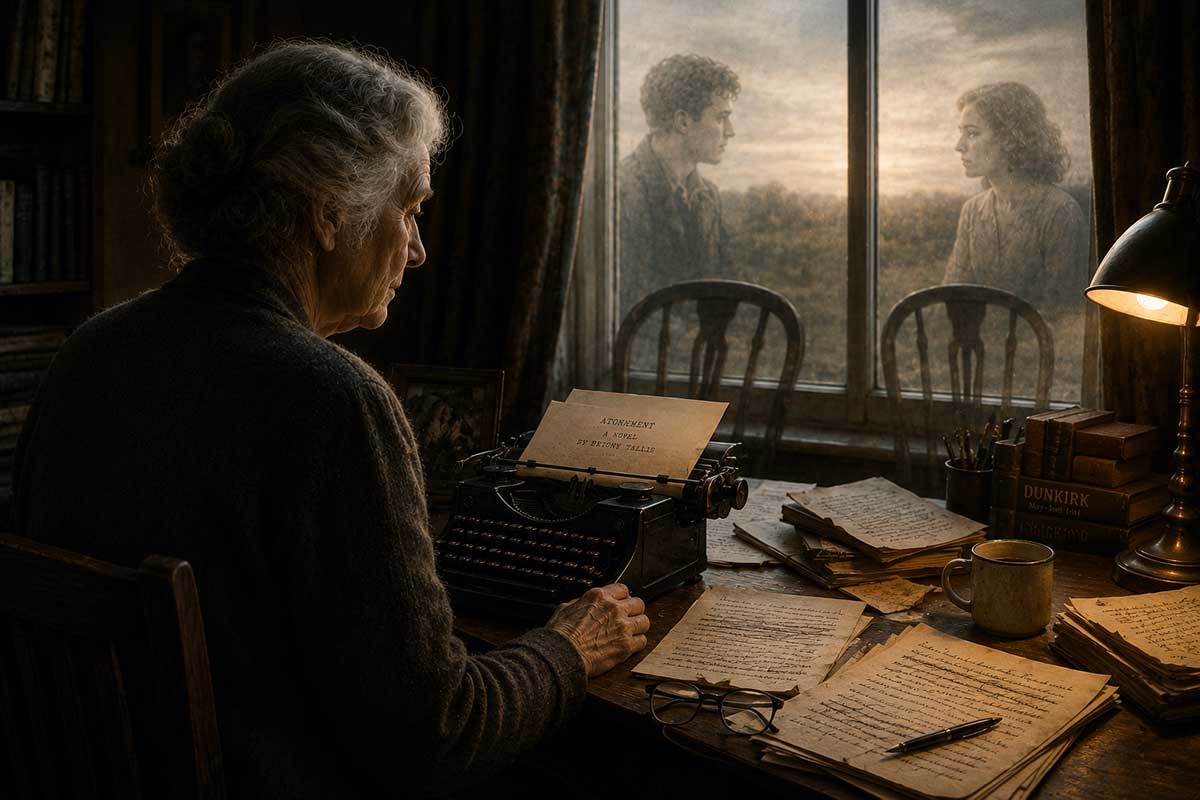
Briony: I once believed atonement might be achieved through precision. If I described the day correctly, admitted what I had done, exposed Paul Marshall, and gave Robbie and Cecilia the happiness they were denied, perhaps the work itself would become a moral act. But a confession written by the person who caused the harm still leaves that person in control. I could tell the truth. I could carry guilt. I could not return the years I had taken.
Can atonement exist when the people harmed are no longer alive to accept it?
Robbie: What did you think atonement meant?
Briony: Facing what I had done.
Robbie: That is recognition.
Briony: Telling the truth.
Cecilia: That is confession.
Briony: Living with guilt.
Lola: That is consequence.
Briony: Trying to repair the damage.
Robbie: That is restitution.
Briony: Then what is atonement?
Cecilia: That is the question you spent your life trying to answer for yourself.
Briony: Could anyone else answer it?
Cecilia: Perhaps the people you harmed.
Briony: You were gone.
Robbie: Yes.
Briony: I could not ask you.
Robbie: That does not mean you were free to answer in our place.
Briony: I know.
Lola: Did you ever expect forgiveness?
Briony: I told myself I did not.
Cecilia: And what did you truly want?
Briony: For the book to make forgiveness imaginable.
Robbie: From whom?
Briony: From readers. From history. From some future version of you.
Cecilia: A version you created.
Briony: Yes.
Robbie: Then you wanted forgiveness from people who could not refuse it.
Briony: I wanted relief.
Lola: That is more honest.
Briony: I wanted to stop being the thirteen-year-old girl at the police station, certain she was saving someone.
Cecilia: You could never stop being her.
Briony: No.
Cecilia: But you could decide what to do with the knowledge that she was wrong.
Briony: I wrote.
Robbie: You returned to the same story for decades.
Briony: Every version failed.
Robbie: Failed at what?
Briony: Restoring balance.
Cecilia: There was no balance to restore. You still had a life. Robbie lost his freedom, his education, his future. I lost my family and then my life. Time did not distribute suffering equally.
Briony: I never believed my guilt equaled your loss.
Cecilia: Yet your guilt became the center of the novel.
Briony: It was the only conscience I could examine from within.
Robbie: That may explain the choice. It does not erase its effect.
Briony: No.
Lola: Perhaps atonement requires someone who can receive it.
Briony: Then mine was impossible from the moment Robbie and Cecilia died.
Cecilia: Full atonement may have been impossible long before that.
Briony: When?
Cecilia: When your testimony became irreversible.
Robbie: When prison took years that no verdict could return.
Briony: Then was every later act meaningless?
Robbie: No.
Briony: But insufficient.
Robbie: Yes.
Briony: I have lived inside that word.
Cecilia: Insufficient does not mean worthless.
Briony: You believe that?
Cecilia: I believe truth still matters after justice fails.
Robbie: But truth is not justice.
Cecilia: No.
Lola: Nor is remorse.
Briony: Then perhaps atonement is not a destination.
Robbie: Be careful.
Briony: Why?
Robbie: Calling it a process can become another way to avoid saying it never happened.
Briony: Then say it.
Robbie: You did not atone for what you did.
(Silence.)
Briony: I know.
Was Briony’s happy ending a gift to Robbie and Cecilia—or a gift to herself?
Cecilia: Why did you give us happiness?
Briony: I could not bear the real ending.
Cecilia: That sounds like a gift to yourself.
Briony: Partly.
Robbie: What was the part meant for us?
Briony: I wanted the world to remember that you should have lived. I wanted readers to see the home, the rooms, the arguments, the mornings, the life that was taken.
Cecilia: A memorial to possibility.
Briony: Yes.
Robbie: And a disguise over fact.
Briony: Yes.
Lola: Which mattered more to you—the life you imagined for them or the confession waiting at the end?
Briony: I cannot separate them.
Lola: Try.
Briony: The imagined life allowed me to remain with them longer. The confession forced me to surrender them.
Cecilia: You never truly surrendered us. You published us.
Briony: That is true.
Robbie: You made our loss permanent in language.
Briony: I feared silence would erase you.
Cecilia: Silence was not the only threat.
Briony: What else?
Cecilia: Being remembered only as instruments in your moral education.
Briony: I tried not to do that.
Cecilia: Yet here we are, still discussing whether you achieved atonement.
Robbie: My imprisonment becomes the beginning of Briony’s guilt.
Cecilia: My death becomes the measure of Briony’s remorse.
Briony: I cannot write the story without myself.
Robbie: Perhaps not.
Briony: Then any account I gave would center me.
Lola: Not necessarily in the same way.
Briony: What should I have done?
Lola: Written with less desire to be judged.
Briony: Every confession seeks judgment.
Lola: Yours sought admiration too.
Briony: For the writing?
Lola: For your honesty. Your suffering. Your willingness to reveal yourself.
Briony: That is painful.
Lola: It should be.
Cecilia: Guilt can become a form of self-importance.
Briony: I feared forgetting.
Cecilia: And feared being forgotten.
Briony: Yes.
Robbie: Did the happy ending make you feel kinder?
Briony: It made me feel less cruel.
Robbie: There is the answer.
Briony: Not the whole answer.
Robbie: No. But an important part.
Cecilia: I do not reject the imagined life entirely.
Briony: You do not?
Cecilia: It hurts to see what might have been.
Robbie: It hurts because it resembles what we wanted.
Cecilia: That gives it meaning.
Robbie: Meaning for us, perhaps. Relief for her.
Cecilia: Both can exist.
Briony: Then was it a gift?
Cecilia: A gift offered without permission.
Robbie: A gift that could not reach us.
Lola: A gift the giver needed to give.
Briony: That sounds like condemnation.
Cecilia: It is description.
Does telling the truth late still have moral value when justice is impossible?
Briony: I could have remained silent.
Robbie: Yes.
Briony: Paul and Lola were still alive when I finished the final version. Publication carried legal risks.
Lola: And reputational risks for you.
Briony: Yes.
Robbie: Did you publish the truth before they died?
Briony: No.
Cecilia: Why?
Briony: The legal barriers were real.
Robbie: So was my imprisonment.
Briony: I know.
Lola: You waited until truth became safe.
Briony: Safer.
Lola: Safe enough.
Briony: Yes.
Cecilia: Then your courage arrived when it could no longer cost you what it should have.
Briony: I had already carried the cost internally.
Robbie: Internal punishment is still chosen by the person suffering it.
Briony: I did not choose the guilt.
Robbie: You chose how to use it.
Briony: Fair.
Lola: Did you ever confront Paul directly?
Briony: No.
Paul: She would have gained nothing.
Robbie: You have been quiet.
Paul: This discussion has mostly concerned Briony.
Cecilia: That is part of the problem.
Paul: She accused you. She wrote the book. She made herself responsible.
Robbie: You committed the crime.
Paul: Yes.
Briony: Say it again.
Paul: I committed the crime.
Lola: And then married me.
Paul: Yes.
Cecilia: Did Briony’s confession threaten you?
Paul: Only if published without legal restraint.
Robbie: You still speak like a man protected by contracts.
Paul: Protection was available to me. I used it.
Briony: That is why telling the truth mattered.
Robbie: It mattered. But did it expose him soon enough?
Briony: No.
Cecilia: Did it clear Robbie’s name while anyone could restore it?
Briony: No.
Lola: Did it return my stolen voice?
Briony: No.
Robbie: Then what did it do?
Briony: It prevented the lie from becoming the final account.
Cecilia: That matters.
Robbie: Yes.
Briony: You agree?
Robbie: Truth matters late. It does not become early.
Briony: I understand.
Robbie: Do you? People praise confession because it appears morally clean. But late truth often arrives after the person telling it has avoided the largest consequences.
Briony: Then should late truth remain untold?
Robbie: No.
Cecilia: A delayed duty is still a duty.
Lola: But completing it late does not make the delay disappear.
Briony: Then truth retains value without granting absolution.
Cecilia: Yes.
Briony: I can accept that.
Robbie: Acceptance is easy here.
Briony: What would be harder?
Robbie: Living without converting acceptance into redemption.
Is lifelong guilt a form of punishment?
Briony: I suffered.
Cecilia: We know.
Briony: I do not say that to compare my life with yours.
Robbie: Yet the comparison appears the moment you mention it.
Briony: Then am I forbidden to speak of guilt?
Cecilia: No.
Briony: I carried that day into every relationship, every book, every quiet room.
Lola: Did guilt make you kinder?
Briony: Sometimes.
Robbie: Did it make you honest?
Briony: Eventually.
Cecilia: Did it make you just?
Briony: I do not know.
Paul: Guilt has no fixed moral value.
Robbie: You would know very little about it.
Paul: Perhaps I know more than you assume.
Lola: Did it change what you did?
Paul: No.
Lola: Then it served only you.
Paul: Perhaps.
Briony: Mine changed my life.
Cecilia: In what way?
Briony: I became a nurse rather than going directly to university. I worked among suffering. I kept returning to the truth. I refused to let the accusation remain comfortable in memory.
Robbie: Those acts matter.
Briony: But they do not equal punishment.
Robbie: No.
Briony: What punishment would have been enough?
Robbie: That is not for me to design.
Briony: I thought you might want me to suffer.
Robbie: Sometimes I did.
Briony: And now?
Robbie: Your pain does not restore my life. Watching you suffer forever would not make prison shorter or war less brutal.
Cecilia: Punishment and repair are different.
Briony: Then perhaps my guilt became another useless possession.
Cecilia: Not useless.
Lola: It led to truth.
Robbie: It kept you from forgetting.
Cecilia: It may have changed how readers think about certainty, class, memory, and accusation.
Briony: Then good came from it.
Robbie: Do not rush from consequence to justification.
Briony: I did not mean—
Robbie: Some good may emerge from guilt. That does not make the original harm necessary.
Briony: No.
Cecilia: Nor does it complete atonement.
Briony: No.
Lola: Guilt becomes morally meaningful only when it turns outward.
Briony: Toward truth?
Lola: Truth, responsibility, warning, and whatever repair remains possible.
Briony: I attempted those things.
Robbie: Yes.
Briony: Yet you still say I did not atone.
Robbie: Correct.
Briony: Then the attempt was all I had.
Cecilia: Perhaps.
Briony: Is an honest attempt worthy of anything?
Cecilia: Worthy of recognition. Not forgiveness on demand.
Can Briony be forgiven?
Briony: Cecilia, could you forgive me?
Cecilia: You ask directly at last.
Briony: Yes.
Cecilia: I do not know.
Briony: Is that mercy?
Cecilia: It is honesty.
Briony: Robbie?
Robbie: I carried too much anger to answer while I was alive.
Briony: And now?
Robbie: Part of me sees the child you were.
Briony: Only part?
Robbie: Part of me sees the adult who delayed speaking. Part sees the writer who transformed us. Part sees the old woman still searching for a verdict.
Briony: What does the whole see?
Robbie: A person who caused terrible harm and spent her life trying to face it.
Briony: Is that forgiveness?
Robbie: No.
Briony: Then what is it?
Robbie: Recognition.
Lola: Sometimes recognition is more honest than forgiveness.
Briony: Lola, do you forgive me?
Lola: For what?
Briony: Speaking for you. Naming Robbie. Turning your assault into the center of my story.
Lola: I forgive the child less easily than people expect.
Briony: Why?
Lola: People use childhood to make your certainty innocent. I was a child too. My fear receives less patience than your imagination.
Briony: You are right.
Lola: I may forgive the woman who finally admitted uncertainty.
Briony: May?
Lola: I will not give you a cleaner ending.
Briony: Fair.
Cecilia: Forgiveness cannot be another scene you arrange.
Briony: I understand.
Cecilia: You keep saying that.
Briony: What should I say?
Cecilia: Nothing for a moment.
(Silence.)
Robbie: Do you forgive yourself?
Briony: No.
Robbie: Do you think you ever should?
Briony: I fear self-forgiveness would become betrayal.
Cecilia: Refusing it forever can become vanity too.
Briony: How?
Cecilia: It allows you to remain permanently at the center of the crime, endlessly suffering, endlessly judging yourself.
Lola: Self-hatred can be another form of self-absorption.
Briony: Then what remains?
Robbie: Responsibility without spectacle.
Briony: And after death?
Robbie: Truth.
Cecilia: Memory.
Lola: Consequence.
Briony: No forgiveness?
Cecilia: Perhaps forgiveness is not a verdict.
Robbie: Perhaps it is something that changes shape without erasing anything.
Lola: Or something the harmed may choose not to give.
Briony: Then I must live without knowing.
Robbie: You already did.
What does the title Atonement finally mean?
Briony: I once thought the title named what I achieved.
Cecilia: And now?
Briony: It names what I sought.
Robbie: Better.
Lola: It may name what the novel tests.
Briony: Whether atonement is possible?
Lola: Whether art can perform it.
Cecilia: Whether remorse can replace justice.
Robbie: Whether confession can repair a stolen future.
Paul: Whether truth matters once the guilty have prospered and the innocent are dead.
Briony: You speak of guilt as though standing outside it.
Paul: I am guilty. I simply do not confuse guilt with redemption.
Robbie: For once, that is useful.
Briony: Then the title is a question, not an answer.
Cecilia: Yes.
Briony: Did I earn the right to ask it?
Robbie: You created the need to ask it.
Briony: That is not the same.
Robbie: No.
Lola: Atonement may begin when the person who caused harm stops insisting on completion.
Briony: Meaning?
Lola: No final balance. No clean forgiveness. No transformation of suffering into beauty that settles everything.
Cecilia: The wound remains part of the truth.
Robbie: The attempt remains part of the truth too.
Briony: Then both must stand.
Cecilia: Yes.
Briony: Harm and effort.
Robbie: Crime and confession.
Lola: Silence and speech.
Cecilia: Love and loss.
Briony: Without reconciliation?
Robbie: Without a false one.
Closing
Briony: I did not achieve atonement. I confessed, remembered, imagined, revised, and tried to prevent the lie from becoming the final truth. Those acts may have value, but they cannot return Robbie’s freedom, Cecilia’s future, or Lola’s stolen voice. My guilt was real, yet guilt is not restitution. My novel may preserve what was lost, yet preservation is not justice. Perhaps the most honest form of atonement available to me was to stop claiming that the attempt had succeeded. I could write the confession. I could not write forgiveness. That belonged to others—and some endings must remain beyond the author’s control.
Final Thoughts
Briony: I once believed the greatest mistake of my life was accusing Robbie. Now I believe the greater mistake came afterward. For years I hoped that confession, memory, and art might repair what had already become irreversible. They could not. Stories possess great power, but they cannot return stolen years. If my life offers any warning, it is this: certainty without humility can become more dangerous than deliberate cruelty.
Robbie: I was innocent, yet innocence alone did not protect me. Society had already decided which story felt believable. Looking back, I see that my tragedy was never mine alone. Every generation creates people who are judged before they are understood. Truth matters, but truth arrives too late if no one is willing to question the stories they already prefer.
Cecilia: Love did not save us. Neither did justice. Yet love was never our failure. What was taken from Robbie and me was not merely time together, but the ordinary future every human being deserves—the chance to discover who we might have become. The deepest loss was not our deaths. It was the life we were never permitted to live.
Lola: Silence is often mistaken for agreement. It is not. Sometimes silence grows from fear. Sometimes from shame. Sometimes from believing the truth no longer has the strength to change anything. My silence helped preserve a lie, and that is a burden different from Briony's, yet no less real. Injustice survives as much through the voices that disappear as through the voices that speak too quickly.
Paul Marshall: People often imagine evil announcing itself. It rarely does. More often it arrives wearing respectability, influence, and confidence. The world asked few questions because it preferred certainty over discomfort. That willingness to accept appearances made everything that followed possible.
Briony: The title Atonement is often read as though it promises redemption. I no longer believe it does. It asks whether redemption can ever exist after irreversible harm. My answer remains uncertain. I confessed. I remembered. I tried to preserve those I had wronged. But forgiveness was never mine to write. Some endings belong to the people whose lives were taken, and no author—not even the one telling the story—has the authority to rewrite them.
Short Bios:
Briony Tallis
A gifted young writer whose imagination becomes the source of irreversible tragedy. As an adult novelist, Briony spends her life confronting the consequences of one accusation, exploring whether truth, memory, and fiction can ever become acts of genuine atonement.
Robbie Turner
The brilliant son of the Tallis family's housekeeper, Robbie earns a Cambridge education through talent and determination. Wrongfully accused of a crime he did not commit, he loses his freedom, his career, and ultimately his future, becoming a powerful symbol of how class prejudice and certainty can destroy innocent lives.
Cecilia Tallis
Briony's older sister and Robbie's great love. Cecilia rejects her family's version of events and chooses loyalty to truth over comfort and privilege. Her quiet moral courage anchors the emotional heart of the novel.
Lola Quincey
Briony's cousin and the victim of the assault that changes every life in the story. Complex and often misunderstood, Lola's later silence forces readers to confront difficult questions about trauma, survival, responsibility, and the cost of speaking the truth.
Paul Marshall
A wealthy industrialist whose public respectability shields him from suspicion. Paul represents the unsettling truth that privilege and influence often protect the guilty while suspicion falls most easily upon those already standing outside society's circle.
Leave a Reply