
Weak Yen Explained: Why Japan’s Currency Keeps Falling?
Introduction
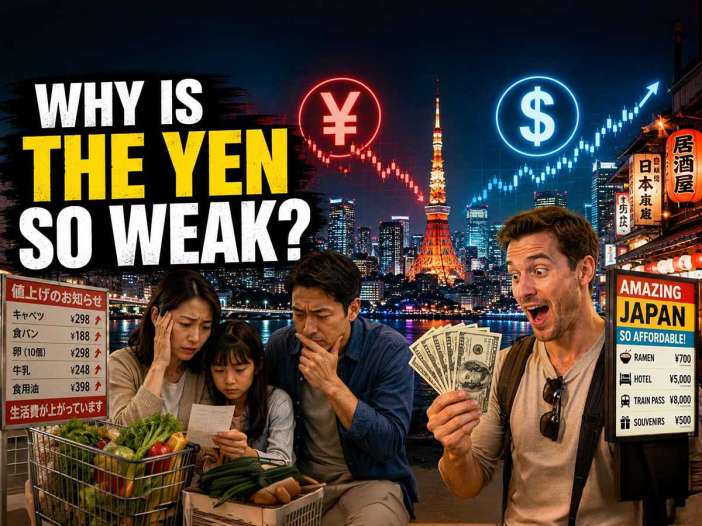
The weak yen looks simple from far away.
For an American traveler, it can feel like good timing. Hotels, meals, train rides, souvenirs, and hot springs all feel more affordable when dollars stretch further in Japan.
But a currency is never just a travel discount.
The yen carries a deeper story: interest rates, carry trades, central banks, aging, wages, inflation, imports, debt, trust, and national confidence. A cheap trip for one person can mean higher food and energy costs for someone else. A profitable trade for a hedge fund can become daily pressure for a family in Japan.
This imaginary conversation asks five linked questions.
Why is the yen so weak?
Is the carry trade smart strategy or dangerous illusion?
What does a currency truly measure?
Who wins when Japan becomes cheaper for outsiders?
Can Japan build a new future through technology, dignity, culture, and renewal?
Across these conversations, investors, economists, traders, writers, business leaders, and cultural observers gather around the same truth:
Money is never only money.
It is belief.
It is trust.
It is fear.
It is policy.
It is memory.
It is the future of a country priced in real time.
Japan may be cheaper for visitors today, but Japan itself is not cheap.
Its value lives in trust, discipline, beauty, craft, food, service, technology, memory, and human care.
The harder question is whether Japan can turn this weak-yen moment into something greater than a temporary discount.
Can it become a new beginning?
(Note: This is an imaginary conversation, a creative exploration of an idea, and not a real speech or event.)
Topic 2: The Carry Trade — Smart Strategy or Dangerous Illusion?
Opening
A long table sits under a dim light.
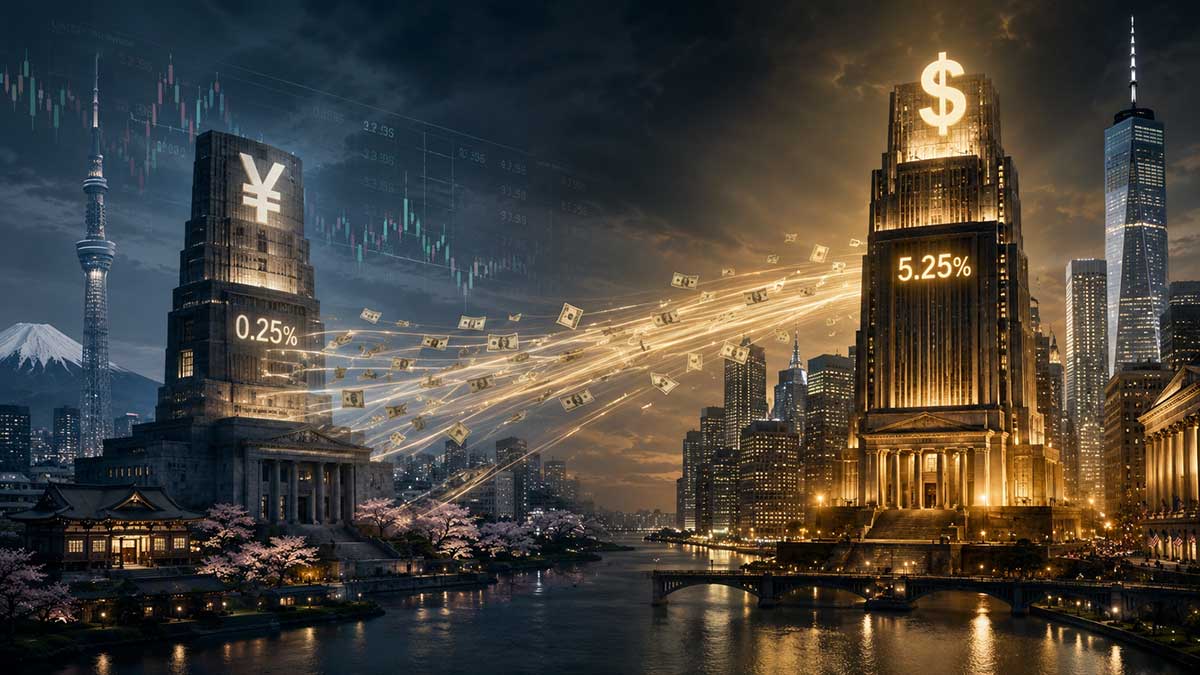
On one side, the yen looks cheap to borrow.
On the other side, the dollar offers higher yield.
The trade seems simple: borrow low, earn high, collect the spread.
George Soros sees reflexivity.
Ray Dalio sees debt cycles and capital flows.
Nassim Nicholas Taleb sees hidden fragility.
Stanley Druckenmiller sees timing, pressure, and positioning.
Jesse Livermore sees crowds, leverage, and the danger of being right too late.
The question on the table is sharp:
Is the carry trade wisdom, or is it a trap wearing a calm face?
Question 1: Is the carry trade a clever use of global markets, or a financial trap waiting for one sudden reversal?
George Soros:
The carry trade looks rational at first. Borrow in a low-rate currency. Invest in a high-rate currency. Profit from the difference.
But markets do not stay rational. They feed on their own success.
When the trade works, more people enter it. Their entry pushes the currency lower, which makes the trade look safer. That appearance attracts more capital.
Then the trade becomes reflexive. The market creates the evidence that convinces people the trade is safe.
That is when danger begins.
Nassim Nicholas Taleb:
The carry trade is a strategy that earns small coins every day, then risks losing the vault in one afternoon.
The problem is not the average day. The problem is the rare day.
A trader may collect yield for months, perhaps years. Then one shock comes: central-bank surprise, currency intervention, geopolitical fear, liquidity squeeze.
Suddenly everyone tries to exit through the same narrow door.
That is not cleverness. That is hidden fragility.
Stanley Druckenmiller:
I would never dismiss the trade. It can work for a long time.
The mistake is thinking a trade that works is safe.
The carry trade depends on direction, rates, volatility, and liquidity. If those line up, it can be powerful. If one changes suddenly, the whole structure can flip.
The question is not, “Is the carry trade good or bad?”
The question is, “Do you know when the conditions have changed?”
Most people do not.
Jesse Livermore:
The crowd always thinks the easy trade is the smart trade.
When everyone is making money doing the same thing, I get nervous.
A man can be right on the idea and still lose on the timing. He can collect carry, feel brilliant, increase size, then get ruined by one violent move.
It is not the trade that kills him.
It is leverage.
Ray Dalio:
Every trade has a place in the machine.
The carry trade exists when money is cheaper in one system and more rewarding in another. That is natural.
The danger comes from scale. When the position becomes crowded, the trade turns from a private strategy into a systemic risk.
A little carry trade is a flow.
A massive carry trade is a loaded spring.
Question 2: Why do investors act calm right before the most dangerous trades collapse?
Ray Dalio:
Stability creates behavior that undermines stability.
When volatility stays low, investors borrow more. They grow position size. They trust recent patterns.
Low risk on the surface encourages greater risk underneath.
The calm is real, but it can be temporary. The machine looks balanced until one part moves too quickly.
Then everyone discovers that liquidity was thinner than they believed.
Jesse Livermore:
People confuse silence with safety.
A stock, a currency, a commodity — they can sit quietly for months. That quiet makes traders careless.
The real danger is not in the price movement you see. It is in the position size you do not see.
The market does not warn every man twice.
It lets him grow comfortable first.
George Soros:
Confidence often peaks near the point of greatest vulnerability.
Investors are not just observing the market. They are participating in its story.
If enough people believe the yen will stay weak, their actions can make it weak for a time. But that same belief creates a crowded structure.
Once the belief breaks, the reversal is not slow. It is emotional.
A currency can turn into a referendum on collective certainty.
Stanley Druckenmiller:
The most dangerous phrase in markets is, “It keeps working.”
That sentence hides a lot.
It may keep working until the central bank changes tone. It may keep working until the U.S. yield falls. It may keep working until Japan intervenes. It may keep working until funds have to cut risk.
Great investors do not just ask, “What is working?”
They ask, “What would make this stop working?”
Nassim Nicholas Taleb:
Calm is often a measurement error.
People look at recent volatility and think they understand risk. They do not.
A turkey is fed every day and concludes life is generous. Then Thanksgiving arrives.
The carry trader says, “Nothing bad has happened.”
That is not evidence of safety. It may be evidence that the bad event has not yet arrived.
Question 3: Can a trade be profitable for hedge funds yet harmful for a country’s people?
Nassim Nicholas Taleb:
Yes. Private profit can create public fragility.
A fund can profit from a currency’s weakness. A family cannot hedge grocery bills so easily.
The trader has Bloomberg screens, risk models, and exit buttons.
The household has rent, food, fuel, tuition, medicine.
The same exchange rate that creates profit for one side can create pressure for another.
George Soros:
Markets are powerful, but they are not moral systems.
They reveal pressure. They amplify pressure. At times, they create pressure.
If a nation has weak policy credibility, low rates, and fragile growth, markets will test that nation.
Speculators are often blamed, but speculation usually attacks a vulnerability that already exists.
The deeper question is: why was the vulnerability there?
Ray Dalio:
The answer depends on time horizon.
In the short run, a weak currency can help exporters and tourism. In the short run, funds may profit from carry. But households may face higher import prices.
Over time, if currency weakness supports wage growth, investment, and industrial renewal, the harm may be reduced.
If wages lag prices, then the people carry the burden.
A currency is macroeconomics felt personally.
Jesse Livermore:
The market does not ask who gets hurt.
A trade moves where force pushes it. If the yen is being sold, it goes down until buying pressure returns.
I have seen men cheer a move that hurts someone far away.
That is the nature of speculation. The tape has no tears.
But the people living under the tape do.
Stanley Druckenmiller:
Hedge funds are not charities. They pursue returns.
But policymakers should understand market incentives. If you create a wide interest-rate gap, capital will exploit it.
You cannot blame traders for walking through an open door.
The real responsibility sits with policy, productivity, wage growth, and confidence.
If Japan can make yen assets attractive again, the trade weakens on its own.
Closing
The men leave the table without pretending the answer is simple.
Soros sees a trade feeding on belief.
Dalio sees a machine that can become unstable.
Taleb sees disaster hiding inside calm.
Druckenmiller sees opportunity that must be timed with discipline.
Livermore sees the old danger: a crowd that grows too confident.
The carry trade may look like easy money.
Borrow cheap yen. Buy higher-yielding dollars. Collect the spread.
But every easy trade carries a hidden question:
What happens when everyone tries to leave at once?
That question opens the next conversation:
What does a currency truly measure — money, trust, fear, or the future of a nation?
Topic 2: The Carry Trade — Smart Strategy or Dangerous Illusion?
Opening
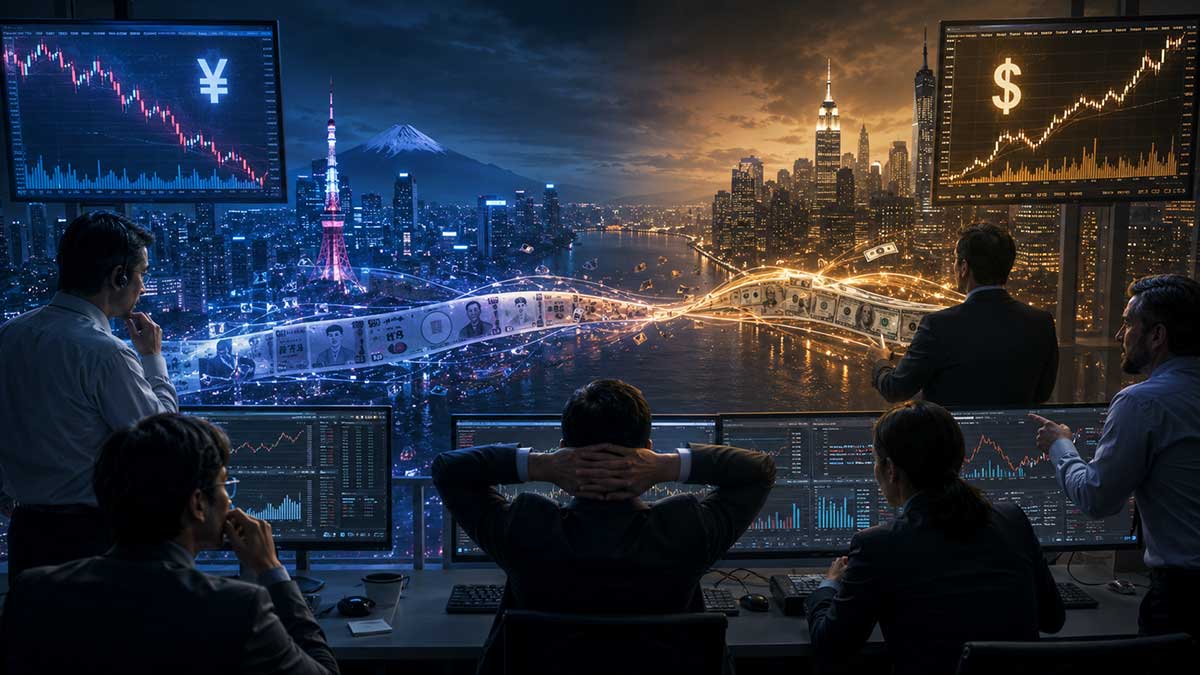
A quiet trading room glows late at night.
On one screen, the yen looks cheap to borrow.
On another, the dollar offers higher yield.
The trade seems almost too simple:
Borrow low.
Buy high-yielding assets.
Keep the difference.
But every simple trade has a shadow.
George Soros sees belief feeding belief.
Ray Dalio sees global money moving through the system.
Nassim Nicholas Taleb sees hidden risk behind calm numbers.
Stanley Druckenmiller sees a trade that works beautifully until conditions shift.
Jesse Livermore sees the oldest market danger of all: too many people thinking the same trade is easy.
Tonight’s question is not just whether the carry trade works.
It is whether it works too well before it breaks.
Question 1: Is the carry trade a clever use of global markets, or a financial trap waiting for one sudden reversal?
George Soros:
The carry trade begins as logic.
A low-yield currency is borrowed. A higher-yield asset is purchased. The investor earns the spread.
But markets are never only logic. They are belief systems.
When the yen keeps weakening, traders become more confident. Their confidence leads to more yen selling. That yen selling then confirms the original belief.
This is reflexivity. The trade creates the reality that makes the trade look correct.
Then one day, the belief cracks.
Nassim Nicholas Taleb:
The carry trade often pays small rewards again and again.
That is exactly why it is dangerous.
People mistake repeated small gains for safety. They say, “It has worked for months.” They say, “Nothing bad has happened.”
But risk does not need to appear daily to be real.
A sudden yen rally can erase years of carry income. A central-bank surprise can turn a comfortable position into a forced exit.
The trade is not dangerous during ordinary days.
It is dangerous on the day everyone needs the exit.
Stanley Druckenmiller:
I respect the carry trade. It can be an excellent trade.
But a good trade is not the same as a safe trade.
The setup depends on interest-rate gaps, currency direction, liquidity, central-bank behavior, and crowd positioning.
If those conditions stay in place, the trade can keep paying.
If one condition changes sharply, the trade can collapse quickly.
The trader’s job is not to fall in love with the spread.
The trader’s job is to know when the setup has changed.
Ray Dalio:
In the global system, money moves to where risk-adjusted returns look better.
So the carry trade is natural. It is not strange. It is part of how capital flows.
The danger comes from size.
A small carry trade is a stream.
A crowded carry trade becomes a dam holding back pressure.
When the dam breaks, the move can become violent. Not from one investor, but from many investors forced to do the same thing at once.
Jesse Livermore:
There is nothing new here.
The public always finds a trade that looks easy after the smart money has already made it popular.
Then people borrow too much, trade too big, and tell themselves they are disciplined.
The trade may be right.
The position size may be wrong.
That is how men lose fortunes.
Not from being wrong at first.
From being too confident after being right.
Question 2: Why do investors act calm right before the most dangerous trades collapse?
Ray Dalio:
Calm markets often create risky behavior.
When volatility stays low, investors increase leverage. Risk models tell them the trade is stable. Banks lend more. Funds build larger positions.
Then the system becomes fragile beneath the surface.
The visible market looks quiet.
The hidden positioning becomes crowded.
That gap between surface calm and hidden leverage is where danger forms.
Jesse Livermore:
The market lulls people to sleep.
It gives them steady profits. It gives them quiet days. It gives them the feeling that they have mastered the tape.
Then comes the move they did not prepare for.
The crowd is not afraid before the break.
The crowd is usually proud.
That pride is the warning sign.
George Soros:
Investors become calm when the market seems to confirm their theory.
If the yen weakens after they sell it, they think they were correct. If it weakens again, they add size. If it keeps weakening, they call the trade obvious.
But certainty in markets is often manufactured by the crowd itself.
The more people believe the same thing, the more unstable the belief becomes.
A crowded truth can become tomorrow’s panic.
Stanley Druckenmiller:
The sentence that worries me most is, “This trade keeps working.”
That sentence often means people have stopped asking what could change.
Could the Bank of Japan surprise the market?
Could U.S. yields fall?
Could intervention hit?
Could risk funds unwind positions at once?
A great trader keeps asking those questions before the trade breaks.
Nassim Nicholas Taleb:
Most investors measure the wrong thing.
They look at recent volatility and call it risk.
But the real risk is what has not happened yet.
A bridge can stand for years before one hidden weakness matters.
The carry trade can look safe for years before one violent currency move reveals the fragility.
Past calm is not proof of future safety.
It may only mean the storm has not arrived.
Question 3: Can a trade be profitable for hedge funds yet harmful for a country’s people?
Nassim Nicholas Taleb:
Yes.
A hedge fund can profit from yen weakness.
A family in Japan may pay more for food, fuel, and imported goods.
The trader has hedges, models, screens, and exit plans.
The household has bills.
The same exchange rate can create profit for one group and pressure for another.
That is why financial success and social health are not always the same thing.
George Soros:
Markets do not operate as moral judges.
They expose weakness. They magnify pressure. At times, they push systems past their breaking point.
If Japan has a large rate gap with America, capital will test that gap.
But speculation usually attacks an existing vulnerability.
The deeper issue is not that traders act.
The deeper issue is why the currency became vulnerable in the first place.
Ray Dalio:
Every currency movement creates winners and losers.
A weak yen can help exporters. It can help tourism. It can make Japan more affordable for foreign visitors.
But it can hurt households if import prices rise faster than wages.
So the answer depends on whether currency weakness leads to renewal or strain.
If it supports investment, productivity, wages, and business growth, it can become useful.
If it only raises costs, then ordinary people carry the burden.
Jesse Livermore:
The tape does not care who suffers.
It shows price.
That is all.
A trader may see opportunity in yen weakness. A Japanese family may see higher grocery bills.
Both are true.
The market can be correct and cruel at the same time.
That is why a man should never confuse profit with wisdom.
Stanley Druckenmiller:
Hedge funds respond to incentives.
If yen is cheap to borrow and dollars pay more, traders will use that opening.
You cannot ask capital to ignore the spread.
But leaders need to think beyond the trade.
Japan has to make yen assets more attractive. That means confidence, growth, wages, productivity, and credible policy.
When those improve, the carry trade loses force.
Closing
The room grows still.
No one calls the carry trade foolish.
No one calls it harmless.
Soros sees belief creating its own momentum.
Dalio sees capital flows becoming systemic pressure.
Taleb sees a hidden tail risk.
Druckenmiller sees a trade that demands timing and humility.
Livermore sees the crowd walking into an old trap with a new name.
The carry trade may look like easy money:
Borrow yen.
Buy dollars.
Collect the spread.
But easy money often asks for payment later.
And when that payment comes, it may not come slowly.
The next question waits in the dark:
What does a currency truly measure — money, trust, fear, or the future of a nation?
Topic 3: The Dollar, the Yen, and the Price of Trust
Opening
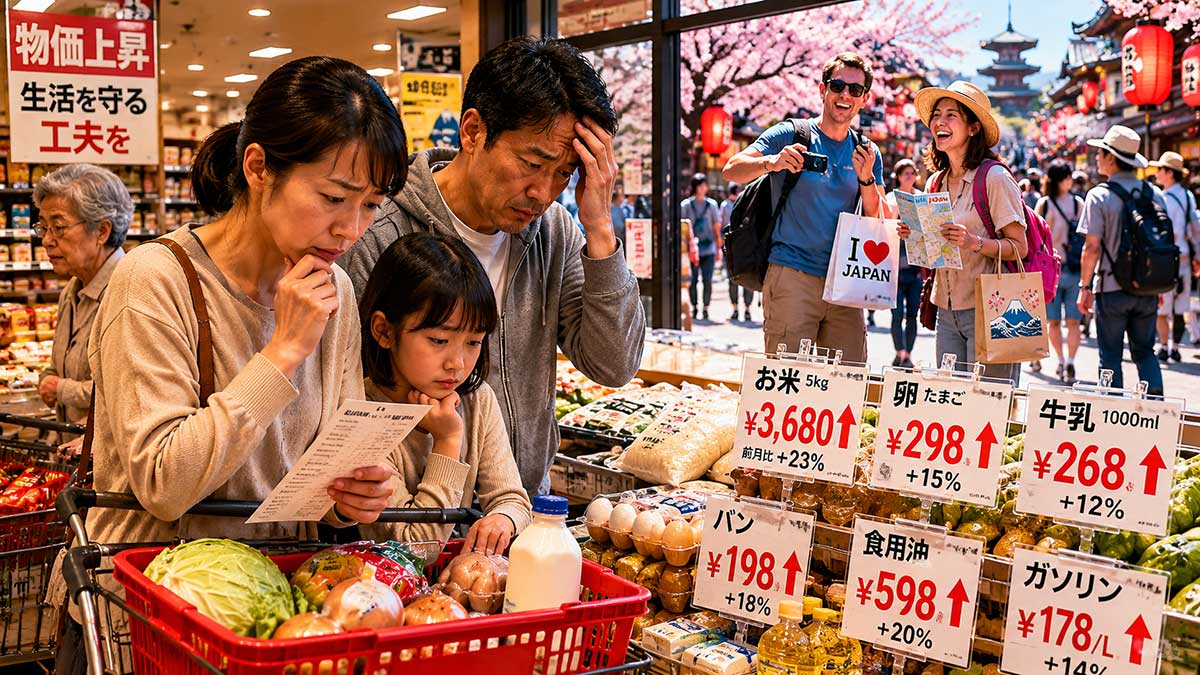
A quiet conference room sits between two worlds.
On one wall hangs a chart of the dollar.
On another, the yen.
The lines move up and down, but the deeper question is not about numbers.
It is about trust.
John Maynard Keynes sees currency as psychology, policy, and national confidence.
Milton Friedman sees money supply, incentives, and discipline.
Friedrich Hayek sees the danger of central control.
Alan Greenspan sees credibility, markets, and the long memory of debt.
Ben Bernanke sees crisis, deflation, and the difficulty of guiding an economy through fear.
The question on the table is simple, but not small:
What does a currency really measure?
Question 1: What does a currency truly measure: economic strength, investor trust, or political stability?
John Maynard Keynes:
A currency measures belief.
It measures what people expect tomorrow to feel like.
If investors believe a country will grow, repay, innovate, and remain stable, they hold its currency with confidence.
If they fear stagnation, policy confusion, or permanent weakness, they demand another form of safety.
Money is never only metal, paper, or digits.
It is a social promise.
Milton Friedman:
A currency measures monetary discipline.
Trust matters, yes. Politics matters, yes. But beneath the poetry sits policy.
If a country expands money too easily, distorts rates too long, or weakens incentives, the currency eventually reflects that.
People may talk about national mood, but markets respond to supply, demand, yield, and credibility.
A currency is a price.
And prices speak.
Friedrich Hayek:
A currency measures how much freedom remains inside the economy.
When planners try to command interest rates, credit, savings, and prices for too long, they hide the true signals people need.
Then the currency becomes less a mirror and more a mask.
A sound currency should not depend on constant rescue.
It should emerge from honest prices, real savings, and decentralized judgment.
Ben Bernanke:
A currency measures both confidence and policy response.
During crisis, people do not only ask, “Is this economy strong?”
They ask, “Can its institutions respond?”
The dollar has survived deep crises partly through institutional depth: central bank capacity, fiscal reach, banking systems, legal structures, and liquid markets.
Trust is not the absence of problems.
Trust is the belief that problems can be managed.
Alan Greenspan:
A currency measures credibility accumulated over time.
Markets can forgive debt for a period. They can forgive recession. They can forgive political noise.
But they do not forgive the loss of faith in institutions forever.
A currency is like reputation.
It can be built slowly, spent carelessly, and lost suddenly.
Question 2: Why does the dollar remain so dominant, even when America has its own debt problems?
Alan Greenspan:
The dollar remains dominant not from perfection, but from comparison.
Investors do not choose a currency in a vacuum. They compare alternatives.
The United States has debt, political conflict, and fiscal concerns. Yet it still has deep capital markets, legal protections, military reach, business formation, and global liquidity.
The dollar is not loved.
It is used.
That distinction matters.
Ben Bernanke:
In times of stress, the world seeks liquidity.
The U.S. Treasury market remains central to that liquidity. Global banks, governments, pension funds, and corporations use dollars for trade, reserves, and safety.
This creates a network effect.
People use dollars because others use dollars.
That habit is hard to replace.
John Maynard Keynes:
The dollar dominates partly from history and partly from inertia.
Once the world builds contracts, reserves, trade, debt, and habit around one currency, that currency gains a kind of gravity.
America’s flaws are real.
But the world has not yet agreed on a better anchor.
A reserve currency can remain dominant long after wise men begin doubting it.
Friedrich Hayek:
The dollar’s dominance shows both market preference and government privilege.
People use it because it is liquid. Governments support it because the system has grown around it.
But no privilege is eternal.
If debt rises without restraint, and if money is used as a tool of political convenience, people will search for alternatives.
The end may not come through one dramatic replacement.
It may come through slow diversification.
Milton Friedman:
The dollar remains dominant because demand for dollars remains high.
That is the simplest answer.
Foreign governments hold them. Companies trade in them. Investors buy assets denominated in them.
Debt alone does not destroy a currency. What matters is whether people still want the currency more than the alternatives.
For now, they do.
But “for now” is not the same as forever.
Question 3: Can Japan regain currency strength without sacrificing economic growth?
Milton Friedman:
Japan can strengthen the yen if yen assets become more attractive.
That means better returns, clearer policy, stronger productivity, and a healthier relationship between wages and prices.
Raising rates alone may support the yen, but it can hurt growth if the economy is not ready.
Japan needs more than a rate move.
It needs an incentive shift.
John Maynard Keynes:
Japan must be careful not to cure the currency by wounding the patient.
A stronger yen gained through harsh tightening may satisfy traders, but it could weaken households and businesses.
The wiser path is confidence through rising wages, investment, domestic demand, and technological renewal.
A currency grows stronger when people believe the future is worth funding.
Ben Bernanke:
Japan’s challenge is to escape the shadow of long deflation without creating new instability.
For years, Japan fought too little inflation. Now it faces imported inflation through a weaker yen.
The policy path is narrow.
If wages rise sustainably and inflation becomes demand-driven rather than import-driven, Japan can support both growth and currency confidence.
That is difficult, but not impossible.
Friedrich Hayek:
Japan should not depend too much on central-bank adjustment.
A currency cannot be made healthy by policy meetings alone.
The deeper repair comes from entrepreneurship, capital formation, competition, and honest price signals.
If Japan allows more renewal from below, the yen can strengthen naturally.
Central planners can buy time.
They cannot create vitality by decree.
Alan Greenspan:
Japan’s credibility will depend on whether markets see a long-term path.
Can Japan manage debt?
Can it raise productivity?
Can it make aging less economically restrictive?
Can it attract capital without relying on weak currency tourism?
If those answers improve, the yen can regain strength without crushing growth.
But the market will need proof, not speeches.
Closing
The room returns to silence.
The dollar and the yen remain on the wall.
Keynes sees confidence.
Friedman sees incentives.
Hayek sees freedom and honest prices.
Bernanke sees institutions under stress.
Greenspan sees credibility built over decades.
A currency is not just money.
It is a nation’s promise priced every second.
The dollar remains dominant, not since America has no problems, but since the world still trusts the system around it more than the alternatives.
The yen remains weak, not since Japan has no value, but since markets question whether yen assets can reward capital enough.
The next conversation moves from trading rooms to real streets:
When Americans celebrate a cheap Japan, what are Japanese families quietly paying for?
Topic 4: Weak Yen, Strong Vacation — Who Really Wins?
Opening
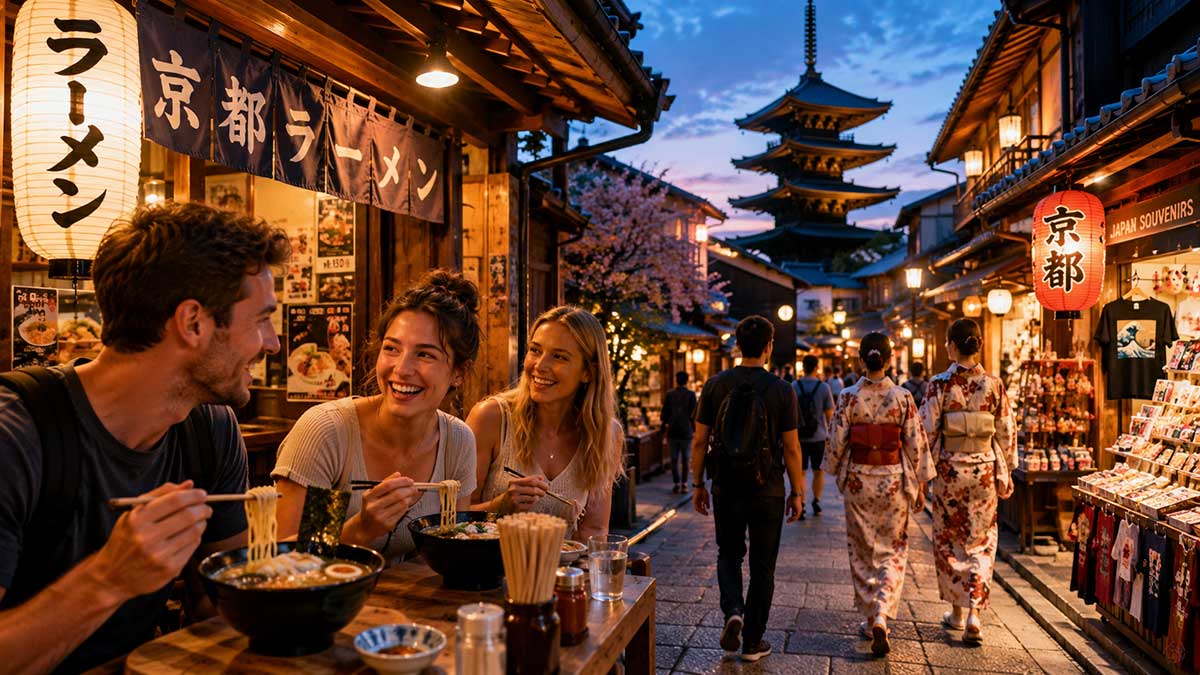
A small table sits near a quiet street in Kyoto.
Outside, visitors take photos under lanterns.
Inside, five voices gather around one question.
For Americans, Japan feels cheaper when the yen is weak.
Hotels feel lighter on the wallet. Meals feel like gifts. Souvenirs feel easier to buy.
But for many Japanese families, that same weak yen can mean higher food prices, higher fuel costs, and a daily life that quietly tightens.
Anthony Bourdain sees the faces behind the meal.
Ruth Benedict sees the cultural weight of dignity.
Kazuo Inamori sees business, morality, and responsibility.
Warren Buffett sees price, value, and long-term strength.
Haruki Murakami sees the strange loneliness inside economic change.
Tonight’s question is simple:
When Japan becomes cheaper for outsiders, who pays the hidden cost?
Question 1: When tourists celebrate a cheap Japan, what are local people quietly paying for?
Anthony Bourdain:
A traveler walks into a ramen shop and says, “This is unbelievable. Ten dollars back home, maybe more. Here, it feels like a bargain.”
But the person making that bowl has rent. The owner has ingredient costs. The staff has families. The fish, flour, pork, gas, and electricity may all be rising.
A traveler sees generosity.
A local may see pressure.
That does not make the traveler guilty. It just means the story is bigger than the meal.
Ruth Benedict:
In Japan, dignity often appears in restraint.
A shopkeeper may smile. A server may bow. A family may endure rising costs without complaint.
Outsiders may mistake that grace for comfort.
But silence does not always mean ease.
A weak yen may bring visitors and income, yet it can place strain on households that must preserve social harmony even as prices rise.
The hidden cost may be emotional discipline.
Kazuo Inamori:
Business must create value for society.
Tourism can help restaurants, hotels, trains, shops, and local communities. But if profit rises for some and living pressure rises for many, the economy loses balance.
A nation should welcome guests without becoming dependent on being cheap.
Japan’s true value is not low price.
It is sincerity, craft, trust, and spirit.
Those should never be discounted too deeply.
Haruki Murakami:
A weak yen changes the sound of a city.
You hear more languages in cafés. You see more suitcases in stations. The streets feel fuller.
Yet inside an apartment nearby, someone checks the price of eggs, bread, coffee, gasoline.
Two realities pass each other without speaking.
The visitor remembers beauty.
The resident remembers the receipt.
Warren Buffett:
Price and value are different.
A tourist may say Japan is cheap. That may be true in dollar terms. But Japan itself is not cheap.
The culture, infrastructure, safety, food quality, and human care have enormous value.
When a currency falls, foreigners may receive a temporary discount on that value.
The question is whether Japan can turn that discount into long-term prosperity, not just short-term spending.
Question 2: Does a weak yen help Japan by bringing in visitors, or does it reveal a painful imbalance?
Warren Buffett:
It can do both.
A weak yen can bring tourists, help exporters, and make Japanese assets more attractive to foreign investors.
That can be positive.
But relying on currency weakness is not a business model I would admire for the long term.
The best companies win through quality, efficiency, brand trust, and pricing strength.
The same is true for nations.
Japan should be admired for value, not visited only for discounts.
Kazuo Inamori:
A weak yen can give companies breathing room.
Exporters may earn more. Tourism may rise. Local shops may see more customers.
But breathing room is not the same as renewal.
Japan must ask what it will build with this moment. Better wages? Better training? Stronger regional economies? New industries?
A weak yen should become a bridge to renewal.
If it becomes an excuse, it becomes dangerous.
Anthony Bourdain:
Tourism money is real. I have seen towns revived by visitors.
But I have seen places lose themselves, too.
A city can become a stage set of itself. Restaurants start serving the visitor’s expectation. Neighborhoods become photo backgrounds. Locals get priced out of their own streets.
Japan has too much soul to become just a cheap dream for foreigners.
The visitor’s job is to come with respect.
Haruki Murakami:
A weak yen is like a mirror in rain.
It shows something true, but the image is distorted.
Yes, Japan attracts people. Yes, travelers fall in love with its trains, food, temples, convenience stores, and quiet order.
But under the surface, there is fatigue.
Young workers wonder about wages. Families calculate costs. Older people live carefully.
The country is beautiful, yet beauty does not pay every bill.
Ruth Benedict:
A nation can be admired from outside and burdened from within.
Japan has long understood rank, duty, obligation, and careful presentation.
Tourism praises the visible Japan: cleanliness, politeness, beauty, service.
Currency weakness reveals the invisible Japan: aging, wages, household strain, and the wish to remain dignified under pressure.
Both are true.
The imbalance appears when outsiders see only the first Japan.
Question 3: Can a country feel beautiful to outsiders yet financially heavy for its own people?
Ruth Benedict:
Yes.
Beauty can coexist with burden.
A garden may be perfectly swept. A tea bowl may be placed with care. A train may arrive exactly on time.
None of that tells us how easy life feels for the worker who maintains that order.
Japan’s grace may hide sacrifice.
To understand Japan with respect, one must look at both the form and the strain beneath the form.
Haruki Murakami:
There are cities that look calm from the outside and feel lonely from the inside.
A foreign visitor may walk through Tokyo at night and feel wonder.
A resident may walk the same street thinking about salary, rent, parents, children, and the future.
The same vending machine light shines on both people.
One calls it magic.
One calls it Tuesday.
Anthony Bourdain:
The best travelers learn humility.
You eat the food. You enjoy the place. You thank people. Then you ask, “What is life like here when I leave?”
That question matters.
A country is not a theme park. It is not a bargain bin. It is home.
When travelers remember that, their joy becomes less selfish.
Kazuo Inamori:
A society must honor the people who sustain its beauty.
The cook, the driver, the cleaner, the farmer, the hotel worker, the elderly caregiver — these people carry Japan’s daily dignity.
If visitors benefit from a weak yen, then businesses and leaders should ask how that benefit can support wages and communities.
Profit without gratitude becomes empty.
Warren Buffett:
Outsiders often notice price first.
Long-term thinkers notice durability.
Japan has durable advantages: trust, education, social order, manufacturing skill, food culture, design, and service.
But people must feel that durability in their own lives.
A country cannot be judged only by how cheap it feels to visitors.
It must be judged by whether its own citizens can live with confidence.
Closing
The lanterns outside begin to fade.
The visitors return to their hotels.
The shopkeepers clean the counters.
The trains continue to run.
The weak yen has made Japan feel open, affordable, and unforgettable to many Americans.
But the same exchange rate asks something from Japanese households.
Higher costs. Quiet adjustments. Smaller margins. More patience.
Bourdain reminds us to see the person behind the meal.
Benedict reminds us to notice dignity beneath silence.
Inamori reminds us that business must serve people.
Buffett reminds us that value is deeper than price.
Murakami reminds us that two people can walk the same street and live two different stories.
The next conversation turns to Japan’s larger future:
Can Japan grow older, remain beautiful, and still build a new economic story strong enough for the next generation?
Topic 5: Japan’s Future — Inflation, Aging, and the Weak Yen
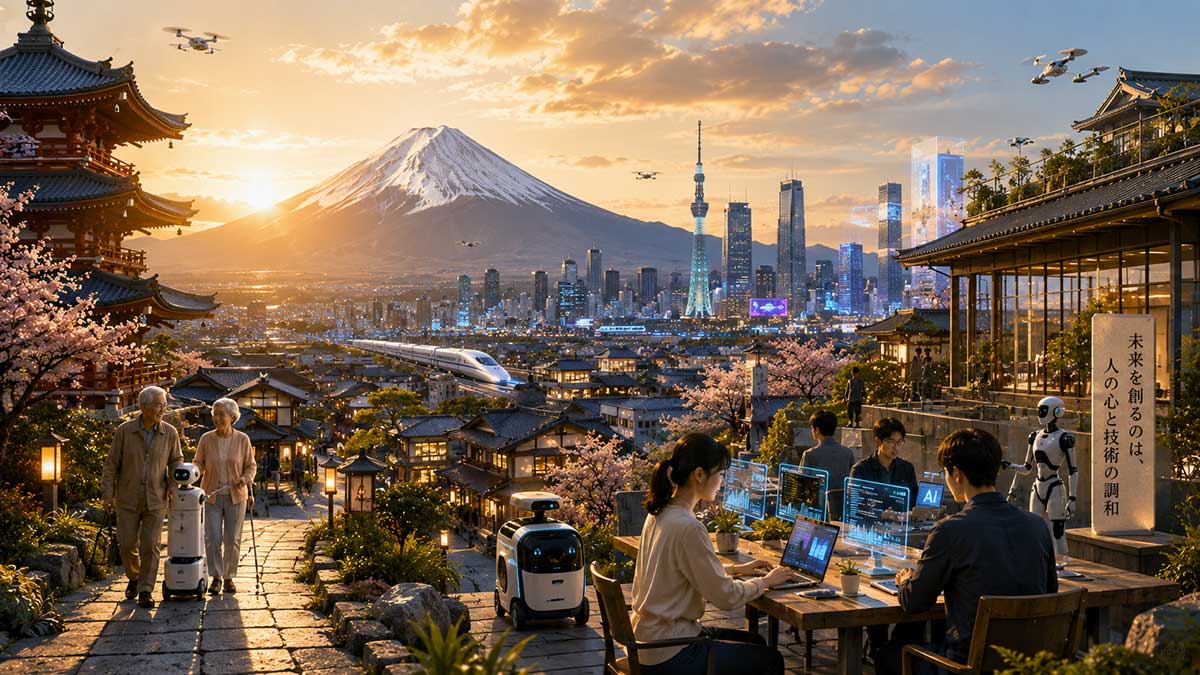
A factual anchor for this fictional conversation: Japan’s Statistics Bureau reported that people age 65 and older made up 29.3% of the population as of October 1, 2024. Japan’s IPSS projects that by 2070, the total population may fall to about 87 million, with the 65-and-over share near 38.7%. At the same time, Reuters reports that the Bank of Japan recently raised its policy rate to 1.0%, yet Japan still faces tension between inflation control and growth support.
Opening
A quiet room faces Mount Fuji at dawn.
The sky is soft, but the question is heavy.
Can Japan grow older, remain beautiful, and still build a new economic story strong enough for the next generation?
Peter Zeihan sees geography, demographics, and supply chains.
Ray Dalio sees debt cycles, productivity, currency pressure, and national renewal.
Kazuo Inamori sees the moral purpose of business.
Shinzō Abe sees national confidence, reform, security, and ambition.
Masayoshi Son sees technology, AI, risk, and the courage to bet on the future.
The weak yen sits in the center of the table.
But behind it stand larger forces:
Aging.
Inflation.
Wages.
Debt.
Immigration.
Automation.
National identity.
The future of work.
The question is no longer, “Why is the yen weak?”
The question is:
What kind of Japan can rise from this pressure?
Question 1: Is the weak yen a short-term currency issue, or part of Japan’s larger demographic challenge?
Peter Zeihan:
The yen is not just reacting to interest rates.
It is reacting to Japan’s age structure.
When a society ages, savings behavior changes. Consumption patterns change. Labor supply changes. The country has fewer young workers to carry more social obligations.
Japan built one of the most impressive industrial systems in human history. But that system was built in a different demographic era.
A weak yen is a symptom.
The deeper issue is whether Japan can keep producing, innovating, and caring for its elderly with fewer young people.
Ray Dalio:
Every country goes through cycles.
There is a money cycle, a debt cycle, a productivity cycle, and a demographic cycle.
Japan’s challenge is that these cycles are colliding.
The weak yen reflects the interest-rate gap, yes. But it also reflects a larger question: can Japan create enough real productivity growth to offset aging, debt, and rising social costs?
If productivity rises, the yen can regain trust.
If productivity does not rise, currency policy alone will not solve the problem.
Shinzō Abe:
Japan must not accept decline as destiny.
Aging is real. Low birthrates are real. Regional decline is real.
But a country is more than its statistics.
Japan needs confidence. It needs investment. It needs security. It needs reform that respects tradition but does not become trapped by it.
The weak yen should not become a symbol of defeat.
It should become a warning bell.
And a warning bell can awaken a nation.
Kazuo Inamori:
A nation’s economy begins with people.
If young workers lose hope, if families feel that children are too expensive, if companies treat labor only as cost, then the economy loses its spirit.
The yen may move in markets, but the future is built in workplaces, homes, schools, and small businesses.
Japan must ask a moral question:
Are we creating a society where the next generation wants to live, work, marry, create, and dream?
That question matters more than exchange rates.
Masayoshi Son:
Demographics are serious, but technology changes the equation.
Japan cannot simply replace millions of missing workers through birthrate policy in a few years. That takes generations.
But AI, robotics, automation, digital health, and smart logistics can help one worker do far more.
Japan has a choice.
It can fear the shrinking population.
Or it can become the world’s model for a super-aging society powered by technology and human care.
Question 2: Can Japan create a new economic story strong enough to attract capital again?
Masayoshi Son:
Yes, but Japan needs boldness.
The world is moving into AI, chips, robotics, biotech, energy systems, and digital infrastructure.
Japan has precision. Japan has trust. Japan has manufacturing memory. Japan has engineers. Japan has culture that respects quality.
But Japan must move faster.
Capital goes where the future feels alive.
If Japan wants money to return, it must tell a story that says:
This is not an aging museum.
This is the laboratory of the next human society.
Kazuo Inamori:
Economic stories cannot be built on speculation alone.
A true economic story comes from purpose.
Companies must ask: Why do we exist? Who do we serve? What value do we create?
If Japan attracts capital only through cheap currency, that is weak.
If Japan attracts capital through excellent companies, honest management, patient innovation, and respect for workers, that is strong.
Capital may enter for profit.
But it stays for trust.
Ray Dalio:
Capital watches incentives.
Does Japan reward productivity?
Does Japan treat shareholders fairly?
Does Japan support entrepreneurship?
Does Japan manage debt credibly?
Does Japan create conditions for wage growth?
A new story needs numbers behind it.
Markets can enjoy a narrative for a season, but capital remains only when returns appear real.
Japan has many strengths.
The question is whether those strengths can be translated into higher returns on capital and higher living standards.
Peter Zeihan:
Japan still matters.
Its geography is difficult, but its industrial skill is extraordinary.
The global system is becoming less predictable. Supply chains are shifting. Countries want reliability. Japan is reliable.
That matters.
Japan can become more valuable in a world that distrusts fragile supply chains.
But it must solve labor shortages, energy exposure, and regional decline.
If Japan can automate faster than it ages, the story changes.
Shinzō Abe:
Japan needs national ambition.
For too long, many accepted low growth as normal.
But nations require vision.
Japan can invest in defense, technology, energy security, education, women’s participation, regional renewal, and global partnerships.
Confidence is not fantasy.
Confidence is a decision to act before decline becomes habit.
Japan must not ask the world to believe in it first.
Japan must believe in itself first.
Question 3: What kind of future can Japan build if its population shrinks but its cultural influence keeps growing?
Shinzō Abe:
Japan’s culture already carries great influence.
Food, anime, design, hospitality, technology, martial arts, literature, temples, fashion, games, and craftsmanship have reached the world.
But cultural admiration must become national strength.
If the world loves Japan, Japan must use that goodwill to build partnerships, attract talent, sell premium goods, and invite serious investment.
Soft influence should become strategic confidence.
Japan should not merely be admired.
It should lead.
Peter Zeihan:
A shrinking population does not always mean disappearance.
It means the country must choose what it wants to be.
Japan may not need to be the biggest economy to remain one of the most important societies.
It can specialize. It can automate. It can export high-value goods. It can manage eldercare technology. It can build resilient supply chains.
The danger is pretending the old model will return.
The opportunity is designing a new model before others are forced to.
Masayoshi Son:
Japan can become the prototype for the future.
Every advanced country will age. Japan is just arriving there first.
So Japan can build solutions the rest of the world will need:
AI caregivers.
Robotic support.
Remote medicine.
Smart homes.
Safer mobility.
Education for older adults.
New forms of work after retirement.
If Japan solves aging with dignity, it will export more than products.
It will export answers.
Ray Dalio:
The strongest future is one where Japan turns its constraints into productivity.
Aging creates pressure. Pressure can create invention.
But pressure can also create fear.
Japan needs a balance between stability and change.
Too much stability protects the past.
Too much change can break social trust.
The winning path is disciplined renewal: reform without social collapse, technology without human neglect, growth without losing identity.
Kazuo Inamori:
Japan must protect the human heart.
Technology can help.
Capital can help.
Policy can help.
But if society forgets compassion, no growth will feel successful.
An older society must honor its elders without crushing its young.
A shrinking society must treasure each child without turning children into economic instruments.
A wealthy society must remember that business is service.
Japan’s future will not be measured only by GDP or exchange rates.
It will be measured by whether people can live with meaning.
Closing
The sun rises over Mount Fuji.
The weak yen remains on the table, but it no longer feels like the whole story.
Zeihan sees demographics forcing a new national design.
Dalio sees cycles that demand productivity.
Inamori sees the moral foundation beneath the economy.
Abe sees confidence, reform, and national will.
Son sees AI, robotics, and the chance to become the world’s guide for aging societies.
Japan’s future may not look like its past.
It may not return to the roaring industrial confidence of the 1980s.
It may not compete through population size.
It may not rely forever on cheap currency, tourism, or export advantage.
But Japan still has something rare:
Trust.
Discipline.
Beauty.
Craft.
Memory.
Social order.
Cultural reach.
A deep instinct for quality.
The question is whether Japan can turn those gifts into a new economic story.
A story where older people are honored.
Young people are hopeful.
Technology serves dignity.
Capital returns with trust.
And the yen becomes less a symbol of anxiety, and more a reflection of renewed confidence.
Final Thoughts
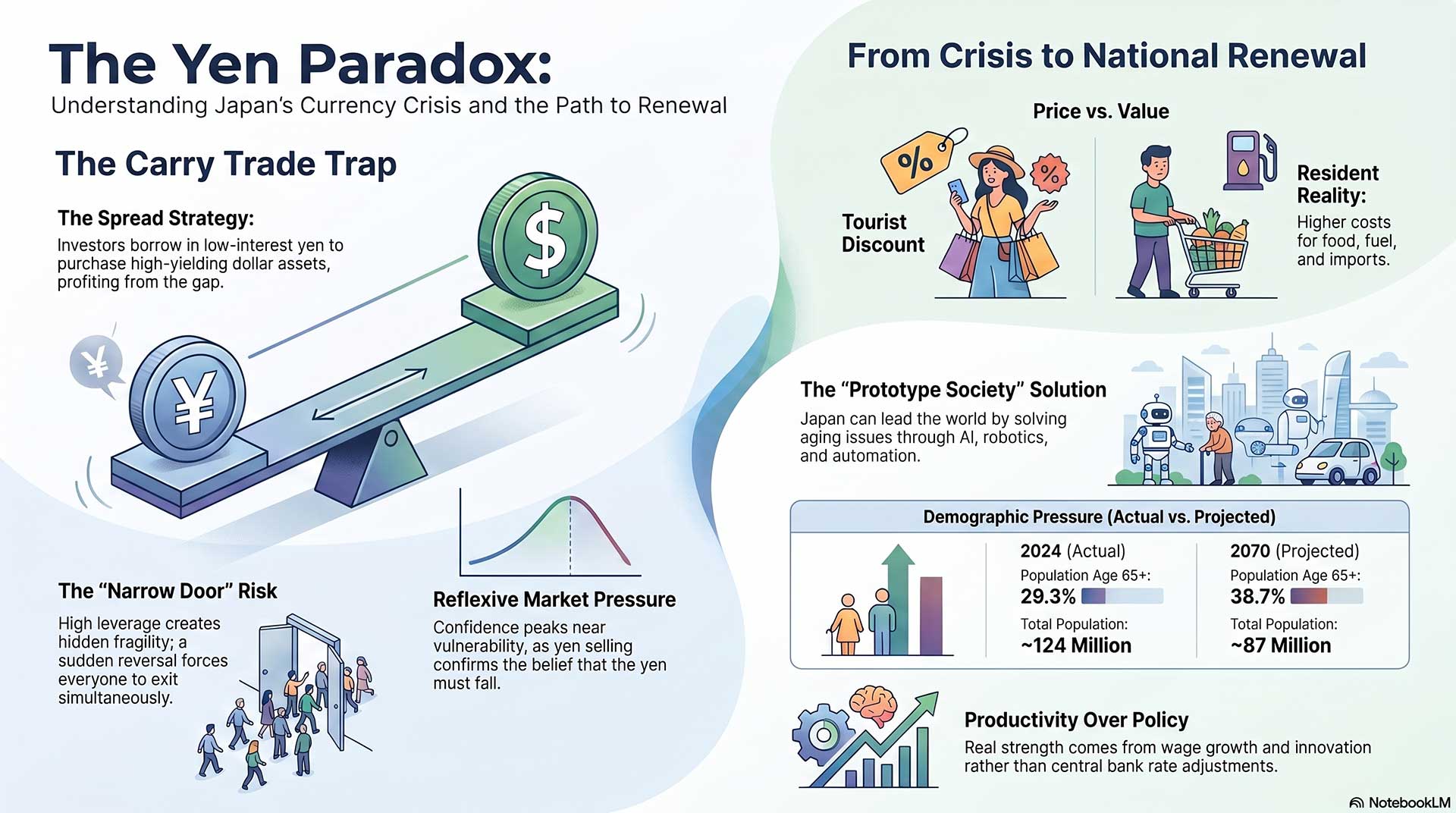
The yen begins this story as a number.
A chart moves.
A tourist smiles.
A trader calculates.
A family checks grocery prices.
But by the end, the yen becomes a mirror.
It reflects the gap between American and Japanese interest rates.
It reflects the temptation of the carry trade.
It reflects the strength of the dollar system.
It reflects Japan’s aging society.
It reflects the quiet pain of imported inflation.
It reflects the chance for tourism, investment, and renewal.
A weak yen does not mean Japan is weak.
Japan still holds rare strengths: safety, beauty, trust, design, food culture, manufacturing skill, social order, hospitality, anime, literature, robotics, and a deep sense of craft.
But the weak yen asks Japan to face a serious question:
Will it be admired mainly as an affordable destination, or respected again as a future-shaping nation?
The answer will not come from currency intervention alone.
It will come from wages.
It will come from productivity.
It will come from technology.
It will come from young people feeling hope.
It will come from older people being honored with dignity.
It will come from companies creating real value.
It will come from a country believing that its best days do not have to remain behind it.
For Americans, the weak yen may make Japan easier to visit.
For Japan, the weak yen may become a warning.
A warning can be painful.
But it can wake a nation.
And Japan, with all its memory and quiet strength, may still have a new story to tell.
Short Bios:
Warren Buffett
An American investor and chairman of Berkshire Hathaway, known for long-term thinking, business quality, patience, and the difference between price and value.
Ray Dalio
Founder of Bridgewater Associates, known for studying debt cycles, global capital flows, currencies, empires, and the forces that shape economic order.
Milton Friedman
A Nobel Prize-winning economist who focused on money supply, markets, incentives, inflation, and the role of monetary policy in shaping economic life.
Kazuo Ueda
Governor of the Bank of Japan, representing the difficult balance between inflation control, growth, wage pressure, currency weakness, and financial stability.
Munehisa Homma
An 18th-century Japanese rice trader often linked to early candlestick charting, used here as a voice for market psychology, price movement, fear, and crowd behavior.
George Soros
Investor and writer known for the idea of reflexivity, where market beliefs can shape market reality until the belief breaks.
Nassim Nicholas Taleb
Author of The Black Swan, known for warning about hidden fragility, rare shocks, tail risks, and the danger of mistaking calm for safety.
Stanley Druckenmiller
Legendary macro investor known for reading central banks, currencies, interest rates, and market timing with discipline and caution.
Jesse Livermore
A famous early 20th-century trader known for studying crowd behavior, leverage, speculation, and the danger of being right with too much size.
John Maynard Keynes
A major economist who saw markets as deeply tied to psychology, confidence, uncertainty, demand, and government response.
Friedrich Hayek
Economist and philosopher known for defending price signals, market freedom, decentralized knowledge, and skepticism toward heavy central control.
Alan Greenspan
Former chair of the Federal Reserve, associated with monetary credibility, financial markets, debt concerns, and the long-term trust behind a currency.
Ben Bernanke
Former chair of the Federal Reserve, known for his work on the Great Depression, deflation, crisis response, and central-bank policy during financial stress.
Anthony Bourdain
Chef, traveler, and storyteller who looked beyond food into the lives, labor, dignity, pain, and beauty of ordinary people.
Ruth Benedict
Anthropologist and author of The Chrysanthemum and the Sword, known for studying Japanese culture, dignity, restraint, obligation, and social form.
Kazuo Inamori
Japanese entrepreneur and founder of Kyocera, known for linking business success with moral purpose, service, discipline, and human-centered leadership.
Haruki Murakami
Japanese novelist whose work often captures loneliness, quiet city life, memory, longing, and the strange emotional atmosphere of modern Japan.
Peter Zeihan
Geopolitical analyst focused on demographics, geography, supply chains, energy, and how national futures are shaped by population structure.
Shinzō Abe
Former prime minister of Japan, associated with economic reform, national confidence, security policy, and the effort to revive Japan’s global role.
Masayoshi Son
Founder of SoftBank, known for bold technology bets, AI, robotics, startup investing, and a future-facing vision for Japan.
Leave a Reply