
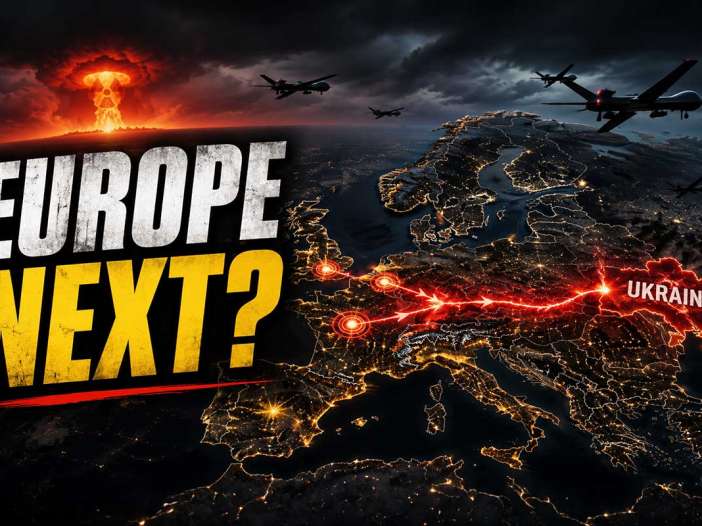
What if Europe is already inside the war before its people realize it?
Introduction by George Kennan
A war does not become global in one afternoon.
It grows through decisions that appear limited at the time. A shipment of weapons. A new training program. A satellite feed. A drone factory. A public speech meant to signal strength. A private warning that no one takes seriously.
Then one day, the map changes.
What once looked like a war inside Ukraine begins to look like a confrontation between Russia and the West. What once looked like military assistance begins to look like participation. What once looked like technology begins to change the nature of human fear.
In Tucker Carlson’s interview with Viktor Bout in Moscow, Bout gives a severe warning: Russia may soon see Western Europe not as a distant supporter of Ukraine, but as a direct military actor. He argues that weapons production, logistics, drones, intelligence sharing, and communications systems have blurred the line between aid and war.
This conversation is powerful not only for what it claims, but for the worldview it reveals.
Bout sees the Ukraine war as a civilizational conflict. He speaks of NATO expansion, European militarization, drone warfare, Orthodox identity, corruption, globalism, and nuclear danger as parts of one larger crisis. In his eyes, Russia is defending sovereignty, faith, and national survival. In the eyes of many in the West, Ukraine is defending independence against invasion.
Between these two stories lies the danger.
Wars become harder to end when each side believes it is defending civilization itself. A territorial conflict can be negotiated. A holy conflict demands sacrifice. A security dispute can be managed. A civilizational struggle tempts nations to accept ruin rather than compromise.
That is why this discussion requires more than agreement or disagreement with Viktor Bout.
It requires examination.
When does support become participation?
Have drones made civilians permanently exposed?
What happens when war becomes spiritual language?
Are Western leaders managing escalation, or being managed by it?
Could America and Russia ever move from rivalry to partnership again?
These are not simple questions. They belong to history, strategy, faith, technology, and conscience.
The central question is this:
What happens when a proxy war becomes a civilizational war?
And beneath it, another question waits:
Can leaders still stop escalation once ordinary people have been taught to fear peace more than war?
(Note: This is an imaginary conversation, a creative exploration of an idea, and not a real speech or event.)
Topic 1: Is Europe Sleepwalking Into War With Russia?
Opening — George Kennan
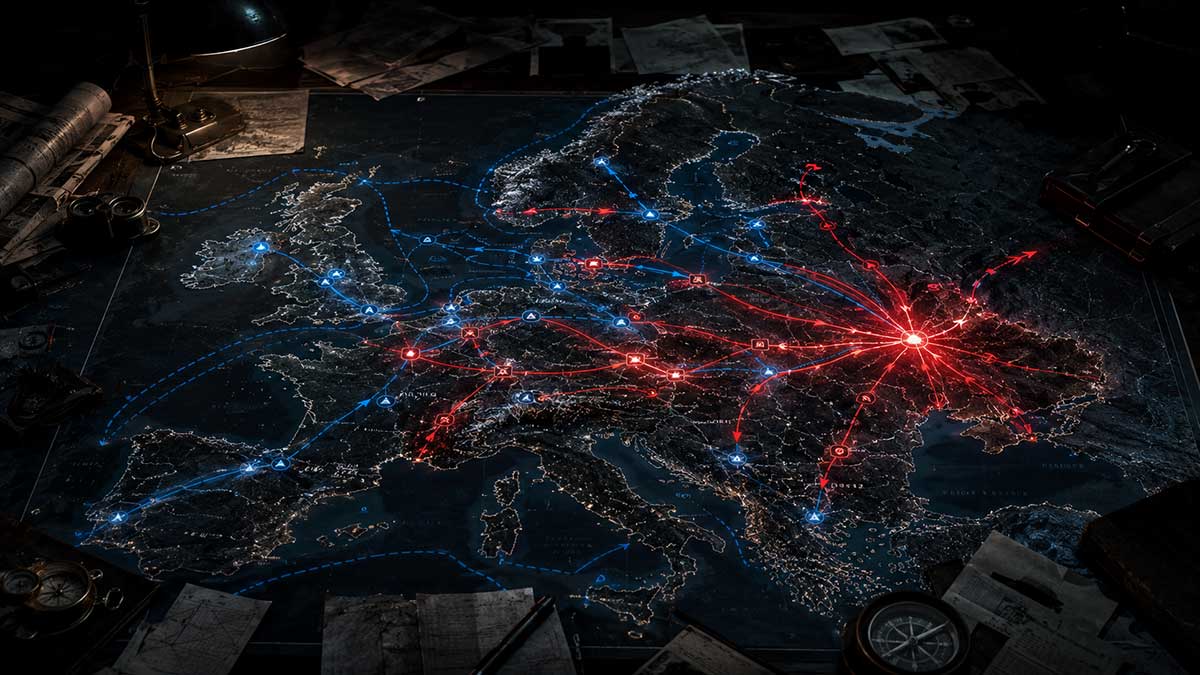
The danger of war is rarely born in a single moment. It is assembled slowly, piece by piece, under the names of duty, honor, deterrence, and necessity.
A railway hub becomes a supply line.
A factory becomes a strategic asset.
A border becomes a tripwire.
A promise becomes a trap.
Europe today stands inside that old historical pattern. Its leaders say they are defending Ukraine. Russia says Europe has entered the war by another name. Between those two claims lies the question that has haunted every major war in modern history:
At what point does support become participation?
Tonight, we ask whether Europe is protecting peace, preparing for war, or walking forward with its eyes half closed.
Question 1: When does military support become direct participation in war?
Viktor Bout:
When a country produces weapons, guides missiles, trains soldiers, shares intelligence, and supplies the system that keeps an army alive, it is already part of the war. The only difference is that it has not yet admitted it.
Angela Merkel:
That is too simple. Modern alliances work through support, pressure, sanctions, diplomacy, and deterrence. If every act of support equals direct war, then the world has no space left for limited action.
John Mearsheimer:
The problem is that great powers do not judge participation by legal language. They judge it by material effect. If European factories help Ukraine strike Russian territory, Moscow may see those factories as part of the battlefield.
Henry Kissinger:
A war becomes dangerous when each side uses a different dictionary. Europe says “assistance.” Russia says “intervention.” Ukraine says “survival.” America says “deterrence.” Each word carries a different red line.
George Kennan:
The tragedy is that every side may feel defensive. Europe fears Russian expansion. Russia fears encirclement. Ukraine fears extinction. Yet history teaches that defensive fears can create offensive realities.
Angela Merkel:
Still, if Europe does nothing, it tells every stronger nation that borders can be changed by force. That lesson has its own terrible price.
Viktor Bout:
Europe is already paying a price. Its industry is weakening, its people are anxious, its politics are unstable, and its weapons are feeding a war that could return to European soil.
John Mearsheimer:
This is the central realist warning: intentions matter less than capabilities and geography. If Russia sees NATO military capacity moving closer and closer to the fight, it will react.
Henry Kissinger:
Diplomacy exists to prevent that reaction from becoming irreversible. The aim should be a settlement where every side can step back without public humiliation.
George Kennan:
A wise statesman asks not only, “What is morally right today?” but, “What chain of events might this start tomorrow?”
Question 2: Are European leaders protecting Ukraine, or risking Europe itself?
Angela Merkel:
European leaders are trying to prevent a larger collapse. If Ukraine falls completely, Eastern Europe will feel exposed. Poland, the Baltics, and others will ask whether Europe still has a security order.
Viktor Bout:
But they are risking Paris, Berlin, London, Warsaw, and Rome for a war they cannot win. They speak of values, yet ordinary Europeans are never asked if they want to live under the shadow of nuclear escalation.
Henry Kissinger:
Both fears are real. A collapse of Ukraine could destabilize Europe. A reckless escalation could destroy Europe. The task of leadership is to avoid both outcomes, not choose one disaster over another.
John Mearsheimer:
European leaders often speak as if resolve alone can solve a strategic problem. Resolve matters, but geography, industry, manpower, and escalation dominance matter too.
George Kennan:
Europe’s deepest problem may be memory. It remembers appeasement, so it fears weakness. But it may have forgotten 1914, when alliances, pride, mobilization, and misreading carried nations into catastrophe.
Angela Merkel:
The 1914 comparison should make everyone cautious, including Moscow. Europe cannot be expected to accept permanent intimidation under threat of escalation.
Viktor Bout:
Russia does not ask Europe to kneel. Russia asks Europe to stop turning Ukraine into an armed platform against Russia.
John Mearsheimer:
That is how Moscow sees it. Western leaders see Ukraine as a sovereign state seeking security. The danger lies in the gap between those stories.
Henry Kissinger:
Peace begins when each side can describe the other side’s fear without accepting all of its claims. Europe has lost that discipline.
George Kennan:
If leaders cannot imagine the fear of their adversary, they will misread every signal until the first missile lands.
Question 3: Can a war remain limited once weapons production moves outside the battlefield?
John Mearsheimer:
A limited war can remain limited only if the major powers agree on limits. Once those limits become unclear, geography expands. The front line moves from trenches to factories, satellites, ports, railways, and data networks.
Viktor Bout:
Exactly. If drones are built in Europe, if logistics run through Europe, if targeting depends on Western systems, then Europe is no longer outside the war. It is simply waiting for the war to arrive.
Angela Merkel:
That claim creates a dangerous doctrine. If accepted fully, any supplier becomes a target. Then every regional conflict can become a continental war.
Henry Kissinger:
That is why channels of communication matter. States need quiet agreements on what remains off-limits: nuclear plants, civilian centers, core territory, command systems, and leadership targets.
George Kennan:
But quiet agreements require trust. Trust is now scarce. Public language is maximal. Private diplomacy appears weak. This is how wars outrun the people who began them.
John Mearsheimer:
Drone warfare makes this worse. Cheap long-range systems blur the line between battlefield and homeland. A small device can create a strategic crisis.
Angela Merkel:
Europe must build defenses, yet it must pair defense with diplomacy. Rearmament without a political endgame becomes permanent mobilization.
Viktor Bout:
And Russia will answer permanent mobilization with its own. Then both sides call themselves defensive, and Europe returns to the darkest logic of the twentieth century.
Henry Kissinger:
A settlement will require ugly compromise. Anyone promising clean victory is misleading the public.
George Kennan:
A limited war survives only under restraint. Restraint survives only under imagination. The statesman must imagine the graveyard before ordering the next shipment.
Closing — George Kennan
Europe’s danger is not that it lacks courage. Its danger is that courage may become detached from prudence.
There are moments when aid is moral. There are moments when restraint is moral. The tragedy of statecraft is knowing when one has become the other.
If Europe wishes to defend Ukraine, it must ask what future it is defending: a continent of sovereign nations at peace, or a militarized continent waiting for the next strike.
The question is not whether Russia is afraid, whether Ukraine is desperate, or whether Europe is righteous.
The question is whether anyone still has the discipline to stop escalation before escalation becomes history.
And history, once written in fire, does not ask permission from those who lit the match.
Topic 2: Have Drones Changed War Forever?
Opening — J. Robert Oppenheimer
Every age invents a weapon that forces humanity to look at itself again.
The bow extended the arm.
Gunpowder extended destruction.
The airplane erased distance.
The atomic bomb placed history under a cloud.
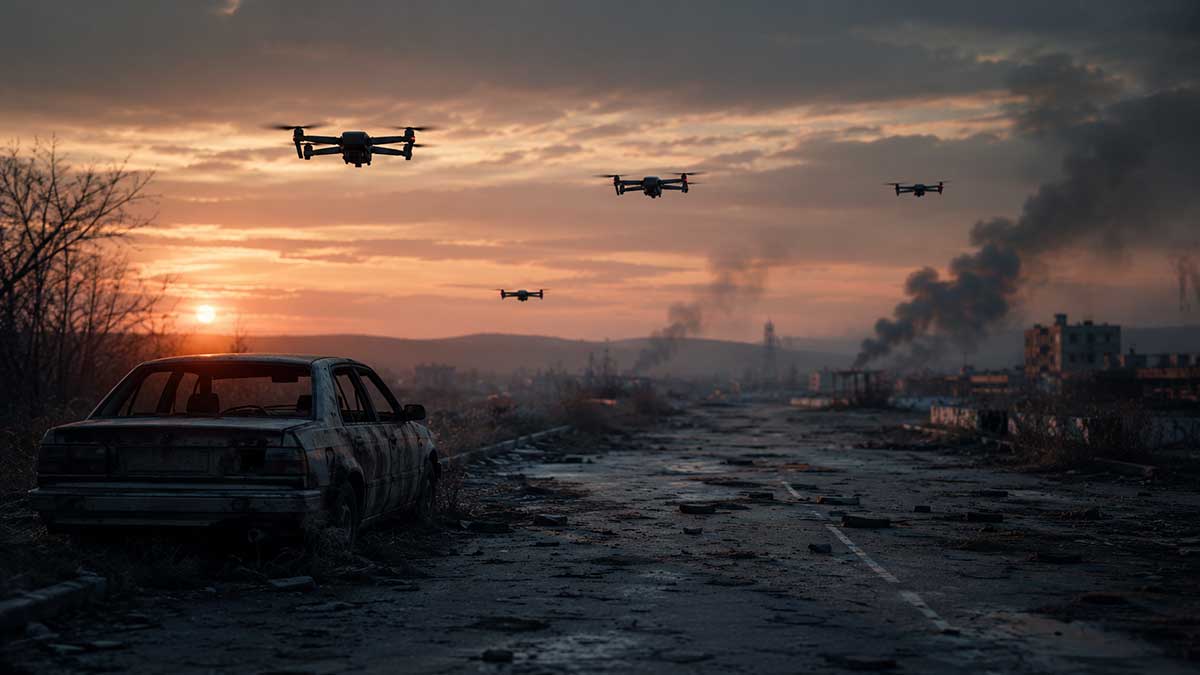
Now the drone has entered war with a different kind of terror. It is cheap, patient, precise, disposable, and everywhere. It does not need courage. It does not need sleep. It can be flown by a soldier, guided by a network, improved in a workshop, and sent across a border before ordinary people know they have become part of the battlefield.
The question is no longer only how wars are fought.
The question is what happens to human conscience when killing becomes remote, automated, and multiplied by machines.
Question 1: Do drones make civilians impossible to fully protect?
Viktor Bout:
Yes. This is the new terror. A drone can wait, follow, choose, and strike. In the old battlefield, civilians could hide behind distance. Now distance means less. A road, a bus, a car, a dormitory, a power station—anything can be seen as a target.
Sebastian Junger:
The soldier has always feared what he cannot see. But civilians now inherit that fear. A village under drones lives under constant listening and watching. People begin to change how they walk, how they gather water, how they move their children.
Yuval Noah Harari:
The real change is the merger of surveillance and violence. A drone is not just a flying weapon. It is part of a data system. Once every movement can be watched, categorized, and acted upon, the border between battlefield and civilian life begins to disappear.
Palmer Luckey:
Drones create danger, but the answer is not pretending they can be uninvented. The answer is defense: detection, jamming, interception, hardened infrastructure, and better command systems. Technology creates the threat, but technology can reduce it too.
J. Robert Oppenheimer:
That is the ancient bargain of science. We create the instrument, then we ask whether wisdom can catch up before ruin arrives.
Sebastian Junger:
The human body has not changed. Fear still enters the stomach first. A civilian hearing a drone overhead does not think about doctrine. He thinks: is it looking at me?
Viktor Bout:
And when children, buses, or civilian cars are hit, the anger does not weaken a nation. It hardens it. Drones may kill bodies, but they can create a deeper will to fight.
Yuval Noah Harari:
That is one of the great dangers. A weapon meant to break morale can create permanent hatred. The machine acts in seconds. Memory lasts generations.
Palmer Luckey:
This is why command responsibility matters. We need clear rules, clear chains of control, and systems that record decisions. The machine should not become an excuse for moral fog.
J. Robert Oppenheimer:
The more precise a weapon becomes, the more guilty we become when it is used without wisdom.
Question 2: What happens when cheap machines can strike deep into another country?
Palmer Luckey:
The cost curve changes everything. A cheap drone can threaten an expensive radar, aircraft, fuel depot, or command post. That means smaller forces gain reach they never had before.
Viktor Bout:
Exactly. A country does not need a large air force to strike deep. It needs production, parts, guidance, and intelligence. This is why factories, workshops, and communication systems become part of the war.
Yuval Noah Harari:
Cheap strike capacity weakens old assumptions about sovereignty. States used to rely on borders, air defense, and distance. Now a low-cost system can turn a distant conflict into a domestic panic.
Sebastian Junger:
For soldiers, it changes movement. You cannot gather in the open. You cannot sleep normally. You cannot light a cigarette without wondering if something above is watching. War becomes a hunted existence.
J. Robert Oppenheimer:
The atomic bomb made destruction massive. The drone makes fear intimate. One weapon threatened cities. The other can follow a single man.
Palmer Luckey:
This is why the next war will reward speed. Not just speed of weapons, but speed of learning. The side that adapts every week will beat the side that waits for a five-year procurement plan.
Viktor Bout:
On the front, tactics change every few weeks. Units build parts, repair drones, print components, change frequencies, improve guidance. War has become a workshop.
Sebastian Junger:
That changes the identity of the soldier. The brave rifleman still matters, but now the mechanic, coder, operator, and repairman may decide who survives.
Yuval Noah Harari:
And this creates a new social danger. War begins to resemble a permanent innovation race. A society may start organizing itself around surveillance, automation, and strike capacity.
J. Robert Oppenheimer:
When invention is ruled by fear, every discovery asks the same question: will this save us, or train us to destroy ourselves more efficiently?
Question 3: Does AI-guided warfare weaken human moral responsibility?
Yuval Noah Harari:
Yes, if we allow the decision to disappear inside the system. Human beings are very good at saying, “The machine selected the target,” or “the algorithm recommended the strike.” This is how responsibility dissolves.
Palmer Luckey:
I disagree with the idea that AI automatically removes responsibility. Humans design the system, approve the rules, set the mission, and choose deployment. The question is not whether AI exists. The question is who controls it and how.
Viktor Bout:
But once the system is released, who takes blame? The programmer? The commander? The operator? The politician? The supplier? Everyone points to someone else. That is the danger.
Sebastian Junger:
War already creates distance from guilt. Artillery crews may never see the people they hit. Drone warfare adds another layer. The person killed may appear as a dot, heat shape, or target box.
J. Robert Oppenheimer:
Abstraction is one of the most dangerous tools in war. Once a person becomes a coordinate, conscience becomes easier to silence.
Yuval Noah Harari:
And AI adds prediction. It may say someone is likely to be a fighter, likely to carry supplies, likely to become a future threat. That moves war from action into suspicion.
Palmer Luckey:
Then we need strict human review where possible, stronger audit trails, and systems built to reduce civilian harm. Bad use should not erase good defense.
Viktor Bout:
But in real war, pressure destroys rules. When a side is losing, it will use every tool. It will call civilians military targets. It will call terror strategy. It will say survival excuses everything.
Sebastian Junger:
That is when soldiers need moral culture, not just orders. A soldier who has never been taught restraint will not discover it under fear.
J. Robert Oppenheimer:
The final danger is not that machines become evil. Machines have no soul. The danger is that humans use machines to escape the burden of having one.
Closing — J. Robert Oppenheimer
The drone is not only a weapon. It is a mirror.
It shows us that distance no longer protects the innocent. It shows us that cheap machines can create expensive disasters. It shows us that intelligence, once joined to violence, can make every road, roof, window, and moving body feel exposed.
But the deepest question is not technical.
It is moral.
Can human beings create machines of great precision without becoming less precise in conscience?
If war becomes faster than judgment, cheaper than diplomacy, and more automated than mercy, then the future will not be decided by the machine.
It will be decided by the humans who surrendered their judgment to it.
Topic 3: Is This a War of Territory—or a War of Civilization?
Opening — Reinhold Niebuhr
A war over land can become something darker when nations begin to speak of destiny.
A border dispute can become a sacred wound.
A military campaign can become a moral crusade.
A political enemy can become an image of evil.
This is the danger before us.
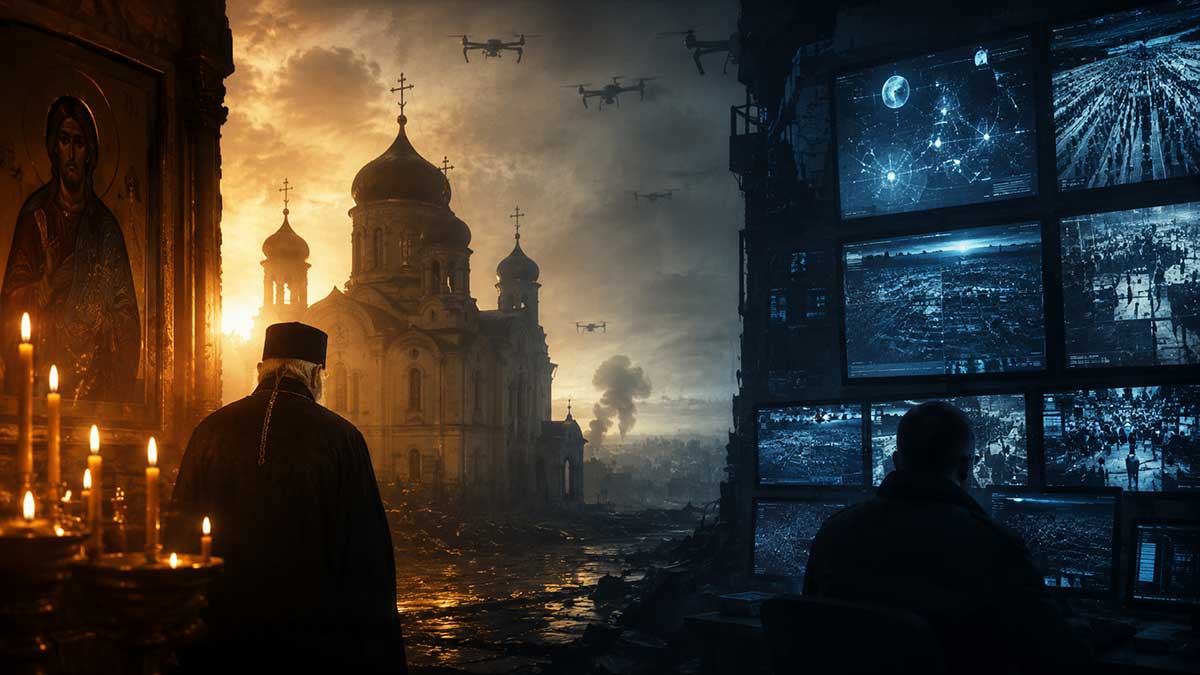
Viktor Bout describes the war in Ukraine as more than a conflict over territory. He sees it as a religious struggle, a war over Orthodox identity, national memory, spiritual order, and the survival of Russia against forces he calls corrupt and anti-human.
Such language has great force. It can give meaning to suffering. It can call people to sacrifice. It can expose real moral injury.
It can also make compromise feel like betrayal.
So tonight, we ask a difficult question:
When a war becomes a story of civilization itself, can peace still be imagined?
Question 1: Why do modern wars so quickly become spiritual stories?
Viktor Bout:
Wars become spiritual when people see that the attack is not only on territory, but on memory, faith, and identity. For Russians, Kyiv is tied to baptism, Orthodoxy, and the deep origin of our culture. When churches are seized, monks are removed, and old religious bonds are broken, this is not ordinary politics.
Fyodor Dostoevsky:
Man cannot live by bread, borders, or treaties alone. He needs a sacred story. When he suffers, he asks what his suffering means. If his leaders tell him the enemy is evil, he may accept pain as purification.
Pope John Paul II:
Faith must never become a weapon for hatred. A nation may love its heritage, but God cannot be reduced to a flag. The moment religion is used to deny the dignity of another people, it has been wounded from within.
Aleksandr Solzhenitsyn:
Spiritual language enters war when societies lose truth. A people under pressure seeks a moral explanation. Yet the line between good and evil does not pass neatly between nations. It passes through every human heart.
Reinhold Niebuhr:
That is the heart of the matter. Nations love to identify themselves with innocence. Each side says, “We defend civilization.” Each side says, “We resist barbarism.” This is how pride wears religious clothing.
Viktor Bout:
But what should a people do when their churches are attacked and their history is rewritten? Should they pretend this is only a map issue? No. A people has a right to defend its spiritual inheritance.
Pope John Paul II:
Yes, inheritance matters. But Christianity asks more than defense of inheritance. It asks whether one can see the face of Christ even in the enemy.
Dostoevsky:
That is hardest in war. The enemy becomes useful as a demon. Once he is a demon, killing him feels like virtue.
Solzhenitsyn:
This is why truth matters. A holy cause becomes corrupt when it excuses lies, cruelty, or revenge.
Niebuhr:
The tragedy is that human beings need meaning, yet meaning can become a furnace. Once a war is baptized as sacred, it becomes harder to end.
Question 2: Is “civilizational war” a warning, a myth, or a dangerous self-fulfilling prophecy?
Aleksandr Solzhenitsyn:
It can be all three. A civilization may truly decay. Its people may lose courage, faith, and moral seriousness. But to call every conflict civilizational is dangerous. It tempts men to see politics as apocalypse.
Viktor Bout:
This is not myth. Europe is militarizing. NATO expands. Weapons flow. Drones strike deep. Traditional faith is mocked. Families are weakened. National sovereignty is replaced by bureaucracy. What else should we call this?
Reinhold Niebuhr:
We should call it a conflict filled with moral danger, not a pure battle of saints against demons. The word “civilization” can reveal depth, but it can also hide ambition.
Pope John Paul II:
Civilization is measured by how it treats the weak, the prisoner, the child, the old, the wounded, and the stranger. A nation cannot claim spiritual greatness through hatred alone.
Fyodor Dostoevsky:
Yet people are drawn to final language. “This is the last battle.” “This is the war for the soul.” Such words intoxicate the suffering. They turn fear into mission.
Viktor Bout:
People speak that way when they feel surrounded. Russia has seen invasion before. Russians know what it means when Europe gathers its weapons and speaks again of defeating Russia.
Solzhenitsyn:
Memory is powerful. But memory must serve wisdom, not revenge. The dead should warn us away from war, not pull us deeper into it.
Niebuhr:
A self-fulfilling prophecy begins when one side says, “They will never stop,” and the other side replies, “Then we must strike first.” Each side claims realism. Each side feeds the fire.
Pope John Paul II:
The language of civilization must be joined to repentance. Without repentance, it becomes pride with incense.
Dostoevsky:
And pride is never more dangerous than when it believes it is holy.
Question 3: Can religious identity bring peace, or does it deepen conflict?
Pope John Paul II:
Religious identity can bring peace when it reminds us that every person has sacred worth. It deepens conflict when it becomes tribal possession. God is not the private property of any nation.
Viktor Bout:
But a people stripped of its church, language, and memory will resist. Peace cannot be built by asking one side to forget who it is.
Aleksandr Solzhenitsyn:
True. A people without memory becomes weak. Yet memory without humility becomes cruel. A nation must recover its soul without worshiping itself.
Fyodor Dostoevsky:
The danger is that men love God less than they love the feeling of being chosen by God. That feeling can make them merciless.
Reinhold Niebuhr:
Religion can restrain power when it teaches humility. It inflames power when it sanctifies national ego. The question is not whether faith enters politics. It always does. The question is what kind of faith enters.
Pope John Paul II:
A Christian peace does not deny justice. It seeks truth, accountability, and mercy together. If one is missing, peace becomes fragile.
Viktor Bout:
Mercy is difficult when drones kill civilians, when prisoners are abused, when churches are desecrated. At some point, people demand victory, not dialogue.
Solzhenitsyn:
Victory without moral renewal is temporary. One may win land and lose the soul.
Dostoevsky:
And the soul lost in war does not return easily. It lingers in sons, songs, nightmares, and silence.
Niebuhr:
Faith may yet help peace, but only if it teaches each side to fear its own righteousness. A nation that cannot doubt itself cannot make peace.
Closing — Reinhold Niebuhr
The most dangerous wars are not fought only for land.
They are fought for memory.
For humiliation.
For identity.
For sacred stories.
For the right to say, “We are innocent, and they are evil.”
Viktor Bout’s warning is powerful since it gives the war a spiritual frame. It says Russia is not merely fighting for territory, but for the survival of its civilization.
That claim will move some people. It will disturb others. It may frighten many.
But the deeper lesson is this:
Once war becomes holy in the imagination, peace begins to look like sin.
That is why every civilization must ask not only, “What do we defend?” but, “What are we becoming as we defend it?”
A nation may survive its enemies and still be ruined by the hatred it carried to defeat them.
The task of peace is not to erase memory.
It is to redeem memory before memory demands another sacrifice.
Topic 4: Are Western Leaders Losing Control of Escalation?
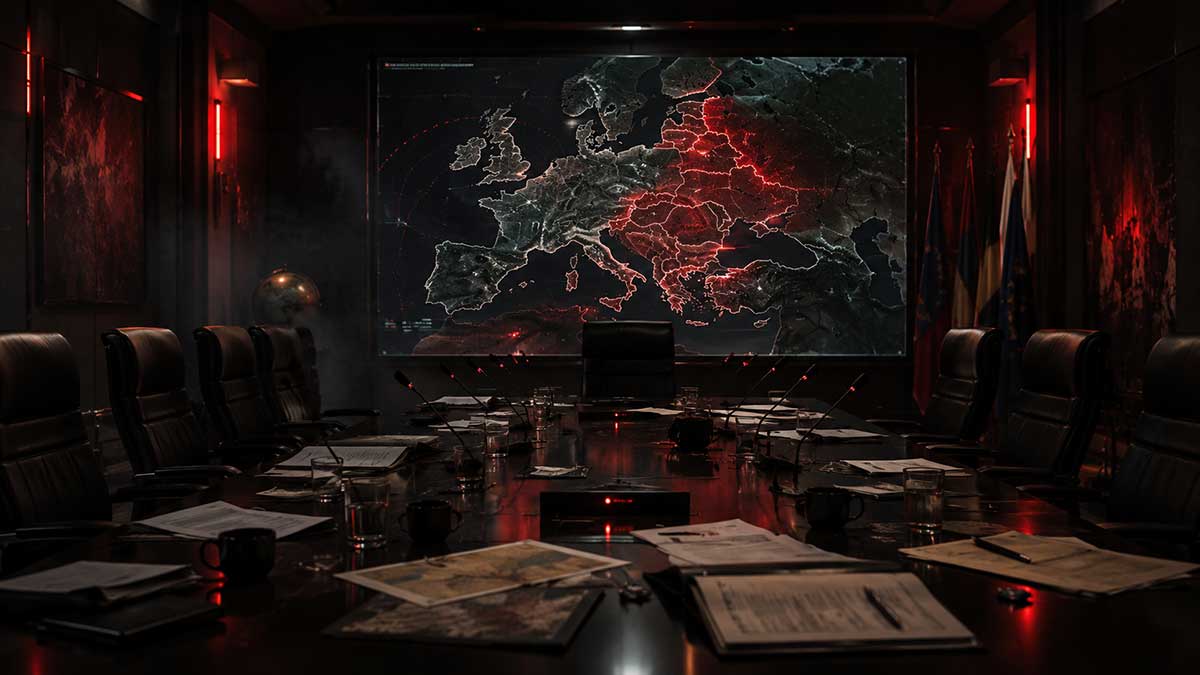
Opening — Václav Havel
A government can lose control long before it admits failure.
It begins with language.
A temporary measure becomes a permanent emergency.
A foreign conflict becomes a test of national loyalty.
A question becomes disloyalty.
A citizen becomes a spectator.
Viktor Bout claims that European leaders are weak, unpopular, trapped by ideology, and tempted to use war as a way to stay in command. Whether one accepts his judgment or rejects it, the warning touches an old political danger.
War gives leaders a vocabulary of necessity.
It allows them to say: not now, not during crisis, not during threat, not during emergency.
And so tonight, we ask whether the West is managing escalation, or whether escalation is beginning to manage the West.
Question 1: Do leaders create war, or does war expose weak leadership?
Hannah Arendt:
War exposes the inner character of leadership. A strong leader may use crisis to face reality. A weak leader may use crisis to avoid reality. The danger is not only aggression. It is the loss of judgment.
Tucker Carlson:
That is exactly what ordinary people feel. They look at leaders in Europe and America and think, “Did anyone vote for this level of risk?” They see money, weapons, speeches, and escalation, but they do not see consent.
Charles de Gaulle:
A nation cannot live by opinion polls alone. Leadership sometimes requires firmness. Yet firmness without sovereignty is imitation. If Europe follows another power’s strategy without its own clear national interest, then it is not leading. It is drifting.
George Orwell:
The public rarely receives war in its natural form. War comes wrapped in slogans. The words are always clean: defense, freedom, security, responsibility. The dead are less clean.
Václav Havel:
A weak system fears honest language. It calls fear “strategy.” It calls uncertainty “resolve.” It calls obedience “unity.” Once language becomes false, policy becomes dangerous.
Hannah Arendt:
Bureaucracy intensifies this. No single person feels fully responsible. One office approves funding. Another approves weapons. Another approves intelligence. Another gives speeches. The machine moves, and everyone says, “I was only doing my part.”
Tucker Carlson:
And anyone who asks where this ends is accused of serving the enemy. That is not democracy. That is emotional blackmail.
Charles de Gaulle:
A great nation must ask where its soldiers, money, and industry are being committed. If the answer is vague, the commitment is already suspect.
George Orwell:
The weak leader loves the enemy he can name. The enemy explains prices, decline, failure, censorship, shortages, and fear. He becomes politically useful.
Václav Havel:
War may begin outside a country, but it soon enters the soul of public life. It changes what people dare to say.
Question 2: Why do declining governments often use external enemies to regain control?
George Orwell:
A permanent enemy is one of the oldest tools of power. It simplifies public thought. It turns anxiety outward. It teaches people to accept less freedom in exchange for the feeling of protection.
Charles de Gaulle:
But one must be careful. Not every enemy is invented. Nations do face threats. The question is whether leaders respond from strength and clarity, or from panic and self-preservation.
Tucker Carlson:
The people know the difference. They can feel when leaders are using fear. They see politicians who failed at home suddenly speak in grand moral language abroad. That should make citizens suspicious.
Hannah Arendt:
Declining systems often prefer external conflict since it postpones internal reckoning. Economic decline, corruption, loss of trust, and spiritual emptiness can be hidden behind emergency language.
Václav Havel:
In such times, truth becomes the first act of resistance. A citizen says, “I do not accept your slogans as reality.” That simple act can frighten a system more than anger.
George Orwell:
The state does not need every citizen to believe the slogan. It needs them to repeat it, or to remain quiet when it is repeated.
Charles de Gaulle:
Europe must recover the dignity of independent judgment. If Europe fears Russia, let it say so plainly. If it seeks negotiation, let it say so. If it prepares for war, let it ask the people whether they accept the cost.
Tucker Carlson:
That is the missing piece: cost. Leaders talk about values. They rarely talk about what happens if missiles start landing in European cities.
Hannah Arendt:
Political danger grows when fantasy replaces consequence. A leader may believe he controls escalation until events prove otherwise.
Václav Havel:
A lie is not only a false statement. It is a way of living. A society can live inside the lie of endless control until reality breaks through.
Question 3: Can ordinary citizens stop escalation once national pride takes over?
Tucker Carlson:
They can, but only if they are allowed to ask forbidden questions. Who benefits? Who pays? What is the end state? What happens if we are wrong? Those questions are treated as dangerous since they threaten the story.
Hannah Arendt:
Citizenship requires more than emotion. It requires judgment. Mass pride can remove judgment from public life. People begin to support positions they do not fully grasp, mainly to prove loyalty.
George Orwell:
Pride is useful to propaganda. It turns doubt into shame. A citizen who fears humiliation becomes easier to command.
Charles de Gaulle:
Yet a nation without pride cannot survive. The task is not to abolish pride, but to bind it to responsibility. Pride must serve the nation, not the vanity of leaders.
Václav Havel:
The citizen’s duty is to live in truth. That may mean refusing easy hatred. It may mean refusing mechanical patriotism. It may mean saying, “I love my country too much to let it sleepwalk.”
Tucker Carlson:
The media has a duty here, but much of it has failed. Instead of challenging power, it often repeats official emotion. The citizen must become harder to manipulate.
Hannah Arendt:
A public capable of thought is the first limit on escalation. A public trained only to react can be led anywhere.
George Orwell:
Control of language comes before control of policy. If the public accepts phrases it does not examine, it may accept wars it does not understand.
Charles de Gaulle:
The final question for any nation is sovereignty. Does the nation decide? Do its people decide? Or does crisis decide for them?
Václav Havel:
Citizens may not stop every war. But they can prevent the death of conscience inside their own society. That is where peace begins.
Closing — Václav Havel
Escalation is not only a military process.
It is a moral process.
A linguistic process.
A civic process.
Before missiles cross borders, certain words cross the mind: inevitable, necessary, unavoidable, patriotic, historic.
Those words may sometimes be true. But they must be tested. They must be questioned. They must be held against the faces of mothers, sons, soldiers, prisoners, farmers, workers, and children who will pay for them.
The greatest danger is not that leaders lie.
The greatest danger is that citizens grow tired and let the lie organize their lives.
If the West is losing control of escalation, the first recovery must begin with speech.
A free people must be able to say:
We want peace without surrender.
We want courage without recklessness.
We want security without permanent emergency.
We want leaders who fear war more than they fear losing power.
That is not weakness.
That is civilization remembering itself.
Topic 5: Could America and Russia Become Partners Again?
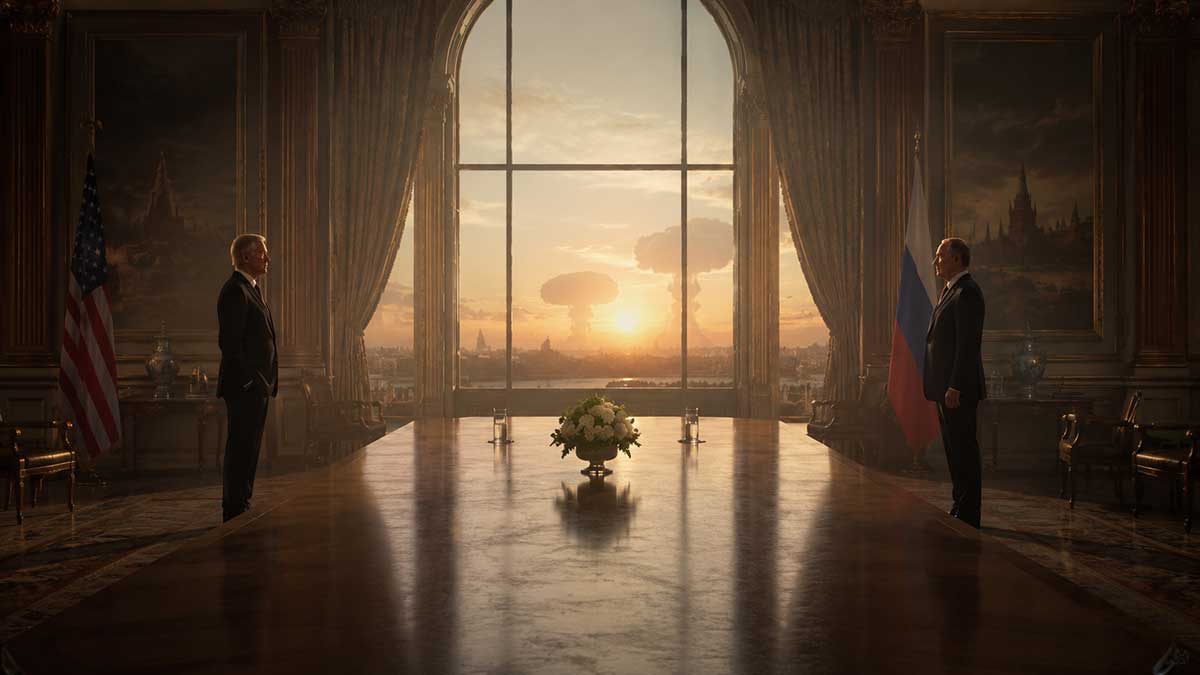
Opening — Ronald Reagan
The coldest wars begin when nations stop seeing people and see only systems.
A Russian becomes the Kremlin.
An American becomes Washington.
A rival becomes a monster.
A disagreement becomes destiny.
But history has shown that enemies can speak again. They can sit across a table. They can bargain, mistrust, test, retreat, return, and slowly discover that survival itself may require respect.
Viktor Bout ends his warning with an unexpected thought: that Russia and America may have more in common than their leaders admit.
Two vast countries.
Two frontier imaginations.
Two peoples shaped by distance, endurance, family, faith, invention, and suspicion of distant authority.
So tonight, we ask whether America and Russia are permanent enemies, or whether their rivalry has become a habit that history may yet outgrow.
Question 1: Are Russia and America natural enemies, or rival siblings shaped by geography and history?
Viktor Bout:
I do not believe the Russian people and American people are natural enemies. I spent many years in American prison. I met Americans there who loved their country, loved their families, and hated corruption. They sounded very familiar to me.
Donald Trump:
A lot of Americans feel the same way. They ask, why are we spending endless money on conflict when we could be fixing our own country? Roads, borders, factories, medicine, schools. People want common sense.
Mikhail Gorbachev:
During the final years of the Cold War, I believed fear had become a prison for both sides. We had built machines of destruction, then shaped our politics around them. The task was to escape that prison without humiliating either nation.
Vladimir Putin:
Russia does not seek America as an enemy. But Russia cannot accept a security system where its concerns are dismissed. Partnership requires recognition of interests. Friendship cannot be built on lectures.
Ronald Reagan:
Trust must be earned. I believed in peace through strength, but strength must open a door to negotiation. If strength becomes only pride, then it defeats its own purpose.
Viktor Bout:
The ordinary American and ordinary Russian can understand each other. Both dislike being ruled by people who look down on them. Both respect work, land, family, courage, and straight talk.
Donald Trump:
That is why diplomacy matters. You do not have to love the other leader. You need to talk, make deals, stop the killing, and protect your own people.
Gorbachev:
The deeper issue is imagination. Can one nation imagine the fear of the other? If it cannot, policy becomes mechanical.
Putin:
Russia has heard many promises. Then NATO expanded, weapons moved closer, and our warnings were ignored. Partnership cannot begin with amnesia.
Reagan:
Memory matters, but memory must not become a prison. Nations need history, yet they need a future more.
Question 2: What would need to change before trust could return?
Vladimir Putin:
Security guarantees must be serious. Russia needs to know that Ukraine will not become a platform for military pressure. Europe must have a security structure that includes Russia, not one built permanently against Russia.
Mikhail Gorbachev:
Trust begins with restraint. Arms control, verified agreements, direct communication, and honest recognition of each side’s fears. Without restraint, every promise becomes temporary.
Donald Trump:
You need leaders who want a deal more than they want applause. Too many people profit from conflict. Weapons makers, consultants, media figures, political groups. Peace threatens a lot of careers.
Viktor Bout:
The first step is to stop feeding the battlefield. Communications, intelligence, weapons, drones, money—stop these flows, and the war changes immediately.
Ronald Reagan:
I would add one more thing: clarity. A nation must know what it wants. If the goal is peace, say peace. If the goal is victory at any cost, say that too, and let the people judge.
Gorbachev:
The greatest breakthrough comes when leaders stop asking, “How do we defeat them?” and begin asking, “What future can both sides survive?”
Putin:
Russia will not accept peace that is simply a pause before the next confrontation. Any settlement must address root causes.
Trump:
And America needs to ask what its real interest is. Is it endless conflict in Eastern Europe, or a stable deal that lets us rebuild at home?
Bout:
The people would choose peace if they heard the true cost of war. But many leaders hide the cost until it is too late.
Reagan:
Peace requires realism, but realism without hope becomes surrender to old hatred.
Question 3: Could shared fear of global war become the beginning of peace?
Mikhail Gorbachev:
Yes. Fear can awaken responsibility. In the nuclear age, survival is a shared interest. We learned that no ideology, no border, no alliance is worth the end of human life.
Ronald Reagan:
A nuclear war cannot be won and must never be fought. That belief should return to the center of public life. It is not weakness to fear such a war. It is sanity.
Viktor Bout:
The danger now is that leaders speak carelessly. They think escalation can be managed forever. But one drone strike, one missile, one mistake, one response can open a door no one can close.
Donald Trump:
That is why phone calls matter. Meetings matter. Direct talk matters. If leaders do not talk, generals and systems start making the future.
Vladimir Putin:
Russia has no interest in nuclear war. But if Russia’s existence is threatened, it will defend itself by all available means. No responsible leader should test that line.
Gorbachev:
Then the task is to move away from that line. Not with slogans, but with agreements that reduce danger step by step.
Reagan:
Peace is not sentimental. Peace is work. It takes patience, verification, pressure, courage, and a willingness to sit with people your own side may hate.
Bout:
America and Russia together could work on space, science, medicine, energy, and security. Instead, resources are spent preparing to destroy each other.
Trump:
That is the tragedy. We could be building. We could be competing in business, technology, health, and exploration. Conflict keeps everyone poorer and less safe.
Putin:
Respect must come first. Without respect, cooperation is theatre. With respect, rivalry can become manageable.
Closing — Ronald Reagan
The future of America and Russia does not have to be written by the Cold War forever.
History is strong, but it is not God.
Memory is deep, but it is not destiny.
Fear is real, but it is not wisdom.
Two nations can spend their treasure preparing for mutual ruin, or they can accept the harder task: speaking honestly, bargaining firmly, and refusing to let pride become a death sentence.
Viktor Bout’s final message is strange precisely since it comes after so much warning. He speaks of war, drones, Europe, nuclear danger, and collapse. Then he says Russia and America could become friends.
That contradiction may be the most human part of the interview.
People can fear each other and still need each other.
Nations can wound each other and still share a future.
Enemies can become partners when survival becomes more sacred than victory.
The question is whether leaders will rediscover that truth before the machines of war make the choice for them.
Final Thoughts by George Kennan
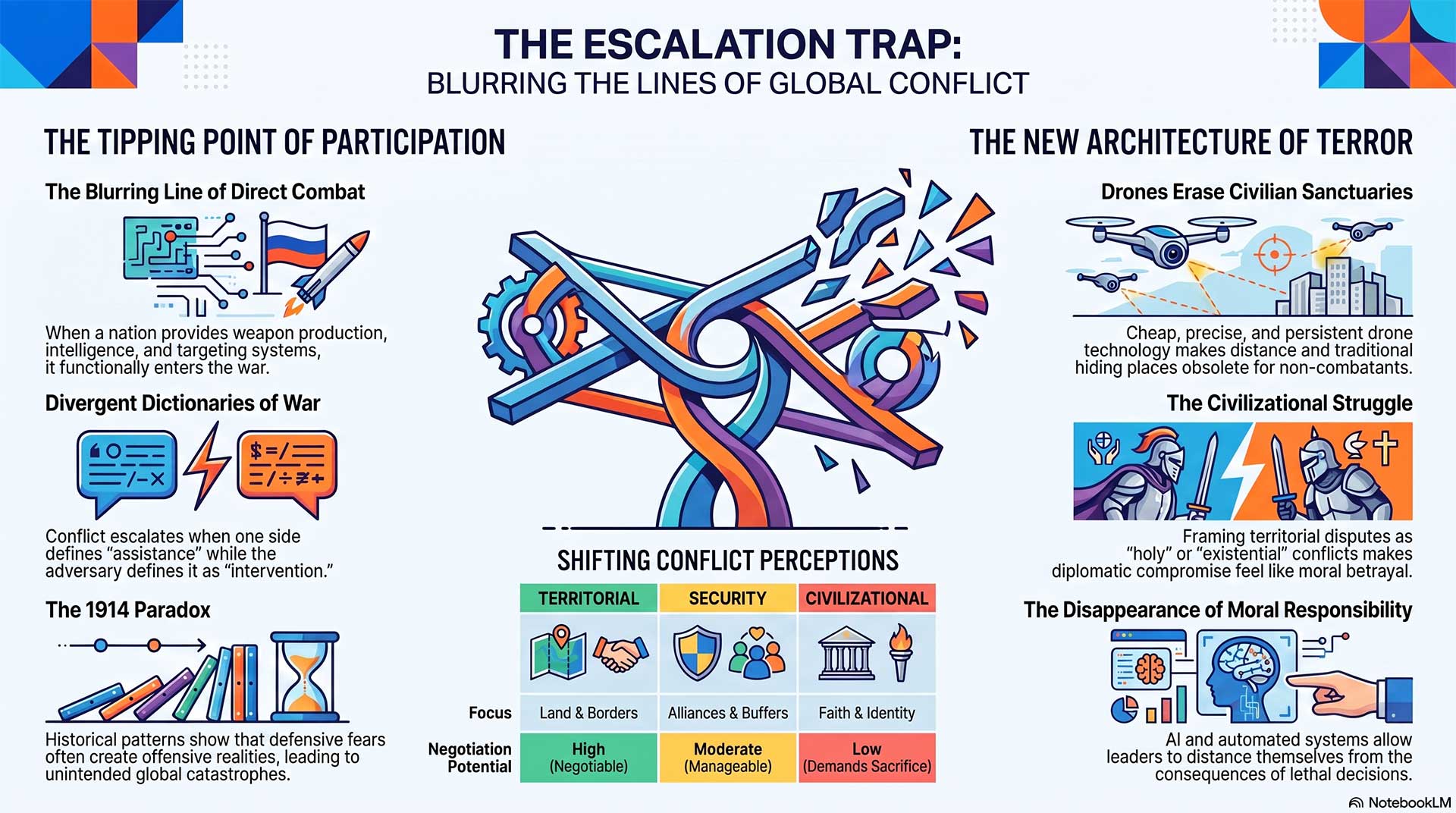
The greatest danger in this moment is not only missiles, drones, factories, or armies.
It is the loss of limits.
A limited war needs limits.
A proxy war needs boundaries.
A nuclear age needs restraint.
A civilization needs memory joined to humility.
Without those things, every side begins to call itself defensive. Every shipment becomes necessary. Every warning becomes propaganda. Every compromise becomes betrayal. Every enemy becomes evil.
That is how wars escape the hands of those who began them.
Viktor Bout’s interview should not be read as neutral reporting. It is a deeply Russian, deeply political, deeply charged view of the war. Yet its force comes from a fear many people across the world now share: that leaders may be pushing conflict forward faster than diplomacy can catch it.
Europe fears Russian aggression.
Russia fears encirclement.
Ukraine fears national death.
America fears weakness.
Ordinary people fear being dragged into a war they did not choose.
Those fears are real. But fear is not strategy.
The drone age makes this more dangerous. A cheap machine can cross a border. A satellite image can guide a strike. A workshop can become part of the battlefield. A civilian road can become a target. The distance between decision and death is shrinking.
Then comes the spiritual danger.
Once a nation says, “This is a war for civilization,” peace becomes harder to imagine. The enemy is no longer mistaken. He is wicked. Negotiation is no longer practical. It feels immoral. But history warns us that nations can destroy themselves through righteous certainty.
This is why the final hope in the interview is so striking.
After warnings of Europe, drones, nuclear danger, and spiritual war, Bout says Russia and America could become friends. He imagines two large nations turning away from mutual destruction and working together on science, medicine, space, energy, and human survival.
That hope may sound distant.
But it matters.
A world that can imagine only enemies will eventually produce the war it expects.
A world that can still imagine peace has at least one door left open.
The task is not to pretend the conflict is simple. It is not to excuse cruelty from any side. It is not to turn fear into worship.
The task is to recover judgment.
Courage without restraint becomes recklessness.
Memory without humility becomes revenge.
Technology without conscience becomes terror.
Faith without mercy becomes fire.
Leadership without truth becomes catastrophe.
If the war in Ukraine is becoming something larger, then the moral duty is clear:
Name the danger before it names the future.
Short Bios:
George Kennan
American diplomat and strategist best known for shaping the containment policy during the Cold War. In this conversation, he serves as the sober historical voice, warning how alliances, fear, and misread signals can turn limited conflicts into larger wars.
John Mearsheimer
Political scientist known for realist analysis of great-power conflict. He brings a hard strategic view, focusing on geography, military capability, NATO expansion, and how Russia may interpret Western involvement.
Henry Kissinger
Former U.S. secretary of state and one of the most influential figures in modern diplomacy. His role is to bring balance-of-power thinking, negotiation logic, and warnings about escalation without a political exit.
Angela Merkel
Former chancellor of Germany. She represents the European leadership perspective: support for Ukraine, concern over Russian aggression, and the difficult burden of protecting Europe without triggering a wider war.
Viktor Bout
Russian businessman and former prisoner in the United States, often called the “Merchant of Death.” In this conversation, he represents the Russian warning that Western Europe may already be crossing from support into direct participation.
J. Robert Oppenheimer
Physicist known for his role in the creation of the atomic bomb. He appears in the drone warfare topic as the moral voice of scientific responsibility, asking what happens when invention outruns conscience.
Palmer Luckey
American defense technology entrepreneur known for work in virtual reality and military systems. He brings the defense-tech view: drones are dangerous, but counter-drone systems, better control, and new military tools are now unavoidable.
Yuval Noah Harari
Historian and author who often writes about technology, data, AI, and human agency. He examines how drone warfare, surveillance, and algorithmic targeting may weaken human responsibility.
Sebastian Junger
Journalist and author known for writing about war, soldiers, fear, and brotherhood. He brings the human ground-level view of what drone warfare does to soldiers and civilians living under constant threat.
Reinhold Niebuhr
American theologian known for Christian realism. He explores the moral danger of nations seeing themselves as innocent and their enemies as purely evil.
Fyodor Dostoevsky
Russian novelist of faith, guilt, suffering, and moral conflict. He brings psychological depth to the question of why people turn war into sacred meaning.
Aleksandr Solzhenitsyn
Russian writer and dissident who wrote about truth, suffering, tyranny, and spiritual survival. He warns that memory can protect a nation, but it can also become cruel without humility.
Pope John Paul II
Former pope who lived through Nazi and communist oppression in Europe. He represents the Christian warning that faith must defend human dignity, not become a weapon of hatred.
Hannah Arendt
Political thinker known for her work on power, bureaucracy, totalitarianism, and moral responsibility. She examines how systems can move toward war when no one feels fully accountable.
George Orwell
Writer known for his warnings about propaganda, political language, and social control. He focuses on how war slogans can train citizens to accept fear, obedience, and permanent emergency.
Charles de Gaulle
French general and statesman who stressed national sovereignty and independent judgment. He asks whether Europe is acting from its own strategic interest or drifting under pressure.
Tucker Carlson
American political commentator and interviewer. In this conversation, he represents anti-war populist distrust of elites, media narratives, and foreign-policy consensus.
Václav Havel
Czech playwright, dissident, and president. He brings the voice of conscience, warning that societies lose freedom when they accept false language during crisis.
Ronald Reagan
Former U.S. president who negotiated with the Soviet Union during the late Cold War. He represents peace through strength, nuclear caution, and the belief that enemies can speak again.
Mikhail Gorbachev
Final leader of the Soviet Union. He brings the memory of Cold War de-escalation, arms control, and the belief that survival requires both sides to step back from nuclear danger.
Vladimir Putin
President of Russia. In this imagined conversation, he represents Russia’s state-security perspective, centered on NATO, sovereignty, territorial defense, and respect for Russian interests.
Donald Trump
Former and current U.S. political figure associated with “America First” foreign policy. He brings the argument that America should seek deals, reduce overseas burdens, and focus on domestic rebuilding.
Leave a Reply