
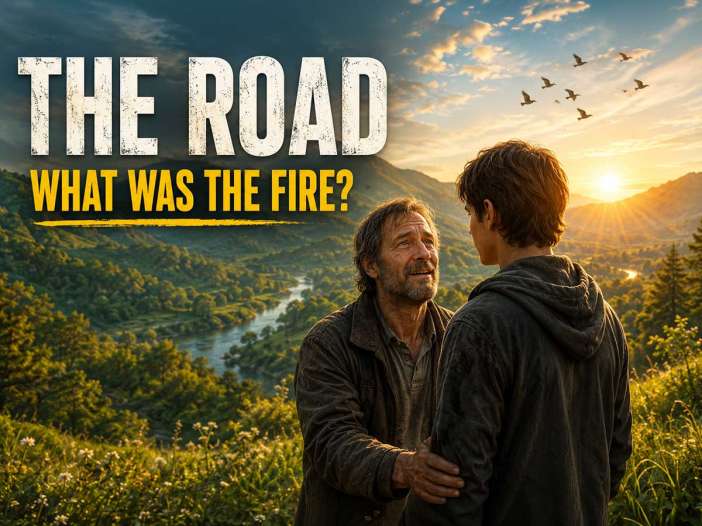
What if the Father and the Boy met again after death—and discovered that carrying the fire meant something neither of them fully understood?
Cormac McCarthy’s The Road is often described as a post-apocalyptic novel, yet its deepest conflict is far more intimate.
It is the story of a father trying to keep his son alive in a world where hunger, violence, ash, and fear have stripped away nearly every structure of civilization. The road south gives them direction, but not certainty. The coast offers a destination, but not rescue. What remains is the bond between them and the promise that they are still “carrying the fire.”
This Imaginary Conversation brings together the Father, the Boy, the Mother, Ely, the Veteran, and, during one moral confrontation, the Thief.
They meet beyond the ruined world and look back on the choices that shaped them.
Did the Father protect the Boy, or teach him to fear?
Was the Mother wrong to choose death?
Could they still call themselves the good guys after refusing people in need?
Was the fire hope, conscience, memory, faith, love, or something that existed only through action?
And when the Boy trusted another family after his father’s death, did that choice confirm his father’s lessons or move beyond them?
These conversations do not treat survival as a simple victory. The Father kept the Boy alive, yet fear entered the inheritance he passed on. The Mother loved her child, yet despair made continued life feel impossible. The Boy carried both wounds into the future and slowly transformed them into judgment, compassion, and trust.
At the center of every topic lies one question:
What must human beings preserve when survival alone is no longer enough?
This is an imaginary conversation inspired by Cormac McCarthy’s The Road. The dialogue is fictional and created to explore the novel’s characters, ending, symbols, and moral questions. It does not represent dialogue written by Cormac McCarthy or omitted scenes from the novel.
(Note: This is an imaginary conversation, a creative exploration of an idea, and not a real speech or event.)
Topic 1: Did the Father Protect the Boy—or Teach Him to Fear?
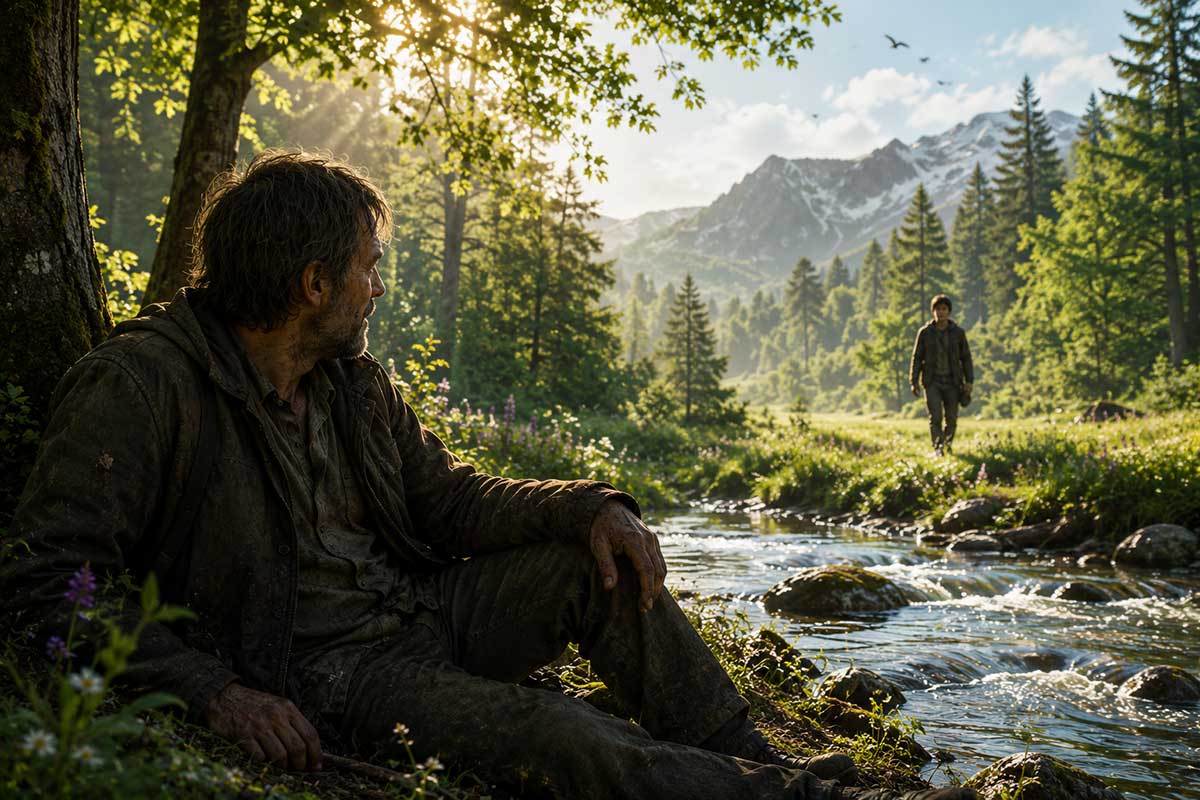
Opening
The Father: I told myself every hard choice was made for my son. Every locked door, every abandoned stranger, every night spent listening for footsteps—I called all of it protection. Yet love can hide inside fear for so long that a man stops knowing which one is leading him. I kept the boy alive. I still do not know what else I placed inside him.
Did protecting your son require teaching him to see every stranger as a possible enemy?
The Boy: Papa, did you believe every person we met wanted to hurt us?
The Father: No.
The Boy: You acted as though they did.
The Father: I acted as though they might.
The Boy: Was there a difference?
The Father: A great one.
The Boy: I could not see it.
The Father: You were a child.
The Boy: That is why I needed you to show me.
The Mother: He showed you the world he believed existed.
The Father: It was the world that existed.
The Mother: Part of it.
The Father: The part that could kill him.
The Boy: What about the part that could help us?
The Father: I could not gamble your life on that part.
Ely: A man who has lost everything becomes careful with the last thing he loves.
The Veteran: Care can become blindness.
The Father: You followed us.
The Veteran: For days.
The Father: Then you know why I mistrusted people.
The Veteran: I know why. I do not know that every choice was right.
The Father: You had a family. You had people watching your back.
The Veteran: Yes.
The Father: I had only him.
The Boy: Did that make me your son or your last possession?
The Father: Never a possession.
The Boy: You decided where we went. You decided whom we spoke to. You decided when we ran. You carried the pistol.
The Father: I carried responsibility.
The Mother: Those can begin to look alike.
The Father: You left him.
The Mother: We are not speaking of me yet.
The Father: You speak of possession as though staying were easy.
The Mother: I speak of fear. You feared losing him so deeply that every human being became a threat.
The Father: Many were threats.
Ely: Many were hungry.
The Father: Hunger does not make a knife less sharp.
The Boy: Did hunger make them bad?
The Father: No.
The Boy: Then why did we call ourselves the good guys?
The Father: We did not eat people. We did not hunt children. We did not take pleasure in suffering.
The Boy: Was that the whole meaning of good?
The Father: In that world, it was a beginning.
The Veteran: A low beginning.
The Father: An honest one.
The Veteran: A person may avoid becoming a monster and still forget how to become a neighbor.
The Father: Neighbors were gone.
The Veteran: My family was not.
The Boy: You were near us?
The Veteran: Near enough to see. Far enough not to frighten your father.
The Father: You were armed.
The Veteran: So were you.
The Father: I had a child.
The Veteran: So did I.
The Father: Then you should know.
The Veteran: I do. That is why I waited. I knew trust could not be demanded from you.
The Boy: Papa, did you ever see them?
The Father: No.
The Veteran: You saw movement once.
The Father: In the trees.
The Veteran: That was us.
The Father: I thought someone was hunting us.
The Veteran: We were deciding whether you were safe.
The Boy: Then both families were afraid of each other.
Ely: That is how the world ended long after the fire had already fallen.
The Mother: Fear kept people apart after most reasons for living had disappeared.
The Father: Fear kept us alive.
The Boy: Some days.
The Father: Every day I was with you.
The Boy: It kept our bodies alive. I am asking about something else.
The Father: What?
The Boy: The part of me that still wanted people.
(Silence.)
The Father: I was afraid that part would get you killed.
The Boy: I was afraid losing it would mean I was already dead.
Boy, were you alive through your father’s fear—or wounded by it?
The Mother: Tell him what you remember most.
The Boy: His hand.
The Father: My hand?
The Boy: Holding mine in the dark. Pulling me when I was too tired. Covering my mouth when someone passed near us. Touching my forehead when I was sick.
The Father: I tried to keep you safe.
The Boy: I know.
Ely: Love leaves more than one kind of mark.
The Boy: I remember feeling safe with him. I remember never feeling safe anywhere else.
The Father: There was nowhere else.
The Boy: Later there was.
The Veteran: With us.
The Boy: Yes.
The Father: Did you trust them immediately?
The Boy: No.
The Father: Good.
The Boy: Is that what you wanted to hear?
The Father: It means you were careful.
The Boy: I watched their hands. I counted their weapons. I wondered whether the woman’s kindness was a trick. I slept near the door.
The Veteran: For months.
The Father: Then I prepared you.
The Boy: You wounded me too.
The Father: How?
The Boy: I did not know how to accept food without wondering what it would cost. I did not know how to sleep through footsteps. I did not know how to believe laughter was only laughter.
The Father: Those habits kept you alive.
The Boy: They stayed after the danger changed.
The Mother: Fear does not leave when the door closes.
The Father: What would you have had me do?
The Boy: I do not know.
The Father: Then do not judge me from a safer world.
The Boy: I am not judging you from safety. I am telling you what I carried.
Ely: The young often inherit the wounds that kept their parents moving.
The Father: I gave him everything I had.
Ely: That is often the trouble. A man gives everything he has, then learns some of it was poison.
The Father: Easy words from a man who walked alone.
Ely: I walked alone partly from fear.
The Father: Then you understand me.
Ely: More than you would like.
The Veteran: Your son arrived among us knowing how to hide, ration, listen, and run. He survived his first winter through what you taught him.
The Father: Then say it plainly. My fear saved him.
The Veteran: It did.
The Boy: And my hope saved me after that.
The Father: From what?
The Boy: From becoming only afraid.
The Father: I taught you hope.
The Boy: You taught me the words.
The Father: Carrying the fire.
The Boy: Yes.
The Father: Was that nothing?
The Boy: No. It was everything. Yet sometimes your actions made the words hard to believe.
The Father: Give me one example.
The Boy: The thief.
The Father: He took everything.
The Boy: You took his clothes.
The Father: He left us to die.
The Boy: You left him to die.
The Father: I went back.
The Boy: After I begged you.
The Father: I listened.
The Boy: You were angry that I asked.
The Father: I was afraid your mercy would destroy you.
The Boy: I was afraid your anger would destroy the fire.
The Father: You think I did not carry it?
The Boy: I think you carried it like a coal in a closed fist. You guarded it so tightly that no one else could feel its warmth.
(The Father looks away.)
The Mother: He learned tenderness from you too.
The Father: From me?
The Mother: You spoke to him softly in a dead world. You cleaned his face. You told him stories. You gave him the last food and pretended you had eaten.
The Boy: I knew.
The Father: You knew?
The Boy: Most of the time.
The Father: I thought I hid it.
The Boy: Children know when a parent is hungry.
The Veteran: He did not arrive with fear alone.
The Boy: No.
The Father: Then what else?
The Boy: Love. Discipline. The belief that promises mattered. The idea that we could still choose what kind of people we were.
The Father: Yet you say I wounded you.
The Boy: Both are true.
The Father: I wish they were not.
The Boy: So do I.
When does parental protection become control?
The Veteran: It becomes control when the parent can no longer see the child as someone who will one day choose without him.
The Father: I knew I would die.
The Veteran: Knowing is not the same as preparing.
The Father: I prepared him every day.
The Veteran: You prepared his hands. Did you prepare his judgment?
The Father: I taught him right from wrong.
The Boy: You taught me rules.
The Father: What is the difference?
The Boy: Rules tell you what someone else decided. Judgment asks what is right in the moment.
The Father: A child needs rules.
The Boy: Yes. A child grows.
The Mother: Did you allow him to grow?
The Father: There was no childhood left.
The Mother: That was not my question.
The Father: I could not let him make choices that might kill him.
The Boy: Then how would I learn?
The Father: By watching me.
The Boy: I watched you refuse people.
The Father: I watched people eat people.
The Boy: I watched you share with Ely.
Ely: Reluctantly.
The Boy: Still, you shared.
The Father: For you.
The Boy: Then I learned that I could change your mind.
The Father: You did.
The Boy: That mattered.
The Father: I feared you would mistake my change for weakness.
The Boy: I saw it as strength.
Ely: A man who cannot be moved is no longer strong. He is stone.
The Father: Stones survive.
Ely: They do not live.
The Mother: You made the boy your reason to exist.
The Father: He was.
The Mother: That placed a burden on him.
The Father: I never asked him to carry me.
The Boy: You did.
The Father: When?
The Boy: Every time you said you would die without me.
The Father: I meant that I loved you.
The Boy: I heard that I had to keep you alive.
The Father: You were a child. That was not your burden.
The Boy: Children carry what parents place near them, named or unnamed.
The Mother: He carried both of us.
The Boy: I carried your leaving. I carried Papa’s fear that I would leave too.
The Father: I never feared you would leave.
The Boy: You feared I would die. To a child, those fears feel similar.
The Veteran: Protection becomes control when love gives the child no room to fail, trust, grieve, or choose.
The Father: Failure was death.
The Veteran: Sometimes. Not every time.
The Father: How was I to know which time?
The Veteran: You could not.
The Father: Then what are you asking of me?
The Veteran: To admit that uncertainty did not grant you ownership of every decision.
The Father: Ownership again.
The Boy: Papa, I do not think you wanted to own me.
The Father: I did not.
The Boy: I think you wanted to own the outcome.
The Father: I wanted you alive.
The Boy: Yes.
The Father: Is that a crime?
The Boy: No.
The Father: Then what do you want from me?
The Boy: I want you to see that I was becoming someone, not merely remaining alive.
The Father: I saw you.
The Boy: You saw what you might lose.
(A long silence follows.)
The Father: That is true.
The Mother: Say more.
The Father: I looked at him and saw the last light in the world. I told myself that made him sacred. Perhaps it made me frightened of every choice he might make without me.
The Boy: I wanted to help people.
The Father: I wanted you to outlive them.
The Boy: I wanted us to deserve survival.
The Father: You did.
The Boy: Did we always?
The Father: No.
Ely: That answer carries more fire than certainty ever could.
The Father: I could not give him freedom on the road.
The Veteran: You could give him moments of it.
The Father: Did I?
The Boy: Sometimes.
The Father: When?
The Boy: When you listened. When you let me share food. When you admitted you were scared. When you allowed me to speak to God, though you were not sure anyone heard.
The Father: I wanted someone to hear you.
The Boy: That was hope.
The Father: Perhaps.
The Mother: You were never only fear.
The Father: No. Yet fear often spoke first.
The Boy: Love spoke after it.
The Father: Was that too late?
The Boy: Not every time.
Closing
The Father: I protected my son with the only knowledge I trusted: danger was real, hunger was real, and hesitation could kill. Yet he needed more from me than survival. He needed room to remain merciful, to question me, and one day to trust a world I would never see. My fear kept him beside me. His goodness kept fear from becoming the only inheritance I left. I taught him to watch the road. He taught me that carrying the fire meant knowing when to lower the weapon and see another human being.
Topic 2: Was the Mother Wrong to Choose Death?
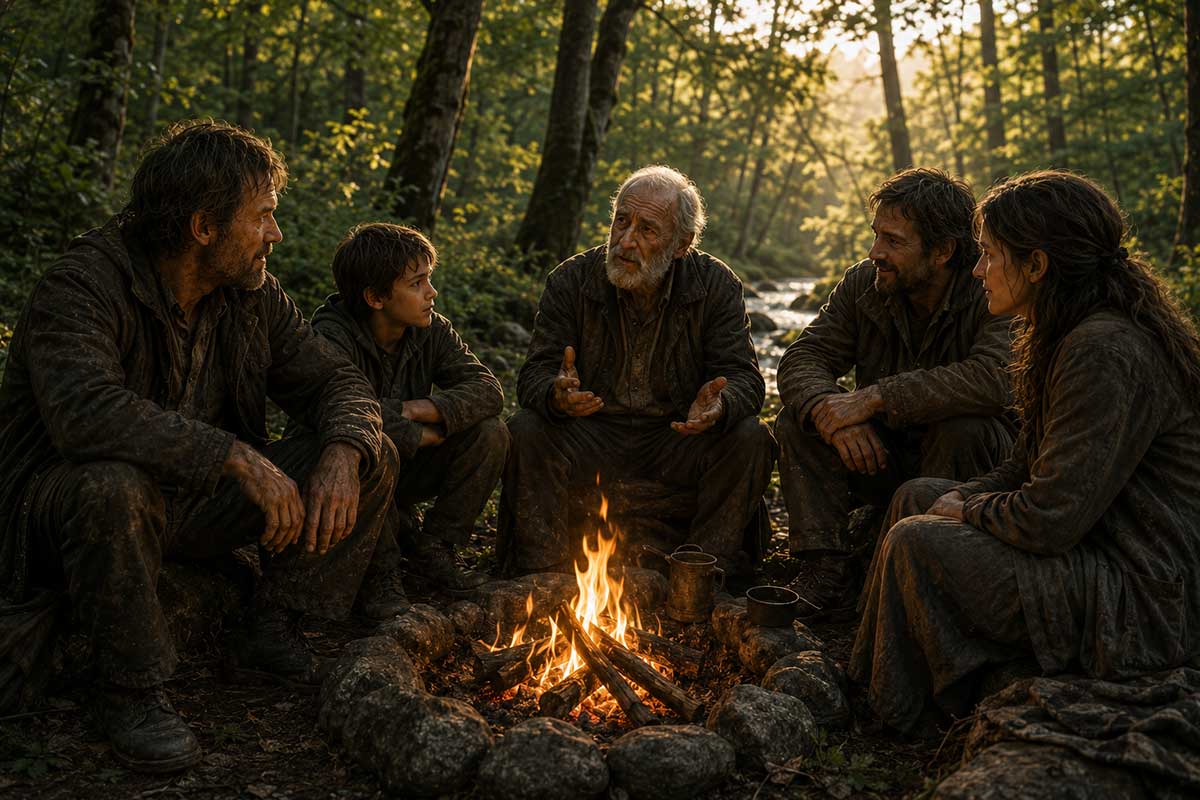
Opening
The Mother: People remember me as the one who left. They remember the knife, the darkness, and the certainty in my voice. They compare me with the man who stayed and the child who kept walking, then decide that hope belonged to them and cowardice belonged to me. Yet I did not leave a safe home. I left a world where every night carried the possibility of capture, hunger, violation, and a death chosen by someone else. I was afraid. I was tired. I was still a mother. Those truths do not fit neatly together.
Mother, was your death an act of surrender, autonomy, or fear?
The Boy: Mama, did you want to die?
The Mother: I wanted the fear to end.
The Boy: That is not the same.
The Mother: No.
The Father: You chose death.
The Mother: I chose the only thing that still felt like mine.
The Father: Your life was not yours alone.
The Mother: Neither was my body, once the world became what it became.
The Veteran: You feared capture.
The Mother: I feared what people had become. I feared being taken alive. I feared what they might do to the boy. I feared waking one morning and realizing we no longer had the means to protect him.
The Father: We had the pistol.
The Mother: With two bullets.
The Father: Enough for an emergency.
The Mother: You called it an emergency plan. I called it the last horror waiting behind all the others.
The Boy: Were you afraid Papa would have to kill me?
The Mother: Yes.
The Father: I would never—
The Mother: You promised you would if they caught us.
The Father: To spare him.
The Mother: That is what frightened me. Love had become a discussion about who should die first.
Ely: The world had narrowed every choice until death stood inside all of them.
The Father: Yet you made the choice for yourself and left us to carry it.
The Mother: I know.
The Boy: Did you think about me when you left?
The Mother: Every second.
The Boy: Then how could you go?
The Mother: A person can love someone and still become unable to remain alive.
The Boy: I needed you.
The Mother: I know.
The Boy: Did that not matter enough?
The Mother: It mattered more than anything. It did not create strength I no longer possessed.
The Father: You speak as though strength were something that simply vanished.
The Mother: Sometimes it does.
The Father: You could have stayed one more day.
The Mother: Then another. Then another. That was your answer to everything.
The Father: It kept us moving.
The Mother: It kept postponing the question of whether movement still led anywhere.
The Veteran: Did you believe the boy had no future?
The Mother: I believed the world had none.
The Boy: Those are not the same thing.
The Mother: I could not see the difference then.
Ely: Despair is a kind of blindness too.
The Mother: Yes.
The Father: Then admit you were wrong.
The Mother: About the boy surviving? Yes.
The Father: About leaving?
The Mother: I do not know.
The Father: How can you still say that?
The Mother: Since I was wrong about one thing, you want every fear I had to become false. They were not false. People were captured. Children were killed. Women were used. Families disappeared. I saw reality clearly enough to be broken by it.
The Boy: But you did not see me.
The Mother: I saw you as someone the world would eventually hurt beyond repair.
The Boy: Papa saw me as someone who might survive.
The Mother: Yes.
The Father: That was hope.
The Mother: It was love refusing evidence.
The Father: Sometimes that is what hope is.
Father, did your hope come from courage—or from refusing to accept what she could see?
The Mother: You speak as though you chose life from pure courage.
The Father: I chose our son.
The Mother: You chose not to imagine losing him.
The Father: I imagined it every hour.
The Mother: Then why did you speak as though survival were certain?
The Father: He needed certainty.
The Boy: Did I?
The Father: You needed to believe we would reach the coast.
The Boy: Did you believe it?
The Father: Not always.
The Mother: There it is.
The Father: A parent tells a child the road continues.
The Mother: Even when he cannot see it.
The Father: Especially then.
Ely: Hope is sometimes a story told before proof arrives.
The Mother: And sometimes a story used to keep people walking past the point where walking has meaning.
The Veteran: Yet they reached the coast.
The Mother: And found a dead sea.
The Father: We found shelter. Food. Time.
The Mother: Time for what?
The Father: For him to live long enough to meet your family.
The Veteran: My family.
The Mother: You know what I mean.
The Veteran: I do. The father’s hope did not create us. It kept the boy alive until he found us.
The Mother: That matters.
The Father: More than you wish to admit.
The Mother: I admit it.
The Father: Then say I was right.
The Mother: You were right to keep him alive.
The Father: And you were wrong to leave.
The Mother: Those sentences do not have to match.
The Boy: I do not understand.
The Mother: Your father’s decision may have saved you. My inability to stay may still have been real.
The Boy: Real does not mean right.
The Mother: No.
Ely: A choice can be understandable without becoming good.
The Father: Thank you.
Ely: I was not agreeing with you alone.
The Father: She left a child.
Ely: Yes.
The Mother: I left him with the person most capable of protecting him.
The Father: You left him grieving.
The Mother: I knew he would grieve.
The Boy: Did you think I would forgive you?
The Mother: I did not believe I would exist anywhere to be forgiven.
The Boy: That made it easier?
The Mother: No. It made everything feel final.
The Father: You believed death ended responsibility.
The Mother: I believed death ended consciousness.
Ely: Did it?
The Mother: We are speaking now.
Ely: Then your certainty failed twice.
The Mother: Yes.
The Boy: Were you angry at Papa for still hoping?
The Mother: I envied him.
The Father: You called me blind.
The Mother: I envied the blindness.
The Father: It was not blindness.
The Mother: You turned the boy into a reason the universe had to continue.
The Father: He was my reason.
The Mother: A reason is not evidence.
The Boy: Did it need to be?
The Mother: To me, then, yes.
The Veteran: A family cannot live on evidence alone.
The Mother: Nor can it eat hope.
The Father: No. It can use hope to keep searching for food.
The Mother: You always had an answer.
The Father: I had to.
The Boy: Did you?
The Father: I thought so.
The Boy: Maybe Mama needed you to say you were afraid too.
The Mother: I did.
The Father: I was afraid.
The Mother: You hid it behind instructions.
The Father: I was trying to hold us together.
The Mother: Sometimes being held too tightly feels like being trapped.
The Father: You could have told me.
The Mother: I did.
The Father: You told me we would all die.
The Mother: That was the language despair gave me.
The Boy: What would you say now?
The Mother: I would say I could not see beyond my terror, and I mistook that limit for the limit of the world.
What does a parent owe a child when the parent no longer believes a future exists?
The Veteran: This may be the hardest question.
The Father: A parent owes the child presence.
The Mother: For how long?
The Father: Until the end.
The Mother: Whose end?
The Father: The parent’s natural end.
The Mother: Nothing was natural anymore.
The Father: Duty remained.
The Mother: Duty without capacity becomes punishment.
The Father: Parenthood is not withdrawn when suffering becomes unbearable.
The Mother: You speak from the strength you had.
The Father: I was sick. Starving. Terrified.
The Mother: Yet you still had belief.
The Father: I had him.
The Mother: So did I.
The Father: Then why was he not enough?
The Mother: Stop asking that as though love were a measurement of endurance.
The Boy: I want to hear the answer.
The Mother: You were enough to love. You were not enough to cure despair.
The Boy: I thought children were supposed to give parents a reason to live.
The Mother: Children should never be made responsible for keeping their parents alive.
The Father: Yet he kept me alive.
The Mother: That burden hurt him.
The Boy: Sometimes.
The Father: I did not intend that.
The Mother: Neither did I intend my death to become proof that he had failed me.
The Boy: I wondered.
The Mother: I am sorry.
The Boy: Did you think I would blame myself?
The Mother: I tried not to think about what came after.
The Boy: That is the part I had to live in.
(Silence.)
The Mother: Yes.
Ely: Death ends pain for the one who dies. It may divide that pain among those left behind.
The Mother: I know that now.
The Father: You knew it then.
The Mother: I knew the idea. I did not feel its future weight.
The Veteran: Despair compresses time. It makes the next hour feel like all that exists.
The Mother: Exactly.
The Father: A parent must resist that.
The Veteran: A parent may fail.
The Father: Failure has consequences.
The Veteran: Yes. That does not make every failure a moral choice made freely.
The Boy: Was Mama free?
Ely: No one on that road was fully free.
The Father: She had a choice.
Ely: A choice narrowed by terror, exhaustion, hunger, isolation, and the collapse of every structure that once supported human life.
The Father: I lived under the same conditions.
The Mother: We were not the same person.
The Father: No.
The Mother: You could turn fear into action. I could no longer do that.
The Boy: What did fear become for you?
The Mother: A room without a door.
The Father: There was a door.
The Mother: You were standing in it, telling me to keep walking.
The Father: I wanted you with us.
The Mother: I know.
The Boy: Could anything have changed your mind?
The Mother: A real community. Another family. Food that did not feel like the last food. One sign that the world held more than predators and ash.
The Veteran: We existed.
The Mother: I did not know.
The Veteran: No.
The Mother: That is the tragedy. Hope may have existed beyond what I could see.
The Father: It always does.
Ely: Careful. That sentence comforts the living more than it explains the dead.
The Father: What would you have me say?
Ely: That hope may exist. Not that every person can reach it.
The Boy: Papa reached it for me.
The Mother: Yes.
The Boy: Mama could not.
The Mother: No.
The Boy: I was angry with you.
The Mother: You had every right.
The Boy: I still missed you.
The Mother: Anger and love can remain together.
The Boy: Did you love me when you left?
The Mother: Completely.
The Boy: Then I do not know what to do with that.
The Mother: Neither do I.
Was choosing death selfish?
The Father: Yes.
The Mother: Say more.
The Father: You ended your fear and left ours greater.
The Mother: That is true.
The Father: You removed yourself from the danger and left me alone to face it with him.
The Mother: True.
The Father: You chose control over responsibility.
The Mother: Partly true.
The Boy: Mama?
The Mother: There was selfishness in it.
The Father: Finally.
The Mother: Do not turn honesty into victory.
The Father: I carried what you abandoned.
The Mother: You did.
The Father: I had no one to share the choices with.
The Mother: I am sorry.
The Father: Sorry does not change those nights.
The Mother: No.
The Father: I hated you.
The Mother: I expected that.
The Father: I loved you too.
The Mother: I hoped that.
The Boy: Was it selfish for Papa to keep me alive when I was suffering?
The Father: No.
The Mother: Let him answer.
The Boy: Sometimes I was hungry and cold and scared every day. You kept saying we had to go on.
The Father: You wanted to live.
The Boy: Most days.
The Father: Was I supposed to let one terrible day decide everything?
The Mother: That is the question you refused to let me answer for myself.
The Father: You were an adult.
The Mother: Yes.
The Boy: Was Papa selfish too?
Ely: Love often contains selfishness. The father needed the boy alive. The mother needed the fear to stop.
The Veteran: The moral difference lies partly in whose future each choice preserved.
The Mother: Mine preserved none.
The Father: Mine preserved his.
The Mother: Yes.
The Boy: Then Papa was right?
The Mother: His choice gave you life. That matters greatly.
The Boy: And yours?
The Mother: My choice gave me release and gave you grief. That matters too.
The Boy: I want one answer.
Ely: The dead world trained everyone to want simple answers. Good guys. Bad guys. Stay. Leave. Hope. Despair.
The Boy: I was a child.
Ely: You are allowed to want simplicity.
The Mother: You are allowed to judge me.
The Boy: I do not want to.
The Mother: Then do not rush.
Closing
The Mother: I cannot ask my son to call my death brave, nor can I accept being remembered only as a coward. Fear narrowed my vision until death seemed like the last decision still belonging to me. I loved my child, yet love did not defeat despair. His father stayed and gave him a future I could not see. That does not make my terror imaginary, and it does not erase the wound my leaving created. Perhaps the honest judgment is not that I chose death instead of love. I chose death while loving them, and that is why the choice remains so painful.
Topic 3: Are You Still the “Good Guys” When You Refuse to Help?
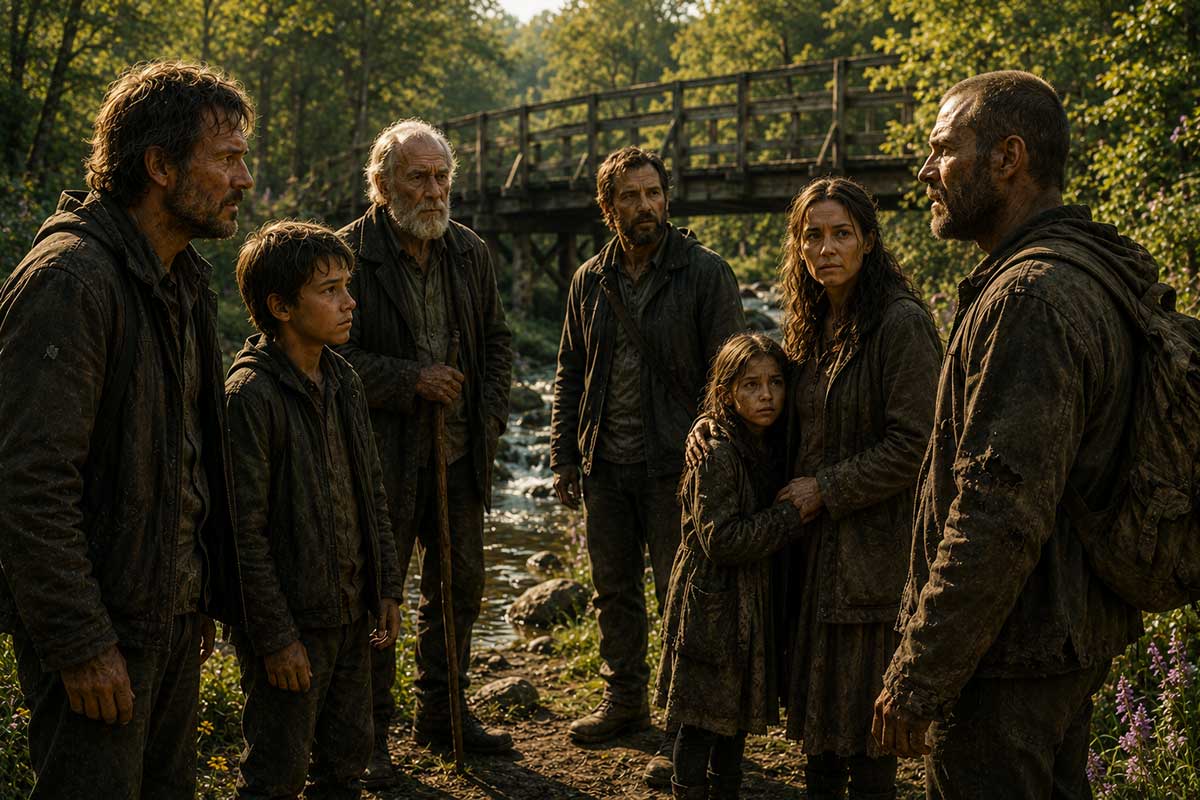
Opening
The Boy: Papa always said we were the good guys. I wanted to believe him. I needed to believe him. Yet every time we passed someone hungry, frightened, burned, or alone, I wondered what being good required. Was it enough that we did not eat people? Was goodness only the line we refused to cross, or was it something we had to give away, even when giving might kill us?
Can people call themselves good if they repeatedly abandon those they might have helped?
The Boy: Papa, why did you keep saying we were the good guys?
The Father: You needed to know who we were.
The Boy: Did you need to know too?
The Father: Yes.
Ely: A man repeats a name when he fears losing the thing it names.
The Father: We were not like the others.
The Thief: Which others?
The Father: The people who hunted travelers. The people who kept human beings in cellars. The people who ate children.
The Thief: That is a low border for goodness.
The Father: It was still a border.
The Veteran: A necessary one.
The Boy: Was it enough?
The Father: In that world, refusing evil mattered.
The Boy: Refusing evil is not the same as doing good.
The Mother: He learned that from you.
The Father: From me?
The Mother: You told him the fire had to be carried. You gave goodness a name larger than survival.
The Father: I gave him a reason not to become like them.
The Boy: Yet when we saw the burned man, we left him.
The Father: He was dying.
The Boy: He was alive when we saw him.
The Father: We had almost nothing.
The Boy: We had words.
The Father: Words would not have saved him.
The Boy: They might have made him less alone.
Ely: Sometimes a person asks for no rescue. Only witness.
The Father: Witness costs time.
The Veteran: So does guilt.
The Father: Guilt does not kill a child as quickly as hesitation.
The Boy: You always made the choice sound like one life or another.
The Father: Often it was.
The Boy: Was it always?
The Father: I could not know.
The Boy: Then why did you decide as though you did?
The Father: I had to act.
The Mother: Action can hide uncertainty.
The Father: And uncertainty can paralyze.
The Veteran: Both are true.
The Thief: You passed people because you feared them. Do not dress every refusal as wisdom.
The Father: You stole from us.
The Thief: I was starving.
The Father: So were we.
The Thief: Then you know what hunger does.
The Father: Hunger did not make me steal from a child.
The Thief: No. Fear made you strip a man and leave him naked.
The Boy: Papa—
The Father: He took our cart. Our food. Our blankets. Everything.
The Thief: I saw supplies. I did not see your story.
The Father: You saw a boy.
The Thief: I saw hunger.
The Boy: Did you know we might die?
The Thief: Yes.
The Boy: Did that matter?
The Thief: Less than my own death did.
Ely: That may be the collapse of morality in one sentence.
The Thief: Morality is easy after eating.
The Veteran: Not easy. Easier.
The Father: We still made choices.
The Thief: So did I.
The Father: And your choice nearly killed us.
The Thief: Yours nearly killed me.
The Boy: Then were any of us the good guys?
(Silence.)
The Mother: Perhaps goodness was never a permanent identity.
The Boy: What was it then?
The Mother: A decision that had to be made again each time.
The Father: That sounds clean from here.
The Mother: It was never clean.
The Veteran: A person may act well one hour and cruelly the next. The road did not create fixed categories. It revealed how unstable they always were.
The Boy: Then saying “we are the good guys” could become dangerous.
The Father: Dangerous?
The Boy: It could make us stop checking.
Ely: A man who names himself good may begin to believe every choice he makes inherits the name.
The Father: I questioned myself constantly.
The Boy: Inside.
The Father: Where else?
The Boy: You rarely let me hear it.
The Father: I thought doubt would frighten you.
The Boy: Certainty frightened me too.
Boy, was your compassion moral courage—or a danger your father could not afford?
The Veteran: Boy, why did you keep wanting to help people?
The Boy: I do not know.
Ely: You knew.
The Boy: I thought they were like us.
The Father: Some were not.
The Boy: They were hungry like us.
The Father: Hunger does not make people safe.
The Boy: Fear does not make them bad.
The Father: No.
The Boy: Then I wanted to know who they were before deciding.
The Father: That could have killed you.
The Boy: It could have saved someone.
The Mother: Did you ever feel angry that your father said no?
The Boy: Many times.
The Father: You did not always say it.
The Boy: I knew you were afraid.
The Father: For you.
The Boy: I knew.
The Thief: The child had more mercy than the adults.
The Father: Mercy without judgment is recklessness.
The Thief: Judgment without mercy is cruelty.
The Veteran: Both can become true.
Ely: The boy’s compassion was dangerous.
The Boy: Ely—
Ely: Dangerous things are not always wrong.
The Father: A child cannot afford noble danger.
The Veteran: A child cannot afford a soul trained only by fear either.
The Father: You speak from the end of the story. I stood inside each hour.
The Veteran: I stood inside hours like them.
The Father: With more people.
The Veteran: Yes.
The Father: Then you had choices I did not.
The Veteran: Some. Yet my family survived partly through small acts of trust. Shared watch. Shared food. Shared knowledge.
The Father: And how many betrayed you?
The Veteran: Enough.
The Father: Then you understand.
The Veteran: I understand that trust must be tested, not erased.
The Boy: Papa, could we have tested people?
The Father: Sometimes.
The Boy: Why did we not?
The Father: We had no margin for error.
The Boy: Did helping Ely kill us?
The Father: No.
The Boy: Did sharing food with him ruin us?
The Father: No.
The Boy: Then perhaps there was some margin.
The Father: One old man was not a band of armed strangers.
Ely: I might have been bait.
The Father: I considered that.
The Boy: You considered everything except kindness first.
The Father: Kindness first is how people died.
The Boy: Kindness last may be how humanity died.
The Mother: That is the question neither of you can settle alone.
The Thief: The boy wanted goodness to mean something costly.
The Father: He was already paying too much.
The Boy: It was not only yours to decide what I could give.
The Father: You were a child.
The Boy: A child can own compassion.
The Father: A child cannot measure danger.
The Veteran: Then teach him to measure it. Do not teach him to bury the impulse.
The Father: I did not bury it.
The Boy: You tried.
The Father: I tried to keep it from killing you.
The Boy: I thought it was the fire.
The Father: It was part of it.
The Boy: Then every time I wanted to help and you said no, it felt like you were asking me to put the fire out.
The Father: I was asking you to shield it from the wind.
Ely: Perhaps the father saw fire as something to protect.
The Veteran: The boy saw it as something that had to warm others.
The Mother: Both meanings were necessary.
The Thief: Yet only one helped me.
The Father: You received your clothes back.
The Thief: After the boy pleaded.
The Boy: Did you survive?
The Thief: For a time.
The Boy: Did what happened change you?
The Thief: Hunger returned.
The Boy: That is not what I asked.
The Thief: Your mercy shamed me.
The Father: Shame did not restore what you stole.
The Thief: No. Yet it reminded me that I had become someone I once would have feared.
Ely: A person may need another’s mercy before he remembers himself.
The Father: Or he may use that mercy and steal again.
The Veteran: Risk does not erase moral value.
The Father: Nor does moral value erase risk.
Thief, does starvation excuse stealing from a child?
The Boy: Why did you take the cart?
The Thief: I thought I would die without it.
The Boy: Did you know I would die without it?
The Thief: Yes.
The Boy: Then why was your life worth more?
The Thief: To me, it was mine.
The Boy: Is that all survival means?
The Thief: When a man is starving, the world narrows to his own body.
Ely: Not every man.
The Thief: Enough men.
The Father: You chose yourself.
The Thief: So did you every time you passed someone.
The Father: I chose the boy.
The Thief: To you, he was part of yourself.
The Father: He was my son.
The Thief: That is what I mean.
The Mother: Love enlarges the self.
The Thief: Then I had no one left to enlarge mine.
The Veteran: Loneliness can shrink morality.
The Thief: It shrank mine to one stomach.
The Boy: Does that excuse you?
The Thief: No.
The Boy: Then what does it do?
The Thief: It explains the road that led me there.
The Father: Explanation is not absolution.
The Thief: I did not ask for absolution.
Ely: Good. The dead world was full of people explaining themselves after harm.
The Mother: Yet explanation matters if it keeps judgment from becoming simple.
The Father: Simple judgment can protect a child.
The Mother: It can condemn a desperate man as though desperation had no history.
The Father: He left us to die.
The Boy: You left him to die.
The Father: I returned.
The Boy: After I asked.
The Father: You keep returning to that.
The Boy: So did I.
The Father: Why?
The Boy: I wanted to know whether your anger was stronger than the fire.
The Father: What did you decide?
The Boy: That day, my voice was stronger than your anger.
The Father: Does that mean I failed?
The Boy: It means you listened.
The Thief: More than I deserved.
The Father: Perhaps.
The Boy: Who decides what someone deserves when everyone is starving?
The Veteran: That question may be too large for one moment.
The Boy: Papa decided.
The Father: Someone had to.
Ely: Authority often enters through urgency.
The Father: You would have had me debate philosophy on the road?
Ely: No. I would have had you remember afterward that speed did not make the choice pure.
The Father: I remember.
The Thief: Do you regret it?
The Father: I regret making the boy watch me become that angry.
The Boy: Do you regret what you did to him?
The Father: Yes.
The Thief: Would you choose differently?
The Father: I would take back the supplies.
The Boy: And the clothes?
The Father: I would leave him enough to live.
The Thief: Why?
The Father: To prove to my son that justice did not require humiliation.
The Boy: To prove it to yourself too?
The Father: Yes.
Does fear slowly destroy humanity?
Ely: Fear does not destroy humanity all at once. It teaches small refusals.
The Mother: Do not open the door.
The Veteran: Do not share.
The Thief: Take before someone takes from you.
The Father: Keep moving.
The Boy: Do not look back.
Ely: Then one day a person looks around and finds that caution has become a way of life.
The Father: Fear was not imaginary.
Ely: No.
The Father: Then why speak of it as corruption?
Ely: Medicine can become poison when the dose never ends.
The Veteran: Fear should inform judgment. It should not replace it.
The Mother: Mine replaced everything.
The Thief: Mine replaced shame.
The Father: Mine replaced trust.
The Boy: Not completely.
The Father: No.
The Boy: You trusted me.
The Father: With my life.
The Boy: Did that keep part of you human?
The Father: You kept all of it that remained.
The Mother: That is too much to place on a child.
The Father: It is still true.
The Boy: I do not want to be the reason you were good.
The Father: Why?
The Boy: Then what happened when you were alone?
The Father: I was never alone while you lived.
The Boy: You were inside yourself.
Ely: A man can be alone beside the person he loves most.
The Father: I carried memories of the old world.
The Boy: Did they help?
The Father: Sometimes. Other times they made the new world crueler.
The Veteran: Memory can preserve standards.
The Mother: It can deepen despair too.
The Thief: I stopped remembering who I had been.
The Boy: Did that make stealing easier?
The Thief: Yes.
The Boy: Then maybe carrying the fire meant remembering.
Ely: Remembering what?
The Boy: That another person is not only the danger in front of you.
The Father: He may still be dangerous.
The Boy: Yes.
The Father: You have learned caution.
The Boy: I learned it from you.
The Father: And compassion?
The Boy: From you too.
The Father: I thought you said I refused it.
The Boy: You gave me the last food. You held me when you were sick. You walked when your body wanted to stop. You showed me that love could cost everything.
The Father: Then why did you question whether we were good?
The Boy: Love for one person is not the same as goodness toward everyone.
The Veteran: That is a hard lesson.
The Father: Maybe too hard for the road.
The Boy: The road taught it anyway.
Is goodness still real when every choice causes harm?
The Mother: Suppose there was no harmless choice.
The Father: Often there was not.
The Mother: Help a stranger and risk the child. Refuse the stranger and preserve the child by abandoning someone else.
The Veteran: Goodness may then lie in what loss a person is willing to acknowledge.
The Thief: That sounds weak.
Ely: Weakness is pretending the harmed person did not matter.
The Father: I never believed they did not matter.
The Boy: You acted quickly and rarely spoke of them again.
The Father: I had to keep you moving.
The Boy: Did moving require forgetting?
The Father: Sometimes.
Ely: Forgetting keeps feet light. It makes conscience light too.
The Father: What should I have done? Named every dead person?
The Boy: Maybe.
The Mother: He wanted mourning.
The Boy: I wanted us to say they were real.
The Veteran: Ritual may be one of the last forms of civilization.
The Thief: A name does not feed anyone.
Ely: No. It refuses erasure.
The Father: We did not know their names.
The Boy: We could still have stopped.
The Father: Stopping was dangerous.
The Boy: Everything was dangerous.
The Father: Exactly.
The Boy: Then danger cannot answer every moral question.
(The Father studies him for a long moment.)
The Father: You became wiser than I was.
The Boy: I had what you taught me and what I resisted.
The Father: Both?
The Boy: Both.
The Mother: Children inherit instruction and opposition.
The Veteran: They become themselves in the space between them.
The Father: Were we the good guys?
The Boy: Sometimes.
The Father: Only sometimes?
The Boy: Goodness was not something we owned.
Ely: It was something you practiced.
The Thief: Or failed to practice.
The Boy: Then tried again.
The Father: Is trying again enough?
The Boy: It is where goodness begins after failure.
Closing
The Boy: We called ourselves the good guys because we needed a line between us and the people who had surrendered every part of themselves. But the line was never fixed. It moved with each hungry stranger, each locked door, each frightened decision, and each moment when mercy carried a cost. Papa kept us from becoming monsters, yet I wanted more than that. I wanted us to remain people who could still see another person’s suffering. Perhaps goodness was never a title we earned. It was the question we had to ask again every time fear told us that only our own lives mattered.
Topic 4: What Does “Carrying the Fire” Really Mean?
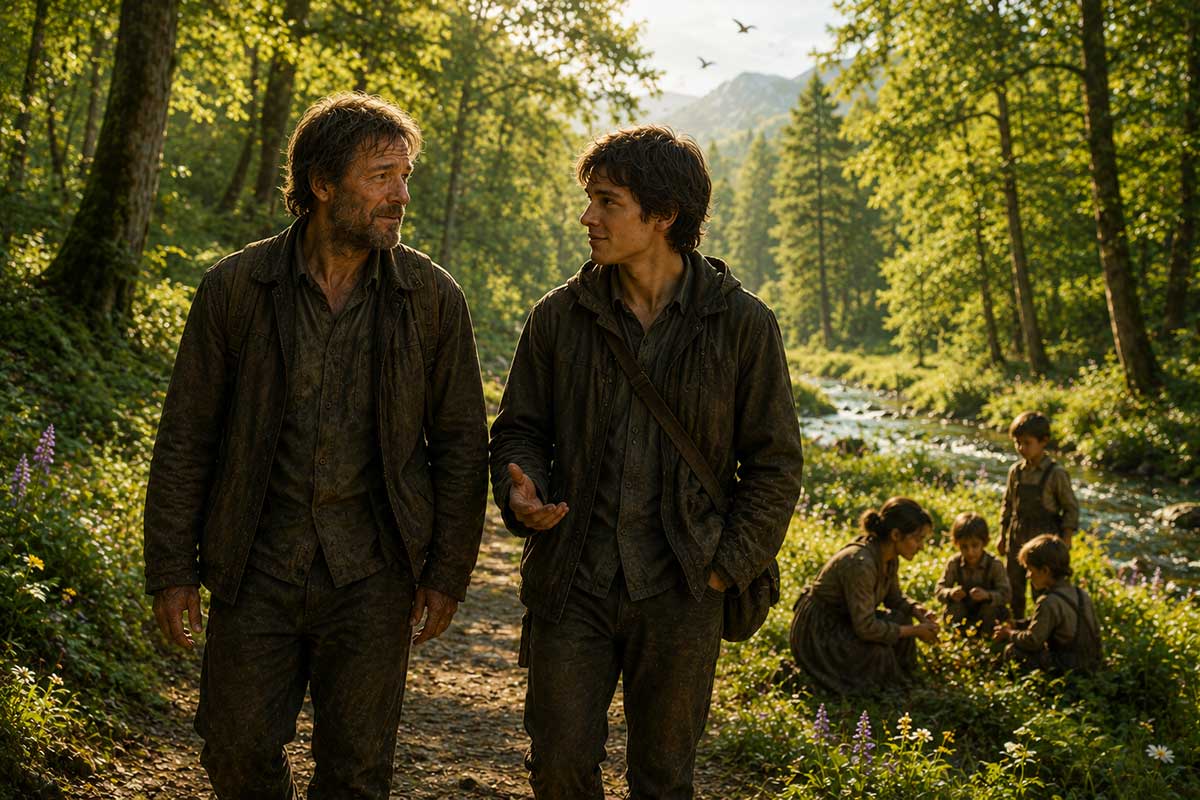
Opening
Ely: People keep asking what the fire was. Hope, conscience, God, memory, love, civilization—everyone wants one answer. I never trusted single answers. The world ended partly from people believing one word could contain everything. The fire mattered less as a definition than as a demand. It asked what remained inside a person after comfort, law, reputation, and certainty had disappeared.
Father, did you believe the fire was real—or did you invent it so the boy would keep moving?
The Boy: Papa, when did you first tell me we were carrying the fire?
The Father: I do not remember.
The Boy: Did someone tell you before?
The Father: No.
The Boy: Then you invented it.
The Father: I found the words.
Ely: That is often how invention begins.
The Boy: Did you believe them?
The Father: Yes.
The Boy: From the beginning?
The Father: Not in the same way every day.
The Mother: There were days you doubted.
The Father: Many.
The Boy: Then why did you say it so firmly?
The Father: You needed something the road could not take.
The Boy: A story.
The Father: A promise.
The Mother: Promises are stories spoken as duty.
The Father: It was more than that.
Ely: What was it?
The Father: The line we would not cross.
The Boy: Cannibalism?
The Father: That was one line.
The Boy: Killing?
The Father: Sometimes killing was necessary.
The Boy: Stealing?
The Father: Sometimes we took what no one living could claim.
Ely: Then the fire was not a list of rules.
The Father: No.
The Veteran: Was it identity?
The Father: Partly. We needed to remember that we were still human.
The Boy: Did saying it make us human?
The Father: No.
The Boy: Then what did?
The Father: Trying to live by it.
The Boy: Even when we failed?
The Father: Especially then.
The Mother: That sounds kinder than the way you spoke on the road.
The Father: I had less language then.
The Mother: You had language. You used it for commands.
The Father: Commands kept him alive.
The Boy: The fire kept me alive too.
The Father: How?
The Boy: It made me think there was something inside us that hunger could not own.
Ely: Did you believe that?
The Boy: I wanted to.
The Mother: Wanting is not belief.
The Boy: Sometimes it was close enough.
The Father: That is what hope often was.
The Mother: Or denial.
The Father: You always return to that.
The Mother: Someone should.
The Veteran: A belief can help a person endure without becoming a lie.
The Mother: Yes. It becomes a lie when the believer refuses every fact that threatens it.
The Boy: Did the fire refuse facts?
The Mother: No. Your father did at times.
The Father: I knew the world was dying.
The Mother: You believed the boy could still have a future.
The Father: He did.
The Mother: That does not mean you knew.
The Father: No.
Ely: Then the fire may have been faith without certainty.
The Father: Perhaps.
The Boy: Faith in God?
The Father: Sometimes.
The Boy: Sometimes?
The Father: Sometimes faith in you.
The Boy: Was I the fire?
The Father: Part of it.
The Mother: That placed too much on him.
The Father: He was the proof I had.
The Mother: A child should not have to become evidence that goodness still exists.
The Boy: I did not mind then.
The Mother: You were too young to know the burden.
The Boy: I know it now.
The Father: Did it hurt you?
The Boy: It made me afraid that if I became angry, selfish, or tired, the fire would go out.
The Father: I never meant that.
The Boy: You said I was carrying it.
The Father: Carrying does not mean creating.
Ely: Good distinction.
The Boy: Then where did it come from?
The Father: From before us.
The Veteran: From people who kept choosing mercy, truth, memory, and care before the world ended.
The Mother: And from people who failed, then tried again.
Ely: The fire may be older than civilization.
The Boy: Older than people?
Ely: Maybe not. Maybe it begins wherever one person refuses to treat another person as an object.
The Father: That is close.
The Boy: Close to what?
The Father: What I meant, before I knew how to say it.
Boy, is the fire something people possess—or something they prove through their treatment of others?
The Boy: I used to think good people carried the fire and bad people did not.
The Thief: Convenient.
The Boy: I was a child.
The Thief: Adults think that way too.
The Veteran: Categories bring comfort.
The Thief: They bring permission. Once a man calls himself good, he can punish another man and still sleep.
The Father: You stole from a child.
The Thief: And you stripped me.
The Boy: We have spoken of that.
The Thief: It belongs here too.
Ely: Why?
The Thief: The father said he carried the fire. Did the fire remain in his hand when he took my clothes?
The Father: I was angry.
The Thief: Fire burns.
The Boy: It was not that kind of fire.
The Thief: How do you know?
The Boy: The fire was what made me ask Papa to go back.
The Father: And what made me listen.
The Thief: Then neither of you possessed it alone.
The Boy: No.
Ely: Perhaps the fire moves between people.
The Veteran: Through correction.
The Mother: Through love.
The Thief: Through shame.
The Father: Through responsibility.
The Boy: Through mercy.
Ely: Then it is not an object kept safely inside one person.
The Father: No.
The Boy: It has to be shown.
The Veteran: In action.
The Mother: In restraint too.
The Boy: What do you mean?
The Mother: Sometimes carrying the fire means refusing to strike, refusing to humiliate, refusing to become what pain invites you to become.
The Father: Sometimes it means pulling the trigger before someone reaches your child.
The Boy: Then violence can carry the fire?
The Father: Violence can protect what the fire asks us to preserve.
Ely: Dangerous answer.
The Father: True answer.
The Veteran: Both.
The Boy: When you killed the man who held a knife to me, was that the fire?
The Father: It was love.
The Mother: Love can kill.
The Boy: Does that make killing good?
The Father: No.
The Boy: Then what does it make it?
The Father: Necessary.
Ely: Necessary acts still leave moral wounds.
The Veteran: A person may do what survival demands and still mourn the act.
The Father: I did.
The Boy: You did not say.
The Father: I could not let you think I regretted saving you.
The Boy: You could regret the death without regretting me.
The Father: I know that now.
The Mother: The fire may live in that distinction.
The Thief: You all keep making the fire sound noble.
Ely: What did it mean to you?
The Thief: Nothing.
The Boy: Nothing?
The Thief: Hunger emptied words.
The Boy: Did mercy bring any word back?
The Thief: One.
The Boy: Which one?
The Thief: Shame.
The Father: Shame is not fire.
Ely: It can be the spark before change.
The Thief: I remembered I had once been a man who would not rob a child.
The Boy: Then the fire was still in you.
The Thief: Buried.
The Boy: Buried is not gone.
The Veteran: That belief may be why the boy could join us later.
The Father: Explain.
The Veteran: He did not divide people into safe and ruined forever. He watched. He feared. Yet he left room for change.
The Boy: I learned that from the thief.
The Thief: From me?
The Boy: From what happened between all of us.
The Father: I thought I was teaching you justice.
The Boy: You taught me that justice without mercy can become revenge.
The Father: And what did I teach you about mercy?
The Boy: That mercy needs courage, not innocence.
Ely, can there be a sacred fire in a world where God appears silent?
Ely: Why ask me?
The Boy: You said there was no God.
Ely: I said many things.
The Father: You said there was no God and that we were his prophets.
Ely: A man gets lonely. Contradiction gives him company.
The Boy: Did you believe in God?
Ely: I believed people once believed.
The Boy: That is not the same.
Ely: No.
The Father: I saw God in the boy.
The Mother: You saw your need.
The Father: I saw innocence in a world that had consumed nearly all of it.
The Mother: Innocence is not God.
The Father: No. It may be one of the few places we notice him.
Ely: Or one of the places we invent him.
The Boy: Did God leave the world?
Ely: Maybe people left first.
The Veteran: Faith remained among some.
Ely: Faith remains after evidence leaves. That is its talent.
The Mother: Or its danger.
The Father: You feared false hope.
The Mother: I feared hope used as command.
The Boy: Was carrying the fire a command?
The Father: Yes.
The Boy: From God?
The Father: I do not know.
Ely: Better answer.
The Father: It felt larger than me.
The Mother: Many desperate thoughts do.
The Veteran: Yet some beliefs call a person beyond self-preservation.
The Thief: Hunger calls louder.
The Veteran: Not always.
The Thief: You had people.
The Veteran: Yes. Community helped preserve conscience.
Ely: Then perhaps God was not hidden in the sky. Perhaps God survived in relationships.
The Boy: In Papa?
Ely: At times.
The Boy: In Mama?
Ely: At times.
The Mother: Even after what I did?
Ely: If the sacred disappears the moment a person breaks, it was never much of a sacred thing.
The Father: You sound like a believer.
Ely: I sound tired of easy disbelief.
The Boy: Did the world ending prove God was gone?
The Mother: It proved suffering was real.
The Father: That was never in doubt.
The Boy: Then what would prove God remained?
Ely: Nothing. Proof belongs to other kinds of questions.
The Boy: Then how did you decide?
Ely: I did not.
The Veteran: Some decisions must be lived before they are believed.
The Boy: Such as?
The Veteran: Feeding someone when food is scarce. Protecting a stranger. Burying the dead. Teaching a child words that may outlive you.
The Father: Carrying the fire.
The Veteran: Yes.
The Mother: That makes God sound like moral action.
Ely: Better than making him an explanation for ash.
The Boy: Could the fire be God without us knowing?
The Father: Yes.
The Mother: Could it be human love without God?
Ely: Yes.
The Boy: Which is true?
Ely: Maybe the fire does not answer that question.
The Boy: What does it answer?
Ely: What will you do when no one is watching?
Was the fire hope, conscience, memory, love, or civilization?
The Veteran: Let each person answer.
The Father: Love.
The Boy: Goodness.
The Mother: Choice.
Ely: Memory.
The Thief: The ability to feel shame.
The Veteran: Community.
The Boy: They cannot all be right.
Ely: Why not?
The Boy: One symbol should mean one thing.
The Mother: You sound like Briony from another story.
The Boy: Who?
The Mother: No one here.
The Father: A symbol can hold many meanings.
The Boy: Then how do we know what matters most?
The Father: By what it asks of us.
The Boy: What did love ask of you?
The Father: To keep walking.
The Mother: Love asked me to stay. I failed.
The Boy: What did choice ask of you?
The Mother: To admit that my choice harmed you.
Ely: Memory asked me not to pretend the old world had never existed.
The Thief: Shame asked me to see myself as more than hunger.
The Veteran: Community asked my family to risk bringing you in.
The Boy: Goodness asked me to trust them.
The Father: Not immediately.
The Boy: No. Carefully.
Ely: Then the fire may be the human capacity to answer a demand larger than appetite.
The Thief: Hunger was not a small demand.
Ely: I did not say small. I said larger.
The Veteran: Civilization may begin there.
The Mother: Civilization failed long before buildings fell.
The Father: Yet traces remained.
The Boy: In stories?
The Father: In rules.
The Mother: In tenderness.
Ely: In burial.
The Veteran: In shared labor.
The Thief: In regret.
The Boy: Could civilization return?
The Veteran: It did not return all at once. It began in campfires, watches, meals, agreements, and children learning that strangers might become family.
The Father: Did he help rebuild?
The Veteran: Yes.
The Boy: Slowly.
The Father: What did you teach your children?
The Boy: The road.
The Father: The fear?
The Boy: Some.
The Father: The fire?
The Boy: Yes.
The Father: How did you explain it?
The Boy: I told them it was what remained when fear had finished speaking.
Ely: Good.
The Mother: Did you tell them about me?
The Boy: Yes.
The Mother: As the one who left?
The Boy: As the one who could no longer see a future.
The Mother: Thank you.
The Father: Did you tell them about the thief?
The Boy: Yes.
The Thief: As the bad man?
The Boy: As the hungry man who reminded us that mercy can interrupt what fear is about to do.
The Thief: Kinder than I deserve.
The Boy: Maybe the fire is giving people more than the worst thing they did.
The Father: Does that include me?
The Boy: Yes.
The Mother: Me?
The Boy: Yes.
Ely: Then memory itself can carry the fire when it refuses simplification.
Can the fire survive if no one remembers the old world?
The Father: I remembered colors you never saw.
The Boy: Blue sky.
The Father: Blue water.
The Boy: Birds.
The Father: Leaves.
The Boy: You told me stories.
The Father: I feared you would think I was inventing them.
The Boy: Sometimes I did.
Ely: Memory becomes myth when no witness remains.
The Veteran: Myth can still guide.
The Mother: It can deceive too.
The Boy: Did I need to remember the old world to carry the fire?
The Father: I thought so at first.
The Boy: Why?
The Father: You needed to know life had once been more than hunger.
The Boy: I knew from you.
The Father: From stories.
The Boy: From the way you mourned.
Ely: Grief proved beauty had existed.
The Mother: Yet grief can make the present feel worthless.
The Father: True.
The Veteran: The boy did not need every memory. He needed standards.
The Boy: Such as?
The Veteran: People should not be eaten. Children should be protected. The dead should not be treated as trash. A promise should mean something. Food can be shared. Fear does not excuse every act.
The Thief: Hard standards in a starving world.
The Veteran: Necessary ones.
Ely: Civilization is memory turned into obligation.
The Boy: Then the fire can survive without remembering trout?
Ely: It can. Yet the trout matter too.
The Father: Why?
Ely: Moral survival without beauty becomes dry. People need to remember that life was once mysterious, not merely useful.
The Mother: Beauty did not save us.
Ely: No. It gave loss a shape.
The Boy: Could new beauty exist?
The Veteran: It did.
The Boy: The first green shoots felt impossible.
The Father: You saw green again?
The Boy: Yes.
The Father: Real green?
The Boy: Real.
(The Father closes his eyes.)
The Mother: You never saw it.
The Father: No.
The Boy: I saw it for both of you.
Ely: Then memory moved forward, not only backward.
The Boy: What does that mean?
Ely: You carried memories they gave you. Then you made memories they never had.
The Father: That was the future.
The Boy: Yes.
Did the father pass the fire to the boy—or did the boy teach the father what it meant?
The Veteran: I think the answer is both.
The Father: I gave him the words.
The Boy: I tested them.
The Mother: He forced you to live by them.
The Father: Often.
The Thief: He forced you to return my clothes.
The Father: Yes.
Ely: He forced you to feed me.
The Father: Yes.
The Boy: You taught me not to surrender.
The Father: You taught me that survival without mercy could become another form of surrender.
The Boy: Did you know that before you died?
The Father: Partly.
The Boy: I wanted you to know.
The Father: I knew you were better than me.
The Boy: I was not.
The Father: You were.
The Boy: I had you.
The Father: And you often resisted me.
The Boy: That was part of having you.
The Mother: Love is not obedience.
The Veteran: Nor is inheritance repetition.
Ely: A child carries the fire by changing what he receives.
The Father: Then he did not merely preserve it.
The Boy: No.
The Father: You made it larger.
The Boy: I tried.
The Father: Did it ever go out?
The Boy: There were years I could not feel it.
The Father: What brought it back?
The Boy: Someone trusted me with a child.
The Father: Your own?
The Boy: Yes.
The Father: Were you afraid?
The Boy: More than I thought possible.
The Father: Did you become like me?
The Boy: Sometimes.
The Father: Did that frighten you?
The Boy: Yes.
The Father: What did you do?
The Boy: I remembered what you gave me. I remembered what I had to move beyond.
The Father: And the fire?
The Boy: I stopped treating it as something hidden inside us. I treated it as something our children had to feel in the way we held them, corrected them, trusted them, and let them trust others.
The Mother: Then it became practice.
The Boy: Yes.
Ely: The best symbols eventually become habits.
The Thief: Habits can fail.
The Boy: Then we begin again.
Closing
The Boy: The fire was never one thing. Papa gave it to me as a promise that we were still human. I learned that it was love when he gave me the last food, conscience when I asked him to spare the thief, memory when he told me about birds and blue water, faith when we kept walking without proof, and community when I trusted the family waiting beyond his death. We did not carry it like an object that belonged only to us. We carried it whenever fear failed to have the final word. The fire survived not because we never failed, but because someone kept asking us to return to what was human.
Topic 5: Did the Boy’s Final Act of Trust Prove His Father Right—or Wrong?
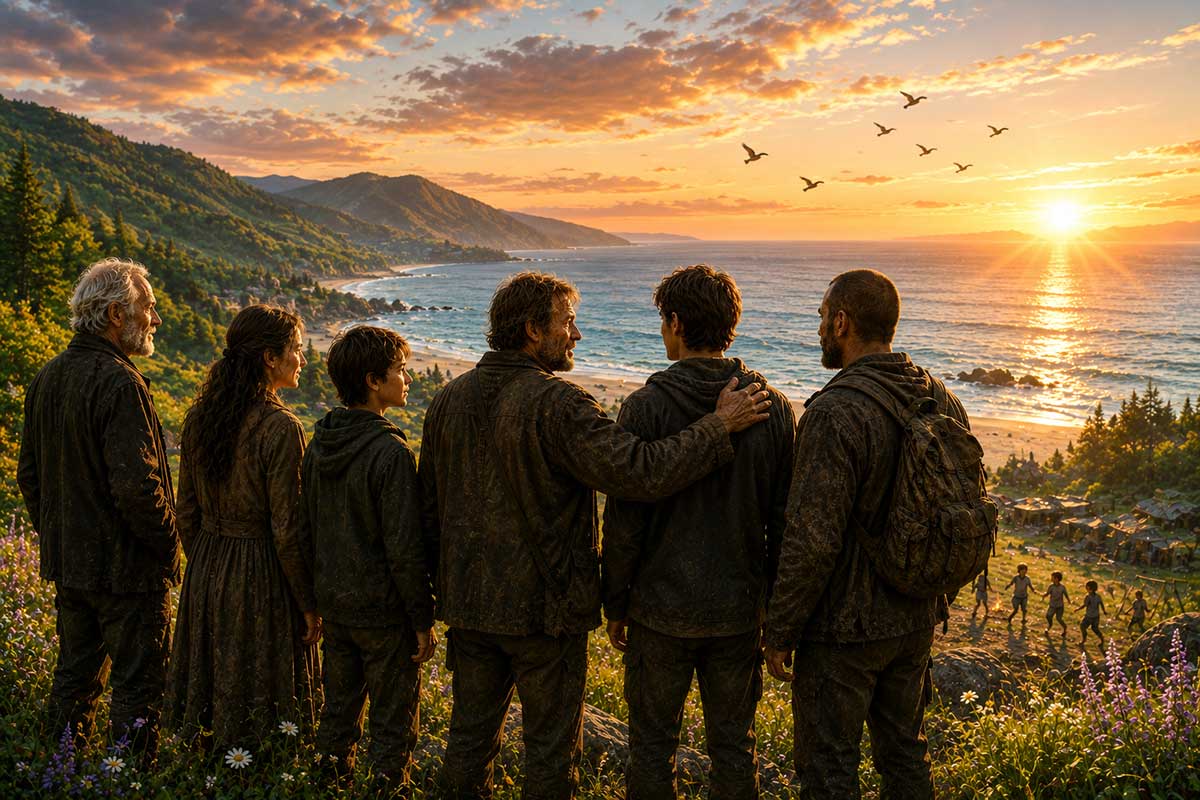
Opening
The Veteran: When I found the boy beside his father’s body, I knew he had been taught to fear me. He watched my hands, studied my weapon, and measured every word. Yet beneath that fear, something in him remained open. He could still recognize kindness without proof. His father had trained him to survive alone. The final question was whether he could survive by joining others.
Boy, why did you trust the family after your father spent years teaching you not to trust strangers?
The Boy: I did not trust them at first.
The Father: Good.
The Boy: You sound pleased.
The Father: Careful trust is not the same as blind trust.
The Veteran: He asked whether we were carrying the fire.
The Father: What did you say?
The Veteran: I said we were.
The Father: Did you believe it?
The Veteran: Yes.
The Boy: I wanted to believe him.
The Mother: Wanting mattered.
The Father: Wanting can get a child killed.
The Boy: So can refusing everyone.
The Father: I know.
The Veteran: He looked behind me for the others.
The Boy: I thought you might be alone.
The Veteran: Would that have changed your answer?
The Boy: Yes.
The Veteran: Why?
The Boy: Papa had taught me that lone men were dangerous.
Ely: Lone men often were.
The Veteran: Families could be dangerous too.
The Boy: I knew.
The Father: Then why go?
The Boy: You were dead.
(Silence.)
The Father: I know.
The Boy: I had food for very little time. I could not stay beside you forever.
The Father: Did you want to?
The Boy: Yes.
The Mother: He had already been left once.
The Boy: I thought leaving Papa’s body meant leaving him.
The Father: You did not leave me.
The Boy: I did not know that then.
The Veteran: I told him we had been following from a distance.
The Father: That must have frightened him.
The Boy: It did.
The Veteran: I told him we had children.
The Boy: I still wondered whether that was a trick.
The Father: You should have.
The Boy: Then the woman came.
The Mother: What did she say?
The Boy: She said she was glad to see me.
The Mother: Only that?
The Boy: At first.
The Veteran: My wife knew too many words might frighten him.
The Boy: She did not reach for me.
The Father: That was wise.
The Boy: She waited.
Ely: Waiting can be a form of mercy.
The Veteran: She let him decide how near to stand.
The Boy: I watched the other children.
The Father: What did you see?
The Boy: They were thin. Tired. Afraid. Yet they were not hiding from one another.
The Mother: That was new to you.
The Boy: Yes.
The Veteran: My son gave him a cup.
The Boy: He drank first.
The Father: To prove it was safe.
The Boy: Yes.
The Veteran: No one told him to do that.
The Boy: I think he understood what fear looked like.
Ely: Children often recognize one another beneath what adults have taught them.
The Father: Did you decide then?
The Boy: Not completely.
The Father: What changed your mind?
The Boy: The woman asked whether I wanted to bring your blanket.
The Father: My blanket?
The Boy: She understood I did not want everything connected to you left behind.
The Mother: She did not ask you to forget him before joining them.
The Boy: No.
The Veteran: Trust often begins when a person does not demand that you abandon your grief.
The Father: Did they bury me?
The Boy: Yes.
The Father: Properly?
The Boy: The best we could.
The Father: Thank you.
The Veteran: He chose the place.
The Boy: Near the trees.
The Father: There were still trees?
The Boy: Dead ones then.
The Father: I see.
The Boy: Later, green returned nearby.
The Father: Then it was a good place.
Father, did the boy survive through your lessons—or by moving beyond them?
The Father: He survived long enough to meet you through what I taught him.
The Veteran: Yes.
The Boy: And I joined them by doing something you feared.
The Father: Trusting strangers.
The Boy: Yes.
The Father: Then perhaps both are true.
The Mother: That answer came more easily than before.
The Father: I have heard enough to know certainty failed me sometimes.
Ely: Death has made you flexible.
The Father: It removed the need to win every argument.
The Boy: Did you want me to trust them?
The Father: I wanted you alive.
The Boy: That is not the same answer.
The Father: No.
The Boy: Would you have trusted them?
The Father: I would have watched longer.
The Veteran: There may not have been time.
The Father: Then I do not know.
The Boy: That is honest.
The Father: I hated leaving you with a choice I could not help you make.
The Boy: You helped.
The Father: How?
The Boy: You taught me to look at people carefully.
The Father: For danger.
The Boy: For danger, yes. Yet I had watched you too.
The Father: Me?
The Boy: You were afraid of people, but you still helped Ely. You returned the thief’s clothes. You let me speak to strangers when you could bear it. You told me there were good guys.
The Father: I gave you conflicting lessons.
The Boy: That made me think.
Ely: Contradiction can become education when the child is allowed to question it.
The Father: I did not always allow him.
The Boy: I questioned anyway.
The Veteran: That may have saved him.
The Father: Then he survived partly through resisting me.
The Boy: Not resisting you. Growing from you.
The Mother: A child need not reject a parent to become different.
The Father: I wanted him to carry everything useful and leave the fear behind.
The Boy: Fear does not stay behind that easily.
The Father: No.
The Boy: I carried it into their camp.
The Veteran: For years.
The Father: Did you resent me?
The Boy: Sometimes.
The Father: For what?
The Boy: For teaching me that danger was always about to enter.
The Father: It often was.
The Boy: Later it was not.
The Father: Yet your body still believed it.
The Boy: Yes.
The Mother: That is trauma.
The Father: I know the word.
The Mother: Did you know the experience?
The Father: Every day.
The Boy: You passed some of it to me.
The Father: I am sorry.
The Boy: You passed courage too.
The Father: Did courage help you trust them?
The Boy: Yes.
The Father: How?
The Boy: Trust was frightening. I chose it anyway.
The Veteran: People speak of trust as softness. In that world, it demanded courage.
Ely: Distrust can feel strong because it requires nothing from another person.
The Boy: Trust accepts the possibility of being hurt.
The Father: I spent my life trying to prevent that possibility.
The Boy: You could not remove it.
The Father: No.
The Boy: You kept me alive until I could decide which risks were worth taking.
The Father: Then perhaps that was my task.
The Mother: Not deciding every future. Delivering him to the point where a future choice remained.
The Father: I can accept that.
Did joining the family mean the boy stopped carrying his father’s fire?
The Father: Did you still speak to me?
The Boy: Every day at first.
The Father: What did you say?
The Boy: I told you where we were. What we ate. Who stood watch. I asked whether I had made the right choice.
The Father: Did I answer?
The Boy: Not in words.
Ely: Memory often borrows the voice of the dead.
The Boy: Sometimes I knew what Papa would say.
The Father: What would I say?
The Boy: Check the doors. Save food. Do not show the pistol too early. Listen in the night.
The Father: Sensible.
The Boy: Sometimes I heard another voice.
The Father: Whose?
The Boy: Yours when you were gentle.
The Father: What did that voice say?
The Boy: Eat. Sleep. Let them care for you.
The Mother: He carried more than your fear.
The Boy: Yes.
The Veteran: At first, he thought accepting help meant becoming weak.
The Father: I may have taught him that.
The Boy: You taught me dependence could be dangerous.
The Veteran: In a community, refusing dependence can be dangerous too.
Ely: No one rebuilds alone.
The Boy: I learned to stand watch with others.
The Father: Did you trust them with the weapon?
The Boy: Eventually.
The Father: That must have been hard.
The Boy: Very.
The Veteran: He slept through an entire night the first time another person held it.
The Boy: Then I woke terrified.
The Father: Why?
The Boy: I thought I had failed you.
The Father: By sleeping?
The Boy: By letting someone else protect me.
The Father: You did not fail me.
The Boy: I know now.
The Mother: Children turn survival instructions into loyalty.
The Father: I never wanted vigilance to become devotion.
The Boy: It did for a time.
The Veteran: We did not ask him to stop loving you. We asked him to let love change shape.
The Father: What shape did it take?
The Boy: I taught the other children what you taught me.
The Father: Everything?
The Boy: Not everything.
The Father: What did you leave out?
The Boy: That every stranger was probably dangerous.
The Father: Fair.
The Boy: I told them danger was real, but so was help.
The Father: Good.
The Boy: I taught them carrying the fire meant watching over the smallest person in the group.
The Veteran: That became one of our rules.
The Father: Then the fire moved beyond us.
Ely: Fire survives by being shared.
The Boy: It changed when shared.
The Father: Did that trouble you?
The Boy: At first. I thought changing your words meant betraying you.
The Father: And later?
The Boy: I understood inheritance is not copying.
The Mother: It is receiving and answering.
The Boy: Yes.
Does the ending offer genuine hope, or only another uncertain stage of survival?
Ely: The family could have been dangerous.
The Veteran: We were not.
Ely: The reader did not know that.
The Boy: Neither did I.
The Father: Then hope entered before certainty.
The Mother: Just as it had for you.
The Father: Yes.
The Boy: I think the ending was hopeful.
Ely: You lived beyond it. Of course you do.
The Boy: It was still frightening.
The Veteran: We had little food. Illness remained. The world did not become safe when he joined us.
The Mother: Then what changed?
The Veteran: He was no longer alone.
Ely: Community does not remove death.
The Veteran: No. It changes how people face it.
The Boy: We could share work. Stories. Food. Fear.
The Father: Sharing fear must have mattered.
The Boy: More than I knew.
The Mother: Hope became practical.
The Boy: What do you mean?
The Mother: It was no longer only a belief in a distant coast. It became another person boiling water while you slept.
The Veteran: A hand taking the next watch.
Ely: A grave dug for someone else’s father.
The Boy: A child drinking first from a cup.
The Father: Then hope was not certainty that the world would heal.
The Boy: No.
The Father: It was a reason to remain human together.
The Veteran: Yes.
Ely: Yet the final memory of trout complicates hope.
The Boy: The world had lost things that would never return.
The Father: Trout.
The Boy: Streams as you remembered them. Colors. Creatures. Whole patterns of life.
The Mother: Then the ending is not restoration.
Ely: No.
The Veteran: It is continuation after irreversible loss.
The Father: Is that enough to call hope?
The Boy: Hope does not require everything to return.
The Mother: What does it require?
The Boy: Something worth caring for that still remains.
The Father: You remained.
The Boy: Then the family remained.
The Veteran: Then children came.
Ely: Then green shoots.
The Mother: Yet grief remained too.
The Boy: Hope did not erase it.
The Father: Good.
The Boy: Why good?
The Father: Hope that demands forgetting becomes another lie.
Ely: You have learned.
The Father: From him.
Did the final family prove that the father had been too fearful?
The Veteran: We had been near them for some time.
The Father: You said that.
The Veteran: There were moments we might have approached earlier.
The Boy: Why did you not?
The Veteran: We feared you.
The Father: Me?
The Veteran: You were armed, thin, sick, and fiercely protective. We could not tell whether you would fire before listening.
The Father: I might have.
The Veteran: We knew.
The Boy: Then Papa’s fear kept help away.
The Father: Perhaps.
The Veteran: It may have.
The Father: Did that delay endanger him?
The Veteran: It could have.
The Father: Then I failed.
The Boy: Not entirely.
The Father: Do not protect me from the truth.
The Boy: I am not. Your fear kept dangerous people away too. The same wall blocked danger and help.
Ely: Most walls do both.
The Mother: The question is when to lower them.
The Father: I never learned.
The Veteran: You lowered them for the boy.
The Father: When?
The Veteran: By teaching him the fire rather than fear alone.
The Father: Yet I contradicted it.
The Veteran: Parents often give children principles they themselves cannot fully live.
The Boy: That does not make the principles false.
The Father: Did you trust the family because of me or in spite of me?
The Boy: Both.
The Father: That answer keeps returning.
The Boy: Most inheritances are mixed.
The Mother: Mine too.
The Boy: Yes.
The Mother: What did you inherit from me?
The Boy: The knowledge that despair can feel final without being the whole truth.
The Mother: Painful.
The Boy: Useful.
The Father: And from me?
The Boy: The knowledge that love can keep walking long after reason has stopped promising success.
The Father: Did that become too heavy?
The Boy: Sometimes.
The Father: What did you make of both?
The Boy: Hope without denying fear.
Ely: That may be wiser than either parent alone.
Did the boy’s trust prove his father right or wrong?
The Father: I want an answer.
The Boy: You taught me to survive until I could trust.
The Father: Right.
The Boy: You taught me to fear so deeply that trust nearly felt impossible.
The Father: Wrong.
The Boy: You told me there were good people.
The Father: Right.
The Boy: You often acted as though we would never meet them.
The Father: Wrong.
The Boy: You gave me the fire.
The Father: Right.
The Boy: I had to learn that fire could not remain locked inside two people.
The Father: Incomplete.
Ely: Better than right or wrong.
The Veteran: The father’s lessons were sufficient for one stage and insufficient for the next.
The Mother: Survival prepared the boy for a future it could not teach him how to inhabit.
The Father: Then another family had to finish what I began.
The Veteran: No one family finishes a child.
The Boy: I was not a project.
The Veteran: Exactly.
The Father: I know.
The Boy: Papa, my trust did not prove you wrong. It proved I could make a choice you had prepared me to make without choosing exactly as you would.
The Father: That is what growing means.
The Boy: Yes.
The Father: I wish I had lived to see it.
The Boy: I wish you had too.
The Mother: Would you have joined them?
The Father: I would have struggled.
The Veteran: We would have waited.
The Father: I might have insulted you.
The Veteran: I expected that.
The Boy: I would have asked you to try.
The Father: And I would have listened eventually.
Ely: The boy’s voice moved you more than any proof.
The Father: Yes.
The Boy: Then perhaps I would have brought you with me.
The Father: Perhaps.
What did the boy inherit that his father could not see?
The Veteran: He inherited a future.
The Father: I hoped for one.
The Veteran: You could not picture it.
The Father: No.
The Boy: I could not at first either.
The Mother: What did it look like when it came?
The Boy: Small.
The Father: Small?
The Boy: A safe night. A shared meal. A child learning a word. Someone returning from watch. Rain that did not carry ash.
Ely: People expect hope to arrive as a green world.
The Boy: It arrived as repetition.
The Veteran: Good repetition.
The Boy: Yes. Planting. Repairing. Teaching. Waiting for seasons.
The Father: Seasons returned?
The Boy: Slowly.
The Father: Did you see the ocean turn blue?
The Boy: Not as you remembered it.
The Father: I see.
The Boy: We found rivers that cleared before the sea did.
Ely: And trout?
The Boy: Not the old trout.
Ely: Then some mystery remained only in memory.
The Boy: New things became mysterious.
The Father: Such as?
The Boy: The first bird I heard.
The Father: You heard a bird?
The Boy: Yes.
The Father: What did it sound like?
The Boy: Nothing like your stories and exactly like them.
(The Father begins to weep.)
The Mother: You gave him memory. He received experience.
The Boy: I taught my children the old world was real, but I did not ask them to live inside our grief.
The Father: Good.
The Boy: They needed their own world.
The Veteran: That may be the final meaning of trust.
The Father: Trust in strangers?
The Veteran: Trust that children may build something their parents cannot picture.
The Mother: Trust that the future is not required to justify the past.
Ely: Trust that survival may become life without pretending the dead world never existed.
The Boy: I carried both.
The Father: The grief and the fire.
The Boy: Yes.
Closing
The Boy: My final act of trust did not prove Papa wholly right or wholly wrong. His fear kept me alive long enough to face a choice he could not make for me. His love taught me that people could sacrifice everything for one another. His warnings taught me caution. His contradictions taught me judgment. When I joined the family, I did not abandon what he gave me. I changed it. I learned that carrying the fire meant more than surviving beside someone I loved. It meant risking enough trust to let strangers become family, letting grief remain without making it the whole future, and building a life my father had kept alive long enough for me to choose.
Final Thoughts
The Father: I once believed my task was simple: keep the boy alive. Every mile made that task harder and more absolute. Yet survival was never the whole inheritance. My son needed caution, but he needed mercy too. He needed my protection, but he also needed room to become someone I could not fully picture. I gave him fear, love, discipline, memory, and the fire. He carried all of them farther than I could.
The Boy: Papa taught me how to watch the road, save food, hear danger, and keep moving. He taught me that promises mattered and that we could refuse to become monsters. I later learned that goodness required more than refusing evil. It required seeing suffering, accepting help, sharing risk, and trusting carefully. Carrying the fire meant letting fear speak without letting it give the final answer.
The Mother: I loved my son, yet love did not rescue me from despair. I mistook the limit of my own vision for the limit of the future. His father saw a road I could not see and walked it for both of them. My choice remains painful, not because love was absent, but because love and despair lived inside me at the same time. I left them a wound they had to carry without me.
Ely: Civilization did not disappear only when cities burned. It disappeared each time fear convinced one person that another person no longer mattered. It returned in smaller ways: a shared meal, a buried body, a child’s question, a stranger allowed near the fire. Meaning did not survive as certainty. It survived as obligation.
The Veteran: The boy came to us carrying lessons from a dead world. Some saved his life. Some made life among others difficult. We did not ask him to forget his father. We helped him change what he had inherited. Community began when protection stopped belonging to one exhausted man and became something people shared.
The Thief: Hunger reduced me to a body trying not to die. I stole from a child and told myself survival explained everything. His mercy did not erase what I had done. It reminded me that I had once been someone capable of shame. Sometimes the fire appears first as the pain of recognizing what fear has made of us.
The Boy: The world did not heal all at once. Hope arrived in small forms: another person taking watch, rain without ash, a grave made with care, a child drinking from a cup before handing it to a stranger. Later came green shoots, clearer rivers, and the sound of a bird I had known only through Papa’s stories.
The old world did not return.
Something living did.
Perhaps that is what the ending of The Road offers. Not certainty that everything lost will be restored, but the possibility that love, memory, goodness, and trust can survive long enough to become a future.
Short Bios:
The Father
An unnamed man traveling south through a devastated world with his young son. Sick, exhausted, and intensely protective, he measures every choice against the Boy’s survival. His love gives him purpose, yet his fear often narrows his ability to trust or show mercy.
The Boy
The Father’s unnamed son and the moral center of the novel. Born near the time of the catastrophe, he has few memories of the world before the ash. His compassion for strangers repeatedly challenges his father’s harsh caution. He comes to embody the possibility that goodness can survive without innocence remaining untouched.
The Mother
The Boy’s mother, seen through memories of the family’s earlier life. Convinced that capture and death are unavoidable, she chooses suicide rather than continue living in terror. Her decision raises painful questions about despair, parental duty, autonomy, fear, and whether love can remain real when a parent can no longer endure.
Ely
An elderly traveler encountered on the road. His name may be false, and his beliefs remain uncertain. Skeptical of God, hope, and humanity’s future, he represents memory, loneliness, and the possibility that civilization survives through stories long after its structures have fallen.
The Veteran
The armed man who approaches the Boy after the Father’s death and invites him to join another family. He represents cautious community and the possibility that trust can return after prolonged isolation. His family gives the Boy a future his father kept alive but could never fully envision.
The Thief
A starving man who steals the Father and Boy’s cart and supplies near the coast. The Father catches and humiliates him, leading the Boy to demand mercy. His brief appearance becomes one of the novel’s clearest tests of justice, compassion, hunger, and what it means to remain among the good people.
Leave a Reply