• Skip to main content
  • Skip to primary sidebar
  • Skip to footer
ImaginaryTalks.com
  • Spirituality and Esoterica
    • Afterlife Reflections
    • Ancient Civilizations
    • Angels
    • Astrology
    • Bible
    • Buddhism
    • Christianity
    • DP
    • Esoteric
    • Extraterrestrial
    • Fairies
    • God
    • Karma
    • Meditation
    • Metaphysics
    • Past Life Regression
    • Spirituality
    • The Law of Attraction
  • Personal Growth
    • Best Friend
    • Empathy
    • Forgiveness
    • Gratitude
    • Happiness
    • Healing
    • Health
    • Joy
    • Kindness
    • Love
    • Manifestation
    • Mindfulness
    • Self-Help
    • Sleep
  • Business and Global Issues
    • Business
    • Crypto
    • Digital Marketing
    • Economics
    • Financial
    • Investment
    • Wealth
    • Copywriting
    • Climate Change
    • Security
    • Technology
    • War
    • World Peace
  • Culture, Science, and A.I.
    • A.I.
    • Anime
    • Art
    • History & Philosophy
    • Humor
    • Imagination
    • Innovation
    • Literature
    • Lifestyle and Culture
    • Music
    • Science
    • Sports
    • Travel

NYT 100 Best Books

Hateship Friendship Courtship Loveship Marriage explained

July 27, 2026 by Nick Sasaki Leave a Comment

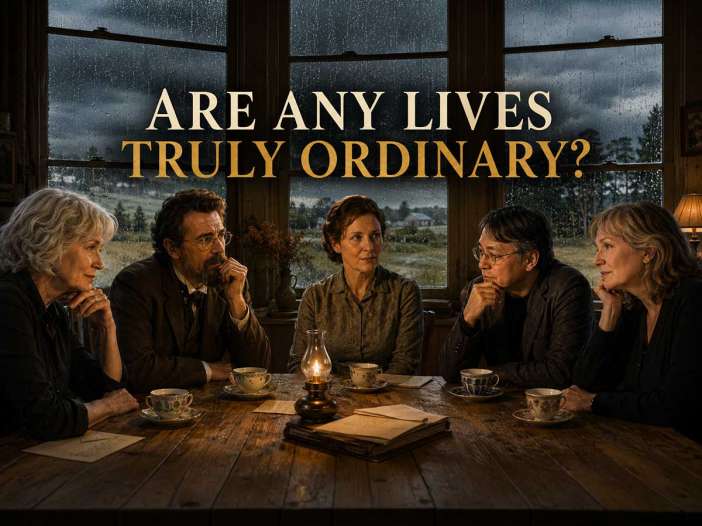
are-any-lives-truly-ordinary-

Why Alice Munro’s Ordinary Lives Feel Extraordinary?Most of us spend our lives believing we understand people.We meet someone for a few minutes and quietly place them into categories.Successful.Shy.Intelligent.Difficult.Kind.Hopeless.Reliable.Ordinary.Then life surprises us.The quiet woman becomes unexpectedly courageous.The confident man quietly falls apart.A … [Read more...] about Hateship Friendship Courtship Loveship Marriage explained

Filed Under: Literature, NYT 100 Best Books Tagged With: Alice Munro, Anton Chekhov, Canadian literature, chance and destiny, Elizabeth Strout, Johanna Parry, Kazuo Ishiguro, literary analysis, ordinary lives, short stories

The Overstory Explained: Themes, Ending, and Meaning
July 25, 2026 by Nick Sasaki Leave a Comment

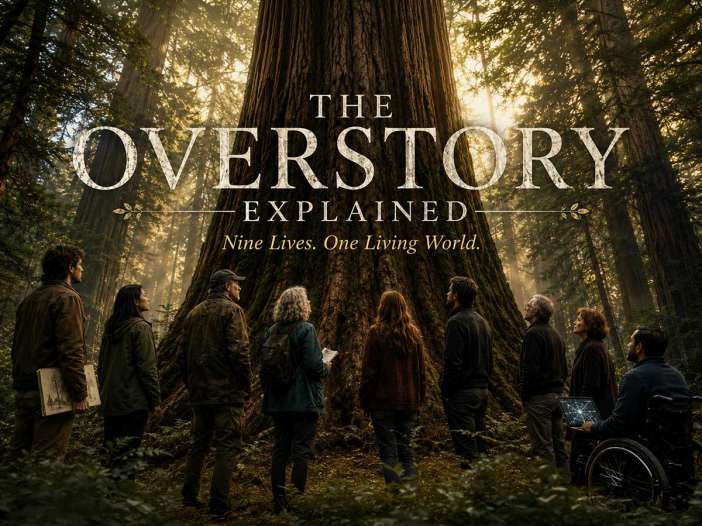
The Overstory explained

What if trees are not simply part of our world—but we are part of theirs? Most novels ask us to pay attention to people.The Overstory asks us to pay attention to everything we've been walking past our entire lives.Trees.For most of us, they're scenery.We admire them in parks, plant them in our yards, and drive past forests without giving them much … [Read more...] about The Overstory Explained: Themes, Ending, and Meaning

Filed Under: Literature, NYT 100 Best Books, Spirituality Tagged With: Adam Appich, book analysis, Book Discussion, Climate Change, Environmental Fiction, Forest Ecology, Imaginary Talks, literary fiction, Nature Writing, Patricia Westerford, Pulitzer Prize, Richard Powers, The Overstory, Trees, Wangari Maathai

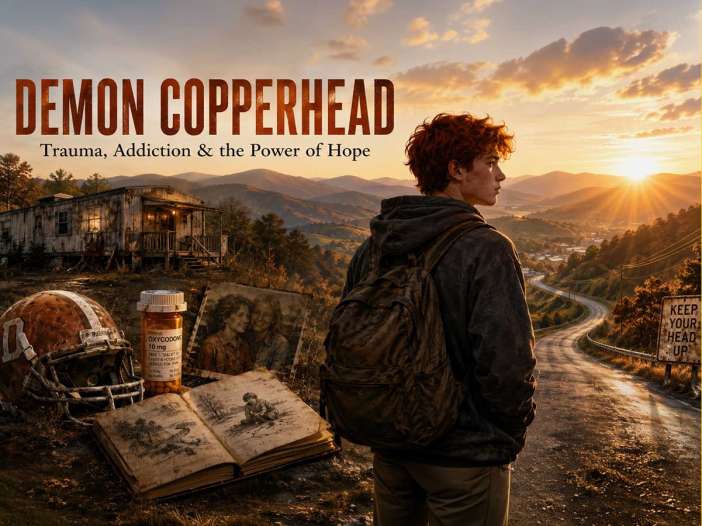
Demon Copperhead Explained: Barbara Kingsolver’s Pulitzer-Winning Novel
July 25, 2026 by Nick Sasaki Leave a Comment

What if every child had at least one adult who never gave up on them? Some novels entertain us.Some educate us.And a rare few quietly change the way we look at other people.Demon Copperhead is one of those rare books.Winner of the 2023 Pulitzer Prize for Fiction, Barbara Kingsolver's modern retelling of Charles Dickens' David Copperfield transports readers … [Read more...] about Demon Copperhead Explained: Barbara Kingsolver’s Pulitzer-Winning Novel

Filed Under: Literature, NYT 100 Best Books, Personal Development, Psychology Tagged With: addiction recovery, Appalachian literature, Barbara Kingsolver, Book Discussion, character study, Charles Dickens, childhood trauma, contemporary American fiction, David Copperfield adaptation, Demon Copperhead, Demon Copperhead analysis, Demon Copperhead explained, Demon Copperhead summary, foster care, hope, Imaginary Talks, literary analysis, opioid crisis, Pulitzer Prize fiction, resilience

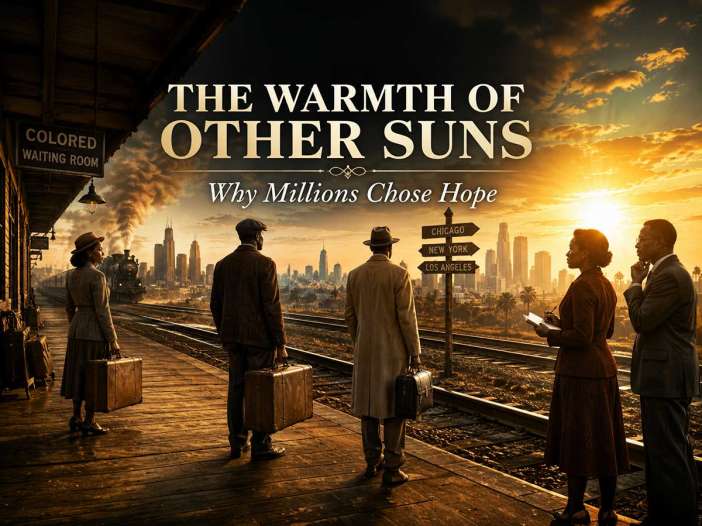
The Warmth of Other Suns Explained

July 24, 2026 by Nick Sasaki Leave a Comment

What if the Great Migration had never happened?There are moments in history that reshape a nation almost without anyone noticing.No declarations.No famous speeches.No single leader standing before a crowd.Instead, history changes one family at a time.One train ticket.One packed suitcase.One quiet goodbye.Between roughly 1915 and 1970, more than six million Black … [Read more...] about The Warmth of Other Suns Explained

Filed Under: History & Philosophy, Literature, NYT 100 Best Books, Psychology Tagged With: American history, American South, Book Discussion, Chicago, dignity, freedom, George Starling, Great Migration, historical nonfiction, Ida Mae Gladney, Imaginary Talks, Isabel Wilkerson, James Baldwin, Los Angeles, migration, New York, Pulitzer Prize, racial justice, Robert Foster, The Warmth of Other Suns

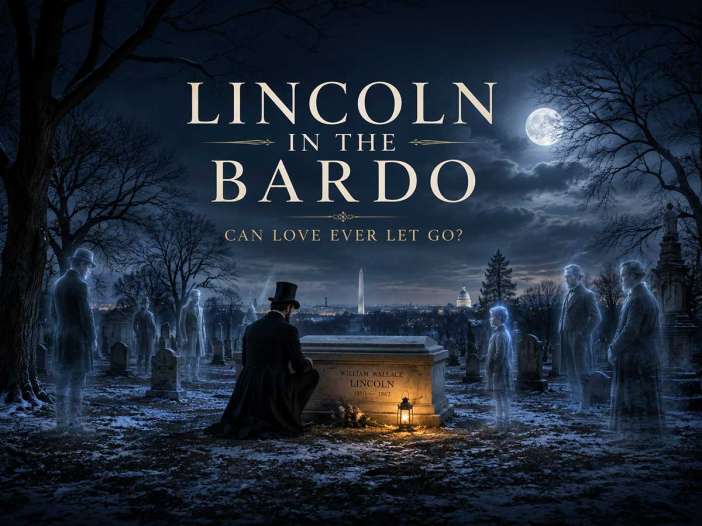
Lincoln in the Bardo Ending Explained:
July 23, 2026 by Nick Sasaki Leave a Comment

Lincol in the Bardo

What if Abraham Lincoln could speak to Willie one last time?  There are novels that tell a story.There are novels that explore an idea.And then there are rare novels that ask us to sit quietly beside one of life's deepest mysteries.Lincoln in the Bardo is one of those books.At first glance, it appears to be about Abraham Lincoln mourning the death of … [Read more...] about Lincoln in the Bardo Ending Explained:

Filed Under: Literature, NYT 100 Best Books, Psychology Tagged With: Abraham Lincoln, afterlife, Book Discussion, Booker Prize, Civil War, George Saunders, ghosts, Grief, historical fiction, Imaginary Talks, letting go, Lincoln in the Bardo, literary fiction, loss, love, mourning, Parent and Child, philosophy, psychology, Willie Lincoln

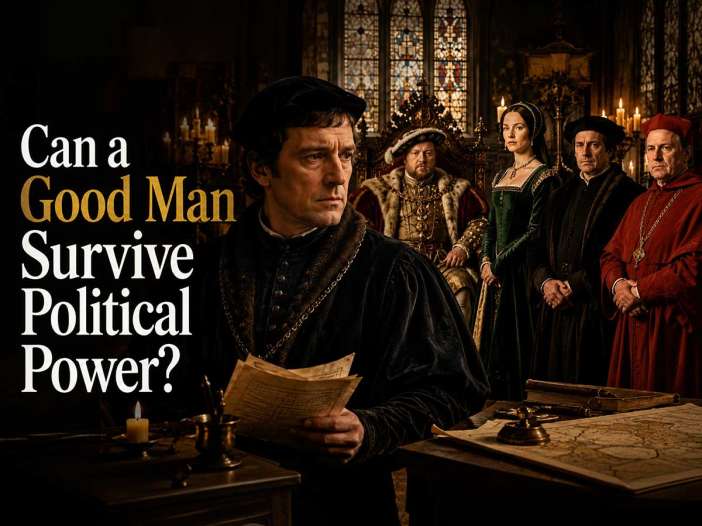
Wolf Hall Ending Explained: Can a Good Man Survive Political Power?
July 18, 2026 by Nick Sasaki Leave a Comment

Hilary Mantel Wolf-Hall ending explained

What if the English Reformation was never simply about religion? Introduction by Nick SasakiHistory often places its brightest spotlight on kings, queens, wars, and executions.Wolf Hall asks us to look somewhere else.It asks us to look at the man standing beside the throne.Thomas Cromwell was born the son of a violent blacksmith, far from the world of courts … [Read more...] about Wolf Hall Ending Explained: Can a Good Man Survive Political Power?

Filed Under: History & Philosophy, Leadership, Literature, NYT 100 Best Books, Spirituality Tagged With: Anne Boleyn, Booker Prize, Booker Prize winner, Cardinal Wolsey, conscience, English Reformation, Henry VIII, Hilary Mantel, Hilary Mantel books, Hilary Mantel Wolf Hall, Hilary Mantel Wolf Hall analysis, Hilary Mantel Wolf Hall ending explained, Hilary Mantel Wolf Hall summary, historical fiction, history, Leadership, leadership and morality, loyalty, monarchy, morality, political philosophy, political power, Power, Thomas Cromwell, Thomas More, Tudor England, Wolf Hall, Wolf Hall analysis, Wolf Hall ending explained, Wolf Hall summary

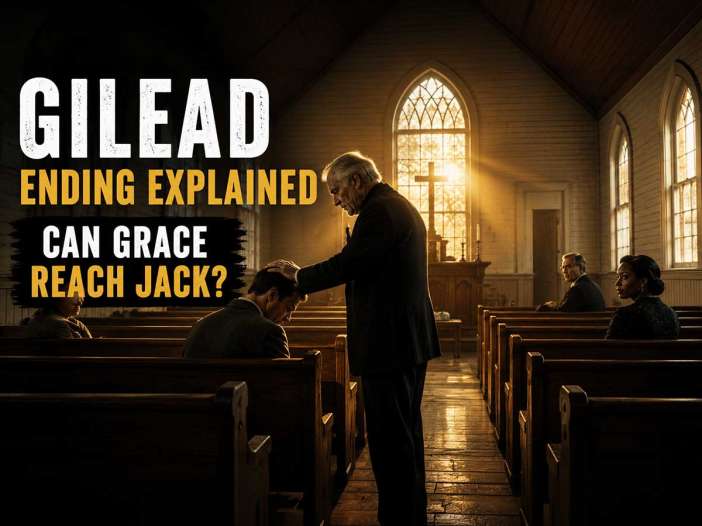
Gilead Ending Explained: Can Grace Reach the Person We Judge Most?
July 16, 2026 by Nick Sasaki Leave a Comment

gilead ending explained

What if John Ames’s final blessing was sincere—but arrived too late to repair what his silence had cost Jack’s family?Introduction by Nick SasakiWhat does a father leave behind when he knows he will not live long enough to watch his child grow?That question sits quietly at the center of Gilead by Marilynne Robinson. On its surface, the novel is a letter from an … [Read more...] about Gilead Ending Explained: Can Grace Reach the Person We Judge Most?

Filed Under: Faith, Literature, NYT 100 Best Books, Spirituality Tagged With: blessing, Della Miles, Ending Explained, faith and doubt, fatherhood, fathers and sons, forgiveness, Gilead, grace, interracial marriage, Jack Boughton, John Ames, Lila Ames, literary analysis, Marilynne Robinson, mortality, racial justice, redemption, Robert Boughton

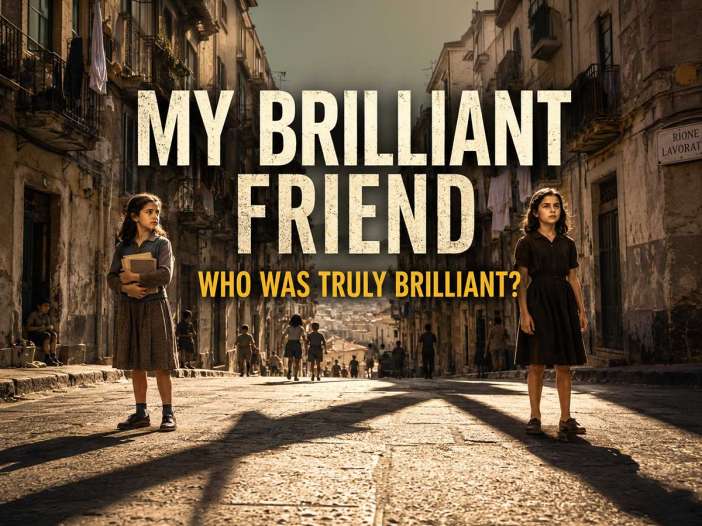
My Brilliant Friend Ending Explained: Who Was Brilliant?
July 16, 2026 by Nick Sasaki Leave a Comment

Elena Ferrante My Brilliant Friend

What if the brilliant friend was never Lila or Elena—but the person each woman became in the other’s presence? Lenù: When people speak about Lila and me, they often search for a simple definition.Best friends.Rivals.Sisters.Enemies.Mirrors.None of those words is wrong. None is enough.We grew up in a poor neighborhood where children learned early that talent … [Read more...] about My Brilliant Friend Ending Explained: Who Was Brilliant?

Filed Under: Friendship, Literature, NYT 100 Best Books, Relationship Tagged With: book analysis, class and education, Elena Ferrante, Elena Greco, Ending Explained, female friendship, friendship and rivalry, Italian literature, Lila Cerullo, literary fiction, My Brilliant Friend, Naples, Neapolitan Novels, women and ambition

The Underground Railroad Ending Explained
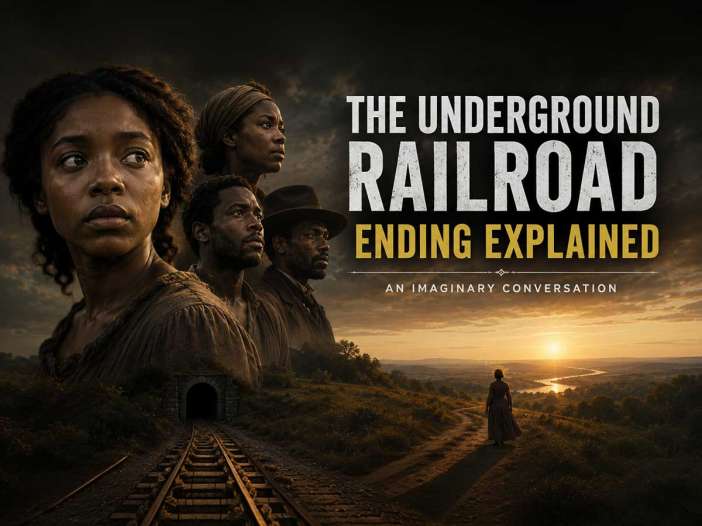
July 15, 2026 by Nick Sasaki Leave a Comment

The-Underground-Railroad-ending-explained--

What if Cora, Mabel, Caesar, Royal, and Ridgeway met after death to discover what freedom truly meant?Colson Whitehead’s The Underground Railroad begins with escape, but it never treats escape as the final meaning of freedom.Cora leaves the Randall plantation in Georgia and enters a literal underground railway built by people willing to risk their lives for … [Read more...] about The Underground Railroad Ending Explained

Filed Under: History & Philosophy, Literature, NYT 100 Best Books Tagged With: American history, book analysis, Caesar, Colson Whitehead, Cora, Ending Explained, freedom, historical fiction, literary fiction, Mabel, morality, Pulitzer Prize, redemption, Ridgeway, Royal, slavery, symbolism, The Underground Railroad, trauma

The Road Ending Explained: Father and Son Imaginary Conversation
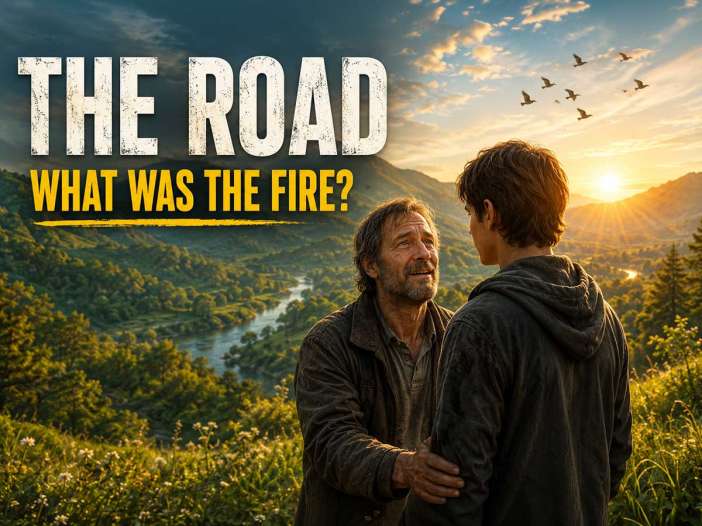
July 15, 2026 by Nick Sasaki Leave a Comment

The Road Cormac McCarthy

What if the Father and the Boy met again after death—and discovered that carrying the fire meant something neither of them fully understood? Cormac McCarthy’s The Road is often described as a post-apocalyptic novel, yet its deepest conflict is far more intimate.It is the story of a father trying to keep his son alive in a world where hunger, violence, ash, … [Read more...] about The Road Ending Explained: Father and Son Imaginary Conversation

Filed Under: Literature, NYT 100 Best Books Tagged With: carrying the fire meaning, Cormac McCarthy The Road analysis, The Road analysis, The Road book ending, The Road book explained, The Road characters explained, The Road discussion questions, The Road ending explained, The Road ending meaning, The Road explained, The Road father and son, The Road meaning, The Road moral lesson, The Road post apocalyptic meaning, The Road summary, The Road symbolism, The Road themes, what does carrying the fire mean, who is Ely in The Road, why did the mother leave in The Road

  • Page 1
  • Page 2
  • Go to Next Page »

Primary Sidebar

RECENT POSTS

  • Convenience Store Woman: 5 American Stories About Marriage and Freedom
  • convenience-store-women-analysis-Convenience Store Woman: Is the New Normal Really Normal?
  • convenience store womenConvenience Store Woman: Who Decides What Is Normal?
  • sayaka murata imaginary friendsSayaka Murata Imaginary Friends: The Mystery Behind Her Inner World
  • Social Health Stories: 5 Ways We Lost Our Sense of Belonging
  • Social Health: Why Modern Life Is Making Us Lonely
  • nickel-boys-modern-stories-The Nickel Boys: 5 Modern Stories About Truth, Trauma and Hope
  • coloson whitehead the nickel boys discussionThe Nickel Boys: What Kind of Hope Survives Injustice?
  • the nickel boys colson whiteheadThe Nickel Boys: Elwood and Turner on Justice, Survival and Truth
  • AI Resource Consumption: Can AI Give More Than It Takes?
  • madeline-miller-circe-modern-stories-5 Modern Stories Inspired by Circe by Madeline Miller
  • Circle-Madeline-Miller-analysis-Circe Explained: Myth, Meaning, and Madeline Miller
  • Madeline Miller Circle CharactersMadeline Miller Circe: What If No One Ever Chose You?
  • 5 Modern Stories Inspired by Keigo Higashino’s Silent Parade
  • could japanese culture succeed where religion has failedCould Japanese Culture Succeed Where Religion Has Failed?
  • keigo-Higashino-when-love-becomes-too-much-5 Modern Stories Inspired by The Devotion of Suspect X
  • The Devotion of Suspect X Explained by Psychologists: Is Ishigami’s Love Really Love?
  • the devotion of suspect xThe Devotion of Suspect X Explained: Was Ishigami’s Sacrifice Really Love?
  • 5 Modern Midnight Library Stories About Regret, AI, and Choice
  • Matt Haig The Midnight LibraryThe Midnight Library Explained by Scholars and Matt Haig
  • The-Midnight-Library-explainedThe Midnight Library Explained Through Its Characters
  • 5 Modern Siddhartha Stories About Wisdom, Love, AI, and Choice
  • Siddhartha explained by leading scholarsSiddhartha Explained by Leading Hermann Hesse Scholars
  • Siddhartha explainedSiddhartha Explained Through Its Characters: Love, Loss, and Enlightenment
  • before-the-names-are-carved-Before the Names Are Carved: Five Connected Stories
  • The Scholars and the Unworn ShoesHan Kang Human Acts Explained by Leading Scholars
  • Han Kang Human Acts: An Imaginary Conversation with the Dead
  • The Years We Thought We Had: A Story of Love and Waiting in Japan
  • snow-country-analysis-Snow Country Analysis: Kawabata Scholars Explain It
  • snow-country-was-their-love-realSnow Country Explained Through Its Characters
  • the-man-who-never-took-the-day-off-The Man Who Never Took the Day Off: A Modern Ishiguro Story
  • The Remains of the Day Explained by Leading Ishiguro Scholars
  • the-remains-of-the-day-imaginary-talks-The Remains of the Day Explained Through Its Characters
  • the-pastor-who-couldnt-be-forgiven-The Pastor Who Couldn’t Be Forgiven: A Modern Story of Grace
  • disgrace-j-m-coetzee-Disgrace Explained Through Its Characters
  • disgrace-explained-leading-jm-coetzee-scholarsDisgrace Explained by Leading J. M. Coetzee Scholars
  • Forty-One Could Live. Nine Had to Die.
  • The Gospel According to Jesus Christ explainedThe Gospel According to Jesus Christ Explained Through Its Characters
  • SARAMAGO’S GOSPEL EXPLAINEDThe Gospel According to Jesus Christ Explained by Top Scholars
  • the last safe floorThe Last Safe Floor: A Modern Lord of the Flies Story for 2026
  • william golding explained by top scholarsWilliam Golding Explained by Top Scholars: Evil, Faith, and Redemption
  • lord-of-flies-character-conversation-Lord of the Flies Explained Through Its Characters: Is the Beast Inside Us?
  • never complain never explainNever Complain Never Explain: Henry Ford & Disraeli
  • The Empty Chair: A Modern Brothers Karamazov Story
  • the brothers karamazov explained top dostoevsky scholarsThe Brothers Karamazov Explained by Top Dostoevsky Scholars
  • Brothers Karamazov explainedThe Brothers Karamazov Explained Through Its Characters
  • before yesBefore Yes: A Modern American Story Inspired by Albert Camus
  • The Stranger Explained by Top Albert Camus Scholars
  • the stranger explainedAlbert Camus’s The Stranger Explained Through Its Characters
  • What is Worth Saving?The Last Store on Main Street: Inspired by The Sound and the Fury
  • The Sound and the Fury Scholar discussionThe Sound and the Fury Explained by Top William Faulkner Scholars
  • The Sound and the Fury Family SpokenThe Sound and the Fury Explained by Its Characters
  • The Building That Stopped Seeing | Modern Camus Story
  • The Plague Explained by Top Albert Camus Scholars
  • albert camus the plague explainedThe Plague explained by its characters
  • the last good sentenceThe Last Good Sentence: A Story About Fame and Loneliness
  • hemingway scholars debateThe Old Man and the Sea Explained by Top Scholars
  • The Old Man and the Sea Explained by Its Characters
  • the new meaning of survivalThe New Meaning of Survival: Top Scholars on Human Flourishing
  • true meanig of survivalThe True Meaning of Survival: Living, Not Just Existing
  • the last affordable roadThe Last Affordable Road: A Modern Grapes of Wrath Story
  • the-grapes-of-wrath-explained-by-top-scholars-The Grapes of Wrath Explained: Top Steinbeck Scholars
  • the grapes of wrath conversationThe Grapes of Wrath Explained Through Its Characters
  • the white silenceThe White Silence: A Japanese Novel of Loneliness
  • jose-saramago-blindness-explained-Blindness Explained by Top Scholars | José Saramago’s Greatest Warning
  • José-Saramago-Blindness-Explained-Blindness Explained Through Its Characters and José Saramago
  • Can the Bhagavad Gita Still Guide Humanity in 2026?
  • The Crown of AshesThe Crown of Ashes: A Modern Shakespearean Tragedy
  • the-fourth-bowl-If Toni Morrison Wrote a Japanese Family Novel: The Fourth Bowl
  • Beloved Ending Explained: 25 Questions Answered by Morrison Scholars
  • Toni-Morrison-Beloved-Explained-Beloved Explained Through Its Characters and Toni Morrison
  • house with the black stoneThe House With the Black Stone: A Korean Family Saga
  • Be Kind to Your Mother Before It’s Too LateBe Kind to Your Mother Before It’s Too Late
  • Gabriel-García-Márquez-one-hundred-years-of-solitude-explained-One Hundred Years of Solitude Explained by Top Scholars
  • one-hundred-years-of-solitude-explained-One Hundred Years of Solitude Explained
  • are-any-lives-truly-ordinary-Hateship Friendship Courtship Loveship Marriage explained
  • The Overstory explainedThe Overstory Explained: Themes, Ending, and Meaning
  • Demon Copperhead Explained: Barbara Kingsolver’s Pulitzer-Winning Novel
  • can you judge trump by his enemiesCan You Judge Donald Trump by His Enemies?
  • The Warmth of Other Suns Explained
  • America Iran strategyCan America Prevent a Wider Middle East War?
  • Lincol in the BardoLincoln in the Bardo Ending Explained:
  • God-as-Original-Parent-If God Created Man and Woman, Is God Our Original Parent?
  • can creation reveal godDoes Creation Reveal the Nature of God? Five Great Thinkers Discuss
  • Are Therapists to Blame for the Rise of Adults Cutting Off Their Parents?
  • your seventh year is changingJoel Osteen’s Seventh Year: When Suffering Is Not the Final Chapter
  • Joel Osteen’s Best Messages: Hope, Favor, and Faith
  • Hilary Mantel Wolf-Hall ending explainedWolf Hall Ending Explained: Can a Good Man Survive Political Power?
  • i-never-said-i-was-god-What If Jesus Never Claimed to Be God?
  • did-jesus-say-he-was-god-Did Christianity Reverse the Message of Jesus?
  • The Unseen World Liz MooreThe Unseen World Analysis: Memory, AI, and Identity
  • gilead ending explainedGilead Ending Explained: Can Grace Reach the Person We Judge Most?
  • Elena Ferrante My Brilliant FriendMy Brilliant Friend Ending Explained: Who Was Brilliant?
  • The-Underground-Railroad-ending-explained--The Underground Railroad Ending Explained
  • The Road Cormac McCarthyThe Road Ending Explained: Father and Son Imaginary Conversation
  • Atonement Ending Explained: Briony Faces the Truth
  • Never Let Me Go Kazuo IshiguroNever Let Me Go Analysis: An Imaginary Conversation
  • have-we-forgotten-who-we-really-areMichael G. Reccia: Has Humanity Forgotten Who We Really Are?
  • pachinko imaginary talksPachinko by Min Jin Lee: An Imaginary Conversation Across Generations
  • are-you-falling-behindMin Jin Lee on Time, Failure, and Falling Behind in Life

Footer

Recent Posts

  • Convenience Store Woman: 5 American Stories About Marriage and Freedom August 27, 2026
  • Convenience Store Woman: Is the New Normal Really Normal? August 27, 2026
  • Convenience Store Woman: Who Decides What Is Normal? August 27, 2026
  • Sayaka Murata Imaginary Friends: The Mystery Behind Her Inner World August 27, 2026
  • Social Health Stories: 5 Ways We Lost Our Sense of Belonging August 26, 2026
  • Social Health: Why Modern Life Is Making Us Lonely August 26, 2026

Pages

  • About Us
  • Contact Us
  • Disclaimer
  • Earnings Disclaimer
  • Privacy Policy
  • Terms and Conditions

Categories

Copyright © 2026 Imaginarytalks.com