
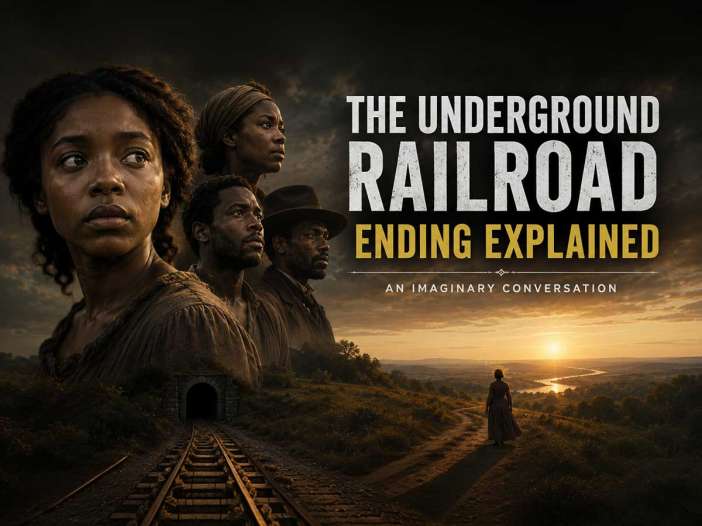
What if Cora, Mabel, Caesar, Royal, and Ridgeway met after death to discover what freedom truly meant?
Colson Whitehead’s The Underground Railroad begins with escape, but it never treats escape as the final meaning of freedom.
Cora leaves the Randall plantation in Georgia and enters a literal underground railway built by people willing to risk their lives for strangers. Each new destination appears to offer a different future. Each reveals another form of control.
Georgia uses open brutality and forced labor. South Carolina hides racial domination behind medical care, wages, education, and scientific progress. North Carolina calls itself free after removing Black people through exile and public murder. Valentine farm offers community, learning, love, and collective possibility, yet even that refuge remains exposed to organized white violence.
Across these places, Cora learns that freedom cannot be measured only by distance from the plantation. A person may cross a border and still carry fear inside the body. A government may reject slavery and preserve its logic through medicine, law, surveillance, or exclusion. A community may become safer and still face the moral question of whether it will shelter those who remain in danger.
This Imaginary Conversation brings together five people whose lives reveal different meanings of freedom: Cora, Mabel, Caesar, Royal, and Arnold Ridgeway.
Cora seeks ownership of her body, movement, memory, and future.
Mabel carries the hidden truth behind the abandonment that shaped Cora’s childhood.
Caesar represents the first invitation to believe another life is possible.
Royal represents a freedom built through community, trust, and shared risk.
Ridgeway gives voice to the ideology of conquest, possession, and the belief that domination is the true engine of American progress.
Across five discussions, they confront the questions at the center of Whitehead’s novel:
Did Cora escape slavery, or did she spend years escaping the fear slavery placed inside her?
Did Mabel abandon her daughter, or was her attempt to return interrupted before love could explain itself?
How can cruelty call itself law, duty, science, or progress?
Can freedom survive without community?
And what does freedom look like when the pursuer is gone, but history, grief, and danger remain?
Their answers do not lead to a perfect destination. They reveal freedom as an unfinished practice: choosing a direction, accepting help without surrendering oneself, remembering the dead, resisting every language that turns human beings into property, and carrying responsibility for those who have not yet reached safety.
This is an imaginary conversation inspired by Colson Whitehead’s The Underground Railroad. The dialogue is fictional and was created to explore the novel’s characters, themes, symbols, and ending. It does not represent dialogue written by Colson Whitehead or scenes omitted from the novel.
(Note: This is an imaginary conversation, a creative exploration of an idea, and not a real speech or event.)
Topic 1: Did Cora Escape Slavery—or Spend Her Life Escaping Fear?
Opening
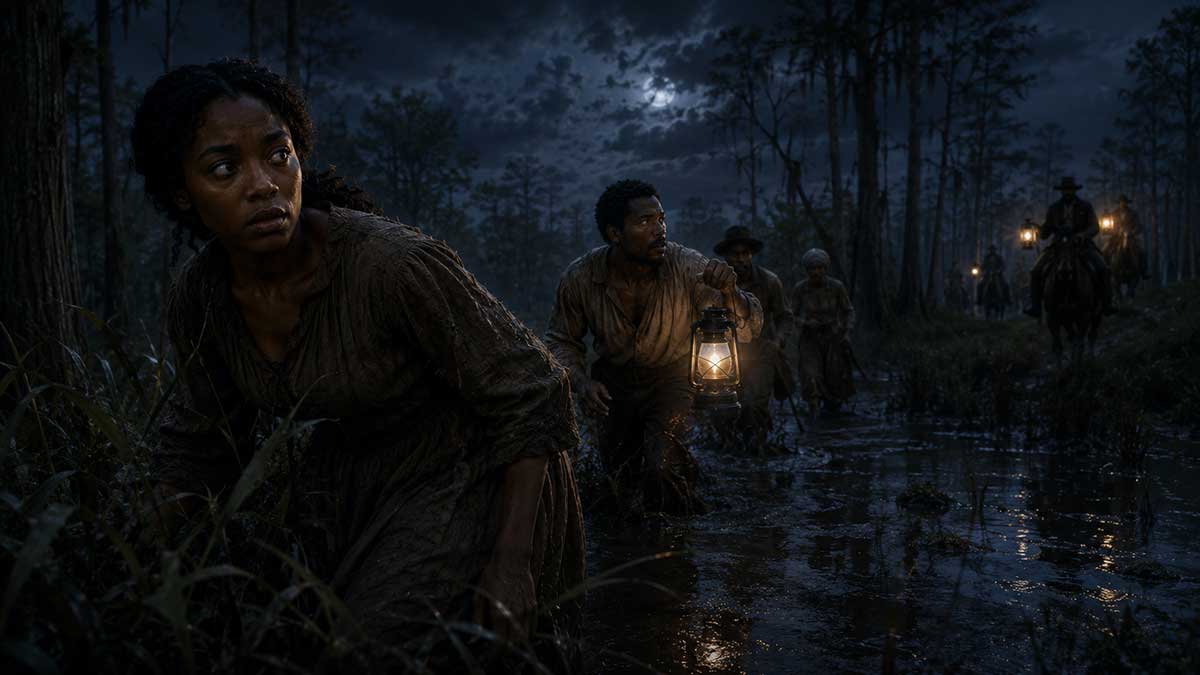
Cora: People say I escaped Georgia as though leaving the plantation settled the question. I crossed swamps, hid beneath floors, entered tunnels, took false names, and watched every place that promised safety reveal another way to control me. The chains were no longer always visible, but fear had already learned how to travel without them. Each time someone offered help, I wondered what they wanted. Each time a room felt safe, I searched for the door. Escape moved my body. Freedom asked whether I could ever believe that my life truly belonged to me.
When did escape first become imaginable—and why did Cora initially refuse Caesar?
Caesar: The first time I asked you to leave, you looked at me as though I had offered you death.
Cora: Perhaps you had.
Caesar: I offered a chance.
Cora: A chance is another name for danger when punishment has taught you what hope costs.
Mabel: You had learned that from the plantation.
Cora: I learned it from you too.
Mabel: From my leaving.
Cora: From the story of your leaving. Everyone said you reached freedom. No one knew how. No one knew where. You became proof that escape was possible and proof that a mother could leave her child behind.
Caesar: Did that make you refuse me?
Cora: Partly. I thought anyone who spoke too easily of freedom had not understood what would be taken if we failed.
Caesar: I did understand.
Cora: You understood punishment. You did not know what it meant to be left with someone else’s escape inside your name.
Royal: Hope can sound insulting to a person whose life has trained her not to trust promises.
Caesar: I was not promising safety.
Cora: You spoke of another place.
Caesar: Another life.
Cora: Those sounded like promises.
Ridgeway: Caesar believed geography could change nature.
Caesar: I believed people could move beyond what had been assigned to them.
Ridgeway: Assigned by whom?
Caesar: Men like you.
Ridgeway: Men like me enforced what the country had already decided.
Royal: A country does not decide. People decide, then hide behind the size of the country.
Ridgeway: Fine. People decided. The land rewarded those who took it. The plantation rewarded those who held it. The law rewarded those who defended it.
Cora: And you mistook reward for right.
Ridgeway: I mistook nothing. I saw how the machinery worked.
Mabel: Seeing machinery does not excuse becoming one of its gears.
Ridgeway: You ran from it.
Mabel: Yes.
Ridgeway: Without your daughter.
Cora: Do not use that against her as though you cared about me.
Ridgeway: I care about facts.
Cora: You cared about possession.
Ridgeway: I cared about order.
Royal: Order for the owner. Terror for the owned.
Caesar: Cora, when did you change your mind?
Cora: After enough happened that staying became another form of choosing death.
Caesar: Was that the only reason?
Cora: No.
Caesar: What else?
Cora: You asked again.
Caesar: I thought you were angry.
Cora: I was.
Caesar: With me?
Cora: With the possibility. You made me look at the fence and see more than the punishment waiting beyond it.
Mabel: That is how escape begins.
Cora: Not with running?
Mabel: With imagining that the life described for you is not the only life available.
Ridgeway: Imagination does not change property law.
Royal: It changes whether the person called property accepts the name.
Ridgeway: Acceptance was never required.
Cora: That is where you were wrong. The plantation wanted our labor, but it needed more. It wanted us to believe its version of the world. It wanted escape to feel impossible before the dogs were ever released.
Caesar: That was why I asked you.
Cora: Why me?
Caesar: You had already resisted in smaller ways.
Cora: I worked. I survived.
Caesar: You protected your garden. You defended yourself. You refused to disappear inside what they called you.
Cora: That did not mean I was ready.
Caesar: No. It meant there was still someone inside you capable of becoming ready.
Mabel: Did you trust him?
Cora: Not completely.
Caesar: You never did.
Cora: I trusted you enough to move.
Royal: Sometimes that is the first form of trust available.
Ridgeway: Or the first mistake.
Cora: You spent years trying to prove that.
Ridgeway: I spent years proving that no route remained beyond the reach of consequence.
Cora: Yet every time you found me, I had already become someone you had not planned for.
Did each refuge free Cora—or teach her that oppression could change its appearance?
Royal: South Carolina must have felt like freedom at first.
Cora: It felt like being allowed to breathe without asking permission.
Caesar: We had rooms.
Cora: Wages.
Caesar: Lessons.
Cora: Names that were not ours.
Mabel: Did the names trouble you?
Cora: Not at first. A false name can feel like protection when the true one appears on a reward notice.
Ridgeway: You accepted the state’s shelter.
Cora: Until I learned what the shelter concealed.
Royal: Medical control.
Cora: Sterilization described as care. Experiments described as progress. Surveillance described as protection.
Caesar: They replaced the overseer with the doctor.
Mabel: The whip with paperwork.
Ridgeway: Yet you were paid.
Cora: Payment does not create freedom when another person still decides what happens to your body.
Ridgeway: Every government regulates bodies.
Royal: Regulation is not the same as deciding which population should be prevented from having children.
Ridgeway: You use moral words as though they alter policy.
Cora: Policies are moral choices written in cold language.
Caesar: South Carolina smiled while it measured us.
Mabel: Open cruelty is easier to recognize.
Cora: That was the danger. On the plantation, no one pretended the violence was for our benefit. In South Carolina, they called control improvement.
Royal: A cage painted as a clinic.
Ridgeway: A dramatic description.
Cora: You prefer descriptions that keep the powerful comfortable.
Ridgeway: I prefer accuracy.
Cora: Then be accurate. They wanted our labor, our health, our fertility, and our gratitude.
Mabel: Gratitude makes domination look voluntary.
Caesar: For a little while, I wanted to believe them.
Cora: So did I.
Caesar: Does that shame you?
Cora: It used to.
Royal: Why?
Cora: I thought survival required seeing every trap before it closed.
Mabel: No one can.
Cora: On the plantation, failing to see danger could mean death.
Mabel: That does not turn you into someone who can predict every danger afterward.
Ridgeway: It should have made you more cautious.
Cora: It made me cautious enough to notice eventually.
Royal: Then North Carolina offered no pretense.
Cora: No. It made absence into policy.
Caesar: The Freedom Trail.
Cora: Bodies hanging where everyone could see them. Celebrations built around terror. A state calling itself free after removing Black people from sight.
Mabel: You hid in an attic.
Cora: Months in a space where I could barely move. I watched the town through a hole in the wall.
Royal: Was that freedom?
Cora: It was survival without a life.
Ridgeway: Yet white people risked themselves to hide you.
Cora: Martin resented every day I was there.
Mabel: He was afraid.
Cora: Fear does not erase what he did. He sheltered me. He reminded me that help can arrive mixed with resentment, obligation, and cowardice.
Caesar: Ethel?
Cora: She wanted me to fit inside a religious story she had imagined. She offered care, but some of it was for the person she wished to believe she was.
Royal: Help is rarely pure.
Cora: Neither is the need for it.
Ridgeway: Yet you kept accepting help.
Cora: What was the other choice?
Ridgeway: Admit dependence.
Cora: Dependence is not ownership.
Ridgeway: The difference can narrow under pressure.
Royal: Only to someone who thinks every debt permits possession.
Mabel: Then Valentine farm.
Cora: The closest I came to believing I might stop running.
Royal: You had work, books, people, music, argument, and choice.
Cora: I had a room where I could close the door without someone outside deciding when it opened.
Caesar: You had Royal.
Cora: I had the possibility of Royal.
Royal: You never fully trusted it.
Cora: I wanted to.
Royal: That is true.
Cora: Wanting frightened me.
Mabel: Why?
Cora: Safety had always disappeared. I thought loving a place or a person might invite loss.
Royal: Then the attack came.
Cora: And confirmed every fear I had tried to loosen.
Ridgeway: Valentine was never secure.
Royal: Security was not the only measure of its value.
Ridgeway: It was destroyed.
Royal: Destruction does not prove the attempt was foolish.
Ridgeway: It proves the world was stronger than your ideal.
Cora: No. It proved the world feared what the ideal had become.
Mabel: A community of Black people living for themselves.
Caesar: Learning.
Royal: Protecting fugitives.
Cora: Debating whether freedom meant safety for those already inside or responsibility to those still escaping.
Ridgeway: And the debate killed them.
Royal: White violence killed them.
Ridgeway: Your decisions attracted it.
Cora: That is how oppressors describe resistance: as the cause of the punishment directed against it.
Mabel: Every refuge taught you something different.
Cora: Georgia taught me that open slavery could be survived but never accepted. South Carolina taught me that control could call itself care. North Carolina taught me that a place could worship freedom while erasing the people denied it. Valentine taught me that community could be real and still vulnerable.
Caesar: Did any place make you freer?
Cora: Each place changed what I knew freedom was not.
Can someone be physically free while still living according to the fear slavery placed inside them?
Mabel: You carried fear from Georgia into every room afterward.
Cora: I carried knowledge.
Mabel: Some of it was knowledge. Some became fear after the danger changed.
Cora: The danger never disappeared.
Royal: Not completely.
Cora: Then why should I have behaved as though it had?
Royal: You should not have. Yet every person who approached you was forced to answer for everyone who had hurt you before.
Cora: Was that unfair?
Royal: Sometimes.
Cora: You knew what had happened to me.
Royal: I knew pieces.
Cora: Then you knew why I hesitated.
Royal: I did. I waited.
Cora: You did not press.
Royal: I wanted your trust, not your surrender.
Ridgeway: Noble distinction.
Royal: One you never understood.
Ridgeway: Trust is surrender with softer language.
Caesar: No. Trust leaves room for refusal.
Ridgeway: Until circumstances remove it.
Cora: That was your worldview. Every relationship became possession once the stronger person chose it.
Ridgeway: Strength determines outcome.
Mabel: Outcome is not meaning.
Ridgeway: Meaning is what survivors tell afterward.
Caesar: Then Cora’s survival defeats your meaning.
Ridgeway: She survived through luck, tunnels, strangers, and violence.
Cora: You say that as though freedom must be achieved alone to count.
Royal: The country praises individual triumph because it hides the network beneath it.
Mabel: The people who sheltered, carried, warned, fed, and buried.
Caesar: The people whose names never entered the record.
Cora: I was never free alone.
Ridgeway: Then you were dependent.
Cora: Human beings are dependent. Slavery turns dependence into ownership. Community turns it into mutual responsibility.
Royal: That is the difference.
Mabel: Did you feel free with Royal?
Cora: At times.
Royal: Which times?
Cora: When you allowed silence without demanding explanation. When you gave me the room and did not treat the gift as a claim. When you spoke of leaving but did not decide for me.
Royal: You thought I might.
Cora: I thought everyone eventually would.
Caesar: Did you think I decided for you?
Cora: No. You opened a possibility.
Caesar: Then why did I feel at times that I was pulling you?
Cora: I needed pulling at first. That is different from being owned.
Mabel: Freedom may include accepting help without believing the helper now owns the next choice.
Cora: It took me years to learn that.
Ridgeway: Years you did not always have.
Cora: You use urgency to excuse domination.
Ridgeway: Urgency exposes who can act.
Royal: It exposes who thinks another person’s fear grants permission to command them.
Caesar: Cora, after Georgia, did you ever stop expecting capture?
Cora: No.
Caesar: Never?
Cora: In sleep, sometimes. Then a sound would wake me, and every room became a cabin again.
Mabel: Fear entered the body.
Cora: Yes.
Royal: The body learns before language.
Ridgeway: Useful instinct.
Cora: Until it begins to react to safety as though safety were a trap.
Mabel: Did anger help?
Cora: Anger gave fear a direction.
Caesar: Toward whom?
Cora: You. Mabel. Royal. Myself. Anyone close enough to lose.
Royal: Anger kept distance.
Cora: Distance kept grief from arriving too early.
Mabel: Yet grief arrived anyway.
Cora: Yes.
Mabel: Did knowing I turned back change the fear?
Cora: It changed the story.
Mabel: Not the wound.
Cora: No.
Mabel: I wish it could.
Cora: So do I.
Caesar: What did the story become?
Cora: My mother had not escaped into a life where I did not matter. She had tried to return and died between leaving and coming back.
Royal: Interrupted love.
Cora: Yes.
Ridgeway: Intention did not alter the outcome.
Cora: It altered what the outcome meant to me.
Ridgeway: Meaning again.
Cora: Meaning shapes the life that follows. I grew up believing abandonment was the truth of love. Learning otherwise did not give me a mother, but it gave me another way to understand why people leave.
Mabel: Did it make trust easier?
Cora: A little.
Royal: A little is not nothing.
Cora: No.
Caesar: What did freedom feel like when fear remained?
Cora: Not peace. Choice.
Mabel: Explain.
Cora: Fear still spoke. Sometimes it shouted. Freedom was the moment I understood I did not have to obey every instruction it gave me.
Royal: Such as?
Cora: Do not trust Caesar. Do not enter the train. Do not believe the clinic. Do not remain at Valentine. Do not love Royal. Do not accept Ollie’s wagon.
Caesar: You obeyed some.
Cora: I resisted others.
Ridgeway: And some resistance led to death.
Cora: So did obedience.
Mabel: That may be the truth slavery tries hardest to hide. Obedience offers no safety, only postponement.
Royal: Then physical escape was the beginning.
Cora: Yes.
Caesar: What came next?
Cora: Learning that my fear had been trained by people who wanted it to make choices for me long after their hands were gone.
Ridgeway: You speak as though fear belonged to the slave system alone.
Cora: No. Fear belongs to every human body. Slavery organized it. Fed it. Punished hope until fear felt like wisdom.
Royal: Then healing did not require forgetting danger.
Cora: No. It required learning that danger was not the only truth.
Did Cora’s caution preserve her freedom—or prevent her from living inside it?
Royal: I often wondered whether waiting for you was respectful or cowardly.
Cora: Why cowardly?
Royal: I feared your refusal.
Cora: You were allowed to fear.
Royal: I knew pressing you would repeat too much of what others had done. Yet I sometimes used patience to avoid saying what I wanted.
Caesar: You loved her.
Royal: Yes.
Cora: I knew.
Royal: Did you?
Cora: Enough to be frightened.
Mabel: What did you think love would take?
Cora: Freedom.
Royal: I wanted to share it.
Cora: Everyone says that before asking another person to bend.
Royal: Did I ask you to bend?
Cora: No.
Royal: Then why judge me by people who did?
Cora: I was judging the possibility.
Ridgeway: The fugitive becomes suspicious of every bond.
Cora: The slave catcher calls that a flaw rather than evidence.
Ridgeway: It is both.
Mabel: He may be right about that.
Cora: Mama?
Mabel: Fear preserved you. It also made tenderness feel like danger.
Cora: Tenderness was dangerous.
Mabel: Yes. That does not make it unworthy.
Caesar: We trusted each other enough to escape, but not enough to speak of what fear did to us.
Cora: There was no time.
Caesar: There is rarely time. That is why people leave important things unsaid.
Royal: Did caution keep you alive?
Cora: Many times.
Royal: Did it keep you from living?
Cora: Sometimes.
Royal: Which times?
Cora: At Valentine. I kept thinking of leaving before the place could be taken. I watched happiness as though it were evidence of coming punishment.
Mabel: Could you enjoy anything?
Cora: Music. Books. Work. Conversation. Yet part of me remained ready to disappear.
Caesar: That readiness was part of you.
Cora: It had been made part of me.
Royal: Did you want to stay?
Cora: Yes.
Royal: Did you want me?
Cora: Yes.
Royal: You never said it.
Cora: Saying it would have created something I could lose.
Royal: Silence did not protect it.
Cora: No.
Mabel: Fear promises that refusing joy will reduce grief.
Cora: It lies.
Ridgeway: Joy is a poor survival strategy.
Royal: A life organized only around survival is an incomplete freedom.
Ridgeway: A dead idealist is incomplete too.
Caesar: You speak as though death proves the ideal wrong.
Ridgeway: Death proves the world refused it.
Cora: The world refused our humanity for generations. Refusal did not make the claim false.
Mabel: Then what would you choose now?
Cora: I would still be cautious.
Royal: And?
Cora: I would tell you sooner.
Royal: What?
Cora: That I wanted to stay. That I wanted the room, the books, the arguments, and whatever life we might have discovered.
Royal: That is enough.
Cora: It was not then.
Royal: No.
Caesar: Would you still leave Georgia?
Cora: Yes.
Caesar: Knowing everything?
Cora: Yes.
Mabel: Even Caesar’s death?
Cora: Yes.
Caesar: Why?
Cora: Staying would not have saved us. It would only have allowed others to choose the manner of our destruction.
Ridgeway: You choose freedom knowing it offers no guarantee.
Cora: That is why it is freedom.
Closing
Cora: Leaving Georgia did not free every part of me. The plantation had taught my body to expect punishment, my mind to distrust hope, and my heart to treat attachment as the beginning of loss. Each refuge revealed that oppression could wear another uniform: doctor, lawman, neighbor, reformer, or mob. Yet every journey gave me another choice. I could enter the train. I could question the clinic. I could survive the attic. I could remain at Valentine long enough to want a future. I could step into Ollie’s wagon without knowing where the road led. Freedom was never the absence of fear. It was the right to hear fear and still decide that my life belonged to me.
Topic 2: Did Mabel Really Abandon Cora?
Opening
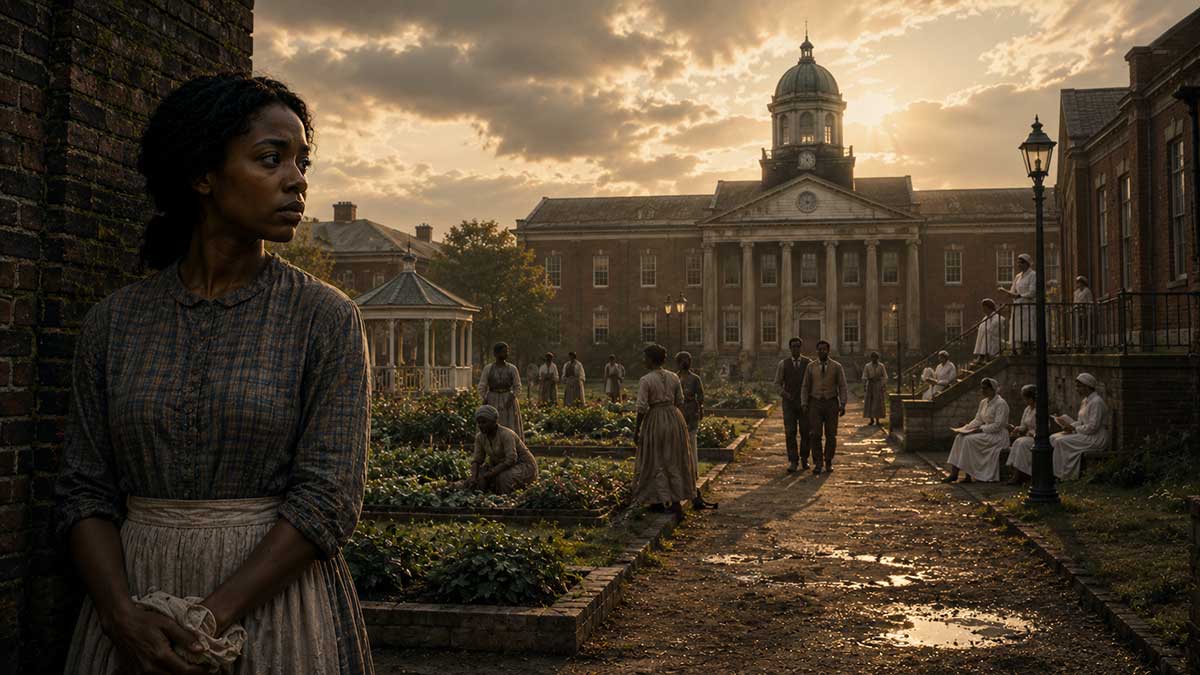
Mabel: Cora spent most of her life believing I had reached freedom and chosen not to return for her. I cannot blame her. Silence creates its own evidence. A missing mother becomes whatever story the child can bear, and anger is often easier to carry than uncertainty. The truth is that I left. The truth is that I turned back. The truth is that I died before either choice could reach my daughter.
Mabel, why did you leave the plantation without Cora?
Mabel: I left because one morning the thought of remaining became heavier than the fear of running.
Cora: That does not answer why you left me.
Mabel: Nothing I say can make that first step harmless.
Cora: Then do not begin by asking me to understand it.
Mabel: I am not asking yet.
Caesar: Did you plan to return for her?
Mabel: When I first entered the swamp, I had no plan beyond the next patch of ground.
Royal: So you left alone without knowing whether you would come back.
Mabel: Yes.
Cora: You chose yourself.
Mabel: For a few hours, I did.
Cora: A child does not experience abandonment in hours. She experiences it in years.
Ridgeway: Your mother escaped the way most fugitives tried to escape—without the luxury of a complete design.
Cora: Do not pretend sympathy.
Ridgeway: I am describing fact.
Royal: You pursued people who had no time to prepare, then treated their desperation as proof they were unfit for freedom.
Ridgeway: Desperation made them careless.
Mabel: Desperation was created for us.
Caesar: What had happened before you ran?
Mabel: Nothing unusual.
Cora: Nothing unusual?
Mabel: That was the horror. Work. Threats. Punishments. Women watching where men stood. Mothers learning not to love too openly, since anything loved could be sold.
Cora: You loved me openly enough for me to notice when it stopped.
Mabel: It never stopped.
Cora: Then why did you not wake me?
Mabel: I was afraid you would cry.
Cora: I might have.
Mabel: I was afraid you would slow me.
Cora: I would have.
Mabel: I was afraid I would look at you and lose the ability to move.
Cora: So you protected the escape from your daughter.
Mabel: Yes.
Cora: That is what abandonment means.
Mabel: In that moment, perhaps it does.
Caesar: Did you believe you might find safety and return?
Mabel: I had heard stories. A station. A route. A person who might help. None of it was clear.
Royal: The railroad often began as rumor.
Mabel: Rumor was all we had when maps belonged to other people.
Ridgeway: Rumor killed many fugitives.
Royal: Remaining killed more slowly.
Ridgeway: You assume movement itself was moral.
Cora: A person escaping ownership does not need to defend movement to the man chasing her.
Mabel: I thought that if I reached somewhere safe, I might find a way back.
Cora: Did you truly believe that?
Mabel: I believed it long enough to enter the swamp.
Cora: And then?
Mabel: Then the night became real. Water. Insects. Roots beneath my feet. Every sound felt like dogs. I understood how far away freedom was and how little I knew.
Caesar: Did you keep going?
Mabel: For a while.
Royal: What made you turn around?
Mabel: Cora.
Cora: My name?
Mabel: Your face. The garden. The way you slept with one hand near your cheek. I began to picture you waking and learning I was gone.
Cora: I did wake.
Mabel: I know.
Cora: I looked for you.
Mabel: I know.
Cora: You do not know. You were not there.
Mabel: No.
Cora: People watched me to see whether I would cry. Some pitied me. Some hated you. Some admired you. I became the daughter of the woman who escaped.
Mabel: I am sorry.
Cora: That sentence cannot reach the child who waited.
Mabel: No.
Caesar: Yet you did turn back.
Mabel: Yes.
Ridgeway: Too late.
Royal: Her return matters.
Ridgeway: It changed nothing in the world.
Cora: It changes something in me.
Mabel: Does it?
Cora: I do not know yet.
Ridgeway: Intention is the consolation of those who fail.
Mabel: And outcome is the morality of men who confuse force with truth.
Ridgeway: A dead mother and an abandoned child remain what they are.
Royal: A mother who turned back is not the same story as a mother who reached safety and forgot her child.
Cora: The wound feels similar.
Royal: Similar is not identical.
Cora: I know.
Mabel: I wish I had carried you from the beginning.
Cora: Would we have survived?
Mabel: I do not know.
Cora: Then part of you still believes leaving alone made sense.
Mabel: Part of me understands the woman who ran. Another part stands beside the child she left.
Caesar: Both women were you.
Mabel: Yes.
Cora: That is difficult.
Mabel: It should be.
Cora, would knowing that Mabel turned back have changed the life you built around anger?
Cora: Anger gave me a mother I could survive.
Royal: What does that mean?
Cora: A mother who escaped and abandoned me was easier to hate than a mother who vanished without explanation.
Caesar: Hatred gave the absence a shape.
Cora: Yes.
Mabel: Did you imagine me living somewhere else?
Cora: Sometimes.
Mabel: What kind of life?
Cora: A room. Food. Clothes that belonged to you. Perhaps another child.
Mabel: Another child?
Cora: Someone you kept.
Mabel: Cora—
Cora: Do not soften it. That was the story.
Mabel: Did you think I had replaced you?
Cora: Children make sense of silence with the cruelest explanation available.
Royal: Did anger protect you from missing her?
Cora: It made missing her feel like weakness.
Caesar: You carried that into every bond afterward.
Cora: I know.
Mabel: Into Royal?
Cora: Into everyone.
Royal: I could feel it.
Cora: You were patient.
Royal: I was not always patient inside.
Cora: You hid it.
Royal: I did not want your history to become something I used against you.
Ridgeway: Yet her history determined every choice.
Royal: Influence is not destiny.
Ridgeway: A fine sentence for a man who believed community could overcome the country surrounding it.
Royal: The country destroyed Valentine. It did not prove Valentine meaningless.
Cora: My anger was not meaningless either.
Mabel: No.
Cora: It helped me refuse pity.
Caesar: It helped you survive Randall.
Cora: It helped me believe I needed no one.
Royal: That part became costly.
Cora: Yes.
Mabel: Would you have trusted Caesar sooner if you had known?
Cora: Perhaps not.
Caesar: Honest.
Cora: Knowing you turned back would not have made the plantation safer. It would not have made escape easier.
Mabel: Would it have changed how you saw yourself?
Cora: That is harder.
Mabel: Did you believe I left because something was wrong with you?
Cora: I never said it that plainly.
Mabel: Did you believe it?
Cora: A child whose mother disappears learns to inspect herself.
Mabel: What did you find?
Cora: Too stubborn. Too angry. Too difficult to carry.
Mabel: None of that made me leave.
Cora: I know that now.
Mabel: Say it as though you believe it.
Cora: None of that made you leave.
Mabel: Again.
Cora: I was not the reason you left.
(Mabel lowers her head.)
Mabel: No.
Cora: The plantation was.
Mabel: Yes.
Royal: That distinction matters.
Cora: It does not return childhood.
Royal: No.
Caesar: Does it return anything?
Cora: It returns the possibility that I was loved.
Mabel: You were.
Cora: Do not expect that sentence to settle everything.
Mabel: I do not.
Ridgeway: Love that fails to protect has limited value.
Cora: You would reduce love to possession too.
Ridgeway: I reduce it to effect.
Royal: A mother denied the legal right to protect her child cannot be judged as though she stood inside ordinary choices.
Ridgeway: She still chose.
Mabel: Yes.
Cora: Do not remove my right to be angry just because slavery narrowed her choices.
Royal: I would not.
Cora: People hear that a mother was enslaved and want every wound forgiven by history.
Caesar: History explains the trap. It does not decide what the child must feel.
Mabel: Cora owes me no quick forgiveness.
Cora: Good.
Mabel: She owes me nothing.
Cora: Better.
Mabel: I want her to know the truth without using truth to command her heart.
Royal: That may be the only honest gift left.
Cora: I spent years believing your freedom required my abandonment.
Mabel: My escape failed before it became freedom.
Cora: You died close to the plantation.
Mabel: Yes.
Cora: Close enough that no one knew.
Mabel: Yes.
Cora: Ridgeway spent years thinking you had defeated him.
Mabel: In one sense, I did.
Ridgeway: You died in the swamp.
Mabel: You never brought me back.
Ridgeway: Death kept you from me.
Mabel: Then death refused your ownership.
Cora: I used to hate that you were the one person he could not catch.
Mabel: Why?
Cora: It made you legendary to everyone except me.
Caesar: To Cora, the legend was a mother-shaped absence.
Cora: Yes.
Mabel: Does knowing the truth make the legend smaller?
Cora: It makes you human.
Mabel: Is that better?
Cora: Harder. Better.
What traveled from Ajarry to Mabel to Cora: fear, survival, resistance, or unfinished freedom?
Caesar: Ajarry crossed an ocean she never chose.
Mabel: She was sold until numbers replaced every name she had known.
Ridgeway: Yet she survived long enough to build a family line.
Cora: Do not turn survival into proof that the system allowed life.
Ridgeway: I said she survived.
Royal: Survival under domination is not consent to domination.
Mabel: Ajarry taught me that anything called yours could be taken.
Cora: She guarded the garden.
Mabel: A small square of earth.
Cora: It became mine after both of you were gone.
Royal: Land as inheritance.
Cora: Not legal inheritance. No paper recognized it.
Caesar: Yet everyone knew.
Cora: Knowledge among the enslaved created another kind of claim.
Ridgeway: A claim tolerated by the owner.
Cora: You cannot resist reminding us who held the deed.
Ridgeway: Deeds determine possession.
Royal: Only inside the law that wrote them.
Mabel: Ajarry knew the land was not freedom. It was a place where she could make one decision and repeat it.
Caesar: Planting.
Mabel: Tending.
Cora: Defending.
Royal: Then the garden carried resistance.
Cora: It carried stubbornness.
Mabel: Those may be cousins.
Caesar: What did Ajarry pass to you?
Mabel: Endurance.
Cora: And fear.
Mabel: Yes.
Royal: What form did the fear take?
Mabel: Never expect permanence. Never trust a promise made by someone with the right to sell you. Never love anything without preparing to lose it.
Cora: I inherited all three.
Caesar: Yet you escaped with me.
Cora: Inheritance does not prevent contradiction.
Mabel: It may prepare it.
Ridgeway: You all speak of resistance as though each private act weakened the system.
Royal: It did.
Ridgeway: The plantation continued.
Cora: A system continuing is not proof that resistance failed.
Ridgeway: What did the garden accomplish?
Cora: It taught me that something could be mine before the law agreed.
Royal: That is not small.
Mabel: Ajarry claimed a patch of earth. I claimed movement. Cora claimed direction.
Caesar: Three generations.
Cora: None complete.
Mabel: No.
Royal: What did Ajarry want for you?
Mabel: I do not know whether she permitted herself to want futures.
Cora: That itself was inherited.
Caesar: The fear of imagining too much.
Cora: Yes.
Mabel: Hope became dangerous when children could be sold before the hope matured.
Royal: Yet hope returned.
Mabel: Through Caesar.
Caesar: Through Cora’s decision.
Cora: Through everyone who built a station.
Ridgeway: Hidden routes do not erase the country above them.
Royal: They expose the country’s moral failure.
Ridgeway: They carry a few while millions remain.
Cora: You use the number still trapped to insult each escape.
Ridgeway: I question whether individual movement deserves the name freedom.
Royal: Here we agree on one fragment. Individual escape is not collective freedom.
Ridgeway: You see.
Royal: Yet you use that truth to defend domination. I use it to demand shared liberation.
Mabel: Did my leaving begin something Cora completed?
Cora: I did not complete it.
Mabel: No?
Cora: I reached another road.
Caesar: You defeated Ridgeway.
Cora: One man.
Royal: You entered Ollie’s wagon.
Cora: Another uncertain beginning.
Mabel: Then what passed through us?
Cora: Unfinished freedom.
Caesar: Explain.
Cora: Ajarry could not return to Africa. She made a place within captivity. Mabel crossed the boundary but died returning. I escaped farther, yet every state built another form of control. None of us reached a final place where history stopped touching us.
Royal: Unfinished does not mean failed.
Cora: No.
Mabel: It means the next person begins before the last person’s work is done.
Caesar: Then resistance traveled too.
Cora: Fear traveled. Resistance traveled. Anger traveled. The refusal to become property traveled.
Ridgeway: Property can refuse in spirit and remain property in law.
Cora: That is why spirit alone was never enough.
Royal: The railroad required action.
Caesar: Risk.
Mabel: People choosing one another.
Cora: The story of our family was never only mothers leaving daughters.
Mabel: What was it?
Cora: Women trying to create movement inside a system built to stop it.
Mabel: And love?
Cora: Love moved badly. Silently. Too late. It moved still.
Can Cora forgive Mabel without pretending the abandonment caused no harm?
Mabel: I do not want forgiveness purchased by denying your pain.
Cora: Then what do you want?
Mabel: To be known.
Cora: You want more than that.
Mabel: Yes.
Cora: Say it.
Mabel: I want you to believe I loved you.
Cora: I do.
Mabel: Is that forgiveness?
Cora: No.
Mabel: What is missing?
Cora: The child in me still wants you to have chosen differently.
Mabel: I want that too.
Cora: She wants you to wake her. Carry her. Risk the crying. Risk the dogs.
Mabel: I know.
Cora: Adult knowledge cannot persuade that child that leaving alone was reasonable.
Mabel: It should not have to.
Royal: Forgiveness need not declare the act reasonable.
Caesar: Nor harmless.
Ridgeway: Then what does it declare?
Cora: That the person is larger than the act.
Mabel: Am I?
Cora: Yes.
Mabel: How do you know?
Cora: I know you turned back.
Mabel: One decision.
Cora: The decision I never knew existed.
Mabel: Does intention matter more than outcome now?
Cora: Not more. Differently.
Caesar: It changes the moral shape.
Ridgeway: Moral shape is a luxury of those who cannot alter fact.
Royal: Fact without meaning is how records turn people into property descriptions.
Cora: The fact: my mother left. The fact: she turned back. The fact: she died before reaching me. I need all three.
Mabel: And the anger?
Cora: It remains.
Mabel: At me?
Cora: Some.
Mabel: I accept that.
Cora: At Randall. At the laws. At the men who made a mother choose between impossible risks. At everyone who reduced your disappearance to gossip.
Royal: Anger can become clearer when the story becomes fuller.
Cora: Yes.
Mabel: Do you forgive me?
(Cora waits before answering.)
Cora: I forgive you for not being stronger than the whole system surrounding you.
Mabel: That is more mercy than I deserve.
Cora: Do not say that.
Mabel: Why?
Cora: It turns forgiveness into another judgment about your worth.
Mabel: Then say it differently.
Cora: I release the belief that you left because I was not worth carrying.
(Mabel covers her face.)
Caesar: That may be the deeper forgiveness.
Cora: I am not finished.
Royal: You do not need to be.
Cora: I may never forgive the moment itself completely.
Mabel: You do not have to.
Cora: Can you live with that?
Mabel: I died without the chance to hear your anger. I can remain here long enough for all of it.
Ridgeway: A sentimental ending.
Cora: No. Nothing has ended.
Royal: That is why it is honest.
Closing
Cora: My mother left me, and the pain of that leaving was real. She turned back, and that truth is real too. One fact does not erase the other. I spent years believing her freedom had required my abandonment, and that belief taught me to treat love as something that disappears when survival becomes difficult. Now I know she never reached the life I imagined. She died trying to return. I cannot give the abandoned child her mother back, but I can give her a fuller story. Mabel was not the woman who escaped and forgot me. She was a frightened woman who ran, remembered, turned around, and was stopped before love could finish what it had begun.
Topic 3: Can Evil Believe Itself to Be Moral?
Opening
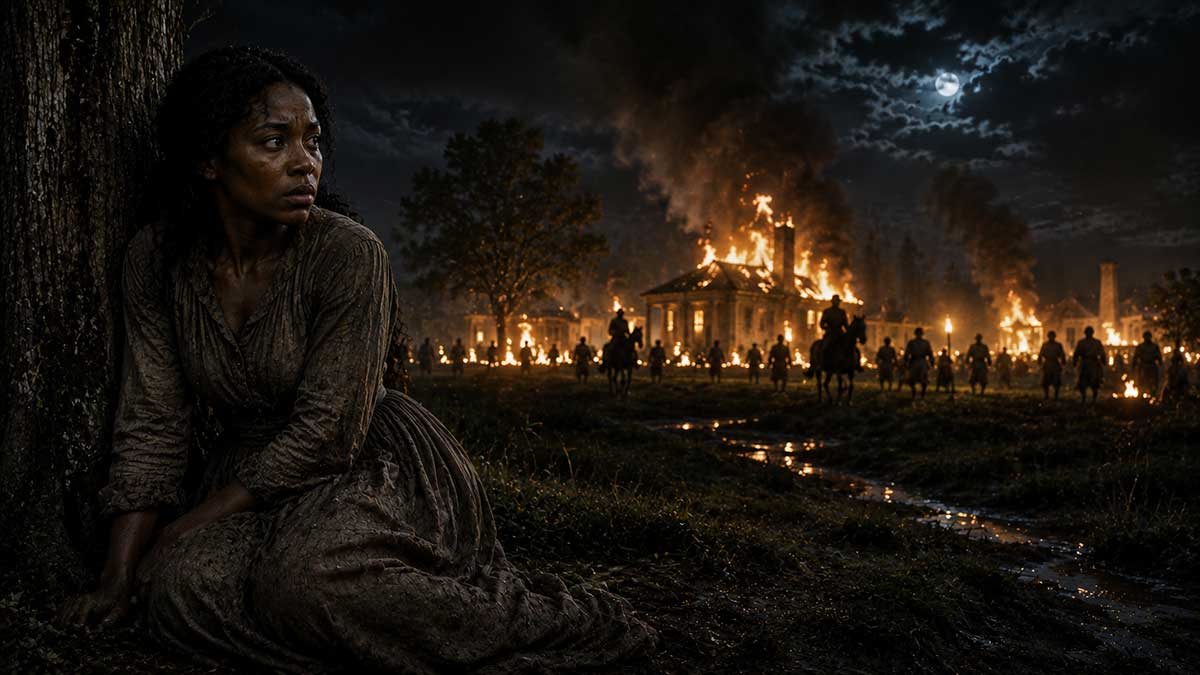
Ridgeway: People prefer evil with a recognizable face. They want rage, madness, and pleasure in suffering. That lets them believe cruelty belongs to monsters rather than nations, courts, churches, merchants, and respectable men. I never thought of myself as a monster. I believed I served the natural order of the country: land taken, labor claimed, borders pushed outward, and resistance brought under control. You call that evil. I called it the American imperative. The troubling question is not whether I was wrong. It is how many people shared my beliefs and still considered themselves good.
Ridgeway, did you consider yourself cruel—or simply honest about how America worked?
Ridgeway: I considered myself honest.
Royal: Honesty about cruelty does not make cruelty moral.
Ridgeway: I did not say it did.
Cora: You lived as though it did.
Ridgeway: I lived according to what the country rewarded.
Caesar: Money rewarded you.
Ridgeway: Competence rewarded me.
Mabel: Capturing human beings was your competence.
Ridgeway: Recovering property under the law.
Cora: There. You still hide inside the word.
Ridgeway: Property was the legal condition.
Cora: A legal condition written by owners.
Ridgeway: All law is written by people with authority.
Royal: Authority can legalize theft without turning theft into justice.
Ridgeway: You think law should answer to a moral standard outside power.
Royal: Yes.
Ridgeway: Where does that standard come from?
Caesar: The person standing in front of you.
Ridgeway: Sentiment.
Caesar: Recognition.
Ridgeway: Recognition of what?
Caesar: That another human life is not yours to purchase, sell, breed, punish, or retrieve.
Ridgeway: You state the conclusion as though it settles the argument.
Cora: It settles enough.
Ridgeway: Not for the nation that existed.
Mabel: A nation can agree upon wickedness.
Ridgeway: Then wickedness becomes the nation’s operating principle.
Royal: That describes corruption, not morality.
Ridgeway: Morality without force is a wish.
Cora: You worshipped force.
Ridgeway: I respected what force revealed.
Cora: What did it reveal?
Ridgeway: Who could hold land. Who could defend a claim. Who could build and preserve an order.
Mabel: Who could whip a woman tied to a post.
Ridgeway: That was one expression of force.
Mabel: One you accepted.
Ridgeway: I did not invent the plantation.
Cora: You returned people to it.
Ridgeway: Yes.
Royal: Did you ever ask what happened after you delivered them?
Ridgeway: I knew.
Caesar: Then you cannot claim distance.
Ridgeway: I do not.
Cora: That may be the worst part. You saw it and found a philosophy large enough to protect you from shame.
Ridgeway: Shame is useful only when it changes conduct.
Mabel: Did you feel any?
Ridgeway: At times.
Cora: For whom?
Ridgeway: My father.
Royal: The blacksmith.
Ridgeway: Yes.
Caesar: He rejected your work.
Ridgeway: He believed creation possessed a dignity capture lacked.
Mabel: He was right.
Ridgeway: He believed a man should shape iron, not people.
Cora: Did his judgment trouble you?
Ridgeway: More than yours.
Cora: Why?
Ridgeway: He knew me before I chose my profession.
Royal: He saw what you might have become.
Ridgeway: Perhaps.
Caesar: Did you choose slave catching to oppose him?
Ridgeway: Not only.
Mabel: Partly?
Ridgeway: His moral certainty irritated me. He believed labor could remain clean in a country built upon stolen land and enslaved hands.
Royal: So you answered hypocrisy by serving its ugliest form.
Ridgeway: I answered pretense with clarity.
Cora: You keep calling surrender to evil clarity.
Ridgeway: I accepted the nation as it was.
Caesar: Acceptance is still a choice.
Ridgeway: So is resistance. Resistance often ends beneath a boot.
Royal: An outcome does not determine the moral value of the choice.
Ridgeway: You all return to morality as something untouched by consequence.
Mabel: No. We know consequence better than you.
Cora: My back knew consequence. Caesar’s body knew it. Royal’s blood knew it. My mother’s bones in the swamp knew it.
Ridgeway: Then you understand why force matters.
Cora: I understand what force does. I do not call it right.
Ridgeway: Perhaps that is the difference between us.
Royal: One difference.
Caesar: Did you ever think the people you captured were morally justified in running?
Ridgeway: From their perspective, yes.
Cora: Their perspective?
Ridgeway: A man in chains wants release. An owner wants his investment returned. Interests conflict.
Mabel: You reduce a life and an investment to equal claims.
Ridgeway: Under property law, they were competing claims.
Royal: You keep explaining the mechanism after its moral fraud has been exposed.
Ridgeway: Mechanisms move history.
Cora: People move history. Men who describe violence as machinery want the sound of suffering removed from the explanation.
Caesar: Did you believe enslaved people were fully human?
Ridgeway: Yes.
(The others fall silent.)
Mabel: Then you have less defense than a man who believed otherwise.
Ridgeway: I never claimed ignorance.
Royal: You knew the humanity of the people you captured and decided ownership remained permissible.
Ridgeway: I decided humanity had never prevented domination.
Cora: That is not a moral argument.
Ridgeway: It is a historical one.
Caesar: History tells us what people did. It does not tell us what they should have done.
Ridgeway: “Should” is written afterward by those who survive.
Mabel: The enslaved knew slavery was wrong before historians named it so.
Cora: We did not need the future’s permission.
Royal: Nor did the conductors who built the railroad.
Ridgeway: They chose their law over the nation’s.
Royal: Yes.
Ridgeway: Then each side enforced its moral claim through action.
Cora: One side moved people into freedom. The other dragged them into bondage.
Ridgeway: You believe direction settles morality.
Cora: When one direction restores a person to herself and the other converts her into property, yes.
Mabel: You were not honest about America. You were loyal to its cruelty.
Ridgeway: Perhaps loyalty is the more accurate word.
Royal: Did you call that loyalty good?
Ridgeway: I called it duty.
Caesar: Duty is one of evil’s favorite disguises.
Why did Cora’s escape become a personal obsession for Ridgeway?
Cora: You chased many people. Why did I become different?
Ridgeway: Your mother.
Mabel: I died in the swamp.
Ridgeway: I did not know that.
Mabel: You imagined me beyond your reach.
Ridgeway: You were the one failure attached to my name.
Royal: Not the one free woman.
Ridgeway: The one fugitive I could not account for.
Caesar: Account for.
Cora: Everything had to enter your ledger.
Ridgeway: A professional man measures results.
Cora: I became a result you could not secure.
Ridgeway: You became the continuation of an unfinished task.
Mabel: My daughter was not your task.
Ridgeway: The Randall brothers disagreed.
Royal: Again, the owner’s desire becomes your moral boundary.
Ridgeway: Their contract became my work.
Cora: You did more than work. You spoke of me as though my escape challenged the country itself.
Ridgeway: It did.
Caesar: One woman?
Ridgeway: One woman can reveal a crack. A crack invites others to test the wall.
Royal: Then you understood resistance better than you admitted.
Ridgeway: I understood contagion.
Cora: Freedom frightened you.
Ridgeway: Disorder concerned me.
Mabel: Freedom for us was disorder to you.
Ridgeway: Freedom outside recognized authority is always disorder to someone.
Caesar: There it is again: the language of the jailer.
Ridgeway: The railroad represented a rival nation beneath the nation. Its own routes. Agents. Codes. Laws. Loyalties.
Royal: A moral country hidden beneath an immoral one.
Ridgeway: A conspiracy.
Cora: A passage.
Ridgeway: A denial of property rights.
Cora: A denial that property rights could include people.
Ridgeway: You see why the conflict could not be settled through conversation.
Royal: It was settled through courage, betrayal, blood, and movement. Conversation still reveals what each side served.
Ridgeway: I served continuity.
Caesar: Continuity of what?
Ridgeway: Expansion. Commerce. possession. The American drive to take what lay ahead and transform it.
Mabel: Transform land into theft. People into labor. Violence into progress.
Ridgeway: You despise the process and inherit its results.
Cora: I inherited scars.
Ridgeway: You also inherited roads, towns, railways, farms.
Royal: Built by people denied ownership of their work.
Ridgeway: History does not return materials to clean hands.
Caesar: That does not require us to praise the theft.
Cora: Was your obsession with me truly about the imperative?
Ridgeway: Partly.
Cora: What was the rest?
Ridgeway: Pride.
Mabel: At last.
Ridgeway: You wanted honesty.
Cora: Pride in what?
Ridgeway: In being the man who finished what others could not. Your mother had escaped my grasp. You crossed state after state, embarrassing men who believed the system complete.
Royal: You needed Cora captured so your idea of America could remain intact.
Ridgeway: Yes.
Caesar: Then she was never merely a fugitive.
Ridgeway: No.
Cora: I was evidence.
Ridgeway: Evidence that the machine could fail.
Cora: Every escaped person was evidence.
Ridgeway: You became visible evidence.
Mabel: Was that why you spoke to her so much?
Ridgeway: I wanted her to acknowledge the logic.
Cora: You wanted me to agree that my capture was natural.
Ridgeway: I wanted you to understand that movement did not erase the structure above you.
Cora: I already knew.
Ridgeway: Yet you kept running.
Cora: Knowledge of a cage does not make remaining inside it wise.
Royal: You wanted surrender of the mind after securing the body.
Ridgeway: Physical capture without recognition leaves rebellion alive.
Caesar: You needed the captive to validate the captor.
Ridgeway: Every order seeks recognition.
Mabel: Then domination is more fragile than it appears.
Ridgeway: All systems are fragile when enough people stop believing.
Cora: That was why you feared the railroad.
Ridgeway: I respected it.
Royal: You hunted it.
Ridgeway: Respect and opposition can coexist.
Cora: Did you respect me?
Ridgeway: Yes.
Cora: Yet you would have returned me to torture.
Ridgeway: Respect does not cancel function.
Mabel: You divided yourself into compartments and called the separation discipline.
Ridgeway: A man must perform his work.
Caesar: No man must become a slave catcher.
Ridgeway: I chose it.
Cora: Then stop speaking as though history placed your boots on the road without asking.
Ridgeway: Fair.
Royal: Why did you keep Homer beside you?
Ridgeway: He chose to remain.
Caesar: After you bought him and freed him.
Ridgeway: Yes.
Mabel: A child shaped by dependence may call the familiar cage safety.
Ridgeway: He was free to leave.
Cora: Legal permission does not undo training.
Ridgeway: He was intelligent.
Royal: Intelligence does not erase attachment, fear, or conditioning.
Ridgeway: He found a place beside me.
Cora: And his presence let you tell yourself your work could not be as evil as it appeared.
Ridgeway: Perhaps.
Mabel: You displayed a free Black boy beside a man who captured Black people.
Caesar: A living argument.
Royal: One whose silence served you.
Ridgeway: Homer was not silent.
Cora: He spoke inside the world you gave him.
Ridgeway: As everyone does.
Mabel: Some of us escaped the worlds given to us.
Ridgeway: Which is why I pursued you.
Cora: No. It is why you could never truly possess us.
Can a society call itself civilized when its laws make ownership of human beings lawful?
Royal: Civilization is not proved by courts, buildings, ledgers, or rail lines.
Ridgeway: What proves it?
Royal: The boundaries it places around what one human being may do to another.
Ridgeway: Every civilization permits violence.
Royal: The question is whom it protects and whom it exposes.
Caesar: Georgia called slavery lawful.
Mabel: South Carolina called sterilization care.
Cora: North Carolina called racial expulsion freedom.
Royal: Each place changed the language and preserved the hierarchy.
Ridgeway: South Carolina offered wages and education.
Cora: It offered a managed life.
Ridgeway: Better than Randall.
Cora: Better is not free.
Mabel: A softer hand can still hold the body.
Caesar: Why do people confuse improvement with justice?
Royal: Improvement permits those in control to feel moral without surrendering control.
Ridgeway: Gradual change is how societies move.
Cora: Gradual for whom?
Ridgeway: For institutions.
Cora: Bodies do not experience history at the speed institutions prefer.
Mabel: A woman sterilized today cannot recover fertility from tomorrow’s reform.
Caesar: A man killed in custody cannot wait for better law.
Royal: A child sold away cannot receive her mother after public opinion changes.
Ridgeway: Then your standard condemns every imperfect society.
Royal: Judgment is not annihilation. A society can be condemned for an evil and still changed by those who refuse it.
Ridgeway: Through law?
Royal: Through law, resistance, community, flight, speech, and, when forced, direct confrontation.
Cora: The railroad existed since the civilized nation refused civilization.
Mabel: Its tunnels were more moral than the courts above them.
Ridgeway: Hidden men deciding which law deserved obedience.
Caesar: Conscience deciding law had become criminal.
Ridgeway: Conscience differs from person to person.
Royal: That uncertainty does not make every claim equal.
Ridgeway: Who decides?
Cora: Start with the person whose body is being claimed.
Ridgeway: Self-ownership as the first principle.
Cora: Yes.
Mabel: A principle the nation denied us and declared universal for others.
Caesar: The contradiction was not accidental.
Royal: Liberty for those permitted to own. Captivity for those transformed into wealth.
Ridgeway: Nations are built from contradictions.
Cora: People suffer inside them.
Ridgeway: And later generations revise the story.
Royal: Which story did you want told?
Ridgeway: That America followed its appetite honestly.
Mabel: Appetite is not destiny.
Ridgeway: It became destiny for many.
Caesar: You keep confusing victory with moral authority.
Ridgeway: Victory writes institutions.
Cora: Resistance writes memory.
Royal: Sometimes it writes the future too.
Ridgeway: Valentine burned.
Royal: Its ideas did not.
Ridgeway: Caesar died.
Caesar: Cora escaped.
Ridgeway: Royal died.
Royal: Cora continued.
Ridgeway: Mabel died.
Mabel: My daughter learned the truth.
Ridgeway: You turn survival into vindication.
Cora: No. We refuse to let death become your proof.
Caesar: A murdered person does not lose the moral argument.
Ridgeway: Moral arguments do not stop bullets.
Royal: They help people decide where to stand before the bullets arrive.
Mabel: Did ordinary white people know slavery was wrong?
Ridgeway: Some did.
Mabel: And the rest?
Ridgeway: Some defended it. Some ignored it. Some disliked its excesses. Some profited indirectly and avoided the question.
Cora: Evil rarely needs every person to love it.
Royal: It needs enough people to benefit, enough to obey, and enough to remain quiet.
Caesar: Then can evil believe itself moral?
Ridgeway: Easily.
Mabel: How?
Ridgeway: Give it law. Give it scripture. Give it profit. Give it respectable language. Divide each act among enough people that no one feels responsible for the whole.
Cora: The owner gives the order.
Caesar: The trader arranges the sale.
Mabel: The doctor certifies the body.
Royal: The sheriff enforces the claim.
Cora: The catcher brings the person back.
Ridgeway: And each man calls his part necessary.
Royal: Including you.
Ridgeway: Including me.
Cora: Do you believe it now?
Ridgeway: No.
Mabel: What changed?
Ridgeway: Nothing I said became factually false. Nations still expand. The strong still dominate. Law still follows influence.
Caesar: Then what changed?
Ridgeway: I mistook description for permission.
Royal: Say more.
Ridgeway: I saw that conquest occurred and decided it carried its own justification. I saw that power prevailed and treated prevalence as moral proof.
Cora: You made history your god.
Ridgeway: Perhaps.
Mabel: A god that always blesses the winner.
Ridgeway: Yes.
Caesar: And now?
Ridgeway: Now I see the weakness in it. If force alone creates right, no atrocity can ever be condemned until another force defeats it.
Royal: That is not morality. It is weather.
Ridgeway: A severe comparison.
Royal: An accurate one.
Cora: Do you regret chasing me?
Ridgeway: Yes.
Cora: Do you regret the others?
Ridgeway: More than I can name.
Mabel: Regret after death costs little.
Ridgeway: I know.
Caesar: Would you ask forgiveness?
Ridgeway: No.
Royal: Why not?
Ridgeway: Asking may turn their suffering into a stage for my remorse.
Cora: That is the first restraint I have heard from you.
Ridgeway: Then let it stand without praise.
Closing
Royal: Evil does not always believe itself evil. More often, it borrows the language of duty, order, progress, law, science, property, and national destiny. Ridgeway did not need to deny our humanity. He needed only to believe that domination mattered more. That belief allowed a civilized nation to place human ownership inside its courts and call resistance criminal. The answer is not merely to expose cruel men. It is to examine every institution that asks ordinary people to perform one small part of a great injustice, then assures them that responsibility belongs somewhere else. A society becomes moral only when human dignity stands above profit, custom, and force—and when those who know an order is wrong refuse to serve it.
Topic 4: Can Freedom Exist Without Community?
Opening
Royal: People often remember Cora as the woman who escaped. They forget how many hands made that escape possible. Someone built the tunnel. Someone guarded the station. Someone opened a hidden door. Someone carried messages. Someone accepted the risk of execution for helping a stranger. Freedom is often celebrated as an individual triumph. The Underground Railroad tells another story. No one reached tomorrow alone.
Caesar, was asking Cora to escape an act of courage, hope, or responsibility?
Caesar: It began with hope.
Cora: I thought it began with recklessness.
Caesar: Hope always looks reckless to someone who has been taught that tomorrow belongs to the master.
Mabel: Why did you choose Cora?
Caesar: She was stronger than she believed.
Cora: You barely knew me.
Caesar: I knew enough.
Cora: What did you know?
Caesar: You refused to surrender inside yourself.
Cora: I worked like everyone else.
Caesar: You endured like everyone else. That is different.
Royal: Endurance can become resistance before the person carrying it notices.
Ridgeway: Or stubbornness mistaken for virtue.
Caesar: Virtue is rarely comfortable.
Ridgeway: Neither is foolishness.
Cora: Did you think we would succeed?
Caesar: No.
(Everyone looks at him.)
Cora: You asked me without believing we would make it?
Caesar: I believed we had to try.
Mabel: That is not the same.
Caesar: No.
Royal: Explain.
Caesar: Remaining guaranteed slavery. Escape offered uncertainty. I preferred uncertainty.
Ridgeway: A gambler's philosophy.
Caesar: A slave has already lost everything that makes caution attractive.
Cora: That sentence took me years to understand.
Caesar: You still had something.
Cora: My garden.
Caesar: Your memories.
Cora: My anger.
Royal: Your dignity.
Cora: Dignity felt very small on Randall.
Caesar: Small things become large when everything else has been stolen.
Mabel: Were you inviting only Cora?
Caesar: No.
Mabel: Then why did she remain in your thoughts?
Caesar: Because she said no.
Cora: Most people remember those who agree with them.
Caesar: I remembered the person whose fear deserved respect.
Royal: You never mocked her hesitation.
Caesar: Fear was honest.
Ridgeway: Yet you persuaded her anyway.
Caesar: Yes.
Ridgeway: So her "no" lasted only until your argument improved.
Caesar: No. Her "no" lasted until her own heart changed.
Cora: That matters.
Royal: Why?
Cora: Because persuasion is not ownership.
Ridgeway: Convenient distinction.
Royal: Necessary distinction.
Mabel: Caesar, if Cora had refused forever, would you have left without her?
Caesar: Yes.
Cora: That surprises me.
Caesar: Why?
Cora: I thought my decision carried your future too.
Caesar: I wanted us both free. I could not choose for both of us.
Royal: That may have been the first community Cora experienced.
Cora: Community?
Royal: Someone wanting something for you without claiming authority over you.
Cora: I had never thought of it that way.
Caesar: Freedom offered by force becomes another prison.
Ridgeway: Yet you led her into danger.
Caesar: I invited her into choice.
Cora: And I chose.
Mabel: That is the beginning of ownership.
Was Valentine Farm truly free if its safety depended on deciding whom it would protect?
Royal: Valentine was the closest thing I ever saw to a free Black future.
Cora: I wanted to believe it would last.
Royal: So did I.
Ridgeway: It did not.
Royal: No.
Ridgeway: Then optimism lost.
Royal: Violence interrupted. It did not disprove.
Caesar: What was life there like?
Royal: Ordinary.
Caesar: That sounds beautiful.
Royal: It was.
Cora: Children running without looking over their shoulders.
Royal: Families arguing about books instead of auctions.
Cora: Meals where no one counted who belonged to whom.
Mabel: Did you begin to feel at home?
Cora: Slowly.
Royal: She unpacked one small bag.
Cora: I never unpacked the rest.
Royal: Why?
Cora: I thought permanence tempted fate.
Ridgeway: Wise.
Royal: No.
Ridgeway: Your attack proved her right.
Royal: The attack proved hatred existed. It did not prove hope foolish.
Ridgeway: The community debated whether to continue hiding fugitives.
Royal: Yes.
Ridgeway: Some wished to protect what they had built.
Royal: Understandably.
Cora: Others believed freedom meant welcoming those still running.
Mabel: Which side were you on?
Royal: The second.
Cora: So was I.
Ridgeway: Noble. Expensive.
Royal: Freedom purchased by closing the gate behind us would become another privilege.
Caesar: Did everyone agree?
Royal: No.
Mabel: Why not?
Royal: Fear.
Cora: The same fear that had followed us from Georgia.
Royal: Except now it belonged to people with homes worth losing.
Ridgeway: They had become invested.
Royal: They had become human.
Ridgeway: Human beings protect what is theirs.
Royal: Human beings also decide whether "theirs" includes strangers.
Cora: That meeting changed me.
Mabel: How?
Cora: Until then I thought survival belonged to individuals.
Royal: Valentine showed you something larger.
Cora: That people could choose one another before danger arrived.
Caesar: Did the debate have a correct answer?
Royal: No easy one.
Ridgeway: At last, honesty.
Royal: Keeping every fugitive placed everyone at risk.
Ridgeway: Exactly.
Royal: Turning them away betrayed the reason Valentine existed.
Cora: Both truths stood together.
Mabel: That is what makes moral decisions painful.
Ridgeway: Or impossible.
Royal: No. Difficult.
Cora: The mob never asked which side had won the debate.
Royal: No.
Cora: They attacked all of us.
Royal: Hate rarely pauses for internal nuance.
Ridgeway: Communities often underestimate enemies.
Royal: And tyrannies often underestimate communities.
Caesar: Valentine died.
Royal: The buildings did.
Caesar: The people?
Royal: Many.
Caesar: The idea?
Royal: No.
Does the Underground Railroad prove that freedom is a personal achievement—or a collective act?
Mabel: I never reached the railroad.
Cora: Yet your escape helped mine.
Mabel: How?
Cora: People spoke about you.
Royal: Stories travel before trains.
Caesar: The railroad itself was built from stories.
Ridgeway: Stories and illegal acts.
Royal: Stories that persuaded frightened people to move.
Cora: I often wonder how many people I never met.
Royal: Hundreds.
Cora: Hundreds?
Royal: The engineer who repaired tracks. The woman who cooked. The child who carried messages. The minister who lied. The farmer who hid supplies.
Mabel: Invisible people.
Royal: Freedom has many invisible builders.
Ridgeway: Yet history remembers Cora.
Royal: History enjoys heroes.
Caesar: Heroes simplify effort.
Cora: I was carried more often than people realize.
Royal: You also carried others.
Cora: Did I?
Royal: Your survival encouraged conductors who wondered whether another journey was worth the risk.
Cora: I never knew.
Royal: Most beneficiaries never know every giver.
Mabel: That sounds like grace.
Ridgeway: It sounds like conspiracy.
Royal: It sounds like civilization.
Ridgeway: Civilization obeys law.
Royal: Sometimes civilization disobeys law to preserve humanity.
Cora: Every station asked someone to risk death for a stranger.
Caesar: Why would they?
Royal: Because freedom divided among only a few remains fragile.
Ridgeway: Idealism again.
Royal: Practical wisdom.
Ridgeway: Practical?
Royal: Every escaped person weakened the illusion that slavery was permanent.
Cora: I thought I escaped because I was fortunate.
Royal: You escaped because fortune met courage and community.
Mabel: None alone would have been enough.
Caesar: I opened one door.
Royal: Others opened the next.
Cora: Then another.
Royal: Until someone I never met opened the final one.
Ridgeway: Yet one missed signal could have ended everything.
Royal: Community is always vulnerable.
Cora: So is isolation.
Royal: Which is more likely to survive?
Cora: Community.
Royal: Why?
Cora: Because one person can fall without ending the journey.
Caesar: Like me.
Royal: Yes.
Mabel: Like me.
Royal: Yes.
Cora: Like you.
Royal: Yes.
Ridgeway: Then community depends upon replacement.
Royal: Upon continuity.
Cora: There is a difference.
Ridgeway: Explain.
Cora: Replacement says one person is interchangeable.
Royal: Continuity says another person willingly carries forward what someone else could no longer finish.
Mabel: Love can become continuity.
Caesar: So can courage.
Royal: So can memory.
Cora: Even unfinished freedom.
If freedom depends on others, does that make us weaker—or more human?
Royal: Cora, when did you first ask someone for help without shame?
Cora: Much later than I should have.
Royal: Why shame?
Cora: Slavery teaches dependence while humiliating the dependent.
Mabel: Explain that.
Cora: Every meal came from the master. Every order came from the master. Every punishment reminded us we controlled nothing.
Royal: So needing another person became dangerous.
Cora: Yes.
Caesar: Yet the Underground Railroad required exactly that.
Cora: Trusting strangers.
Royal: Sleeping in another person's house.
Mabel: Accepting food.
Caesar: Following directions.
Ridgeway: Depending upon people who might betray you.
Cora: They sometimes did.
Royal: Most did not.
Cora: That surprised me.
Royal: Why?
Cora: Randall taught me people used power for themselves.
Royal: And the railroad?
Cora: It taught me some people used power for others.
Mabel: That lesson may have been harder than escape itself.
Cora: It was.
Ridgeway: You all romanticize cooperation.
Royal: No.
Ridgeway: Communities fail.
Royal: Yes.
Ridgeway: Friends betray.
Royal: Sometimes.
Ridgeway: Networks collapse.
Royal: Sometimes.
Ridgeway: Then why trust them?
Royal: Because isolation fails with certainty.
Cora: Alone, I would have died in Georgia.
Caesar: Alone, I would never have found the station.
Mabel: Alone, I died before returning.
Royal: Alone, Valentine would never have existed.
Ridgeway: Alone, I captured many fugitives.
Royal: Exactly.
(Silence.)
Ridgeway: What?
Royal: You have answered the question.
Ridgeway: Explain.
Royal: Domination isolates. Freedom gathers.
Cora: The plantation separated families.
Mabel: The railroad reunited strangers.
Caesar: The plantation taught suspicion.
Royal: The railroad required trust.
Cora: The plantation made ownership the center of every relationship.
Royal: The railroad made sacrifice the center.
Ridgeway: And sacrifice often ended in death.
Royal: Sometimes.
Cora: But death chosen while protecting another person differs from life spent protecting injustice.
Mabel: My escape failed.
Cora: It helped me.
Caesar: My journey ended early.
Cora: It continued through mine.
Royal: Valentine fell.
Cora: Its vision remained.
Ridgeway: You make continuity sound immortal.
Royal: No.
Royal: Only human.
Closing
Caesar: I once believed freedom began the day a person crossed the plantation fence. I know now that was only the first step. Every mile afterward depended upon someone willing to risk comfort, reputation, property, or life for another person they might never meet again. The Underground Railroad was never simply a route beneath the earth. It was a community built above fear. Cora survived because strangers chose responsibility over safety. Valentine existed because people believed freedom meant more than protecting themselves. We often celebrate the individual who reaches liberty, yet every journey rests upon countless unnamed people whose courage becomes invisible once the traveler arrives. Freedom is never fully personal. It is a gift received, a responsibility shared, and a promise carried forward for those still searching for the next station.
Topic 5: What Does Freedom Look Like After Escape?
Opening
Cora: People like endings where the chains break, the pursuer falls, and the road opens. They call that freedom. But I had lived long enough to know that every road could hide another trap, every refuge could carry another name for control, and every promise could become a debt. When Ridgeway fell, I was no longer in his hands. That was real. Yet freedom was not waiting for me like a station at the end of the line. It was another choice, another stranger, another direction I had to claim without knowing where it led.
Did defeating Ridgeway make Cora free—or merely remove the man who had pursued her?
Cora: When I pushed you down those stairs, did you know you were dying?
Ridgeway: Not immediately.
Cora: What did you think?
Ridgeway: That the ground had betrayed me.
Royal: The ground?
Ridgeway: I had spent years believing every road eventually returned a fugitive to the system above it. Then I fell inside the very passage I could never master.
Caesar: You wanted the railroad explained.
Ridgeway: I wanted to see its design.
Cora: You wanted to make it ordinary.
Ridgeway: Explain.
Cora: The railroad troubled you because it proved people could build something outside your authority. You wanted tracks, names, schedules, and stations you could map.
Ridgeway: All systems have structure.
Royal: Structure does not require domination.
Ridgeway: It requires control.
Royal: Coordination.
Ridgeway: A softer word.
Cora: No. Control decides for another person. Coordination helps people choose together.
Ridgeway: And your final choice was to push me.
Cora: Yes.
Mabel: Did it feel like freedom?
Cora: For one moment, it felt like the end of fear.
Caesar: Only one moment?
Cora: Then I remembered the tunnel, the empty station, and the country above me.
Royal: Ridgeway was gone. The system was not.
Cora: Exactly.
Ridgeway: Then killing me accomplished less than you hoped.
Cora: I did not believe your death would end slavery.
Ridgeway: What did you believe?
Cora: That you would never put your hands on me again.
Mabel: That matters.
Cora: It mattered more than anything in that moment.
Caesar: Did you feel guilty?
Cora: No.
Ridgeway: No hesitation?
Cora: You had delivered people to torture. You hunted my mother. You captured me more than once. You stood between me and every direction I chose.
Ridgeway: You still made a moral choice.
Cora: Yes.
Ridgeway: Then judge it.
Cora: I chose my life over yours.
Royal: That is not the same as choosing ownership over another person’s life.
Ridgeway: The result was still death.
Royal: Context is part of judgment.
Ridgeway: Context can excuse anything.
Cora: Men like you say that when context exposes the difference between violence used to dominate and violence used to break domination.
Mabel: Did you feel free after he fell?
Cora: I felt alone.
Caesar: Alone again.
Cora: Yes.
Royal: Did the loneliness frighten you?
Cora: More than Ridgeway’s body did.
Ridgeway: Strange.
Cora: Why?
Ridgeway: You had wanted independence all your life.
Cora: Independence is not the same as isolation.
Royal: Freedom without anyone left to share it can feel close to exile.
Caesar: You had lost everyone.
Cora: You. Royal. Mabel, though I had lost her long before I knew the truth. Valentine. The people at the stations. Every place I entered became a list of the dead.
Mabel: Did defeating Ridgeway lighten that burden?
Cora: No.
Ridgeway: Then perhaps I had become less central than either of us believed.
Cora: You were never the whole system.
Royal: He was its most persistent face.
Cora: Yes.
Caesar: Did his death change your mind about yourself?
Cora: It proved I could stop running from one man.
Mabel: Not from the past?
Cora: No.
Royal: Not from fear?
Cora: No.
Caesar: Not from grief?
Cora: No.
Ridgeway: Then what did it give you?
Cora: Space.
Ridgeway: Space for what?
Cora: A decision not made under your hand.
Royal: That may be one of freedom’s first forms.
Cora: The next movement belonged to me.
Why does Cora travel west instead of continuing north?
Royal: People expected north to mean freedom.
Cora: I had already learned that direction could lie.
Caesar: South Carolina was north of Georgia.
Cora: And it hid control inside hospitals and employment.
Mabel: North Carolina called murder freedom.
Royal: Indiana offered community, then a mob destroyed it.
Ridgeway: So you chose west.
Cora: Ollie was going west.
Ridgeway: You followed another person’s direction.
Cora: I accepted a place in his wagon.
Ridgeway: Is that so different?
Cora: He did not order me into it.
Royal: Choice can exist inside shared movement.
Caesar: Why did you trust him?
Cora: I did not fully trust him.
Mabel: Yet you climbed into the wagon.
Cora: Trust did not have to be complete.
Royal: Only sufficient for the next mile.
Ridgeway: You had no proof he was safe.
Cora: Proof was rarely available.
Caesar: Then what did you use?
Cora: His manner. The way he asked instead of commanded. The room he left for refusal.
Royal: Small signs.
Cora: Small signs mattered.
Mabel: Did west mean reinvention?
Cora: Perhaps.
Ridgeway: The west was built by the same imperative I served.
Royal: Conquest, removal, expansion.
Ridgeway: Yes. You speak of westward movement as freedom, yet the road itself was part of another people’s dispossession.
Cora: I knew no direction in America was innocent.
Caesar: Then why keep moving?
Cora: Staying had never protected me.
Mabel: Movement became your language.
Cora: At first, movement meant escape. Later, it meant choosing what came next.
Ridgeway: Yet every road remained inside the country.
Cora: I could not step outside history.
Royal: No one can.
Caesar: But a person can refuse the role history assigns.
Cora: That is what west meant to me. Not purity. Not a clean beginning. A direction no master, catcher, doctor, lawman, or mob had selected for me.
Mabel: Did you think of me?
Cora: Yes.
Mabel: In what way?
Cora: You turned back.
Mabel: And you kept going.
Cora: For years I thought that made us opposites.
Mabel: Does it?
Cora: No. We both chose under impossible conditions. You moved back toward your child. I moved forward carrying everyone I had lost.
Royal: West may have meant that the journey was no longer only away from something.
Cora: Yes.
Caesar: What were you moving toward?
Cora: I did not know.
Ridgeway: That sounds less like freedom than uncertainty.
Cora: Freedom includes uncertainty.
Ridgeway: People often prefer order.
Cora: Order had always arrived with someone else holding the key.
Royal: A free future cannot be fully mapped by the person leaving captivity.
Mabel: The unknown can be frightening without becoming another prison.
Cora: That took time to learn.
Caesar: Did the wagon feel like the railroad?
Cora: No.
Caesar: Why?
Cora: The railroad carried me beneath the country through routes others had built. The wagon moved under open sky. I could see the road.
Royal: Symbolic.
Cora: Real too.
Ridgeway: You still did not know the destination.
Cora: I knew I could step down.
Mabel: That difference was everything.
Can Cora build a future without forgetting those who never escaped?
Mabel: Did you ever wish memory would leave you alone?
Cora: Often.
Caesar: Which memory hurt most?
Cora: That question assumes pain can be ranked.
Caesar: Fair.
Royal: Did memory become a burden or a guide?
Cora: Both.
Ridgeway: Memory keeps captivity alive after the chains are gone.
Cora: Forgetting can keep the captor’s version alive.
Ridgeway: Explain.
Cora: If I forgot Caesar, his hope disappeared. If I forgot Royal, Valentine became only ashes. If I forgot Mabel, the false story of her abandonment remained. If I forgot you, someone else could describe you as merely a man doing his work.
Royal: Memory protects moral meaning.
Cora: It can.
Mabel: It can trap a person too.
Cora: Yes.
Caesar: Did you feel disloyal when you laughed?
Cora: At first.
Royal: When you cared for someone new?
Cora: Yes.
Mabel: When you felt safe?
Cora: Especially then.
Ridgeway: The dead became another authority.
Cora: Not authority. Obligation.
Royal: There is danger in that too.
Cora: I know.
Caesar: We did not die so you would stop living.
Cora: You did not choose to die at all.
Caesar: No. Still, your grief did not owe us your future.
Royal: Memory should accompany life, not replace it.
Mabel: Did you have children?
Cora: I do not know whether that future belonged to me.
Mabel: You are allowed not to know.
Cora: For a long time, I feared motherhood.
Mabel: Because of me?
Cora: Because slavery had made mothers watch children sold, hurt, and taken. Motherhood looked like love placed inside someone else’s reach.
Mabel: Did the fear change?
Cora: It became one fear among others, not the law of my life.
Royal: That is a kind of healing.
Cora: Perhaps.
Ridgeway: You speak of healing as though history can be treated.
Royal: History cannot be erased. A person can still build a life that is not governed by every wound.
Cora: Healing did not mean the scars disappeared. It meant they stopped deciding every direction.
Caesar: Did you tell people about us?
Cora: Yes.
Caesar: How?
Cora: Not as saints.
Royal: Good.
Cora: Caesar was hopeful and sometimes reckless. Royal was brave and sometimes too certain that community could protect itself. Mabel ran and turned back. Ridgeway believed force explained the world until force brought him down.
Ridgeway: And Cora?
Cora: Cora survived, mistrusted, accepted help, made mistakes, and kept moving.
Mabel: A full story.
Cora: As full as memory allows.
Royal: Did you feel responsible for everyone who remained enslaved?
Cora: Yes.
Royal: Was that responsibility fair?
Cora: It was real.
Caesar: Real does not mean limitless.
Cora: I knew personal escape was not collective freedom.
Mabel: Could you have returned?
Cora: To Randall?
Mabel: Or to the railroad.
Cora: I could help others without pretending I could save everyone.
Royal: That balance is hard.
Cora: Every safe person faces it. How much danger must you accept for those still trapped?
Ridgeway: Valentine failed to answer.
Royal: Valentine debated it honestly.
Cora: The mob answered with violence.
Mabel: Did that make you cautious about helping?
Cora: Yes.
Caesar: Did it stop you?
Cora: No.
Ridgeway: Then fear did not win.
Cora: Fear remained. Winning is too simple.
Royal: You chose despite it.
Cora: Yes.
Mabel: Then memory became action.
Cora: Sometimes.
Caesar: And when you could not act?
Cora: I remembered names. I told stories. I refused the language that turned people into property, statistics, or notices.
Royal: That matters.
Cora: It does not free a person by itself.
Royal: No.
Cora: Yet every system of ownership begins by changing how people are described. Resistance must reclaim the person inside the description.
Ridgeway: You learned from the reward notices.
Cora: They listed height, skin, scars, behavior, and value. Everything useful for capture. Nothing about who we were.
Mabel: Memory restored what the paper removed.
Cora: Yes.
Does freedom require forgiveness?
Caesar: Did you forgive anyone?
Cora: That depends on whom you mean.
Caesar: Mabel.
Cora: In part.
Mabel: Enough.
Caesar: Ridgeway?
Cora: No.
Ridgeway: Sensible.
Royal: Why no?
Cora: He did not ask. He did not repair. His regret came after he could no longer return anyone.
Ridgeway: Forgiveness would serve me more than you.
Cora: Yes.
Mabel: Do you need to forgive in order to be free of him?
Cora: No.
Royal: I agree.
Caesar: Some people say resentment keeps the offender alive inside you.
Cora: That can happen. Refusing forgiveness is not always resentment.
Ridgeway: What is it, then?
Cora: A boundary.
Royal: A moral judgment.
Cora: A refusal to turn recognition into absolution.
Mabel: Could you release hatred without forgiving?
Cora: Yes.
Caesar: How?
Cora: By refusing to let him remain the center of my story.
Ridgeway: Then my importance diminished.
Cora: It had to.
Ridgeway: Does that trouble you?
Cora: Does it trouble you?
Ridgeway: It would have when I lived.
Royal: That reveals the hunger beneath domination. It wants to control the victim’s future attention too.
Cora: Exactly.
Mabel: Did you forgive yourself?
Cora: For what?
Mabel: Surviving when Caesar and Royal did not.
Cora: That was harder.
Caesar: You owed us no apology.
Cora: I had moments you did not.
Royal: That is not a crime.
Cora: It felt like one.
Mabel: Survivor’s guilt can make life feel stolen.
Cora: Every joy seemed borrowed from someone who had died.
Caesar: Joy is not divided that way.
Cora: I know now.
Royal: Did you forgive yourself for trusting South Carolina?
Cora: Eventually.
Mabel: For staying at Valentine?
Cora: Yes.
Caesar: For not saving me?
Cora: I never had the chance.
Caesar: That did not stop you from blaming yourself.
Cora: No.
Ridgeway: Guilt gives the survivor an illusion of control.
Cora: You may be right.
Royal: Explain.
Cora: If I blamed myself, then perhaps the past had obeyed choices I could have made differently. Accepting helplessness was harder.
Mabel: You could not control every death.
Cora: No.
Caesar: Freedom may require surrendering responsibility for what was never yours to command.
Cora: Yes.
Royal: Not forgetting. Not excusing. Releasing false ownership of the outcome.
Cora: We keep returning to ownership.
Mabel: It shaped every part of our lives.
Cora: Perhaps freedom meant learning what truly belonged to me and what did not.
Ridgeway: What belonged to you?
Cora: My body. My direction. My memory. My decisions. My love, when I chose to give it.
Royal: And what did not?
Cora: Everyone’s fate. Everyone’s judgment. The entire country’s redemption. The obligation to forgive men who had not earned even the request.
Is personal freedom possible without collective liberation?
Royal: You escaped, but millions remained trapped.
Cora: I knew.
Royal: Did that make your freedom incomplete?
Cora: Yes.
Ridgeway: Then you were never free.
Cora: Incomplete does not mean false.
Caesar: A person can possess real freedom within an unfree society.
Royal: Yet that freedom remains threatened.
Mabel: And morally connected to those denied it.
Ridgeway: So freedom becomes obligation again.
Cora: It does.
Ridgeway: Then no one is free of others.
Royal: Correct.
Ridgeway: That sounds like dependence.
Royal: It is.
Ridgeway: You admit it.
Royal: Human freedom is not the absence of all bonds. It is the ability to enter bonds without ownership.
Caesar: To give without being compelled.
Mabel: To stay without being trapped.
Cora: To leave without being hunted.
Royal: To belong without becoming property.
Ridgeway: Beautiful language. Difficult practice.
Cora: That does not make it untrue.
Caesar: The railroad connected individual escape to collective risk.
Royal: Each traveler depended upon people who might never travel themselves.
Mabel: Some conductors remained in danger so others could leave.
Cora: Their freedom took the form of helping.
Ridgeway: Or martyrdom.
Royal: Sometimes.
Ridgeway: Would you demand that everyone accept such risk?
Royal: No.
Cora: Nor can people who reached safety pretend the trapped no longer concern them.
Mabel: Then where is the balance?
Cora: There is no permanent balance. Only repeated choices.
Caesar: Shelter one person. Carry one message. Tell one truth. Refuse one law.
Royal: Build institutions that outlast individual courage.
Ridgeway: Institutions can be captured.
Royal: Then defend and reform them.
Cora: Freedom is work.
Mabel: That sounds exhausting.
Cora: It is.
Caesar: Is it still worth having?
Cora: Yes.
Ridgeway: You answer quickly.
Cora: I have lived the alternative.
Royal: Could America ever become free in the way you mean?
Cora: Not by calling past violence finished.
Mabel: Not by treating freedom as something granted once.
Caesar: Not by celebrating a few escapes while preserving the structure that required escape.
Royal: Not without community.
Ridgeway: Not without conflict.
Cora: Perhaps.
Ridgeway: You admit that too.
Cora: Freedom without conflict usually means the conflict has been hidden from those benefiting from the arrangement.
Royal: Then Cora’s westward road is not an ending.
Cora: No.
Caesar: What is it?
Cora: Permission to continue.
What does freedom finally mean to Cora?
Mabel: Give us one answer.
Cora: I do not have one.
Ridgeway: After all this?
Cora: One answer would be another cage.
Royal: Give us several.
Cora: Freedom is waking without another person owning the day.
Caesar: Good.
Cora: It is accepting help without surrendering the next decision.
Mabel: Yes.
Cora: It is remembering the dead without believing death has the right to direct every future.
Royal: Yes.
Cora: It is being able to love without treating loss as proof that love was a mistake.
Mabel: Yes.
Cora: It is choosing a road and knowing I may step off it.
Caesar: Yes.
Cora: It is refusing the words that make domination sound natural.
Royal: Yes.
Cora: It is knowing one person’s escape cannot complete everyone’s liberation.
Ridgeway: Then freedom carries disappointment.
Cora: It carries responsibility.
Mabel: And grief.
Cora: Yes.
Caesar: And hope?
Cora: Hope too, but not the kind that promises safety.
Royal: What kind?
Cora: The kind that makes another choice possible.
Ridgeway: Was Ollie’s wagon hope?
Cora: Yes.
Ridgeway: A wagon driven by a stranger on an unknown road?
Cora: That was all hope needed to be.
Mabel: Did you look back?
Cora: Once.
Mabel: At what?
Cora: The road behind us.
Caesar: Did you see us?
Cora: Not with my eyes.
Royal: Yet you carried us.
Cora: Yes.
Ridgeway: Even me?
Cora: As a warning.
Ridgeway: Fair.
Mabel: And me?
Cora: As a story no longer defined by abandonment.
Caesar: Me?
Cora: As the first person who asked me to believe another life could exist.
Royal: Me?
Cora: As proof that love could offer room rather than possession.
Royal: Then you were not alone in the wagon.
Cora: No.
Mabel: But the direction was yours.
Cora: Yes.
Closing
Cora: Freedom did not begin when Ridgeway fell, and it did not arrive when I climbed into Ollie’s wagon. Those moments mattered, but neither erased the country, the dead, the fear, or the years when other people claimed the right to define me. Freedom was smaller and harder than a final escape. It was choosing west without pretending west was innocent. It was accepting help without surrendering myself. It was carrying Caesar, Royal, Mabel, Ajarry, and every unnamed person from the railroad without allowing grief to become another master. I was not free from history. I was free enough to choose what I would do with it. The road ahead remained uncertain, but uncertainty belonged to me.
Final Thoughts
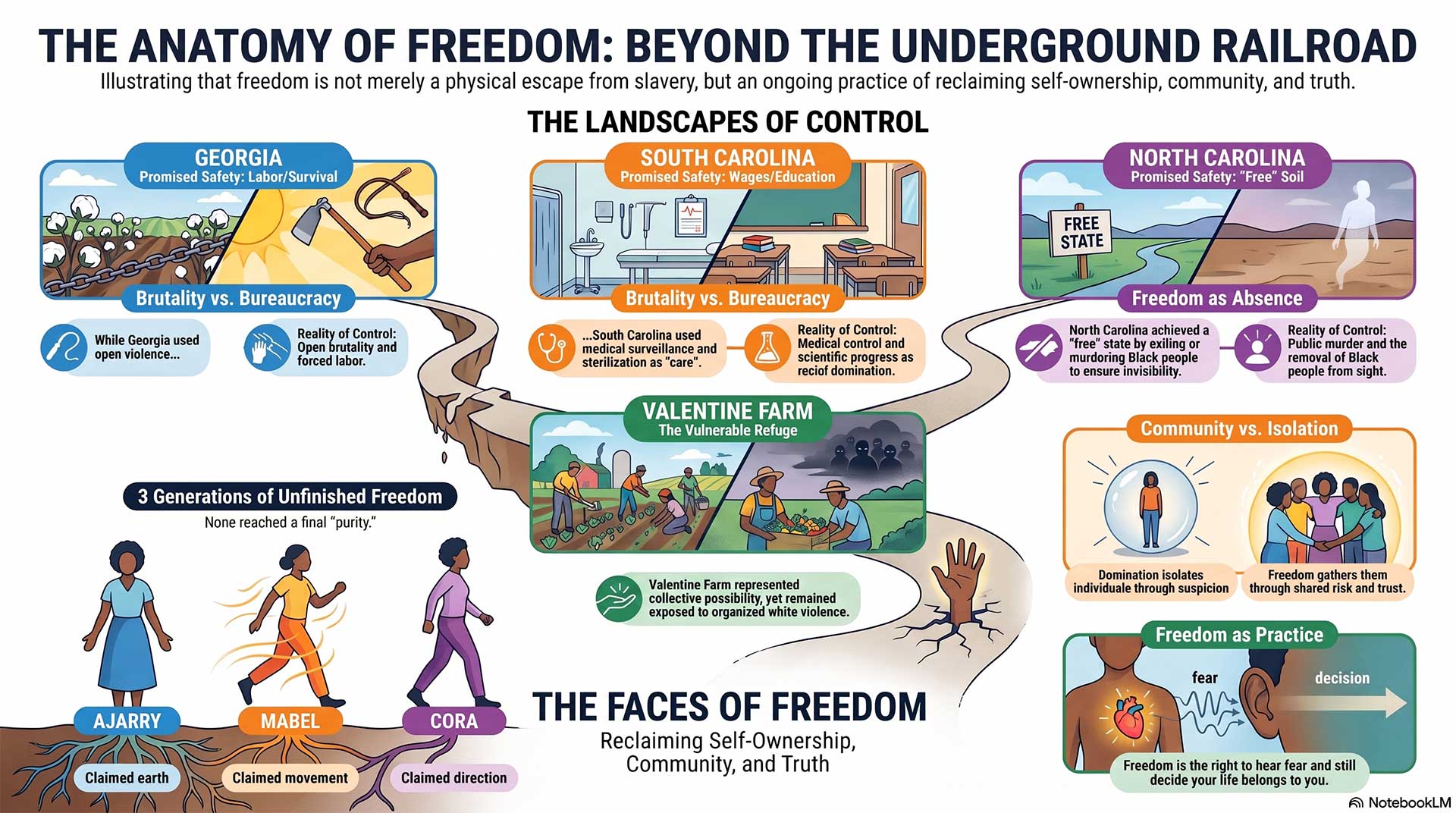
Cora: I once believed freedom would feel like the moment no one was chasing me. Ridgeway fell, the tunnel opened, and I reached another road. Yet fear did not fall with him. Grief did not remain underground. Freedom became something quieter: the right to choose a direction without another person claiming my body, labor, or future. I could hear fear and still refuse to let it decide everything.
Mabel: My daughter lived inside a story I never had the chance to correct. She believed I reached freedom and chose a life without her. The truth was less complete and more painful. I ran. I remembered her. I turned back. I died before love could finish its return. My intention cannot remove the wound, but the fuller story may free Cora from believing she was not worth carrying.
Caesar: I asked Cora to escape before either of us knew where the road would lead. I did not offer safety. I offered uncertainty instead of guaranteed bondage. No one travels from slavery to freedom through courage alone. Someone must ask. Someone must open a door. Someone must build a station. Someone must decide that a stranger’s life is worth personal risk.
Royal: Valentine farm showed what freedom might become when people lived, learned, debated, worked, and protected one another. Its destruction did not prove the dream false. It revealed why the dream frightened those who depended upon Black submission. Community cannot promise permanent safety, but isolation offers no future at all. Freedom becomes real when protection, knowledge, and responsibility are shared.
Ridgeway: I believed domination explained America. I saw land seized, labor claimed, laws written by those with authority, and expansion praised as destiny. I mistook the fact that force prevailed for proof that force was right. That error allowed me to recognize the humanity of the people I captured and still return them to bondage. Evil does not always deny humanity. Sometimes it admits humanity and decides that profit, order, or power matters more.
Cora: I carried Ajarry’s garden, Mabel’s interrupted return, Caesar’s invitation, Royal’s patient love, and the names of people who died before reaching the next station. I carried Ridgeway too, but only as a warning. Memory did not have to become another master. It could become a guide.
I was not free from history.
I was free enough to decide what I would do with it.
Perhaps freedom is never completed by one escape. It continues each time a person refuses possession, opens a passage for someone else, tells the fuller story, and chooses a road that no owner has selected for them.
Short Bios:
Cora
An enslaved young woman from the Randall plantation in Georgia and the central figure of the novel. Fiercely observant, guarded, and resilient, Cora travels through several American states, encountering changing forms of racial control. Her journey becomes a search for self-ownership rather than a simple movement from South to North.
Mabel
Cora’s mother and Ajarry’s daughter. Cora grows up believing Mabel escaped and abandoned her. The later revelation that Mabel turned back and died in the swamp transforms her story into one of interrupted love, incomplete family history, and the impossible choices forced upon enslaved mothers.
Caesar
An enslaved man who first asks Cora to escape with him. Literate, hopeful, and willing to risk uncertainty, Caesar helps Cora imagine a future beyond Randall. His role shows how freedom often begins when one person invites another to believe that the assigned life is not the only possible life.
Royal
A free Black man, Underground Railroad agent, and member of the Valentine community. Royal represents patient love, collective resistance, and a form of freedom that does not demand possession. He gives Cora room to choose rather than deciding her future for her.
Arnold Ridgeway
A relentless slave catcher who views domination as part of the “American imperative.” His pursuit of Cora becomes personal, tied to his failure to capture Mabel and his need to prove that no person can remain beyond the reach of ownership. Ridgeway embodies the way cruelty can present itself as law, duty, order, and historical necessity.
Leave a Reply