

Introduction
Why Adult Children Grow Distant: Can Parents Become Close Again?
There was a time when your children couldn't wait to tell you everything.
They ran to the door when you came home. They wanted you to watch their games, hear their stories, and answer their endless questions.
Then something changed.
They grew up.
Now you might wait days for a reply to a text. Family dinners are pleasant, but conversations rarely go very deep. Your children love you, and you love them. Nobody has done anything terribly wrong.
Yet something feels missing.
Why do some parents remain wonderfully close to their adult children, becoming trusted companions and genuine friends, when other loving families gradually drift apart?
And perhaps the more important question is this:
If your children are already grown, is it too late to build the kind of relationship you've always wanted?
Research offers reasons for both reassurance and reflection. A Pew Research Center study of parents and young adult children found that most parents describe their relationships with their young adult children positively. Yet many parents still wish they communicated more frequently.
That distinction matters. A family can be loving without feeling as close as its members would like.
In this fictional conversation, we meet David, a sixty-five-year-old father of three adult children.
David has done what he thought a good father should do. He worked hard, provided for his family, attended school events, offered advice, and tried to prepare his children for successful lives.
Now his children are independent, and David is struggling with a question he never expected to face:
"I spent twenty years teaching my children how to live without me. Why does it hurt so much when they actually do?"
To explore his dilemma, David sits down with four recognized experts whose books examine adult development, family relationships, boundaries, and reconciliation.
Laurence Steinberg, author of You and Your Adult Child, explores how the parent-child relationship changes when children become independent adults.
Joshua Coleman, author of Rules of Estrangement, examines the emotional distance that can develop between parents and grown children, including the difficult work of rebuilding trust.
Karl Pillemer, author of Fault Lines, brings a research-based perspective on family conflict, reconciliation, and the importance of realistic expectations.
Nedra Glover Tawwab, author of Drama Free, explores how boundaries, honest communication, and emotional safety can help families relate in healthier ways.
Together, they challenge David to reconsider what closeness actually means.
Across five conversations, they explore why loving families drift apart, how parents can become more enjoyable companions, when loving advice becomes unwanted control, how old hurts can be acknowledged, and what parents can do today to create a warmer relationship tomorrow.
David discovers something surprising.
He doesn't need to become a perfect father.
He doesn't need to win every argument, solve every problem, or convince his children to call more often.
He may need to do something far more difficult.
Get to know his children all over again, this time as adults.
And perhaps, in doing so, give them the opportunity to get to know him in a new way, too.
The following conversation is fictional. The participating experts are real, and their imagined dialogue draws on themes from their published work. David and his family are fictional characters.
(Note: This is an imaginary conversation, a creative exploration of an idea, and not a real speech or event.)
Topic 1: Why Do Loving Families Drift Apart?
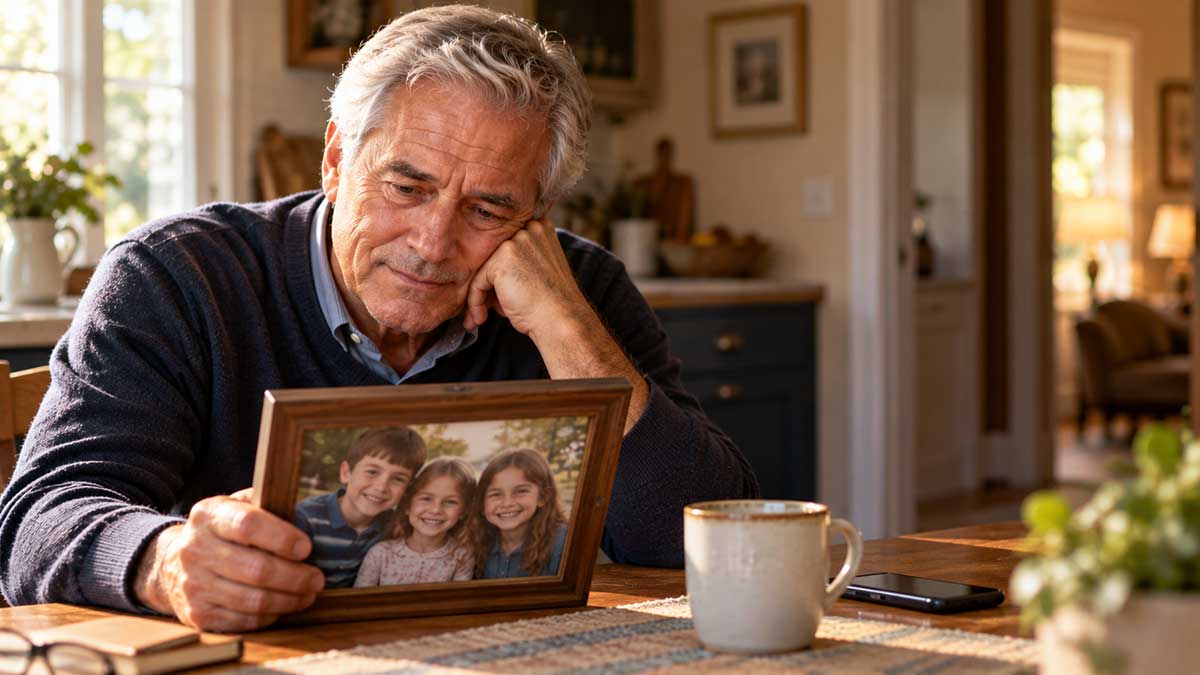
The photograph was taken twenty-three years ago.
Three children, ages four, seven, and ten, crowded around their father on a picnic blanket. The youngest had chocolate ice cream on her chin. The oldest was making rabbit ears behind his father's head. Everyone was laughing.
David, now sixty-five, set the photograph on the table.
David: "I used to be the most popular person in this family."
Laurence Steinberg: "That's quite a claim."
David: "I'm serious. When I came home from work, three kids would race to the door. My youngest daughter once cried when I went to take out the garbage. She thought I was leaving forever."
Karl Pillemer: "And now?"
David: "Now I could probably leave for a week and she'd text me when she needed the Netflix password."
The room broke into laughter.
David: "I laugh about it, but there's something underneath the joke. My children are thirty-three, thirty, and twenty-seven. They're good people. We don't fight. We celebrate birthdays, exchange Christmas gifts, and occasionally have dinner together. But I look at other families where grown children call their parents just to talk. They go on vacations together. They seem like genuine friends."
He turned the photograph over.
David: "I wonder what those parents figured out that I didn't."
Steinberg: "Before we answer that, I'd like to challenge something. You're comparing your relationship today with your relationship when your children were dependent on you. Those are two completely different stages of life."
David: "But why should independence mean less closeness?"
Steinberg: "It doesn't have to. But the relationship must change. When children are young, parents occupy the center of their daily lives. As they become adults, that center shifts. They develop careers, friendships, romantic relationships, and eventually families of their own. That's part of healthy development."
David: "I understand that intellectually. But emotionally, it's strange. You spend twenty years making yourself available to someone, and then suddenly you have to make an appointment to have lunch with them."
Nedra Glover Tawwab: "And what happens when they say they're too busy?"
David: "I say I understand."
Tawwab: "What do you feel?"
David: "Disappointed."
Tawwab: "And what do you say after that?"
David hesitated.
David: "Sometimes I say, 'Well, I guess I'll see you when you're not so busy.'"
Joshua Coleman: "How do you say it?"
David: "What do you mean?"
Coleman: "Show us."
David folded his arms.
David: "Well, I GUESS I'll see you when you're not so busy."
Coleman smiled.
Coleman: "There it is."
David: "There what is?"
Coleman: "The little message hidden inside the big message."
David: "I'm not trying to make them feel guilty."
Tawwab: "You may not be trying to. But your disappointment can still become something they feel responsible for fixing."
David: "So I'm not allowed to be disappointed?"
Tawwab: "Of course you are. You're a person, not a machine. But there's a difference between having a feeling and making another person responsible for relieving it."
David leaned back.
David: "That's a rather fine distinction when you're the one sitting alone on Sunday afternoon."
Pillemer: "It is. And I think we should be careful not to turn every disappointed parent into the villain of the story. Relationships involve two people. Adult children can be inconsiderate. Parents can be intrusive. Sometimes both are doing their best under difficult circumstances."
David: "Thank you. I was beginning to feel like I needed a lawyer."
Everyone laughed again.
Pillemer: "But there's another problem with your comparison. You see other families at their best moments. You see your own family from the inside."
David: "That's true."
Pillemer: "You might see a father and his adult daughter laughing over lunch and assume they have a perfect relationship. You don't know what happened last Tuesday. You don't know whether they argued about money, or whether the daughter ignored three phone calls before agreeing to lunch."
David: "So maybe the families I envy aren't as perfect as I think."
Pillemer: "Some may genuinely be very close. Others may simply look that way. The question is what makes a relationship satisfying to the people actually living in it."
Steinberg: "And there's a distinction I want you to consider. Are your children distant from you, or are they simply living independent lives?"
David: "How would I know the difference?"
Steinberg: "Tell me about your last conversation with your oldest son."
David: "He called last Sunday. We talked for about fifteen minutes."
Steinberg: "What did you talk about?"
David: "His job. He's thinking about applying for a management position. I told him he should probably wait another year to build more experience."
Steinberg: "Did he ask for your advice?"
David: "No, but he was talking about his career. What was I supposed to do, discuss the weather?"
Coleman: "What happened after you suggested waiting?"
David: "He said, 'Yeah, maybe.' Then we talked about football."
Coleman: "Did you ask him why he wanted the position?"
David was silent.
Coleman: "Did you ask whether he was excited? Whether he was nervous? Whether he thought he was ready?"
David: "No."
Coleman: "Then you may have missed the conversation he was trying to have."
David: "I thought he wanted my opinion."
Coleman: "Perhaps he wanted to share something important in his life with his father. Those are not always the same thing."
David looked down at the photograph.
David: "You know what's funny? When he was ten, I used to ask him a hundred questions about his day. Who did he play with? What did he learn? What made him laugh?"
Tawwab: "And now?"
David: "Now I ask whether he's saving enough for retirement."
Tawwab: "How exciting for him."
David laughed so hard he nearly spilled his coffee.
David: "You make me sound terrible."
Tawwab: "No. You sound like a father who still wants to protect his son. But your son may want something else from you now."
David: "Such as?"
Tawwab: "Someone who enjoys hearing about his life without immediately trying to improve it."
The laughter faded.
David: "That one hurts a little."
Steinberg: "It should make you curious, not ashamed. You've practiced one form of parenting for decades. Nobody automatically becomes skilled at the next form."
David: "But I don't want to become one of those parents who says everything is wonderful when it isn't. If my son is about to make a terrible decision, am I supposed to applaud?"
Steinberg: "No. But we need to distinguish sharing a concern from taking charge. An adult relationship leaves room for advice, disagreement, and honest conversation. What changes is the assumption that your judgment should prevail."
David: "I can accept that. I think."
Coleman: "David, let me ask you something different. When you were thirty, did you tell your own father everything?"
David smiled immediately.
David: "Absolutely not."
Coleman: "Why?"
David: "He had an opinion about everything. My job, my car, how I spent money. If I told him I was buying something, he'd explain why it was a bad investment."
Coleman: "Did you love him?"
David: "Very much."
Coleman: "Did you enjoy those lectures?"
David: "Not particularly."
Coleman: "Did you stop telling him certain things?"
David opened his mouth, then closed it.
David: "Oh."
Coleman: "What?"
David: "I just remembered something. When I bought my first car, I didn't tell him until after I'd signed the papers. I didn't want another argument."
Tawwab: "And did that mean you loved him less?"
David: "No. I just wanted to enjoy my new car without defending myself."
Tawwab: "Your children may want the same freedom."
David stared at the old photograph for several seconds.
David: "That's uncomfortable. I remember how frustrating it was when my father treated me like I couldn't make a decision. And now I'm doing the same thing."
Pillemer: "Possibly. But don't assume every interaction follows that pattern. We have one example. Your relationship with your son contains decades of experiences we haven't heard about."
David: "I appreciate that. I was about to declare myself a complete failure."
Pillemer: "That would be premature."
David: "Then let me ask something. What about parents whose children really don't call? Not once a week, not once a month. Maybe they hear from them only on holidays. Is that normal independence, too?"
Steinberg: "There's no universal number of calls that defines a healthy relationship. Some families communicate daily. Others maintain strong affection with less frequent contact. Geography, work schedules, personalities, cultural expectations, and family history all matter."
David: "But surely a child who calls every Sunday is closer than one who calls every three months."
Tawwab: "Not necessarily. One might call every Sunday out of guilt and spend the entire conversation feeling criticized. Another might call every three months and have a wonderful, honest, two-hour conversation."
David: "I hadn't thought about it that way."
Pillemer: "We need to distinguish contact frequency from relationship quality. They're related in some families, but they're not interchangeable."
David: "Then how do I know whether my children actually feel close to me?"
Coleman: "You could ask."
David: "Just like that?"
Coleman: "Not as an accusation. Not 'Why don't you call me more?' Perhaps something like, 'I've been thinking about our relationship. I enjoy spending time with you, and I'd love to find more opportunities to do that. How does that sound to you?'"
David: "And what if he says he's happy with things the way they are?"
Coleman: "Then you've learned something important. You may want more contact than he does. That difference deserves an honest conversation, but it doesn't automatically mean he doesn't love you."
David: "That's difficult to accept."
Coleman: "I know."
David: "When your children are little, you know where you stand. They need breakfast, a ride to school, help with homework. They need you every day. Then they grow up, and you have to wonder whether you're still important."
Steinberg: "You can be important without being necessary for daily functioning."
David: "It doesn't always feel that way."
Steinberg: "Feelings don't always keep pace with changing relationships."
David: "Sometimes I think the hardest part of being a parent isn't raising your children. It's learning to live without being needed the same way."
Nobody answered immediately.
David turned the photograph toward himself again.
David: "My youngest daughter used to grab my hand whenever we crossed the street. Even when she was old enough to cross by herself, she'd reach for it."
He smiled.
David: "One day she stopped. I didn't even notice when it happened."
Tawwab: "Would you want her to still need your hand to cross the street?"
David: "Of course not."
Tawwab: "Then perhaps there's something to celebrate in the fact that she doesn't need it anymore."
David: "I do celebrate it. I'm proud of all three of them. I just miss holding their hands sometimes."
Coleman: "You can miss something without wanting to take away what replaced it."
David looked at him.
David: "That's exactly it."
Pillemer: "And perhaps there's another question here. You've told us a great deal about the children you raised. How much do you know about the adults they've become?"
David: "I know quite a bit."
Pillemer: "What makes your oldest son happiest these days?"
David: "His family, I suppose. His work."
Pillemer: "What is he most excited about right now, apart from the management position?"
David thought for a moment.
David: "I'm not sure."
Pillemer: "What does your middle child worry about?"
David: "I don't really know."
Pillemer: "What does your youngest daughter dream about doing in the next five years?"
David stared at him.
David: "I know what I hope she'll do."
Pillemer: "That wasn't my question."
David laughed softly, then became quiet.
David: "You know, I could have answered every one of those questions when they were twelve."
Steinberg: "Their lives were more visible to you then. Now, if you want to know those things, they'll need to choose to share them."
David: "And perhaps I need to give them a reason to want to."
Tawwab: "What kind of reason?"
David: "Maybe I need to be someone who listens without immediately deciding what they should do."
Coleman: "That would be a meaningful start."
David picked up his phone.
David: "My daughter sent me a photograph yesterday. She's standing beside a lake with two friends. I replied, 'Looks cold. Hope you brought a jacket.'"
Tawwab: "A classic father response."
David: "What should I have said?"
Steinberg: "What did you notice about the photograph?"
David opened it again.
His daughter was laughing, her hair blowing across her face. Behind her, sunlight reflected off the water.
David: "She looks really happy."
Steinberg: "Then perhaps that's where the conversation could begin."
David typed slowly.
"I looked at your picture again. You look so happy. Where was this? I'd love to hear about your trip."
He showed the message to the others.
David: "Too much?"
Tawwab: "No. It's warm. You're showing interest, not demanding attention."
David: "Should I send it?"
Coleman: "Do you genuinely want to know about her trip?"
David: "Of course."
Coleman: "Then send it."
David pressed the button.
A few seconds passed.
Nothing happened.
David: "Well, that didn't work."
Everyone laughed.
Pillemer: "David, it's been eight seconds."
David: "I'm discovering that personal growth requires patience."
He put the phone face down.
David: "You know what I realized today? I've been asking why my children don't share more of their lives with me. But maybe I haven't always made it easy for them to share."
Steinberg: "That's a useful possibility to explore."
David: "And perhaps I've been so focused on being a good father that I haven't considered what it would mean to be good company."
Tawwab: "Those aren't the same thing."
David: "No, they're not."
He looked at the photograph one last time.
David: "I knew those three little kids better than anyone in the world. I knew their favorite foods, their fears, their dreams, the jokes that made them laugh."
He set the photograph beside his phone.
David: "I wonder whether I could get to know them that well again."
Pillemer: "Perhaps not in exactly the same way. Adults need privacy, and relationships change."
David: "That's fair."
Coleman: "But you may discover things about them that you never could have known when they were children."
David: "Such as?"
Coleman: "What they believe. What they've learned. What they're proud of. What kind of people they're choosing to become."
David smiled.
David: "That actually sounds rather exciting."
He glanced at his phone but didn't pick it up.
David: "I think the next time my son calls, I'm going to try something different."
Steinberg: "What's that?"
David: "I'm going to ask him about that management position. And before I tell him whether he should take it, I'm going to ask why he wants it."
Tawwab: "And then?"
David: "I'm going to listen."
Coleman: "For how long?"
David grinned.
David: "You're really going to make me work for this, aren't you?"
Coleman: "A little."
David: "Fine. I'll listen until he's finished."
Pillemer: "And if he asks for your opinion?"
David: "Then I'll give it. But maybe I'll start by telling him I believe he's capable of making a good decision."
David paused, surprised by his own words.
David: "I don't think I've told him that in a long time."
The phone vibrated.
He looked down.
A message from his daughter.
"Dad! It was Lake Michigan. We had the best weekend. I'll tell you about it when we talk. Love you!"
David read it twice.
Then he smiled.
David: "Well, would you look at that."
Tawwab: "What?"
David: "She wants to tell me about her weekend."
He placed the phone beside the photograph.
David: "And for once, I don't have a single piece of advice about it."
The others laughed.
David laughed with them, then leaned forward.
David: "But I still have a problem. I understand that I should listen more, criticize less, and respect their independence. I can work on those things."
He looked around the table.
David: "What I really want to know is this: How do you become the kind of parent your grown children actually look forward to spending time with? Not just someone they love, but someone they genuinely enjoy?"
Steinberg: "Now that's a different question."
David: "And I suspect it's the one I should have been asking all along."
Topic 2: How Do You Become Someone Your Adult Children Want to Spend Time With?

David: "I've been thinking about that question. How do you become someone your adult children actually enjoy spending time with? Not someone they visit out of obligation, but someone they genuinely look forward to seeing?"
Laurence Steinberg: "Let me ask you something, David. When was the last time you and one of your children did something together purely for enjoyment?"
David: "We had dinner about three weeks ago."
Steinberg: "That's not quite what I asked."
David: "We ate, we talked. Isn't that enjoyment?"
Nedra Glover Tawwab: "Did everyone enjoy it?"
David: "I thought so."
Tawwab: "What did you talk about?"
David: "My son's job, my daughter's apartment, my youngest daughter's plans. Normal family things."
Joshua Coleman: "And what did you talk about that had nothing to do with their responsibilities?"
David thought for a moment.
David: "Well, we discussed whether my son should refinance his mortgage."
Coleman: "That's another responsibility."
David: "You're a tough audience."
Karl Pillemer: "Did anyone laugh?"
David: "Of course. I told them a joke."
Pillemer: "What joke?"
David: "I told my son that at his age, I already had three children and a mortgage."
Tawwab: "Was that a joke?"
David: "It was supposed to be."
Coleman: "Did he laugh?"
David: "He said, 'Congratulations, Dad.'"
The experts laughed.
David: "All right. I'm beginning to understand why nobody asks me to perform stand-up comedy."
Steinberg: "What I'm hearing is that your family gatherings may still revolve around the old structure. You're the father, they're the children, and much of the conversation concerns how they're managing their lives."
David: "But I'm interested in their lives."
Steinberg: "Of course. The question is whether you're interested in their experiences or primarily in their performance."
David raised an eyebrow.
David: "Explain that."
Steinberg: "Suppose your daughter tells you she started painting. You could ask whether she plans to sell her paintings, whether she's taking lessons, or whether it's a useful way to spend her time. Or you could simply ask what she loves about painting."
David: "I probably would ask whether she's any good at it."
Tawwab: "And there goes the painting conversation."
David: "You really don't let me get away with anything."
Tawwab: "I'm not trying to catch you making mistakes. I'm asking you to notice something. Your daughter might want to share something that makes her happy without having to prove she's good at it."
David: "I see that. But what if I genuinely want to know whether she's talented?"
Tawwab: "You can be curious about her abilities. Just don't make her enjoyment dependent on your assessment."
Coleman: "There's another question here. What do your children know about you, David?"
David: "Everything, I imagine. They've known me their entire lives."
Coleman: "Do they know what you're excited about these days?"
David: "Well, I'm planning to replace the deck."
Coleman: "Is that exciting?"
David: "Not when you've seen the contractor's estimate."
Coleman: "What makes you laugh? What are you learning? What do you dream about doing in the next ten years?"
David: "I haven't thought much about that."
Coleman: "Then perhaps your children don't have many opportunities to discover who you are outside the role of their father."
David: "Why would they want to know that?"
Coleman: "Why wouldn't they? You're a person with stories, interests, and experiences they may know very little about."
Pillemer: "I've spent a great deal of time studying older people's experiences and wisdom. One thing worth recognizing is that families can miss extraordinary opportunities to learn from one another. But those conversations work best when they're invitations, not lectures."
David: "I have plenty of stories. My children have heard most of them."
Tawwab: "Have they?"
David: "Well, I've told them about the time I drove across the country when I was twenty-two."
Steinberg: "How many times?"
David: "Perhaps six or seven."
Tawwab: "David."
David: "All right, twelve."
Everyone laughed.
David: "But it was a good story!"
Pillemer: "I'm sure it was. The question is whether you're giving them a chance to tell their stories, too."
David: "Fair enough."
Steinberg: "Think about your closest friends. Why do you enjoy spending time with them?"
David: "We laugh. We talk about interesting things. Sometimes we disagree. Nobody gets offended over every little thing."
Steinberg: "Do you give them career advice every time you meet?"
David: "Only when they make terrible decisions."
Tawwab: "How many of your friends have stopped inviting you to lunch?"
David: "You're enjoying this far too much."
Tawwab: "A little."
David laughed.
Steinberg: "But seriously, David. You already know how to build enjoyable adult relationships. You've been doing it with your friends for decades. The challenge is allowing some of those same qualities into your relationships with your children."
David: "So I should treat my children like friends?"
Steinberg: "Not exactly. You will always have a parental history with them. You may remain someone they turn to for guidance. But you can relate to them with greater equality, curiosity, and respect."
David: "I like that. Though I have to admit something. Sometimes when I'm with my children, I still see the little kids they used to be."
Coleman: "That's natural."
David: "My oldest son is thirty-three, has a responsible job, pays his bills, and makes decisions every day. But when he tells me he's buying a new car, my first instinct is to ask whether he's checked the insurance rates."
Tawwab: "And what would you say if your best friend told you he was buying a new car?"
David: "I'd probably ask what kind."
Tawwab: "Then?"
David: "I'd ask whether I could take a ride."
Tawwab: "There you go."
David: "So I should ask my son for a ride instead of asking about insurance?"
Tawwab: "You could try being excited with him before becoming concerned for him."
David smiled.
David: "That's such a small difference."
Coleman: "Small differences can change the emotional experience of a conversation."
Pillemer: "But let's be careful. We're discussing possible ways to improve connection, not a proven formula. Families differ. Some adult children genuinely appreciate practical advice. Others find it intrusive. The best approach is to learn what works in your particular relationship."
David: "That makes sense. My middle child actually calls me for advice all the time."
Steinberg: "And your other two?"
David: "Not so much."
Steinberg: "Then perhaps the same approach won't work with all three."
David: "I've always tried to treat them equally."
Coleman: "Equal love doesn't require identical relationships."
David sat back.
David: "That's interesting. I've been trying to be the same father to all three, but they're three very different people."
Tawwab: "And they may need different things from you."
David: "My youngest daughter loves going to concerts. My oldest son is obsessed with hiking. My middle child loves cooking."
Pillemer: "What do you enjoy?"
David: "I like hiking. I used to cook quite a bit. Concerts are another matter."
Tawwab: "Why?"
David: "The last concert I attended, I couldn't hear properly for two days."
Steinberg: "What kind of concert?"
David: "I don't remember. I was too busy looking for the exit."
Everyone laughed.
Coleman: "You don't have to adopt every interest your children have. But you can take an interest in what matters to them."
David: "I suppose I could ask my daughter about her favorite artist."
Tawwab: "Or let her choose something for you to listen to."
David: "She'd probably enjoy that."
Steinberg: "And perhaps you could invite your son on a hike."
David: "I've invited him before."
Steinberg: "What happened?"
David: "He said he was busy."
Steinberg: "What did you say?"
David: "I said, 'Well, you always seem to have time for your friends.'"
The room became quiet.
David: "I know. I know."
Coleman: "What were you hoping he'd understand?"
David: "That I miss him."
Coleman: "Then why not tell him that?"
David: "Wouldn't that make him feel guilty?"
Coleman: "Not necessarily. There's a difference between sharing affection and assigning blame. 'I miss spending time with you' is different from 'You always have time for everyone except me.'"
Tawwab: "And you can make an invitation without turning his response into a test of love."
David: "Such as?"
Tawwab: "'I'm planning to hike Saturday morning. I'd enjoy your company if you're free.'"
David: "And if he says no?"
Tawwab: "You go hiking."
David: "By myself?"
Tawwab: "Or with a friend. The point is that your life continues."
David: "That sounds almost too simple."
Pillemer: "Simple doesn't mean easy. Especially when a parent has been hoping for more contact for years."
David: "Exactly. Sometimes it feels like I'm always the one asking."
Coleman: "Have you told your son that you'd appreciate him initiating plans occasionally?"
David: "No. I thought he should know."
Coleman: "People aren't always good at guessing what others want. You can make a direct, respectful request."
David: "Something like, 'I'd love it if you suggested something we could do together once in a while'?"
Coleman: "Yes. Then listen to his response."
David: "But I don't want to sound needy."
Tawwab: "Wanting connection isn't a weakness. Trying to control how someone responds to that desire is where problems can begin."
David was quiet for a moment.
David: "You know, I think there's another problem. When my children do visit, I sometimes feel pressure to make the visit meaningful."
Steinberg: "What does meaningful mean to you?"
David: "Having a serious conversation. Finding out what's happening in their lives. Giving them something useful to think about."
Pillemer: "Have you considered that a visit can be meaningful without being serious?"
David: "I suppose."
Pillemer: "Some of the most treasured family memories are ordinary moments. Cooking together. Fixing something. Walking the dog. Laughing about something ridiculous."
David: "My daughter and I used to make pancakes every Sunday."
Coleman: "Do you still?"
David: "No. She moved out years ago."
Coleman: "Does she still like pancakes?"
David: "I assume so."
Tawwab: "There's a question you could ask her."
David smiled.
David: "You know, when she was little, she'd always make one pancake shaped like a heart. It never looked like a heart. Usually it looked like a potato."
Steinberg: "And what did you say?"
David: "I told her it was the most beautiful potato-shaped heart I'd ever seen."
David laughed at the memory.
David: "She loved that."
Coleman: "Why?"
David: "I don't know. We were having fun."
Coleman: "Exactly. You weren't evaluating her performance. You were enjoying being with her."
David's smile softened.
David: "I hadn't thought about that in years."
Tawwab: "You don't need to recreate her childhood. But you might discover that the two of you still enjoy doing simple things together."
David: "Maybe I could invite her over to make pancakes."
Steinberg: "Or ask whether she'd like to teach you something she enjoys cooking now."
David: "That would be interesting."
Pillemer: "And perhaps let her choose the recipe."
David: "Even if it's something strange?"
Tawwab: "Especially then."
David: "You people are determined to get me out of my comfort zone."
Coleman: "We haven't even discussed your music preferences."
David: "And we never will."
They laughed.
Then David became thoughtful.
David: "Can I ask something more serious? What if I do all these things? I listen more, criticize less, invite them without pressure, take an interest in their lives. What if they still don't seem interested?"
Pillemer: "Then we shouldn't pretend you've failed. Relationships depend on both people. Your children may be overwhelmed, distracted, or simply less interested in frequent contact than you are."
Steinberg: "You can create opportunities for closeness. You cannot determine another adult's response."
David: "That's the part I struggle with."
Coleman: "Most parents do. Especially when they've spent decades feeling responsible for their children's well-being."
David: "It's strange. When they were little, if something was wrong, I could usually do something about it. If they were hungry, I fed them. If they were frightened, I held them. If they were struggling in school, I helped them study."
Tawwab: "And now?"
David: "Now I can't fix everything. Sometimes I can't even find out what's wrong."
Coleman: "That can feel like losing a role that gave your life enormous meaning."
David nodded.
David: "Yes. That's exactly what it feels like."
Steinberg: "But perhaps you're not losing your role. Perhaps it's becoming less about providing answers and more about being someone your children trust."
David: "Someone they can talk to without worrying about what I'll say."
Tawwab: "Someone who respects their decisions, even when you disagree."
Pillemer: "Someone who brings something positive to the relationship without expecting every interaction to prove how much you're loved."
David: "That last one is difficult."
Pillemer: "It can be."
David: "I think I've been treating every visit like a report card. If they stay three hours, I feel loved. If they leave after forty-five minutes, I wonder what I did wrong."
Coleman: "That sounds exhausting."
David: "It is."
Tawwab: "For you and possibly for them."
David: "You're right."
He looked toward the window, where the late afternoon sunlight stretched across the floor.
David: "You know what I miss most? Not the big family vacations or Christmas mornings. I miss the ordinary things."
Nobody interrupted.
David: "My son sitting beside me watching a terrible movie. My daughter coming into the kitchen and stealing food before dinner. The kids arguing about who got the biggest piece of cake."
He laughed quietly.
David: "I used to think those moments were interruptions. Now I'd give anything to have one of them back."
Coleman: "Perhaps you can't have those exact moments back. But there may be new ordinary moments waiting for you."
David: "Like what?"
Coleman: "Your son calling to tell you something funny that happened at work. Your daughter inviting you to try a restaurant she discovered. The two of you laughing about something that has nothing to do with your responsibilities as father and child."
David: "That sounds wonderful."
Steinberg: "And it begins with getting to know the people they are now, rather than trying to recreate the family you once had."
David looked at his phone.
David: "My youngest daughter sent me a message earlier. She said she'd tell me about her weekend when we talk."
Tawwab: "Are you going to call her?"
David: "I might. But I think I'll wait until tomorrow. She said she'd had a busy weekend."
Coleman: "And when you talk?"
David: "I'm going to ask about the lake. Her friends. What made the trip so much fun."
Steinberg: "And?"
David: "I'm not going to remind her to bring a jacket."
Everyone laughed.
David: "Though if she tells me she went swimming in October, I reserve the right to be concerned."
Tawwab: "Concern is allowed, David."
David: "Good. I was worried you'd take away my father license."
Pillemer: "Nobody's taking it away."
David smiled.
David: "I think I'm beginning to understand something. I don't need to become a completely different person. I just need to let my children experience more of the person I am when I'm not worrying about them."
Coleman: "That's an interesting way of putting it."
David: "With my friends, I'm relaxed. I joke. I listen. I don't constantly wonder whether they're making the right decisions. I enjoy their company."
Steinberg: "And perhaps your children would enjoy more of that version of you."
David: "Maybe they would."
He paused.
David: "But there's one thing I'm still not sure about."
Tawwab: "What's that?"
David: "Suppose my son tells me he's making a decision that I genuinely believe will hurt him. Not something trivial like buying the wrong car. Something serious. A bad financial decision. A relationship that's going nowhere. A career move that could ruin his future."
Steinberg: "Then you face one of the hardest challenges of parenting adults."
David: "Exactly. I can be relaxed when everything is going well. But when I'm worried about them, every instinct I have tells me to step in."
He looked around the table.
David: "How do you love someone that much and still let them make their own decisions?"
Tawwab: "That question deserves more than a quick answer."
David: "Good. Because I have a feeling I'm going to need a lot of help with it."
Topic 3: How Can You Love Your Adult Children Without Trying to Control Them?

David: "Let me tell you what happened last month. My youngest daughter called and said she was thinking about quitting her job. She's twenty-seven, has a decent salary, health insurance, and a company retirement plan. She said she wasn't happy and wanted to try something different."
Laurence Steinberg: "What did you say?"
David: "I asked whether she'd lost her mind."
Nedra Glover Tawwab: "David!"
David: "I didn't use those exact words. I said, 'Are you sure you've thought this through?'"
Joshua Coleman: "And had she?"
David: "Apparently. She'd been thinking about it for six months. But I didn't know that. I was too busy explaining the importance of financial stability."
Karl Pillemer: "How did the conversation end?"
David: "She said, 'Dad, I knew you'd react this way.' Then she told me she had another call coming in."
Tawwab: "Did she?"
David: "I doubt it."
Steinberg: "What frightened you most about her decision?"
David: "That she'd throw away everything she'd worked for. I remember being twenty-seven. I had bills, responsibilities, and no safety net. One bad decision could set you back years."
Steinberg: "And does your daughter have a safety net?"
David: "I don't know."
Steinberg: "Did you ask?"
David: "Not exactly."
Tawwab: "You were giving advice before you knew what she was planning."
David: "I was trying to protect her."
Coleman: "That's what makes these situations difficult. Parents often experience their concern as love. Adult children may experience the same concern as a lack of confidence in their judgment."
David: "But sometimes their judgment really is terrible."
Tawwab: "Sometimes yours is, too."
David blinked.
David: "Well, that's comforting."
Tawwab: "You're an adult. Have you ever made a decision that turned out badly?"
David: "Of course."
Tawwab: "Did you appreciate someone treating you as though you couldn't think for yourself?"
David: "No."
Tawwab: "Then why assume your daughter would?"
David: "I'm her father."
Tawwab: "That's your relationship to her. It doesn't mean you own her decisions."
David looked at Steinberg.
David: "Is this what you mean when you talk about changing the parental role?"
Steinberg: "Yes, though I wouldn't frame it as parents having to surrender all influence. Parents can remain important sources of advice and support. The difference is that influence in adulthood increasingly depends on the quality of the relationship, not parental authority."
David: "So I'm supposed to wait until she asks for advice?"
Steinberg: "Often that's a good approach. But there are situations where expressing concern is appropriate, even without an invitation. The question is how you do it."
Pillemer: "And whether the concern is proportionate to the situation. Quitting a job with no plan and substantial debt is different from leaving a job after saving money and researching alternatives."
David: "Exactly! That's what I was worried about."
Pillemer: "But you didn't know which situation you were dealing with."
David: "You're all enjoying pointing that out."
Coleman: "Let's try something. Pretend I'm your daughter."
David: "All right."
Coleman: "Dad, I've been thinking about leaving my job."
David: "Do you have another job lined up?"
Coleman: "Stop."
David: "Already?"
Coleman: "You haven't asked why I'm thinking about leaving."
David: "Fine. Why are you thinking about leaving?"
Coleman: "I've been miserable for almost a year. I dread going to work. I've been saving money, and I'm considering going back to school."
David: "How much have you saved?"
Coleman: "David."
David: "Sorry. It's an important question!"
Tawwab: "It may become an important question. But right now, she's telling you she's been miserable for a year."
David went quiet.
David: "I didn't hear that part."
Coleman: "Exactly."
David: "I heard 'quit my job' and immediately started calculating how she'd pay her rent."
Steinberg: "Your practical concern isn't unreasonable. But the order matters. You can understand her experience before evaluating her plan."
David: "All right. Let's try again."
Coleman: "Dad, I've been thinking about leaving my job."
David: "Really? What's been happening?"
Coleman: "I've been unhappy for months. I don't feel like I'm learning anything, and I dread Monday mornings."
David: "I'm sorry. I didn't realize things had gotten that bad."
Coleman: "I've been thinking about going back to school."
David: "That sounds like a big decision. What would you like to study?"
Coleman: "Something related to design."
David: "I'd love to hear more about it. Have you been looking at programs?"
Coleman smiled.
Coleman: "How did that feel?"
David: "Strange."
Tawwab: "Why?"
David: "I felt like I wasn't doing my job."
Steinberg: "And what is your job now?"
David hesitated.
David: "I suppose that's what I'm trying to figure out."
Steinberg: "Perhaps part of it is helping your daughter think clearly without assuming you must do the thinking for her."
David: "But suppose she tells me her plan, and it's terrible."
Coleman: "You can ask whether she'd like your perspective."
David: "And if she says no?"
Tawwab: "You respect that, unless there's an immediate safety concern that changes the situation."
David: "That's difficult."
Tawwab: "It is. But consider the alternative. If every conversation about a difficult decision becomes a debate, she may stop telling you about difficult decisions."
David: "Which is exactly what I don't want."
Pillemer: "There's another distinction. Parents sometimes confuse being informed with being involved in every decision. You can know what's happening in your daughter's life without becoming a member of her personal advisory committee."
David: "I wouldn't mind being on the committee."
Tawwab: "She may already have enough committee members."
Everyone laughed.
David: "Fine. I'll settle for an occasional guest appearance."
Coleman: "David, can I ask you something personal? When your children make decisions you disagree with, what bothers you more: the possibility that they'll suffer, or the possibility that they don't value your opinion?"
David started to answer, then stopped.
David: "That's an unfair question."
Coleman: "Why?"
David: "Because I don't like either answer."
Coleman: "Take your time."
David: "Of course I don't want them to suffer. But I suppose there's another part of it. I've lived sixty-five years. I've made mistakes. I've learned things the hard way. Sometimes I feel like I have all this experience, and nobody wants it."
Pillemer: "That's a very human feeling."
David: "When they were little, they thought I knew everything. Now sometimes I feel like they think I know nothing."
Steinberg: "They may value your experience more than you realize. But adults often need to test their own judgment. Your experience can inform their decisions without replacing their decisions."
David: "What if they repeat the exact mistakes I made?"
Steinberg: "Then you may have to accept that some lessons are learned through experience."
David: "That's an expensive education."
Pillemer: "It can be. But let's not romanticize mistakes. Some consequences are serious. Parents shouldn't feel obligated to remain silent about genuine danger."
Tawwab: "I agree. Respecting autonomy doesn't require pretending that every decision is equally wise. You can express concern clearly and respectfully. What you cannot do is force another competent adult to agree with you."
David: "Suppose my son wants to invest his entire savings in something risky. Am I allowed to say that's a terrible idea?"
Steinberg: "You can say you're worried and explain why. I'd begin by asking what he understands about the risks."
Coleman: "And ask whether he's open to hearing your concerns."
David: "What if he says, 'Dad, it's my money'?"
Tawwab: "Then it is his money."
David: "You really have a gift for making things sound simple."
Tawwab: "The principle is simple. Living with it is hard."
David: "And what if he loses everything?"
Pillemer: "Then you face another decision: what support, if any, you're willing and able to provide. Loving your son doesn't require financing every consequence."
David: "So boundaries go both ways."
Tawwab: "Exactly. Adult children have the right to make their own decisions. Parents have the right to decide what they can reasonably offer."
David: "I hadn't thought about that. Sometimes I worry that if I don't help them financially, they'll think I don't love them."
Coleman: "Love and financial support aren't identical. You can care deeply and still have limits."
David: "What about emotional limits? Suppose my daughter calls only when she has a problem. I listen for an hour, try to help, and then don't hear from her for three weeks. Am I allowed to feel hurt?"
Tawwab: "Absolutely."
David: "Can I tell her?"
Tawwab: "Yes. But tell her what you want, rather than accusing her of what she's doing wrong."
David: "Such as?"
Tawwab: "'I love talking with you, and I'm glad you trust me when things are difficult. I'd enjoy hearing from you when things are going well, too.'"
David: "That's much better than what I usually say."
Steinberg: "Which is?"
David: "'Nice to hear from you. What's wrong this time?'"
Coleman: "And you wonder why she doesn't call to tell you she's having a wonderful day."
David covered his face.
David: "I'm starting to think I should have brought a notebook."
Pillemer: "You can still start taking notes."
David: "I'm afraid I'll need several volumes."
The room filled with laughter.
After a moment, David became serious again.
David: "There's something I want to understand. You keep talking about respecting their choices. But what if those choices are completely different from the values I tried to teach them?"
Steinberg: "What kind of differences?"
David: "Religion, politics, relationships, how they raise their own children. Suppose my daughter believes something I strongly disagree with. Am I supposed to pretend I agree?"
Tawwab: "No. Acceptance doesn't require agreement."
David: "Then what does it require?"
Tawwab: "Recognizing that your daughter is a separate person. You can disagree with her beliefs without treating the disagreement as a failure of your parenting."
David: "But what if I believe she's wrong?"
Tawwab: "You can believe she's wrong. She can believe you're wrong. The question is whether the relationship can hold that difference."
Coleman: "And whether every disagreement has to become a referendum on love and loyalty."
David: "I know families who barely speak over politics."
Pillemer: "Family conflicts can become especially painful when disagreements are interpreted as personal rejection. Sometimes people need to agree on how they'll discuss difficult subjects, or decide not to debate certain topics during family gatherings."
David: "Isn't avoiding difficult subjects dishonest?"
Steinberg: "Not necessarily. You don't debate every disagreement with your friends. You choose when a conversation is useful and when it's likely to damage an otherwise good afternoon."
David: "I suppose that's true."
Coleman: "What would happen if your daughter told you she saw an issue differently, and instead of arguing, you asked how she came to that conclusion?"
David: "I might learn something."
Tawwab: "Or you might still disagree. But she could feel that you respect her enough to listen."
David: "And maybe she'd listen to me, too."
Coleman: "Possibly. But listening shouldn't be a trick to get someone to agree with you."
David: "You caught me."
Coleman: "I suspected."
David smiled, then looked down at his hands.
David: "I think I know why this is so hard. When my children were little, loving them meant protecting them. If they were about to touch a hot stove, I stopped them. If they ran toward the street, I grabbed their hands. I didn't ask whether they wanted my opinion."
Steinberg: "And that was appropriate when they were young."
David: "But now I see a different kind of hot stove. A bad relationship. A risky career decision. A financial mistake. And every instinct tells me to grab their hands again."
Tawwab: "Except now those hands belong to adults."
David nodded slowly.
David: "And they have to decide where to put them."
Pillemer: "Sometimes they'll appreciate your warning. Sometimes they won't. And sometimes you'll discover that what looked like a hot stove to you wasn't dangerous at all."
David: "That's happened."
Coleman: "Tell us."
David: "My middle child wanted to move across the country a few years ago. I thought it was a terrible idea. No family nearby, unfamiliar city, expensive rent. I spent weeks trying to talk them out of it."
Steinberg: "What happened?"
David: "They moved anyway."
Tawwab: "And?"
David: "They loved it. Made friends, found a better job, became more confident. Honestly, it was one of the best decisions they ever made."
Coleman: "Did you tell them that?"
David: "I said I was glad things worked out."
Tawwab: "Did you tell them you were wrong?"
David: "No."
Tawwab: "Why not?"
David: "I suppose I didn't want to make a big deal out of it."
Coleman: "Perhaps it would mean something to them."
David: "You think?"
Coleman: "You could say, 'I was worried when you moved, and I pushed too hard. You made a good decision, and I'm proud of you.'"
David was quiet.
David: "I think they'd appreciate that."
Pillemer: "And notice what you're doing. You're recognizing their judgment, not simply tolerating their independence."
David: "There's a difference."
Steinberg: "A meaningful one."
David leaned forward.
David: "I want to try to put this into words. Tell me if I've got it."
The others waited.
David: "When my children were little, my responsibility was to help shape who they became. But now that they're adults, it's not my job to keep trying to shape them into the people I think they should be."
He paused.
David: "It's my job to love and appreciate the people they've become."
Nobody spoke for a moment.
Tawwab: "I like that. And I'd add that you can still have opinions, boundaries, and honest conversations. Love doesn't mean abandoning yourself."
David: "Of course."
Steinberg: "And you can continue growing together. Adult relationships aren't frozen in place."
David: "That's encouraging."
Coleman: "What changed for you just now?"
David: "I think I've been treating their independence as something I have to endure. But maybe it's something I should be celebrating."
Pillemer: "That's worth exploring."
David: "My oldest son makes decisions every day that I never hear about. My daughter has built a life I couldn't have imagined for her. My middle child moved away and found happiness in a place I was afraid they'd struggle."
He smiled.
David: "I spent years hoping they'd become capable adults. And when they finally did, I kept trying to supervise them."
Tawwab: "Old habits can be difficult to change."
David: "Tell me about it."
He reached for his phone.
David: "I'm going to send my middle child a message."
Coleman: "What will you say?"
David began typing.
"I've been thinking about when you moved away. I was so worried that I didn't really listen to why you wanted to go. Looking back, I can see how much you've grown and how happy you've become. I'm proud of you. And I'm sorry I gave you such a hard time about it."
He read the message aloud.
Steinberg: "How does that feel?"
David: "A little embarrassing."
Tawwab: "Why?"
David: "Parents aren't supposed to admit they were wrong."
Coleman: "Who told you that?"
David: "My father, apparently."
They laughed.
David pressed send.
David: "There. One small step."
Pillemer: "And what if your child doesn't respond immediately?"
David: "I'll resist the temptation to send a follow-up explaining why I was actually right."
Tawwab: "Excellent restraint."
David: "I'm growing."
He placed the phone down, then looked at Coleman.
David: "But that brings up something else. What if there are things from the past that my children haven't forgiven? Not just disagreements about moving or careers. Things I did when they were young that I thought were right at the time."
His expression changed.
David: "My oldest son once told me I put too much pressure on him to succeed. I told him I was only trying to help him have a better life."
Coleman: "How did he respond?"
David: "He said, 'Dad, that's what you always say.'"
Coleman: "And then?"
David: "We changed the subject."
Tawwab: "Did you ever ask him what that pressure felt like?"
David: "No."
Coleman: "Perhaps that's a conversation worth having."
David looked at the photograph of his three children, still lying beside his coffee cup.
David: "I thought I knew exactly what kind of childhood I gave them."
He paused.
David: "But I'm beginning to wonder whether I know what kind of childhood they experienced."
The room became quiet.
David: "And I'm not sure I'm going to like everything I hear."
Topic 4: Can Parents Heal Old Wounds Without Changing the Past?
David: "There's something my oldest son said to me about six months ago that I haven't been able to forget."
Joshua Coleman: "What did he say?"
David: "We were having dinner, just the two of us. I asked him how work was going. He told me things were stressful, and I said something like, 'Well, that's life. Nothing worthwhile comes easily.'"
David looked down at his coffee.
David: "He put down his fork and said, 'Dad, do you know how exhausting it was growing up with you?'"
Nobody spoke.
David: "I thought he was joking. So I laughed and said, 'Well, you turned out pretty good, didn't you?'"
Nedra Glover Tawwab: "And what did he say?"
David: "He said, 'That's exactly what I'm talking about.'"
David sighed.
David: "Then he told me that when he was growing up, nothing he did ever seemed good enough. If he got a B, I asked why it wasn't an A. If he scored two goals, I asked why he missed the third. If he came home excited about something, I always seemed to find a way he could improve."
Laurence Steinberg: "How did you respond?"
David: "I told him that wasn't fair. I reminded him how many games I attended, how many nights I helped him study, how hard I worked to give him opportunities."
Karl Pillemer: "Did he acknowledge those things?"
David: "He said he knew I'd worked hard. But then he said something that really hurt."
Coleman: "What was it?"
David: "He said, 'Dad, I know you loved me. I just wish I'd felt like you liked me.'"
David swallowed.
David: "I haven't stopped thinking about that sentence."
Coleman: "I can see why."
David: "But here's what bothers me. I did like him. I adored that boy. I was proud of him every single day. How could he grow up believing otherwise?"
Tawwab: "Perhaps the question isn't whether you loved him. Perhaps it's how he experienced that love."
David: "But shouldn't my intentions count for something?"
Steinberg: "They do. Intentions help explain your behavior. But they don't determine how another person experienced it."
David: "That sounds like you're saying his memories matter more than mine."
Coleman: "Not more. But if you're trying to understand why he feels hurt, his experience is the one you need to hear."
David: "What if he's remembering things incorrectly?"
Pillemer: "That is possible. Family members can remember the same events differently. Memory isn't a perfect recording. But you don't need to settle every factual disagreement before you can talk about how someone felt."
David: "Give me an example."
Pillemer: "Suppose you remember praising him after a soccer game, and he remembers only your criticism. You may both be remembering genuine parts of the same afternoon."
David: "I probably did praise him."
Tawwab: "And perhaps the criticism stayed with him longer."
David: "So I'm supposed to apologize for things I don't remember doing?"
Coleman: "I'd separate two things. You shouldn't invent a confession for something you genuinely don't believe happened. But you can acknowledge the pain he's describing. And where you recognize your behavior, you can take responsibility for it."
David: "I'm listening."
Coleman: "Instead of saying, 'That's not fair, I did everything for you,' you might say, 'I didn't realize you felt that way growing up. I remember wanting you to succeed, but I can see that my constant advice may have made you feel that nothing was good enough. I'm sorry.'"
David considered that.
David: "That sounds reasonable. But there's a part of me that wants to add, 'I only pushed you because I knew how capable you were.'"
Tawwab: "And what would that addition accomplish?"
David: "It would explain why I did it."
Tawwab: "Would it help him feel heard?"
David hesitated.
David: "Probably not."
Tawwab: "Then save the explanation for another conversation, if he wants it."
David: "You make it sound as though parents have to swallow their side of the story."
Steinberg: "I wouldn't put it that way. You have a perspective, and it matters. But there are moments when the most useful thing you can do is listen before explaining."
David: "That's difficult when someone is telling you that you hurt them."
Coleman: "Especially when your identity is tied to being a loving parent."
David: "Exactly! I've spent thirty-three years believing I was a good father. Then my son tells me he spent much of his childhood feeling inadequate. What am I supposed to do with that?"
Coleman: "You can hold two truths at once. You may have been a devoted father who made meaningful sacrifices. And some of your behavior may have hurt your son."
David: "Both can be true?"
Coleman: "Yes."
David leaned back.
David: "I wish someone had explained that to me six months ago."
Pillemer: "There's another issue worth discussing. When families become caught in arguments about the past, they can spend years trying to establish whose version is correct. That can prevent them from asking what kind of relationship they want now."
David: "But doesn't the truth matter?"
Pillemer: "Of course. Especially when serious harm is involved. I'm not suggesting that people ignore facts or excuse abuse. I'm saying that in many ordinary family disagreements, proving your memory is more accurate doesn't automatically create reconciliation."
David: "So what does?"
Pillemer: "Sometimes it's a willingness to stop repeating the same argument and begin relating differently. But reconciliation depends on both people's willingness, and it cannot be guaranteed."
David: "I can accept that."
He looked toward the window.
David: "You know, my father was a good man. Hardworking. Honest. He provided for us. But I can't remember him ever telling me he was proud of me."
Steinberg: "Did that affect you?"
David: "Of course. I spent half my childhood trying to impress him."
Coleman: "And how did you decide to raise your own children?"
David: "I promised myself I'd give them every opportunity I never had. I'd make sure they were prepared for life."
Coleman: "Did you ever promise yourself you'd tell them you were proud of them?"
David paused.
David: "I thought they'd know."
Tawwab: "Children don't always know what parents assume is obvious."
David: "Apparently not."
Steinberg: "Parents often carry forward patterns from their own upbringing, sometimes repeating them and sometimes reacting against them. The challenge is recognizing which patterns still serve the relationship."
David: "I thought I was doing the opposite of my father. He didn't push me much. I pushed my children because I wanted them to have better opportunities."
Coleman: "And perhaps both approaches left a child wondering whether he was enough."
David looked at him.
David: "That's a painful thought."
Coleman: "It can be. But recognizing a pattern gives you a chance to change it."
David: "Can you really change something after thirty years?"
Tawwab: "You can't change what happened thirty years ago. You can change how you respond to your son today."
David: "What if he doesn't believe I've changed?"
Tawwab: "Then he'll need time to observe it. Trust isn't something you can demand as a reward for one good conversation."
David: "How much time?"
Tawwab: "There's no universal timetable."
David: "That's the answer I was afraid of."
Pillemer: "And we should acknowledge something else. Not every strained relationship can or should be repaired. Some adult children have experienced serious harm. Others may have reasons for maintaining distance that parents don't fully understand."
David: "But my son hasn't cut me off. We still talk. We still have dinner."
Coleman: "Which means you have opportunities to listen and respond differently."
David: "I suppose I do."
He was quiet for a moment.
David: "Let me ask you something. What if I apologize, and he says it's too late?"
Coleman: "Then you listen."
David: "That's it?"
Coleman: "You might say, 'I understand that an apology doesn't erase what happened. I don't expect you to feel differently immediately. I wanted you to know that I've been thinking about what you said.'"
David: "And if he says nothing?"
Coleman: "You allow him that response."
David: "That sounds lonely."
Coleman: "It can be."
Tawwab: "But an apology is not a transaction. You don't give someone an apology in exchange for forgiveness."
David: "I know. It's just hard to imagine doing something so vulnerable and not knowing whether it will make a difference."
Steinberg: "You can still decide it's the right thing to do."
David nodded.
David: "There's another question. What if my son brings up something I genuinely disagree with? Suppose he says I never supported him, when I know I did. Do I just sit there and accept that?"
Coleman: "You can acknowledge the feeling without agreeing to an absolute statement. For example, 'I remember trying to support you, but I hear that you often didn't feel supported. I'd like to understand when you felt that most strongly.'"
David: "That's much better than saying, 'What about all those soccer games I went to?'"
Tawwab: "Yes. Attendance at soccer games isn't a receipt you can present to cancel out someone's feelings."
David laughed despite himself.
David: "I was actually preparing that receipt."
Pillemer: "You might have an entire filing cabinet."
David: "With photographs."
The laughter helped loosen the tension.
Then David's expression grew thoughtful.
David: "I think there's something else I need to admit. When my son told me I made him feel inadequate, I was hurt. But I was angry, too."
Steinberg: "What made you angry?"
David: "It felt ungrateful. I worked hard. I sacrificed things. I didn't have much time for myself. And suddenly he was talking as though I'd ruined his childhood."
Coleman: "Did he actually say you ruined his childhood?"
David: "No."
Coleman: "What did he say?"
David: "That I made him feel like nothing was ever good enough."
Coleman: "Those are different statements."
David looked down.
David: "You're right. I heard a criticism of my entire life when he was describing one painful part of his."
Tawwab: "That distinction matters. If every difficult memory becomes a trial of your worth as a parent, your son may stop sharing difficult memories."
David: "And then we end up talking about the weather and football."
Steinberg: "Which is where you told us many of your conversations end."
David: "Yes."
He sighed.
David: "Maybe he wasn't trying to attack me. Maybe he was trying to tell me something about himself."
Coleman: "That's worth asking him."
David: "I wish I'd listened that night."
Pillemer: "You may have another opportunity."
David: "What would you say if you were me?"
Coleman: "I wouldn't start with a long speech. I'd tell him I've been thinking about what he said, acknowledge that I became defensive, and ask whether he'd be willing to talk about it again."
David: "Could I tell him I love him?"
Tawwab: "Of course."
David: "And that I'm proud of him?"
Tawwab: "Yes. Just don't use those words to dismiss what he's telling you."
David: "I understand."
Steinberg: "You might ask him what kind of support feels helpful to him now. That turns the conversation from a debate about childhood into an opportunity to improve your relationship today."
David: "That's a good question."
He took out his phone and opened his messages.
David: "I think I'd like to write something to him. Not a long letter. Just enough to open the door."
He began typing, then stopped.
David: "I'm tempted to start with, 'I know I wasn't a perfect father, but...'"
Tawwab: "I'd reconsider the word 'but.'"
David: "You were waiting for that, weren't you?"
Tawwab: "A little."
David smiled and deleted the sentence.
He tried again.
David: "How about this?"
He read aloud.
"I've been thinking about what you told me at dinner a few months ago, about feeling pressured when you were growing up. I realize I got defensive instead of listening. I'm sorry. I loved you then, and I love you now. I'd really like to understand your experience better, if you're ever comfortable talking about it."
He looked up.
David: "Is that too much?"
Coleman: "It sounds sincere. Does it express what you actually feel?"
David: "Yes."
Pillemer: "Then the next question is whether a message is the right way to begin. Some people prefer written communication because it gives them time to respond. Others would rather talk in person."
David: "My son isn't much of a phone person. He likes texting."
Steinberg: "Then a message may be appropriate."
David: "I'm nervous."
Tawwab: "That's understandable."
David: "I think I'm more nervous sending this message than I was when I asked his mother to marry me."
Coleman: "Did she say yes?"
David: "Eventually."
Pillemer: "Eventually?"
David: "She said she needed to think about it."
Tawwab: "And did you give her time?"
David: "I did."
Tawwab: "Then you have some experience with allowing someone you love to make an important decision at their own pace."
David smiled.
David: "I suppose I do."
He pressed send.
The message appeared on the screen.
David placed the phone down.
For several moments, he said nothing.
Steinberg: "How do you feel?"
David: "Exposed."
Coleman: "Anything else?"
David: "Relieved. A little."
Pillemer: "What are you hoping happens?"
David: "I'd love it if he wrote back and said, 'Dad, don't worry about it. I know you did your best.'"
Tawwab: "And if he doesn't?"
David thought carefully.
David: "Then I'll have to accept that he may need something different from me."
Coleman: "Such as?"
David: "Maybe he needs me to listen. Maybe he needs time. Maybe he just needs to see that I'm not going to argue with him every time he tells me something difficult."
Steinberg: "Those are meaningful possibilities."
David picked up the old family photograph that had been sitting on the table since the beginning of their conversation.
David: "You know what strikes me? I look at this picture and remember three happy children. And I think they were happy, much of the time."
He studied his oldest son's face.
David: "But maybe there were moments when he was worried about disappointing me. Moments I don't remember at all."
Pillemer: "Both memories can exist. A childhood can contain love, happiness, pressure, disappointment, and countless other experiences."
David: "I used to think that if I admitted I'd made mistakes, it would somehow diminish everything good I did."
Coleman: "And now?"
David: "Now I'm wondering whether admitting my mistakes might make the good things easier for him to remember."
Tawwab: "It may create room for a more honest relationship. But let him decide what it means to him."
David nodded.
His phone remained silent.
He didn't reach for it.
David: "There's something almost funny about this."
Steinberg: "What's that?"
David: "When my children were little, I used to tell them that growing up meant learning to admit when they were wrong."
He smiled.
David: "Apparently, I still have some growing up to do myself."
Pillemer: "That doesn't stop at sixty-five."
David: "I'm beginning to suspect it doesn't stop at ninety-five."
The others laughed.
David leaned back and looked around the table.
David: "I came here wanting to know how to make my children closer to me. But I've spent most of today discovering things I can change about myself."
Coleman: "Does that disappoint you?"
David: "No. Actually, it's encouraging."
Coleman: "Why?"
David: "Because I can't control how often they call. I can't control what they remember. I can't control whether they agree with me."
He paused.
David: "But I can control whether I listen. Whether I criticize. Whether I apologize when I'm wrong. Whether I make our time together enjoyable."
Tawwab: "You can choose those behaviors, yes. And you can keep practicing them."
David: "That gives me something to work with."
His phone vibrated.
Everyone looked at it.
David laughed.
David: "Now you're all as curious as I am."
He picked it up.
The message was from his oldest son.
"Dad, thanks for saying that. I wasn't expecting it. I know you loved us. I just didn't always know how to tell you what I was feeling. I'd be willing to talk sometime."
David read it silently.
Then he read it again.
Coleman: "What did he say?"
David's eyes had become moist.
David: "He said he'd be willing to talk."
Steinberg: "How does that feel?"
David: "Like someone opened a window in a room I didn't realize had been closed."
He wiped his eyes and laughed at himself.
David: "Sorry. I wasn't expecting to get emotional."
Tawwab: "You don't need to apologize for that."
David looked at the message again.
David: "I think I've been waiting years for my children to understand me better. And maybe this is my chance to understand them better."
He put the phone away.
David: "But I have one more question for all of you."
Pillemer: "Go ahead."
David: "We've talked about listening, acceptance, independence, and repairing old wounds. I can see how those things might improve our relationships."
He smiled.
David: "But I'm sixty-five. My children have their own lives. Some live far away. They have careers, partners, responsibilities. We can't go back to the days when we were all under one roof."
Steinberg: "No, you can't."
David: "So what does a genuinely close family look like at this stage of life? Not an idealized family where everyone has Sunday dinner together. A real family, with busy adult children and aging parents."
He leaned forward.
David: "And what can someone like me actually do, starting tomorrow, to make the next twenty years of our relationship better than the last five?"
Topic 5: What Can Parents Do Today to Build a Closer Tomorrow?

David: "I have one request before we finish. Please don't give me another beautiful philosophy about love and independence. I need something I can actually do on Monday morning."
Nedra Glover Tawwab: "What time Monday morning?"
David: "Preferably after coffee."
Karl Pillemer: "Then we've already made our first practical recommendation."
David: "Coffee?"
Pillemer: "Don't attempt to repair thirty years of family history before breakfast."
Everyone laughed.
David: "I'm serious, though. I'm sixty-five. My children are thirty-three, thirty, and twenty-seven. They have careers, relationships, bills, and their own schedules. I can't suddenly become their favorite person just by learning to listen."
Laurence Steinberg: "Nor should that be your goal."
David: "Why not? Isn't that what we've been discussing?"
Steinberg: "We've been discussing how to build a closer relationship. Becoming someone's favorite person turns closeness into a competition. Your children can love you deeply and still prefer spending Saturday evening with their spouses or friends."
David: "I was hoping you'd let me win at least one competition."
Joshua Coleman: "You could challenge your son to miniature golf."
David: "He'd destroy me."
Coleman: "Then perhaps losing gracefully could become your first new family tradition."
David smiled, but then grew serious.
David: "Let me put it differently. I don't need to be the center of their lives. I just don't want to become a distant figure in the background."
Tawwab: "That's a reasonable desire. Have you ever told them that?"
David: "Not in those words."
Tawwab: "What words have you used?"
David: "'You never call anymore.'"
Coleman: "And how has that worked?"
David: "Poorly. My youngest daughter once said, 'Dad, you make me feel guilty every time I call, so sometimes I don't want to call.'"
He shook his head.
David: "At the time, I thought that was ridiculous. Now I can see the problem. She finally calls, and I greet her by complaining that she hasn't called."
Steinberg: "Then you already have one concrete change to make."
David: "Which is?"
Steinberg: "When your children contact you, enjoy the contact. Don't immediately turn it into a discussion about all the contact that didn't happen."
David: "That sounds so obvious when someone else says it."
Pillemer: "Many relationship habits are like that. We don't notice them until someone describes them back to us."
David: "Fine. That's one. What's next?"
Coleman: "I'd like you to think about your three children individually. Not as a group called 'the kids.' Tell us something each one genuinely enjoys."
David: "My oldest son loves hiking. My middle child enjoys cooking and trying new restaurants. My youngest daughter loves concerts, photography, and weekend trips."
Coleman: "Good. Now tell us something you enjoy doing with each of them."
David: "That's harder."
Tawwab: "Take your time."
David: "My son and I used to hike together. But he prefers longer trails now, and my knees aren't what they used to be."
Steinberg: "Could you do a shorter trail?"
David: "He'd probably be bored."
Pillemer: "Have you asked him?"
David: "No."
Pillemer: "Then don't decide for him."
David laughed.
David: "You're right. I spend half my time telling my children what they should do and the other half assuming what they won't want to do."
Coleman: "What about your middle child?"
David: "We both love food. Actually, we disagree about food constantly."
Tawwab: "That could be fun."
David: "You haven't heard our arguments about pineapple on pizza."
Steinberg: "Which side are you on?"
David: "The civilized side."
Pillemer: "Which is?"
David: "No pineapple."
Tawwab: "I'm afraid this panel may be permanently divided."
Everyone laughed.
David: "But that's interesting. My middle child and I could go try a new restaurant. We wouldn't have to discuss careers, money, or anything serious. We could just argue about whether the pizza is good."
Coleman: "And your youngest?"
David: "She loves photography. I know absolutely nothing about it."
Tawwab: "Perfect."
David: "Perfect? I'd be useless."
Tawwab: "You wouldn't be there to teach her. You'd be there to learn from her."
David paused.
David: "I don't think I've ever asked her to teach me anything."
Steinberg: "That could be an interesting change in your relationship."
David: "She's always been the youngest. The one I protected. The one I gave advice to."
Coleman: "And now she may have knowledge and experiences you don't."
David: "She certainly knows more about cameras than I do."
Tawwab: "Then ask her to show you."
David: "What if she thinks I'm pretending to be interested?"
Tawwab: "Are you pretending?"
David: "No. I'd genuinely like to see what she enjoys."
Tawwab: "Then you don't have to manufacture enthusiasm. You can simply be curious."
David took out a small notebook.
David: "I'm writing these down. Short hike with my son. Restaurant with my middle child. Photography with my daughter."
Pillemer: "Before you fill your calendar, I'd suggest something."
David: "What?"
Pillemer: "Don't turn this into another parental improvement project where everyone has to participate."
David: "What do you mean?"
Pillemer: "You've discovered some promising ideas. But if you suddenly invite all three children to separate activities, follow up repeatedly, and measure their enthusiasm, you could recreate the pressure you're trying to reduce."
David: "So I shouldn't invite them?"
Pillemer: "Invite them. Just leave room for their preferences and schedules. And don't treat a declined invitation as evidence that the relationship is failing."
David: "You know, I'm starting to suspect the most difficult part of all this isn't what I say. It's what I expect."
Steinberg: "Expectations shape how we interpret responses."
David: "If my son says he's busy, I hear, 'I don't want to spend time with you.' If my daughter takes two days to reply, I hear, 'You're not important.'"
Coleman: "And are those necessarily what they mean?"
David: "No. They might simply be busy."
Tawwab: "Or they may prefer a different amount of contact. Either way, it's better to learn what they actually want than to build an entire story around a delayed text."
David: "I have built some impressive stories around delayed texts."
Pillemer: "Perhaps you should become a novelist."
David: "Most of my novels would be titled Why Hasn't My Daughter Called?"
They laughed.
David: "But I have another concern. What happens when my children get married? My oldest son already has a family of his own. Sometimes I feel like I'm competing with his wife's parents for holidays."
Steinberg: "Family relationships change when adult children form partnerships and households. Their primary daily responsibilities often shift."
David: "I understand that. But last Thanksgiving, they spent the holiday with her family. I was disappointed."
Tawwab: "What did you say?"
David: "I told him we'd miss them."
Tawwab: "That's fine."
David: "Then I said, 'I guess her family is more important now.'"
Tawwab: "And there it is."
David: "I knew you were going to say that."
Coleman: "What did your son say?"
David: "He got irritated. Said they were trying to be fair. Then we had a ridiculous argument about whose parents they'd visited the previous Christmas."
Pillemer: "A holiday can become a competition that nobody wins."
David: "So what should I have done?"
Steinberg: "You could acknowledge that they're balancing multiple relationships. Perhaps suggest celebrating on a different day."
David: "Thanksgiving on Saturday?"
Tawwab: "The turkey doesn't know what day it is."
David laughed.
David: "That's actually a good point."
Coleman: "And perhaps you can create traditions that don't depend on everyone being present on the exact same date."
David: "My wife would love that. She hates the stress of trying to coordinate everybody."
Pillemer: "Families that adapt their expectations may find more opportunities for enjoyable time together. But flexibility needs to work for the parents, too. You shouldn't be expected to rearrange everything every time."
David: "That's important. Sometimes I feel like parents are supposed to be infinitely available."
Tawwab: "You're allowed to have your own plans."
David: "My own plans?"
Tawwab: "Yes, David. You're sixty-five, not a piece of furniture waiting for someone to visit."
David burst out laughing.
David: "I may put that on my refrigerator."
Coleman: "What would you do with a Saturday if none of your children were available?"
David: "Probably work around the house. Watch television. Maybe call a friend."
Coleman: "What would you enjoy doing?"
David thought.
David: "I've always wanted to take a photography class, actually."
Tawwab: "Interesting."
David: "Not because of my daughter. I've always liked taking pictures when I travel."
Steinberg: "Then why haven't you?"
David: "I keep putting things off. I suppose I tell myself I'll do them when life slows down."
Pillemer: "And has life slowed down?"
David: "Not particularly."
Coleman: "Perhaps this is an opportunity to build a life that remains interesting and satisfying independent of your children's availability."
David: "I understand the principle. But I don't want to become so independent that we stop needing each other."
Tawwab: "You can remain emotionally connected without making your children responsible for filling every empty hour."
David: "That makes sense."
Steinberg: "And there's something attractive about a parent who has experiences to share. Your children may enjoy hearing about your photography class, a trip you took, or something funny that happened with your friends."
David: "Instead of hearing another report about my cholesterol and the leaking kitchen faucet?"
Coleman: "Those topics can have their place."
David: "But perhaps not every conversation."
Tawwab: "Exactly."
David wrote another note.
David: "Get a life."
Pillemer: "I might phrase that more kindly."
David: "No, I think I'll remember it better this way."
The laughter settled.
David: "Can I ask something that bothers me? What if I'm the only one making an effort?"
Coleman: "Tell us what that looks like."
David: "Suppose I invite my son hiking. He says he's busy. I ask again a month later. He's still busy. I send friendly messages, and he replies with a thumbs-up. At what point do I stop?"
Tawwab: "You don't have to keep making invitations indefinitely. You can tell him directly that you'd enjoy spending more time together and ask what might work for him."
David: "And if he doesn't suggest anything?"
Tawwab: "Then you have information about what he's willing or able to offer right now. You can adjust your expectations without punishing him."
David: "That sounds painful."
Coleman: "It can be. Parents have legitimate emotional needs, too. We shouldn't pretend that one-sided relationships don't hurt."
David: "Thank you."
Coleman: "But there's a difference between acknowledging that hurt and trying to make your son feel guilty enough to change."
David: "I understand."
Pillemer: "And before deciding the relationship is one-sided, consider whether he expresses care in other ways. Does he help when you need something? Does he remember important occasions? Does he share things with you when he has time?"
David: "Actually, when my car broke down last winter, he drove forty minutes to help me."
Steinberg: "That's meaningful."
David: "And when I was sick, he checked on me every day."
Coleman: "So perhaps he doesn't express closeness through frequent casual visits, but he shows up when you need him."
David nodded slowly.
David: "I hadn't thought of it that way."
Tawwab: "You can appreciate that and still wish you spent more time together. Those feelings aren't mutually exclusive."
David: "I think I've been so focused on what I wasn't getting that I overlooked what he was giving."
Pillemer: "That can happen in any close relationship."
David looked at his notebook.
David: "Let me see if I've got this. Make invitations without pressure. Find things we both enjoy. Let them teach me something. Be flexible about holidays. Have a life of my own. Appreciate the ways they already show love."
Steinberg: "That's a promising start."
David: "But what about the actual relationship? How will I know whether any of this is working?"
Coleman: "What would progress look like to you?"
David: "More calls. More visits. Longer conversations."
Tawwab: "Those could be signs. But I'd look for something deeper."
David: "Such as?"
Tawwab: "Do your children seem comfortable telling you things you might disagree with? Can they say no without worrying about your reaction? Can they spend time with you without feeling evaluated?"
Steinberg: "And can you enjoy their company without constantly comparing the relationship to how it used to be?"
David: "That's a good question."
Pillemer: "I would look for reciprocity over time. Not perfect equality in every interaction, but evidence that both people value the relationship in ways that matter to them."
David: "What if the relationship never becomes what I hoped?"
Coleman: "Then there may be grief to acknowledge. You can work toward closeness without making your happiness depend entirely on achieving a particular outcome."
David: "I don't like that answer."
Coleman: "I know."
David: "I wanted you to tell me that if I do these five things, my children will start calling every Sunday."
Pillemer: "That would make a very successful book title."
David: "I'd buy it."
Pillemer: "But it wouldn't be an honest promise."
David laughed.
David: "Fair enough."
A few moments passed.
Then David opened his notebook to a fresh page.
David: "All right. Let's make this practical. Thirty days. What should I do over the next month?"
Steinberg: "Start by observing your habits. During your next few conversations, notice how often you offer advice that wasn't requested. You don't have to become silent. Just become more aware."
David: "I can do that."
Tawwab: "I'd suggest practicing one simple question: 'Would you like my opinion, or would you rather I just listen?'"
David: "My children might faint if they hear me say that."
Coleman: "Then you'll have another opportunity to practice listening when they recover."
Everyone laughed.
Pillemer: "I'd encourage you to ask each child what kind of contact they enjoy. Don't assume all three want the same thing."
David: "And what would you suggest, Joshua?"
Coleman: "Make one sincere effort to acknowledge something you've learned about yourself as a parent. Not a dramatic confession. Just an honest recognition, when appropriate."
David: "I've already started that with my son."
Coleman: "Yes. And now give him time to respond in his own way."
David wrote everything down.
David: "And what about doing something fun together?"
Steinberg: "Choose one simple invitation based on a shared interest. Keep it low-pressure."
David: "I think I'll ask my son if he wants to try a short hike."
Tawwab: "And if he says he's busy?"
David: "I'll go anyway."
Pillemer: "Excellent."
David: "Though I may need someone to rescue me if I choose the wrong trail."
Coleman: "Perhaps your son could recommend one."
David smiled.
David: "You know, I think I finally understand what I've been missing."
Steinberg: "What is it?"
David: "I've been trying to preserve the relationship we had when they were children. But that relationship belonged to a different time."
He glanced at the old photograph on the table.
David: "I loved being their father when they were little. I loved teaching them to ride bicycles, helping with homework, taking them on vacations, watching them grow."
His voice softened.
David: "And I think part of me has been grieving the end of those years."
Nobody interrupted.
David: "But maybe I've been so busy missing the children they used to be that I haven't fully appreciated the adults standing in front of me."
Coleman: "That's a meaningful realization."
David: "My oldest son is a thoughtful man. My middle child has built an interesting life. My youngest daughter is adventurous and creative. They're people I would probably enjoy knowing even if they weren't my children."
Tawwab: "That's a lovely way to see them."
David: "And maybe they could enjoy knowing me, too. Not just as Dad, the man who worries about everything, but as David, a person who likes hiking, terrible jokes, good food, and occasionally making a fool of himself."
Pillemer: "You've already demonstrated that last quality quite convincingly."
David laughed.
David: "Thank you, Karl. I knew I could count on your support."
His phone vibrated.
It was a message from his oldest son.
"Dad, I've been thinking about what you said. How about breakfast next Saturday? Just the two of us. There's something I'd like to talk about."
David stared at the screen.
Coleman: "Everything okay?"
David: "My son wants to have breakfast with me."
Steinberg: "That's wonderful."
David: "He says there's something he wants to talk about."
Tawwab: "How do you feel?"
David: "Excited. Nervous. A little frightened."
Coleman: "Why frightened?"
David: "What if he tells me something difficult? What if he brings up the past again?"
Coleman: "Then you listen."
David smiled.
David: "You really are determined to make that my new hobby."
Coleman: "It's a good one."
David began typing.
"I'd love that. Saturday works for me. Looking forward to spending time together."
He paused before sending.
David: "Normally I'd add, 'What's this about?'"
Tawwab: "Do you need to know right now?"
David: "No."
He sent the message.
David: "I'll find out Saturday."
He put the phone away and looked at the photograph of his three children.
David: "When they were little, I used to hold their hands when we crossed the street. I remember the day my youngest daughter stopped reaching for mine."
He smiled.
David: "I was proud of her, but I was a little sad, too."
Steinberg: "And now?"
David: "Now I think I understand something I didn't understand then."
He looked around the table.
David: "The point of holding their hands was never to make sure they'd need me forever. It was to help them become strong enough to walk on their own."
He paused.
David: "And maybe the wonderful thing about having adult children is that someday, if we're fortunate, we get to walk beside each other. Not because anyone needs to be led. Just because we enjoy the company."
For a moment, the room was silent.
Then Pillemer smiled.
Pillemer: "So what are you going to do tomorrow morning?"
David grinned.
David: "Have my coffee."
Everyone laughed.
David: "Then I'm going to call a friend about that photography class."
Tawwab: "And your children?"
David: "I'll love them. I'll be interested in their lives. I'll invite them to spend time with me when it feels natural."
He picked up his notebook.
David: "And I'll stop treating every unanswered text like a national emergency."
Coleman: "That sounds like progress."
David: "It does."
He stood, gathering his things.
David: "You know what's funny? I came here hoping you'd teach me how to get my children to spend more time with me."
Steinberg: "And what did you learn?"
David smiled.
David: "That maybe the better question is how I can make the time we do spend together something we all enjoy."
He slipped the old photograph into his pocket.
David: "I've spent thirty-three years loving my children. I don't think I need to love them more."
He paused at the doorway.
David: "I think I need to learn a new way to love them."
Then he looked back.
David: "And perhaps the next chapter of our family story could be just as wonderful as the first. Different, certainly. But wonderful in ways I haven't even discovered yet."
Final Thoughts: The Children We Raised, the Adults We Have Yet to Know

At the beginning of this conversation, David was looking at an old photograph.
Three small children were laughing beside their father. They needed him for almost everything. They reached for his hand, ran to him with their problems, and filled his days with questions.
David missed those years terribly.
He believed that somewhere along the way, he had lost something precious.
By the end of the conversation, he began to see things differently.
Perhaps he hadn't lost his relationship with his children. Perhaps the relationship was waiting to become something new.
That doesn't mean the transition is easy.
Parents can spend decades giving their time, energy, and love to their children. When those children grow up, it can feel surprisingly lonely to discover that they no longer need the same attention.
And some parents carry an even deeper sadness.
They love their children, but conversations feel awkward. Invitations are declined. Phone calls are short. The easy affection they once shared seems harder to find.
This conversation offers five lessons worth carrying forward.
First, independence is not necessarily rejection. Your adult children may love you deeply and still have lives that no longer revolve around you.
Second, being good company matters. Your children may enjoy spending more time with you when conversations include curiosity, laughter, shared interests, and fewer unsolicited evaluations.
Third, love does not require control. You can care about your children's decisions without taking responsibility for making those decisions yourself.
Fourth, listening to old hurts can create new opportunities. You cannot rewrite childhood, but you can acknowledge experiences you didn't fully recognize at the time.
Fifth, closeness is not measured by a calendar. A meaningful relationship may be expressed through occasional long conversations, practical help, shared activities, or quiet expressions of affection.
None of these changes guarantees that every family will become closer.
Relationships involve more than one person's choices. Some wounds require time. Some differences remain. Some families need healthy distance.
Yet parents can still influence the emotional atmosphere they bring to their relationships.
And that is where hope begins.
Perhaps the most moving moment in David's conversation came when he realized that he had spent years teaching his children how to become independent, only to feel sad when they succeeded.
He had been longing for the little hands that once reached for his.
But those children had grown into adults with their own dreams, struggles, opinions, and experiences.
They no longer needed him to lead them across the street.
They might, however, enjoy walking beside him.
That is a beautiful possibility.
You may never again be the center of your adult child's life.
But you can become someone they trust. Someone they laugh with. Someone who knows when to offer advice and when to listen. Someone who appreciates the person they have become.
And perhaps the most important change begins with a simple decision:
I don't need my child to become the person I pictured years ago. I want to discover and appreciate the person standing in front of me today.
If you are a parent wondering whether it's too late to become closer to your grown children, perhaps there is one small thing you could do this week.
Ask about something they love.
Invite them to share an experience.
Tell them something you appreciate about them, without adding advice.
Or simply send a message that asks for nothing in return.
You may not receive an immediate reply.
You may not see a dramatic change.
But you will have taken a step toward a relationship built less on obligation and more on genuine affection.
David's story ends with an invitation to breakfast.
Not a grand reconciliation. Not a promise that everything will be different.
Just a father and his grown son, preparing to sit across from each other and talk.
And sometimes, that is where a beautiful new chapter begins.
The goal is not to make your children need you again. It is to build a relationship in which you genuinely enjoy knowing each other.
Short Bios:
Laurence Steinberg is Professor Emeritus of Psychology and Neuroscience at Temple University and a leading researcher on adolescent development and family relationships. His book You and Your Adult Child: How to Grow Together in Challenging Times examines how parents can adapt as their children enter adulthood. In this fictional conversation, Steinberg explores the shift from parental authority to mutual respect and companionship.
Joshua Coleman is a psychologist and Senior Fellow at the Council on Contemporary Families. He is the author of Rules of Estrangement: Why Adult Children Cut Ties and How to Heal the Conflict. His work examines family conflict, emotional distance, and reconciliation. In this conversation, Coleman helps David recognize the difference between parental intentions and a child's emotional experience.
Karl Pillemer is a Cornell University professor whose research focuses on aging, intergenerational relationships, and family estrangement. His book Fault Lines: Fractured Families and How to Mend Them examines why family relationships break down and what can help people reconnect. In this conversation, Pillemer brings research-based caution, realistic expectations, and attention to the different ways families express affection.
Nedra Glover Tawwab is a licensed therapist, relationship expert, and bestselling author of Set Boundaries, Find Peace and Drama Free: A Guide to Managing Unhealthy Family Relationships. Her work focuses on boundaries, communication, and healthier relationships. In this conversation, Tawwab challenges David to express affection without guilt, respect his children's independence, and maintain healthy boundaries of his own.
David (Fictional Character) is a sixty-five-year-old father of three adult children. He loves his family deeply but misses the easy closeness they shared when his children were young. Through five conversations, David begins to discover that becoming closer to his grown children may require changing how he relates to them rather than trying to change them.
These conversations are fictional and do not represent actual interviews, direct quotations, or endorsements by the named experts.
Leave a Reply