
Introduction
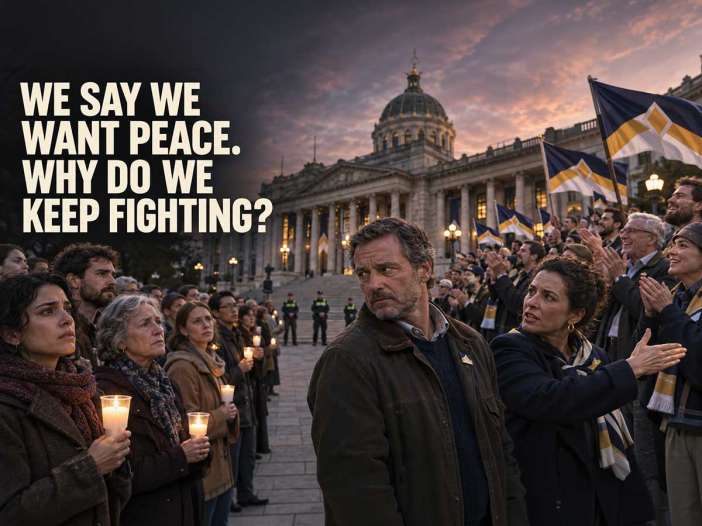
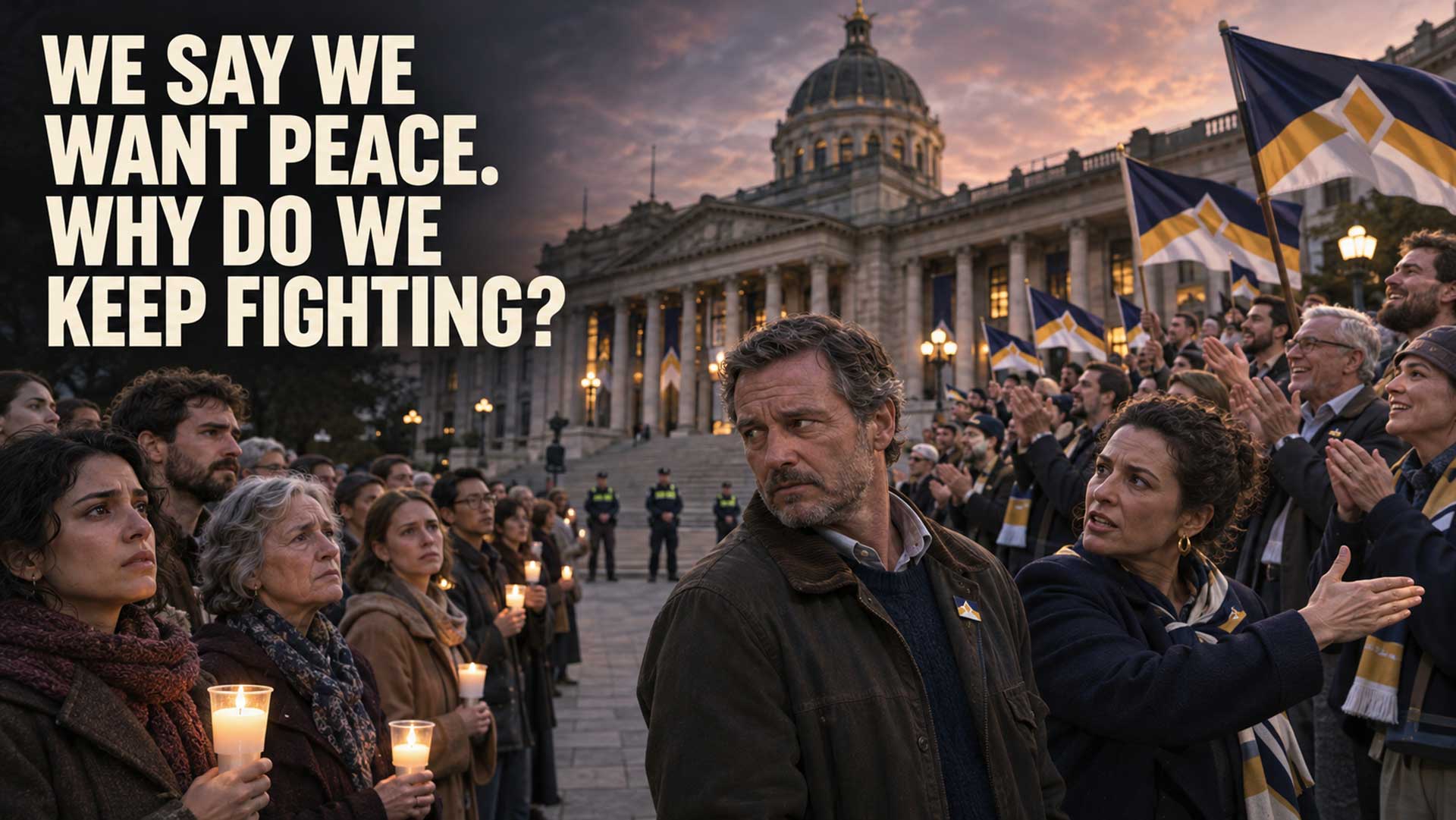
A government prepares for a threat. Across the border, another government reads that preparation as a warning and responds. Each describes its actions as necessary for security. Families listen to the announcements and wonder what tomorrow will bring. Somewhere in that sequence, decisions made by people begin to feel inevitable.
This conversation begins by asking what those decisions reveal about us. Human beings can organize extraordinary acts of care and sustain devastating cruelty. We cooperate, compete, grieve, retaliate, and sometimes reconsider what we thought we knew. What determines which capacities shape our response when fear enters the room?
Frans de Waal brings observations of aggression, cooperation, and relationship repair among other primates. His research invites us to look beyond the confrontation itself and examine what happens between opponents afterward. It gives us a starting point for questions about our own social inheritance, with care about how far comparisons between species can take us. Read de Waal’s research on conflict resolution.
Ervin Staub brings the question into the development of human conduct. His work examines how people learn to help, how groups come to accept harm, and what encourages concern for people outside one’s own community. Desmond Tutu approaches the discussion through Christian faith, human dignity, and the demands of reconciliation. Together, they ask what it takes for care and conviction to affect choices made under pressure.
Mikhail Gorbachev and Kofi Annan carry those questions into international affairs. Gorbachev negotiated with Ronald Reagan to reduce nuclear confrontation through specific commitments and verification. Annan’s mediation experience raises difficult questions about what diplomacy can accomplish when parties and outside governments pursue conflicting aims. Their presence keeps the conversation close to decisions for which leaders bear responsibility. Explore the historical record of the INF agreement.
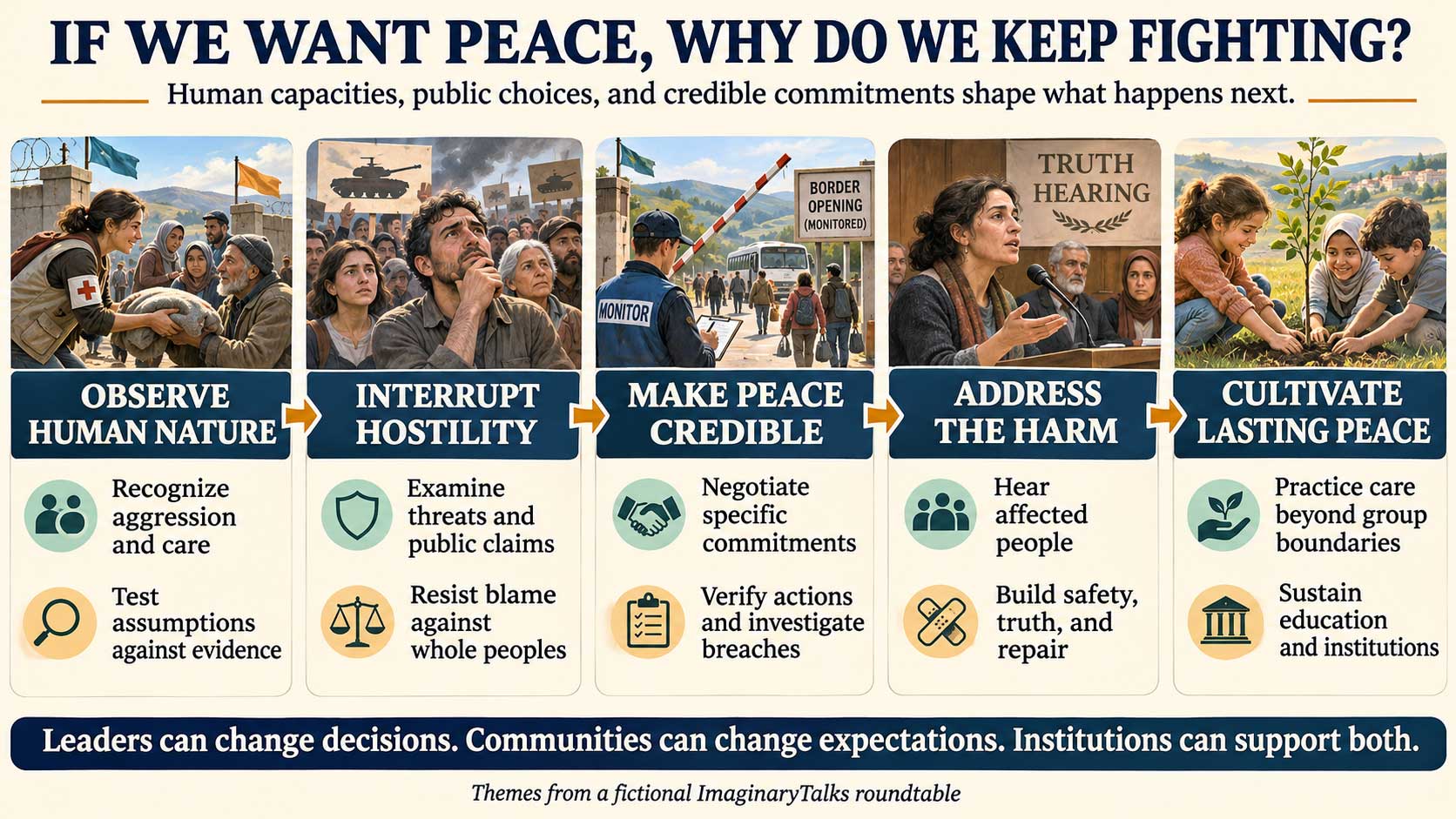
The discussion moves from human nature to the conditions that make violence acceptable, then into the choices that can open a peace process. It asks what security arrangements require, what reconciliation asks of those responsible for harm, and what affected people need from those proposing a settlement. Tutu’s work with the Truth and Reconciliation Commission gives particular weight to the relationship between hearing the truth, addressing injustice, and rebuilding relationships. Read the commission’s account of reconciliation.
I wanted this fictional meeting to give leaders and citizens room to examine an assumption they may have carried for years. What would make us reconsider an enemy? What would make a peaceful commitment credible? And what are we teaching through the decisions we defend today? The guests gather beside Lake Geneva in autumn 2015 to begin with what their experience has taught them about human beings.
Fictional Conversation Disclaimer
This meeting and all dialogue are fictional creations informed by published research, public statements, and historical records. The dialogue is original writing, with authentic quotations requiring separate attribution. The participants’ inclusion implies no actual participation, approval, or endorsement. The fictional setting is autumn 2015, and their discussion draws on material available by that time.
Topic 1: What Have We Misunderstood About Human Nature?
Opening
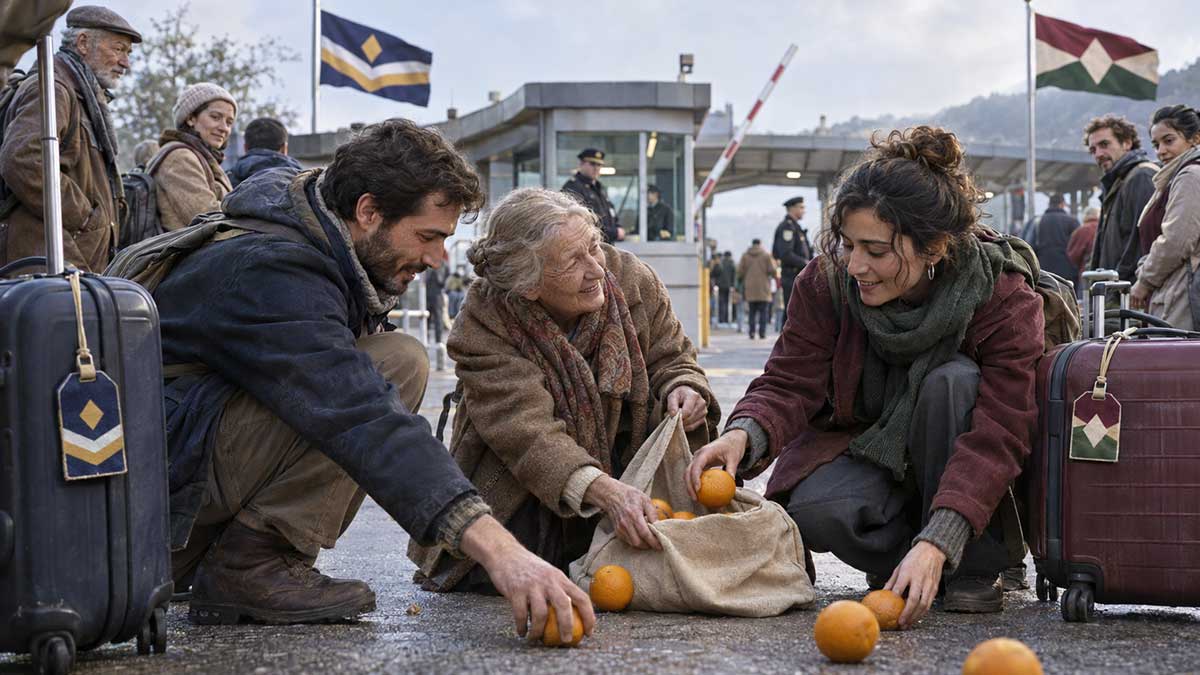
Autumn 2015. A pale band of light lies across Lake Geneva. Inside a modest conference house, coats hang near the door and six chairs surround a wooden table. A boat moves slowly beyond the windows. Someone has brought coffee, tea, and a plate of biscuits.
The meeting and dialogue are fictional, informed by the guests’ documented work and public lives.
Nick places his notebook beside his cup. He has written one question at the top of the page, but he looks around the table before reading it.
Nick Sasaki
We keep saying we want peace. We raise children, build cities, make agreements, and then another generation finds itself preparing for war.
I’d like to begin with what each of you has actually observed. Before we ask how nations can stop fighting, what have we learned about the people making those decisions?
Question 1 | What did your work teach you about human beings that you hadn’t expected?
Frans de Waal
Studying other primates made it difficult to accept an account of human nature built entirely around competition. Aggression was there. So were alliances, care, and attempts to repair relationships after a fight.
Two chimpanzees could have a confrontation and later approach each other, embrace, or make contact. That behavior deserved as much attention as the aggression. If you stopped observing when the fight ended, you missed something consequential about their social lives.
It made me ask whether we give the destructive event so much attention that the processes holding a group together become almost invisible.
Ervin Staub
There’s a related problem in how we study suffering. We know it can contribute to fear, hostility, and withdrawal. Some people who have suffered become deeply concerned with preventing suffering in others.
That possibility matters. We have to ask what experiences contribute to each outcome. Did somebody help them? Have they had opportunities to help? What meaning do they give to what happened?
A history of victimization tells us something important about a person. It leaves open how that person will respond to someone else’s vulnerability.
Desmond Tutu
And we must allow people to surprise us.
In the work of reconciliation, you encounter accounts of conduct that are very difficult to bear. Then you have to face the person responsible. It’s tempting to think that if we could identify a different kind of creature, we’d have explained the cruelty.
For me, the difficulty lies in recognizing a human being. Someone capable of wrongdoing remains responsible for their choices. They remain a person, too. My faith asks me to hold both truths, including when I’d prefer an easier answer.
Mikhail Gorbachev
In international affairs, you inherit a country’s description of its opponent. That description has been repeated in meetings, military assessments, newspapers, and schools. It can feel as solid as geography.
Then you sit across from someone and discuss an actual proposal. You discover which disagreements are real, which terms can change, and which assumptions you’ve carried into the room.
Meeting doesn’t resolve everything. It gives you a chance to learn something that your own account of the other country may have left out.
Kofi Annan
I’ve been struck by how much depends on the conditions under which people are asked to cooperate.
A leader may be able to negotiate a provision and still fear what happens when they bring it home. A mediator has to listen for that. Who would oppose the change? Can the leader carry it out? What would convince people that it protects them?
You learn more by asking those questions than by deciding at the outset that a person is either reasonable or impossible.
Question 2 | When we look at aggression and cooperation together, what can we reasonably conclude about human nature?
Ervin Staub
That we have capacities whose development deserves close attention. People learn through what they do. Participating in helping can develop concern. Participating in harm can make further harm easier to accept.
We should look at the circumstances, the example set by others, and the choices being encouraged. Calling something human nature can end the inquiry just where it ought to begin. Which tendency appeared here? What supported it? Who had an opportunity to respond differently?
Frans de Waal
I agree, with a caution about how much conscious choice we assume at every moment. Emotional responses and social attachments have histories far older than our political institutions.
We find capacities for empathy and cooperation in other species. We find aggression within those same social worlds. That should make us curious about how the capacities interact.
But a chimpanzee’s reconciliation gives us a research question about relationship repair. It cannot supply the terms of an international treaty.
Mikhail Gorbachev
And a government can cooperate very effectively in preparing for war. Cooperation within a nation may help it sustain hostility toward another.
So I would ask what people are cooperating to achieve. Can leaders persuade their population that the other country’s insecurity has consequences for their own? Can they make a practical agreement around that recognition?
You may continue to disagree about political systems. You still have to consider what your actions make the other side expect.
Kofi Annan
That takes us beyond a question about the leader’s character.
Institutions can reward confrontation. Allies can encourage a course that makes compromise harder. A leader can say they want an agreement and receive support for continuing the conflict.
Human beings act within those arrangements, and human beings make decisions about them. We need to examine both. Otherwise, changing the person at the table may leave much of the conflict intact.
Desmond Tutu
I’d like to bring a word into the room that research cannot decide for us. Dignity.
As a Christian, I believe a human being is created in the image of God. That conviction governs how I think we should treat people, including people whose actions we condemn.
Frans can explain something about the roots of caring. Kofi can describe an institution that encourages it. I’m asking what we owe a person when our feelings and our institutions fail them.
Frans de Waal
That’s a fair distinction. Observing empathy tells us about a capacity. Deciding how widely our obligations extend requires further thought. People can feel deeply for those close to them and very little for strangers.
Nick Sasaki
Then a nation’s ability to care for its own people leaves us with another question. What happens when that care meets the lives of people across the border?
Question 3 | What would count as evidence that people can learn to handle conflict more peacefully?
Kofi Annan
Look at what people can do during a disagreement. Can they keep communicating? Can they bring an accusation somewhere it will be examined? Can they hear an unwelcome finding and continue the process?
A successful meeting gives us limited information. I would want to know what happens when somebody believes a commitment has been broken. That’s when we begin to discover what the parties have built.
Ervin Staub
We can look for changes in behavior across situations. Will someone help a person outside their group? Will they question a harmful proposal? What happens when another person supports them?
We can study what people say they believe, too. Those findings need care. People may learn which answer is expected before their conduct changes. A useful evaluation asks several questions and follows people long enough to see what persists.
Frans de Waal
And we need comparisons. If aggression declines, what else changed? The relationships, the conditions, the opportunities to avoid one another?
To say people have learned something is a claim we should examine. An improvement can be real and still depend on conditions that need continued attention. Finding those conditions is part of making the improvement last.
Desmond Tutu
I’d want to hear from the person who was afraid.
Can they speak more freely? Can they seek an answer about what happened to their family? Do they have a place in the future being discussed?
Someone may remain angry and still choose to take part in building that future. We should give that decision its full weight. We should listen when they tell us what makes participation possible, and when they tell us what still stands in their way.
Mikhail Gorbachev
In arms negotiations, you could point to a specific commitment and ask whether it had been carried out. Missiles could be eliminated. Information could be exchanged. Inspections could take place.
Those actions gave each side new evidence. The work involved leaders, negotiators, specialists, and decisions made in sequence. A changed relationship had to acquire a form people could examine.
That also meant taking responsibility for keeping the process alive when disagreements continued.
Closing
The boat has passed out of view. Nick picks up his pen, then pauses before writing.
Nick Sasaki
We’ve spoken about what people can learn. I’m thinking about what happens when they become afraid again.
Ervin Staub
Then we need to look at what they’ve learned to do with fear, and what the people around them encourage.
Mikhail Gorbachev
And whether a leader is willing to question the response that everyone expects.
Beyond the window, leaves move across the terrace. Nick turns to a fresh page.
Nick Sasaki
Let’s begin there. What changes in a country when fear starts to decide which questions people are allowed to ask?
Topic 2: How Do People Come to Accept War?
Opening
A gust carries leaves across the terrace. Nick gets up to close the window. The latch catches, and he presses it once more before returning to his chair.
The light over the lake has flattened. Annan moves his cup to make room for Nick’s notebook.
Nick Sasaki
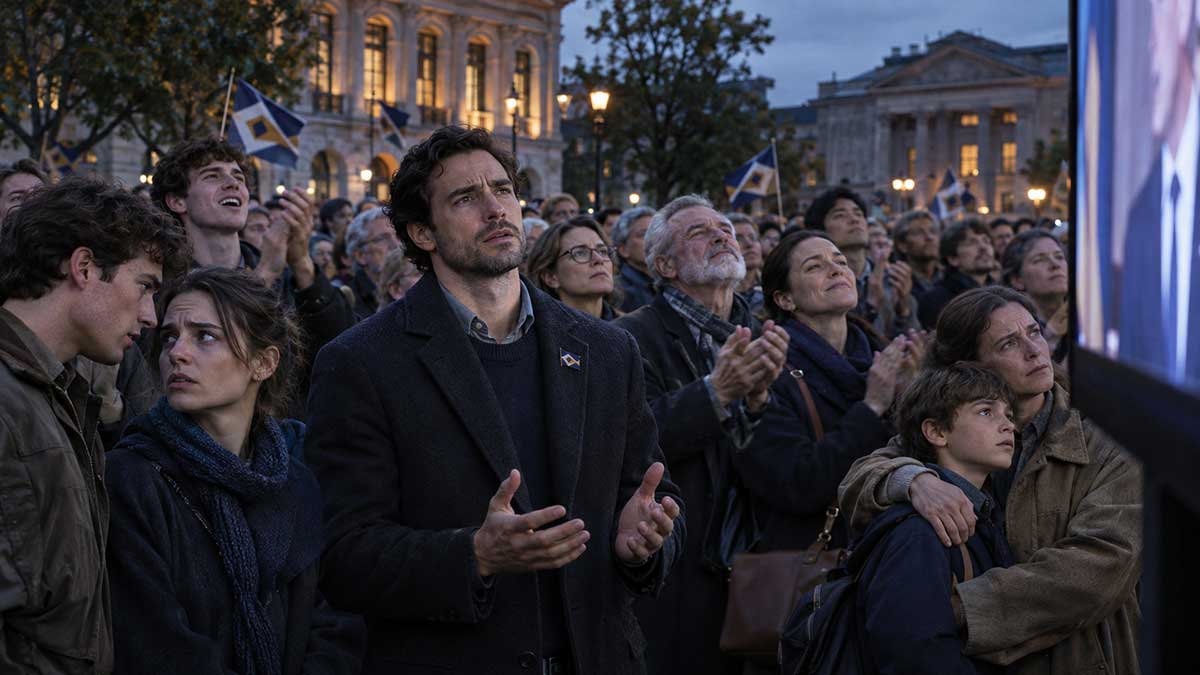
We ended with fear. Suppose a country receives evidence of a serious threat. People want their leaders to act. Some begin preparing for a war they hope will never happen. Others begin speaking as though the war has already become unavoidable.
Where would you look for the change between those two positions?
Question 1 | What can make people accept violence they would once have found unacceptable?
Ervin Staub
I’d look at the explanations people are learning to use. A harmful act can be presented as necessary, then as justified, and eventually as something to be proud of. Each explanation can make the next decision easier.
Participation matters. If you’ve helped carry out a policy, you may become invested in defending it. Other people may congratulate you. Someone raising a concern can start to feel like an accusation against everything you’ve already done.
That process gives us places to intervene before the conduct becomes more destructive.
Desmond Tutu
And listen carefully when someone says, “There was no choice.”
Sometimes people face terrible constraints. We must take those seriously. But ask them to tell you which choices they considered and what happened to the people who proposed another course.
Under apartheid, the language of order could make a family’s suffering sound like an administrative necessity. Go and hear the family. You may find that a tidy explanation requires a great deal of distance from the people living with its consequences.
Kofi Annan
That distance can exist inside a government. Information passes through several hands before it reaches a decision-maker. People select what they believe is relevant. The report becomes shorter. An uncertain assessment acquires a confident heading.
I would ask whether the leadership still receives information that challenges its assumptions. Who can explain the civilian consequences? Who can question the prediction of a quick outcome? A meeting full of agreement can leave important questions unanswered.
Mikhail Gorbachev
A policy can become part of a country’s account of itself. Then reconsidering the policy appears to threaten something larger. A leader may fear that acknowledging an error will dishonor those who have served or suffered.
That is a serious political difficulty. Yet the people who have already suffered cannot be helped by asking another generation to continue a course simply to defend the earlier decision. A leader has to examine what the next decision will achieve.
Frans de Waal
I would ask how the group responds to hesitation. We are sensitive to approval, rejection, and status. Someone may take a cue from a respected person before they have examined the situation themselves.
Those social tendencies can help people cooperate. They can help them move together into harmful conduct. To explain what happened, we need to examine the message, the relationships, and the rewards people receive for accepting it.
Nick Sasaki
So the point at which someone questions the course matters. By then, they may be questioning decisions their friends have made and sacrifices their families have already borne.
Ervin Staub
Yes. Which is one reason to make questioning possible early, and to keep it possible afterward.
Question 2 | How can a nation examine a real threat without turning an entire people into an enemy?
Mikhail Gorbachev
Keep asking what the other government has done, what it can do, and what you believe it intends. Those questions require different kinds of evidence.
Then examine your own proposed response. How will the other side read it? You may intend a defensive measure. They may see preparation for an attack. Their response can appear to confirm the danger you feared.
That possibility does not settle the decision. It gives leaders a reason to communicate and to examine their assumptions before events begin moving faster than their judgment.
Kofi Annan
And identify whom you need to speak with. A country contains institutions, communities, officials, and people with competing views. Treating all of them as a single hostile will can close channels through which an agreement might become possible.
You need accurate information about those who can make and carry out commitments. You need to consider people who will be affected by those commitments. Their interests may differ from those of the person issuing threats.
Ervin Staub
Pay attention to the language used about the population. Does it leave room for individual conduct? Or does membership in the group become sufficient evidence of guilt?
Once people accept that second idea, an ordinary person across the border can become responsible for something they had no role in deciding. Their suffering can be dismissed before anyone asks what happened.
Leaders can resist that development through their own language and through the conduct they permit.
Frans de Waal
There is a difficulty here. Our attachments often begin close to us. A frightened person may respond very strongly to the suffering of their own family and barely notice another family’s fear.
We can observe that partiality without treating it as a complete description of our possibilities. People can learn about others and form new relationships. But a national leader addressing millions cannot assume a personal encounter will do all the work. Institutions and public messages matter.
Desmond Tutu
I would ask a leader to speak about the people across the border with the knowledge that their own children are listening.
What are the children learning to call another human being? What conduct will those words permit when they grow older?
You may have to confront a government. You remain responsible for how you describe the people under it. My faith gives me no exemption from their humanity when relations become difficult. That is precisely when the conviction asks something of me.
Nick unfolds the map at the edge of the table. He looks at it briefly, then leaves it between the cups.
Nick Sasaki
A real threat can call for a response. How can people examine that response if questioning it begins to carry a political cost?
Question 3 | When influential people benefit from continued conflict, what can change the choices available to everyone else?
Kofi Annan
Begin by identifying who can affect the course of events. Who supplies resources? Who offers political protection? Who can influence the parties? Those actors may tell a mediator that they support peace and then encourage decisions that undermine the process.
My experience in Syria made international divisions impossible to overlook. A mediator needs cooperation from those who can influence the conflict. Persuasion inside the negotiating room has limits when important decisions are being supported elsewhere.
Mikhail Gorbachev
Inside a state, examine who can bring alternatives to the leadership. Are officials rewarded for identifying a way to reduce tension? Can military specialists explain the risks of a proposed action without being accused of lacking resolve?
A leader helps create that environment. They can ask for several assessments, meet people with different responsibilities, and require an explanation of costs. They can make clear that identifying a mistake is part of serving the country.
Desmond Tutu
People outside government have responsibilities here. Religious leaders, for example, should examine what they are blessing. We can offer comfort to frightened people and still ask searching questions of those directing them.
And we should listen when people refuse to accept another round of suffering as inevitable. Their voice may be inconvenient. A religious community should have enough courage to hear it before deciding that its duty is to keep everyone comfortable.
Ervin Staub
Collective action can give people choices they struggle to exercise alone. Support can come through professional associations, community organizations, or institutions with a duty to review decisions.
There is risk, and it is distributed unevenly. We should ask who can act with some protection and how they can support those with less. Asking everyone to demonstrate exceptional courage leaves the conditions producing the danger largely untouched.
Frans de Waal
I’d question any explanation that reduces the person benefiting from conflict to a single appetite. What status would they lose if the conflict ended? Who supports them? What relationships could change their calculation?
That inquiry can help us identify incentives. It leaves their responsibility intact. People can be constrained, influenced, and still make consequential choices. The practical task is to discover where a different response becomes possible.
Closing
The room has grown dim. Annan reaches for the lamp beside the negotiating folder. Its light falls across the map.
Nick Sasaki
We began with people accepting something they once questioned. Now I’m thinking about the leader who wants to change course and expects opposition from the people around them.
They may need to persuade their own government before they can persuade an enemy.
Kofi Annan
And their enemy may be having a similar difficulty. Or may have no intention of changing course. You need a process through which you can learn the difference.
Gorbachev draws the folder closer. Nick turns his chair slightly so he can see the first document.
Nick Sasaki
What could that leader do first that would give the other side a reason to take the possibility of peace seriously?
Topic 3: What Helps Enemies Choose a Different Course?
Opening
The lamp illuminates a folder of negotiating documents. Beyond the window, the lake has become a dark surface broken by scattered lights.
Gorbachev opens the folder. Nick leans forward, leaving his notebook beside his cup.
Nick Sasaki
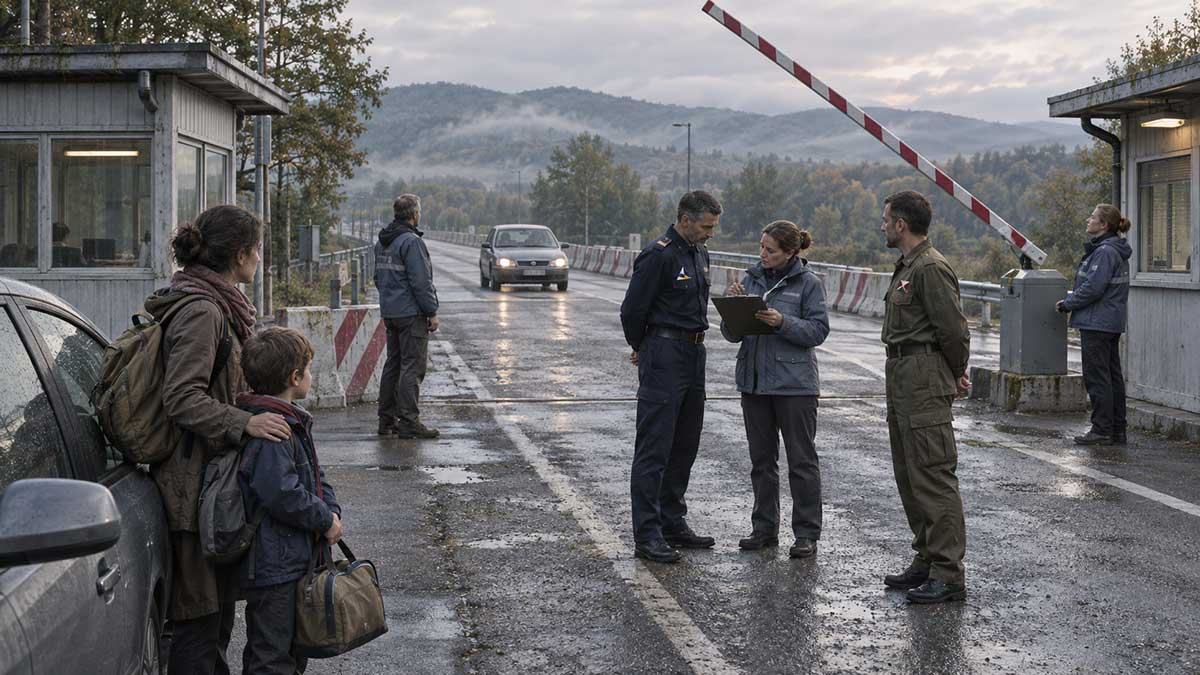
We left a leader considering a different course. Their advisers are divided. People at home are frightened. Across the border, another government may interpret an invitation to talk as weakness or deception.
That leader can say they want peace. What could they do that would give the other side a reason to take the possibility seriously?
Question 1 | What can make the first peaceful step credible to an opponent who expects deception?
Mikhail Gorbachev
Make a proposal the other side can examine. State what you are prepared to do, what you ask in return, and how each side could verify that the commitments are being carried out.
In our arms negotiations with the United States, words eventually had to become decisions about actual weapons and inspections. Specialists had to work through what those decisions required. An opponent could disagree with a proposal and still have something specific to answer.
That gives you a better beginning than asking them to accept your description of your intentions.
Kofi Annan
I would ask whether the channel itself works. Can the people meeting speak to those who make decisions? Can they obtain an answer? Is there somewhere they can raise a difficult question without every sentence becoming a public contest?
A mediator can help establish that space. The parties still have to use it. If someone makes a commitment in the room and the people responsible for carrying it out know nothing about it, you soon have another reason for distrust.
Ervin Staub
People interpret a new action through what they already expect. A suspicious person may dismiss a constructive step as a trick. That makes consistency important.
I’d ask what follows the proposal. Does the leader explain it to their own public in a way that leaves room for cooperation? Do officials behave in accordance with it? An action becomes easier to assess when the surrounding conduct supports the same interpretation.
One gesture can open a question. Further experience helps people answer it.
Desmond Tutu
An acknowledgment may belong at the beginning, too. Someone may be waiting to hear that you know what your actions have done to them.
It takes care to speak that acknowledgment. If every admission is followed immediately by an account of the other person’s wrongdoing, they may wonder whether you have heard them at all.
You can take responsibility for a particular act. The other questions will still be there. Sometimes people need to know whether you can face this one before they will sit with you over the rest.
Frans de Waal
And a first approach leaves the person making it exposed to rejection. That vulnerability is worth examining.
In studying relationship repair, you look at the response as closely as the approach. Is it accepted? Avoided? Rebuffed? The next interaction will be affected by that experience.
Between governments, we need to ask what the proposal actually permits. Does the recipient have a way to respond constructively? Can they request a change? A demand that leaves the other party no acceptable response may tell us very little about their willingness to cooperate.
Nick Sasaki
So we should examine the invitation, the conduct around it, and what happens when the other side answers.
Kofi Annan
Yes. Including whether we are prepared to hear an answer we hadn’t hoped for.
Question 2 | Under what conditions does military restraint improve security, and what safeguards make it possible?
Kofi Annan
Start with what the people responsible for security believe will happen if they exercise restraint. Ask them to be precise. What action do they fear? What information would help them judge whether it is occurring? Who could investigate a complaint?
Then consider the arrangements available. Monitoring, communication, and agreed procedures can make conduct more predictable. Outside guarantees require a further question. What are those offering them actually prepared and able to do?
The parties need an answer they can assess before relying on it.
Mikhail Gorbachev
And they must examine what continuing the present course is costing them. Restraint is often treated as the decision carrying the risk. Maintaining a confrontation has risks of its own. A leader has to put both before the people making the judgment.
The INF agreement created obligations for both countries. Verification mattered. So did the willingness to negotiate reductions that each government could defend to its own institutions and public.
You need to ask what security becomes possible through an agreement that continued competition cannot provide.
Desmond Tutu
I would want somebody in that room to explain what the proposed arrangements mean for civilians.
If a family is afraid to leave its house, which commitment could change that? Who will respond when they report a threat? They may never read the agreement. They will learn about it through what happens on their street.
And if they tell you they remain afraid, listen carefully. They may be pointing to a gap that the people drawing up the safeguards have missed.
Ervin Staub
Public expectations matter here. People may hear about restraint and fear that their leaders have abandoned them. An explanation needs to take that fear seriously and tell them what protection remains, what changes, and how they can judge the result.
They need information when something goes wrong, too. In an atmosphere of distrust, an unexplained incident can become evidence for an entire account of the enemy. Timely, credible investigation gives people another basis for judgment.
Frans de Waal
I’d ask whether the proposal accounts for the behavior the parties say they distrust. If they expect competition, misunderstanding, and occasional violations, what provisions address those possibilities?
That is where a broad statement about human nature becomes insufficient. People can behave aggressively. People can cooperate. We need to examine which arrangements encourage a particular response in this particular relationship.
My research can help generate questions about those interactions. Evaluating a military agreement requires evidence from that setting.
Mikhail Gorbachev
And someone willing to accept responsibility for the decision. An agreement cannot remove every uncertainty. Waiting for that can leave the existing dangers in place indefinitely.
Question 3 | What can leaders and outside governments do to keep negotiations moving when an incident threatens to destroy them?
Nick turns a page in the folder. The paper catches briefly on a bent corner, and he smooths it against the table.
Mikhail Gorbachev
Keep a means of speaking when the political atmosphere becomes hostile. The first reports may be incomplete. Officials may be under pressure to respond before they know what happened.
A leader should be able to seek clarification without being accused of surrendering. Establish those channels before the crisis. Agree on who can use them and who must receive the message.
If communication depends entirely on personal warmth between two leaders, it may fail at the moment when they most need it.
Kofi Annan
Find out who can influence the people involved. Outside governments may have access that a mediator lacks. They need to use it in support of a coherent effort.
In Syria, international divisions made that cooperation painfully difficult. A mediator can keep asking for a political course, yet the parties receive other messages through the support available to them.
When an incident occurs, outside actors should examine whether their own responses are helping clarify what happened or encouraging further escalation.
Desmond Tutu
And attend to the people who have just been harmed. A process loses credibility when they hear, once again, that their suffering must wait for a more convenient moment.
They need an account of what will happen now. Who is investigating? Who is helping those affected? How will responsibility be addressed?
It asks a great deal of someone to keep faith with a process after a loss. The people defending that process have obligations to them.
Ervin Staub
That is important for how the wider community responds. Anger may be joined by a belief that nobody cares and nothing will change. People who urge retaliation can use that belief.
A credible response gives the community something else to observe. Help reaches the people affected. Information is checked. Leaders make clear what conduct they expect from their own supporters.
You cannot dictate what people feel. You can affect what they see others doing and which actions receive public support.
Frans de Waal
I would look at what the parties do with the relationship after the rupture. Do they leave a path through which contact can resume? Can someone acknowledge a failure or propose a remedy?
The existence of conflict tells us that interests have collided. We still need to study the conduct that follows. Who approaches? Who responds? What makes another attempt possible?
Those are questions worth asking repeatedly. The answer may change over the course of a relationship.
Closing
Nick closes the folder but keeps one hand on its cover. A staff member pauses at the doorway to ask whether they would like fresh tea. Tutu lifts his empty cup with a grateful smile.
Nick Sasaki
We’ve talked about giving people reasons to believe an agreement. I keep returning to the person who has suffered and is being asked to give the process another chance.
What can they reasonably ask of the people making that request?
Desmond Tutu
They should have time to answer that themselves. We may find that what they need is something we’ve been reluctant to discuss.
The staff member points toward a sheltered courtyard where the tea is being set out. Nick gathers his notebook as the others rise.
Nick Sasaki
Then let’s give that question some time.
Topic 4: What Must Peace Ask of Us?
Opening
The courtyard is sheltered on three sides. Rain has darkened the paving stones, and a narrow bed of rosemary gives off a faint scent as the guests pass.
Tutu takes his tea with both hands. Annan tests a chair before sitting, then moves it closer to the others. Through the open doorway, the lamp still illuminates the negotiating folder.
Nick Sasaki
We left someone who has suffered being asked to give a peace process another chance.
They may hear words like reconciliation and forgiveness from people who can go home safely afterward. What can they reasonably ask of those people? And what must the person responsible for their suffering be prepared to face?
Question 1 | How can we recognize an opponent’s humanity and still hold them responsible for what they have done?
Desmond Tutu
We begin by taking their conduct seriously. A person can make choices, answer questions, acknowledge wrongdoing, and undertake repair. Accountability recognizes that moral agency.
My Christian conviction is that they remain a person created in God’s image. That gives me an obligation in how I treat them. It gives them no permission to escape what they have done.
There is a temptation to make someone a monster and feel that we have explained them. Then we may fail to ask how an ordinary person became capable of such conduct, or how the people around them helped it continue.
Ervin Staub
And that inquiry can tell us where prevention was possible. What did others encourage? What happened after the first harmful act? How did the person explain the next one?
We can examine those influences and still identify decisions. An explanation becomes more useful when it helps us see who could have acted differently and under what conditions.
If we simply place the person outside humanity, we may overlook similar processes developing around us. We become confident that we would recognize evil immediately.
Kofi Annan
In diplomacy, recognizing someone as a person you must deal with can be necessary to stop further harm. The encounter needs a clear purpose.
You should know what commitments you are seeking, who can carry them out, and how responsibility will be addressed. An agreement loses credibility if the people affected believe their suffering has disappeared from the discussion.
A mediator has to hear that concern and explain honestly what the process can accomplish.
Mikhail Gorbachev
A leader must be prepared to apply scrutiny to their own decisions. It is easy to speak about the mistakes made across the table. More difficult to hear what your decisions meant to the people living under them.
You may disagree with their account. You still have to hear it in enough detail to answer it.
And the answer cannot be only that your intention was good. People are entitled to ask what you knew, what you chose, and what you did when the consequences became clear.
Frans de Waal
There is a question about our own reactions here. Once we have decided a person is entirely beyond concern, what treatment of them becomes acceptable to us?
Our response to wrongdoing belongs within the inquiry into human behavior. We should examine the satisfaction people can take in punishment, the influence of a cheering group, and the treatment they would defend in a quieter moment.
Responsibility applies to what we choose to do next, too.
Question 2 | What must change for people who have suffered to experience reconciliation as something meaningful?
Desmond Tutu
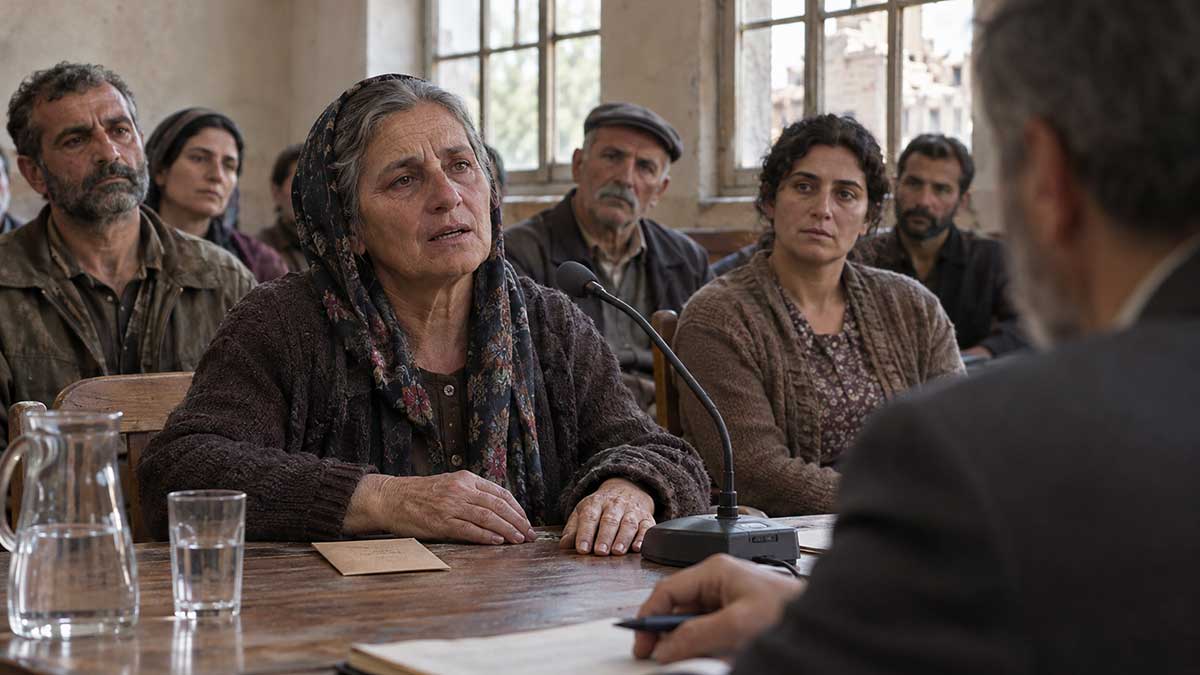
They must have a place in determining what it means. A person may want an answer about a relative. Another may want public acknowledgment. Someone may need a home, or a way to earn a living, or confidence that their child can grow up safely.
Listen long enough to hear the particular request. We can become very fluent in the language of reconciliation and still be poor listeners.
And permit people to have their own pace. Grief does not organize itself around the date chosen for a ceremony.
Kofi Annan
The conditions of daily life matter. Can the person seek help without approaching someone they fear? Can they participate in decisions? Is there a process for pursuing an unresolved claim?
Those questions require responsibilities, resources, and follow-through. If the people who negotiated a settlement leave before those arrangements function, the public may be left with expectations and little recourse.
We should ask who will remain available when the difficult cases begin arriving.
Ervin Staub
Safety matters for how people interpret an encounter. If I still expect you to harm me, I may have very little room to consider what you say about reconciliation.
People need experiences that give them reasons to reconsider that expectation. Being heard can matter. So can receiving assistance, seeing a commitment kept, or finding that someone from another group is willing to help.
We should study those experiences carefully. Different people may respond differently, and the effect may take time.
Mikhail Gorbachev
There is a similar issue between states. A declaration of changed intentions needs decisions people can observe. What happens at the border? What information is exchanged? Which commitments are fulfilled?
And each government has to explain the changes to its public. If a leader celebrates an agreement abroad and permits every message at home to describe the other people as permanent enemies, the relationship remains vulnerable.
The public needs an honest account of what has changed and what remains unresolved.
Frans de Waal
I would be careful about deciding too quickly that a relationship has been repaired. Resumed contact is something we can observe. What people expect from the next encounter may take longer to establish.
They may cooperate on one task and remain deeply suspicious elsewhere. That tells us where the relationship stands. It gives us a more accurate starting point for the next step than declaring that everyone has reconciled.
Nick turns his cup slowly on its saucer.
Nick Sasaki
What if the person says, “I want the violence to end. I am willing to live beside you. I cannot forgive you”?
Desmond Tutu
We must hear them. I can speak about why forgiveness matters to me. I cannot reach into another person’s suffering and announce that the work is finished.
The rest of us still have duties. Protection, truth, and repair cannot wait for the injured person to find the words we hope to hear.
Question 3 | What can faith, moral conviction, or empathy contribute when grief and anger make peaceful choices difficult?
Desmond Tutu
Faith gives me a conviction to return to when my feelings offer little help. The person before me has a dignity I did not grant and cannot withdraw.
There are days when that conviction asks a great deal. I may be angry. I may want someone to suffer. Prayer, the presence of others, and the discipline of listening can help me examine what I am about to do.
A belief becomes consequential in the conduct it asks of us, especially when that conduct is difficult.
Frans de Waal
I approach the foundations differently. My work examines capacities for caring, attachment, and empathy that have an evolutionary history.
Yet empathy can be selective. We respond readily to someone close to us and may overlook a stranger. Feeling another person’s distress gives us an opening. Extending concern more widely takes further experience and reflection.
I would want to know what a community does to bring unfamiliar people within its concern, including those it has learned to fear.
Ervin Staub
One possibility is through helping itself. People can develop concern through participation, particularly when they have support and opportunities to see the effect of what they do.
There are people whose suffering contributes to a determination to help others. That outcome deserves attention, with care about the conditions that support it. Suffering can have many consequences.
We should never prescribe suffering as a route to goodness. We can ask how to support people who want their experience to contribute to preventing harm.
Mikhail Gorbachev
For a leader, moral conviction must reach the decision. It can change which questions are asked of advisers, what risks receive attention, and how the future is considered.
Suppose you insist that the lives of people across the border belong in the assessment. That instruction has consequences. Someone has to examine what your proposal would mean for them.
You remain responsible for your own population. You may discover that taking the other population seriously changes what you believe will protect yours.
Kofi Annan
And conviction needs organizations capable of acting on it. People can agree that human dignity matters and still leave a frightened family without anyone to answer their call.
Who has the mandate? Who has the resources? Who will act if an official obstructs the work?
Moral language should lead us toward those questions. It gives the work a purpose. People then need the means and the commitment to carry it through.
Closing
A light comes on above the courtyard door. Tutu places his empty cup on the tray. For a moment, the only sound is a chair shifting against the paving stones.
Nick Sasaki
We have asked a great deal of people after they have been harmed. I want to ask what we could be doing much earlier.
What do children learn from watching adults speak about an enemy? What do officials learn from the decisions that receive approval?
Ervin Staub
They learn through participation, too. The opportunities we give them to help, question, or exclude become part of their experience.
Annan rises and holds the door as the others gather their cups. Inside, Nick places his notebook beside the negotiating folder.
Nick Sasaki
Then let’s look at what a society practices before its next crisis arrives.
Topic 5: What Are We Teaching the Next Generation to Become?
Opening
The lake has disappeared beyond the reflections in the windows. Inside, the negotiating folder lies beside Nick’s notebook. The tea tray has been taken away.
Gorbachev adjusts his chair. Staub turns a page back, looking for something he wrote earlier. At the far end of the room, a clock marks the hour.
Nick Sasaki
We’ve spent the afternoon asking what people can change when they’re already afraid or have already been harmed.
I’d like to finish by going earlier. Before a child has learned whom to distrust. Before an official enters a meeting where everyone expects agreement. Before the next crisis gives a country a reason to reach for familiar answers.
What experiences should we be giving people then?
Question 1 | What experiences help children and adults care about people beyond their own group?
Ervin Staub
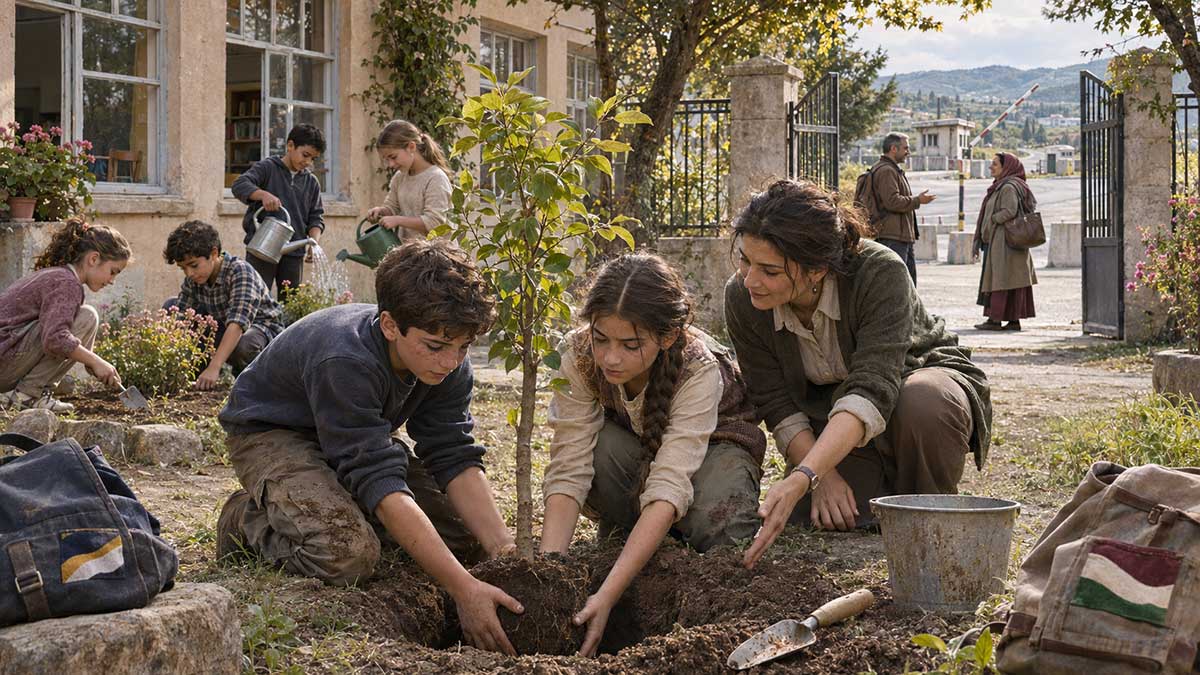
Give them opportunities to help, with enough guidance to notice what another person needs. A child can learn something through taking responsibility for a task that benefits someone else.
Then examine how the adults around that child speak about people. Is concern encouraged across group boundaries? What happens when a child repeats a hostile remark? Does an adult ask where it came from and help the child examine it?
The example and the experience need to support each other. Children pay close attention to what adults actually permit.
Frans de Waal
And give people time together in circumstances where they can learn something particular about one another. A category tells you very little about the person who has to complete a task beside you.
That does not mean any encounter will improve relations. An unequal or humiliating experience can reinforce hostility. I’d ask what people can do together, how they are treated, and whether they have opportunities to respond to each other as individuals.
A program should be judged through those experiences and their effects.
Desmond Tutu
In a religious community, I would listen to whom we mention in our prayers and how we speak about them afterward.
A child may hear that every person is precious to God, then hear adults laugh at the suffering of people they dislike. The child has received two lessons. We should be honest about which one our conduct makes easier to believe.
And let children ask us awkward questions. They may notice an inconsistency we’ve become very skilled at stepping around.
Kofi Annan
Adults need that permission, too. Institutions often speak of learning, yet people can discover that asking the wrong question damages their prospects.
Can an employee bring forward information that complicates a favored policy? Can someone with direct experience of a community correct the assumptions made about it?
Those practices affect the quality of decisions. Education continues in the workplace through what people are asked to notice and what happens when they report it.
Mikhail Gorbachev
A country learns from its public leadership. People hear whom their leaders praise, which experiences they acknowledge, and what account they give of an opponent.
A leader can explain a disagreement accurately and leave room for future cooperation. They can admit that another population has interests its government must answer to.
That takes care, especially when relations are difficult. But every public statement contributes to the situation in which the next decision will be made.
Nick Sasaki
And if those lessons take years to develop, we have to keep supporting them through the periods when people lose patience.
Question 2 | What should governments and international institutions put in place so peaceful commitments can survive fear, violations, and changes in leadership?
Kofi Annan
They need clear responsibilities and a means of examining what happens. Who receives a complaint? Who can investigate? Who has agreed to respond to the findings?
Resources matter. A body can be given an impressive responsibility and too little support to carry it out. The public then encounters the gap through delay or failure.
I would ask for regular review with the people affected. An arrangement that looked adequate at signing may need adjustment as circumstances change.
Mikhail Gorbachev
Agreements must become part of how institutions work. Negotiators, military officials, technical specialists, and political leaders need to know their responsibilities.
When leadership changes, the people responsible for an agreement should be able to explain what it achieves, how it is verified, and what would be risked by abandoning it.
Personal relations can help a difficult negotiation begin. The commitments need a life beyond the people who first negotiated them. That requires continuing attention, including during years when the agreement receives little public notice.
Ervin Staub
I’d ask what people learn when a violation occurs. Do they see facts being examined and responsibilities identified? Or do they see an entire population blamed before anyone has established what happened?
Institutions teach through their responses. A fair investigation can give people a reason to wait for information. A selective response can teach them that only their own group will protect them.
We should examine those effects alongside the formal procedures.
Desmond Tutu
And the institutions must be able to hear unwelcome testimony. A person may come with an account that embarrasses the people responsible for protecting them.
Will they be heard fully? Will someone tell them what happens next? Will they be treated with dignity if their claim is disputed?
The quality of peace becomes visible in such encounters. A person should be able to ask for help without having to flatter the institution they are asking.
Frans de Waal
I would look at how the arrangements handle disagreement as an ordinary part of social life. If every dispute is treated as evidence that cooperation has failed, people may abandon something that was helping them.
There should be ways to raise a problem, seek a remedy, and continue interacting. We can ask whether those ways are being used and whether people find them credible.
Their existence on paper gives us a starting point. Their use tells us more.
Nick looks around the table. The room has grown quieter as the guests finish speaking.
Question 3 | What would you ask a leader to change today so the next generation inherits fewer reasons to fear its neighbors?
Mikhail Gorbachev
I would ask them to examine a decision with their advisers from the other side’s position. What will that government think is happening? What response will it consider necessary? How might that response affect your own security?
Then ask whether communication or a specific reciprocal commitment could alter the sequence.
The leader must still judge the proposal. At least they will have examined more than their own intention before deciding what to do.
Kofi Annan
I would ask them to support a serious channel through which an agreement could be explored. Give the people doing that work authority to ask questions and obtain answers.
And examine the messages your allies receive from you. If you encourage a settlement publicly, your private conduct should help make it possible.
You can judge the effort by whether it clarifies the obstacles, produces commitments, and improves the lives of people exposed to violence.
Frans de Waal
I would ask for greater care in claims about what people are naturally like.
When someone says a population will always be hostile, ask what evidence could change that judgment. When someone predicts harmony after a single gesture, ask how they reached that conclusion.
Our species has a complicated social inheritance. A leader should be curious enough to keep observing and modest enough to correct a claim that experience fails to support.
Ervin Staub
I would ask the leader to examine what their own supporters are being encouraged to do. Which conduct receives approval? Who is being described as deserving concern? What happens to someone who resists mistreatment?
Then choose a practice that can change those experiences. It might involve education, public service, or how officials respond to threatened people.
Follow it over time. Ask the people participating what they are learning, and examine whether their behavior changes.
Desmond Tutu
I would ask the leader to listen to someone whose suffering they have found easy to explain away. Give that person time. Let them finish before preparing the reply.
Then ask what responsibility follows from what you have heard.
You may leave with questions. You may disagree about much. But you have allowed a human voice to reach a place where a category once stood. The next decision is yours, and you must answer for it.
Closing
Nick sets his pen down. Across the room, someone begins collecting the spare cups from a side table.
Nick Sasaki
Thank you. At the beginning, I asked what experience had made each of you reconsider something about human beings. You’ve given us several places where that reconsideration could begin.
I’m thinking about the person who goes back to a government office tomorrow, or a classroom, or a religious community. They’ll return to people who may expect them to say exactly what they said yesterday.
Ervin Staub
They can begin by asking a question they hadn’t asked before.
Kofi Annan
And be prepared to act on the answer.
Tutu reaches for his coat, then stops to thank the staff member clearing the table. De Waal and Staub continue talking as they move toward the door. Gorbachev closes the negotiating folder and places it beside Nick’s notebook.
Nick Sasaki
I’m grateful you all stayed with the questions.
Desmond Tutu
You kept the tea coming. That helped.
Annan laughs as he rises. Nick opens the door, and the conversation carries into the hallway.
Final Thoughts
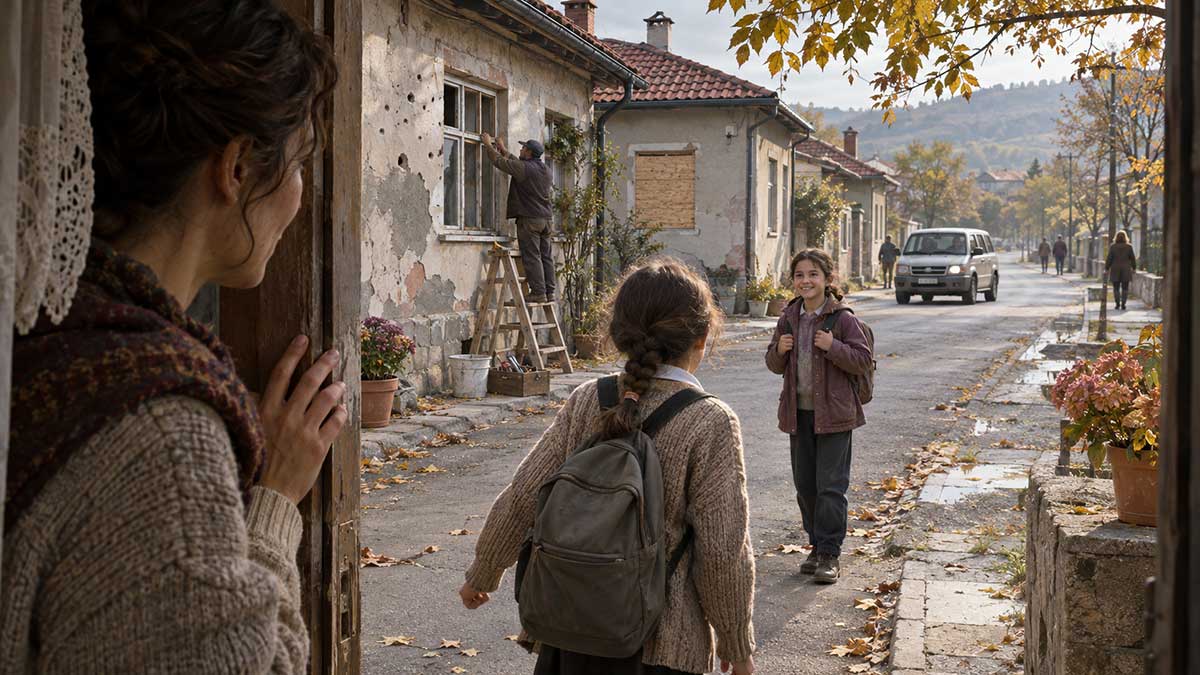
The question I carried away concerns the moment a person becomes willing to reconsider. It may happen in a laboratory, a negotiating room, a public hearing, or an ordinary meeting where an unwelcome fact finally receives attention. Something interrupts the account people have been giving themselves, and they must decide what to do with it.
De Waal asks us to observe more of the relationship. Aggression is visible and frightening. Cooperation, dependence, and attempts at repair deserve sustained attention, too. His contribution leaves us with a responsibility to examine evidence carefully before announcing what human beings will always do.
Staub then asks what people learn through participation. Helping, excluding, questioning, and looking away become experiences from which people draw expectations about themselves and others. His work makes cultivation a practical subject. What opportunities do we give people to care, and what conduct do the people around them reward? Read Staub’s work on the development of caring and moral courage.
Tutu brings us back to the person whose suffering a public explanation can make easy to overlook. The person may want truth, safety, repair, political change, or an answer about someone missing. Their needs test the meaning of reconciliation. The Truth and Reconciliation Commission’s report places social justice alongside the rebuilding of relationships, keeping the material conditions of people’s lives within that work. Read the commission’s findings on truth and reconciliation.
Gorbachev and Annan bring another kind of discipline to the table. A proposal needs people who can answer for it. A commitment needs arrangements through which it can be judged. A mediation effort needs cooperation from those able to affect events. The UN’s guidance on effective mediation connects those responsibilities with preparation, consent, participation, coordination, and agreements that can be carried out. Read the UN Guidance for Effective Mediation.
For me, the conversation makes the work of peace more demanding and more tangible. A leader can ask which facts their advisers are reluctant to bring them. A school can examine how children learn to describe unfamiliar people. A religious community can ask whether its conduct reflects the dignity it teaches. An international institution can examine whether the people relying on its commitments have a functioning way to seek help. Each choice contributes to what people come to expect.
What have you learned to assume about people on the other side of a conflict? What evidence could make you reconsider that assumption? If you were responsible for a nation’s security, what peaceful step would you be prepared to explore, and what would make it credible? What would you change now so the next generation has fewer reasons to fear its neighbors?
Fictional Conversation Disclaimer
The meeting and dialogue in this article are fictional. Historical references and research findings draw on the linked sources, and the dialogue itself is original writing. Statements assigned to the guests represent a creative interpretation of their published perspectives and imply no participation or endorsement. Their experiences offer questions and possibilities for examining peace, with the circumstances and responsibilities of each conflict requiring their own assessment.
Short Bios:
Frans de Waal
Frans de Waal was a primatologist and behavioral researcher whose work examined cooperation, empathy, aggression, and reconciliation. His books include Peacemaking Among Primates, Good Natured, and The Age of Empathy. His research helped bring relationship repair into the study of social behavior. Read Emory University’s account of his life and research.
Ervin Staub
Ervin Staub is a professor emeritus of psychology at the University of Massachusetts Amherst. His research examines helping behavior, group violence, moral courage, and the development of care beyond group boundaries. His applied work includes projects supporting reconciliation after violence in Rwanda. Read his university profile.
Desmond Tutu
Desmond Tutu was an Anglican archbishop, anti-apartheid leader, and recipient of the 1984 Nobel Peace Prize. He chaired South Africa’s Truth and Reconciliation Commission. Christian faith, human dignity, justice, and forgiveness were central to his public work. Read his biography at the Desmond and Leah Tutu Legacy Foundation.
Mikhail Gorbachev
Mikhail Gorbachev was the Soviet Union’s final leader and the recipient of the 1990 Nobel Peace Prize. His negotiations with Ronald Reagan contributed to the 1987 INF Treaty, which required the elimination of an entire category of US and Soviet nuclear missiles. Read his Nobel lecture.
Kofi Annan
Kofi Annan served as United Nations Secretary-General from 1997 to 2006. His subsequent mediation work included leading the African Union panel involved in resolving Kenya’s 2008 electoral crisis. He later served as the joint UN–Arab League envoy for Syria. Read the UN account of the Kenya mediation.
Nick Sasaki
Nick Sasaki is the creator and moderator of ImaginaryTalks. His fictional conversations bring historical and contemporary perspectives together to explore human experience, moral choices, and possibilities for a more peaceful future. Visit ImaginaryTalks.
Leave a Reply