
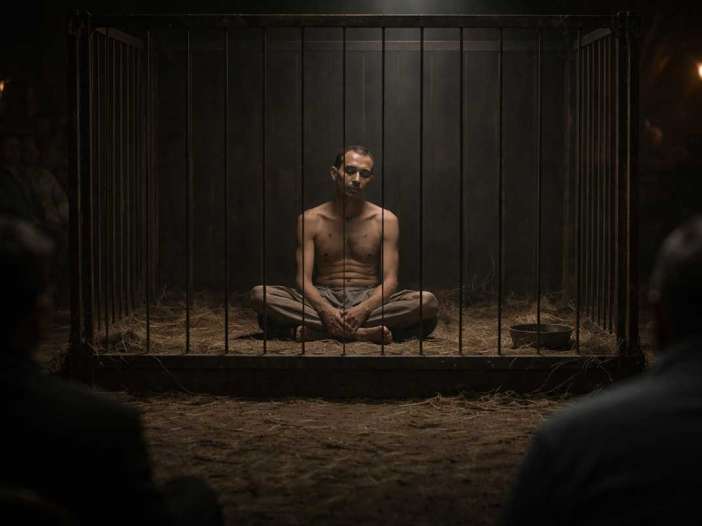
What if Kafka wrote A Hunger Artist as a prophecy of creators who would starve quietly while louder lives thrived?Introduction by Franz KafkaI did not write A Hunger Artist to praise suffering, nor to condemn the world that watches it.I wrote it because there are people who live by an inner necessity that does not translate. Their devotion is not chosen for … [Read more...] about A Hunger Artist Explained: When Devotion Loses Its Witness
History & Philosophy
Top 20th Century Philosophers Confront Today’s Crises

What if the most influential minds of the 20th century—who warned us decades ago—were finally allowed to speak to our moment?Introduction by Nick SasakiI didn’t create this series to explain philosophy.I created it because something felt off—not just politically, not just culturally, but existentially. Conversations everywhere felt louder, faster, more certain, … [Read more...] about Top 20th Century Philosophers Confront Today’s Crises
Bartleby the Scrivener Explained: Why Refusal Still Haunts Us
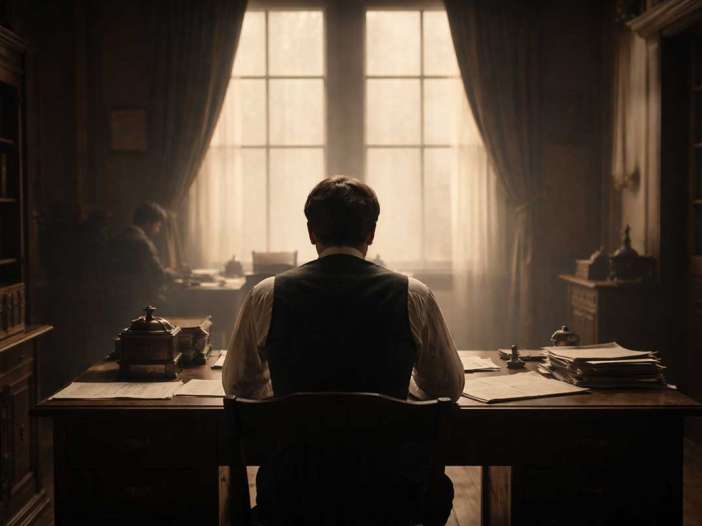
What if Herman Melville sat with us and asked why refusal terrifies modern life? Introduction by Herman MelvilleI did not write Bartleby, the Scrivener to explain a man.I wrote it to place him where explanation fails.Bartleby enters an orderly world—one governed by reason, industry, and polite authority—and does nothing violent to it. He raises no fist, pens … [Read more...] about Bartleby the Scrivener Explained: Why Refusal Still Haunts Us
The Death of Ivan Ilyich Explained — Leo Tolstoy

What if Leo Tolstoy asked you whether your life was already over? Introduction by Leo TolstoyWhen I wrote The Death of Ivan Ilyich, I did not intend to write about death.Death is not the subject of this story. Death is merely the moment when a question can no longer be postponed.Ivan Ilyich lived as many live—according to what was considered proper, … [Read more...] about The Death of Ivan Ilyich Explained — Leo Tolstoy
The Overcoat by Nikolai Gogol Explained
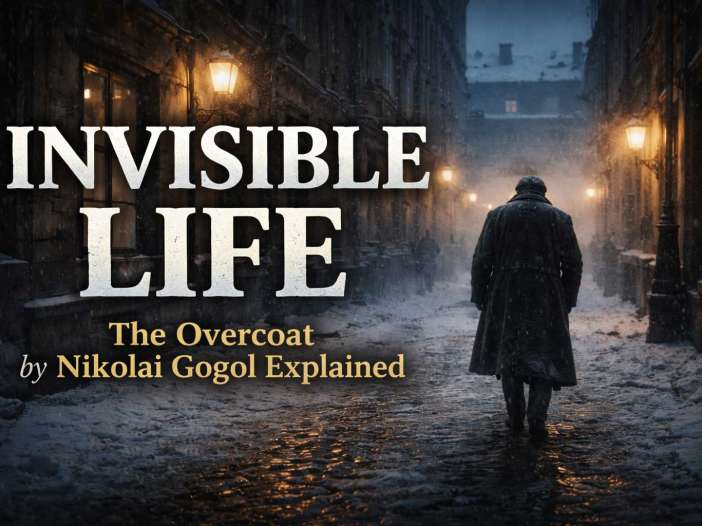
What if Nikolai Gogol believed society only sees you once you suffer?Introduction by Nikolai GogolYou may think this story is about a coat.That is the first mistake.I did not write The Overcoat to complain about poverty, nor to accuse clerks, nor even to expose bureaucracy—though all of those stand plainly before you. I wrote it because I saw something quieter … [Read more...] about The Overcoat by Nikolai Gogol Explained
The Garden of Forking Paths Explained — Borges & Infinite Time
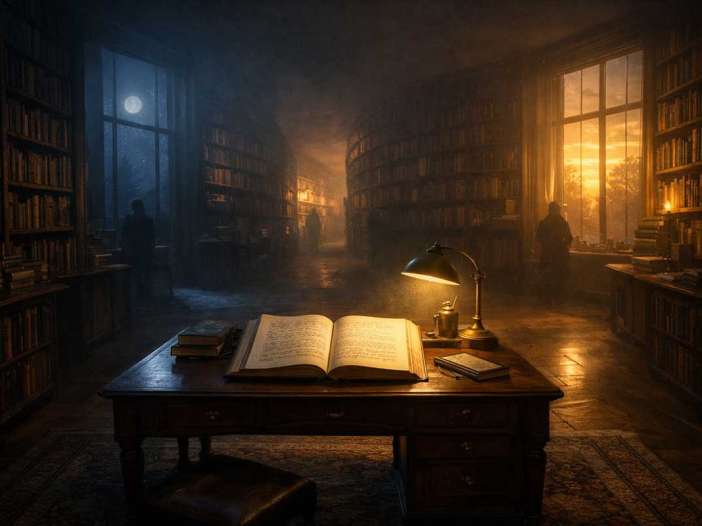
What if Jorge Luis Borges wrote this story to prove that every choice never truly ends?Introduction by Jorge Luis BorgesThe Garden of Forking Paths was born from a suspicion rather than an idea.I suspected that time, as we commonly understand it, is a convenience—an arrangement made so that human beings may endure memory, regret, and hope without collapsing under … [Read more...] about The Garden of Forking Paths Explained — Borges & Infinite Time
A Good Man Is Hard to Find by Flannery O’Connor Explained
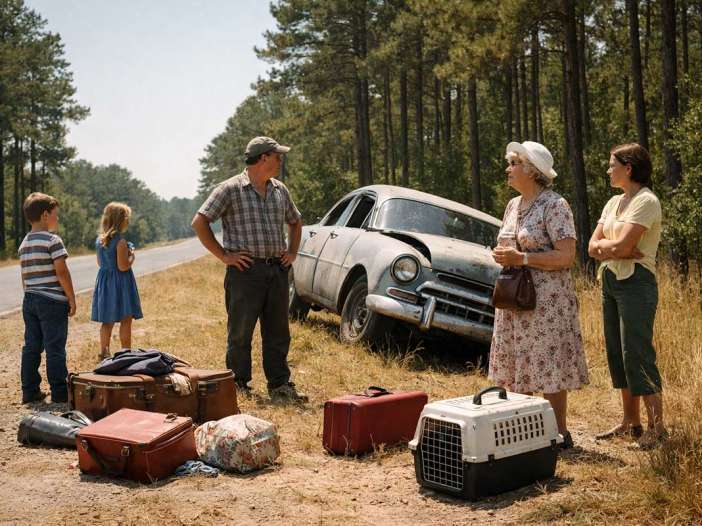
What if Flannery O’Connor wrote this story to expose how “good people” avoid seeing themselves? Introduction by Flannery O’ConnorA Good Man Is Hard to Find has been described as violent, grotesque, and cruel. Those descriptions are accurate, but they are not the point.I did not write this story to shock readers into despair, nor to entertain them with brutality. … [Read more...] about A Good Man Is Hard to Find by Flannery O’Connor Explained
The Lottery by Shirley Jackson Explained

What if Shirley Jackson explained why no one stops the lottery?Introduction by Shirley JacksonPeople often remember The Lottery for its ending.They talk about stones, shock, outrage—as though the story were a trick I played on them, something meant to startle and then release. But the ending was never the point. It was simply the moment when readers finally … [Read more...] about The Lottery by Shirley Jackson Explained
Kafka’s The Metamorphosis Explained with Scholars
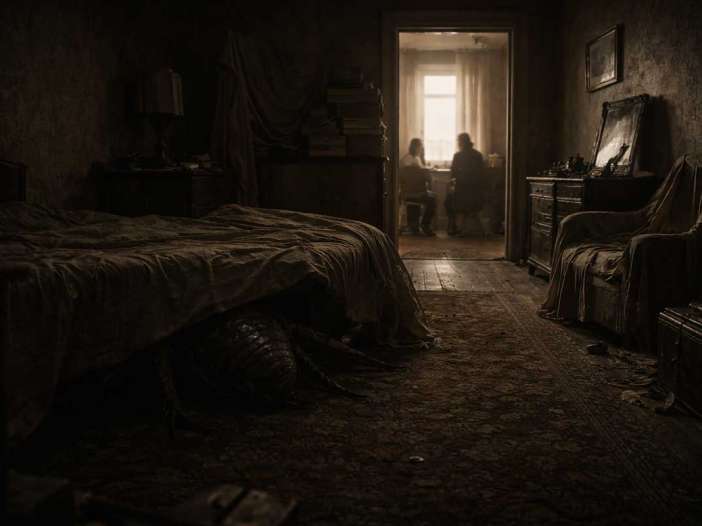
What if Franz Kafka had to face today’s leading Kafka scholars?The Metamorphosis by Franz Kafka explained is often approached as a strange allegory—a man wakes up as an insect, and meaning must be decoded. But Kafka’s power doesn’t come from symbolism. It comes from recognition.In this ImaginaryTalks series, I bring Franz Kafka into conversation with leading … [Read more...] about Kafka’s The Metamorphosis Explained with Scholars
The Dead by James Joyce Explained — Imaginary Dialogue
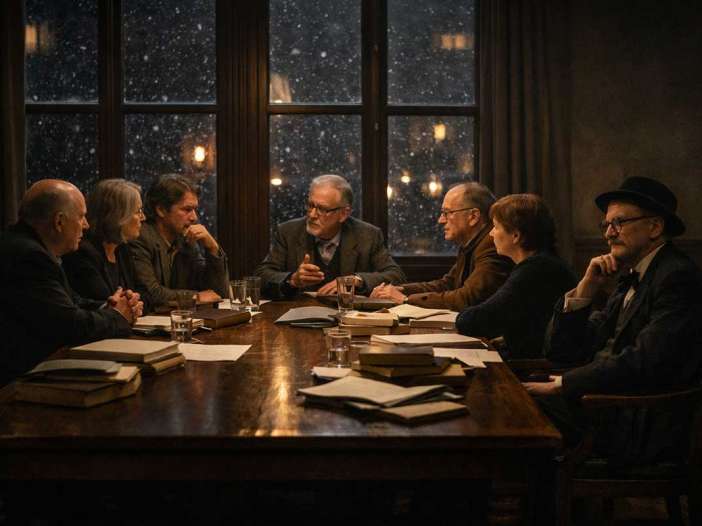
What if James Joyce had to answer critics of The Dead—in person? Introduction by Nick Sasaki The Dead by James Joyce explained is usually treated as a conclusion—a masterpiece of quiet restraint, a beautiful ending, a snowfall that settles everything into place. It’s often described as gentle, compassionate, even consoling.But when I return to The Dead, … [Read more...] about The Dead by James Joyce Explained — Imaginary Dialogue