• Skip to main content
  • Skip to primary sidebar
  • Skip to footer
ImaginaryTalks.com
  • Spirituality and Esoterica
    • Afterlife Reflections
    • Ancient Civilizations
    • Angels
    • Astrology
    • Bible
    • Buddhism
    • Christianity
    • DP
    • Esoteric
    • Extraterrestrial
    • Fairies
    • God
    • Karma
    • Meditation
    • Metaphysics
    • Past Life Regression
    • Spirituality
    • The Law of Attraction
  • Personal Growth
    • Best Friend
    • Empathy
    • Forgiveness
    • Gratitude
    • Happiness
    • Healing
    • Health
    • Joy
    • Kindness
    • Love
    • Manifestation
    • Mindfulness
    • Self-Help
    • Sleep
  • Business and Global Issues
    • Business
    • Crypto
    • Digital Marketing
    • Economics
    • Financial
    • Investment
    • Wealth
    • Copywriting
    • Climate Change
    • Security
    • Technology
    • War
    • World Peace
  • Culture, Science, and A.I.
    • A.I.
    • Anime
    • Art
    • History & Philosophy
    • Humor
    • Imagination
    • Innovation
    • Literature
    • Lifestyle and Culture
    • Music
    • Science
    • Sports
    • Travel

Psychology

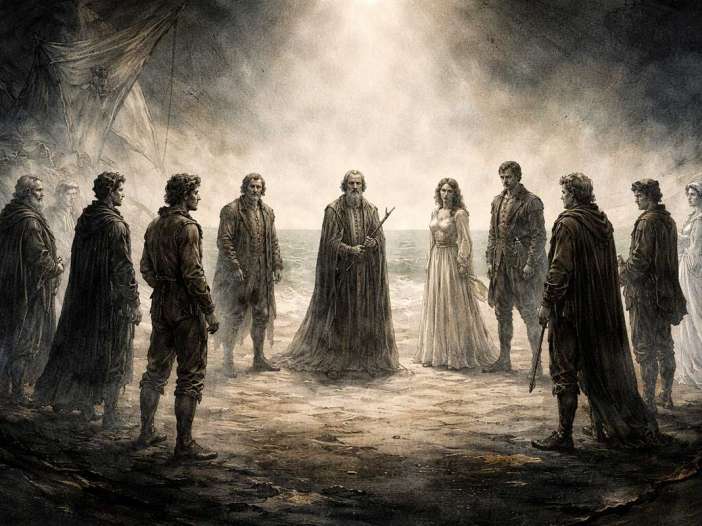
The Tempest analysis in the Afterlife Tribunal

January 5, 2026 by Nick Sasaki Leave a Comment

What if Prospero had to defend his mercy after death—without magic?Main Introduction by Shakespeare I wrote of storms once as a stage-trick—thunder borrowed, lightning feigned, a ship split apart in sound and terror. Yet what haunted me was never the tempest itself, but what men become when the ground is taken from beneath them. Strip away office and title, strip … [Read more...] about The Tempest analysis in the Afterlife Tribunal

Filed Under: Afterlife Reflections, Literature, Psychology Tagged With: afterlife, Ariel, betrayal, Caliban, forgiveness, freedom, moral accountability, Power, Prospero, redemption, Shakespeare, The Tempest

Thinking Fast and Slow Summary: Daniel Kahneman System 1 & 2

January 5, 2026 by Nick Sasaki Leave a Comment

thinking-fast-and-slow-summary

What if Daniel Kahneman sat with you and pinpointed the exact moment your mind lies?Introduction by Nick SasakiThinking Fast and Slow summary: Most of us walk through life believing we’re the author of our decisions. We say “I decided,” “I knew,” “I chose,” as if a single, steady self is sitting behind our eyes, calmly steering the ship. But Daniel Kahneman’s … [Read more...] about Thinking Fast and Slow Summary: Daniel Kahneman System 1 & 2

Filed Under: Mindset, Personal Development, Psychology Tagged With: base rates, behavioral economics, choice architecture, cognitive biases, critical thinking, decision making, forecasting, heuristics, loss aversion, mindset, overconfidence, planning fallacy, productivity, prospect theory, psychology, rationality, risk perception, System 1, System 2, uncertainty

The Psychology Behind A Midsummer Night’s Dream

January 5, 2026 by Nick Sasaki Leave a Comment

A-Midsummer-Night’s-Dream-forest-meaning

What if Shakespeare wasn’t explaining love, but exposing certainty?Introduction by William ShakespeareI did not write this play to explain love.If I had wished to explain love, I would have written a sermon, or a tragedy, or a warning. Instead, I wrote a comedy—because comedy allows people to behave honestly without noticing themselves.Watch the lovers before the … [Read more...] about The Psychology Behind A Midsummer Night’s Dream

Filed Under: Literature, Love, Psychology Tagged With: A Midsummer Night’s Dream analysis, A Midsummer Night’s Dream character analysis, A Midsummer Night’s Dream comedy meaning, A Midsummer Night’s Dream desire psychology, A Midsummer Night’s Dream ending meaning, A Midsummer Night’s Dream explained, A Midsummer Night’s Dream explained simply, A Midsummer Night’s Dream explanation, A Midsummer Night’s Dream forest meaning, A Midsummer Night’s Dream literary analysis, A Midsummer Night’s Dream love confusion, A Midsummer Night’s Dream love illusion, A Midsummer Night’s Dream love themes, A Midsummer Night’s Dream meaning, A Midsummer Night’s Dream modern interpretation, A Midsummer Night’s Dream order and chaos, A Midsummer Night’s Dream psychology, A Midsummer Night’s Dream scholar discussion, A Midsummer Night’s Dream summary and analysis, A Midsummer Night’s Dream themes

A Midsummer Night’s Dream Explained

January 5, 2026 by Nick Sasaki Leave a Comment

A Midsummer Night’s Dream explained

What if Shakespeare sat quietly while scholars argued over love?Introduction by William ShakespeareI ask no patience for this gathering, only attention.I have watched my plays outlive their hour and their author. They walk now in minds I never knew, among customs I never imagined, speaking truths I did not fully understand when I first set pen to page.A Midsummer … [Read more...] about A Midsummer Night’s Dream Explained

Filed Under: History & Philosophy, Literature, Psychology Tagged With: A Midsummer Night’s Dream analysis, A Midsummer Night’s Dream explained, A Midsummer Night’s Dream themes, meaning of A Midsummer Night’s Dream, Shakespeare comedy explained, Shakespeare comedy meaning, Shakespeare desire analysis, Shakespeare dream meaning, Shakespeare explained simply, Shakespeare forest symbolism, Shakespeare identity themes, Shakespeare illusion reality, Shakespeare imaginary conversation, Shakespeare love confusion, Shakespeare love illusion, Shakespeare love psychology, Shakespeare modern interpretation, Shakespeare scholars debate, Shakespeare scholars discussion, understand Shakespeare comedy

The Lady with the Dog Explained: Love That Arrives Too Late

January 4, 2026 by Nick Sasaki Leave a Comment

the-lady-with-the-dog-themes

What if Chekhov believed real love begins only after life is already arranged?Introduction by Anton ChekhovI did not write The Lady with the Dog to defend love, nor to condemn betrayal. I wrote it because human life rarely fits the moral outlines we draw for it. People live one way, feel another, and often discover—too late—that sincerity arrives only after habit … [Read more...] about The Lady with the Dog Explained: Love That Arrives Too Late

Filed Under: Literature, Love, Psychology, Relationship Tagged With: chekhov adultery story, chekhov emotional realism, chekhov literature explained, chekhov love story explained, chekhov morality love, chekhov realism explained, chekhov relationships story, chekhov short story explained, chekhov the lady with the dog analysis, the lady with the dog analysis love, the lady with the dog characters, the lady with the dog ending meaning, the lady with the dog explained, the lady with the dog explained themes, the lady with the dog interpretation, the lady with the dog meaning, the lady with the dog review, the lady with the dog summary, the lady with the dog symbolism, the lady with the dog themes

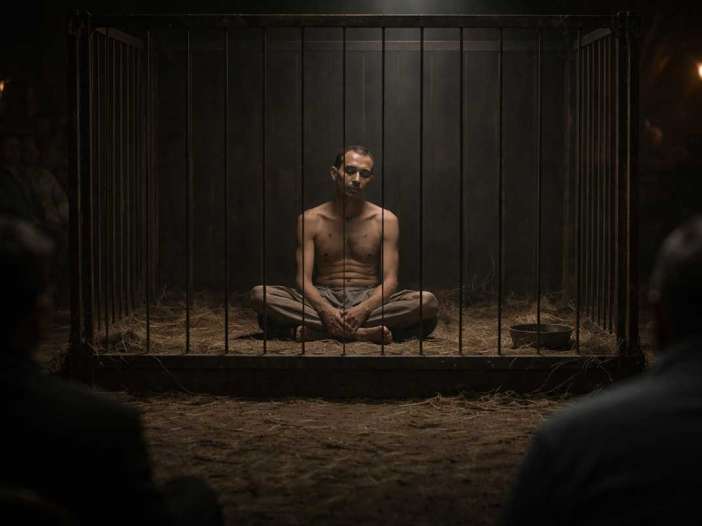
A Hunger Artist Explained: When Devotion Loses Its Witness
January 4, 2026 by Nick Sasaki Leave a Comment

kafka-a-hunger-artist-explained

What if Kafka wrote A Hunger Artist as a prophecy of creators who would starve quietly while louder lives thrived?Introduction by Franz KafkaI did not write A Hunger Artist to praise suffering, nor to condemn the world that watches it.I wrote it because there are people who live by an inner necessity that does not translate. Their devotion is not chosen for … [Read more...] about A Hunger Artist Explained: When Devotion Loses Its Witness

Filed Under: History & Philosophy, Literature, Psychology Tagged With: a hunger artist analysis, a hunger artist existentialism, a hunger artist explained, a hunger artist explained themes, a hunger artist meaning, a hunger artist summary analysis, a hunger artist themes, hunger artist audience meaning, hunger artist devotion, hunger artist explanation, hunger artist interpretation, hunger artist panther meaning, hunger artist symbolism, kafka art and suffering, kafka devotion meaning, kafka hunger artist explained, kafka hunger artist meaning, kafka parable explained, kafka short story analysis, kafka short story explained

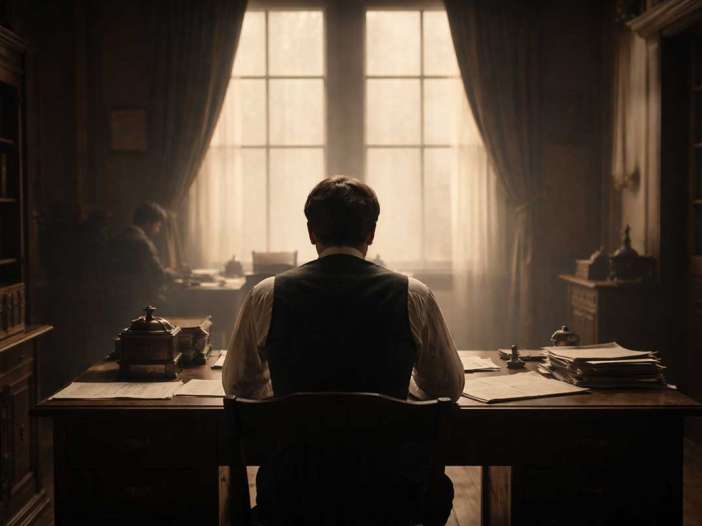
Bartleby the Scrivener Explained: Why Refusal Still Haunts Us
January 2, 2026 by Nick Sasaki Leave a Comment

What if Herman Melville sat with us and asked why refusal terrifies modern life? Introduction by Herman MelvilleI did not write Bartleby, the Scrivener to explain a man.I wrote it to place him where explanation fails.Bartleby enters an orderly world—one governed by reason, industry, and polite authority—and does nothing violent to it. He raises no fist, pens … [Read more...] about Bartleby the Scrivener Explained: Why Refusal Still Haunts Us

Filed Under: History & Philosophy, Literature, Psychology Tagged With: bartleby analysis, bartleby dead letter office, bartleby existentialism, bartleby explanation, bartleby interpretation, bartleby lawyer analysis, bartleby meaning, bartleby modern work, bartleby passive resistance, bartleby refusal, bartleby short story explained, bartleby silence meaning, bartleby story meaning, bartleby summary and analysis, bartleby symbolism, bartleby the scrivener explained, bartleby themes, bartleby work meaning, existential literature, i would prefer not to meaning, melville bartleby explained

The Death of Ivan Ilyich Explained — Leo Tolstoy

January 1, 2026 by Nick Sasaki Leave a Comment

What if Leo Tolstoy asked you whether your life was already over? Introduction by Leo TolstoyWhen I wrote The Death of Ivan Ilyich, I did not intend to write about death.Death is not the subject of this story. Death is merely the moment when a question can no longer be postponed.Ivan Ilyich lived as many live—according to what was considered proper, … [Read more...] about The Death of Ivan Ilyich Explained — Leo Tolstoy

Filed Under: History & Philosophy, Literature, Psychology Tagged With: classic literature death, Ivan Ilyich ending explained, Ivan Ilyich false life, Ivan Ilyich Gerasim, Ivan Ilyich illness, Ivan Ilyich meaning, Ivan Ilyich redemption, Ivan Ilyich suffering, Leo Tolstoy The Death of Ivan Ilyich, Russian literature death, The Death of Ivan Ilyich analysis, The Death of Ivan Ilyich explained, The Death of Ivan Ilyich interpretation, The Death of Ivan Ilyich summary, The Death of Ivan Ilyich themes, Tolstoy death story, Tolstoy existentialism, Tolstoy morality, Tolstoy philosophy death, Tolstoy short story explained

Why New Year’s Resolutions Fail—and What Finally Works

January 1, 2026 by Nick Sasaki Leave a Comment

New-Year’s-resolutions-discussion

What if James Clear, Viktor Frankl, and Marcus Aurelius sat down to explain why you quit every year? Introduction by Nick SasakiEvery January, millions of people make the same quiet promise to themselves.This year will be different.And every year, most of those promises fade—not because people are lazy or weak, but because they were never taught how change … [Read more...] about Why New Year’s Resolutions Fail—and What Finally Works

Filed Under: Mindset, Personal Development, Psychology Tagged With: accountability psychology, behavior change psychology, consistency over motivation, environment design habits, follow through on goals, goal setting mindset, habit formation science, how to keep New Year’s resolutions, identity based habits, James Clear habits, long term habit success, motivation vs systems, New Year mindset reset, personal growth January, self discipline without willpower, sustainable self improvement, systems over motivation, Tiny Habits Method, Viktor Frankl meaning, why New Year’s resolutions fail

Hills Like White Elephants Explained — Hemingway on Choice

January 1, 2026 by Nick Sasaki Leave a Comment

What if Ernest Hemingway Discussed with Scholars the Choice That Ends Love?Introduction — by Ernest HemingwayI wrote “Hills Like White Elephants” because there are things people talk around instead of through. Life is full of them. The most important moments often arrive quietly, without speeches or explanations, and they reveal themselves not in what is said, … [Read more...] about Hills Like White Elephants Explained — Hemingway on Choice

Filed Under: Literature, Psychology, Relationship Tagged With: abortion symbolism literature, classic short story analysis, Ernest Hemingway explained, feminist reading Hemingway, Hemingway dialogue analysis, Hemingway iceberg theory, Hemingway minimalism, Hemingway short story explained, Hills Like White Elephants analysis, Hills Like White Elephants explained, Hills Like White Elephants meaning, Hills Like White Elephants summary, Hills Like White Elephants themes, ImaginaryTalks Hemingway, literary power dynamics, modern literature relationships, modern love literature, modernist short stories, modernist symbolism explained, silence and power literature

  • « Go to Previous Page
  • Page 1
  • Interim pages omitted …
  • Page 17
  • Page 18
  • Page 19
  • Page 20
  • Page 21
  • Interim pages omitted …
  • Page 23
  • Go to Next Page »

Primary Sidebar

Jesus: An Autobiography book cover

What If Jesus Told His Own Story?

What might Jesus reveal about His fears, His love, and His final days?

Free 20-Page Book Preview

Read an unforgettable glimpse into the life of Jesus, told through an imaginative first-person story.

An imaginative work of fiction inspired by the Gospels.

RECENT POSTS

  • Mahavira Interview: Nonviolence and the Courage to Let Go
  • Guru Nanak Interview: On Faith and Truthful Living
  • Night Watch: What Would You Ask the People You Lost?
  • Hildegard of Bingen Interview: Afraid to Speak God’s Message?
  • Francis of Assisi: What Does Following Jesus Really Mean?
  • Nelson Mandela: Can Former Enemies Become One Nation?
  • George Washington Interview: The Man Behind the American Legend
  • Charles Darwin Interview: Evolution, Faith, and Life
  • Mahatma Gandhi Interview: Truth, Love, and Contradictions
  • Rosa Parks: The Hidden Price of Her Historic Courage
  • 2027 Psychic Predictions: Five Voices on Humanity’s Future
  • Sophie Scholl: Why Did She Risk Her Life at Just 21?
  • Eleanor Roosevelt: What Made Her So Fearless?
  • Frederick Douglass Escaped Slavery. Why Wasn’t It Enough?
  • Abraham Lincoln: What Made Him Change His Mind?
  • William Bradford: What Thanksgiving History Leaves Out
  • Johannes Gutenberg: Did His Invention Make Us Wiser?
  • Harriet Tubman Escaped Slavery. Why Did She Go Back?
  • What Does It Really Mean to Be a True Christian?
  • Mark Twain’s Dark Secret: Did He Lose Faith in Humanity?
  • Desmond Tutu: How Did He Forgive the Unforgivable?
  • Anne Frank’s Imaginary Interview: The Life She Never Lived
  • Galileo Galilei Interview: Why Did He Surrender the Truth?
  • Jay Stratton and the Mystery of Non-Human Intelligence
  • Hans Christian Andersen Interview: Did He Find Happiness?
  • Isaac Newton Interview: The Genius Who Couldn’t Find Peace
  • GTA 6 Controversy: Is the Game Secretly Changing Your Mind?
  • Dale Carnegie Interview: Did He Ever Find True Happiness?
  • Paramahansa Yogananda Interview: His Greatest Secret?
  • Neville Goddard Interview: Did He Discover God Within?
  • Henry David Thoreau Interview: Did He Regret His Choices?
  • Yung Pueblo Interview: What Did He Discover in Silence?
  • I Confronted Marcus Aurelius About His Greatest Failure
  • I Interviewed Rumi. He Died 750 Years Ago.
  • The Rise of the Dark Mark | A Marauders Harry Potter Fanfiction
  • I Interviewed Confucius. He Died 2,500 Years Ago.
  • Goethe Interview: Did He Discover the Meaning of Life?
  • John Milton Interview: Why Did God Allow Paradise to Fall?
  • Jesus and Mary Magdalene: Was She the Second Eve?
  • The Judgment of the Innocent: Dostoevsky Meets Victor Hugo
  • Dostoevsky Interview: Can Love Change How We See People?
  • The Crown of Ashes: What If King Lear Met Macbeth?
  • Radical Surrender: Anna Lembke on Faith, Control, and God
  • Pablo Picasso Interview: Was His Genius Worth the Price?
  • Leo Tolstoy Interview: Did He Find the Meaning of Life?
  • Dante Alighieri Interview: Hell, Heaven, Love & God
  • Vincent van Gogh Interview: Inside The Starry Night
  • HAMLET, ROMEO & JULIET: A Tragedy in Five Acts
  • The Marauders and the Moonlit Kingdom: Harry Potter Fanfiction
  • Helena Blavatsky Interview: The Self, the Soul, and Wisdom
  • Albert Einstein Interview: God, Reality, and a Life That Matters
  • MrBeast’s $10 Million Zombie Apocalypse: Can They Survive?
  • What Happens After Death? 5 Spiritual Teachers Reveal More
  • Did Jesus Come to Die or to Live? The Second Adam’s Unfulfilled Dream
  • Mother Teresa’s Dark Night of the Soul: Did God Abandon Her?
  • Martin Luther King Jr. Interview: Has His Dream Come True?
  • The Secrets Beneath Hogwarts: A Harry Potter Marauders Prequel Fanfiction
  • Moses in the Bible: What They Never Told You About Him
  • Noah’s Ark: What Happened to Noah and His Family?
  • Jacob and Esau: Esau Finally Tells His Side
  • Jacob and Esau: Jacob Finally Tells His Side
  • Aristotle on Happiness: Did He Live the Good Life He Taught?
  • Plato’s Life: Love, Socrates, Regrets & the Search for Happiness
  • Friedrich Nietzsche: One Last Evening Before His Collapse
  • Socrates: The Ultimate Interview Across 2,400 Years
  • MrBeast’s The Most Dangerous Games: Can Winning Save Humanity?
  • Ramayana: When Love, Duty, and Righteousness Collide
  • What If You Could Interview Nostradamus? Prophecies, Psychics & AI
  • Soulmates: Why Do Souls Meet? Spiritual Masters Explore Love & Destiny
  • Tana Hoy Meets Bashar & Edgar Cayce: Past Lives, Prophecy and Love
  • Winning the War in Your Mind by Craig Groeschel: Experts Debate
  • Walking With Dickens: The Night He Wrote A Christmas Carol
  • Max Amini for President? Can Love Unite a Divided America?
  • Wild Dark Shore by Charlotte McConaghy: Experts Debate Love and Hope
  • Marcus Aurelius on Love, Grief, and His Son: A Night on the Danube
  • Wild Dark Shore by Charlotte McConaghy: Characters Speak
  • Putin, Zelensky, Trump & Jesus: Can They End the War?
  • Hard Times Create Strong Men: G. Michael Hopf’s Cycle Challenged
  • Swedenborg Imagined Interview: What Happens When We Die
  • Carl Jung Imagined Interview: Synchronicity, Shadow, and God
  • Shakespeare Imagined Interview: Hamnet, Hamlet, and Grief
  • Jesus and the 12 Apostles Reunite: Judas at the Table
  • What If You Could Interview Nikola Tesla?
  • What If You Could Interview Leonardo da Vinci?
  • What If Newt Gingrich and Masayoshi Son Are Right About the Next 50 Years?
  • The Sleeping Prophet Wakes: An Evening With Edgar Cayce
  • What If You Could Interview Napoleon on Saint Helena?
  • Laurence Steinberg’s You and Your Adult Child: 5 Experts Debate
  • Why Adult Children Pull Away: A Family Story of Healing
  • Why Adult Children Grow Distant: Can Parents Reconnect?
  • 3 Modern Stories Inspired by George Eliot’s Middlemarch
  • Middlemarch by George Eliot: 5 Experts Debate Its Genius
  • Middlemarch: What If George Eliot’s Characters Met Again?
  • Middlemarch by George Eliot: The Complete Story in 20 Minutes
  • Love Your Parents Before It’s Too Late: 5 Experts Debate
  • 3 Modern-Day Stories Inspired by American Hagwon
  • American Hagwon by Min Jin Lee: Experts Debate Success
  • American Hagwon by Min Jin Lee: Characters Speak
  • Can Imaginary Conversations Teach Children to Think?
  • 63% Will Forget How to Think? 3 Chilling AI Stories

Footer

Recent Posts

  • Mahavira Interview: Nonviolence and the Courage to Let Go November 24, 2026
  • Guru Nanak Interview: On Faith and Truthful Living November 23, 2026
  • Night Watch: What Would You Ask the People You Lost? November 23, 2026
  • Hildegard of Bingen Interview: Afraid to Speak God’s Message? November 23, 2026
  • Francis of Assisi: What Does Following Jesus Really Mean? November 22, 2026
  • Nelson Mandela: Can Former Enemies Become One Nation? November 22, 2026

Pages

  • About Us
  • Contact Us
  • Disclaimer
  • Earnings Disclaimer
  • Privacy Policy
  • Terms and Conditions

Categories

Copyright © 2026 Imaginarytalks.com