• Skip to main content
  • Skip to primary sidebar
  • Skip to footer
ImaginaryTalks.com
  • Spirituality and Esoterica
    • Afterlife Reflections
    • Ancient Civilizations
    • Angels
    • Astrology
    • Bible
    • Buddhism
    • Christianity
    • DP
    • Esoteric
    • Extraterrestrial
    • Fairies
    • God
    • Karma
    • Meditation
    • Metaphysics
    • Past Life Regression
    • Spirituality
    • The Law of Attraction
  • Personal Growth
    • Best Friend
    • Empathy
    • Forgiveness
    • Gratitude
    • Happiness
    • Healing
    • Health
    • Joy
    • Kindness
    • Love
    • Manifestation
    • Mindfulness
    • Self-Help
    • Sleep
  • Business and Global Issues
    • Business
    • Crypto
    • Digital Marketing
    • Economics
    • Financial
    • Investment
    • Wealth
    • Copywriting
    • Climate Change
    • Security
    • Technology
    • War
    • World Peace
  • Culture, Science, and A.I.
    • A.I.
    • Anime
    • Art
    • History & Philosophy
    • Humor
    • Imagination
    • Innovation
    • Literature
    • Lifestyle and Culture
    • Music
    • Science
    • Sports
    • Travel

Psychology

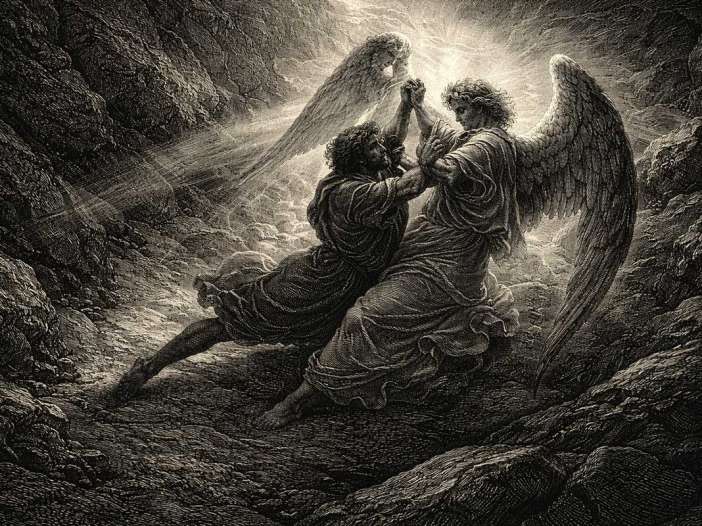
We Who Wrestle with God Summary: Peterson, Faith, Culture War

January 20, 2026 by Nick Sasaki Leave a Comment

jordan peterson we who wrestle with god

What if Jordan Peterson unpacked this We Who Wrestle with God summary with Rabbi Sacks and N.T. Wright—live, unscripted, and brutally honest?If you’re looking for a We Who Wrestle with God summary, you have to start with something uncomfortable: the Bible is not primarily a book of quaint religious opinions. It’s a condensation of hard-won wisdom—stories that … [Read more...] about We Who Wrestle with God Summary: Peterson, Faith, Culture War

Filed Under: Bible, Psychology, Religion Tagged With: bible stories psychology, biblical archetypes, cain and abel jordan peterson, culture war and religion, god as archetype, ideology as religion, is jordan peterson christian, jacob wrestles with god meaning, jordan peterson bible interpretation, jordan peterson genesis, jordan peterson old testament, jordan peterson we who wrestle with god, jungian bible analysis, meaning crisis jordan peterson, modern faith crisis, religion vs psychology, we who wrestle with god perceptions of the divine, we who wrestle with god review, we who wrestle with god summary, wrestling with god meaning

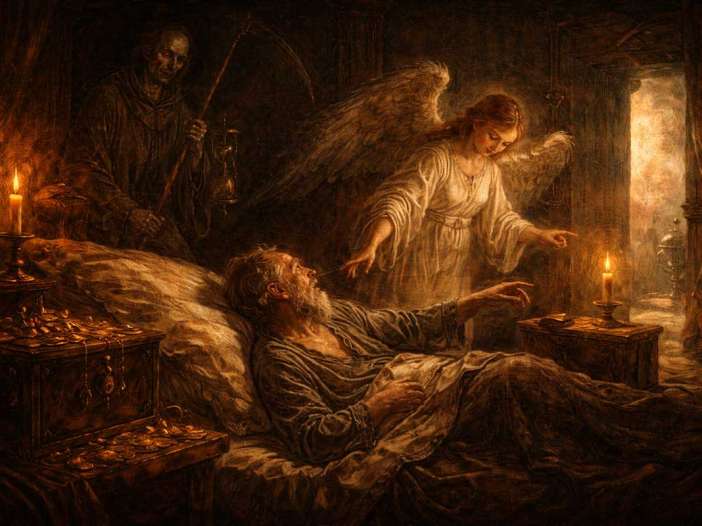
Hieronymus Bosch Spiritual Paintings: Monsters With Meaning
January 18, 2026 by Nick Sasaki Leave a Comment

bosch hell painting meaning

What if Hieronymus Bosch decoded his monsters with the top scholars who study his symbols?Introduction by Hieronymus Bosch I did not paint to entertain you.If you have come to these panels expecting clever monsters, strange birds, and a carnival of medieval imagination, you will find them—yes. But if you stop there, you will leave with nothing but … [Read more...] about Hieronymus Bosch Spiritual Paintings: Monsters With Meaning

Filed Under: Art, Psychology, Spirituality Tagged With: bosch art history, bosch demons symbolism, bosch hell painting meaning, bosch judgment painting, bosch medieval symbolism, bosch monsters meaning, bosch moral allegory, bosch religious art explained, bosch spiritual paintings, bosch symbolism explained, bosch temptation theme, bosch triptych meaning, death and the miser meaning, garden of earthly delights explained, hieronymus bosch paintings explained, hieronymus bosch spiritual paintings, imaginary talks bosch, netherlandish art bosch, spiritual art analysis, temptation of saint anthony explained

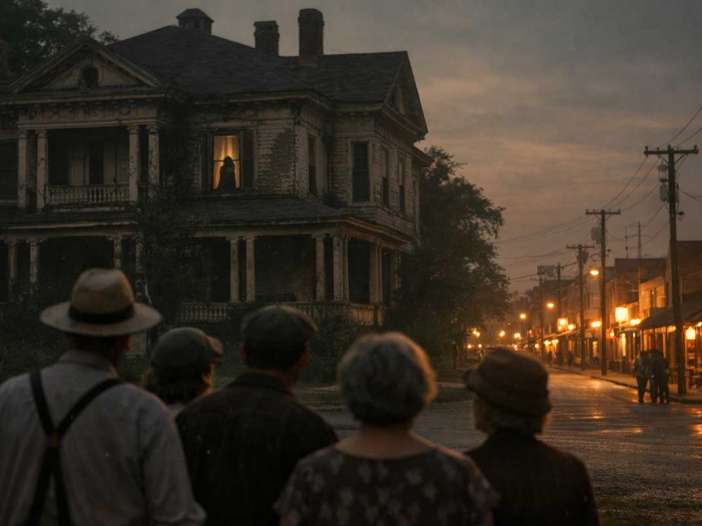
Faulkner’s A Rose for Emily Explained: Plot, Themes & Ending
January 17, 2026 by Nick Sasaki Leave a Comment

a rose for emily explained

What if Faulkner’s most trusted critics walked you scene-by-scene through A Rose for Emily Explained until the ending felt inevitable?Introduction by William FaulknerA Rose for Emily Explained is not a verdict handed down from some clean bench of reason, but a handful of town-dust lifted and let fall again, each grain catching light for a moment before it … [Read more...] about Faulkner’s A Rose for Emily Explained: Plot, Themes & Ending

Filed Under: History & Philosophy, Literature, Psychology Tagged With: a rose for emily analysis, a rose for emily character analysis, a rose for emily ending explained, a rose for emily explained, a rose for emily gray hair meaning, a rose for emily meaning, a rose for emily narrator we, a rose for emily plot, a rose for emily smell meaning, a rose for emily southern gothic, a rose for emily study guide, a rose for emily summary, a rose for emily symbolism, a rose for emily theme of death, a rose for emily themes, a rose for emily timeline, emily grierson explained, Faulkner A Rose for Emily Explained, homer barron explained, why did emily kill homer

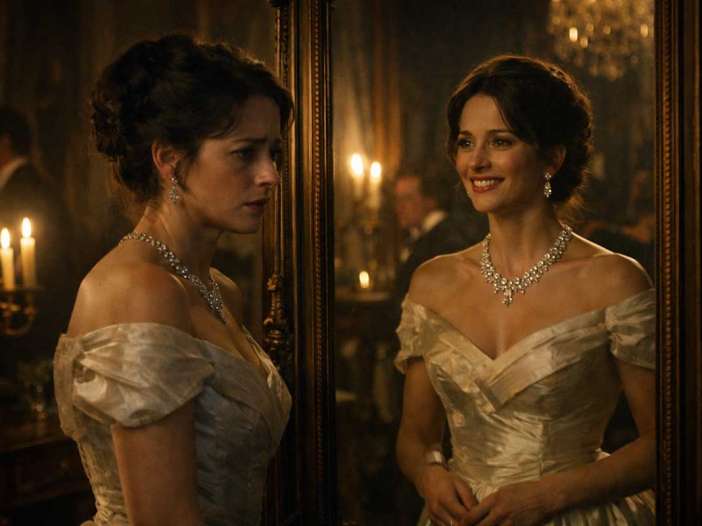
The Necklace by Maupassant Explained: Illusion Becomes Debt
January 16, 2026 by Nick Sasaki Leave a Comment

maupassant the necklace explained

What if Guy de Maupassant discussed The Necklace with top scholars—and they proved the real “necklace” is social approval itself? Introduction by Guy de MaupassantI have always been accused of cruelty. Yet I do not believe life is cruel—it is simply indifferent. When I wrote The Necklace, I did not wish to punish Mathilde Loisel, nor to lecture the reader. I … [Read more...] about The Necklace by Maupassant Explained: Illusion Becomes Debt

Filed Under: Literature, Psychology Tagged With: Guy de Maupassant The Necklace, Mathilde Loisel character analysis, Maupassant short stories explained, The Necklace analysis, The Necklace by Maupassant Explained, The Necklace class struggle, The Necklace ending explained, The Necklace explained, The Necklace explained simply, The Necklace illusion vs reality, The Necklace irony, The Necklace lesson, The Necklace literary analysis, The Necklace meaning, The Necklace moral, The Necklace realism, The Necklace short story explained, The Necklace study guide, The Necklace summary, The Necklace symbolism, The Necklace themes

Shakespeare Othello Explained: How Iago Turns Love Into “Justice”

January 15, 2026 by Nick Sasaki Leave a Comment

Shakespeare Othello Explained

What if top Shakespeare scholars argued whether Othello is guilty or groomed? Introduction by William Shakespeare I did not write Othello to warn you about villains alone.I wrote it to trouble you about trust.When I set Othello upon the stage, I gave him every reason to stand secure: honor earned in war, love freely chosen, authority publicly bestowed. And … [Read more...] about Shakespeare Othello Explained: How Iago Turns Love Into “Justice”

Filed Under: Communication, Empathy, Literature, Psychology Tagged With: Desdemona innocence, Emilia in Othello, Iago manipulation, Iago motive, Othello Act 3 scene 3, Othello analysis, Othello and race, Othello characters, Othello ending explained, Othello Explained, Othello handkerchief meaning, Othello jealousy, Othello jealousy quotes, Othello plot summary, Othello racism themes, Othello summary, Othello themes, Othello tragedy explained, Shakespeare Othello Explained, why Othello trusts Iago

Daniel Gilbert’s Stumbling on Happiness Explained

January 14, 2026 by Nick Sasaki Leave a Comment

What if Daniel Gilbert debated Stumbling on Happiness with Kahneman and Tversky—then showed you exactly why your forecasts fail?Stumbling on Happiness Explained is my invitation to do something most of us hate doing: doubt our own “sure thing” feelings about the future. We walk around with a private simulator in our heads—an imagination engine that can conjure a … [Read more...] about Daniel Gilbert’s Stumbling on Happiness Explained

Filed Under: Happiness, Mindset, Psychology Tagged With: affective forecasting explained, base rate forecasting, choice regret psychology, daniel gilbert stumbling on happiness, Daniel Gilbert’s Stumbling on Happiness Explained, experiencing self vs remembering self, happiness forecasting errors, happiness science books, hedonic adaptation explained, how to make better decisions, how to reduce regret, outside view decision making, paradox of choice explained, peak end rule happiness, predicting happiness psychology, psychology of happiness explained, stumbling on happiness book explained, stumbling on happiness explained, stumbling on happiness summary, why happiness fades, why we mispredict happiness

Hamlet Explained for Modern Readers: Truth That Destroys

January 13, 2026 by Nick Sasaki Leave a Comment

Hamlet explained

What if top Hamlet scholars debated whether thinking too deeply is fatal? Introduction by William ShakespeareI did not write Hamlet to teach revenge.Nor to praise thought.Nor to excuse delay.I wrote it because I began to fear a certain kind of clarity.There comes a moment in a human life when the world reveals itself too plainly.The lie beneath the crown.The … [Read more...] about Hamlet Explained for Modern Readers: Truth That Destroys

Filed Under: Literature, Psychology Tagged With: Hamlet analysis, Hamlet corruption Denmark, Hamlet death explained, Hamlet ending explained, Hamlet explained, Hamlet Fortinbras meaning, Hamlet ghost meaning, Hamlet hesitation, Hamlet madness real or fake, Hamlet meaning explained, Hamlet modern interpretation, Hamlet philosophy, Hamlet power and politics, Hamlet procrastination explained, Hamlet psychology, Hamlet revenge tragedy, Hamlet soliloquy meaning, Hamlet themes explained, Hamlet tragedy explained, Shakespeare Hamlet explained

Romeo and Juliet Explained Who’s to Blame and Why It Matters
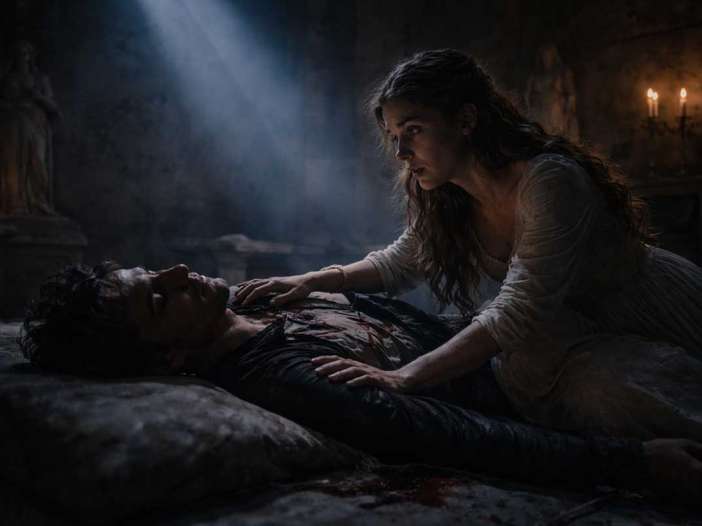
January 13, 2026 by Nick Sasaki Leave a Comment

What if top Shakespearean scholars argued about Romeo and Juliet Explained with modern readers—who would they blame?Introduction — William Shakespeare Romeo and Juliet Explained begins, not with lovers, but with a city that has forgotten how to breathe. Verona is loud with honor, quick with insult, hungry for spectacle. Its streets are trained to flare—boys … [Read more...] about Romeo and Juliet Explained Who’s to Blame and Why It Matters

Filed Under: History & Philosophy, Literature, Psychology Tagged With: Capulet feud explained, Friar Laurence responsible Romeo and Juliet, Juliet character analysis, love vs obsession Romeo and Juliet, Mercutio death meaning, Romeo and Juliet analysis, Romeo and Juliet ending explained, Romeo and Juliet Explained, Romeo and Juliet fate theme, Romeo and Juliet plot explained, Romeo and Juliet prologue explained, Romeo and Juliet summary, Romeo and Juliet themes explained, Romeo and Juliet time theme, Romeo and Juliet who is to blame, Romeo and Juliet why so fast, Romeo character analysis, star-crossed lovers meaning, Tybalt vs Romeo explained, youth vs adults Romeo and Juliet

Influence Explained: Robert Cialdini’s Persuasion Playbook

January 12, 2026 by Nick Sasaki Leave a Comment

What if Robert Cialdini explored Influence with the mentors he most respected—testing where persuasion ends and manipulation begins?Introduction by Robert CialdiniInfluence Explained is my invitation to slow down and notice something humbling: most of the time we don’t choose with pure deliberation—we choose with cues. Not because we’re careless, but because the … [Read more...] about Influence Explained: Robert Cialdini’s Persuasion Playbook

Filed Under: Business, Communication, Psychology Tagged With: authority, authority principle, behavioral psychology persuasion, behavioral science, Cialdini principles, commitment, commitment and consistency, communication, consistency, decision making, ethics, how to resist manipulation, influence, Influence book explained, Influence book summary, Influence Explained, influence principles, liking principle, marketing, persuasion, persuasion ethics, persuasion psychology, persuasion techniques, psychology, reciprocity principle, robert cialdini, robert cialdini influence, scarcity, scarcity principle, social proof, social proof explained, unity principle, why people say yes

In a Grove Explained — Akutagawa and the Collapse of Truth

January 11, 2026 by Nick Sasaki Leave a Comment

ryunosuke akutagawa in a grove

What if Akutagawa was warning us that truth itself can be a form of violence? Introduction by Ryūnosuke AkutagawaI did not write In a Grove to confuse the reader, nor to play games with truth. I wrote it because I was troubled by how easily people claim certainty—especially when certainty spares them from self-examination.In courts, in religion, in everyday … [Read more...] about In a Grove Explained — Akutagawa and the Collapse of Truth

Filed Under: History & Philosophy, Literature, Psychology Tagged With: classic japanese short stories, epistemology in fiction, fragmented truth fiction, imaginary talks akutagawa, in a grove analysis, in a grove explained, in a grove summary, in a grove themes, japanese modernist literature, justice without certainty, modernist short story analysis, moral ambiguity stories, rashomon effect origins, rashomon story explained, ryunosuke akutagawa in a grove, shame and narrative, truth and testimony literature, truth in literature, unreliable narration literature, witness and truth

  • « Go to Previous Page
  • Page 1
  • Interim pages omitted …
  • Page 15
  • Page 16
  • Page 17
  • Page 18
  • Page 19
  • Interim pages omitted …
  • Page 23
  • Go to Next Page »

Primary Sidebar

Jesus: An Autobiography book cover

What If Jesus Told His Own Story?

What might Jesus reveal about His fears, His love, and His final days?

Free 20-Page Book Preview

Read an unforgettable glimpse into the life of Jesus, told through an imaginative first-person story.

An imaginative work of fiction inspired by the Gospels.

RECENT POSTS

  • Mahavira Interview: Nonviolence and the Courage to Let Go
  • Guru Nanak Interview: On Faith and Truthful Living
  • Night Watch: What Would You Ask the People You Lost?
  • Hildegard of Bingen Interview: Afraid to Speak God’s Message?
  • Francis of Assisi: What Does Following Jesus Really Mean?
  • Nelson Mandela: Can Former Enemies Become One Nation?
  • George Washington Interview: The Man Behind the American Legend
  • Charles Darwin Interview: Evolution, Faith, and Life
  • Mahatma Gandhi Interview: Truth, Love, and Contradictions
  • Rosa Parks: The Hidden Price of Her Historic Courage
  • 2027 Psychic Predictions: Five Voices on Humanity’s Future
  • Sophie Scholl: Why Did She Risk Her Life at Just 21?
  • Eleanor Roosevelt: What Made Her So Fearless?
  • Frederick Douglass Escaped Slavery. Why Wasn’t It Enough?
  • Abraham Lincoln: What Made Him Change His Mind?
  • William Bradford: What Thanksgiving History Leaves Out
  • Johannes Gutenberg: Did His Invention Make Us Wiser?
  • Harriet Tubman Escaped Slavery. Why Did She Go Back?
  • What Does It Really Mean to Be a True Christian?
  • Mark Twain’s Dark Secret: Did He Lose Faith in Humanity?
  • Desmond Tutu: How Did He Forgive the Unforgivable?
  • Anne Frank’s Imaginary Interview: The Life She Never Lived
  • Galileo Galilei Interview: Why Did He Surrender the Truth?
  • Jay Stratton and the Mystery of Non-Human Intelligence
  • Hans Christian Andersen Interview: Did He Find Happiness?
  • Isaac Newton Interview: The Genius Who Couldn’t Find Peace
  • GTA 6 Controversy: Is the Game Secretly Changing Your Mind?
  • Dale Carnegie Interview: Did He Ever Find True Happiness?
  • Paramahansa Yogananda Interview: His Greatest Secret?
  • Neville Goddard Interview: Did He Discover God Within?
  • Henry David Thoreau Interview: Did He Regret His Choices?
  • Yung Pueblo Interview: What Did He Discover in Silence?
  • I Confronted Marcus Aurelius About His Greatest Failure
  • I Interviewed Rumi. He Died 750 Years Ago.
  • The Rise of the Dark Mark | A Marauders Harry Potter Fanfiction
  • I Interviewed Confucius. He Died 2,500 Years Ago.
  • Goethe Interview: Did He Discover the Meaning of Life?
  • John Milton Interview: Why Did God Allow Paradise to Fall?
  • Jesus and Mary Magdalene: Was She the Second Eve?
  • The Judgment of the Innocent: Dostoevsky Meets Victor Hugo
  • Dostoevsky Interview: Can Love Change How We See People?
  • The Crown of Ashes: What If King Lear Met Macbeth?
  • Radical Surrender: Anna Lembke on Faith, Control, and God
  • Pablo Picasso Interview: Was His Genius Worth the Price?
  • Leo Tolstoy Interview: Did He Find the Meaning of Life?
  • Dante Alighieri Interview: Hell, Heaven, Love & God
  • Vincent van Gogh Interview: Inside The Starry Night
  • HAMLET, ROMEO & JULIET: A Tragedy in Five Acts
  • The Marauders and the Moonlit Kingdom: Harry Potter Fanfiction
  • Helena Blavatsky Interview: The Self, the Soul, and Wisdom
  • Albert Einstein Interview: God, Reality, and a Life That Matters
  • MrBeast’s $10 Million Zombie Apocalypse: Can They Survive?
  • What Happens After Death? 5 Spiritual Teachers Reveal More
  • Did Jesus Come to Die or to Live? The Second Adam’s Unfulfilled Dream
  • Mother Teresa’s Dark Night of the Soul: Did God Abandon Her?
  • Martin Luther King Jr. Interview: Has His Dream Come True?
  • The Secrets Beneath Hogwarts: A Harry Potter Marauders Prequel Fanfiction
  • Moses in the Bible: What They Never Told You About Him
  • Noah’s Ark: What Happened to Noah and His Family?
  • Jacob and Esau: Esau Finally Tells His Side
  • Jacob and Esau: Jacob Finally Tells His Side
  • Aristotle on Happiness: Did He Live the Good Life He Taught?
  • Plato’s Life: Love, Socrates, Regrets & the Search for Happiness
  • Friedrich Nietzsche: One Last Evening Before His Collapse
  • Socrates: The Ultimate Interview Across 2,400 Years
  • MrBeast’s The Most Dangerous Games: Can Winning Save Humanity?
  • Ramayana: When Love, Duty, and Righteousness Collide
  • What If You Could Interview Nostradamus? Prophecies, Psychics & AI
  • Soulmates: Why Do Souls Meet? Spiritual Masters Explore Love & Destiny
  • Tana Hoy Meets Bashar & Edgar Cayce: Past Lives, Prophecy and Love
  • Winning the War in Your Mind by Craig Groeschel: Experts Debate
  • Walking With Dickens: The Night He Wrote A Christmas Carol
  • Max Amini for President? Can Love Unite a Divided America?
  • Wild Dark Shore by Charlotte McConaghy: Experts Debate Love and Hope
  • Marcus Aurelius on Love, Grief, and His Son: A Night on the Danube
  • Wild Dark Shore by Charlotte McConaghy: Characters Speak
  • Putin, Zelensky, Trump & Jesus: Can They End the War?
  • Hard Times Create Strong Men: G. Michael Hopf’s Cycle Challenged
  • Swedenborg Imagined Interview: What Happens When We Die
  • Carl Jung Imagined Interview: Synchronicity, Shadow, and God
  • Shakespeare Imagined Interview: Hamnet, Hamlet, and Grief
  • Jesus and the 12 Apostles Reunite: Judas at the Table
  • What If You Could Interview Nikola Tesla?
  • What If You Could Interview Leonardo da Vinci?
  • What If Newt Gingrich and Masayoshi Son Are Right About the Next 50 Years?
  • The Sleeping Prophet Wakes: An Evening With Edgar Cayce
  • What If You Could Interview Napoleon on Saint Helena?
  • Laurence Steinberg’s You and Your Adult Child: 5 Experts Debate
  • Why Adult Children Pull Away: A Family Story of Healing
  • Why Adult Children Grow Distant: Can Parents Reconnect?
  • 3 Modern Stories Inspired by George Eliot’s Middlemarch
  • Middlemarch by George Eliot: 5 Experts Debate Its Genius
  • Middlemarch: What If George Eliot’s Characters Met Again?
  • Middlemarch by George Eliot: The Complete Story in 20 Minutes
  • Love Your Parents Before It’s Too Late: 5 Experts Debate
  • 3 Modern-Day Stories Inspired by American Hagwon
  • American Hagwon by Min Jin Lee: Experts Debate Success
  • American Hagwon by Min Jin Lee: Characters Speak
  • Can Imaginary Conversations Teach Children to Think?
  • 63% Will Forget How to Think? 3 Chilling AI Stories

Footer

Recent Posts

  • Mahavira Interview: Nonviolence and the Courage to Let Go November 24, 2026
  • Guru Nanak Interview: On Faith and Truthful Living November 23, 2026
  • Night Watch: What Would You Ask the People You Lost? November 23, 2026
  • Hildegard of Bingen Interview: Afraid to Speak God’s Message? November 23, 2026
  • Francis of Assisi: What Does Following Jesus Really Mean? November 22, 2026
  • Nelson Mandela: Can Former Enemies Become One Nation? November 22, 2026

Pages

  • About Us
  • Contact Us
  • Disclaimer
  • Earnings Disclaimer
  • Privacy Policy
  • Terms and Conditions

Categories

Copyright © 2026 Imaginarytalks.com