

What if, Byron Katie and deep thinkers explored whether loving reality can heal suffering without becoming avoidance?Introduction by Nick SasakiWhat makes Loving What Is so unusual is that it does not begin by trying to fix the world. It begins by asking what happens inside us when we argue with reality. That sounds simple at first, almost too simple. Yet the … [Read more...] about Byron Katie’s Loving What Is and the Truth About Suffering
Psychology
Fooled by Randomness: Taleb on Luck, Risk, and Ruin
What if Nassim Nicholas Taleb and top thinkers confronted why luck keeps disguising itself as genius? Introduction by Nick Sasaki What makes Fooled by Randomness so unsettling is that it does not just criticize bad thinking. It attacks something more personal: our need to believe that success proves merit, that explanation proves understanding, and that … [Read more...] about Fooled by Randomness: Taleb on Luck, Risk, and Ruin
Human Awakening Through Crisis: Are We Evolving or Breaking?
What if Craig Hamilton-Parker and leading voices explored whether humanity is collapsing or awakening? Humanity may be entering one of those rare periods when the deepest questions can no longer be postponed. The old promises still speak loudly — progress, wealth, power, ideology, technology, leadership, identity — yet many people feel more uncertain, more … [Read more...] about Human Awakening Through Crisis: Are We Evolving or Breaking?
A Palestinian Wedding Day Divided by Roads, Memory & Waiting
Introduction by Nick SasakiThis story does not begin before pressure.It begins inside it.That matters.The Wedding That Waited at the Crossing is not a story about a peaceful family before tragedy suddenly arrives. It is a story about a family already living inside interruption, already shaped by roads, permits, crossings, exile, memory, and the exhausting labor … [Read more...] about A Palestinian Wedding Day Divided by Roads, Memory & Waiting
Israeli Family War Story: A Son Returns Home Changed by Fear, Duty & Silence
Introduction by Nick Sasaki This story does not begin before the wound.It begins after someone has already come home changed.That choice matters.The Room He Couldn’t Reenter is not built around a peaceful family before history breaks in. It is built around a family already living inside alertness, memory, duty, and the long effort to call that condition normal. … [Read more...] about Israeli Family War Story: A Son Returns Home Changed by Fear, Duty & Silence
Russian Family War Story: How Pride, Silence & Duty Sent a Son Away
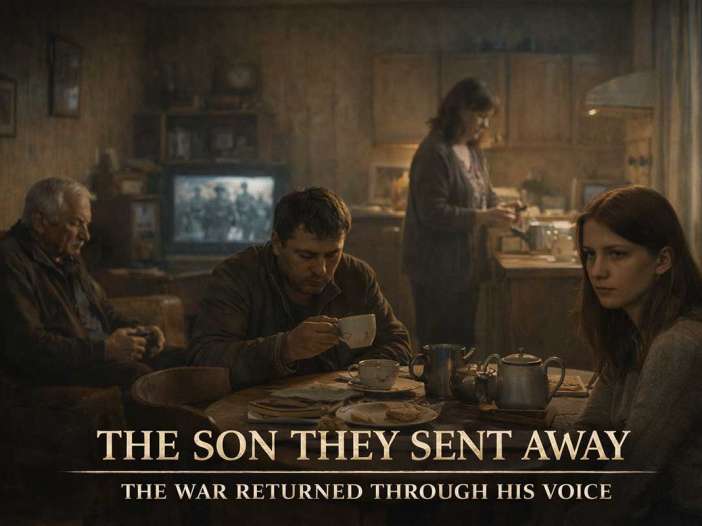
This story begins long before the war itself.That matters.The Son They Sent Away is not built around a single decision, a single speech, or a single day of invasion. It is built around a household that has been shaped for years by memory, loss, pride, fear, and the longing not to feel humiliated again. The war enters this family late as an event, but early as a … [Read more...] about Russian Family War Story: How Pride, Silence & Duty Sent a Son Away
Ukraine War Family Story: A House Changed by 1991, 2014, and 2022
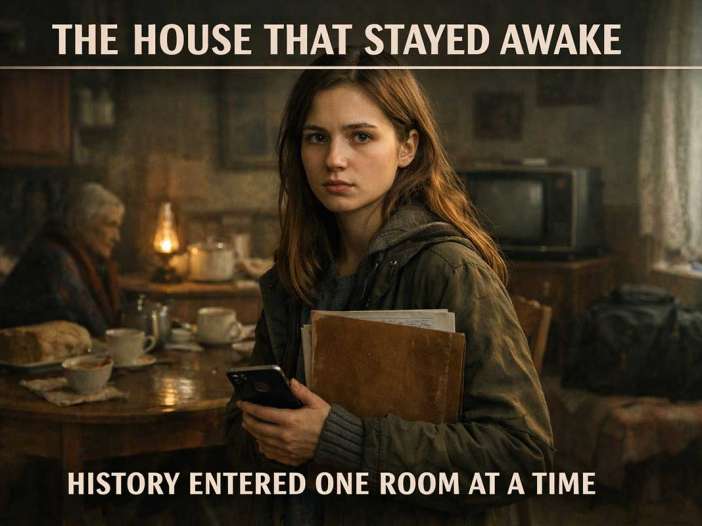
What if the war did not begin in one morning, but entered the house in waves over thirty years? This story does not begin with an explosion.It begins with a house that is still trying to believe history can remain outside its walls.That is the heart of The House That Stayed Awake. It is a war story, but before it becomes a story of invasion, it is a story of … [Read more...] about Ukraine War Family Story: A House Changed by 1991, 2014, and 2022
Colin O’Brady on Pain, Grit, and Human Possibility
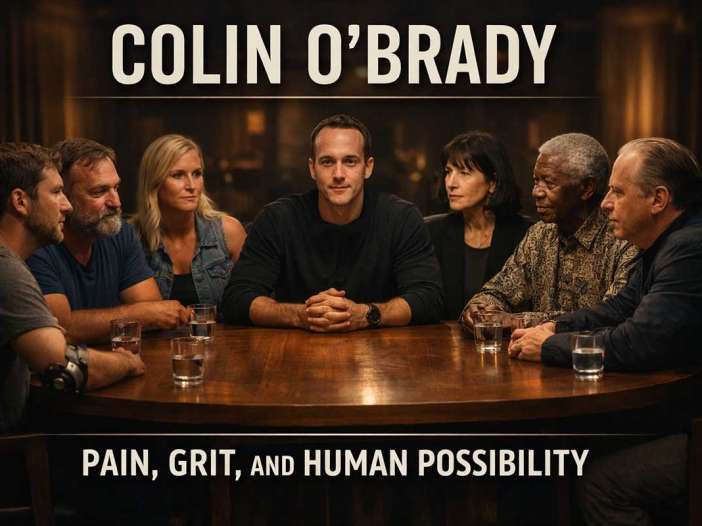
What if Colin O’Brady and top resilience thinkers discussed what suffering can awaken in the human spirit? Introduction by Nick Sasaki What happens when a human life is shattered in a single moment, yet refuses to end there?This imagined conversation begins with Colin O’Brady, whose life changed after severe burns in Thailand nearly took away the future … [Read more...] about Colin O’Brady on Pain, Grit, and Human Possibility
Viktor Frankl on Man’s Search for Meaning
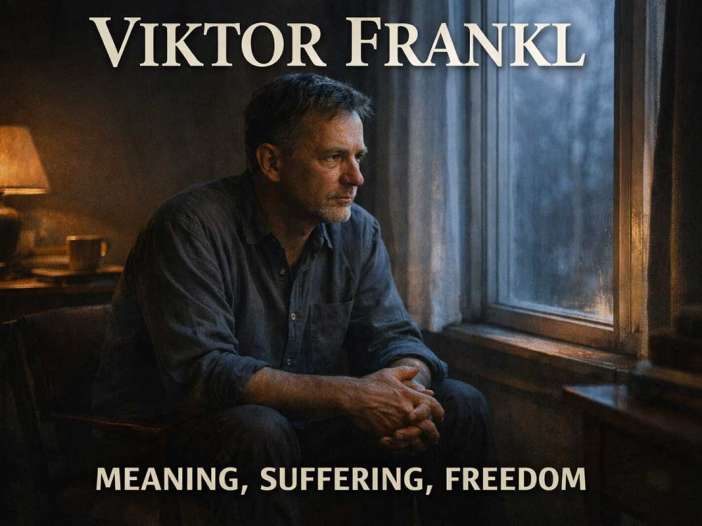
What if Viktor Frankl and top thinkers on love, suffering, and purpose revealed what still makes life worth living? Introduction — Nick Sasaki What does a human being still possess when almost everything has been taken away?That question sits at the heart of Man’s Search for Meaning, and it is why Viktor E. Frankl still speaks so strongly to our time. … [Read more...] about Viktor Frankl on Man’s Search for Meaning
After Nanjing Fell: A Chinese Family Story
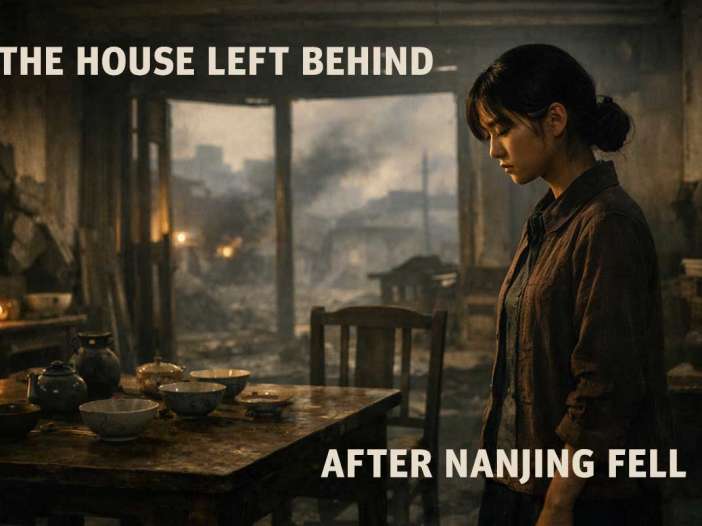
Introduction Some war stories begin with armies.This one begins with a kitchen.That matters.The House Left Behind in Nanjing is not built from strategy, headlines, or battlefield maps. It begins inside a family home, where morning steam rises from breakfast, a mother moves through familiar tasks, a father still wants to believe the capital will hold, a daughter … [Read more...] about After Nanjing Fell: A Chinese Family Story