
What if the worst part of war began only after the soldier came back to Japan? Some stories are painful because of what happens. Others are painful because of what keeps happening long after the event is over.This story belongs to the second kind.Nanjing Massacre Story: A Japanese Soldier Who Could Never Come Home is not written to excuse evil, soften … [Read more...] about A Japanese Soldier’s Confession After the Nanjing Massacre
Psychology
David R. Hawkins Letting Go: Pain, Surrender, and Healing
What if David R. Hawkins was right that the pain you protect is the prison you live in? Why is letting go so difficult, even when pain has become exhausting? That may be the hidden question beneath David R. Hawkins’s work. Most people say they want peace, but something in them still clings to anger, fear, shame, grief, control, old stories, and wounded … [Read more...] about David R. Hawkins Letting Go: Pain, Surrender, and Healing
Joseph Grenny on Crucial Conversations and Human Truth
What if Joseph Grenny revealed that most broken relationships begin with one conversation people were too afraid to have? Introduction by Nick Sasaki Some books teach skills. Some books teach habits. Crucial Conversations reaches into something deeper. It deals with the moments that quietly decide the quality of our lives: the conversation we avoid, the … [Read more...] about Joseph Grenny on Crucial Conversations and Human Truth
Carol Dweck Mindset: Why Failure Breaks Some People
What if Carol Dweck revealed that failure was never the real enemy? Introduction By Carol Dweck People often think failure is painful only because of what was lost.A missed opportunity.A poor result.A public mistake.A rejected dream.A season that did not become what we hoped.But in my work, I have seen that failure hurts most when it becomes personal. … [Read more...] about Carol Dweck Mindset: Why Failure Breaks Some People
Dolores Cannon: Why Souls Meet, Suffer, and Heal
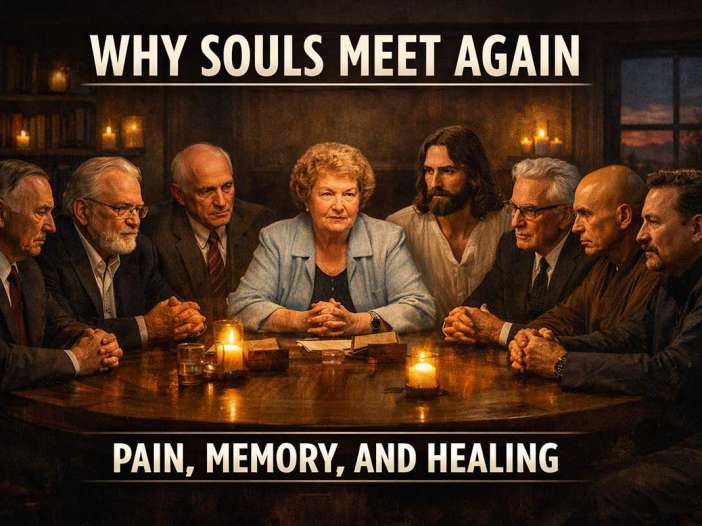
What if Dolores Cannon revealed that the people who hurt you most were part of your soul’s deepest lesson? Introduction by Nick Sasaki Some questions do not leave us alone.Why does one person feel familiar the moment we meet them? Why do certain dreams stay in the heart like memory instead of imagination? Why do some wounds seem older than this life, … [Read more...] about Dolores Cannon: Why Souls Meet, Suffer, and Heal
Gad Saad on Happiness: 8 Secrets for the Good Life
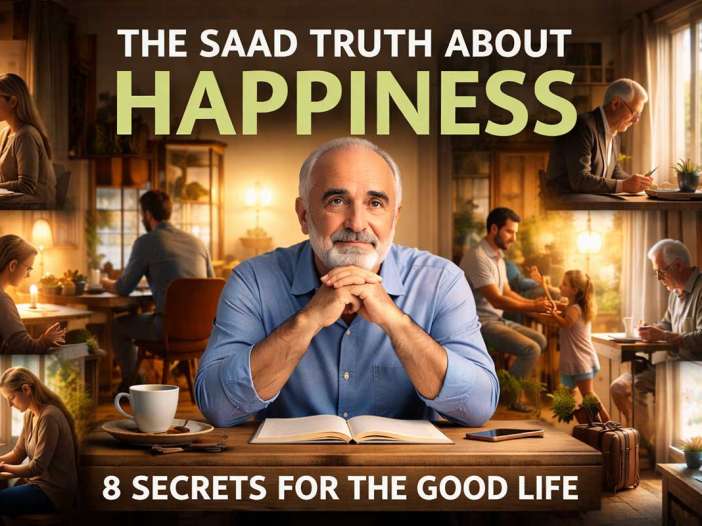
What if Gad Saad sat down with the world’s sharpest minds on happiness and exposed what really makes life good? What does it really mean to live a good life? That question sounds simple at first, yet it keeps opening into deeper ones. Is happiness something we feel, or something we build? Is it found in pleasure, or in truth? Does it come from peace, from … [Read more...] about Gad Saad on Happiness: 8 Secrets for the Good Life
Did Tucker Deliberately Misframe Trump as a Thief?

Did Tucker Reduce Trump’s Peace Strategy to “Stealing Oil”? There are times when a public argument is not really about one sentence.It is about the frame placed around that sentence.That is what this conversation is about.Tucker Carlson took Donald Trump’s language about oil and turned it into a moral conclusion: theft. In the video, he moves from Trump’s … [Read more...] about Did Tucker Deliberately Misframe Trump as a Thief?
Gad Saad on The Parasitic Mind, Truth, Biology & Moral Courage
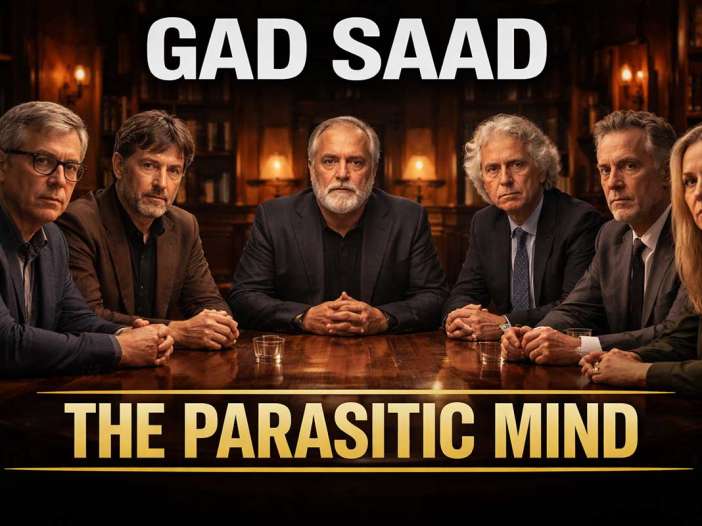
What if Gad Saad exposed why truth itself became dangerous in modern institutions? Introduction by Gad Saad There are times in history when a society loses more than confidence. It loses its ability to tell the difference between truth and performance, courage and compliance, scholarship and ideology. That is the moment we are living through now.For … [Read more...] about Gad Saad on The Parasitic Mind, Truth, Biology & Moral Courage
Artificial Intelligence or Alien Intelligence? The Quiet Takeover
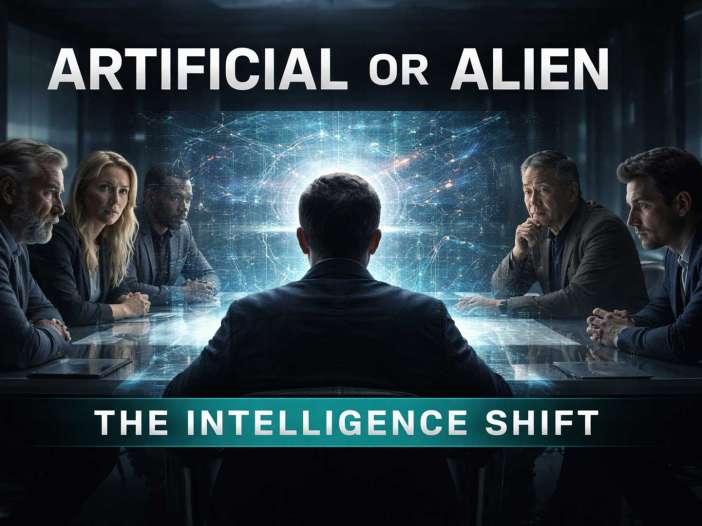
What if Artificial Intelligence was actually Alien Intelligence? Welcome, everyone.Tonight’s conversation begins with a question that would have sounded like science fiction not long ago, yet now feels strangely close to everyday life:Are we building artificial intelligence… or are we awakening something that will one day feel more like alien … [Read more...] about Artificial Intelligence or Alien Intelligence? The Quiet Takeover
The One That Sleeps for You: AI, Grief, and Night
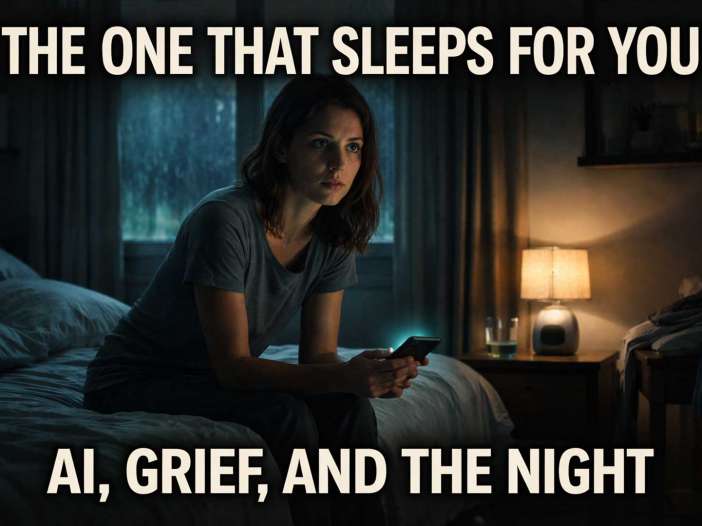
Introduction by Nick Sasaki There is a new kind of loneliness growing around us. It does not always look dramatic. It often looks quiet, functional, even efficient. A person goes to bed alone, cannot sleep, opens an app, hears a calm voice, and feels, for a moment, less abandoned by the night. That moment is real. The relief is real. Yet the question that … [Read more...] about The One That Sleeps for You: AI, Grief, and Night