

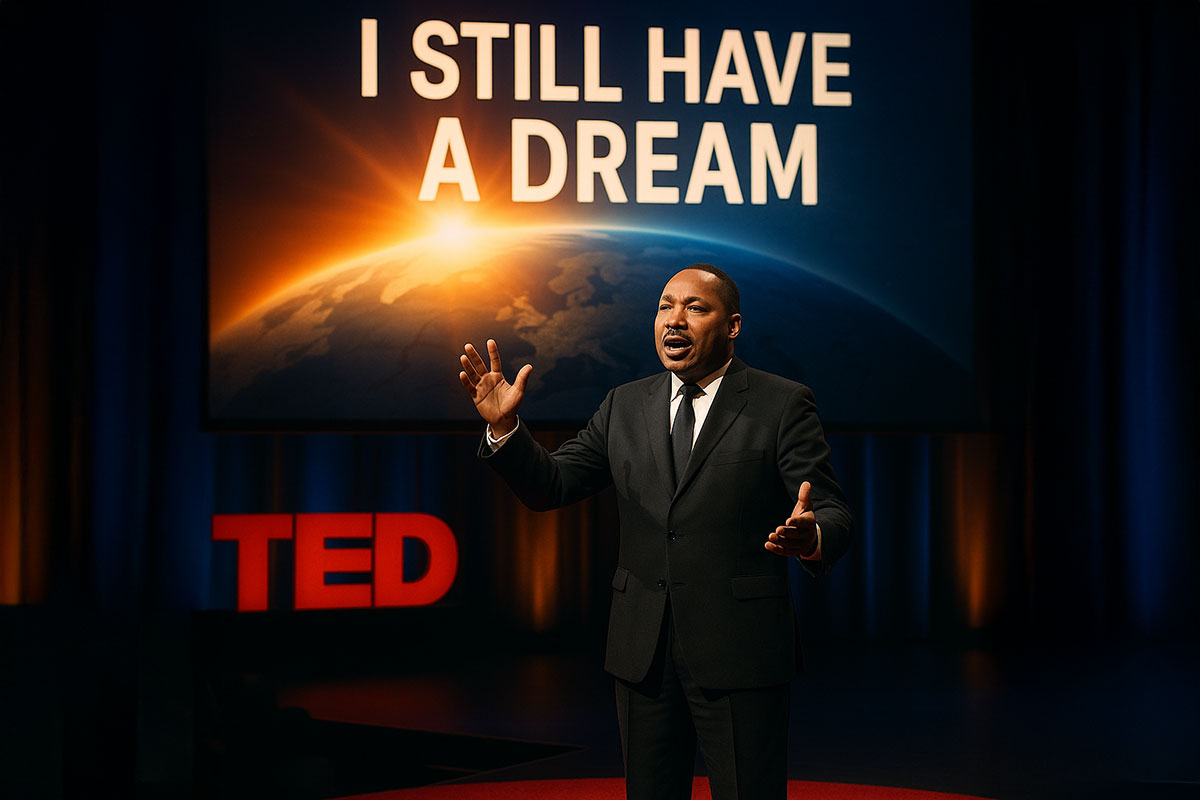
Nick Sasaki:
Spotlight warms the red TED carpet. Nick steps forward, smiling gently.
“Good evening.
We live in a time of tremendous division and digital noise.
But in the midst of it all, a dream still calls to us.
Not a fantasy.
Not nostalgia.
But a living, breathing call—a pulse of hope that reminds us of who we are meant to be.
Tonight, we’re privileged to witness the revival of that dream…
from the voice who first gave it to the world with thunder and grace.
He spoke not just of racial equality,
but of human dignity…
of love as a strategy,
of nonviolence as power,
and of a world where justice rolls down like water.
Tonight, Dr. Martin Luther King Jr. returns—not as a memory,
but as a voice that still echoes into our future.
Please welcome… Dr. King.”
(Note: This is an imaginary conversation, a creative exploration of an idea, and not a real speech or event.)

The Dream Revisited
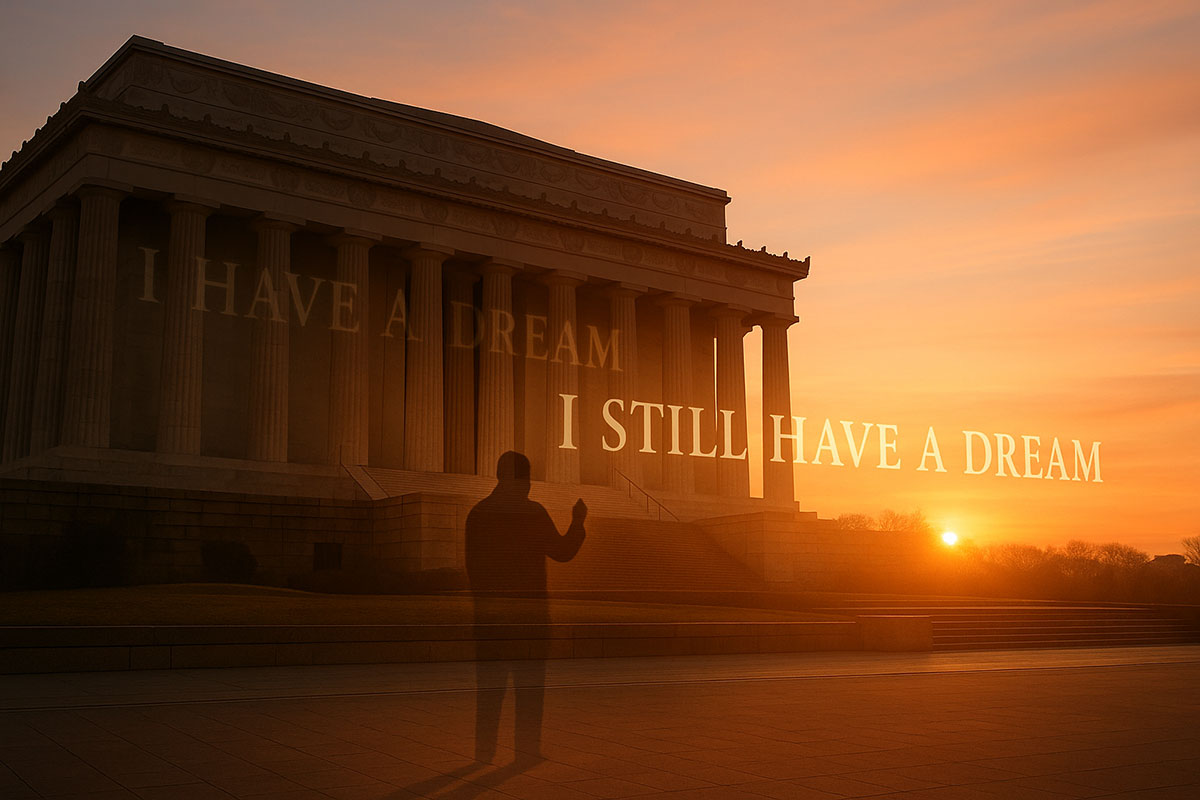
I come to you tonight not from the grave, but from the great cloud of witnesses—
Where dreams do not die, they rise.
More than sixty years ago, I stood on the steps of the Lincoln Memorial and said:
"I have a dream."
But let me tell you something, beloved:
I still have a dream.
Because though we’ve made strides, we have not arrived.
Though some chains have broken, too many minds remain bound.
Though the color of law has shifted, the color of fear still walks our streets.
And so I speak again—not in mourning, but in fire.
Not in sorrow, but in summons.
This time not just to America, but to the world.
This time not just to black and white,
but to every soul with a pulse and a conscience.
Let us rise again, not with fists clenched, but hands open.
Let us walk again—not away from injustice, but toward one another.
Because I still have a dream.
The Wounds We Carry
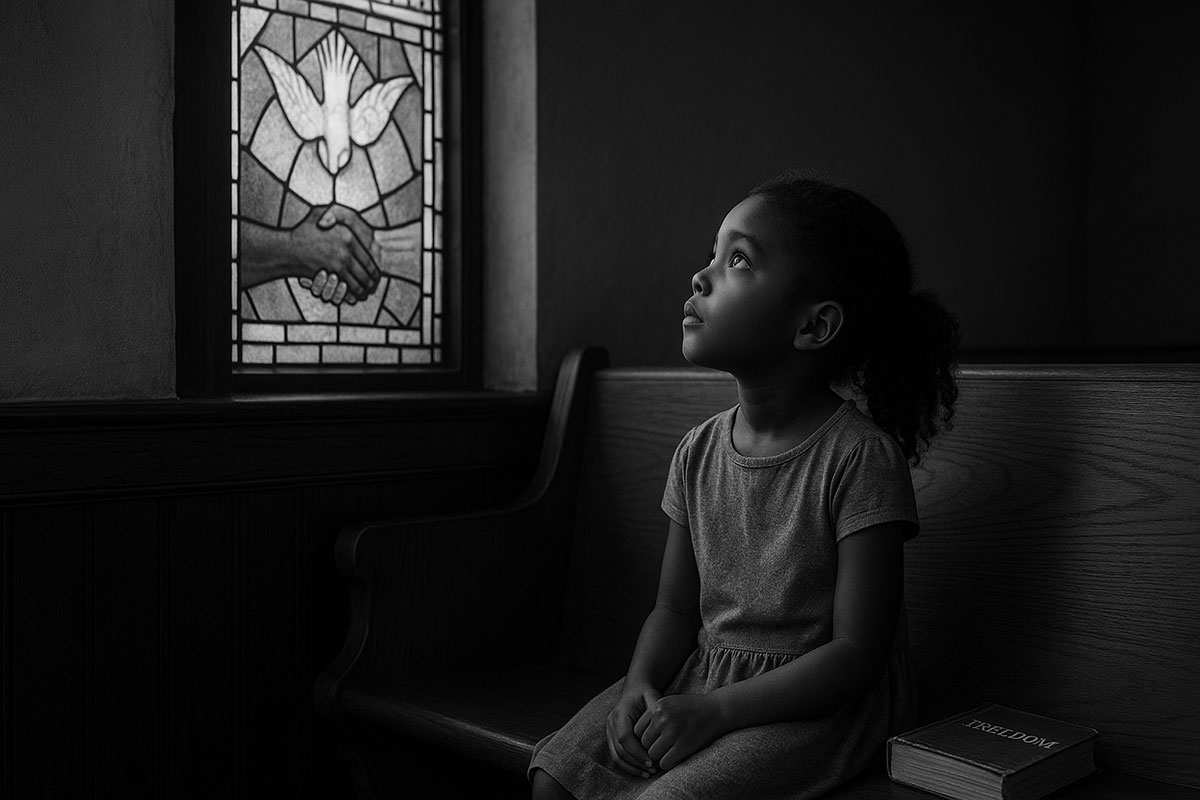
I remember a little girl who looked at me once with eyes full of questions.
She was no older than five, sitting on the floor of a Birmingham church basement.
She asked, “Dr. King, why do people hate us?”
I looked down at her…
And for a moment, I had no answer.
Not because I didn’t know the reasons.
But because those reasons were too small to be worthy of her question.
Too petty. Too ignorant. Too cruel.
You see, I have marched beside broken mothers whose sons never came home.
I have held the hands of bruised men who wanted to strike back but chose dignity instead.
I have buried friends whose only crime was courage.
And yes, I have felt fear too.
When the phone rang late at night.
When the bomb shook the house.
When the cross burned hot in the front yard.
But I learned something through all that.
Hate may wound, but it cannot win.
Fear may chase us, but it cannot chain us.
And death—yes, even death—cannot silence truth.
What carries us forward is not rage.
It is the radical power of redemptive love.
The Dream Reframed
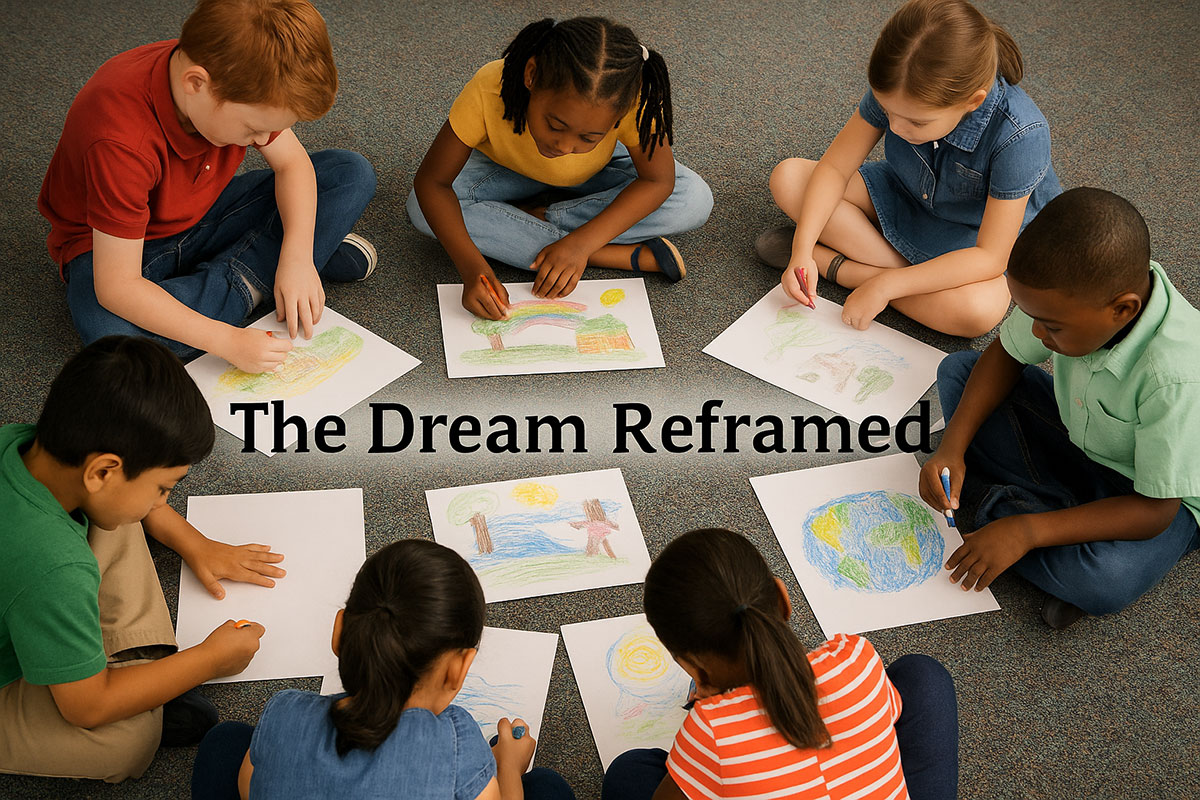
And so I say again:
I still have a dream.
Not just of integration, but of revelation.
Not just that our children will sit together—
but that they will see each other.
That they will know in their bones:
We were not made to conquer. We were made to connect.
I dream of a world where justice rolls down not only in courts,
but in classrooms,
in boardrooms,
in bedrooms.
I dream of a table—not for the few, but for the whole human family.
Where no one is too poor to sit,
no voice too quiet to be heard,
no difference too vast to be embraced.
Let me be clear:
The enemy is not whiteness. The enemy is wrongness.
The enemy is silence in the face of suffering.
The enemy is indifference disguised as peace.
And love—real love—is not passive.
It confronts. It disrupts. It refuses to look away.
But it never forgets…
That even those we call enemy—
are children of God too.
The Reality We Face
Now I know, the cynics will say:
“Dr. King, the world’s gotten more complicated. We’ve moved on.”
But let me ask you:
Have we moved on from hunger?
From hatred?
From the quiet violence of neglect?
Let the statistics speak:
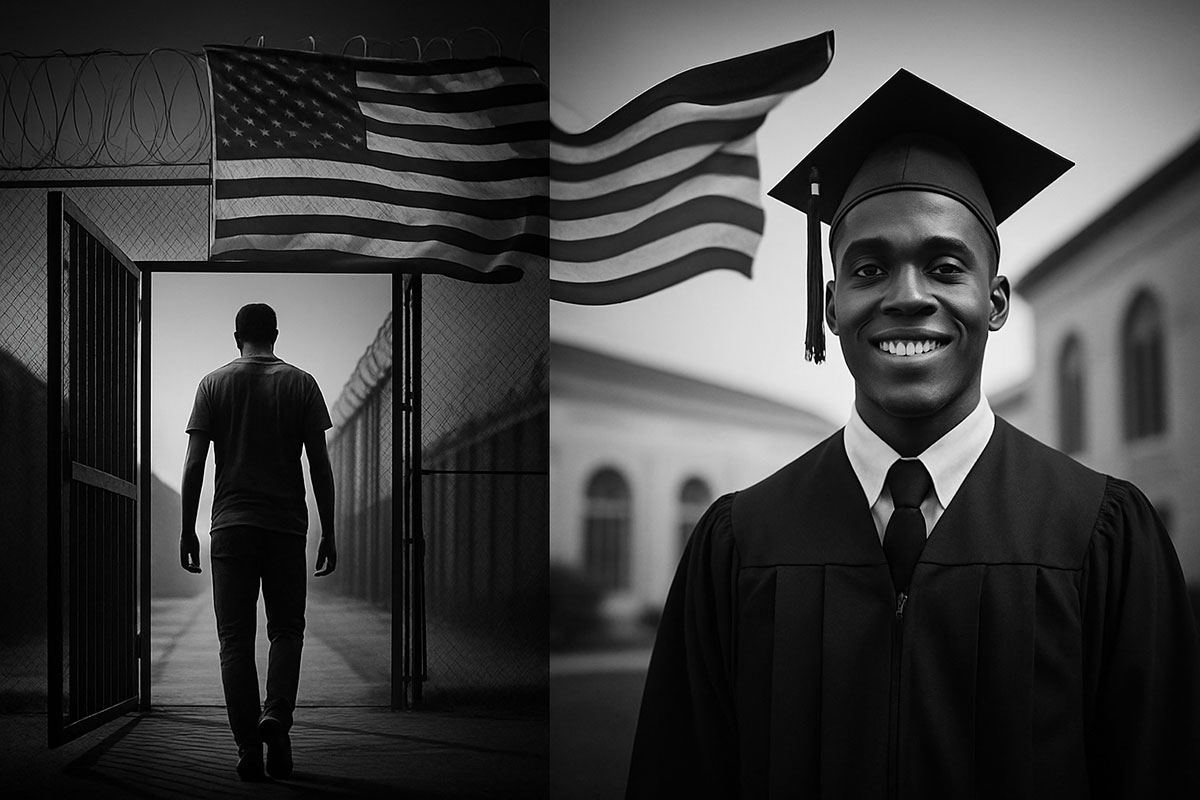
The prison door swings wider than the college gate for far too many boys who look like me.
The pay gap, the wealth gap, the hope gap—they still split this nation like a scar.
But worse than the numbers is the numbness.
The tired hearts. The tired eyes. The tired spirit.
We scroll more than we listen.
We shout more than we seek.
We react more than we reflect.
But hear me now—
We cannot change what we refuse to confront.
We cannot heal if we do not feel.
And so I plead with this generation:
Don’t settle for tolerance.
Don’t bow to algorithms.
Don’t trade your soul for noise.
Get quiet enough to feel again.
Then rise—and move.
The Call to Rise
In the final years of my life, I stopped speaking only of race.
I started speaking of poverty, war, and economic injustice.
Some friends turned away.
Some said, “Stay in your lane.”
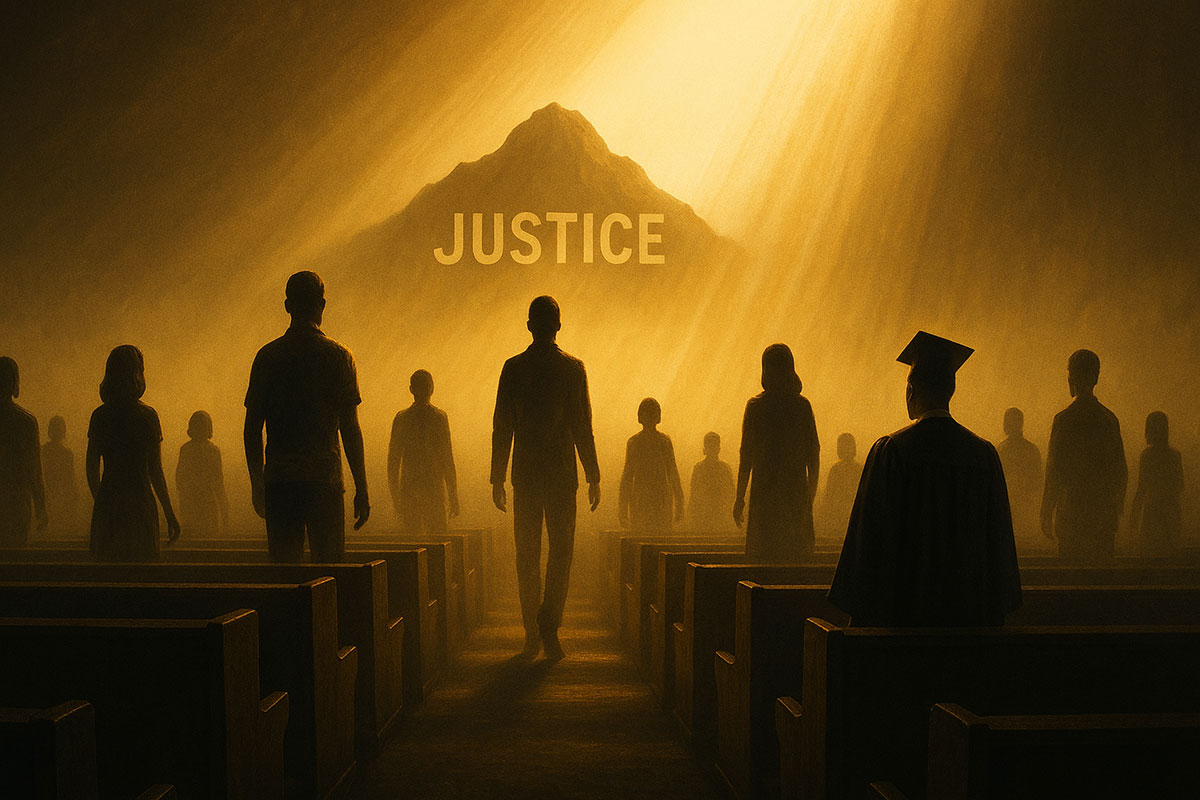
But I tell you, peace without justice is anesthesia.
Unity without equity is illusion.
So I kept going.
And now, from this stage, I ask you to do the same.
Stand up for the unseen.
Lift up the unheard.
Forgive those who’ve failed you—yes, even yourself.
Because the dream is not a poem.
The dream is a discipline.
A choice we make in traffic, in trials, in tension.
And you, my beloved—
You are the dream now.
You carry it in how you speak,
in how you spend,
in who you include.
The Dream Lives On
So if you remember nothing else I’ve said tonight,
remember this:
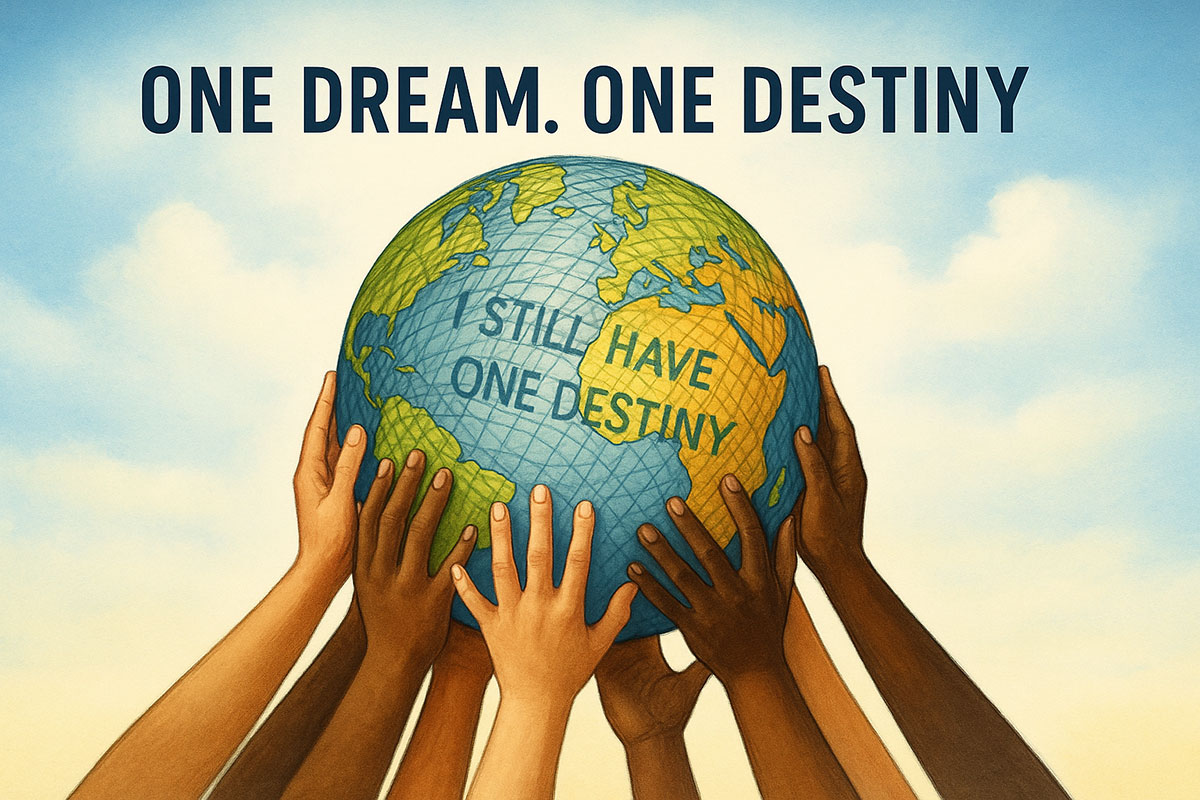
We are tied together in a single garment of destiny.
What affects one directly,
affects all indirectly.
I still have a dream.
And I see it in your eyes.
A dream where the color of skin is not the measure of a man—
but the content of one’s heart still is.
Where little girls ask not, “Why do they hate us?”
but “How can I serve them?”
Where nations lay down not only their arms,
but their arrogance.
And where love—yes, that old, weary, underestimated word—
becomes the final law of the land.
So rise, beloved.
The mountain may be steep,
but the dream is alive.
And it is waiting on you.
Thank you.
Final Thoughts by Nick Sasaki
As the lights fade back in, Nick steps forward again—quiet, reflective.
“I still have a dream.
He said those words with renewed strength tonight,
and I hope you felt it in your bones—because I did.
It’s not enough to remember Dr. King.
We must remember the assignment.
To build bridges, not burn them.
To teach children to draw their dreams, not bury them.
To rise when the world says ‘sit down.’
This wasn’t just a speech—it was a call.
A call to wake up,
stand up,
and keep walking until the dream isn’t just spoken…
but seen.
Thank you for dreaming with us.”
Short Bios:
Dr. Martin Luther King Jr.
Dr. King (1929–1968) was a Baptist minister and visionary leader of the American civil rights movement. Known for his nonviolent resistance and landmark speeches like “I Have a Dream,” he inspired generations to fight injustice through love, faith, and peaceful protest. He received the Nobel Peace Prize in 1964 and remains a global symbol of moral courage.
Nick Sasaki
Nick Sasaki is a visionary storyteller and creative producer behind Imaginary Talks, a platform that brings together powerful voices—past and present—for thought-provoking, heart-centered conversations. As a narrator and guide, Nick introduces timeless ideas through modern lenses, helping audiences connect emotionally with purpose-driven messages.
Leave a Reply