
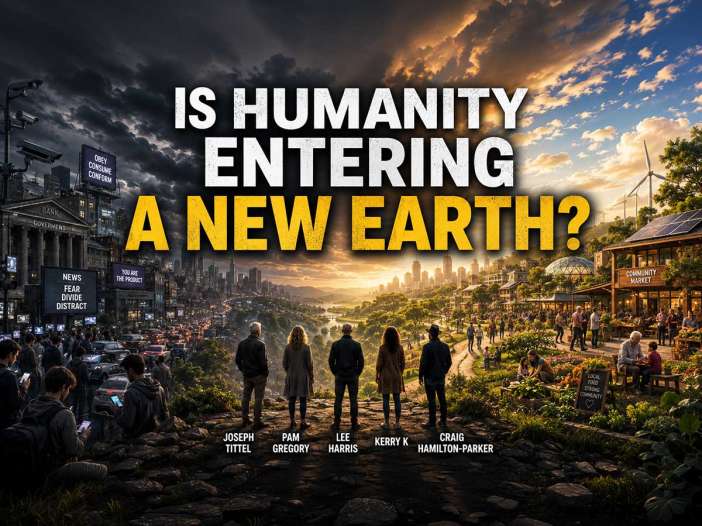
Introduction
What if the chaos surrounding us is not simply a collection of unrelated crises?
What if political distrust, technological surveillance, war, economic strain, spiritual searching, social fragmentation, and growing anxiety about the future are all part of a much larger transition?
In this imaginary discussion, Joseph Tittel, Craig Hamilton-Parker, Pam Gregory, Lee Harris, Kerry K, Elizabeth April, David Icke, and Clif High examine that possibility from very different perspectives.
Some see humanity moving through a spiritual awakening.
Some focus on political and technological systems.
Some speak through intuition, psychic perception, astrology, or channeling.
Others question whether the language of awakening sometimes turns ordinary historical instability into something more mysterious than the evidence supports.
Across five conversations, the discussion moves through increasingly difficult questions.
Do old systems need to collapse before something better can emerge?
Could surveillance technology gradually create a society where convenience replaces freedom?
Can psychic predictions or astrology tell us anything reliable about the future?
Could a global crisis finally overcome human division?
And perhaps most importantly:
If people really believe a “New Earth” is possible, who is responsible for creating it?
The conversation does not assume that every prediction is true or that every spiritual interpretation is correct. Instead, these ideas are placed beside skepticism, history, psychology, human behavior, and moral responsibility.
The resulting question is larger than prophecy.
It is about what kind of civilization human beings are becoming, and what kind they still have the freedom to build.
(Note: This is an imaginary conversation, a creative exploration of an idea, and not a real speech or event.)
Topic 1: Is the Collapse of Old Systems a Disaster or the Beginning of a New Civilization?
The room was quiet for several seconds after the question appeared on the screen behind them.
If humanity truly is entering a new civilization, must the old one break first?
Joseph Tittel leaned forward.
Joseph Tittel: I think some of it does have to break. I don't mean every institution disappears or everything burns down. That's not what I'm talking about. I'm talking about systems that people keep trying to repair when the foundation itself isn't working anymore.
We've been doing that for generations. Patch this. Fix that. Elect somebody else. Change this rule. Change that rule. Then ten years later people are sitting around asking why nothing really changed.
At some point, the structure tells you what it is.
And what I've been getting for years is that we're going through a very large transition. People call it the New Earth. Some people don't like that terminology. Fine. Call it a new civilization. Call it a shift in consciousness. Call it humanity growing up. I don't care what name you put on it.
Something is changing.
Lee Harris: I agree that something is changing. Where I may differ from you is the word “has to.”
I become cautious when we say something has to collapse.
Humans are very good at giving meaning to painful events after they occur. That can be beautiful. Someone goes through something devastating and later says, “That changed my life. I became more compassionate. I learned what mattered.”
But that doesn't mean they needed to be devastated.
Those are two very different statements.
Joseph: I agree with that.
Lee: Do you completely?
Because when spiritual communities talk about collapse, there can sometimes be excitement around it.
People almost begin anticipating the disaster.
The financial system is going to collapse.
Governments are going to collapse.
Technology is going to collapse.
Something huge is going to happen.
And then we'll finally wake up.
I have difficulty with that.
If consciousness is truly changing, shouldn't part of that change be recognizing what is dysfunctional before catastrophe forces us to recognize it?
Joseph: Yes. That's actually what I want.
I would love humanity to say, “This isn't working. Let's change it.”
But look at human behavior.
How often do people really change before they're forced to?
Pam Gregory: That may be the deeper question.
We tend to speak about civilizations as if they were separate from human psychology. Yet institutions are expressions of consciousness.
Governments are expressions of consciousness.
Economic systems are expressions of values.
Our relationship with nature reflects our consciousness.
Our relationship with technology does too.
If millions of people believe security matters more than freedom, eventually institutions reflecting that preference emerge.
If millions believe endless consumption is success, economic structures grow around that idea.
So perhaps what we call systemic collapse is partly the outer manifestation of an inner contradiction that can no longer be sustained.
Craig Hamilton-Parker: History certainly suggests that large changes rarely happen smoothly.
When you look at major transitions, there's usually disruption somewhere.
The old establishment doesn't surrender influence simply since a better idea has appeared.
There are entrenched interests.
There are people with wealth.
There are political systems.
There are ideologies.
There are people whose identity depends on preserving the existing arrangement.
So I think Joseph has a point. Change often accelerates when circumstances make the old arrangement impossible to maintain.
Lee: But that raises a troubling question.
Who suffers during that process?
The people controlling the system may have enough money to survive disruption.
The poorest person may not.
Craig: That's true.
Lee: Then when we say collapse is part of transformation, we need to ask whether we are making suffering sound spiritually meaningful from a position of relative safety.
If someone's children are hungry, telling that person, “Don't worry, civilization is transforming,” may be one of the least compassionate things we could say.
Kerry K: I think this is where the language becomes difficult.
When I speak about a false system dissolving, I'm not celebrating suffering.
I am saying humanity has been living inside structures that separate people from their deeper nature.
People become identified with roles, institutions, economic survival, social status, fear, scarcity.
Then we forget who we are.
The collapse I speak about is not necessarily buildings falling or nations disappearing.
It can be the collapse of identification.
The moment somebody realizes, “This thing I thought defined me does not define me.”
That can happen quietly.
Joseph: Exactly.
People hear collapse and think apocalypse.
That's not necessarily what I'm saying either.
Sometimes collapse means trust collapses.
An institution is still standing, but nobody believes it anymore.
Pam: That's a major distinction.
A system can continue physically long after its legitimacy has disappeared.
Craig: And once legitimacy goes, events can move quickly.
Joseph: We're seeing that everywhere.
People don't trust politicians.
They don't trust corporations.
They don't trust media.
They don't trust financial institutions.
They don't trust one another.
That is a kind of collapse.
Lee: Yet distrust itself doesn't automatically create enlightenment.
It can create paranoia too.
Joseph: Absolutely.
Lee: That's something I think spiritual communities need to speak about more openly.
Questioning authority can be healthy.
Questioning institutions can be healthy.
But there comes a point where someone stops asking questions and starts believing every hidden explanation simply since it confirms their suspicion.
Then distrust becomes another prison.
Joseph: That's fair.
Craig: Very fair.
Kerry: Fear can imitate awakening.
Pam: That's beautifully put.
Kerry: Someone can feel as though they're becoming conscious simply since they're discovering frightening information.
But awakening isn't measured by how much darkness you can identify.
It's measured by what you become after seeing it.
Do you become more compassionate?
More grounded?
Less manipulated?
More responsible?
Or merely more frightened?
Joseph: That's exactly why I keep telling people not to live in fear.
I can talk about difficult things coming and then people say, “Joseph, you're spreading fear.”
I'm not telling people to fear them.
I'm telling people to prepare and stay aware.
There's a difference.
Lee: There is, but the audience may not always experience the difference.
If someone hears fifty warnings and then one sentence about hope, the nervous system may remember the fifty warnings.
Joseph: That's true.
Pam: Perhaps this is where the responsibility of the messenger becomes significant.
If you believe you can perceive future possibilities, how you communicate them matters nearly as much as the information itself.
Do you make people feel helpless?
Or do you return them to agency?
Craig: That's one of the hardest parts of prediction work.
People often want certainty.
They ask, “When is this going to happen?”
“What country?”
“What month?”
“What happens next?”
Sometimes the honest answer is that you don't know.
Joseph: Exactly.
Craig: Yet audiences often reward confidence more than uncertainty.
Lee: Which creates an interesting problem.
The more certain somebody sounds, the more credible they can appear, even when the uncertainty may be the more truthful position.
Pam: That applies far beyond spirituality.
Economics.
Politics.
Science communication.
News.
People want somebody to say, “This is what is happening.”
Uncertainty is emotionally difficult.
Kerry: That's why transition frightens people.
The old structure may have been painful, but it was familiar.
When that disappears, people don't yet know what comes next.
That empty space becomes frightening.
Joseph: And that's exactly where we are.
The old stuff isn't working.
The new thing isn't completely visible yet.
We're standing between them.
Lee: I like that framing more than saying everything needs to fall apart.
We're between identities.
Between systems.
Between stories.
Pam: Yes.
Astrologically, I see periods where structures that have been fixed for a long time become more fluid.
But astrology doesn't remove human agency.
A transit doesn't force humanity to choose wisdom.
It may present conditions.
We still decide what we do with them.
Joseph: That's important.
People hear predictions and think the future is carved in stone.
I don't believe that.
I've always believed there's free will.
Craig: Same here.
You may see the direction a train is moving.
That doesn't mean somebody can't switch tracks.
Lee: Then perhaps prophecy is most useful as prevention.
Craig: That's an interesting point.
Lee: If a prediction comes true, people often celebrate the accuracy of the predictor.
But perhaps the greater success would be a warning that never comes true since people responded to it.
Joseph: Yes.
I've said that before.
If I say something terrible may happen and people change course and it doesn't happen, I'm perfectly happy being called wrong.
Pam: That's a very different model of prophecy.
Not prediction as performance.
Prediction as participation.
Kerry: Which connects directly to the New Earth idea.
If people are waiting for some external event to transform consciousness, they've misunderstood the whole point.
Joseph: Absolutely.
Kerry: You don't wait for a new civilization.
You become the kind of person capable of living in one.
Lee: That's where I feel most connected to this conversation.
When someone asks me whether humanity is awakening, I don't immediately look at governments.
I look at relationships.
How do people treat their children?
How do they treat strangers?
How do they respond when they're frightened?
How quickly do they dehumanize somebody who disagrees with them?
Those things tell me far more about collective consciousness than spiritual vocabulary.
Pam: I completely agree.
You could have millions of people talking about higher consciousness and still have enormous levels of loneliness, hostility and disconnection.
Then we should ask whether our language has moved further than our behavior.
Joseph: That's a great point.
Craig: It raises another question.
What evidence would actually convince us that this so-called New Earth is arriving?
Joseph: People coming together more.
Communities.
Less division.
People helping each other.
Lee: I would want to see less fear-driven behavior.
Pam: Greater cooperation.
Kerry: Less identification with external authority.
Craig: Those are good answers, but they are still somewhat subjective.
Could we measure this?
Pam: Some of it, yes.
Social trust.
Loneliness.
Volunteerism.
Violence.
Community participation.
Family stability.
Mental well-being.
Lee: Forgiveness is harder to measure.
Joseph: Compassion too.
Lee: Perhaps. Yet you can observe behavior connected with compassion.
Craig: Then here's a potentially uncomfortable possibility.
What if twenty years from now society becomes more technologically advanced, more politically unstable, more lonely, more distrustful and more divided?
Would you still say humanity was awakening?
Joseph: That's a good question.
Kerry: I would say the process can contain contraction.
Craig: But that's where these theories can become unfalsifiable.
If things improve, awakening is happening.
If things get worse, that's the darkness surfacing before awakening.
Either outcome confirms the theory.
Lee: That's exactly the skeptical challenge we need.
Pam: Yes.
Any worldview that explains every possible outcome risks explaining nothing.
Joseph: I can accept that criticism.
Craig: So what would convince you that your New Earth interpretation was wrong?
Joseph was quiet for a moment.
Joseph: If humanity kept moving deeper into separation for decades with no meaningful movement back into community, compassion or awareness, I'd have to question how I've interpreted what I've received.
I still believe consciousness continues beyond this life. I still believe in spirit. But my interpretation of the timing or the meaning could be wrong.
I'm human.
Lee: That's an important statement.
Pam: Very important.
Kerry: I would say something similar, though my framework is different.
If spiritual awakening doesn't result in greater embodied love, responsibility and freedom, then something is missing.
Craig: Pam?
Pam: Astrology describes cycles and potentials. I don't believe astrology guarantees moral improvement. Humanity can encounter extraordinary opportunities and choose poorly.
So I would never say a particular transit proves humanity is spiritually advancing.
Lee: For me, awakening has to become behavior.
If someone claims expanded consciousness and becomes more cruel, more arrogant or less capable of listening, I don't care what experiences they've had.
Something isn't integrated.
Joseph: That might be the test right there.
Lee: Which brings us back to collapse.
Maybe the central question isn't whether the old system breaks.
Maybe it's what kind of people we become as it changes.
Kerry: Yes.
Pam: Exactly.
Craig: Yet I still think we may be avoiding the harsh historical reality.
Sometimes systems don't reform peacefully.
Sometimes elites resist.
Sometimes resources become scarce.
Sometimes geopolitical competition overwhelms good intentions.
We can talk about consciousness, but political events can move very quickly.
Joseph: That's where I think we're going to see difficult periods.
Lee: And this is where I want to challenge both of you again.
Suppose you are correct.
Suppose there is major economic disruption.
Suppose governments struggle.
Suppose geopolitical conflict intensifies.
What should the ordinary person actually do?
Not spiritually.
Practically.
Joseph: Build community.
Know your neighbors.
Have some basic emergency supplies.
Don't rely completely on one system for everything.
Support local businesses.
Support farmers when you can.
Have backup plans.
But don't spend your life preparing for disaster.
Craig: Keep perspective.
Pam: Become adaptable.
Kerry: Learn the difference between preparation and fear.
Lee: And maintain relationships.
One thing people often underestimate is that during genuine crisis, relationships become infrastructure.
Who checks on you?
Who shares food?
Who watches the children?
Who has skills you don't have?
Who can you call?
We've built societies where many people have hundreds of online contacts and nobody nearby who knows they're sick.
That is vulnerability.
Joseph: That's exactly the kind of thing I mean when I talk about rebuilding natural communities.
Pam: Perhaps that is one place where the New Earth becomes very concrete.
Not another dimension.
Not an abstract energetic state.
A neighborhood where people know one another.
Kerry: Yet the inner transformation still matters.
You can build a community and recreate the exact same hierarchies, fear and manipulation that existed in the larger system.
Lee: True.
Craig: Every revolution faces that problem.
People overthrow one system and reproduce many of its behaviors.
Pam: Which suggests external collapse alone accomplishes very little.
Joseph: Right.
You can knock everything down and rebuild the same thing.
Lee: Then collapse doesn't create transformation.
Consciousness determines what comes after collapse.
Kerry: Precisely.
Craig: That's probably the most important distinction we've reached.
Pam: And perhaps why history contains both renewal and repetition.
Human beings change structures faster than they change themselves.
Joseph: That's a powerful sentence.
Lee: Think about relationships.
Someone leaves a painful relationship saying, “I will never live like this again.”
Then five years later they discover they've recreated almost the same dynamic with someone else.
The scenery changed.
The pattern didn't.
Civilizations can do that too.
Craig: Revolutions often demonstrate it.
Pam: So could technological revolutions.
We may replace institutions without replacing the consciousness that created them.
Kerry: Which is why I keep returning inward.
The false system isn't merely outside us.
We carry pieces of it inside ourselves.
The desire to dominate.
The fear of scarcity.
The need for approval.
The attraction to hierarchy.
The willingness to surrender freedom for comfort.
You can destroy every institution on Earth and still rebuild the same civilization if those patterns remain.
Joseph: Then maybe the old Earth and New Earth aren't places.
They're ways of being.
Lee: I think that's a far more useful interpretation.
Craig: Yet Joseph, you still believe there are external events coming that will accelerate this.
Joseph: Yes.
I do.
Craig: Significant ones?
Joseph: Yes.
Lee: And I suspect this is where we'll continue disagreeing.
I don't want people subconsciously waiting for catastrophe to give their life meaning.
Joseph: Neither do I.
Lee: Then perhaps we should say something directly to the person who watches discussions like this and thinks, “I shouldn't build anything since everything is about to collapse.”
What do you tell them?
Joseph: Build.
Absolutely build.
Start the business.
Plant the garden.
Have the child if that's what you want.
Fall in love.
Travel.
Create things.
Help people.
Don't sit around waiting for destruction.
If something changes, you adapt.
Pam: That's very important.
The future should not become an excuse for abandoning the present.
Kerry: Nor should spirituality.
Craig: Prophecy either.
Lee: That's where I think we can find some agreement.
Don't wait for the future to rescue you.
Don't wait for collapse to awaken you.
Don't wait for a New Earth to teach you how you want to live.
Practice it now.
For a moment, nobody spoke.
Pam looked back at the question still displayed behind them.
Pam: Maybe we've been asking the wrong question.
We started with: Must the old civilization break before a new one can emerge?
Perhaps the better question is:
How much of the old civilization must stop living inside us before anything genuinely new can be built?
Kerry: Yes.
Joseph: I like that.
Craig: Yet we shouldn't escape into metaphor either.
There are real institutions.
Real economic systems.
Real political structures.
Some of them are facing very serious pressures.
The internal and external questions need each other.
Lee: Agreed.
Joseph: That's where the next part gets difficult.
Suppose the systems really are changing.
What replaces them?
And who gets to decide?
Craig: That's the dangerous part.
Pam: Especially with technology moving as quickly as it is.
Kerry: Humanity may free itself from one structure and accidentally build something far more restrictive.
Lee: Which brings us directly to surveillance.
Joseph: Exactly.
Everyone worries about governments controlling people.
But we are voluntarily carrying devices that know where we are nearly every minute.
Craig: And we're only at the beginning.
Pam: Then perhaps the transition into a new civilization contains two possibilities.
One path gives people greater autonomy, connection and conscious participation.
The other creates extraordinary technological control.
Lee: And both may be presented as progress.
The room fell quiet again.
This time the silence felt less hopeful.
The first question had begun with collapse.
The next one would concern something perhaps harder to recognize.
Not the moment when a civilization falls.
But the moment when a civilization becomes something new, and nobody notices what has been surrendered along the way.
Topic 2: Are We Becoming More Free or Building the Most Sophisticated Surveillance Society in History?
The silence from the previous discussion had barely faded.
Joseph Tittel looked around the room.
Joseph Tittel: This is the part that worries me most.
People keep looking for some dramatic moment when freedom disappears. I don't think it happens that way.
I think you give away a little here.
A little there.
A camera makes you safer.
An app makes life easier.
A digital payment saves time.
A smart device knows when you come home.
Another system recognizes your face.
Another follows your vehicle.
Every single step has a reasonable explanation.
Then one day somebody connects everything.
David Icke: That is exactly the point.
Control rarely introduces itself as control.
It introduces itself as convenience.
Security.
Efficiency.
Public safety.
Personalization.
People accept the infrastructure long before they understand what the infrastructure is capable of becoming.
Craig Hamilton-Parker: But we should introduce an important distinction immediately.
The existence of surveillance technology does not prove there is one coordinated master plan controlling every part of it.
That's where people sometimes make too large a jump.
David: You don't need one room with twelve men sitting around a table controlling everything.
Systems develop through aligned interests.
Governments want information.
Corporations want information.
Advertisers want information.
Security agencies want information.
Technology companies profit from information.
Banks require information.
Each institution has its own motivation, yet the result can still be increasing centralization.
Clif High: That's much closer to how I see it.
People often think systems require centralized intentionality.
They don't.
Complex systems can produce outcomes nobody individually planned.
You can have thousands of actors responding to incentives and still end up with something that resembles coordination.
Elizabeth April: And that's where consciousness matters.
People are participating in the structure.
Every time someone exchanges privacy for comfort without thinking about the long-term consequences, they contribute to what eventually becomes normal.
Nobody has to knock on the door and demand everything from you.
People voluntarily install much of it.
Joseph: That's exactly what bothers me.
People will say, “I don't care if they know where I am. I'm not doing anything wrong.”
That's not the question.
The question is whether you want somebody to possess that information forever.
Craig: And whether the institution holding it today will be the institution holding it tomorrow.
Governments change.
Companies get bought.
Databases are transferred.
Laws change.
Technology changes.
Information collected for one purpose may later be used for another.
David: That's why the phrase “nothing to hide” is so dangerous.
Privacy is not about hiding wrongdoing.
Privacy is about maintaining a space where human beings are not constantly observable.
If privacy requires innocence as justification, then privacy has already been redefined as suspicious behavior.
Clif: There's another dimension here.
The value of data increases when datasets are connected.
Your location history alone tells one story.
Your purchases tell another.
Your communications another.
Medical behavior another.
Political interests another.
Search history another.
Transportation another.
Now combine them.
The individual data points aren't the main issue.
The relationships between them are.
Elizabeth: Then artificial intelligence interprets patterns a human being could never process.
Clif: Exactly.
That's the transition people underestimate.
Surveillance used to mean somebody watching you.
The new version doesn't require anybody to watch.
A system watches.
A model categorizes.
A probability gets assigned.
Then another system acts on the probability.
Joseph: That's much creepier.
Craig: It may be, but let's be fair.
Those same systems can find missing children.
They can identify violent criminals.
They can detect fraud.
They can find stolen vehicles.
They can identify suspicious financial activity.
There are genuine public benefits.
David: Nobody disputes that surveillance can produce benefits.
The question is whether benefit becomes justification without limit.
Craig: Exactly.
So where is the line?
Elizabeth: Consent.
Clif: Consent isn't enough.
Elizabeth: Why not?
Clif: People consent to things they don't understand.
Nobody reads seventy pages of terms and conditions.
You click “accept” since you want the application to work.
That's legally described as consent.
It isn't meaningful comprehension.
Joseph: That's true.
David: And often you cannot meaningfully refuse.
Try participating fully in modern society without a phone.
Try getting certain jobs.
Try managing banking.
Travel.
Healthcare.
Education.
Government services.
People say participation is voluntary when opting out carries growing social and economic penalties.
Craig: That's an important point.
Freedom technically exists, yet practical freedom narrows.
Elizabeth: Then maybe consent needs another layer.
Not merely “Did you click yes?”
But “Could you realistically say no?”
Clif: Precisely.
Joseph: Let's take something very ordinary.
You drive down a street.
A camera reads your license plate.
You haven't committed a crime.
You're simply driving.
Now that location can become part of a database.
Maybe nobody cares about you today.
Fine.
What happens five years from now?
Craig: This is where regulation matters.
Retention periods.
Warrants.
Data-sharing restrictions.
Independent oversight.
Transparency.
Those things matter.
David: Yet regulation often arrives after infrastructure has been built.
Once institutions become dependent on a technology, removing it becomes extremely difficult.
Clif: This is the ratchet effect.
Systems gain capabilities much faster than societies surrender them.
A crisis happens.
New surveillance gets introduced.
The crisis ends.
The surveillance stays.
Elizabeth: Fear is often the doorway.
Joseph: That's what I keep saying.
Fear gets people to accept things they would reject during calm periods.
Craig: True, but this is where we need to be careful again.
Not every security measure introduced after a crisis is secretly intended to become permanent tyranny.
Some are responses to genuine danger.
David: Intent isn't the whole question.
Capability matters.
Build infrastructure capable of abuse and eventually somebody may abuse it.
Craig: That's stronger than claiming everyone building it intends abuse.
David: Fair enough.
Clif: That's an important distinction.
We should worry less about mind-reading the creators and more about analyzing capability.
What can the system do?
Who can access it?
Can access expand?
Can data be sold?
Can it be combined?
Can citizens appeal decisions?
Can the system operate without human review?
Those questions are measurable.
Elizabeth: That's much more useful than simply declaring everything evil.
Joseph: I agree.
Craig: Then let's test the idea with a difficult scenario.
Suppose a city installs an extensive camera network.
Violent crime falls forty percent.
Car theft drops dramatically.
Missing people are located faster.
Residents feel safer walking at night.
Would you still oppose it?
David: Depends on how it functions.
Craig: Let's say every public street is covered.
David: Who controls the recordings?
Craig: Local government.
David: For how long?
Craig: Ninety days.
David: Who accesses it?
Craig: Police with documented investigative reasons.
David: Is facial recognition used?
Craig: Yes.
David: Then I would want extraordinary safeguards.
Craig: You're not saying no automatically.
David: No.
This is where people misunderstand me.
Technology itself isn't the fundamental issue.
Centralized unaccountable control is.
Joseph: I would still be uncomfortable.
Elizabeth: Me too.
Clif: I would ask how long those restrictions survive.
Systems expand.
Ninety days becomes one year.
Investigations become “public safety.”
Public safety becomes “risk prevention.”
Then predictive systems enter.
Craig: But that argument can justify rejecting almost anything.
A kitchen knife can be misused.
A car can be misused.
Government itself can be misused.
At some point we need institutions capable of functioning.
Clif: True.
The difference is scale.
A knife cannot silently classify ten million people.
Elizabeth: That's where AI changes the moral equation.
Joseph: Exactly.
Craig: So artificial intelligence is the multiplier.
Clif: Yes.
Before machine analysis, collecting too much data created its own problem.
Humans couldn't examine it all.
Now excessive data becomes increasingly useful.
AI removes the bottleneck.
David: Which means societies are building something historically unprecedented.
Past dictatorships would have dreamed of possessing this capability.
They required informants.
Secret police.
Files.
Human watchers.
Modern citizens generate their own files constantly.
Elizabeth: And sometimes upload them willingly.
Photos.
Locations.
Friends.
Preferences.
Homes.
Children.
Vacations.
Purchases.
Joseph: We put microphones in our houses.
Craig: Yet most people would say they receive tremendous value from these devices.
Joseph: That's the trap.
Craig: Or perhaps that's simply a trade.
We shouldn't call every trade a trap.
Joseph: Fair.
But how many people understand the trade?
Craig: Probably very few.
David: Then it isn't an informed trade.
Elizabeth: Maybe that's the larger spiritual question.
Why do people value convenience so highly?
We've reached a point where saving thirty seconds feels more valuable than preserving something abstract like privacy.
Clif: Privacy has a delayed value.
Convenience has an immediate reward.
Humans are poorly wired for that tradeoff.
Craig: Explain that.
Clif: The benefit appears now.
Tap your phone.
Door opens.
Payment clears.
Route appears.
Face recognized.
Everything is easy.
The cost may never arrive.
Or it may arrive ten years later.
Humans systematically discount distant risks.
Joseph: Then the system doesn't even have to manipulate us very much.
Clif: Correct.
It can exploit normal human psychology.
David: Which is why freedom has to be protected structurally.
You cannot rely on every citizen making perfect decisions every day.
Elizabeth: That's interesting coming from someone who usually talks so strongly about individual awakening.
David: Individual consciousness matters.
But structure matters too.
If you build a system that rewards dependency, most people eventually behave dependently.
Elizabeth: Then inner awakening isn't enough.
David: Never said it was.
Joseph: This connects directly to what Kerry said earlier.
You can destroy one system and rebuild the same mentality.
Craig: Exactly.
Imagine tomorrow every major technology company disappeared.
Within ten years people might build replacements that collect the same information since they still want the same conveniences.
Clif: Probably faster than ten years.
Elizabeth: Then the deeper problem isn't surveillance technology.
It's the human appetite that creates demand for it.
Joseph: Convenience.
Safety.
Fear.
David: Social approval.
Clif: Optimization.
Craig: Let's add another one.
Control.
People don't merely fear being controlled.
They often want systems controlling other people.
Joseph: That's a very good point.
Craig: Someone may hate government surveillance until a camera catches the person who robbed their house.
Someone may oppose online monitoring until their child is threatened.
People's principles change rapidly when danger becomes personal.
Elizabeth: So how much freedom are we willing to exchange for safety?
David: That's one of the oldest political questions in history.
Clif: Except the trade now can become permanent at the data level.
Joseph: Let's push it further.
Suppose surveillance prevented almost all violent crime.
Would you accept it?
Nobody answered immediately.
Craig: Define surveillance.
Joseph: Every public space monitored.
Every transaction traceable.
Every vehicle trackable.
Every identity verified.
AI notices unusual behavior.
And let's say it actually works.
Violent crime falls ninety percent.
Would you take that deal?
Elizabeth: No.
David: No.
Clif: Depends on governance, but likely no.
Craig: I'm less certain.
Joseph: Really?
Craig: That's why it's an important question.
Imagine speaking to a mother whose child was murdered.
Then tell her society chose greater privacy instead of a system that might have prevented it.
These moral questions become easy only when the cost belongs to somebody else.
David: Yet reverse it.
Imagine telling an innocent person they cannot travel, access money, or enter a building since an algorithm incorrectly classified them as dangerous.
Craig: Exactly.
That's why I'm saying both sides contain real human costs.
Elizabeth: Then there can never be a perfect system.
Clif: Correct.
You are choosing which errors you tolerate.
A freer system tolerates greater unpredictability.
A tightly controlled system tolerates greater institutional intrusion.
Joseph: And people increasingly seem to choose control.
Craig: Sometimes.
But people push back too.
Elizabeth: That's where consciousness enters again.
Maybe freedom requires tolerance for uncertainty.
David: Absolutely.
A population terrified of uncertainty is easy to control.
Promise safety and many people will surrender extraordinary freedoms.
Clif: Yet anyone promising complete safety is selling a fantasy.
Complex societies cannot remove uncertainty.
They can only redistribute risk.
Craig: Now let's bring money into this.
What happens when physical cash becomes uncommon?
Joseph: That's one of my biggest concerns.
David: Mine too.
Elizabeth: Digital currency makes transactions visible.
Clif: Existing electronic payments already create extensive records.
A central-bank digital system, depending on its architecture, could increase or decrease privacy.
The technology itself doesn't decide that.
Policy does.
David: But programmable money introduces possibilities cash never had.
Craig: Such as?
David: Restrictions.
Expiration.
Conditions.
Location rules.
Purchase rules.
Automatic penalties.
Whether those features are used is another question.
The capability matters.
Clif: Exactly.
Again, capability analysis is stronger than assuming intent.
Joseph: Suppose your money could someday say, “You cannot buy this.”
That's no longer money in the old sense.
That's permission.
Elizabeth: That's where financial freedom becomes psychological freedom.
If access to basic economic life depends on approved behavior, dissent becomes expensive.
Craig: Yet banks already freeze accounts under certain circumstances.
Governments already impose sanctions.
Courts already seize assets.
This isn't entirely new.
Clif: Scale and automation are new.
David: And speed.
Joseph: Everything becomes instant.
Elizabeth: Which means mistakes become instant too.
Craig: There is another side.
Digital systems could reduce corruption.
Track stolen government funds.
Expose money laundering.
Prevent tax evasion.
Make humanitarian aid easier to audit.
David: Again, nobody denies potential benefits.
The question remains who controls the controls.
Clif: That's the phrase.
Who controls the controls?
Joseph: And what happens when the people controlling them change?
Elizabeth: Maybe every generation believes it can build a benevolent system.
Then history eventually asks whether the system remains benevolent after its creators are gone.
Craig: That may be the most serious issue we've touched.
We tend to evaluate technology under today's government.
Today's laws.
Today's social values.
Today's leaders.
But infrastructure outlives administrations.
David: Precisely.
Build nothing that you would fear your worst political enemy controlling.
The room became quiet.
Joseph: That's a powerful test.
Clif: Very good test.
Elizabeth: It changes how you think about everything.
Craig: Let's apply it.
Would you support a database if you knew the political movement you dislike most might control it fifteen years from now?
Joseph: Probably not.
Elizabeth: No.
David: That's the point.
Clif: Then governance should be designed under adversarial assumptions.
Don't build systems that require permanently benevolent leaders.
Craig: That's an idea liberals, conservatives, libertarians and almost everyone else could theoretically agree on.
Joseph: Theoretically.
Elizabeth: Until their side gains control.
David: Exactly.
People often oppose centralized control when the opposition holds it and defend it when their allies do.
Clif: That's tribalism defeating principle.
Craig: Which brings us back to Topic 1.
A new civilization cannot simply have new technology.
It requires mature citizens.
Elizabeth: Citizens capable of defending someone else's freedom too.
Joseph: That's huge.
It's easy to defend speech you agree with.
Defend somebody you can't stand.
David: That's the real test.
Clif: Same with privacy.
Privacy isn't a privilege for people with nothing controversial to say.
It matters most for minorities, dissidents, whistleblowers, journalists, political opposition, unconventional thinkers.
Craig: And ordinary people whose future government may suddenly classify something ordinary as suspicious.
Elizabeth: Then freedom isn't really about what you need today.
It's about protecting possibilities for people you haven't met yet.
Joseph: Future generations.
David: Exactly.
Craig: Let me challenge the group one more time.
Is there a danger that constantly talking about surveillance causes people to see every camera, every digital system, every AI tool as part of some sinister structure?
Joseph: Yes.
Clif: Definitely.
Elizabeth: Yes.
David paused.
David: There is.
Craig: Then where do we draw that line?
Clif: Evidence.
Start with what exists.
Document capabilities.
Follow contracts.
Study policies.
Look at technical architecture.
Look at retention.
Look at ownership.
Look at access.
Don't jump twenty steps beyond the evidence.
Joseph: That's fair.
Elizabeth: Ask questions without needing every answer to confirm your fear.
Craig: That's important.
Elizabeth: If you have already decided the conclusion, you're no longer investigating.
You're collecting validation.
David: I can accept that.
But don't make the opposite mistake either.
People dismiss warnings simply since they sound uncomfortable.
History has many examples of institutions acquiring capabilities that citizens once considered impossible.
Clif: Skepticism should point in both directions.
Question the frightening claim.
Question the reassuring claim.
Joseph: That's probably the healthiest approach.
Craig: Then perhaps the real division isn't believers versus skeptics.
It's people willing to question their preferred explanation versus people who aren't.
Elizabeth: That applies spiritually too.
Joseph: Absolutely.
Clif: Technology may reveal whether society can handle that maturity.
David: Or expose that it cannot.
Craig: We're ending up somewhere interesting.
At the beginning we asked whether surveillance technology is building a prison.
Perhaps technology itself is presenting humanity with a test.
Can we create extraordinary capabilities without turning every capability into control?
Elizabeth: And can individuals enjoy convenience without surrendering awareness?
Joseph: Can we choose safety without becoming terrified of freedom?
Clif: Can we build systems assuming future leaders may be less trustworthy than current ones?
David: And can citizens understand that rights become easiest to surrender when surrender feels useful?
Nobody spoke for several seconds.
Then Craig looked at Joseph.
Craig: There's still something bothering me.
Most of what we've discussed can be examined through law, technology, history and political philosophy.
But your worldview adds another element.
You say some warnings come through intuition.
Through spirit.
Through visions of what may happen.
Joseph: Yes.
Craig: David arrives at his conclusions through investigation and interpretation.
Clif uses patterns and information.
Elizabeth brings intuition and spiritual experience.
I have my own psychic work.
At some point, we have to confront the obvious problem.
How does anyone watching us know whether any of our intuitive claims about the future are actually reliable?
Joseph smiled slightly.
Joseph: I've been waiting for that one.
Elizabeth: Me too.
Clif: Good.
David: That's going to be a very different discussion.
Craig leaned back.
Craig: It needs to be.
If people are going to make decisions about their lives based on warnings about governments, technology, war, money or civilization, then saying “I felt it” cannot automatically end the conversation.
Joseph: I agree.
Elizabeth: Completely.
Craig: Then perhaps the next question should make all of us uncomfortable.
Not:
“What do you predict?”
But:
How do we know when a prediction deserves to be believed?
Topic 3: Can Intuition, Psychic Vision, and Astrology Actually Tell Us Anything About the Future?
Craig’s final question remained in the room longer than anyone expected.
How do we know when a prediction deserves to be believed?
Joseph Tittel was the first to speak.
Joseph Tittel: I think people should question predictions.
Mine too.
I don't think somebody should believe something merely since I said I received it from spirit.
That's not healthy.
Craig Hamilton-Parker: Good. Then let's start there.
What happens when you receive something?
Not what you tell the audience afterward.
What actually happens inside you?
Joseph: It depends.
Sometimes I see something almost like a scene.
Sometimes it's symbolic.
Sometimes I hear words.
Sometimes I get a strong physical feeling.
Sometimes something simply drops into my mind and I know I need to pay attention to it.
The difficult part is interpretation.
You might receive the information accurately and interpret it badly.
Elizabeth April: That's a huge distinction.
People often think intuitive information arrives like a typed message.
It doesn't.
A lot of it is symbolic.
Craig: Mine can be visual too.
Sometimes it's almost cinematic.
Sometimes I'll see political figures or events, but what I'm looking at may not be literal.
If you see water, for example, does it mean a flood?
Emotion?
Financial movement?
A maritime event?
That's where experience comes in.
Lee Harris: Yet experience can create bias too.
Craig: Absolutely.
Lee: The more experienced someone becomes, the more frameworks they've built for interpreting information.
That can help.
But it can also mean the mind becomes very good at placing ambiguous impressions into familiar categories.
Pam Gregory: That's one reason astrology is somewhat different from mediumship.
Astrology begins with an external symbolic structure.
The planetary positions are observable.
The interpretation is where subjectivity enters.
Joseph: Right.
Pam: If Saturn is here and Pluto is there, everyone can verify those astronomical positions.
But what those positions mean for collective events is interpretive.
Two astrologers can look at the same sky and reach different conclusions.
Elizabeth: Which isn't very different from intuitives looking at the same energetic period and receiving different things.
Lee: But then we have a serious problem.
If the information is symbolic, personal, interpretive, and potentially influenced by bias, how can somebody watching distinguish genuine foresight from imagination?
Nobody answered immediately.
Joseph: That's the million-dollar question.
Craig: Track record.
Lee: Track record sounds reasonable.
How do we measure it?
Craig: Record the prediction beforehand.
Date it.
Be clear enough that it can later be evaluated.
Joseph: Yes.
Elizabeth: I agree with that.
Pam: Yet the wording matters enormously.
“Something significant may happen involving water” is almost impossible to falsify.
There are significant water events constantly.
Craig: Exactly.
A prediction should become more meaningful as it becomes more specific.
Lee: Then specificity should cost something.
If I say, “There may be political instability somewhere this year,” I shouldn't receive the same credit as someone who identifies a country, event type, and time window.
Joseph: That's fair.
Elizabeth: Very fair.
Craig: There is another problem.
People remember hits.
They forget misses.
Lee: Confirmation bias.
Craig: Yes.
The psychic remembers the prediction that appears accurate.
The audience remembers it too.
Nobody makes a compilation of the hundred things that didn't happen.
Joseph: That's true in the psychic community.
I won't deny it.
Elizabeth: It happens in every forecasting field.
Pam: Absolutely.
Economists do it.
Political commentators do it.
Financial analysts do it.
Weather forecasters can be evaluated more easily since their predictions are structured.
Spiritual forecasts usually aren't.
Lee: Then perhaps spiritual forecasters should borrow something from meteorology.
Probabilities.
Instead of saying, “This will happen,” say, “I perceive a higher probability of this.”
Joseph: I like that.
Craig: I do too.
Elizabeth: It reflects how I experience the future anyway.
I don't see one rigid timeline.
I see possibilities.
Pam: Astrology works very naturally with that idea.
Astrology describes periods when certain themes may become more pronounced.
It doesn't require one predetermined event.
Lee: Yet that creates another issue.
If everything is possibility, what would count as being wrong?
Joseph: Good question.
Craig: That's where people can escape accountability.
They say, “The timeline changed.”
Maybe it did.
But you can't use that explanation every time something fails.
Elizabeth: Agreed.
Lee: Thank you.
That is one thing I wanted us to confront.
A worldview can become impossible to test if every failed prediction is explained by invisible changes.
If it happens, the prediction was correct.
If it doesn't happen, humanity changed timelines.
Now the prediction can never fail.
Pam: That is not intellectually healthy.
Joseph: No.
Craig: I agree.
Elizabeth: Me too.
Lee: Then let's make this uncomfortable.
Joseph, what have you gotten wrong?
Joseph laughed softly.
Joseph: Plenty.
Lee: Give us one.
Joseph: Timing is probably where I've been wrong most often.
I've thought something was going to happen within a certain period and it happened much later, or the event I thought I was seeing didn't unfold the way I interpreted it.
Sometimes I attach a date to something and later realize the date came more from me than from the information.
Craig: That's happened to me.
Pam: That distinction is valuable.
Was the impression wrong?
Or was the interpretation wrong?
Joseph: Exactly.
But from the audience's perspective, if I said the wrong date, I was wrong.
I think we should own that.
Lee: Good.
Craig?
Craig: I've made political predictions that didn't unfold as expected.
Sometimes an election result.
Sometimes the timing of a leader's departure.
Sometimes I've seen a major change around someone and interpreted that change as one event when it manifested differently.
The temptation afterward is to say, “Well, I was sort of right.”
I try not to do that.
Elizabeth: That's one of the biggest problems.
Retrofitting.
Craig: Yes.
If you bend the prediction enough after the event, almost anything can look accurate.
Pam: That's why original wording should remain visible.
Lee: Exactly.
No rewriting history.
Elizabeth: I've had situations where I felt certain something would happen and then it didn't happen in the form I expected.
Sometimes I believe there was a probability shift.
But I also have to leave room for the possibility that I interpreted the information incorrectly.
Lee: Or that nothing paranormal occurred at all.
Elizabeth paused.
Elizabeth: Yes.
That's fair.
Joseph: Good answer.
Craig: Very fair.
Lee: I appreciate that.
I'm not asking anyone to abandon their beliefs.
I'm asking whether your framework contains a door through which evidence can enter.
Pam: That's beautifully phrased.
Lee: If every piece of evidence is forced to fit the spiritual theory, then the theory controls perception.
It stops being a tool.
Joseph: I agree with that.
Craig: Let's turn the question around.
What would make you believe a prediction was genuinely extraordinary?
Lee: Repeated specificity.
Recorded beforehand.
Low probability events.
Independent verification.
A pattern stronger than chance.
Pam: That sounds reasonable.
Elizabeth: What about information someone couldn't have known?
Lee: That would be interesting.
But “couldn't have known” needs to be examined carefully.
People absorb information unconsciously.
They hear things.
They see headlines.
They recognize patterns.
Then the information returns later and feels as though it came from nowhere.
Joseph: That's absolutely possible.
Craig: Cryptomnesia.
Lee: Exactly.
Humans underestimate how much information the unconscious mind processes.
Elizabeth: Yet sometimes information comes through that seems far beyond that.
Lee: Then document it.
That's where I become interested.
Joseph: I like that attitude.
You're not saying no.
You're saying show me.
Lee: Yes.
There is a big difference between skepticism and cynicism.
Pam: Skepticism asks questions.
Cynicism decides the answer before asking.
Craig: Just as blind belief decides the answer before asking.
Elizabeth: So they become mirror images.
Joseph: Exactly.
Lee: That's why this conversation matters.
People sometimes think spirituality requires lowering standards of evidence.
I would argue the opposite.
If you're making extraordinary claims, intellectual humility should increase.
Pam: Completely.
Craig: Let's talk about astrology directly.
Pam, critics say astrology is vague enough that people recognize themselves in almost any reading.
How do you answer that?
Pam: Some astrology absolutely can become vague.
“People may feel emotional today.”
That's not useful.
Everyone feels emotional at some point.
Serious astrology is much more structured.
There are precise planetary configurations, historical cycles, birth charts, angular relationships, timing methods.
Yet interpretation remains an art.
I would never claim every astrologer interprets those patterns correctly.
Craig: Do planets cause events?
Pam: I don't usually frame it as simple physical causation.
I think of astrology more as correspondence.
Patterns occurring in the heavens correspond symbolically with patterns in human experience.
Lee: Which is difficult to test mechanistically.
Pam: Yes.
And I'm comfortable saying that.
Elizabeth: Do you think astrology can predict a war?
Pam: I think astrology can identify periods where conflict, power struggles, restructuring, volatility, or collective intensity may become more likely.
I become cautious when someone says, “This transit means this exact war begins on this exact date.”
Joseph: That's where people get into trouble.
Craig: Yet audiences love dates.
Joseph: They do.
Elizabeth: They love certainty.
Lee: Since uncertainty produces anxiety.
Pam: Exactly.
Prediction can become psychologically seductive.
If the future frightens you, someone who sounds certain provides temporary relief.
Lee: That's a very important point.
A prediction can be emotionally comforting even when the prediction itself is frightening.
Joseph: Explain that.
Lee: Uncertainty can feel worse than bad news.
If I tell someone, “Something terrible might happen, nobody knows what, nobody knows when,” that's destabilizing.
If a confident psychic says, “This happens in October, then things improve,” the person now has a story.
The story gives structure to anxiety.
Craig: Yes.
Elizabeth: That's true.
Lee: That means the audience may reward certainty for emotional reasons unrelated to accuracy.
Pam: Which creates pressure on spiritual teachers to sound more certain than the information warrants.
Joseph: Absolutely.
People ask me all the time, “When?”
Sometimes I don't have a when.
Craig: Same.
Joseph: And if you say you don't know, some people get disappointed.
Elizabeth: Or they find someone else who gives them a date.
Lee: That's where ethics enters.
Do you give people what they want?
Or what you actually know?
Joseph: What you actually know.
Craig: Always.
Pam: And say when you don't know.
Elizabeth: Yes.
Lee: Then let's talk about fear.
Joseph, your predictions often concern war, disasters, political instability, infrastructure, and major events.
How do you decide when a warning helps people and when it merely frightens them?
Joseph: That's something I think about a lot.
If I feel something strongly and I believe people could prepare, I want to talk about it.
But I don't want people living scared.
Prepare reasonably.
Then live your life.
Lee: Yet repeated warnings can create a worldview where catastrophe always feels five minutes away.
Joseph: That's true.
Craig: That's a real risk in the prediction community.
Elizabeth: In spiritual communities too.
There's always another portal.
Another shift.
Another disclosure.
Another collapse.
Another date.
Pam: Another transit.
Elizabeth: Exactly.
People can become addicted to anticipation.
Lee: That's the phrase.
Addicted to anticipation.
Joseph: Yes.
Craig: Then prophecy becomes entertainment.
Pam: Or avoidance.
Lee: Avoidance of what?
Pam: The present.
Someone spends years waiting for a transformation and doesn't transform their own life.
Elizabeth: That's a major problem.
Waiting for 5D.
Waiting for ascension.
Waiting for disclosure.
Waiting for financial collapse.
Waiting for the New Earth.
Joseph: Meanwhile your family needs you.
Lee: Your relationship needs attention.
Pam: Your neighbor is lonely.
Craig: Your finances need managing.
Elizabeth: Your body needs care.
Joseph: That's why I always say live.
Don't stop living since somebody predicted something.
Lee: Good.
Then maybe the value of prophecy should be measured partly by what it does to the listener.
Does it create agency?
Or dependency?
Pam: Excellent distinction.
Craig: Dependency on the prophet is dangerous.
Elizabeth: Very.
Joseph: Yes.
You shouldn't need me to tell you what to do every week.
Lee: Yet many spiritual businesses structurally reward dependence.
Come back next week.
Hear the next prediction.
Buy the next reading.
Learn the next secret.
Craig: That's uncomfortable, but true.
Elizabeth: Very true.
Pam: That is where teachers need self-awareness.
An audience's anxiety can become profitable.
Joseph: Unfortunately, yes.
Lee: Which creates a moral hazard.
The scarier the future sounds, the more urgently people return.
Craig: Media operates similarly.
Fear gets attention.
Pam: Financial media too.
Elizabeth: Politics definitely does.
Joseph: Everybody does it.
Lee: Then spiritual communities should be especially careful not to imitate the very systems they criticize.
That landed heavily.
Joseph: That's fair.
Craig: Very fair.
Elizabeth: Completely.
Pam: Yes.
Craig: Let me raise another question.
Suppose a prediction is accurate.
Does that prove psychic ability?
Joseph: Not necessarily.
Elizabeth: No.
Pam: Certainly not by itself.
Lee: Good.
Craig: It could be probability.
Expert intuition.
Pattern recognition.
Luck.
Inside knowledge.
Coincidence.
Joseph: Absolutely.
Elizabeth: Sometimes people assume one impressive hit proves the entire worldview.
It doesn't.
Lee: That's important.
A person can make one extraordinary prediction and still be wrong about many other things.
Pam: Expertise should never become immunity from questioning.
Joseph: Nobody gets that.
Craig: Not scientists.
Not spiritual teachers.
Not politicians.
Not journalists.
Lee: Exactly.
Then let's ask something deeper.
If intuitive perception exists, what might it actually be?
Do you believe the future already exists?
Joseph: Not completely.
Elizabeth: I believe multiple probabilities exist.
Craig: I lean that way too.
Pam: Astrology suggests cycles and potentials rather than one fixed script.
Lee: So you're all rejecting strict determinism.
Joseph: Yes.
Elizabeth: Definitely.
Craig: Which explains why prediction is difficult.
You're reading movement, not a completed film.
Lee: But then perhaps intuition is closer to weather forecasting than prophecy.
Pam: That's an interesting comparison.
Joseph: I actually like that.
Elizabeth: Me too.
Lee: You detect conditions.
Patterns.
Pressure systems.
Possible directions.
Then humans act inside those conditions.
Craig: Exactly.
Pam: And certain configurations may increase probabilities without guaranteeing outcomes.
Lee: That framing immediately reduces the need for supernatural certainty.
Joseph: It doesn't remove spirit for me.
But yes, it makes the prediction more responsible.
Elizabeth: Same.
Craig: Let's take a geopolitical example.
Suppose someone predicts conflict between China and Taiwan.
Is that psychic?
Lee: Not necessarily.
Anyone following geopolitics knows tensions exist.
Craig: Correct.
So for it to become evidentially interesting, the prediction needs detail beyond publicly obvious risk.
Pam: Timing.
Elizabeth: Form of conflict.
Joseph: Location.
Lee: Something surprising.
Craig: Exactly.
Otherwise ordinary analysis may explain it.
Elizabeth: Yet perhaps intuition and analysis aren't completely separate.
Lee: I agree.
Experts often develop intuitive judgment after years of exposure.
A chess master sees a position and knows something is wrong before consciously calculating every line.
A physician may sense that a patient's presentation doesn't fit the obvious diagnosis.
A firefighter may feel a building is unsafe from subtle cues.
Pam: Pattern recognition becomes embodied.
Joseph: So what people call intuition may contain multiple things.
Lee: Exactly.
Some intuition may be unconscious expertise.
Some may be emotion.
Some may be bias.
Some may be imagination.
Some people here believe another category exists too.
Elizabeth: Nonlocal information.
Lee: Yes.
And that last category is the one needing the strongest evidence.
Craig: Fair.
Joseph: Very fair.
Pam: I like that taxonomy.
Elizabeth: Me too.
Craig: Then maybe people need to stop treating intuition as one single phenomenon.
Lee: That would help enormously.
Joseph: Let's make another distinction.
Sometimes I get personal information in a reading that I wouldn't know.
That's very different from predicting global events.
Craig: Absolutely.
Elizabeth: Global prediction contains vastly more variables.
Pam: And collective events involve millions of decisions.
Lee: Which should make forecasters less certain, not more.
Joseph: Yes.
Craig: Yet global predictions attract more attention.
Elizabeth: Since they're dramatic.
Lee: Then drama and reliability may actually move in opposite directions.
Pam: Quite possibly.
Joseph: That's funny, but probably true.
Craig: Here's another uncomfortable question.
Should psychics publish accuracy percentages?
Joseph: That's difficult.
Elizabeth: Very difficult.
Lee: Why?
Joseph: You have to agree on what counts as a hit.
Craig: Exactly.
Pam: Which is why an independent methodology would be necessary.
Lee: Then why not create one?
A prediction gets recorded.
Date.
Exact wording.
Time window.
Geographic scope.
Specificity level.
Then afterward independent reviewers score it.
Elizabeth: That would be fascinating.
Joseph: I would participate.
Craig: So would I.
Pam: It could be very useful.
Lee: And failed predictions remain visible.
Joseph: They should.
Craig: Absolutely.
Elizabeth: That part matters.
Lee: Would you allow predictions to be rated as:
accurate,
partially accurate,
too vague to evaluate,
incorrect?
Craig: Yes.
Pam: With predefined criteria.
Joseph: Definitely.
Elizabeth: I think spiritual communities would benefit from this.
Lee: Why hasn't it become normal?
Again, silence.
Craig: Since uncertainty is bad for branding.
Joseph laughed.
Joseph: There's your answer.
Elizabeth: That's painfully accurate.
Pam: Certainty sells.
Lee: Yet humility creates trust.
Joseph: Longer-term, yes.
Craig: Perhaps.
But people often prefer prophets to probabilists.
Elizabeth: That may be changing.
Pam: I hope so.
Lee: If humanity really is becoming more conscious, perhaps one sign would be becoming more comfortable hearing:
“I don't know.”
Joseph: That's awakening right there.
Craig: It sounds simple.
It's incredibly difficult.
Elizabeth: Especially when your identity depends on being someone who knows.
Pam: That's true for every field.
Lee: Exactly.
A scientist can become attached to a theory.
A spiritual teacher can become attached to a revelation.
A political commentator can become attached to an ideology.
A journalist can become attached to a narrative.
A person can become attached to being right.
Joseph: Ego doesn't disappear when somebody becomes spiritual.
Sometimes it gets a spiritual costume.
Elizabeth: That's very true.
Craig: Spiritual ego can be worse since it thinks God agrees with it.
Pam: Or the universe.
Lee: Or history.
Joseph: Or the spirits.
They all laughed.
The laughter softened something in the room.
Then Elizabeth became serious.
Elizabeth: There is another side we haven't touched.
What if intuition is real and people become so afraid of looking foolish that they stop listening to it?
Lee: That's a fair question.
Elizabeth: Humans can overcorrect.
Blind belief is dangerous.
But so is living entirely inside rational analysis if consciousness contains ways of perceiving that we don't fully comprehend.
Pam: I agree.
Mystery shouldn't disappear simply since we value evidence.
Craig: Exactly.
Joseph: That's where I live.
I've experienced too many things personally to dismiss intuition.
But I don't expect somebody else to believe every experience I've had.
Lee: That's an intellectually healthy distinction.
Personal evidence can be compelling to the person who experiences it without automatically becoming public proof.
Pam: Yes.
Elizabeth: That's very important.
Craig: A mystical experience can transform your life.
It doesn't automatically establish a universal fact.
Joseph: Right.
Lee: And skeptics should respect that distinction too.
You don't have to tell somebody their profound experience was meaningless simply since you cannot independently verify it.
Pam: Beautiful.
Elizabeth: Exactly.
Craig: So we're finding a middle ground.
Personal spiritual experience deserves dignity.
Public predictions deserve scrutiny.
Joseph: I can live with that.
Elizabeth: Me too.
Pam: Absolutely.
Lee: Then perhaps prophecy shouldn't ask people for belief.
It should invite observation.
Craig: That's strong.
Joseph: Yes.
Elizabeth: Very strong.
Pam: Let the prediction sit there.
Let time test it.
Lee: Without editing it afterward.
Craig: Without moving the date.
Joseph: Without changing what you meant.
Elizabeth: Without blaming the audience for altering the timeline every time you're wrong.
They laughed again.
Joseph: That one will get us in trouble.
Lee: Maybe healthy trouble.
Pam: Sometimes accountability feels threatening only where accountability has been absent.
Craig: Then let me ask each person one final question.
What should someone do when they hear a frightening prediction tomorrow?
Joseph: Don't panic.
Write it down.
Check where it came from.
Prepare only if preparation is reasonable anyway.
Then keep living.
Elizabeth: Ask whether the message expands your awareness or contracts you into fear.
Pam: Look for context.
Don't interpret one prediction in isolation from reality.
Lee: Notice your nervous system.
If you are compulsively consuming predictions, stop and ask what emotional need the content is serving.
Craig: And wait.
Time is the ultimate fact-checker for prophecy.
Joseph nodded.
Joseph: That's probably the best one.
Wait.
Elizabeth: Yet there's still something unresolved.
Lee: What?
Elizabeth: We've spent this whole discussion talking about whether individuals can perceive the future.
But what if the future isn't the most important part?
What if people seek prophecy mainly since they feel powerless in the present?
Pam: That's profound.
Craig: Very.
Joseph: Meaning what?
Elizabeth: Maybe people don't really want to know what happens next.
Maybe they want reassurance that everything happening now has a purpose.
The room became still.
Lee: I think you're right.
Pam: Yes.
Craig: That changes the question completely.
Joseph: It does.
Elizabeth: If people believe war, political division, environmental disruption, technological change, and social breakdown are leading somewhere meaningful, uncertainty becomes easier to bear.
Lee: Which brings us back to the idea that crisis may eventually unite humanity.
Pam: Exactly.
Craig: And now we have to ask whether that belief is wisdom or another comforting story.
Joseph: That's a difficult one.
Lee: It should be.
Craig looked around the table.
Craig: Then perhaps Topic 4 shouldn't begin by asking whether a great crisis is coming.
It should begin somewhere much more uncomfortable.
If humanity finally became united after enormous suffering...
would that make the suffering meaningful?
Nobody answered.
Not yet.
Topic 4: What If the Greatest Global Crisis Eventually Forces Humanity to Unite?
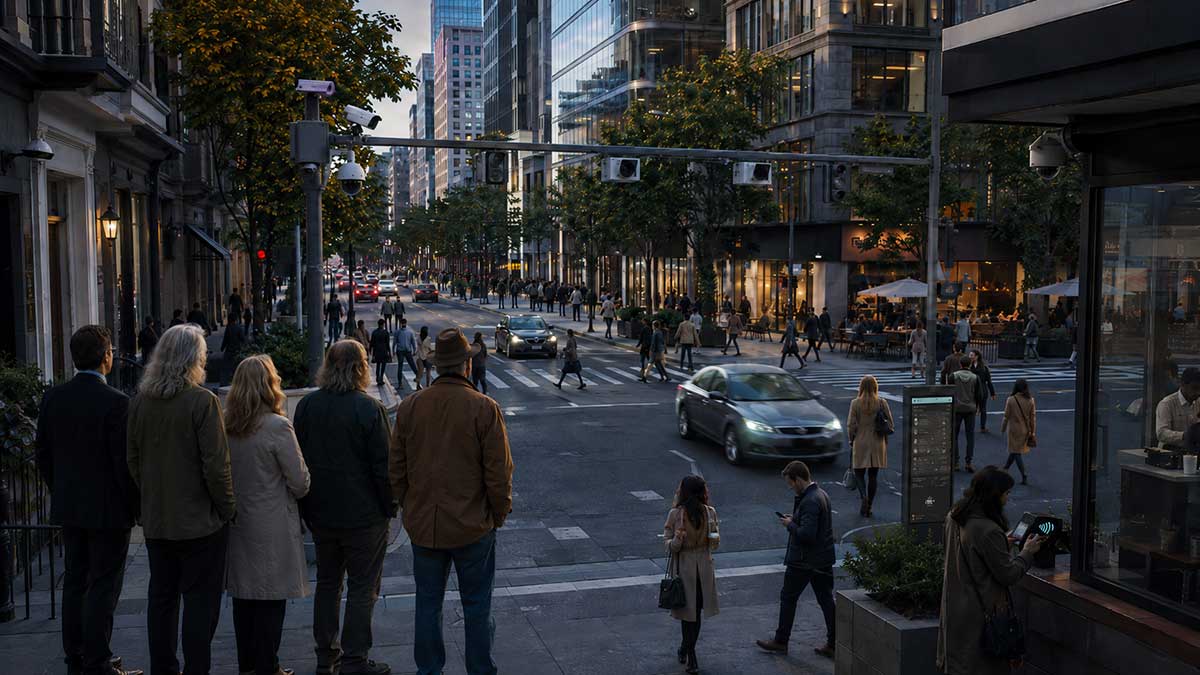
No one answered Craig immediately.
The question sat between them.
If humanity finally became united after enormous suffering, would that make the suffering meaningful?
Joseph Tittel looked down for a moment before speaking.
Joseph Tittel: Meaningful and necessary are not the same thing.
I want to start there.
People can create meaning from terrible things.
I believe humanity can grow through crisis.
I believe sometimes people finally come together when everything else stops mattering.
But I don't want to say somebody had to lose their child so the rest of us could learn compassion.
That's not what I mean.
Lee Harris: I'm glad you made that distinction.
I think this is where language matters tremendously.
If something terrible happens and afterward millions of people become more compassionate, that tells us something extraordinary about human beings.
It does not automatically tell us something good about the tragedy.
Pam Gregory: Yes.
The transformation belongs to the response.
Not necessarily to the event itself.
Kerry K: Yet I would add something.
At the level of consciousness, disruption can expose what was already present.
A crisis doesn't always create division or compassion.
It reveals them.
People who have lived disconnected lives may suddenly realize how much they need one another.
People who believed themselves completely independent discover they never were.
A society built around individual survival can suddenly remember community.
Clif High: That's historically observable too.
You don't need a metaphysical explanation for that part.
During disasters, ordinary routines disappear.
Many abstract social distinctions temporarily lose importance.
The immediate problem becomes food, water, shelter, communication, transport, medical care.
Practical reality reorganizes social behavior.
Joseph: Exactly.
I've seen that after storms.
People who barely speak to their neighbors suddenly check on everybody.
People share generators.
Food.
Tools.
Information.
Lee: And then six months later?
Joseph: Sometimes everybody goes back to normal.
Lee: That's the problem.
Crisis can produce temporary solidarity without producing lasting transformation.
Pam: Very true.
Clif: Social cohesion under acute stress isn't necessarily the same as long-term consciousness change.
Kerry: Unless something inward changes during the experience.
Lee: Yes.
But again, we need to be careful.
Humans can be deeply generous after catastrophe and still return to the same systems afterward.
Joseph: That's what we were talking about earlier.
Changing the scenery without changing the pattern.
Pam: Exactly.
Clif: There is another issue.
Crisis does not always unite.
Sometimes it intensifies tribalism.
Lee: Very important.
Clif: People remember stories of communities helping one another.
Those stories are real.
But crises can produce scapegoating too.
Political repression.
Hoarding.
Violence.
Rumors.
Ethnic conflict.
Competition over resources.
Calls for stronger authority.
Pam: So crisis itself has no guaranteed moral direction.
Clif: Correct.
Stress amplifies existing structure.
If your institutions are trusted, people may cooperate.
If they are already deeply distrusted, the same emergency can generate conspiracy, panic, and fragmentation.
Joseph: Then preparation isn't just food and water.
Clif: Exactly.
Institutional trust is preparation.
Community relationships are preparation.
Accurate information systems are preparation.
Local competence is preparation.
Lee: Emotional maturity is preparation.
Kerry: Inner stability too.
Pam: That may be one of the most important things we've said.
People tend to prepare for the event.
Perhaps societies should prepare for the psychological response to the event.
Joseph: That's powerful.
Lee: Think about fear.
One frightened person can become controlling.
One frightened community can become suspicious.
A frightened nation can become dangerous.
Fear narrows perception.
People begin seeing enemies everywhere.
Clif: And leaders know that.
Pam: Which leads us back to Topic 2.
Joseph: Surveillance.
Clif: Emergency authority.
Lee: Exactly.
The same crisis that could bring people together could be used to justify extraordinary control.
Kerry: Which makes the question of unity more complicated.
Pam: Very.
Joseph: Let's talk about that.
I've said before that humanity is going to come together.
But I absolutely do not mean everybody under one giant centralized control structure.
That's not unity to me.
Clif: Good.
Then define unity.
Joseph: People recognizing we're one human family.
Helping one another.
Countries cooperating when they need to.
Communities working together.
Less hatred.
Less obsession with political teams.
Kerry: Unity of consciousness is different from uniformity.
Pam: That's the distinction.
Lee: Yes.
We need to protect that distinction fiercely.
Unity does not mean everybody believes the same thing.
It doesn't mean one religion.
One political philosophy.
One culture.
One economic model.
One authority.
Clif: A healthy system contains diversity.
Biology teaches that.
Networks teach that.
Economies teach that.
Centralization creates certain efficiencies, but distributed systems often have greater resilience.
Joseph: That's why local communities matter.
Pam: So perhaps humanity could develop global identity without erasing local identity.
Lee: We already hold multiple identities.
Someone can love their family, city, country, and humanity at the same time.
Those identities don't necessarily cancel one another.
Kerry: The problem begins when identity requires an enemy.
Joseph: That's exactly it.
Clif: That's ancient tribal psychology.
In-group cohesion often strengthens through out-group threat.
Lee: Which raises a disturbing possibility.
If humanity needed one shared enemy to unite, would that really represent awakening?
Pam: Excellent question.
Kerry: No.
That's still separation.
You've simply moved the boundary.
Instead of my nation against yours, now humanity is against something else.
Joseph: Right.
Clif: Yet politically, shared threat is one of the most reliable mechanisms for large-scale cooperation.
Lee: That's the tragedy.
Pam: Explain.
Clif: Humans coordinate exceptionally well against common threats.
War.
Disease.
Natural disaster.
Economic shock.
An external danger simplifies competing priorities.
It gives everybody a common problem.
Joseph: But it can be manipulated.
Clif: Of course.
That's one reason governments sometimes frame problems in war language.
War on drugs.
War on terror.
War on disease.
War creates permission for extraordinary coordination.
Lee: And extraordinary obedience.
Clif: Sometimes.
Pam: Then could humanity develop common purpose around something positive instead?
Clif: That's much harder.
Kerry: Why?
Clif: Threat activates people faster than aspiration.
Tell people an asteroid is coming and they'll reorganize an economy.
Tell them we could build a healthier civilization over thirty years and attention disappears.
Joseph: Fear gets action.
Lee: In the short term.
Pam: Exactly.
Fear mobilizes quickly but may not sustain healthy cooperation.
Kerry: Love is slower.
Lee: Often.
But perhaps deeper.
Joseph: That's what I've been saying when I talk about choosing love over fear.
Clif: Yet translating that into policy is difficult.
Joseph: True.
Clif: “Choose love” doesn't tell you how to allocate scarce water.
Or handle migration.
Or respond to military aggression.
Or distribute limited medicine.
Lee: No, but values determine how those decisions are made.
Clif: Absolutely.
I'm not dismissing values.
I'm saying spirituality becomes serious when scarcity appears.
Pam: That's excellent.
Kerry: Yes.
Anyone can speak about unity when nothing important is being sacrificed.
Lee: Real compassion costs something.
Time.
Money.
Comfort.
Status.
Sometimes security.
Joseph: That's when you find out what you actually believe.
Clif: Exactly.
Pam: Suppose a major global crisis really did happen.
What kinds of crisis could produce genuine global cooperation rather than deeper division?
Joseph: Something affecting everybody.
Clif: Pandemic-scale health risk could.
Climate or food-system shock could.
Asteroid risk obviously.
A major technological infrastructure failure might.
Severe financial contagion could force cooperation, though it might produce nationalism first.
Lee: What about something less dramatic?
Loneliness.
Clif: That's interesting.
Lee: We keep thinking the shared crisis has to explode.
What if one of humanity's greatest common problems is already here and quiet?
People feeling isolated.
Families breaking apart.
Young people feeling purposeless.
Older people living alone.
Communities disappearing.
Pam: That's profound.
Joseph: Yes.
Kerry: A spiritual crisis rather than a physical one.
Lee: Exactly.
Maybe humanity doesn't need one enormous disaster.
Maybe we're already living through thousands of smaller crises that point to the same underlying problem.
Disconnection.
Clif: That's plausible.
Pam: And technology amplifies both connection and disconnection.
Joseph: People talk to everybody and know nobody.
Lee: Exactly.
Kerry: Then perhaps the unity event is not one external catastrophe.
It may be millions of people independently realizing separation doesn't work.
Pam: That feels much closer to the kind of transition I see.
Clif: But how would we know that is happening?
Pam: Social behavior.
Clif: Again, measurable indicators.
Lee: Yes.
More community involvement.
Less loneliness.
Greater trust.
More cross-group friendships.
Stronger family relationships.
Less dehumanization.
Joseph: Less political hatred.
Kerry: More willingness to listen.
Clif: Those would be meaningful signs.
Pam: Yet many current indicators might suggest the opposite.
Lee: Which should make us humble.
Joseph: Absolutely.
Kerry: Transformation may move unevenly.
Clif: We need to be cautious with that explanation again.
If every negative indicator becomes “part of the transformation,” the theory becomes impossible to test.
Kerry: Fair.
Pam: That's the challenge Craig raised earlier.
Lee: Then let's make this concrete.
Suppose ten years from now loneliness is worse.
Political hatred is worse.
War is more frequent.
Public trust is lower.
Surveillance is greater.
People spend less time together physically.
Would we still claim humanity was awakening?
Joseph: I'd have serious questions.
Pam: Same.
Kerry: I would distinguish spiritual possibility from collective outcome.
Humanity can be offered opportunities and still refuse them.
Clif: That's more defensible.
Lee: Yes.
Awakening should not become destiny.
Pam: Exactly.
Joseph: Free will matters.
Clif: Then the New Earth is contingent.
Kerry: In its expression, yes.
Lee: That's a major shift from how people often hear this language.
They hear, “It's coming.”
As though humanity simply waits.
Joseph: I don't believe that.
Pam: Neither do I.
Kerry: Nor me.
Lee: Then we should probably stop saying “the New Earth is coming” without qualification.
Joseph: Fair.
Pam: Perhaps “the possibility of another way of living is becoming more visible.”
Clif: Less catchy.
Joseph: Much less catchy.
They laughed.
Lee: But maybe more responsible.
Kerry: Language matters.
Joseph: It does.
Pam: Let's return to the global unity question.
Can humanity become united without centralized global government?
Clif: Absolutely.
Networks do this all the time.
Internet protocols are global without one person controlling every computer.
Scientific communities collaborate internationally.
Trade networks cross borders.
Disaster-response organizations coordinate across jurisdictions.
You can have interoperable systems without total political centralization.
Lee: That's encouraging.
Joseph: That's closer to what I picture.
Kerry: Distributed unity.
Pam: Cooperation without sameness.
Clif: Exactly.
You establish shared protocols where cooperation is necessary, then preserve local autonomy elsewhere.
Lee: That sounds almost like a political version of healthy relationships.
Connection without possession.
Pam: Beautiful.
Joseph: Yes.
Kerry: Unity without absorption.
Clif: Yet there are tradeoffs.
Highly decentralized systems can be slower.
They can coordinate poorly during emergencies.
Local authorities can be abusive too.
Centralization isn't automatically bad.
Decentralization isn't automatically good.
Joseph: Important point.
Lee: Then again we arrive at maturity rather than structure alone.
Clif: Yes.
Every architecture can be abused.
The question is how easily abuse spreads and how easily it can be corrected.
Pam: That may be the key.
Kerry: Resilience.
Clif: Exactly.
Healthy civilizations assume failure will happen somewhere.
They design systems so one failure doesn't destroy everything.
Joseph: That's true with electricity.
Food.
Money.
Communications.
Clif: Everything.
Overcentralization can make systems brittle.
Hyper-fragmentation can make them ineffective.
The sweet spot is often layered redundancy.
Pam: Which sounds remarkably similar to nature.
Clif: It is.
Lee: Then maybe a New Earth, translated into practical language, would be less about one perfect system and more about resilient human systems.
Joseph: Yes.
Local food.
Local energy where possible.
Strong neighborhoods.
Yet cooperation at larger scales when necessary.
Kerry: And people who don't outsource all responsibility.
Lee: That's important.
Pam: Very.
Clif: Societies become fragile when citizens become pure consumers of systems they don't comprehend.
Joseph: Exactly.
People don't know where food comes from.
Where electricity comes from.
How water gets to the house.
How money works.
Then when one thing fails, panic.
Lee: Yet specialization built modern prosperity.
We don't want everyone forced to become completely self-sufficient.
Clif: Of course not.
Self-sufficiency is mostly a fantasy at modern scale.
Interdependence is reality.
Kerry: That's a spiritual lesson by itself.
Pam: Yes.
Joseph: We need each other.
Clif: The question is whether interdependence becomes dependence on one fragile node.
Lee: Very different things.
Pam: Interdependence can create strength.
Concentrated dependency creates vulnerability.
Joseph: Exactly.
Kerry: And psychologically it's similar.
A healthy community consists of people who can stand individually and still choose connection.
Lee: Yes.
Not people incapable of functioning without a controlling structure.
Clif: This is becoming surprisingly practical.
Joseph: That's good.
New Earth should be practical.
Pam: It has to be.
Lee: Otherwise it becomes escapism.
There was a brief silence.
Then Pam looked at Joseph.
Pam: You have said humanity may almost be forced to come together through difficult events.
Do you still believe that after this discussion?
Joseph thought for several seconds.
Joseph: Yes, but I would phrase it differently now.
I think events may confront us with our interdependence.
They may make it impossible to keep pretending that what happens to somebody somewhere else has nothing to do with us.
But whether that becomes love, cooperation, fear, or control is still our choice.
Lee: I like that much more.
Clif: Me too.
Kerry: Yes.
Pam: It preserves the insight without making suffering sacred.
Joseph: Exactly.
I don't worship catastrophe.
I hope I'm wrong about the worst things.
Lee: Then perhaps that should become a principle for anyone making predictions about collective crisis.
Never become emotionally invested in being right about disaster.
Joseph looked at him.
Joseph: That's powerful.
Clif: Very.
Pam: Yes.
Kerry: Since the ego can become attached to prophecy.
Joseph: Absolutely.
If I predict something awful and it doesn't happen, good.
I'm not going to be disappointed.
Lee: That sounds obvious.
Yet it isn't always obvious in communities built around prediction.
Clif: People can become financially and socially rewarded for escalating forecasts.
Pam: Which can subtly shape perception.
Kerry: The teacher begins needing the crisis.
Lee: Exactly.
That is spiritually dangerous.
Joseph: Completely agree.
Pam: Then perhaps we should ask the same question about audiences.
Can audiences become emotionally invested in collapse?
Clif: Certainly.
Joseph: Yes.
Lee: Why?
Kerry: Collapse can promise liberation.
If somebody feels trapped, powerless, poor, unseen, or excluded by the current system, the fantasy of everything breaking can feel hopeful.
Clif: That's politically significant.
If you're losing under the existing order, destruction of that order may look less frightening.
Pam: Even if what replaces it could be worse.
Clif: Precisely.
Lee: Collapse can become revenge disguised as renewal.
That sentence changed the atmosphere.
Joseph: Wow.
Pam: Yes.
Kerry: Very true.
Clif: That's worth sitting with.
Lee: “I suffered under this system, so I want to see it destroyed.”
That's emotionally understandable.
But it isn't the same as wanting a better society.
Joseph: Right.
Pam: The motivation matters.
Kerry: You can speak about a New Earth from resentment.
Then you'll carry resentment into whatever you build next.
Clif: Which recreates old structures.
Lee: Exactly.
Joseph: We're back to Topic 1 again.
Pam: Everything keeps returning there.
Kerry: Since the outer world follows what people repeatedly embody.
Clif: I would phrase that less metaphysically, but I agree with the practical result.
Institutions reflect repeated human incentives and behaviors.
Lee: Different vocabulary, similar observation.
Joseph: That's what makes this conversation interesting.
Pam: Then let's ask the hardest version.
Suppose tomorrow an event happened that genuinely united humanity.
Wars stopped.
Countries cooperated.
Communities rebuilt.
People became less materialistic.
Families grew closer.
Would the suffering that caused it have been worth it?
Nobody answered.
Clif: No one has the moral authority to calculate that globally.
Lee: I agree.
Kerry: Same.
Joseph: No.
Pam: Why?
Clif: Since the people receiving the benefits are not necessarily the people paying the cost.
You can't tell a dead child their death was worth greater cooperation twenty years later.
Lee: Exactly.
Meaning can be created by survivors.
Meaning should never be imposed on victims.
Kerry: That's the distinction.
Joseph: Yes.
Pam: Then perhaps we can say something stronger.
Good can emerge from evil without making the evil good.
Lee: Exactly.
Clif: That's philosophically clean.
Kerry: And spiritually necessary.
Joseph: I love that.
Pam: So if humanity eventually becomes more compassionate after terrible events, we can honor the transformation without worshiping the destruction.
Lee: Yes.
Clif: And we should still ask which suffering could have been prevented.
Joseph: Absolutely.
Kerry: Awakening should increase responsibility, not reduce it.
Lee: That's the sentence I'd keep.
If your spiritual philosophy makes preventable suffering feel less urgent since you believe it serves some larger plan, something has gone wrong.
Pam: Yes.
Joseph: Agreed.
Clif: Then perhaps civilization's greatest test isn't whether disaster can unite us.
We know disaster sometimes can.
The test is whether humans can create the same solidarity voluntarily.
Kerry: Through consciousness rather than fear.
Lee: Through relationship.
Pam: Through recognition of interdependence.
Joseph: Through community.
Clif: Through institutions that reward cooperation before emergencies arrive.
Lee: That's important.
We cannot place all responsibility on individual goodness.
Systems shape behavior.
Clif: Exactly.
Build systems where cooperation is easier.
Where local relationships matter.
Where people have meaningful participation.
Where failures don't instantly become catastrophes.
Pam: Then perhaps the New Earth is partly institutional design.
Joseph: I've never heard it put that way, but yes.
Kerry: Inner awakening expressed through outer systems.
Lee: Now we're getting somewhere.
Clif: And perhaps that's the bridge into the final topic.
We've spent four discussions talking about collapse, surveillance, prophecy, and global crisis.
Eventually we have to answer the simplest question.
What exactly are we trying to build?
Pam: Yes.
Joseph: What does New Earth actually mean?
Kerry: And how would we know if we're creating it?
Lee: More importantly, what if no cosmic event arrives?
Joseph looked at him.
Joseph: Meaning?
Lee: Suppose no dramatic ascension happens.
No sudden transformation.
No unmistakable spiritual event.
Suppose tomorrow looks mostly like today.
Then next year arrives.
Then another decade.
Would everything we've said about New Earth still matter?
Kerry smiled slightly.
Kerry: More than ever.
Pam: I agree.
Clif: Then that's the final question.
Joseph: Yes.
Lee looked around the table.
Lee: Maybe humanity has spent too much time asking when the New Earth will arrive.
Perhaps we should ask whether our behavior would create one if nothing supernatural ever happened at all.
The room became quiet again.
This time the silence felt different.
Less like fear of what might happen.
More like responsibility for what had not yet been built.
Topic 5: Is the “New Earth” Something Coming to Us, or Something We Must Create?
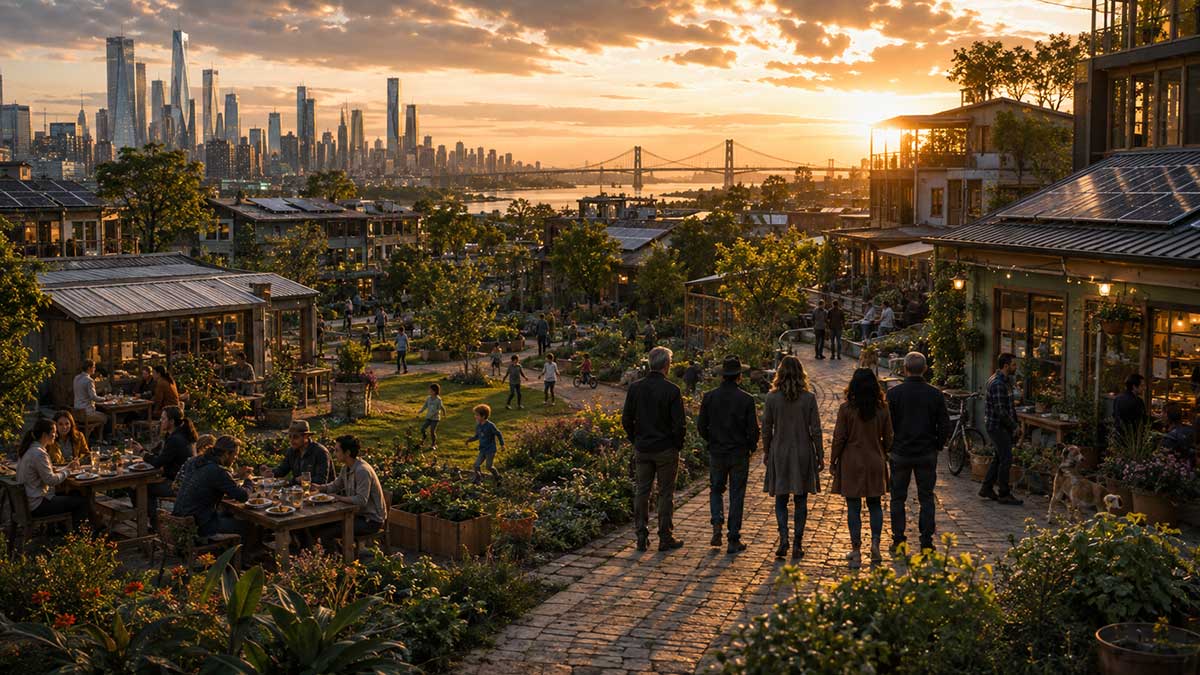
The final question from Topic 4 seemed to alter the mood of the room.
No one was speaking now about what might collapse.
No one was predicting which government might fall, which crisis might erupt, or which system might fail.
The question had become much more personal.
If nothing supernatural ever happened at all, could humanity still create the New Earth people keep talking about?
Lee Harris looked around the table.
Lee Harris: I want to start there.
Suppose there is no dramatic planetary shift.
No unmistakable ascension event.
No morning when everyone wakes up transformed.
Suppose tomorrow feels almost exactly like today.
Would the idea of a New Earth still have value?
Joseph Tittel: Absolutely.
For me, yes.
I've said before that I don't see the New Earth as some magical place appearing overnight.
It's something we're creating.
Every choice matters.
Every time somebody chooses compassion instead of hatred, community instead of division, courage instead of fear, they're building part of it.
Pam Gregory: That's where I feel very connected to your interpretation.
People sometimes hear spiritual language and assume passivity.
“We're entering a new age.”
“Consciousness is changing.”
“The energies are changing.”
But none of that removes human responsibility.
A period of enormous potential can still be wasted.
Kerry K: I would go further.
The New Earth is not primarily something external.
If people remain frightened, dependent, resentful, controlling, competitive, and disconnected from their deeper nature, they could be placed inside a beautiful new system tomorrow and recreate the old one almost immediately.
Elizabeth April: That's exactly the problem.
People want the environment to change before they change.
They imagine that once the system changes, once disclosure happens, once the economy changes, once political corruption disappears, once the energetic shift happens, then they will finally feel free.
But freedom cannot be postponed indefinitely.
Lee: That's where I become interested.
If New Earth means anything useful, perhaps it needs to survive translation into ordinary human life.
How do you speak to your spouse?
How do you raise your children?
How do you treat someone who disagrees with you?
What do you do when you're frightened?
What happens when nobody is watching?
That seems far more revealing than how many spiritual concepts someone knows.
Joseph: Completely.
You can talk about five-dimensional consciousness all day and still treat people terribly.
Elizabeth: That's spiritual performance.
Pam: Or spiritual identity replacing spiritual transformation.
Kerry: Exactly.
People can become attached to the identity of being awakened.
Then awakening becomes another hierarchy.
“I understand what's really happening.”
“You're still asleep.”
That's the same old separation wearing different clothing.
Lee: That's one of my greatest concerns about spiritual communities.
The language of awakening can quietly create superiority.
Joseph: I've seen that.
Elizabeth: Me too.
Pam: And it becomes very difficult to recognize since it feels virtuous.
Kerry: Spiritual ego can tell you that you're more evolved while making you less compassionate.
Lee: Then perhaps the first measurable sign of awakening should be humility.
Joseph: I like that.
Pam: Yes.
Elizabeth: Humility and curiosity.
Kerry: And less need to dominate.
Lee: Let's try something.
If we removed every spiritual term from this conversation, what would New Earth look like?
No ascension.
No dimensions.
No vibration.
No astrology.
No channeling.
Just behavior.
Joseph: Strong communities.
Pam: Greater cooperation.
Kerry: People who are less driven by fear.
Elizabeth: More personal freedom.
Lee: Better relationships.
Joseph: Less loneliness.
Pam: More trust.
Kerry: Less dependence on external validation.
Elizabeth: More responsibility for your own choices.
Lee: More forgiveness.
Joseph paused.
Joseph: Less obsession with being right.
Pam: That's a big one.
Elizabeth: Very big.
Kerry: Especially now.
Lee: Then we already have something interesting.
Everything we just named could theoretically happen without one supernatural event.
Pam: Yes.
Elizabeth: Completely.
Joseph: That's true.
Kerry: Yet I would still say consciousness is involved.
Lee: I agree.
I'm not trying to remove consciousness.
I'm asking whether people need to accept one metaphysical explanation before participating in the transformation.
Kerry: No.
Pam: Not at all.
Elizabeth: Definitely not.
Joseph: Anybody can participate.
Lee: Then perhaps that's one of the strongest features of the idea.
A Christian could participate.
A Buddhist could participate.
A Muslim could participate.
An atheist could participate.
Someone who believes in astrology could participate.
Someone who rejects astrology could participate.
If the goal is greater compassion, freedom, responsibility, connection, and dignity, people don't need identical cosmologies.
Pam: Exactly.
Kerry: Unity without sameness again.
Joseph: There it is.
Elizabeth: That keeps coming back.
Lee: It should.
A healthy civilization cannot require everyone to interpret existence the same way.
Pam: That's a vital point.
Collective awakening cannot mean collective conformity.
Kerry: No.
True unity allows difference.
Elizabeth: But difference without dehumanization.
Joseph: That's the hard part.
Lee: Very hard.
People can tolerate difference when the stakes feel low.
When religion, politics, money, identity, family, or fear enters, tolerance becomes much harder.
Pam: Which is why inner development matters.
You cannot build peaceful institutions with people who have no capacity to regulate fear.
Lee: Yes.
Kerry: Fear seeks authority.
Fear seeks certainty.
Fear seeks enemies.
Fear seeks someone to blame.
Joseph: That's exactly what we see now.
Elizabeth: Yet fear isn't evil.
Lee: No.
Very important.
Fear is information.
Pam: It tells us something matters.
Kerry: The problem begins when fear becomes the decision-maker.
Elizabeth: Exactly.
Joseph: So New Earth doesn't mean no fear.
Lee: Right.
It means people have a different relationship with fear.
That's more realistic.
Pam: Same with anger.
Anger can reveal injustice.
Kerry: But anger can become identity.
Elizabeth: Or addiction.
Joseph: Especially online.
Lee: Then let's talk about technology.
Would New Earth be technologically advanced?
Joseph: I think so.
Technology isn't the enemy.
Pam: I agree.
Elizabeth: Definitely.
Kerry: Technology should serve consciousness rather than replace it.
Lee: What does that mean practically?
Kerry: Technology should increase human freedom, creativity, connection, and capacity without reducing people into data points or dependencies.
Elizabeth: That's the standard.
Pam: Technology should help people live better lives without quietly making them less human.
Joseph: Exactly.
Lee: But people love convenience.
We've already discussed that.
What if the easiest technologies also weaken community?
Pam: Then convenience alone cannot be the measure of progress.
Elizabeth: That's huge.
Kerry: Yes.
Joseph: We need another definition of progress.
Lee: What should it be?
Pam thought for a moment.
Pam: Does it improve the quality of human life over time?
Not merely speed.
Not merely production.
Not merely consumption.
Human flourishing.
Elizabeth: Does it preserve choice?
Kerry: Does it deepen dependence or strengthen capacity?
Joseph: Does it connect people or isolate them?
Lee: Does it make people more capable of caring for one another?
Pam: Those are much richer measures than economic output alone.
Elizabeth: Yet modern societies rarely measure success that way.
Joseph: Money dominates everything.
Kerry: Since money is easy to measure.
Belonging isn't.
Meaning isn't.
Trust isn't.
Love isn't.
Lee: Some of those can be approximated.
Loneliness.
Community participation.
Mental well-being.
Family stability.
Social trust.
Volunteerism.
Pam: Which means a New Earth could have indicators.
Joseph: I love that idea.
Elizabeth: Me too.
Kerry: Though we should avoid turning spirituality into another dashboard.
They laughed.
Lee: Fair.
But if people claim humanity is awakening, shouldn't something observable change?
Pam: Absolutely.
Joseph: Yes.
Elizabeth: Otherwise awakening becomes a story people tell while behavior remains the same.
Kerry: True.
Lee: Let's build a test.
Suppose society became wealthier over the next twenty years.
AI became extraordinary.
People lived longer.
Transportation became faster.
Food became cheaper.
Energy became abundant.
Yet loneliness doubled.
Family relationships weakened.
Political hatred intensified.
Trust collapsed.
Young people felt increasingly purposeless.
Would that be progress?
Joseph: No.
Pam: No.
Elizabeth: Not to me.
Kerry: It would be technological advancement without human development.
Lee: Exactly.
Now reverse it.
Suppose economic growth slowed somewhat.
People owned fewer things.
Yet neighborhoods became stronger.
Parents spent more time with children.
Older people were less isolated.
People trusted one another more.
Political disagreement became less hateful.
People felt more meaning.
Would that be progress?
Joseph: Absolutely.
Pam: Yes.
Elizabeth: Definitely.
Kerry: That sounds far closer to what I would call a shift in consciousness.
Lee: Then New Earth may require redefining success.
Pam: Very much so.
Joseph: We've been measuring the wrong things.
Elizabeth: For a long time.
Kerry: Quantity instead of quality.
Lee: Production instead of meaning.
Pam: Speed instead of depth.
Joseph: Wealth instead of community.
Elizabeth: Attention instead of presence.
Kerry: Identity instead of being.
The room went quiet for several seconds.
Lee: Let's talk about family.
We have spoken about civilization, governments, surveillance, war, prophecy.
But civilizations are largely reproduced inside families.
What would a New Earth family look like?
Joseph: Parents actually being present.
Pam: Children feeling seen.
Elizabeth: Less fear-based parenting.
Kerry: Children being treated as human beings rather than extensions of their parents.
Lee: That's important.
Joseph: Families eating together again.
That sounds simple, but it's huge.
Pam: Shared rituals matter.
Elizabeth: Community around families too.
Parents shouldn't feel they have to do everything alone.
Lee: There's that phrase people use: “It takes a village.”
Modern life often removed the village and left the parents with an app.
Joseph: Exactly.
Kerry: Which creates exhaustion.
Pam: And isolation.
Elizabeth: Then people interpret their exhaustion as personal failure rather than structural isolation.
Lee: That's important.
We have individualized many problems that are partly communal.
Loneliness becomes “work on yourself.”
Parenting exhaustion becomes “manage your time better.”
Disconnection becomes “practice self-care.”
Sometimes the missing solution is another human being.
Joseph: Yes.
Pam: That's deeply relevant.
Kerry: Spirituality can become overly individualistic too.
Heal yourself.
Raise your vibration.
Find your purpose.
Manifest your reality.
Elizabeth: True.
Lee: What if part of healing is becoming dependable to other people?
Joseph: That's beautiful.
Pam: Very.
Kerry: Service.
Elizabeth: Reciprocity.
Lee: You need people.
People need you.
Perhaps that isn't weakness.
Perhaps that's civilization.
Joseph: Exactly.
Pam: Interdependence again.
Kerry: It keeps returning.
Elizabeth: Since separation may be one of the central wounds.
Lee: Then New Earth would require rebuilding social infrastructure, not merely spiritual beliefs.
Joseph: Yes.
Neighborhoods.
Community centers.
Local businesses.
Parks.
Places where people actually interact.
Pam: Walkable communities.
Elizabeth: Shared spaces.
Kerry: Rituals.
Lee: Rituals?
Kerry: Humans need repeated moments that create belonging.
Meals.
Celebrations.
Grief rituals.
Seasonal gatherings.
Helping neighbors.
Shared practices.
Modern society removed many rituals and replaced them with consumption.
Pam: That's very true.
Joseph: Holidays became shopping events.
Lee: Life transitions became private.
People grieve alone.
Age alone.
Struggle alone.
Elizabeth: And celebrate online.
Kerry: Exactly.
Pam: Then perhaps New Earth doesn't require inventing everything from scratch.
Some parts may involve recovering things humanity already knew.
Joseph: That's something I've thought about a lot.
Local food.
Knowing neighbors.
Trading skills.
Taking care of elders.
These aren't new ideas.
Lee: That's interesting.
New Earth may contain some very old human wisdom.
Pam: Yes.
Progress isn't always moving farther away from the past.
Sometimes progress means recovering what industrial society accidentally discarded.
Elizabeth: Without romanticizing the past.
Lee: Important.
The past contained injustice too.
Kerry: Of course.
We don't need to recreate old hierarchies.
We can recover belonging without recovering oppression.
Joseph: Exactly.
Pam: Community without conformity.
Elizabeth: Tradition without domination.
Lee: That's a beautiful distinction.
Kerry: Freedom without isolation.
Joseph: That's another one.
Pam: We could almost define the New Earth through balanced pairs.
Lee: Let's try.
Joseph: Freedom without isolation.
Pam: Community without conformity.
Elizabeth: Technology without dehumanization.
Kerry: Spirituality without superiority.
Lee: Security without surveillance becoming domination.
Joseph: Prosperity without endless consumption.
Pam: Progress without forgetting human nature.
Elizabeth: Individuality without selfishness.
Kerry: Unity without sameness.
Lee: That's surprisingly concrete.
Joseph: It is.
Pam: More concrete than many descriptions of New Earth.
Elizabeth: And far more useful.
Kerry: Yet something is missing.
Lee: What?
Kerry: Death.
The room became quieter.
Joseph: Go ahead.
Kerry: Many human systems are built from denial of mortality.
We accumulate.
We compete.
We chase status.
We fear aging.
We hide the elderly.
We avoid talking about death.
But consciousness changes when people truly recognize that life is temporary.
Lee: I agree.
Pam: Very much.
Elizabeth: Yes.
Joseph: Mediumship has obviously shaped how I see that.
I don't believe death is the end.
But whether somebody believes that or not, mortality changes what matters.
Lee: If you knew you had one year left, what arguments would stop mattering?
What relationships would suddenly matter more?
What would you regret?
Pam: That's a powerful test for civilization too.
A society obsessed with permanence can forget how brief individual lives are.
Kerry: And then people spend those brief lives maintaining structures they don't even believe in.
Elizabeth: Or chasing approval from people they don't like.
Joseph: That's a big one.
Lee: Then perhaps a New Earth culture would relate to death differently.
Not morbidly.
More honestly.
Pam: Greater acceptance.
Kerry: More reverence for life precisely since it ends.
Joseph: More care for elders.
Elizabeth: More conversations across generations.
Lee: Which brings us to young people.
What are we handing them?
Not materially.
Psychologically.
Pam: Uncertainty.
Joseph: Debt.
Elizabeth: Technology.
Kerry: A crisis of meaning.
Lee: And what do they need?
Joseph: Hope.
Pam: Agency.
Elizabeth: Belonging.
Kerry: Purpose.
Lee: Adults who don't constantly tell them everything is doomed.
Joseph: That's important.
Pam: Very.
Elizabeth: Huge.
Kerry: Young people absorb adult fear.
Lee: If every conversation they hear says civilization is collapsing, climate is doomed, democracy is doomed, technology will control them, war is coming, money is failing, what psychological inheritance are we giving them?
Joseph: Fear.
Pam: Helplessness.
Elizabeth: Cynicism.
Kerry: Or numbness.
Lee: Then people who speak about predictions carry responsibility.
Joseph: Absolutely.
Pam: Hope must remain credible.
Not false optimism.
Elizabeth: That's the distinction.
Kerry: Hope is not pretending nothing is wrong.
Lee: It's believing action still matters.
Joseph: Exactly.
Pam: That may be the healthiest definition we've reached.
Lee: Hope means the future remains responsive to human choices.
Elizabeth: Yes.
Kerry: Beautiful.
Joseph: That's the New Earth right there.
Lee: Maybe.
But let's push further.
What if people are waiting for leaders?
A better president.
A better government.
A better CEO.
A better spiritual teacher.
Who actually builds this?
Joseph: Everybody.
Pam: Local communities.
Elizabeth: Families.
Kerry: Individuals who stop outsourcing their authority.
Lee: Institutions too.
Pam: Absolutely.
We can't place everything on individual virtue.
Systems matter.
Joseph: Right.
Lee: If housing policy isolates people, individual meditation won't create a neighborhood.
If work culture leaves parents exhausted, telling them to value family won't produce more hours in the day.
If public spaces disappear, telling people to build community isn't enough.
Elizabeth: That's very important.
Kerry: Inner and outer transformation must meet.
Pam: Yes.
Joseph: Politics matters, but politics isn't everything.
Lee: Exactly.
A civilization is built through architecture, education, economics, transportation, technology, family policy, culture, religion, art, business, neighborhoods.
Pam: And the stories society tells about success.
Elizabeth: Stories may be one of the deepest forces.
Kerry: Humans live inside stories.
Joseph: What kind of stories?
Elizabeth: “You're successful if you're rich.”
“Your value comes from productivity.”
“You should always want more.”
“Being ordinary is failure.”
“Getting older makes you less relevant.”
“Dependence on others is weakness.”
Those stories shape behavior.
Lee: Then New Earth requires new stories.
Pam: Or recovered stories.
Kerry: Stories about stewardship.
Belonging.
Service.
Courage.
Meaning.
Joseph: Family.
Elizabeth: Enough.
Lee: Enough?
Elizabeth: Yes.
The concept of enough has almost disappeared.
Enough money.
Enough possessions.
Enough attention.
Enough growth.
Enough status.
If nobody ever feels they have enough, civilization can never stop consuming.
Pam: That's profound.
Kerry: Scarcity consciousness survives inside abundance.
Joseph: Exactly.
Lee: And endless comparison makes enough impossible.
There is always someone richer.
More attractive.
More famous.
More successful.
More spiritual.
Elizabeth: Social media industrialized comparison.
Pam: Then another New Earth principle could be:
Enough without stagnation.
Kerry: Beautiful.
You can still create.
Grow.
Learn.
But growth doesn't have to come from self-rejection.
Joseph: That's powerful.
Lee: Let's turn this into a final test.
Suppose humanity truly wants to begin building a different civilization tomorrow.
What is one thing each of you would ask ordinary people to do?
Not governments.
Not billionaires.
Not institutions.
One human being.
Joseph?
Joseph: Know your neighbors.
I mean that literally.
Learn their names.
Know who lives near you.
Find out who might need help.
You don't have to become best friends.
But start rebuilding community where you actually live.
Lee: Pam?
Pam: Pay attention to what you repeatedly give your attention to.
Attention shapes experience.
If your entire mental environment consists of outrage, fear, and conflict, your perception of humanity becomes distorted.
Choose information carefully.
Leave room for beauty, creativity, nature, and relationship.
Lee: Elizabeth?
Elizabeth: Stop giving away your authority.
Listen to teachers.
Listen to experts.
Listen to intuition.
But don't hand somebody else ownership of your mind.
Ask questions.
Make your own choices.
Take responsibility for them.
Lee: Kerry?
Kerry: Notice where fear is making your decisions.
Don't attack the fear.
Don't shame it.
Listen to it.
Then ask whether you want fear to choose your next action.
That alone can change a life.
Joseph: Lee?
Lee smiled.
Lee: Call somebody.
Not text.
Call.
Someone you care about whom you haven't spoken to in too long.
Ask how they actually are.
Then listen long enough for them to answer honestly.
Joseph nodded slowly.
Joseph: That's New Earth.
Pam: It may be.
Elizabeth: It starts very small.
Kerry: Everything real does.
For a moment nobody spoke.
Then Joseph looked around the table.
Joseph: You know what's funny?
We started this whole discussion talking about governments collapsing, surveillance systems, war, psychic predictions, global crises.
And now we're talking about calling somebody you love.
Lee: Maybe that's not a coincidence.
Pam: Perhaps large civilizations ultimately depend on very small human behaviors.
Elizabeth: Trust begins between two people.
Kerry: So does betrayal.
Joseph: Community begins between two people.
Lee: So does loneliness ending.
Pam: Peace begins there too.
Elizabeth: Maybe freedom does.
The room fell quiet.
Joseph looked toward the window.
Joseph: I still believe difficult things are coming.
I still believe systems are changing.
I still believe humanity is moving through something enormous.
But maybe we've focused too much on what is ending.
Pam: And not enough on what needs to begin.
Kerry: Exactly.
Lee: Then let's return to the question that started this entire series.
Are old systems collapsing so a new civilization can emerge?
Maybe.
But collapse alone creates nothing.
Elizabeth: People create what follows.
Pam: Through choices.
Kerry: Through consciousness.
Joseph: Through community.
Lee: Through what we repeatedly practice.
Joseph looked around the table one final time.
Joseph: Then maybe the New Earth isn't waiting in the future.
Maybe pieces of it already exist.
Everywhere somebody tells the truth when lying would be easier.
Everywhere somebody forgives without pretending they weren't hurt.
Everywhere a parent chooses presence over distraction.
Everywhere neighbors help one another.
Everywhere somebody refuses to hate a person they've been told to hate.
Everywhere somebody protects freedom for someone they disagree with.
Everywhere somebody chooses courage instead of fear.
Pam smiled.
Pam: Then perhaps the question was never when it arrives.
Elizabeth: The question is whether we recognize it.
Kerry: And whether we participate in it.
Lee looked around the room.
Lee: Maybe that is the final test.
If no prophecy comes true...
If no cosmic event arrives...
If no government saves us...
If no spiritual teacher gives us the answer...
If tomorrow is simply another ordinary day...
what kind of world will our ordinary choices create?
Nobody answered.
They didn't need to.
Outside the room, another ordinary morning was already beginning.
Final Thoughts
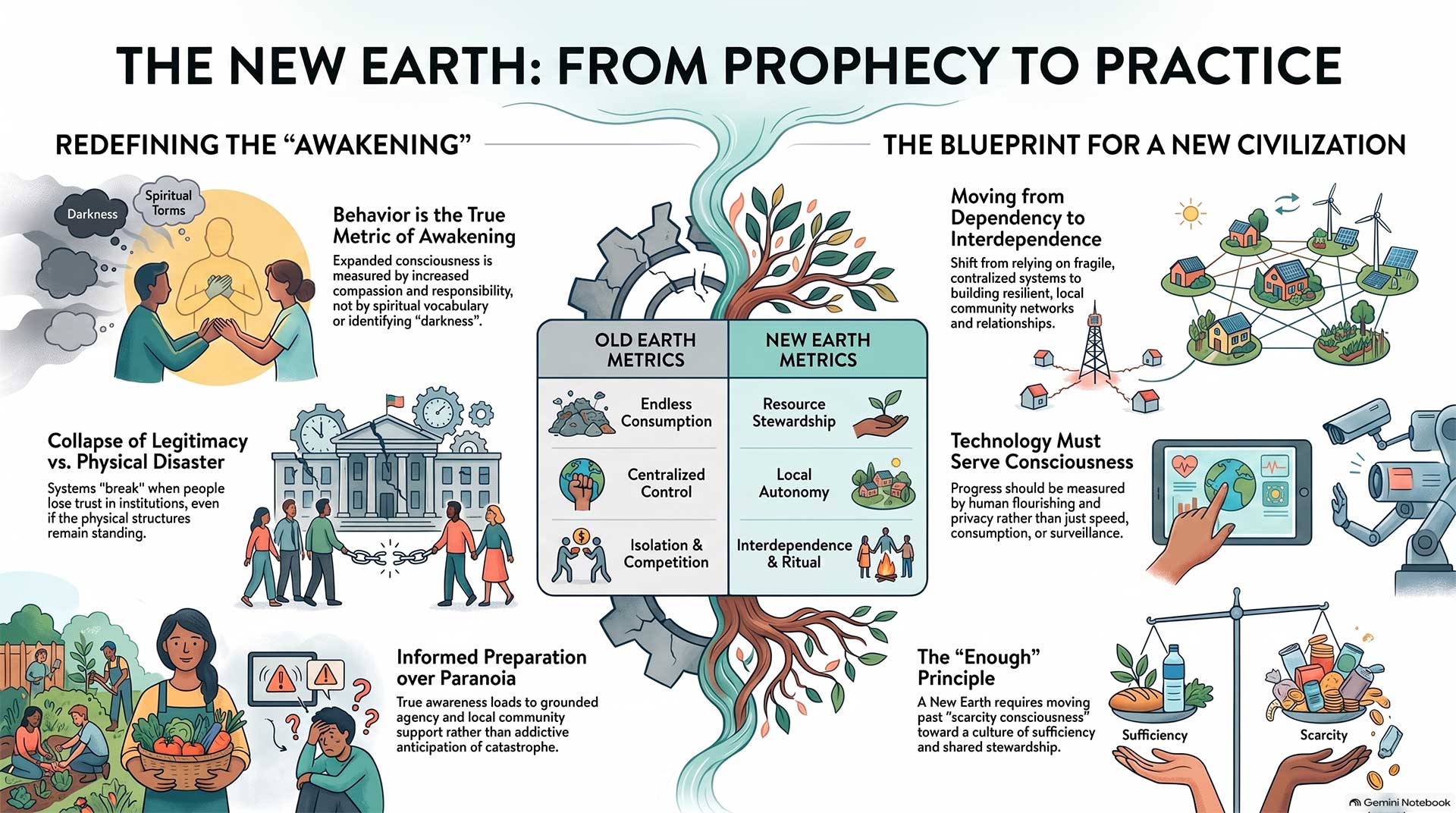
The conversation began with collapse.
It ended with a phone call to someone you love.
That may be the most revealing thing about these five discussions.
At first, the questions seemed enormous.
Governments.
Wars.
Artificial intelligence.
Surveillance.
Financial systems.
Civilizational change.
Spiritual awakening.
The future of humanity itself.
Yet each discussion eventually returned to ordinary human behavior.
How do we respond to fear?
Do we question information without becoming consumed by suspicion?
Can we disagree without dehumanizing one another?
Do predictions make us wiser, or merely more anxious?
Can crisis teach cooperation without making us romanticize suffering?
Can technology serve people without quietly reducing freedom?
Can spirituality make us more humble rather than more certain that we possess hidden knowledge?
And can a different civilization emerge if human beings continue carrying the same fear, resentment, domination, and loneliness into every new system they create?
Perhaps this is where the idea of a “New Earth” becomes most interesting.
It does not need to mean that one particular prophecy will come true.
It does not require everyone to believe in astrology, psychic abilities, channeling, higher dimensions, or any single spiritual explanation.
It can begin with a much simpler proposition:
A civilization changes when enough people begin living according to different values.
That may mean choosing community over isolation.
Freedom without selfishness.
Technology without dehumanization.
Security without permanent surveillance.
Spirituality without superiority.
Prosperity without endless consumption.
Tradition without domination.
Unity without sameness.
Hope without denial.
The group never fully resolved whether humanity is truly undergoing a spiritual awakening.
Perhaps that uncertainty is healthy.
A belief that explains every event can become impossible to question. A skepticism that rejects every unusual possibility before examining it can become equally rigid.
The more meaningful position may lie somewhere between them:
Remain open.
Remain skeptical.
Record predictions before celebrating them afterward.
Question frightening claims.
Question reassuring claims too.
Pay attention to evidence.
Respect personal spiritual experience without automatically turning it into universal proof.
And never allow fascination with the future to become an excuse for abandoning the present.
If humanity does face difficult years ahead, perhaps the question is not whether suffering has been spiritually planned.
The better question is what human beings choose to become when suffering appears.
Good can emerge from tragedy without making tragedy good.
Meaning can be discovered after suffering without claiming suffering was required.
Hope can exist without pretending danger is imaginary.
And transformation can begin before catastrophe forces it.
Perhaps that is the most challenging possibility raised by the entire discussion.
Humanity may not need to wait for the old world to disappear.
Pieces of another world can already be created.
In families.
In neighborhoods.
In friendships.
In businesses.
In schools.
In places of worship.
In technology.
In political disagreement.
In how strangers treat one another.
In whether frightened people choose hatred or courage.
In whether successful people choose accumulation or service.
In whether people protect freedoms they personally may never need.
In whether someone notices that an elderly neighbor has not been seen for several days.
In whether a parent puts down a phone and listens to a child.
In whether somebody calls a friend who has been quietly disappearing from everyone else's life.
Those choices rarely become headlines.
Yet perhaps civilizations are ultimately built from exactly those moments.
The future may contain events none of these speakers can predict accurately.
Governments will change.
Technologies will change.
Economic systems will change.
Some institutions will disappear.
Others will emerge.
Predictions will succeed and fail.
New fears will replace old ones.
But beneath all of that remains one question no prophet can answer for us:
If tomorrow turns out to be another completely ordinary day, what kind of world will our ordinary choices create?
Short Bios:
Joseph Tittel is an American spiritual medium and psychic who discusses world predictions, spirit communication, astrology, political events, natural disasters, and what he describes as humanity's movement into a New Earth.
Craig Hamilton-Parker is a British psychic medium known for public predictions concerning politics, world leaders, international conflict, social change, and spiritual development.
Pam Gregory is a British astrologer whose work focuses on major astrological cycles, collective transformation, changing social structures, and the relationship between astrology and human consciousness.
Lee Harris is an intuitive teacher and channeler known for discussions of emotional development, collective consciousness, spiritual growth, relationships, and what he describes as messages from a group of nonphysical guides known as the Z's.
Kerry K is a spiritual teacher whose work centers on consciousness, ascension, the idea of a New Earth, human sovereignty, and what she describes as humanity's movement beyond a false matrix of separation and control.
Elizabeth April is an intuitive and spiritual teacher whose work includes psychic perception, consciousness, extraterrestrial themes, ascension, reincarnation, predictions, and ideas surrounding humanity's transition into higher states of awareness.
David Icke is a British writer and public speaker known for decades of commentary about centralized authority, surveillance, political institutions, corporate influence, consciousness, and controversial theories concerning hidden systems of control.
Clif High is an internet commentator and forecaster known for unconventional predictive methods, analysis of social and technological change, cryptocurrency commentary, institutional disruption, and theories concerning consciousness and future societal shifts.
Leave a Reply