
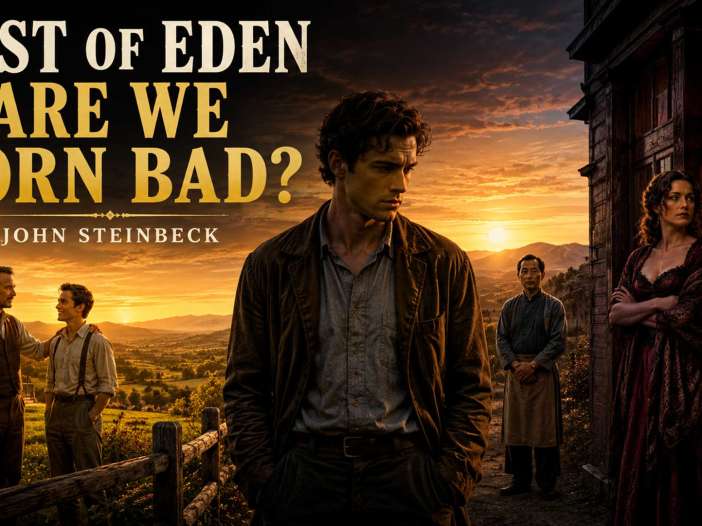
Introduction
What if the darkest thing inside you did not begin with you?
What if your jealousy resembled your father's, your anger echoed your mother's, and the wounds shaping your relationships had already traveled through your family for generations?
Would that explain who you became?
Would it excuse you?
Or would there eventually come a moment when the story became yours?
John Steinbeck's East of Eden places these questions inside the intertwined histories of the Trask and Hamilton families in California's Salinas Valley. At its emotional center are two generations of brothers: Adam and Charles, followed by Adam's sons, Cal and Aron. Across both generations, love becomes entangled with comparison, rejection, shame, and the desperate desire to be chosen.
Those questions are returning to public attention in 2026 through Netflix's new seven-episode adaptation of East of Eden, created by Zoe Kazan and starring Florence Pugh as Cathy Ames. The series premieres October 1 and places renewed attention on Cathy, inherited darkness, family wounds, and the choices each generation makes about what it receives from the one before it.
That makes Steinbeck's central question feel especially timely.
The pattern deliberately recalls the biblical story of Cain and Abel.
Yet Steinbeck does something remarkable with that ancient story. Rather than asking us simply to identify which brother is good and which is evil, he asks what happens inside a person who believes another has been chosen over him.
Cal becomes the novel's great test.
He recognizes jealousy and cruelty within himself. After discovering the truth about his mother, Cathy, he begins wondering whether her darkness lives inside him too.
Is character something we inherit?
Can cruelty move from parent to child like an emotional inheritance?
Or can a person receive darkness without becoming dark?
Another character offers a radically different possibility.
Lee, the Trask family's Chinese-American cook, companion, and philosophical center, introduces the idea Steinbeck calls timshel, interpreted within the novel as “thou mayest.”
You are influenced by what came before.
You may be wounded by it.
You may repeat it.
But perhaps you are not sentenced to it.
That possibility is what makes East of Eden much more than a family saga. It becomes a story about whether human beings can interrupt the patterns handed to them.
In this imagined conversation, Cal, Adam, Cathy, Aron, Abra, and Lee meet beyond the limits of Steinbeck's original story. They can finally ask one another questions that remained unfinished between them.
Cal asks Adam why Aron seemed easier to love.
Cathy asks Adam whether he ever loved her at all, or merely loved the woman he imagined her to be.
Abra confronts Aron with a similar question: did he love the real Abra, or the pure woman he needed her to remain?
Cal asks whether his mother's darkness exists inside him.
Aron confronts Cal about the terrible choice that helped send him running into war.
And eventually everyone must face Lee's question of choice.
If our families give us wounds we never requested, when does responsibility for what we do with those wounds become ours?
That question belonged to Steinbeck's characters.
It belongs to the new Netflix adaptation.
And it still belongs to us.
(Note: This is an imaginary conversation, a creative exploration of an idea, and not a real speech or event.)
Topic 1: Why Was He Easier to Love?
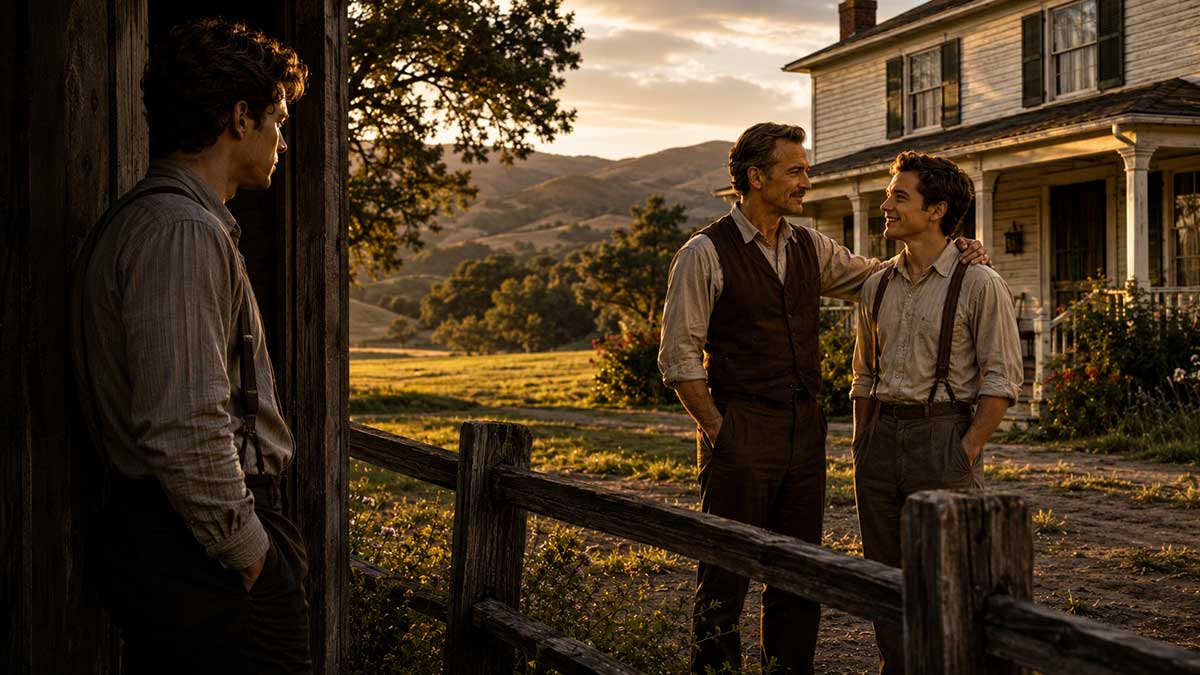
Cal: Father, there is something I have wanted to ask you for most of my life.
Adam: Then ask it.
Cal: Why was Aron easier for you to love?
Adam looked at him for a long moment.
Adam: I don't know that he was.
Cal: You see? That's what you always do. You answer what you meant, not what I lived.
Adam: I loved both of you.
Cal: Maybe you did. But when you looked at Aron, you looked proud. When you looked at me, you looked worried.
Aron: Cal, that isn't fair.
Cal: I didn't say it was your fault.
Aron: It sounds like you are saying I took something from you.
Cal: Sometimes it felt that way.
Cathy: Of course it did.
Everyone turned toward her.
Cathy: Why pretend? One boy was easier. One boy looked clean. One boy looked like the kind of son a father could point to without explanation.
Adam: You don't get to speak for me.
Cathy: I don't have to. Your face already did.
Abra: She's cruel, but that doesn't mean she's completely wrong.
Adam: Abra.
Abra: I'm not saying you didn't love Cal. I'm saying Cal may have spent years trying to read the difference between how you loved him and how you loved Aron.
Lee: Children are very good at measuring things adults insist cannot be measured.
Adam: Love is not something you can divide into ounces.
Cal: No. But you can measure attention.
Silence.
Cal: You can measure who disappoints you more. Who you trust. Who you praise. Who makes you afraid. Who makes you proud. You can measure how long a father looks at one son before turning to the other.
Adam: You were always harder on yourself than I was on you.
Cal: That doesn't answer me.
Adam: What answer do you want?
Cal: I don't know.
He looked down.
Cal: Maybe I wanted you to say I imagined it.
Adam: You did imagine some of it.
Cal laughed once, without humor.
Cal: There. That's better.
Abra: No, Adam. That's not better.
Adam: I am trying to be truthful.
Abra: Then be truthful about your part too.
Adam's face tightened.
Aron: Why is everyone talking as if I was standing there collecting Father's love from Cal's plate?
Cal: I told you, I don't blame you for being loved.
Aron: But you blamed me anyway.
Cal: Sometimes.
Aron: For what?
Cal looked at his brother.
Cal: For making it look easy.
Aron: Making what look easy?
Cal: Being good.
Aron stared at him.
Cal: You walked into a room and people wanted to believe the best about you. I walked into a room and felt like I had to prove I wasn't what they were afraid I might be.
Aron: Who was afraid of you?
Cal: I was.
That quieted everyone.
Cal: Maybe Father was too.
Adam leaned forward.
Adam: Cal, I was never afraid that you were evil.
Cal: Maybe you never used the word.
Cathy: He didn't need to.
Adam: Stop.
Cathy: Why? This is the first honest conversation any of you have had.
Lee: Honesty without mercy can become another kind of lie.
Cathy smiled.
Cathy: There he is.
Lee: And cruelty does not become wisdom merely because it notices something true.
Cathy said nothing.
Adam: Cal, I worried about you. That is true.
Cal: Why?
Adam: You were restless. Secretive. Angry sometimes.
Cal: Aron was never angry?
Adam: Of course he was.
Cal: But when Aron was angry, it was a storm passing through. When I was angry, it meant something about who I was.
Adam opened his mouth, then stopped.
Abra: That may be the difference.
Aron: What difference?
Abra: You were allowed to have bad moments. Cal was afraid his bad moments were evidence.
Cal: Yes.
He looked at Abra, surprised.
Cal: That's exactly it.
Aron: Evidence of what?
Cal looked at Cathy.
Cal: Of her.
Cathy's expression did not change.
Cal: Even before I knew who she was, I felt like there was something crooked in me. Then I found out about her and everything seemed to make sense.
Adam: Nothing about you was decided by her.
Cal: Easy for you to say.
Adam: Why?
Cal: You didn't spend your childhood wondering why your brother seemed brighter, cleaner, easier.
Adam: You think I don't know anything about brothers?
Cal stopped.
Lee lowered his eyes.
Adam: Charles nearly killed me.
Cal: And why?
Adam's face shifted.
Cal: Wasn't it the same thing?
Adam: No.
Cal: Wasn't it?
Adam: Charles was violent.
Cal: So was I.
Adam: You are not Charles.
Cal: You don't know how much I wanted to hurt Aron sometimes.
Aron: I know some of it.
Cal turned toward him.
Aron: You think I didn't feel it?
Cal: I thought you didn't notice anything.
Aron: You thought I was stupid.
Cal: Sometimes.
Aron: You wanted Father to choose you. I understood that. What I didn't understand was why every time he was proud of me, I had to feel guilty about it.
Cal did not answer.
Aron: What was I supposed to do? Fail? Become uglier? Become harder to love?
Cal: No.
Aron: Then what did you want from me?
Cal: I wanted you not to matter so much.
Aron flinched.
Cal: I know how that sounds.
Aron: Do you?
Cal: Yes.
Aron: I loved you.
Cal's face changed.
Aron: You were my brother. You were the person I followed, fought with, feared, admired, hated, needed. And half the time it felt like none of that mattered, since you were watching Father watch me.
Cal looked away.
Lee: That is the cruelty of comparison. It turns one human being into a measuring stick for another.
Cathy: Or perhaps comparison simply reveals rank.
Abra: Rank?
Cathy: Someone is always prettier. Stronger. richer. more wanted. more loved. People say they want equality until someone gets chosen.
Lee: And you believe being chosen proves worth?
Cathy: People behave as though it does.
Cal: I did.
Cathy: Of course you did.
Cal: I thought if Father chose Aron, then maybe God had chosen Aron too.
Aron looked disturbed.
Aron: Don't say that.
Cal: Why not? You were the good one.
Aron: I never asked to be.
Abra: But you liked being seen that way.
Aron turned toward her.
Aron: You too?
Abra: I'm not attacking you.
Aron: It feels like everyone suddenly knows what was wrong with me.
Abra: Maybe that's part of the problem. Nobody here was allowed to be complicated.
She looked at Adam.
Abra: Aron was good.
Then at Cal.
Abra: Cal was difficult.
Then at Cathy.
Abra: Cathy was evil.
Then back at Adam.
Abra: You were wounded.
She paused.
Abra: Those labels made everything easier to explain. They didn't make them true enough.
Adam sat very still.
Adam: I did see Aron as more innocent.
Cal: There.
Adam: Let me finish.
Cal said nothing.
Adam: I thought innocence was safety. After your mother, after everything that happened, maybe I wanted one thing in my life that looked untouched.
Aron stared at him.
Aron: I was that thing?
Adam looked at him.
Adam: Perhaps.
Aron: That's not love.
The words landed harder than anyone expected.
Adam: Aron.
Aron: You weren't seeing me either.
Cal slowly looked at his brother.
Aron: You wanted me good.
Father wanted me good.
Abra says I wanted her good.
Maybe all of us were building people we could survive.
Lee's eyes lifted.
Lee: That may be closer to the truth than any of us would like.
Cathy: How touching.
Cal: Leave him alone.
Cathy raised an eyebrow.
Cathy: Now you protect him?
Cal: He's still my brother.
Cathy: He was your rival a moment ago.
Cal: He was both.
Lee: People often are.
Adam: Cal, I need you to hear something.
Cal looked at him.
Adam: I loved Aron differently.
Cal's jaw tightened.
Adam: Not more.
Cal: How do you know?
Adam had no answer for several seconds.
Adam: Maybe I don't.
Cal: That's the first thing you've said today that I believe completely.
Adam accepted the blow.
Adam: Then I will say what I do know. I understood Aron more easily. He fit an idea I already knew how to love.
Cal's eyes narrowed.
Adam: You frightened me sometimes. Not because I thought you were wicked. I could see how hard you fought inside yourself, and I didn't know how to reach you.
Cal: So you reached Aron.
Adam: Yes.
Cal: And every time you did, I thought I was losing.
Adam: I see that now.
Cal: Too late.
Adam: Yes.
That answer surprised Cal.
Adam: Some things are too late.
No one rushed to rescue the moment.
Adam: But too late to change what happened is not always too late to understand it.
Cal: And what good does that do?
Adam: I don't know yet.
Lee watched them both.
Lee: Perhaps understanding does not repair the past. Perhaps it stops the past from disguising itself as the future.
Cal looked at him.
Cal: You always have something prepared.
Lee: Not prepared.
A faint smile.
Lee: Repeated.
Cal almost smiled too.
Aron had been silent.
Now he looked directly at his brother.
Aron: Cal.
Cal: What?
Aron: Suppose Father had done everything differently.
Cal waited.
Aron: Suppose he had praised you first. Trusted you more. Looked at you the way you wanted. Suppose you never had to wonder whether I was the better son.
Cal's expression grew guarded.
Aron: Would you have loved me differently?
Cal looked at Adam.
Then at Cathy.
Then at Abra.
Finally, he looked back at Aron.
He opened his mouth.
Nothing came out.
Topic 2: Did You Love Me, or the Person You Invented?
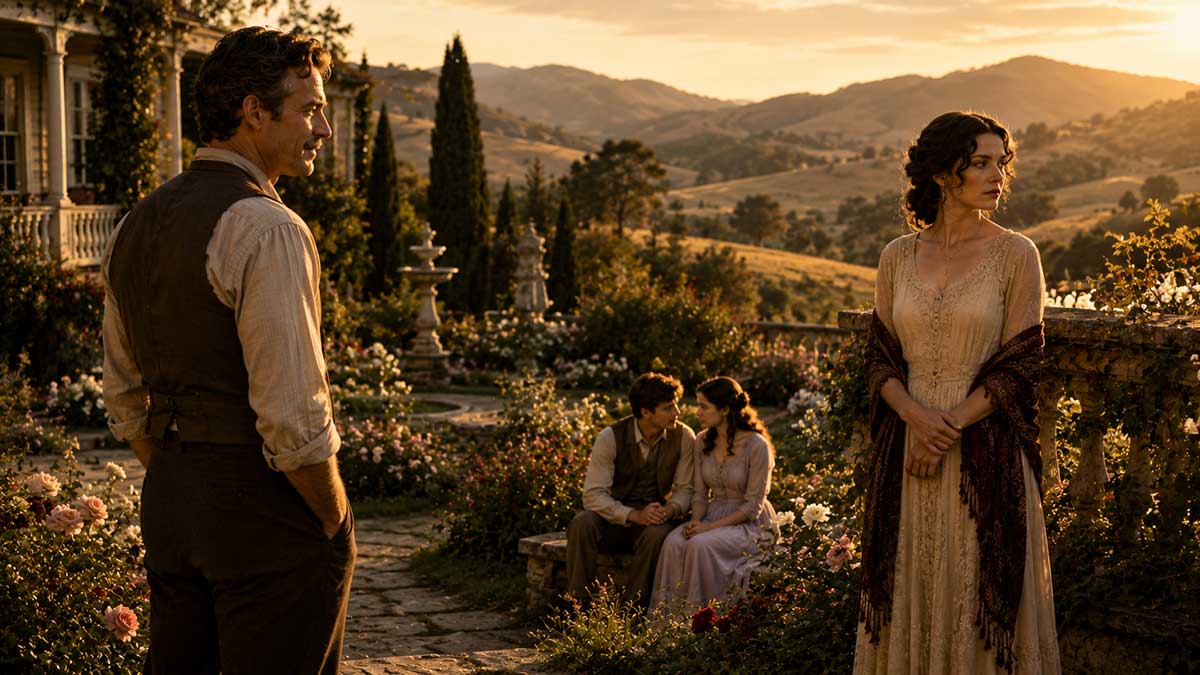
Cal's answer never came.
For a moment, Aron seemed ready to ask again.
Then Cathy laughed softly.
Cathy: Look at all of you. You spend your lives begging to be loved, and none of you seems particularly interested in whether the person doing the loving can actually see you.
Adam turned toward her.
Adam: What is that supposed to mean?
Cathy: You know exactly what it means.
Adam: No. I don't.
Cathy: Then perhaps I should ask you something.
She leaned slightly forward.
Cathy: Did you ever love me?
Adam stared at her.
Adam: I married you.
Cathy: That wasn't my question.
Adam: I left everything behind and brought you to California. I built a life for us. I wanted a family with you.
Cathy: Exactly.
Adam: Exactly what?
Cathy: Listen to yourself. California. A house. Children. A garden. Your beautiful little Eden.
She smiled without warmth.
Cathy: Where am I in any of that?
Adam: You were at the center of it.
Cathy: No. A woman was at the center of it.
Adam frowned.
Cathy: A woman you invented.
The room became quiet.
Adam: I knew you.
Cathy: You knew almost nothing about me.
Adam: You were hurt when I found you.
Cathy: Yes.
Adam: You needed help.
Cathy: I needed somewhere to recover.
Adam: You needed someone.
Cathy: That's where you began inventing me.
Adam's face hardened.
Cathy: You saw a wounded woman and decided she must be innocent. You saw beauty and decided there must be goodness underneath it. You saw fear and called it vulnerability. You saw my silence and filled it with whatever words made you happiest.
Adam: You lied to me.
Cathy: Certainly.
Adam: Then don't stand there and pretend I simply failed to listen.
Cathy: I did lie. But there were times I told you exactly what I wanted.
Adam did not respond.
Cathy: I told you I didn't want your life.
Adam: You were frightened.
Cathy: There.
Adam: What?
Cathy: You just did it again.
Adam froze.
Cathy: I tell you what I wanted, and you explain why I couldn't possibly have meant it.
Abra glanced at Aron.
Aron noticed.
Aron: Don't.
Abra: I haven't said anything.
Aron: You didn't have to.
Cal: She's right, though.
Aron: Stay out of it.
Cal: Why?
Aron: Since apparently everybody has decided this is about me now.
Abra: It is partly about us.
Aron: I loved you.
Abra: I know.
Aron: Then what are we arguing about?
Abra: The woman you loved.
Aron: You.
Abra: Was it?
Aron stared at her.
Abra: Tell me who I was to you.
Aron: Abra, this is ridiculous.
Abra: Tell me.
Aron: You were kind.
Abra: Sometimes.
Aron: You were gentle.
Abra: Sometimes.
Aron: You were good.
Abra smiled sadly.
Abra: Sometimes.
Aron: Why are you doing this?
Abra: Since I spent so much time wondering what would happen if I stopped being those things.
Aron: I wouldn't have stopped loving you.
Abra: Are you sure?
Aron: Yes.
Abra: What if I told you I had ugly thoughts?
Aron: Everyone does.
Abra: What if I was jealous?
Aron: That's human.
Abra: Selfish?
Aron: Abra.
Abra: What if I wanted things you thought a good woman shouldn't want?
Aron hesitated.
Abra saw it.
Abra: That's what I mean.
Aron: One hesitation proves I didn't love you?
Abra: No.
She softened.
Abra: I'm trying to tell you what it felt like.
Aron looked away.
Abra: You loved me so beautifully sometimes that I became afraid to move.
That reached him.
Aron: Afraid?
Abra: Afraid I would fall off the pedestal.
Aron: I never put you on a pedestal.
Cal: You did.
Aron: I told you to stay out of this.
Cal: I watched you do it.
Aron: And what did you do? See every flaw in her so you could congratulate yourself for being realistic?
Cal: Maybe.
Abra looked at Cal.
Cal: I'm not going to pretend I was noble.
Abra: Good.
Cal: But I knew you weren't perfect.
Abra: And did that disappoint you?
Cal thought.
Cal: No.
Abra: Why?
Cal: Maybe since I never expected anyone to be.
Cathy smiled.
Cathy: There is my son.
Cal's face changed.
Cal: Don't.
Cathy: Why? That was almost intelligent.
Lee: Cathy, recognizing imperfection and expecting corruption are not the same thing.
Cathy: Aren't they?
Lee: No.
Cathy: Give people enough privacy and opportunity. You'll learn.
Lee: You have spent your life looking for the worst thing inside people.
Cathy: And finding it.
Lee: Yes.
Cathy seemed surprised by the concession.
Lee: But finding one room in a house does not mean you've seen the whole house.
Cathy: Your metaphors don't change what people do.
Lee: Nor does your cynicism.
Adam had barely moved.
He was still looking at Cathy.
Adam: You shot me.
Cathy: Yes.
Adam: You abandoned your children.
Cathy: Yes.
Adam: You deceived me.
Cathy: Yes.
Adam: And now you want to tell me that my great failure was loving you too much?
Cathy: No.
Her answer was immediate.
Cathy: Your failure was believing that love gave you permission not to believe me.
Adam went silent.
Cathy: You wanted me innocent so badly that every piece of evidence became something you could explain away.
Adam: What should I have done?
Cathy: Seen me.
Adam: And then what?
Cathy shrugged.
Cathy: Perhaps you wouldn't have married me.
Adam stared at her.
Cathy: Perhaps that would have been the first loving thing you did.
The cruelty of the sentence seemed to hang between them.
Yet Adam did not reject it.
Adam: I thought love meant believing the best about someone.
Abra: Maybe sometimes love means believing what they show you.
Adam looked at her.
Abra: Seeing someone clearly doesn't mean approving everything they do.
Lee: That's an important distinction.
Abra: If someone is cruel, seeing them clearly doesn't require you to accept the cruelty. It may require you to leave.
She looked at Cathy.
Abra: Adam seeing Cathy clearly would not have made Cathy good.
Then she looked at Adam.
Abra: But it might have stopped him from building his entire life around someone who didn't exist.
Adam lowered his eyes.
Cal: Did you ever wonder why you needed her to be good so badly?
Adam looked at him.
Adam: I loved her.
Cal: That's not what I asked.
Adam's expression tightened.
Cal: Maybe Aron wasn't the only person you needed to be innocent.
Aron looked at his father.
Cal: Maybe you needed certain people to stay clean so you could believe the world was still clean.
Adam: And you think that's weakness?
Cal: I think it can be.
Aron: Of course you do.
Cal turned.
Aron: You always liked ugliness.
Cal: What?
Aron: You looked for it.
Cal: I looked at what was there.
Aron: You enjoyed finding it.
That struck Cal.
Aron: Don't turn yourself into the brave realist now. You took me to Mother for a reason.
Cal's face darkened.
Aron: You knew exactly what the truth would do to me.
Cal: Yes.
Aron: So sometimes “seeing people clearly” is just another weapon.
Nobody spoke.
Lee: Yes.
Cal looked at Lee.
Lee: Truth can be used cruelly.
Cathy: Finally.
Lee: Do not celebrate yet.
A faint expression crossed Abra's face.
Lee: We have discovered two dangers.
He looked toward Adam.
Lee: Refusing truth in the name of love.
Then toward Cal.
Lee: Using truth in the name of hatred.
Cal looked down.
Lee: Neither is the same as seeing clearly.
Abra: Then what is?
Lee: Perhaps seeing the whole person without needing the whole person to please you.
Cathy shook her head.
Cathy: There is no whole person. There are appetites, fears and performances.
Abra: Do you believe that about yourself?
Cathy turned toward her.
Cathy: Especially myself.
Abra: Then maybe you're doing the same thing Adam did.
For the first time, Cathy seemed genuinely caught off guard.
Cathy: Explain.
Abra: Adam decided you were completely good.
Abra held her gaze.
Abra: Maybe you decided you were completely bad.
Silence.
Cal slowly looked at his mother.
Cathy: You think that's clever?
Abra: I think certainty can be comforting whichever direction it goes.
Cathy: There is nothing comforting about knowing what you are.
Abra: Unless knowing means you never have to ask whether you could become something else.
Cathy's eyes hardened.
Cathy: Be careful.
Abra: That's what everyone does around you.
Cathy did not answer.
Adam looked at Abra with something approaching wonder.
Adam: Did I do that to you too, Aron?
Aron looked confused.
Adam: Did I make you into something you were afraid to stop being?
Aron swallowed.
Aron: I liked making you proud.
Adam: That's not an answer.
Aron gave a bitter little smile.
Aron: Now you know how Cal feels.
Cal looked at him.
Adam accepted it.
Aron: Yes.
He paused.
Aron: I think I was afraid of disappointing you.
Adam: Every child is sometimes.
Aron: No. I mean disappointing you in a way that changed what I was.
Adam listened.
Aron: If Cal did something wrong, you worried about Cal.
His voice grew quieter.
Aron: If I did something wrong, I thought the whole idea of me might break.
Cal's expression changed.
For perhaps the first time, he saw something in Aron that resembled his own fear.
Cal: You were afraid too.
Aron looked at him.
Aron: Of course I was.
Cal: I thought being the good one must have felt wonderful.
Aron: Sometimes.
He paused.
Aron: Sometimes it felt like there wasn't anywhere to go except down.
Neither brother spoke.
Abra: That's what a pedestal does.
Adam: I thought I was giving you confidence.
Aron: Maybe you were.
He looked at his father.
Aron: And maybe I built the rest myself.
That mattered.
No one was assigning all the blame to Adam anymore.
Lee: We help build one another's prisons. Then sometimes we continue building after everyone else has gone home.
Cal glanced at him.
Cal: That one was prepared.
Lee smiled.
Lee: Perhaps.
The tension loosened for only a second.
Then Aron looked at Abra.
Aron: I want to understand something.
Abra: Ask.
Aron: When did you know?
Abra: Know what?
Aron: That I wasn't seeing you.
Abra thought for a long time.
Abra: I don't think there was one moment.
She looked at him tenderly.
Abra: It was little things.
Aron: Like what?
Abra: The way you talked about our future as though I had already agreed to every part of it.
Aron looked down.
Abra: The way you became uncomfortable when I said something that didn't fit the Abra you carried around inside your head.
Aron: I didn't know.
Abra: I know.
Aron: Why didn't you tell me?
Abra almost laughed, but there was sadness in it.
Abra: I tried.
Aron closed his eyes briefly.
Abra: But sometimes when someone loves an idea of you, telling them who you really are feels like hurting them.
That sentence reached Adam too.
He looked toward Cathy.
Cathy noticed.
Cathy: Don't make us alike.
Abra: I'm not.
Cathy: You think you understand me now.
Abra: No.
She shook her head.
Abra: That's the point.
Cathy stared at her.
Abra: I don't understand you.
No one tried to fill the silence.
Abra: And maybe respecting that is closer to seeing you than deciding you're a monster or deciding you're secretly good.
Cathy looked away.
Cal watched her carefully.
Adam: Cathy.
She did not look back.
Adam: I don't know whether I loved you.
That finally made her turn.
Adam's eyes were wet.
Adam: I thought I did. For years I thought what you destroyed was my love.
He struggled with the next words.
Adam: Maybe what you destroyed was my dream.
Cathy said nothing.
Adam: And perhaps I hated you partly since I couldn't admit that I helped create the dream myself.
Cal watched his father with a strange expression.
Cathy: Don't forgive me by blaming yourself.
Adam: I'm not.
His voice became firmer.
Adam: You did terrible things.
Cathy held his gaze.
Adam: Seeing you clearly means I can finally say both things.
He paused.
Adam: You harmed me.
Then:
Adam: And I refused to see you.
Cathy's face revealed almost nothing.
But she did not mock him.
Abra turned toward Aron.
Aron: I know.
Abra: Know what?
Aron: Why you're looking at me.
Abra: Then tell me.
Aron looked frightened now in a way Cal had rarely seen.
Aron: I loved the part of you that made the world feel safer.
Abra's eyes filled.
Aron: I don't know how much of the rest I knew.
Abra: Thank you.
Aron: Don't thank me.
Abra: Why?
Aron: Since now I have to ask the question I don't want answered.
Abra waited.
Aron looked directly at her.
Aron: If I had really seen you, all of you, not the woman I wanted you to be...
His voice weakened.
Aron: Would you still have loved me?
Abra looked at him for a long time.
Abra: I wanted you to give me the chance.
Aron lowered his eyes.
Cal watched his brother.
Then he looked at Cathy.
Something in the conversation had disturbed him far more deeply than he expected.
Cal: Mother.
Cathy turned.
Cal: Maybe Father invented a version of you.
Cathy: He did.
Cal: Maybe Aron invented Abra.
Aron did not protest.
Cal: But what if I've been doing it too?
Cathy: With whom?
Cal's eyes stayed on hers.
Cal: With you.
Cathy's expression changed.
Cal: What if I needed you to be completely evil...
He hesitated.
Cal: so I could explain everything in myself that frightened me?
No one answered.
Cal leaned forward.
Cal: How much of you is really inside me?
And for the first time, Cathy did not seem eager to answer.
Topic 3: Is My Mother Inside Me?
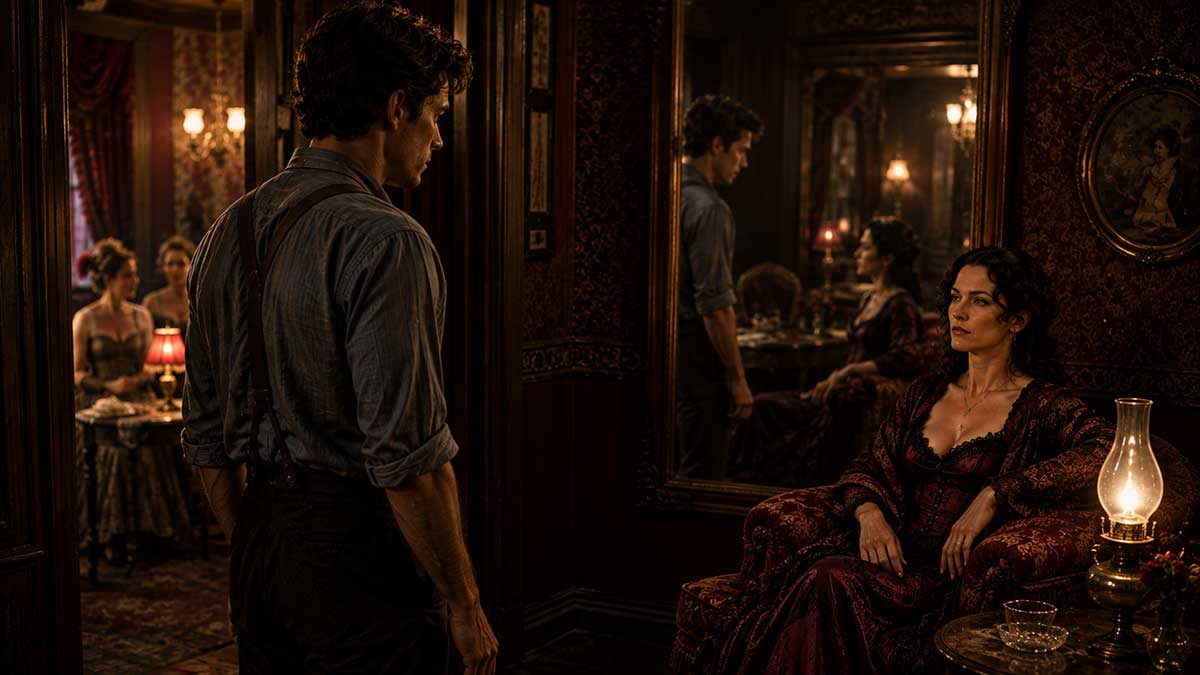
Cathy did not answer.
Cal waited.
The silence began to feel like an answer of its own.
Cal: You were so certain before.
Cathy: About what?
Cal: About me.
He leaned forward.
Cal: You said there was something of you in me.
Cathy: There is.
Cal: Then tell me what.
Cathy: You want a list?
Cal: Maybe.
Cathy: Jealousy. Suspicion. The pleasure you sometimes take in knowing where someone is weak.
Cal's face tightened.
Cathy: You watch people. You notice things they wish you hadn't noticed.
Cal: So does Lee.
Cathy: Lee doesn't enjoy it the way you do.
Lee did not interrupt.
Cal: You think I enjoy hurting people?
Cathy: Sometimes.
Cal looked at Aron.
Aron looked back.
Neither needed to say what they were both thinking.
Cathy: You already proved it.
Cal: With him.
Cathy: Yes.
Cal: One thing proves I'm you?
Cathy: Not one thing.
She studied him.
Cathy: You knew exactly where to cut.
Cal: And that means what?
Cathy: It means you understand cruelty.
Cal: Understanding it isn't the same as wanting it.
Cathy: Isn't it?
Lee: No.
Cathy glanced toward him.
Cathy: I wondered how long you could stay quiet.
Lee: Longer than you think.
Cathy: Then continue.
Lee: Cal understands cruelty. So do you. So do I. So does anyone who has lived long enough and paid attention.
Cathy: That is very comforting.
Lee: It isn't meant to be.
He looked at Cal.
Lee: Knowing how to hurt someone does not tell us what a person will do with that knowledge.
Cathy: But wanting to use it does.
Lee: Wanting matters.
Cal: There.
He turned to Lee.
Cal: So she is right.
Lee: I didn't say that.
Cal: You said wanting matters.
Lee: It does.
Cal: Then what if I want terrible things?
Lee: Sometimes you will.
Cal: That's supposed to help?
Lee: No.
Lee's voice stayed calm.
Lee: It is supposed to keep us from lying.
Cal looked unsettled.
Lee: If we tell you that good people never feel hatred, never want revenge, never envy, never fantasize about hurting someone, then the first time you feel any of those things you will conclude you are evil.
Cal said nothing.
Lee: That would be a dangerous lesson.
Cathy: Why? It might be an accurate one.
Lee: Because an impulse is not yet an act.
Cathy: You people love that gap.
Lee: That gap may be where a life is made.
Cathy smiled faintly.
Cathy: Or where people invent flattering stories about themselves.
Abra had been watching Cal.
Abra: What frightened you most when you found out she was your mother?
Cal turned toward her.
Cal: That everything suddenly made sense.
Abra: What things?
Cal looked down at his hands.
Cal: When I was a boy, sometimes I wanted Aron to fail.
Aron shifted in his chair.
Cal: Not just lose at something. Fail in a way Father could see.
Aron: I know.
Cal: I wanted Father disappointed in you.
Aron stared at him.
Cal: I wanted the room to change.
Aron: The room?
Cal: Yes.
He searched for the words.
Cal: You know that feeling when someone walks into a room and everybody's attention changes?
Aron said nothing.
Cal: That's how it felt with you sometimes. I wanted to see what would happen if that disappeared.
Aron: So you wanted me smaller.
Cal: Yes.
The admission hurt both of them.
Cal: Sometimes I lied just to see if I could get away with it. Sometimes I could tell what someone was ashamed of before they told me.
He looked toward Cathy.
Cal: Then I found her.
His voice dropped.
Cal: And I thought: there it is.
Adam: There what is?
Cal: The explanation.
Adam looked pained.
Cal: I thought maybe the badness had a source.
Adam: Cal.
Cal: Don't.
Adam stopped.
Cal: You don't get to tell me I wasn't afraid of it.
Adam: I wasn't going to.
Cal looked surprised.
Adam: I was going to say I understand why you wanted an explanation.
Cal: Do you?
Adam: More than you think.
Cal frowned.
Adam: When I was young, I spent years wondering what was inside Charles.
Cal: That's different.
Adam: Is it?
Cal hesitated.
Adam: He loved me and hated me. Sometimes almost at the same moment.
Cal: And you never wondered whether you could become him?
Adam: I wondered whether something in our family made us what we were.
Lee looked at Adam carefully.
Adam: Our father believed things very strongly. He created stories about himself, about us, about what mattered. Charles carried anger. I carried...
He stopped.
Abra: What?
Adam looked at Aron, then Cal.
Adam: Perhaps I carried blindness.
Cal: Blindness?
Adam: The habit of seeing what I needed to see.
Cathy gave him a cold smile.
Cathy: At least you're learning.
Adam: Very late.
Lee: Late learning is still learning.
Cathy: There you go again.
Lee: And there you go again too.
Cathy raised an eyebrow.
Lee: You speak as though repetition proves inevitability.
Cathy: Doesn't it?
Lee: No.
Cathy: Adam repeats his father. Cal repeats Charles. Aron repeats Adam's need for purity.
She looked around the room.
Cathy: Your family keeps proving my point.
Abra: Or proving that patterns are powerful.
Cathy: Same thing.
Abra: No.
Cathy turned toward her.
Abra: Something can be powerful without being permanent.
Cathy: That's a very young thing to say.
Abra: Maybe.
Cathy: Give yourself thirty years.
Abra: And what will happen?
Cathy: You'll see people promise they will change. Then you'll watch them return to what they are.
Cal: Did you ever try to change?
Cathy looked at him.
Cal: Really try.
Cathy: From what into what?
Cal: From someone who hurts people into someone who doesn't.
Cathy: Why would I?
Cal: That's not an answer.
Cathy: It is exactly an answer.
Cal: You never wanted anything different?
Cathy: Different from what?
Cal: From being alone.
For the first time, Cathy looked away.
The movement was small.
Cal saw it.
Cal: There.
Cathy: Don't.
Cal: I saw that.
Cathy: You saw nothing.
Cal: That's what you always say when someone gets close enough.
Her face hardened.
Cathy: You are beginning to sound like me now.
Cal flinched.
Cathy saw that too.
Cathy: Ah.
Cal: What?
Cathy: There it is.
Cal: What?
Cathy: You still need me to tell you what you are.
Cal stared at her.
Cathy: You hate me, but you keep coming back to me like a mirror.
That landed.
Cathy: You want me to say, “Yes, Cal, you are mine. Your darkness comes from me.” Then you can stop wondering.
Cal: Stop wondering what?
Cathy: Whether it belongs to you.
Cal went still.
Lee watched him carefully.
Cathy: If your cruelty comes from me, then perhaps you are less responsible for it.
Cal: That's not why.
Cathy: Isn't it?
Cal: No.
Cathy: Then why are you so desperate to know?
Cal opened his mouth.
Nothing came.
Abra answered quietly.
Abra: Because if he knows where it came from, maybe he thinks he can know where it ends.
Cal looked at her.
Abra: Maybe that's what he's asking.
Cathy's gaze shifted back to her son.
Cal: Maybe.
He took a breath.
Cal: I want to know whether there's a point where I stop being your son and start being myself.
Cathy looked almost amused.
Cathy: There isn't.
Adam leaned forward.
Adam: That's not true.
Cathy: Biologically, it is.
Adam: Biology is not identity.
Cathy: Tell that to the boy who spent his life looking for me inside himself.
Adam: That is exactly what I'm telling him.
Cal turned to his father.
Adam: You are her son.
He paused.
Adam: That is true.
Cal waited.
Adam: You are mine too.
Cathy scoffed softly.
Adam: You are your own history. Your own choices. Your brother's brother. Lee's friend. Abra's...
He stopped.
Abra almost smiled.
Adam: Whatever you are to each other.
Cal glanced at Abra.
Adam: You are more than one inheritance.
Lee nodded.
Lee: That matters.
Cal: But inheritance is real.
Lee: Of course.
Cal: Temperament is real.
Lee: Yes.
Cal: Family patterns are real.
Lee: Yes.
Cal: Then why does everyone get nervous when I say maybe I got something from her?
Lee: I don't.
Cal looked at him.
Lee: You may have.
Cal: What?
Lee: We don't know.
Cal: That's it?
Lee: What would you prefer? Certainty we don't possess?
Cal gave him an irritated look.
Lee: Some people are more impulsive. Some more aggressive. Some more anxious. Some more sensitive to rejection. Some seem to notice threat faster than others.
Cathy: And some are born knowing exactly how the world works.
Lee: You see? Even now you turn disposition into destiny.
He looked back at Cal.
Lee: You may carry tendencies.
Cal: Then I carry her.
Lee: You carry many things.
Cal: That's not an answer.
Lee: It is the only honest one.
Cal leaned back.
Lee: Suppose you inherited a quick temper.
Cal: Fine.
Lee: Does the temper decide whether you strike someone?
Cal: Not always.
Lee: Suppose you inherited unusual sensitivity to rejection.
Cal's eyes moved toward Adam.
Lee: Does that decide whether you punish Aron for being loved?
Cal looked away.
Lee: Suppose you inherited a talent for seeing weakness.
Cal looked toward Cathy.
Lee: Does that decide whether you exploit the weakness or protect it?
The room went quiet.
Cathy's expression tightened slightly.
Cal: So you think everything comes down to choice.
Lee: No.
That surprised him.
Cal: You don't?
Lee: No. That would be too easy.
Cal: Easy?
Lee: Telling a wounded person, “Everything is your choice,” can become another cruelty.
Abra nodded slightly.
Lee: We do not choose our first fear. We do not choose the family into which we arrive. We do not choose every impulse, every wound, every limitation.
He looked at Cal.
Lee: But somewhere between what arrives in us and what leaves us...
He paused.
Lee: there may be a place where we participate.
Cal was quiet.
Cathy: Participate.
She smiled.
Cathy: What a careful word.
Lee: Careful words are sometimes useful.
Cathy: You mean choose.
Lee: Sometimes.
Cathy: Then say it.
Lee: Not yet.
Cal looked at him.
Cal: Why not?
Lee: Because you are still asking the wrong question.
Cal: What's the right one?
Lee: You keep asking whether Cathy is inside you.
Cal: Yes.
Lee: Suppose she is.
Cal frowned.
Lee: Suppose some piece of temperament came from her. Suppose some came from Adam. Suppose some came from experiences neither of them intended. Suppose some is simply yours.
Cal: Then what?
Lee: Then you still wake tomorrow morning.
Cal waited.
Lee: And you still have to decide what to do before night.
Cathy laughed.
Cathy: So simple.
Lee: No.
He looked at her.
Lee: Painfully difficult.
Aron had been unusually quiet.
Now he spoke.
Aron: Maybe Cal isn't the only one who inherited something.
Everyone looked toward him.
Cal: What do you mean?
Aron: I spent so much time thinking you were the complicated one.
He looked at Adam.
Aron: Maybe I inherited Father's way of seeing what I wanted to see.
Adam absorbed that.
Aron: I wanted Mother dead.
Cathy looked at him sharply.
Aron: Not actually dead.
He swallowed.
Aron: I wanted the mother in my head. The one I could keep loving.
Cathy's face became unreadable.
Aron: When Cal showed me you...
His voice faltered.
Aron: I couldn't fit you into anything.
Cal: Aron...
Aron: No.
He looked at his brother.
Aron: You were right about one thing. I couldn't bear it.
Cal: I shouldn't have done it.
Aron: We're not there yet.
Cal stopped.
Aron: I'm saying maybe I inherited something too.
He looked at Adam.
Aron: Not blood. A way of protecting myself.
Adam's eyes filled.
Adam: I am sorry.
Aron looked away.
Abra: That's how these things travel, isn't it?
Lee nodded.
Abra: Sometimes nobody teaches them directly.
Lee: Yes.
Abra: A child watches how love works. How anger works. What gets talked about. What gets hidden.
Adam: What gets praised.
Cal looked at him.
Adam: What gets feared.
Cathy listened with increasing impatience.
Cathy: So now everyone is a victim of everyone who came before.
Cal: No.
She looked at him.
Cal: That's what I'm trying not to become.
Cathy studied him.
Cal: I want to know what came before me without using it as an excuse.
Cathy: Noble.
Cal: Maybe not.
He looked at Aron.
Cal: I used you as an excuse before.
Aron frowned.
Cal: I told myself I hurt you since Father loved you more.
Aron: Didn't he?
Cal: Maybe.
Aron: Then it mattered.
Cal: It mattered.
Cal's voice grew firmer.
Cal: But it didn't make me take you to her.
Aron looked at him.
Cal: I did that.
No one spoke.
Cal: That's the part I hate.
Lee: Why?
Cal: Since I can't hand it back to anyone else.
Lee nodded.
Cal: If I say Father made me jealous, that's partly true.
He looked at Adam.
Cal: If I say Mother gave me something dark, maybe that's partly true too.
He looked at Cathy.
Cal: But at some point I chose where to take Aron.
His voice dropped.
Cal: Nobody moved my feet for me.
Aron's eyes stayed on him.
Cathy: And now you think confession cleans you?
Cal: No.
Cathy: Good.
Cal: I think it makes the dirt mine.
Cathy stared at him.
Abra looked moved.
Lee: Ownership is not the same as condemnation.
Cal: It feels close.
Lee: I know.
Cathy looked at Lee.
Cathy: There. This is where you rescue him.
Lee: No.
Cathy: You will tell him he can become better.
Lee: Perhaps.
Cathy: You will tell him he is not what he has done.
Lee: Perhaps.
Cathy: Then eventually you'll find your magic word and everyone goes home forgiven.
Lee's face changed.
Lee: You think forgiveness is escape.
Cathy: Usually.
Lee: Sometimes it is the end of escape.
Cathy's eyes narrowed.
Cal: Mother.
She looked at him.
Cal: I want to ask you again.
Cathy: You already did.
Cal: No.
He took a breath.
Cal: Did you ever try not to be who you were?
Cathy gave him a long, cold look.
Cathy: You still think there's some little frightened woman buried underneath all this, don't you?
Cal: I don't know.
Cathy: There isn't.
Cal: How do you know?
Cathy: Since I know myself.
Cal: Father thought he knew you too.
That angered her.
Cathy: Do not compare us.
Cal: Why not?
Cathy: He invented goodness. You are inventing pain.
Cal: Maybe.
He leaned closer.
Cal: But I'm asking whether there was ever one moment when you could have done one thing and chose another.
Cathy did not answer.
Cal: One person you could have spared.
Nothing.
Cal: One lie you didn't have to tell.
Her face remained still.
Cal: One person you almost loved.
Cathy's eyes shifted.
Very slightly.
Cal saw it.
Lee saw it.
Abra saw it.
Cathy knew they had seen it.
Her voice became colder.
Cathy: You want me to give you hope about yourself.
Cal: Maybe I do.
Cathy: Then don't look for it in me.
Cal's expression fell.
Cathy: If you need your mother to become good before you believe you can be good, you're more trapped than I thought.
The sentence was cruel.
But Cal did not recoil this time.
He sat with it.
Then slowly looked toward Lee.
Cal: What if she's right?
Lee: About which part?
Cal: What if I've been waiting for proof from the wrong person?
Lee said nothing.
Cal turned back toward Cathy.
Cal: Maybe you are inside me.
Cathy watched him.
Cal: Maybe Father is too.
Adam looked up.
Cal: Maybe Charles is in the story. Cyrus. Aron. Every room I grew up in. Every time I thought I was second. Every time I wanted someone else to hurt so I could feel less small.
He paused.
Cal: But none of that tells me what I have to do next.
For once, Cathy had no immediate reply.
Cal looked at her.
Cal: So I'll ask one last time.
His voice was steady now.
Cal: Did you ever try not to be who you were?
Cathy held his gaze.
A long silence followed.
Then she answered.
Cathy: Why would I?
Cal did not look away.
Something in his face changed.
Not relief.
Not forgiveness.
Recognition.
Lee watched him closely.
Cal: Then maybe that's the difference between us.
Cathy's expression hardened.
Cathy: Don't be so sure.
Cal: I'm not.
He glanced toward Aron.
Then Adam.
Then Abra.
Finally back to Cathy.
Cal: That's the point.
Topic 4: Does One Terrible Choice Make You a Terrible Person?
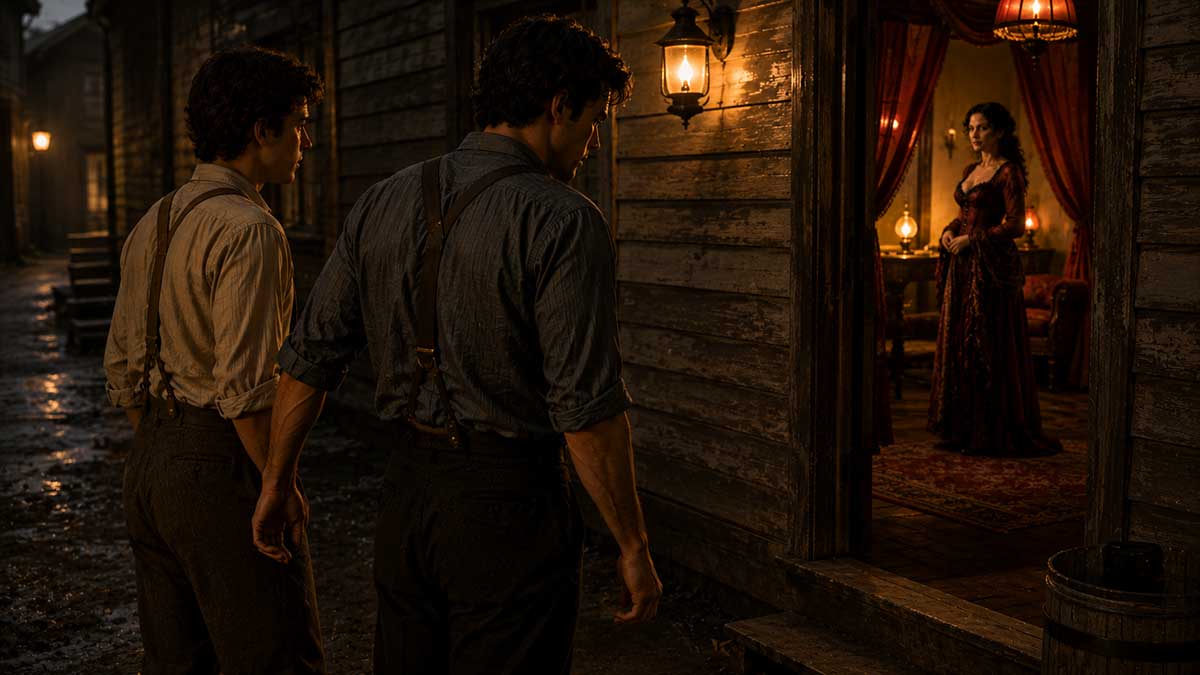
Aron: You keep calling it a choice.
Cal looked at him.
Aron: Then let's talk about the choice.
Nobody moved.
Cal: Aron...
Aron: No. We've talked about Father. We've talked about Mother. We've talked about what you inherited and what you were afraid of becoming.
His voice remained surprisingly calm.
Aron: Now talk about me.
Cal lowered his eyes.
Aron: You knew.
Cal: Yes.
Aron: You knew what seeing her would do to me.
Cal: I knew it would hurt you.
Aron: That's not what I asked.
Cal looked up.
Aron: Did you know it would destroy me?
Cal: No.
Aron: Are you sure?
Cal hesitated.
Cal: I wanted to hurt you.
Adam closed his eyes.
Cal: I wanted something inside you to break.
Aron stared at him.
Cal: I didn't think beyond that.
Aron: That's supposed to make it better?
Cal: No.
Aron: You took me there like someone carrying a weapon.
Cal: Yes.
Aron: And the weapon was our mother.
Cathy gave a faint smile.
Cathy: At least somebody finally understands my usefulness.
Adam: Cathy.
Aron: Let her speak.
Adam looked surprised.
Aron: I spent my whole life unable to hear anything ugly. Maybe I should hear it now.
He turned back toward Cal.
Aron: Why did you do it?
Cal took a long time.
Cal: The money.
Aron: Father's rejection?
Cal: Yes.
Aron: And me.
Cal: Yes.
Aron: He rejected your money and praised me.
Cal: Yes.
Aron: So you punished me.
Cal swallowed.
Cal: Yes.
Aron's face tightened.
Aron: I didn't reject you.
Cal: I know.
Aron: I didn't refuse your gift.
Cal: I know.
Aron: I didn't ask Father to compare us.
Cal: I know.
Aron's voice finally rose.
Aron: Then why was I the one you hurt?
Cal could not answer.
Aron: Say it.
Cal: Since I could.
The room went still.
Cal's eyes filled.
Cal: Father had the power to hurt me.
He looked at Aron.
Cal: I had the power to hurt you.
Aron's anger seemed to falter for a second.
Cal: Maybe that's how these things travel.
Nobody interrupted him.
Cal: Someone makes you feel small. You can't hurt them back. So you find somebody whose heart you can reach.
He looked down.
Cal: And you make them smaller.
Cathy watched him without sympathy.
Cathy: Now that is something you got from humanity, not from me.
Lee looked toward her.
Lee: Perhaps one of the truest things you've said.
Cathy seemed almost disappointed that he agreed.
Abra: Cal, when you took Aron there, did you think about what would happen afterward?
Cal: No.
Abra: Nothing?
Cal: I thought about his face.
Aron looked at him.
Cal: That's all.
Abra: You wanted to see his face when he knew.
Cal: Yes.
Aron: Did it satisfy you?
Cal's eyes moved to his brother.
Cal: For a moment.
Adam flinched.
Cal noticed.
Cal: Don't look away, Father.
Adam forced himself to look back.
Cal: It did.
He turned toward Aron.
Cal: For one terrible moment, I felt better.
Aron's eyes filled.
Cal: Then I saw you.
He stopped.
Cal: Really saw you.
Aron: And?
Cal: I wanted to take it back before we'd even left.
Aron: But you couldn't.
Cal: No.
Aron: That's the trouble with choices.
Lee looked at Aron.
Aron: Everyone keeps talking about choosing differently next time.
His voice trembled.
Aron: Some things don't give you a next time.
No one answered.
Aron: I couldn't unknow her.
Cathy looked at him.
Aron: I couldn't put Mother back in the grave.
Cathy: I was never there.
Aron: I know that now.
He looked directly at her.
Aron: I wish you had been.
Adam's breath caught.
Cathy's expression changed almost imperceptibly.
Aron: Is that cruel?
Cathy: Yes.
Aron: Good.
The word surprised everyone.
Aron almost seemed surprised himself.
Aron: Maybe Cal wasn't the only one capable of it.
Lee: No one here ever said he was.
Aron looked at Lee.
Aron: I wanted her dead once I saw her.
Lee: Wanting and doing are not identical.
Aron: You said that before.
Lee: It remains true.
Aron: Convenient.
Lee: Necessary.
Aron leaned back.
Aron: Then tell me something.
Lee: I'll try.
Aron: Who killed me?
Silence.
Adam's face drained.
Cal stared at his brother.
Aron: Cal thinks he did.
Cal: I did.
Aron: Did you enlist me?
Cal: No.
Aron: Did you send me to war?
Cal: No.
Aron: Did you fire the weapon that killed me?
Cal: No.
Aron: Then why do you keep saying you killed me?
Cal: Since I sent you running.
Aron: Yes.
Cal waited.
Aron: You broke something in me.
Cal's face crumpled.
Aron: Don't look away.
Cal forced himself to meet his eyes.
Aron: You hurt me deliberately.
Cal: Yes.
Aron: You showed me the truth in the cruelest way you could.
Cal: Yes.
Aron: You bear responsibility for that.
Cal: Yes.
Aron: But I enlisted.
Cal frowned.
Aron: I ran.
Cal: Since of me.
Aron: Partly.
Cal: Partly?
Aron: You want all of it.
Cal: What?
Aron: My death.
Cal stared at him.
Aron: You want to own the whole thing.
Cal: Why would I want that?
Aron: I don't know.
Aron studied him.
Aron: Maybe guilt makes you important.
Cal recoiled.
Cal: That's disgusting.
Aron: Is it wrong?
Cal: I loved you.
Aron: I know.
Cal: I would give anything to change it.
Aron: I know.
Cal: Then don't turn this into vanity.
Aron: I'm not.
His voice softened.
Aron: I'm asking whether claiming responsibility for everything is another way of keeping everything about you.
Cal fell silent.
Abra looked at him carefully.
Abra: Aron may have a point.
Cal turned toward her.
Cal: You too?
Abra: Cal, guilt can become its own kind of self-absorption.
Cal: I caused this.
Abra: You caused part of it.
Cal: What difference does that make?
Abra: A great deal.
Cal: He's still dead.
Abra: Yes.
Cal: Then what difference?
Abra: Since if you make yourself responsible for everything, you don't have to face something harder.
Cal: What's harder than this?
Abra: That other people have choices too.
Cal stared at her.
Abra: Aron had choices.
Aron lowered his eyes.
Abra: Adam had choices.
Adam nodded slowly.
Abra: Cathy had choices.
Cathy smiled.
Abra: The people who created the war had choices.
She looked back at Cal.
Abra: You don't honor Aron by stealing everybody else's responsibility.
Cal was quiet.
Adam: And mine.
Cal looked toward his father.
Cal: Yours?
Adam: I built the world Aron needed to believe in.
Aron: Father...
Adam: Let me say it.
Aron stopped.
Adam: I protected your innocence partly since it comforted me.
He looked at Cathy.
Adam: I could not face what she was.
Then back to Aron.
Adam: So I helped create a world in which you didn't have to face it either.
Aron: You didn't make me enlist.
Adam: No.
Aron: Then don't do what Cal is doing.
Adam absorbed that.
Aron: Everybody wants a piece of my death now.
No one spoke.
Aron: Maybe some of it belongs to me.
That was the hardest sentence yet.
Cal: Aron, no.
Aron: Why?
Cal: You were hurt.
Aron: Yes.
Cal: You weren't thinking clearly.
Aron: Probably not.
Cal: Then how can you blame yourself?
Aron: I'm not blaming myself.
He looked at Cal.
Aron: I'm giving myself back my choices.
Lee's eyes sharpened.
Aron: Isn't that what all of you have been talking about?
Cal said nothing.
Aron: If I say everything that happened after seeing Mother was inevitable, then I'm doing exactly what Mother says people do.
Cathy looked at him.
Aron: I'm saying I had no choice.
Cathy: Perhaps you didn't.
Aron: I don't want that from you.
Cathy's face hardened.
Aron: I spent my life needing the world to be simple.
Good mother.
Good father.
Good Abra.
Good Aron.
He looked toward Cal.
Aron: Bad Cal.
Cal flinched.
Aron: Maybe that was easier too.
Cal: What was?
Aron: Making you the dark one.
Cal stared at him.
Aron: Then I didn't have to look for darkness in myself.
The brothers held each other's gaze.
Cal: I would rather you hated me.
Aron: I did.
Cal: Did?
Aron did not answer.
Cathy broke the silence.
Cathy: This is sentimental nonsense.
Abra turned toward her.
Abra: Why?
Cathy: Aron is dead. No arrangement of responsibility changes that.
Cal: She's right about that.
Cathy: Of course I am.
Cal: Then what's guilt for?
Cathy shrugged.
Cathy: Nothing.
Cal: Nothing?
Cathy: Does it bring him back?
Cal: No.
Cathy: Does your suffering repair him?
Cal: No.
Cathy: Then guilt is wasted pain.
Lee shook his head.
Cathy: Here it comes.
Lee: You are confusing guilt with punishment.
Cathy: Aren't they the same?
Lee: No.
Cathy: Explain the difference.
Lee: Guilt can tell us that we have violated something we believe should not have been violated.
Cathy: And then?
Lee: Then it asks something of us.
Cal: What can it ask of me? Aron is dead.
Lee: That is precisely why your question matters.
Cal waited.
Lee: You cannot repair this with Aron in the ordinary sense.
Cal: Then there is nothing to do.
Lee: There is always something to do.
Cal: Like what?
Lee: Become someone who would not make the same choice again.
Cal looked frustrated.
Cal: That sounds too easy.
Lee: Does it?
Cal: Yes.
Lee: Then try it for forty years.
Cal went quiet.
Lee: Punishment can happen in an instant.
He looked directly at Cal.
Lee: Transformation takes a lifetime.
Cathy: Beautiful.
Lee: True things do not become false merely because you dislike beautiful language.
Cathy smiled.
Cal: What if I change only since I can't stand feeling guilty?
Lee: Then begin there.
Cal: That's selfish.
Lee: Most beginnings are imperfect.
Abra nodded.
Lee: If you wait for a perfectly pure motive before doing good, you may wait until death.
Aron looked toward Abra.
Something in that sentence had reached him too.
Cal: But if I forgive myself, doesn't that mean I'm saying what I did wasn't so bad?
Aron: Who said you get to forgive yourself yet?
Cal looked at him.
Aron: You keep trying to reach the end.
Cal: What do you want me to do?
Aron: Stay here for a minute.
Cal swallowed.
Aron: Don't explain it with Mother.
Cal nodded.
Aron: Don't explain it with Father.
Another nod.
Aron: Don't explain it with childhood or jealousy or inheritance.
Cal's eyes filled.
Aron: Look at me.
Cal did.
Aron: You wanted to hurt me.
Cal: Yes.
Aron: And you did.
Cal: Yes.
Aron: Say it without collapsing.
Cal's breathing changed.
Cal: I hurt you.
Aron: Deliberately.
Cal: Deliberately.
Aron: And?
Cal looked confused.
Aron: That's where you always stop.
Cal: What comes after that?
Aron: I don't know.
He looked toward Lee.
Aron: Isn't that the question?
Lee nodded.
Aron: Cal thinks there are only two possibilities.
He looked back at his brother.
Aron: Either you were innocent...
Cal listened.
Aron: or you are condemned.
Cal's face changed.
Aron: What if neither is true?
Cathy laughed.
Cathy: Here comes salvation.
Aron: No.
He turned toward her.
Aron: I'm asking you too.
That silenced her.
Aron: Are those really the only choices?
Cathy: For me?
Aron: For anyone.
Cathy: Some people are what they are.
Lee: And there is the question we've been circling.
Cathy: Don't bring your word into this yet.
Lee: I wasn't going to.
Cathy looked almost suspicious.
Cal: What about her?
Everyone turned toward Cal.
Cal: If what Lee is saying applies to me, does it apply to her?
Lee did not answer immediately.
Cal: Does she get another chance?
Cathy looked amused.
Cathy: I didn't ask for one.
Cal: That's not the question.
Cathy: It should be.
Cal: Suppose you wanted one.
Cathy: I don't.
Cal: Suppose.
Cathy: Why are you so concerned about saving me?
Cal: I'm not.
He looked at Lee.
Cal: I want to know whether his idea has a limit.
Lee understood.
Cal: If some people have gone too far, where is the line?
No one spoke.
Cal: Murder?
He looked at Cathy.
Cal: Betrayal?
Then himself.
Cal: Deliberately destroying someone you love?
Then Adam.
Cal: Abandoning your children while you're standing right beside them?
Adam lowered his eyes.
Cal looked around the room.
Cal: Where does a person become the thing they did?
Cathy answered first.
Cathy: Much earlier than any of you want to admit.
Abra: I don't believe that.
Cathy: You wouldn't.
Abra: Why?
Cathy: Since you need Cal to be redeemable.
Abra paused.
Cathy: You're not neutral.
Abra: No.
Cal looked at her.
Abra: I'm not.
Cathy smiled triumphantly.
Abra: Neither are you.
Her smile disappeared.
Abra: You need Cal to be irredeemable.
Cathy: Why would I care?
Abra: Since if Cal can contain some of your darkness and still choose differently...
Abra stopped.
Cathy stared at her.
Abra: then maybe your life wasn't inevitable either.
The room went utterly still.
Cathy's face changed.
Not much.
But enough.
Cathy: You think you've discovered me.
Abra: No.
Cathy: You think I'm afraid Cal will become good.
Abra: I think you might be afraid he can.
Cathy stood abruptly.
Adam watched her.
Cal did not move.
Cathy: Goodness.
She almost spat the word.
Cathy: You people make goodness sound like something floating above human beings waiting for them to reach up and take it.
Lee: I don't.
Cathy turned toward him.
Cathy: Then what do you believe?
Lee: That human beings can be vicious.
Cathy: Yes.
Lee: Selfish.
Cathy: Yes.
Lee: Cowardly.
Cathy: Yes. Keep going.
Lee: And capable of choosing against those things.
Cathy laughed.
Cathy: For how long?
Lee: Sometimes five minutes.
Her laughter stopped.
Lee: Then perhaps they have to choose again.
Cathy: And again?
Lee: Yes.
Cathy: Forever?
Lee: Perhaps.
Cathy stared at him.
Lee: I never said goodness was a permanent possession.
That quieted everyone.
Lee: Perhaps nobody gets to own it.
Cal: Then what are we?
Lee looked at him.
Lee: Choosing creatures.
Cathy shook her head.
Cathy: And if I choose badly every time?
Lee's answer came quietly.
Lee: Then those choices become your life.
Cathy's expression hardened.
Cathy: There. Finally.
Lee: But they do not prove that another choice was impossible.
She looked away.
Cal: So she could choose differently.
Lee: Yes.
Cathy: I won't.
Lee looked at her.
Lee: That is itself a choice.
Cathy said nothing.
Cal turned back toward Aron.
Cal: What do you want from me?
Aron thought for a long time.
Aron: I don't know.
Cal: Do you want me to suffer?
Aron hesitated.
Aron: Part of me does.
Cal nodded.
Aron: Does that surprise you?
Cal: No.
Aron: Part of me wants you to carry it forever.
Cal: I will.
Aron: That's not what I said.
Cal looked confused.
Aron: Carrying something isn't the same as letting it crush you.
Cal's eyes filled again.
Aron: And part of me...
He stopped.
Cal: What?
Aron: Part of me doesn't want the worst thing you ever did to become the rest of your life.
Cal covered his mouth.
No one spoke.
Finally:
Cal: Is that forgiveness?
Aron shook his head.
Aron: I don't know.
Cal: Then what is it?
Aron: Maybe just not wanting another death.
Cal stared at him.
Aron: Mine was enough.
The silence that followed was unbearable.
Then Cal whispered:
Cal: I'm sorry.
Aron looked at him.
Cal: I know it doesn't fix anything.
Aron: It doesn't.
Cal nodded.
Cal: I know you don't owe me forgiveness.
Aron: I don't.
Cal: I know being sorry doesn't make me good.
Aron: No.
Cal breathed deeply.
Cal: Then I don't know what comes next.
Aron looked toward Lee.
Lee did not rescue him.
Aron: Maybe that's where you have to begin.
Cal looked at his brother.
Cal: With not knowing?
Aron: With tomorrow.
Cal's face changed.
Across the room, Cathy looked toward Lee.
Cathy: You're enjoying this.
Lee: No.
Cathy: You've been waiting for them to arrive at your precious word.
Lee: Perhaps.
Cathy: Then say it.
Lee shook his head.
Lee: Not yet.
Cal: Why?
Lee looked at him.
Lee: Since before we speak about whether a human being may choose differently...
His gaze moved from Cal to Cathy, Adam, Aron and Abra.
Lee: we have to ask how much choice any of us ever had in the first place.
Topic 5: Timshel
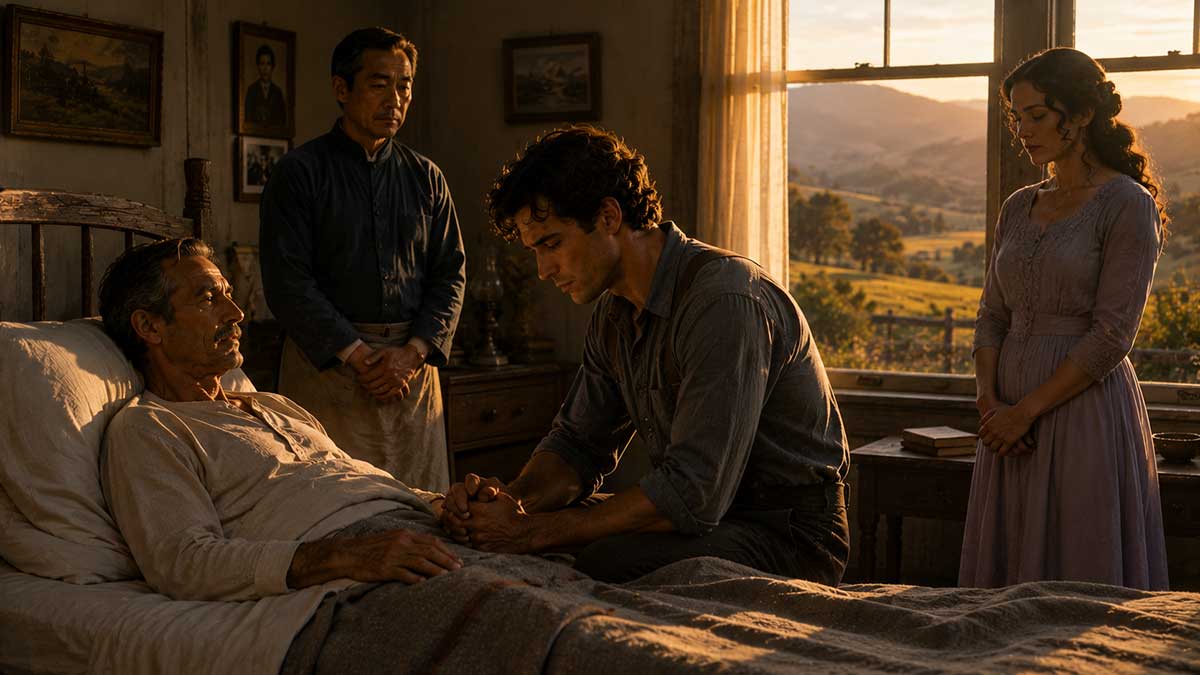
Cathy: Then ask it.
Lee looked at her.
Cathy: You've spent all this time circling around choice. So stop circling.
She sat back down.
Cathy: How much choice did any of us really have?
Lee remained quiet.
Cathy: Cal didn't choose me for a mother. Aron didn't choose Adam for a father. Adam didn't choose Cyrus. None of you chose the bodies you were born into, the minds you received, the things that happened before you were old enough to name them.
She looked at Cal.
Cathy: Yet somehow, at the end of all this, Lee will tell you that you are free.
Lee: No.
Cathy frowned.
Cathy: No?
Lee: I will tell him something much smaller.
Cal: What?
Lee looked at him.
Lee: That he may be.
Cal waited.
Cathy: May be what?
Lee: Different.
Nobody spoke.
Cathy: There it is.
Lee: Not yet.
Cathy: Your word.
Lee: Yes.
He turned toward Cal.
Lee: Timshel.
Cal had heard it before.
Yet now the word seemed heavier.
Cal: Thou mayest.
Lee: In the meaning the word came to have for us, yes.
Aron: May what?
Lee: Master sin. Resist it. Choose against it.
Cathy: And you really believe one word answers everything we've been talking about?
Lee: No.
Cathy: Then why does it matter?
Lee: Since it does not answer the question for us.
He looked around the room.
Lee: It gives the question back to us.
Adam: Tell them about the translations.
Lee smiled faintly.
Lee: Samuel would have done this better.
Adam: Samuel isn't here.
Lee: He is in more of this conversation than you think.
Adam smiled sadly.
Lee: When we studied the story of Cain and Abel, we became fascinated by the words spoken to Cain after his offering was rejected.
He paused.
Lee: One reading sounded almost like a promise.
He looked toward Cal.
Lee: You will overcome.
Then toward Aron.
Lee: Another sounded like an order.
Lee: You must overcome.
Then Lee opened his hands.
Lee: But the meaning we found in timshel was different.
Lee: Thou mayest.
Cal: What's so different about that?
Lee: Everything.
Cal: Why?
Lee: If you will overcome, your victory is already decided.
Cal listened.
Lee: If you must overcome, you are commanded.
Then:
Lee: But if you may...
He let the sentence remain unfinished.
Abra: Then you can fail.
Lee looked at her.
Lee: Yes.
Abra: That's what makes it frightening.
Lee: And meaningful.
Cathy laughed quietly.
Cathy: Meaningful.
Lee: Yes.
Cathy: You make failure sound beautiful.
Lee: No. I make freedom sound dangerous.
That stopped her.
Cal: But what if we're giving ourselves too much credit?
Lee: Explain.
Cal: Mother was right about something.
Cathy raised an eyebrow.
Cal: I didn't choose what happened to me.
Lee: No.
Cal: I didn't choose how Father looked at Aron.
Adam: No.
Cal: I didn't choose the jealousy arriving.
Lee: No.
Cal: I didn't choose that feeling in my stomach when Father rejected the money.
Lee: No.
Cal: Then where exactly does my freedom begin?
Lee considered him.
Lee: I don't know.
Cal looked frustrated.
Cal: After everything, that's your answer?
Lee: Yes.
Cal: You don't know?
Lee: No one knows precisely.
Cathy: Finally, some honesty.
Lee: I have been honest all afternoon.
Cathy: Occasionally.
Abra almost smiled.
Lee: Cal, perhaps freedom is not a great open field.
He paused.
Lee: Perhaps sometimes it is only a few inches of ground.
Cal watched him.
Lee: Something happens to you.
Then:
Lee: Something rises inside you.
And then:
Lee: There is what you do.
Cal looked toward Aron.
Lee: Sometimes that space may feel enormous.
He looked toward Cathy.
Lee: Sometimes almost nonexistent.
Then back to Cal.
Lee: But if there is any space at all, something can happen there.
Cal: Choice.
Lee: Perhaps.
Cathy: That is very convenient.
Lee: You keep saying that.
Cathy: Since you keep finding ways to protect your philosophy.
She leaned forward.
Cathy: Suppose someone is starving.
Lee: Yes.
Cathy: Suppose someone grows up beaten every day.
Lee: Yes.
Cathy: Suppose someone has never been loved.
Lee: Yes.
Cathy: Suppose fear has shaped every thought since childhood.
Her voice sharpened.
Cathy: And you stand there with your little word and tell them to choose better?
Lee: No.
Cathy stopped.
Lee: I would never tell them their circumstances do not matter.
Cathy: Then circumstances limit freedom.
Lee: Of course.
Cathy: Then we agree.
Lee: About that, yes.
Cathy: So much for timshel.
Lee: Why?
Cathy frowned.
Lee: Limited freedom is not the same as no freedom.
Cathy: Sometimes it is.
Lee: Sometimes perhaps it comes very close.
Cathy: Then your philosophy collapses.
Lee: No.
His voice became softer.
Lee: It becomes compassionate.
Cathy stared at him.
Lee: If someone has only an inch of freedom, I should not condemn him for failing to move a mile.
Abra looked toward Lee.
Lee: But I should not tell him the inch does not exist merely because the mile is impossible.
No one spoke.
Adam: I wish I had known that when the boys were young.
Cal looked at him.
Adam: I thought people were more fixed than they were.
Cal: You thought Aron was good.
Adam: Yes.
Cal: And me?
Adam hesitated.
Adam: Complicated.
Cal almost laughed.
Cal: That's a kind word for it.
Adam: Perhaps I feared what you might become.
Cal: And by fearing it, you helped me believe it.
Adam nodded.
Adam: Yes.
The admission came without defense now.
Adam: I am sorry.
Cal looked down.
Adam: I cannot change the father I was.
Cal: No.
Adam: But if timshel means anything, perhaps being your father did not end when I failed you.
Cal looked up.
Cal: What can you do now?
Adam: See you.
Cal's expression shifted.
Adam: Not the son I feared.
He glanced at Aron.
Adam: Not the son I compared with his brother.
Then:
Adam: You.
Cal's eyes filled.
Cal: That would have meant more when I was twelve.
Adam nodded.
Adam: I know.
Cal: Or seventeen.
Adam: I know.
Cal: Or before Aron died.
Adam struggled.
Adam: I know.
Cal's anger softened without disappearing.
Cal: But it means something now.
Adam closed his eyes.
Aron watched them.
Aron: What about me?
Lee turned toward him.
Aron: Everyone talks as if timshel belongs to Cal.
Lee: Why wouldn't it belong to you?
Aron: I'm dead.
Lee: Here, we are speaking about the life you lived.
Aron looked at Cathy.
Aron: I ran.
Cathy: Yes.
Aron: I couldn't face what I saw.
Cathy: No.
Aron: Was that a choice?
Cathy shrugged.
Cathy: Ask your philosopher.
Lee: Partly.
Aron: Partly?
Lee: You were shocked. Devastated. Your understanding of your family collapsed at once.
Aron: So I wasn't responsible.
Lee: I didn't say that.
Aron sighed.
Lee: Why do all of you want responsibility to be either zero or one hundred?
That silenced them.
Lee: Human responsibility may be much messier.
Aron: Then I had some choice.
Lee: I think so.
Aron: I enlisted.
Lee: Yes.
Aron: I ran into something larger than I understood.
Lee: Yes.
Aron looked toward Cal.
Aron: Then you didn't kill me.
Cal's face tightened.
Cal: Don't do that.
Aron: Why?
Cal: Since it sounds like you're trying to make me feel better.
Aron: I'm trying to tell the truth.
Cal: I sent you there.
Aron: You sent me to Mother.
Cal: And then...
Aron: And then I made choices.
Cal shook his head.
Aron: Cal.
Cal: What?
Aron: If you really believe in choice, you have to let me have mine too.
Cal stared at him.
That struck deeper than absolution would have.
Abra: Maybe that's part of forgiveness.
Cal turned toward her.
Cal: What?
Abra: Giving other people back their choices.
Cal: I don't understand.
Abra: Sometimes when someone hurts us, we make them responsible for everything that happens afterward.
She looked at Aron.
Abra: Sometimes when we hurt someone, we do the reverse.
She looked at Cal.
Abra: We make ourselves responsible for their entire life.
Cal listened.
Abra: Maybe both can become ways of denying that another person still has a will.
Cal: So I should just say Aron made his choice and I'm free?
Abra: No.
Cal: Then what?
Abra: Why do you keep trying to make one truth erase another?
Cal stopped.
Abra: You hurt him.
Cal: Yes.
Abra: He made choices afterward.
Cal: Yes.
Abra: Both can be true.
Cal breathed out slowly.
Cathy: And now everyone is forgiven.
Abra: Nobody said that.
Cathy: You're heading there.
Cal: What is wrong with forgiveness?
Cathy looked at him.
Cathy: It is often another lie people tell so they can stop feeling uncomfortable.
Cal: Maybe.
Cathy seemed surprised.
Cal: But maybe punishment can be too.
Cathy: Explain.
Cal: If I spend the rest of my life hating myself, I never have to risk becoming anything else.
Cathy's eyes narrowed.
Cal: I can say, “I am bad.”
He looked at Aron.
Cal: Then everything is settled.
Lee: Yes.
Cal: No uncertainty.
Lee: Yes.
Cal: No responsibility for tomorrow.
Lee nodded.
Cal: I never thought of guilt as hiding.
Lee: Sometimes guilt faces truth.
He paused.
Lee: Sometimes shame hides inside it.
Cal: What's the difference?
Lee: Guilt says, “I did wrong.”
Cal waited.
Lee: Shame says, “Wrong is what I am.”
Cathy: And perhaps shame is correct.
Lee looked at her.
Lee: Sometimes?
That surprised everyone.
Cathy: You're agreeing with me again.
Lee: A person can build an identity around repeated cruelty.
Cathy smiled.
Lee: But identity is not the same as destiny.
Her smile vanished.
Cal: Then how do I forgive myself?
Lee: I don't know that you begin there.
Cal: Where do I begin?
Lee: Responsibility.
Cal: I've admitted what I did.
Lee: Admission is the beginning of responsibility.
Cal: What's the rest?
Lee: Living differently.
Cal looked exhausted.
Cal: For how long?
Lee smiled gently.
Lee: How long do you intend to live?
Cal almost laughed.
Cal: That's unfair.
Lee: Life often is.
Abra smiled.
Cal turned toward Aron.
Cal: Do you forgive me?
Aron looked at him for a long time.
Aron: Part of me does.
Cal waited.
Aron: Part of me doesn't.
Cal's eyes lowered.
Aron: Can you live with that?
Cal looked back up.
Cal: I don't know.
Aron: Maybe you have to.
Cal: I wanted you to say yes.
Aron: I know.
Cal: I wanted one clean answer.
Aron gave him a sad smile.
Aron: Sounds like something I would have wanted.
Cal laughed through tears.
For perhaps the first time, the brothers' resemblance seemed greater than their difference.
Abra looked toward Cathy.
Abra: What about you?
Cathy: What about me?
Abra: Does timshel apply to you?
Cathy: Apparently your philosopher thinks it applies to everyone.
Lee: I do.
Cathy: Then there is your answer.
Abra: That's his answer.
Cathy looked annoyed.
Abra: What's yours?
Cathy: I don't need another life.
Abra: I didn't ask whether you needed one.
Cathy: Then what are you asking?
Abra: Whether you believe you could choose differently tomorrow.
Cathy: Yes.
The answer came so quickly that everyone became silent.
Cal stared at her.
Cal: You do?
Cathy: Of course.
Cal: Then why don't you?
Cathy looked at him.
Cathy: Since I don't want to.
The room seemed to contract around those words.
Lee nodded slowly.
Cathy: Don't look so pleased.
Lee: I'm not pleased.
Cathy: You proved your point.
Lee: No.
He looked at her sadly.
Lee: You did.
Cathy's face hardened.
Adam: Then timshel doesn't mean everyone becomes good.
Lee: No.
Adam: It doesn't promise redemption.
Lee: No.
Adam: It doesn't promise forgiveness.
Lee: No.
Adam: It doesn't promise happiness.
Lee: No.
Cal looked almost frustrated.
Cal: Then what does it promise?
Lee turned toward him.
Lee: Nothing.
Cal stared.
Lee: That is why it matters.
Silence.
Lee: A promise would take the future away from you.
He leaned slightly closer.
Lee: Thou mayest leaves it in your hands.
Cal looked down at those hands.
The same hands that had earned the money Adam rejected.
The same hands that had led Aron to the truth.
Hands that could hurt.
Hands that could hold.
Nothing about them had changed.
And yet everything seemed different.
Cal: Suppose tomorrow I choose well.
Lee: Then you choose well.
Cal: And the next day I fail?
Lee: Then the next choice remains.
Cal: And if I fail again?
Lee: The next choice.
Cal: How many chances does a person get?
Lee looked at him.
Lee: How many moments are left?
Cal became quiet.
Aron: Cal.
Cal: Yes?
Aron: Earlier you asked whether Mother was inside you.
Cal nodded.
Aron: Maybe that's not the question anymore.
Cal: What is?
Aron thought.
Aron: Who are you going to put inside the people who come after you?
Cal stared at him.
Adam closed his eyes.
Abra's expression changed.
Even Cathy looked toward Aron.
Cal: I don't know.
Aron: Neither did Father.
Adam lowered his head.
Aron: Neither did Grandfather.
He looked at Cal.
Aron: That's how things kept repeating.
Cal absorbed this.
Cal: Then breaking the cycle isn't just about me.
Lee: Rarely.
Cal: It's about whoever comes next.
Lee: Yes.
Adam's breathing had become heavier.
Cal noticed.
Cal: Father?
Adam looked at him.
For a moment, neither knew what to say.
Then Cal moved closer.
Cal: I don't want you to tell me I'm good.
Adam listened.
Cal: I don't think I need that anymore.
His voice shook.
Cal: And don't tell me what I did wasn't terrible.
Adam nodded.
Cal: Don't tell me Aron would have died anyway.
Aron watched silently.
Cal: Don't make it smaller so I can carry it.
Adam's eyes filled.
Cal: Just tell me...
Cal stopped.
Adam: What?
Cal looked suddenly like the boy he had once been.
Cal: Tell me I don't have to stay this person.
Adam tried to speak.
Nothing came.
Cal waited.
Adam's lips moved again.
One word emerged.
Adam: Timshel.
Cal closed his eyes.
Nobody spoke for a long time.
Then Cal opened them.
He looked first at Adam.
Then Aron.
Then Abra.
Finally Cathy.
Cal: Thou mayest.
Lee: Yes.
Cal: Not “thou will.”
Lee: No.
Cal: Not “thou must.”
Lee: No.
Cal breathed slowly.
Cal: So tomorrow is still dangerous.
Lee: Very.
Cal almost smiled.
Cal: I could still become someone terrible.
Lee: Yes.
Cathy watched him.
Cal: I could repeat all of it.
Lee: Yes.
Cal: Or I could choose differently.
Lee looked at him.
Lee: Yes.
Cal nodded.
There was no triumph in his face.
Only responsibility.
Cal: Lee?
Lee: Yes?
Cal: What if my past explains almost everything about who I became?
Lee: Then learn everything you can from it.
Cal: And after that?
Lee looked around at the Trasks, at the mother who refused redemption, the father who learned too late, the brother who could not survive the destruction of innocence, and the young woman who wanted to be loved without becoming someone's dream.
Then he looked back at Cal.
Lee: Ask yourself when explanation becomes excuse.
Cal waited.
Lee: And ask yourself when your future becomes yours.
Cal lowered his eyes.
Nobody answered the question for him.
That was the point.
Timshel.
Final Thoughts
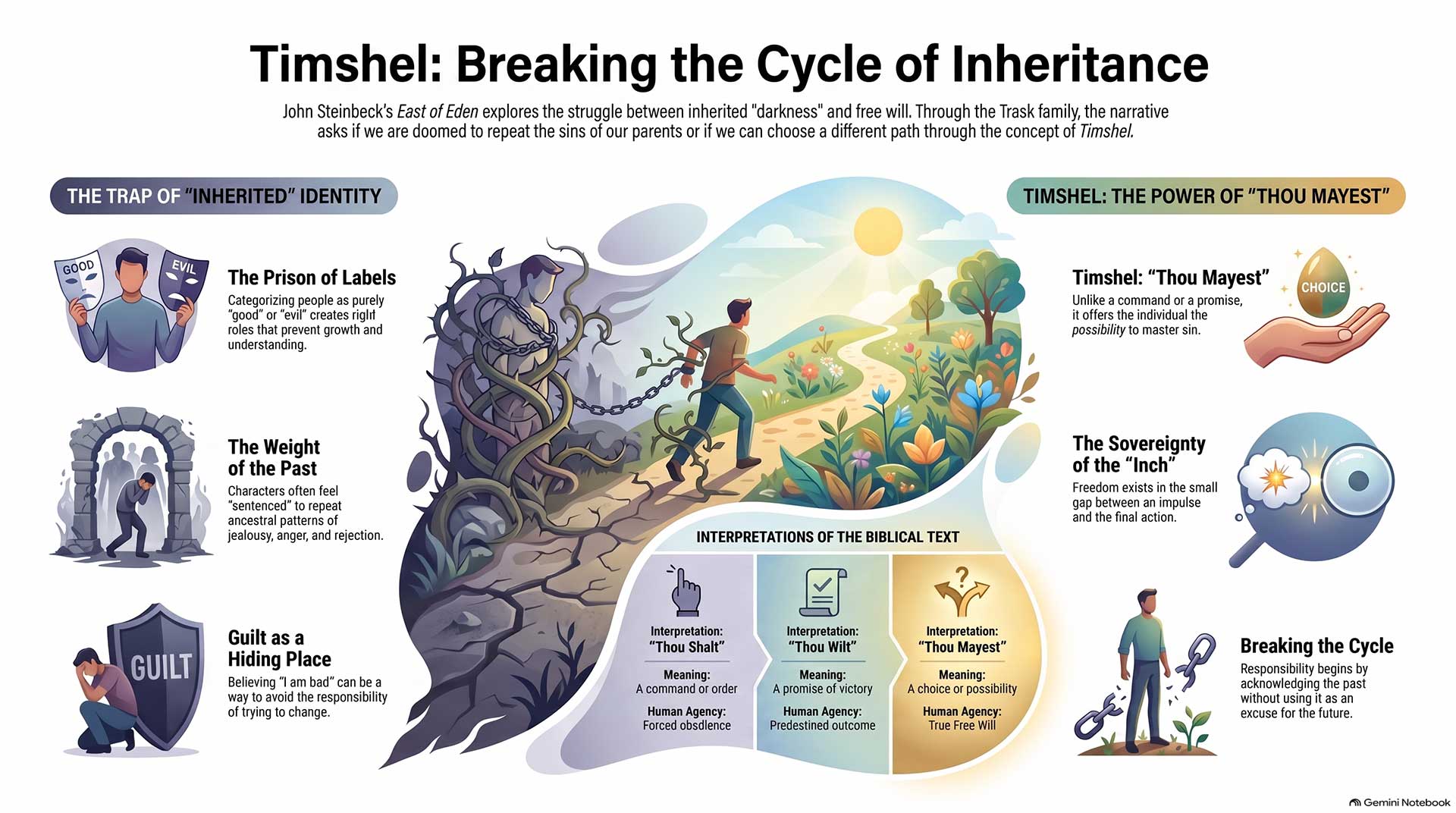
Perhaps the most unsettling discovery in this conversation is that the Trask family's tragedy cannot be reduced to one evil person.
Cathy commits terrible acts.
Cal deliberately wounds Aron.
Adam fails his sons.
Aron retreats from realities he cannot bear.
Yet beneath their individual failures lies something quieter that keeps repeating:
people turning other people into roles.
Cyrus creates different emotional positions for Charles and Adam.
Adam sees Aron as the good son and struggles to understand Cal.
Adam transforms Cathy into the innocent woman he needs her to be.
Aron transforms Abra into the pure woman he needs her to remain.
Cal transforms Cathy into an explanation for everything frightening inside himself.
Even guilt can become another fixed identity.
“I did something terrible” can gradually become:
“I am terrible.”
Once that happens, condemnation may become strangely comfortable. If Cal is simply evil, there is nothing left to decide.
That is why timshel matters.
It does not declare Cal innocent.
It does not restore Aron.
It does not erase Adam's failures.
It does not transform Cathy.
It does not promise that tomorrow will be better.
It leaves tomorrow undecided.
And perhaps that is Steinbeck's more demanding form of hope.
A person can inherit anger without being required to pass it onward.
A child who felt less loved can become a parent who refuses to make love a competition.
Someone raised inside silence can decide to speak.
Someone betrayed can refuse to make the next person pay.
Someone who has caused harm can acknowledge it without making that harm his permanent identity.
Breaking a family cycle may rarely look dramatic.
Sometimes it may occur in a moment nobody else notices:
The sentence you decide not to say.
The comparison you refuse to make between your children.
The apology you finally give.
The truth you tell without using it as a weapon.
The person you allow to be imperfect.
The anger you feel but do not hand to someone else.
This may be the deepest meaning of Cal's struggle.
He cannot choose Cathy.
He cannot choose Adam.
He cannot choose his childhood.
He cannot choose what happened to Aron again.
But he may still have some say over what happens next.
That is one reason the new East of Eden Netflix adaptation feels so timely. Zoe Kazan's seven-episode series, starring Florence Pugh as Cathy Ames, brings fresh attention to inheritance, family wounds, shadow selves, and the question of what one generation passes to the next.
Yet the heart of Steinbeck's story remains larger than any adaptation.
Perhaps the final question of East of Eden is not:
Are you a good person or a bad person?
It may be something far more difficult:
Now that you know what shaped you, what will you choose to pass on?
Timshel.
Thou mayest.
Short Bios:
John Steinbeck (1902–1968)
American novelist born in Salinas, California, whose fiction frequently explored human dignity, hardship, morality, family and social inequality. His major works include The Grapes of Wrath, Of Mice and Men, East of Eden and The Winter of Our Discontent. Steinbeck received the 1962 Nobel Prize in Literature.
Caleb “Cal” Trask
One of Adam and Cathy's twin sons. Intelligent, observant and emotionally conflicted, Cal fears that he has inherited his mother's capacity for cruelty. His struggle between jealousy, guilt and moral choice becomes one of the central threads of East of Eden.
Aron Trask
Cal's twin brother. Sensitive, religious and idealistic, Aron is frequently perceived as the “good” brother. His need for purity makes painful realities increasingly difficult for him to accept.
Adam Trask
Father of Cal and Aron and former husband of Cathy. Adam is compassionate and idealistic but frequently sees people through the lens of what he hopes they will become. His relationships with Cathy and his sons reveal the consequences of idealization and parental favoritism.
Cathy Ames / Kate Trask
Adam's former wife and mother of Cal and Aron. Manipulative, calculating and often cruel, Cathy represents one of the novel's strongest challenges to the idea that everyone desires goodness. Her presence forces the other characters to confront difficult questions about nature, morality and choice.
Abra Bacon
Aron's childhood love who gradually develops a close emotional bond with Cal. Abra rejects the demand to remain someone's idealized image of purity. Her willingness to acknowledge imperfection in herself and others offers a more mature vision of love.
Lee
Adam Trask's Chinese-American cook, companion, caregiver and trusted friend. Intelligent and deeply reflective, Lee becomes one of the novel's moral centers. His exploration of the Cain and Abel story leads to Steinbeck's famous use of timshel, “thou mayest,” expressing the possibility that human beings can choose how they respond to what they have inherited.
Zoe Kazan
American actor, playwright and screenwriter who created Netflix's 2026 seven-episode adaptation of East of Eden. Her version places renewed attention on Cathy Ames, played by Florence Pugh, and explores inheritance, family wounds, shame, reinvention and the question of what one generation passes to the next.
Leave a Reply