• Skip to main content
  • Skip to primary sidebar
  • Skip to footer
ImaginaryTalks.com
  • Spirituality and Esoterica
    • Afterlife Reflections
    • Ancient Civilizations
    • Angels
    • Astrology
    • Bible
    • Buddhism
    • Christianity
    • DP
    • Esoteric
    • Extraterrestrial
    • Fairies
    • God
    • Karma
    • Meditation
    • Metaphysics
    • Past Life Regression
    • Spirituality
    • The Law of Attraction
  • Personal Growth
    • Best Friend
    • Empathy
    • Forgiveness
    • Gratitude
    • Happiness
    • Healing
    • Health
    • Joy
    • Kindness
    • Love
    • Manifestation
    • Mindfulness
    • Self-Help
    • Sleep
  • Business and Global Issues
    • Business
    • Crypto
    • Digital Marketing
    • Economics
    • Financial
    • Investment
    • Wealth
    • Copywriting
    • Climate Change
    • Security
    • Technology
    • War
    • World Peace
  • Culture, Science, and A.I.
    • A.I.
    • Anime
    • Art
    • History & Philosophy
    • Humor
    • Imagination
    • Innovation
    • Literature
    • Lifestyle and Culture
    • Music
    • Science
    • Sports
    • Travel

literary analysis

William Golding Explained by Top Scholars: Evil, Faith, and Redemption

August 6, 2026 by Nick Sasaki Leave a Comment

william golding explained by top scholars

Introduction What if Lord of the Flies was only the beginning of Golding’s moral argument? Most readers know William Golding through a single unforgettable image: a group of schoolboys stranded on an island, slowly descending from cooperation into fear, tribalism, and murder.For generations, Lord of the Flies has been read as a warning about civilization's … [Read more...] about William Golding Explained by Top Scholars: Evil, Faith, and Redemption

Filed Under: Literature, Nobel 100 Best Books, Psychology, Spirituality Tagged With: Golding scholars, Human Nature, literary analysis, Literary Criticism, Lord of the Flies, moral philosophy, Nobel Prize literature, original sin, Pincher Martin, redemption, Rites of Passage, Simon Christ figure, the Beast, The Inheritors, The Spire, William Golding, World War II literature

The Brothers Karamazov Explained Through Its Characters

August 5, 2026 by Nick Sasaki Leave a Comment

Brothers Karamazov explained

What if the person who committed the murder was not the only one responsible for it? A father has been murdered.One son threatened to kill him.Another secretly wished for his death.A third may have given the killer the ideas he needed.The man who committed the murder is dead, and the brother who did not commit it has been convicted.So who is truly … [Read more...] about The Brothers Karamazov Explained Through Its Characters

Filed Under: History & Philosophy, Literature Tagged With: active love, Alyosha Karamazov, Classic Novels, Dmitri Karamazov, faith and doubt, Father Zosima, Fyodor Dostoevsky, Ivan Karamazov, literary analysis, moral responsibility, problem of evil, Russian literature, Smerdyakov, The Brothers Karamazov, The Grand Inquisitor

Albert Camus’s The Stranger Explained Through Its Characters

August 4, 2026 by Nick Sasaki Leave a Comment

the stranger explained

What if remaining neutral could still make you responsible for another person's suffering? Introduction by Albert CamusWhen I wrote The Stranger, I did not intend to create a hero.Nor did I intend to create a villain.I wanted to place one ordinary man before a series of ordinary decisions and ask whether honesty alone is enough to guide a human life.For … [Read more...] about Albert Camus’s The Stranger Explained Through Its Characters

Filed Under: History & Philosophy, Literature, Nobel 100 Best Books Tagged With: Absurdism, Albert Camus, Book Discussion, Classic Novels, Death, Existentialism, French literature, Human Nature, imaginary conversations, justice, literary analysis, Literary Characters, meaning of life, Meursault, modern classics, Nobel Prize literature, philosophy, The Stranger, World Literature

The Plague explained by its characters

August 3, 2026 by Nick Sasaki Leave a Comment

albert camus the plague explained

What if the real plague wasn't disease—but indifference? Introduction by Albert CamusWhen I wrote The Plague, I was never interested in writing merely about disease.Disease was simply the visible event.The invisible event was something far older.I wanted to understand what happens when ordinary people suddenly discover that the world they trusted no longer … [Read more...] about The Plague explained by its characters

Filed Under: History & Philosophy, Literature, Nobel 100 Best Books Tagged With: Absurdism, Albert Camus, Book Discussion, Classic Literature, Classic Novels, Cottard, Dr Bernard Rieux, ethics, Existentialism, Father Paneloux, Human Nature, Imaginary Talks, Jean Tarrou, Joseph Grand, literary analysis, moral responsibility, Nobel Prize literature, philosophy, Raymond Rambert, The Plague

The Old Man and the Sea Explained by Top Scholars

August 2, 2026 by Nick Sasaki Leave a Comment

hemingway scholars debate

What if Santiago did not truly win, but needed to believe that he had? Introduction by Ernest HemingwayWhen I finished The Old Man and the Sea, I believed I had written the truest story I could.Not the biggest.Not the most complicated.Simply the truest.Years passed, and something curious happened.Readers refused to leave the old fisherman alone.Some saw … [Read more...] about The Old Man and the Sea Explained by Top Scholars

Filed Under: Literature, Nobel 100 Best Books Tagged With: Aging, Book Discussion, Christian Imagery, Classic Literature, Ecology, Ernest Hemingway, Hemingway Scholars, Imaginary Talks, literary analysis, Manolin, Masculinity, Nature, Nobel Prize literature, Pride, Santiago, symbolism, The Old Man and the Sea

Blindness Explained Through Its Characters and José Saramago

July 31, 2026 by Nick Sasaki Leave a Comment

José-Saramago-Blindness-Explained-

Insert Video What if the greatest blindness isn't losing your eyesight—but losing the ability to recognize another person's humanity? Introduction By José SaramagoA man waits at a traffic light.The light turns green.He does not move.Behind him, drivers sound their horns. They can see the signal, the road, the motionless car, and the inconvenience he … [Read more...] about Blindness Explained Through Its Characters and José Saramago

Filed Under: Literature, Nobel 100 Best Books Tagged With: Blindness, Blindness Explained, book analysis, Book Club, Book Discussion, Civilization, Classic Literature, compassion, Doctor's Wife, Dog of Tears, dystopian fiction, Human Nature, Imaginary Talks, José Saramago, literary analysis, literary fiction, morality, Nobel Prize literature, philosophy, symbolism

Beloved Ending Explained: 25 Questions Answered by Morrison Scholars

July 30, 2026 by Nick Sasaki Leave a Comment

Insert Video What if the hardest question in the novel isn't whether Sethe was right—but whether we are asking the wrong question? Most people finish Beloved with more questions than answers.Was Beloved really a ghost?Why did Sethe kill her child?What does “not a story to pass on” actually mean?And why does Toni Morrison make the novel so difficult … [Read more...] about Beloved Ending Explained: 25 Questions Answered by Morrison Scholars

Filed Under: Literature, Nobel 100 Best Books Tagged With: African American Literature, American Novels, Beloved, Book Club, Book Explained, Classic Literature, Imaginary Talks, literary analysis, Literature, memory, Nobel Prize, slavery, symbolism, Toni Morrison, trauma

Beloved Explained Through Its Characters and Toni Morrison

July 29, 2026 by Nick Sasaki Leave a Comment

Toni-Morrison-Beloved-Explained-

What if Sethe’s most horrifying act began not with hatred, but with a love made desperate by slavery? Some novels are read.Others are survived.Beloved is one of the rare books that refuses to stay inside literature. It follows you long after the final page because it asks questions that have no comfortable answers. How does a mother love her child in a world … [Read more...] about Beloved Explained Through Its Characters and Toni Morrison

Filed Under: Healing, Literature, Nobel 100 Best Books, Psychology Tagged With: African American Literature, Baby Suggs, Beloved, Classic Novels, Community, Denver, healing, historical fiction, literary analysis, memory, Motherhood, Nobel Prize literature, Paul D, Sethe, slavery, Stamp Paid, Toni Morrison, trauma

Hateship Friendship Courtship Loveship Marriage explained

July 27, 2026 by Nick Sasaki Leave a Comment

are-any-lives-truly-ordinary-

Why Alice Munro’s Ordinary Lives Feel Extraordinary?Most of us spend our lives believing we understand people.We meet someone for a few minutes and quietly place them into categories.Successful.Shy.Intelligent.Difficult.Kind.Hopeless.Reliable.Ordinary.Then life surprises us.The quiet woman becomes unexpectedly courageous.The confident man quietly falls apart.A … [Read more...] about Hateship Friendship Courtship Loveship Marriage explained

Filed Under: Literature, NYT 100 Best Books Tagged With: Alice Munro, Anton Chekhov, Canadian literature, chance and destiny, Elizabeth Strout, Johanna Parry, Kazuo Ishiguro, literary analysis, ordinary lives, short stories

Demon Copperhead Explained: Barbara Kingsolver’s Pulitzer-Winning Novel

July 25, 2026 by Nick Sasaki Leave a Comment

What if every child had at least one adult who never gave up on them? Some novels entertain us.Some educate us.And a rare few quietly change the way we look at other people.Demon Copperhead is one of those rare books.Winner of the 2023 Pulitzer Prize for Fiction, Barbara Kingsolver's modern retelling of Charles Dickens' David Copperfield transports readers … [Read more...] about Demon Copperhead Explained: Barbara Kingsolver’s Pulitzer-Winning Novel

Filed Under: Literature, NYT 100 Best Books, Personal Development, Psychology Tagged With: addiction recovery, Appalachian literature, Barbara Kingsolver, Book Discussion, character study, Charles Dickens, childhood trauma, contemporary American fiction, David Copperfield adaptation, Demon Copperhead, Demon Copperhead analysis, Demon Copperhead explained, Demon Copperhead summary, foster care, hope, Imaginary Talks, literary analysis, opioid crisis, Pulitzer Prize fiction, resilience

  • « Go to Previous Page
  • Page 1
  • Page 2
  • Page 3
  • Page 4
  • Go to Next Page »

Primary Sidebar

RECENT POSTS

  • 5 Modern Stories Inspired by Cleopatra’s Greatest Lessons
  • Joan of Arc: 5 Modern Stories About Faith and Courage
  • Joan of Arc ExplainedJoan of Arc Examined: Voices, War, Trial, and Legend
  • Joan of Arc HistoryJoan of Arc: Did God Really Speak to Her?
  • ASI stories5 Stories About Life After AI Surpasses Human Intelligence
  • the age of superintelligenceThe Age of Superintelligence: What Happens When AI Surpasses Humans?
  • masayoshi son ai futureMasayoshi Son’s AI Future: Health, Jobs, Cyberwar & Japan
  • The Good Earth: 5 Modern Stories About Love and Sacrifice
  • the good earth scholarsThe Good Earth: What Scholars Reveal About Wang Lung and O-lan
  • the good earthThe Good Earth: Did Wealth Destroy What Wang Lung Loved?
  • SoftBank World 2026: Masayoshi Son’s AI 2040 Vision Explained
  • The Great Gatsby in 7 Minutes: Why Gatsby’s Dream Failed
  • a new earthIs Humanity Entering a New Earth? Spiritual Awakening Explained
  • great gatsby modern storiesThe Great Gatsby: 5 Modern Stories About Dreams We Chase
  • the great gatsby analysisThe Great Gatsby Experts Explain Gatsby’s Dream and Tragedy
  • the Great Gatsby explainedThe Great Gatsby: Did Gatsby Love Daisy or His Dream?
  • After Of Mice and Men: What Happened to George After Lennie?
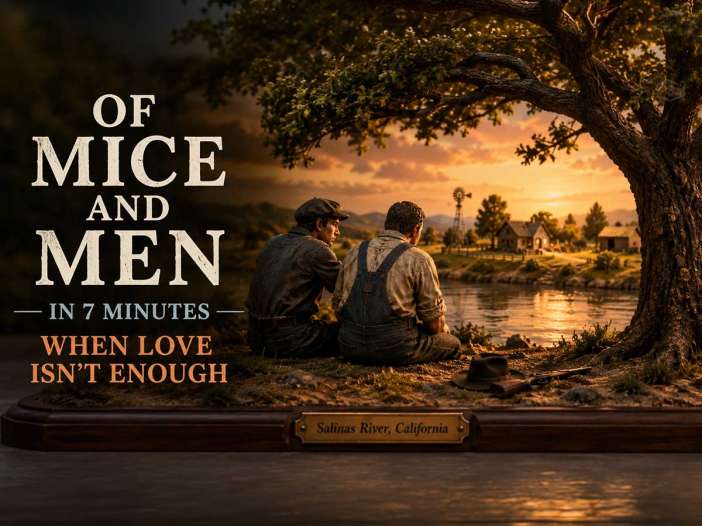
  • Of Mice and Men in 7 Minutes: When Love Is Not Enough
  • of mice and men modern day storiesOf Mice and Men: 5 Modern Stories About Love, Care and Responsibility
  • of mice and men analysisOf Mice and Men: Was George Right to Kill Lennie?
  • of mice and men 5Of Mice and Men: Was George’s Final Choice an Act of Love?

  • grapes of wrath modern storiesThe Grapes of Wrath Today: 5 Modern Stories About “I” and “We”
  • grapes of wrath questionsThe Grapes of Wrath Explained: 5 Questions Readers Still Ask
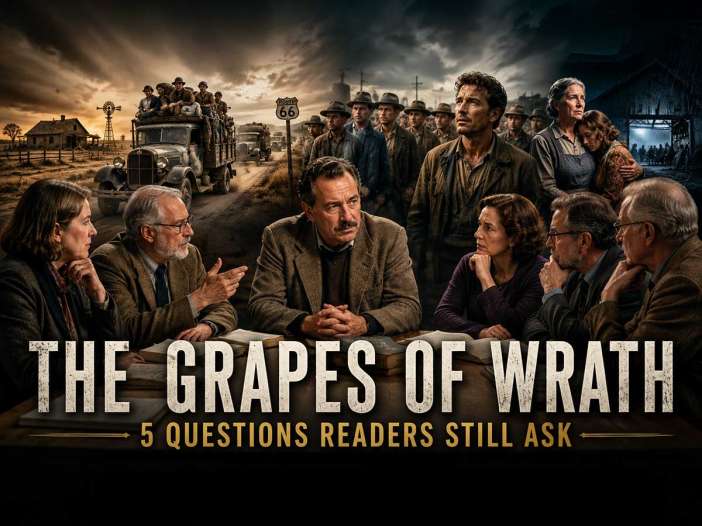
  • the grapes of wrath john steinbeckThe Grapes of Wrath: When Does “Me” Become “We”?
  • Stand With Jesus: What If People Tried to Stop the Crucifixion?
  • East of Eden Today: 5 Stories About Breaking Family Cycles
  • john steinbeck east of edenEast of Eden: Does Timshel Still Make Sense Today?
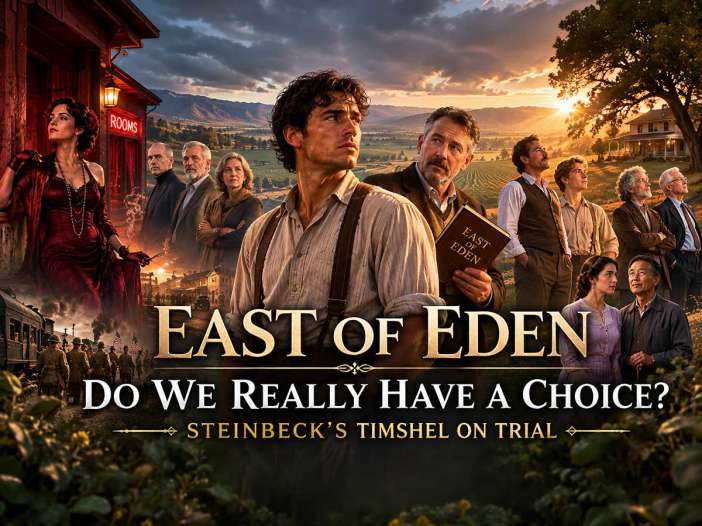
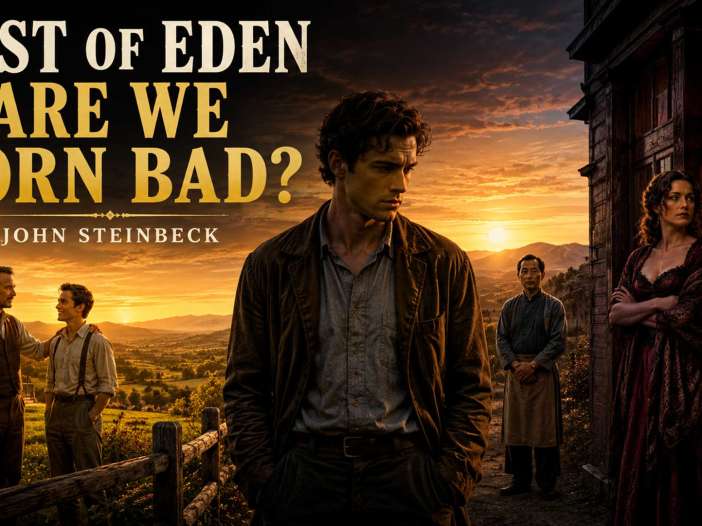
  • East of Eden: Are We Born Bad or Free to Choose?
  • Convenience Store Woman: 5 American Stories About Marriage and Freedom
  • convenience-store-women-analysis-Convenience Store Woman: Is the New Normal Really Normal?
  • convenience store womenConvenience Store Woman: Who Decides What Is Normal?

  • sayaka murata imaginary friendsSayaka Murata Imaginary Friends: The Mystery Behind Her Inner World
  • Social Health Stories: 5 Ways We Lost Our Sense of Belonging
  • Social Health: Why Modern Life Is Making Us Lonely
  • nickel-boys-modern-stories-The Nickel Boys: 5 Modern Stories About Truth, Trauma and Hope
  • coloson whitehead the nickel boys discussionThe Nickel Boys: What Kind of Hope Survives Injustice?
  • the nickel boys colson whiteheadThe Nickel Boys: Elwood and Turner on Justice, Survival and Truth
  • AI Resource Consumption: Can AI Give More Than It Takes?
  • madeline-miller-circe-modern-stories-5 Modern Stories Inspired by Circe by Madeline Miller
  • Circle-Madeline-Miller-analysis-Circe Explained: Myth, Meaning, and Madeline Miller
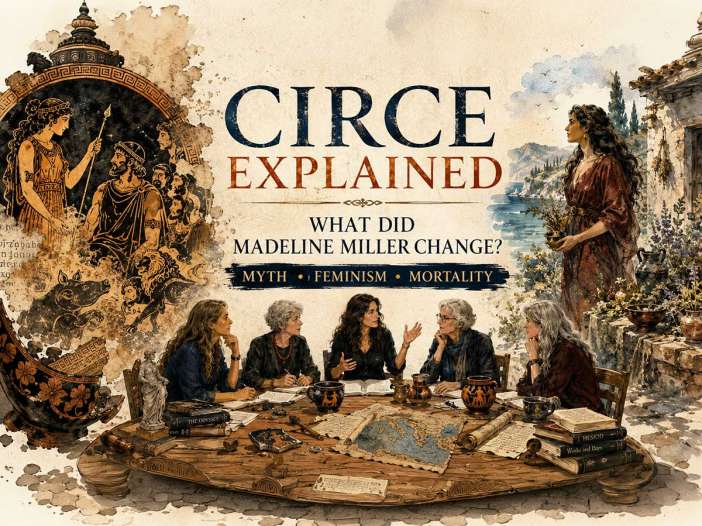
  • Madeline Miller Circle CharactersMadeline Miller Circe: What If No One Ever Chose You?
  • 5 Modern Stories Inspired by Keigo Higashino’s Silent Parade
  • could japanese culture succeed where religion has failedCould Japanese Culture Succeed Where Religion Has Failed?
  • keigo-Higashino-when-love-becomes-too-much-5 Modern Stories Inspired by The Devotion of Suspect X
  • The Devotion of Suspect X Explained by Psychologists: Is Ishigami’s Love Really Love?
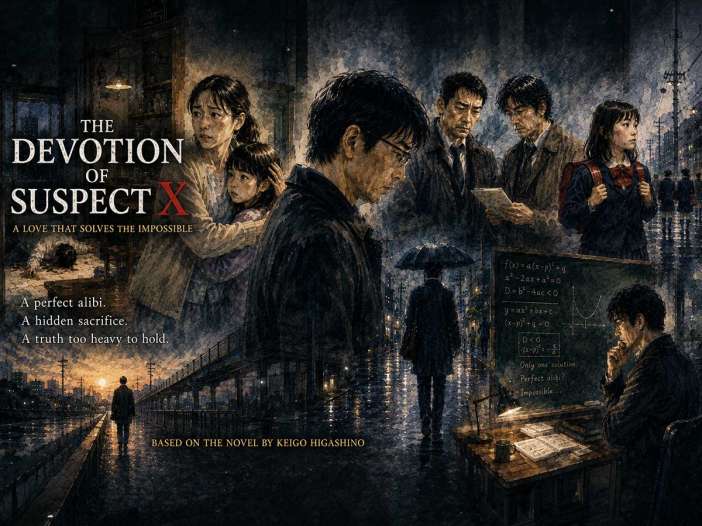
  • the devotion of suspect xThe Devotion of Suspect X Explained: Was Ishigami’s Sacrifice Really Love?
  • 5 Modern Midnight Library Stories About Regret, AI, and Choice
  • Matt Haig The Midnight LibraryThe Midnight Library Explained by Scholars and Matt Haig
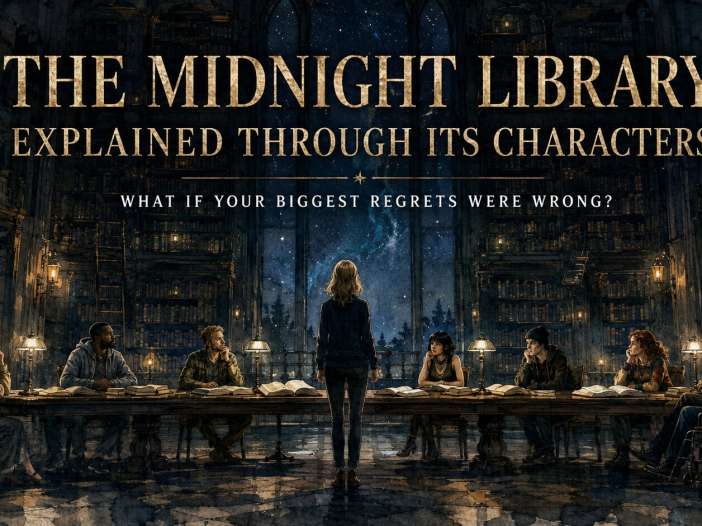
  • The-Midnight-Library-explainedThe Midnight Library Explained Through Its Characters
  • 5 Modern Siddhartha Stories About Wisdom, Love, AI, and Choice
  • Siddhartha explained by leading scholarsSiddhartha Explained by Leading Hermann Hesse Scholars
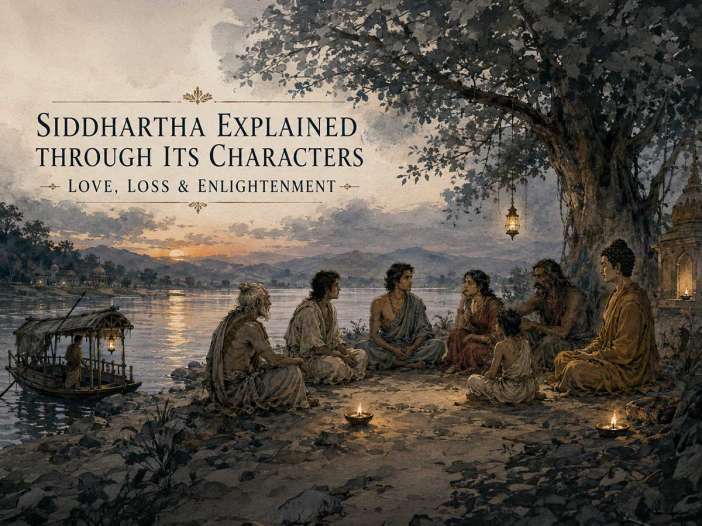
  • Siddhartha explainedSiddhartha Explained Through Its Characters: Love, Loss, and Enlightenment
  • before-the-names-are-carved-Before the Names Are Carved: Five Connected Stories
  • The Scholars and the Unworn ShoesHan Kang Human Acts Explained by Leading Scholars
  • Han Kang Human Acts: An Imaginary Conversation with the Dead
  • The Years We Thought We Had: A Story of Love and Waiting in Japan
  • snow-country-analysis-Snow Country Analysis: Kawabata Scholars Explain It
  • snow-country-was-their-love-realSnow Country Explained Through Its Characters
  • the-man-who-never-took-the-day-off-The Man Who Never Took the Day Off: A Modern Ishiguro Story
  • The Remains of the Day Explained by Leading Ishiguro Scholars
  • the-remains-of-the-day-imaginary-talks-The Remains of the Day Explained Through Its Characters
  • the-pastor-who-couldnt-be-forgiven-The Pastor Who Couldn’t Be Forgiven: A Modern Story of Grace
  • disgrace-j-m-coetzee-Disgrace Explained Through Its Characters
  • disgrace-explained-leading-jm-coetzee-scholarsDisgrace Explained by Leading J. M. Coetzee Scholars
  • Forty-One Could Live. Nine Had to Die.
  • The Gospel According to Jesus Christ explainedThe Gospel According to Jesus Christ Explained Through Its Characters
  • SARAMAGO’S GOSPEL EXPLAINEDThe Gospel According to Jesus Christ Explained by Top Scholars
  • the last safe floorThe Last Safe Floor: A Modern Lord of the Flies Story for 2026
  • william golding explained by top scholarsWilliam Golding Explained by Top Scholars: Evil, Faith, and Redemption
  • lord-of-flies-character-conversation-Lord of the Flies Explained Through Its Characters: Is the Beast Inside Us?
  • never complain never explainNever Complain Never Explain: Henry Ford & Disraeli
  • The Empty Chair: A Modern Brothers Karamazov Story
  • the brothers karamazov explained top dostoevsky scholarsThe Brothers Karamazov Explained by Top Dostoevsky Scholars
  • Brothers Karamazov explainedThe Brothers Karamazov Explained Through Its Characters
  • before yesBefore Yes: A Modern American Story Inspired by Albert Camus
  • The Stranger Explained by Top Albert Camus Scholars
  • the stranger explainedAlbert Camus’s The Stranger Explained Through Its Characters
  • What is Worth Saving?The Last Store on Main Street: Inspired by The Sound and the Fury
  • The Sound and the Fury Scholar discussionThe Sound and the Fury Explained by Top William Faulkner Scholars
  • The Sound and the Fury Family SpokenThe Sound and the Fury Explained by Its Characters
  • The Building That Stopped Seeing | Modern Camus Story
  • The Plague Explained by Top Albert Camus Scholars
  • albert camus the plague explainedThe Plague explained by its characters
  • the last good sentenceThe Last Good Sentence: A Story About Fame and Loneliness
  • hemingway scholars debateThe Old Man and the Sea Explained by Top Scholars
  • The Old Man and the Sea Explained by Its Characters
  • the new meaning of survivalThe New Meaning of Survival: Top Scholars on Human Flourishing
  • true meanig of survivalThe True Meaning of Survival: Living, Not Just Existing
  • the last affordable roadThe Last Affordable Road: A Modern Grapes of Wrath Story
  • the-grapes-of-wrath-explained-by-top-scholars-The Grapes of Wrath Explained: Top Steinbeck Scholars
  • the grapes of wrath conversationThe Grapes of Wrath Explained Through Its Characters
  • the white silenceThe White Silence: A Japanese Novel of Loneliness
  • jose-saramago-blindness-explained-Blindness Explained by Top Scholars | José Saramago’s Greatest Warning
  • José-Saramago-Blindness-Explained-Blindness Explained Through Its Characters and José Saramago
  • Can the Bhagavad Gita Still Guide Humanity in 2026?
  • The Crown of AshesThe Crown of Ashes: A Modern Shakespearean Tragedy
  • the-fourth-bowl-If Toni Morrison Wrote a Japanese Family Novel: The Fourth Bowl
  • Beloved Ending Explained: 25 Questions Answered by Morrison Scholars
  • Toni-Morrison-Beloved-Explained-Beloved Explained Through Its Characters and Toni Morrison
  • house with the black stoneThe House With the Black Stone: A Korean Family Saga

Footer

Recent Posts

  • 5 Modern Stories Inspired by Cleopatra’s Greatest Lessons September 5, 2026
  • Joan of Arc: 5 Modern Stories About Faith and Courage September 5, 2026
  • Joan of Arc Examined: Voices, War, Trial, and Legend September 5, 2026
  • Joan of Arc: Did God Really Speak to Her? September 5, 2026
  • 5 Stories About Life After AI Surpasses Human Intelligence September 5, 2026
  • The Age of Superintelligence: What Happens When AI Surpasses Humans? September 4, 2026

Pages

  • About Us
  • Contact Us
  • Disclaimer
  • Earnings Disclaimer
  • Privacy Policy
  • Terms and Conditions

Categories

Copyright © 2026 Imaginarytalks.com